





What is testosterone?
Testosterone is essential to male development and health, regulating muscle mass, bone density, libido, mood, and energy levels. While it is often labeled the male hormone, it is not exclusive to men. Women also produce testosterone, in smaller quantities, primarily in the ovaries and adrenal glands. In men, testosterone is produced mainly in the testes and controlled by the pituitary gland.
Testosterone is not all upside for hair health, though. It sets the stage for its more potent byproduct, DHT (dihydrotestosterone).
How hormones affect hair growth
Testosterone plays a supporting role in hair growth, but the real effect comes once it is converted into DHT by an enzyme called 5-alpha reductase. Once formed, DHT binds to hair follicles, shrinking them in a process called miniaturization. Over time this weakens hair strands, shortens growth cycles, and can eventually halt hair production in susceptible individuals.
DHT and hair loss are not a package deal for everyone. Genetic predisposition determines how sensitive hair follicles are to DHT. Highly sensitive follicles can thin from even a modest amount of DHT, while some people with elevated testosterone or DHT never experience noticeable hair loss.
The link between testosterone and hair loss
Testosterone has long been cast as the villain of hair loss, but it is not that simple. Even whey protein gets pulled into the conversation, since it can raise testosterone levels somewhat, but testosterone itself is not the direct cause of thinning hair. The real culprit is DHT, a potent byproduct of testosterone.
An enzyme called 5-alpha reductase converts testosterone into DHT, which then binds to hair follicles. Over time, this binding process shrinks the follicles and results in progressively finer, weaker strands. Left unchecked, DHT can cause follicles to stop producing hair altogether. Learn more about DHT and hair loss.
So, can high testosterone lead to hair loss?
Not necessarily. The amount of testosterone converted to DHT is relatively small, and not everyone with high testosterone is predisposed to hair loss. Genetics, age, and lifestyle all play a significant role in determining whether hair loss actually happens. For those who are genetically sensitive to DHT, even normal testosterone levels can result in thinning, which is why addressing the root cause matters more than focusing on testosterone levels alone.
Is balding a sign of high testosterone?
Not on its own. Balding is driven mainly by how sensitive your hair follicles are to DHT, not by your testosterone level itself. Plenty of men with average testosterone go bald due to genetic sensitivity, while some men with high testosterone keep a full head of hair. The same logic applies in reverse: fast hair growth is not a reliable sign of high testosterone either, since growth speed is mostly determined by genetics, age, and follicle health rather than hormone levels.
Signs of high and low testosterone
Even though testosterone levels and hair loss are not directly linked, understanding the signs of high and low testosterone can help you manage your overall health.
Signs of high testosterone:
- Increased muscle mass
- High libido
- Aggressive or competitive behavior
- Acne or oily skin
- Excess body hair
Signs of low testosterone:
- Fatigue
- Reduced libido
- Loss of muscle mass
- Increased body fat
- Mood changes
Figuring out your hair loss
The right next step depends on what is actually going on:
- Trying to identify the cause of recent hair loss? Start by looking at the pattern. Thinning concentrated at the crown, temples, or hairline points toward androgenetic alopecia and DHT sensitivity. Diffuse, all over shedding is more often tied to stress, illness, or a hormone or nutrient imbalance unrelated to DHT.
- Currently considering or taking testosterone therapy? If you are on or exploring TRT, the relevant question is not your testosterone level but your genetic sensitivity to DHT. See our dedicated guide on does TRT cause hair loss for what to expect and how to monitor for early signs. Women considering testosterone therapy should also see our guide on testosterone therapy and hair loss in women, since dosing and risk factors differ.
Either way, a dermatologist can confirm what is driving your specific hair loss. In the meantime, non-invasive options like FDA-cleared Low-Level Light Therapy (LLLT) are safe to start regardless of the underlying cause.
How to treat testosterone-related hair loss
Treating testosterone-related hair loss generally means targeting DHT's effects on hair follicles. This is general information, not medical advice. A dermatologist or doctor can confirm what is right for you.
- Minoxidil (Rogaine®). Extends the growth phase of hair, making it an effective option for early stage hair loss.
- Finasteride (Propecia®). Finasteride inhibits 5-alpha reductase, reducing the conversion of testosterone into DHT. This slows follicle miniaturization and helps maintain existing hair. It is not advised for anyone pregnant or trying to become pregnant, since it can cause serious birth defects. Always consult a healthcare professional before starting treatment.
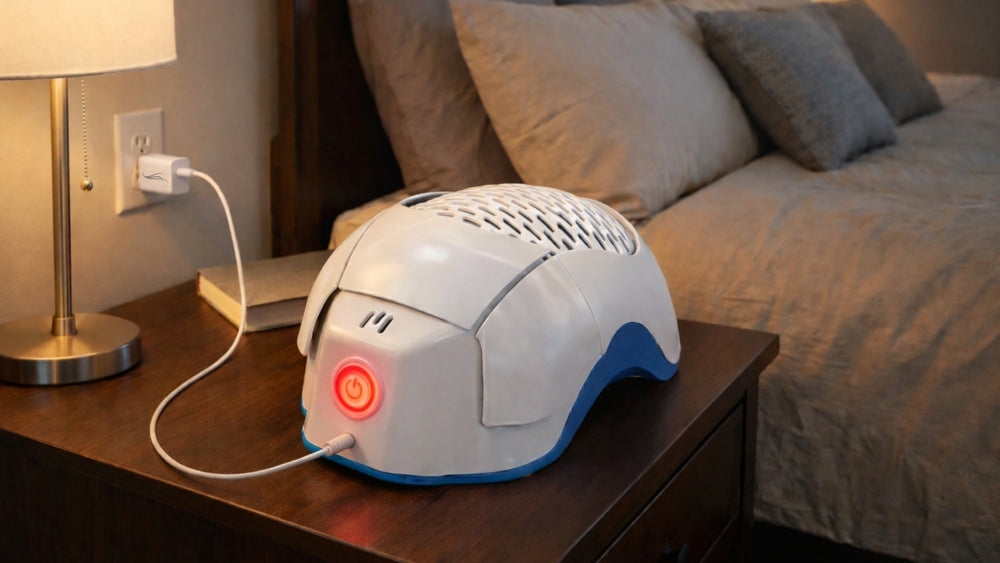
- Low-Level Light Therapy. LLLT stimulates cellular activity in the scalp, supporting healthier hair growth. Devices like laser helmets are effective for both men and women, and work well alongside medications like minoxidil for enhanced results.
- Hair transplant. Relocating healthy follicles to thinning or balding areas is a surgical option, usually reserved for more advanced hair loss. Ongoing care matters here too, since transplanted follicles are not guaranteed to survive long term. If you are weighing this option, our guide to hair transplant alternatives is worth a read first.
How Theradome fits in
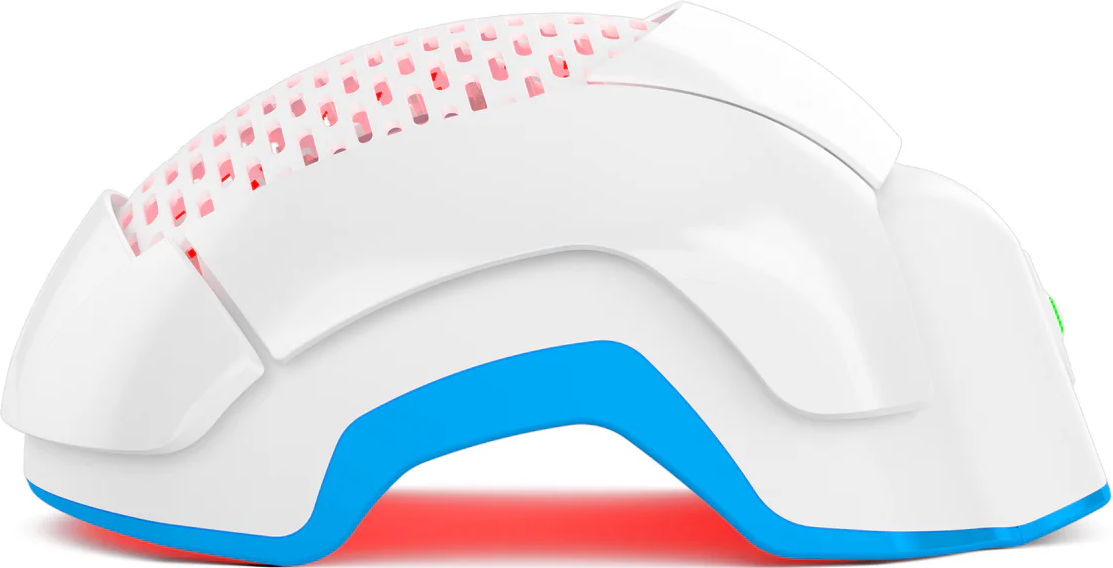
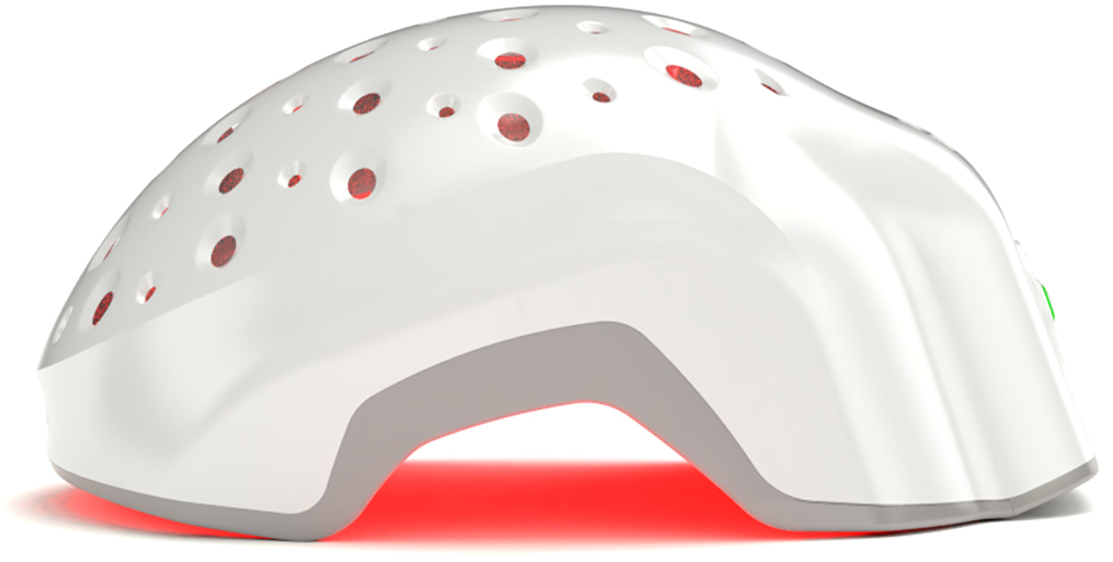
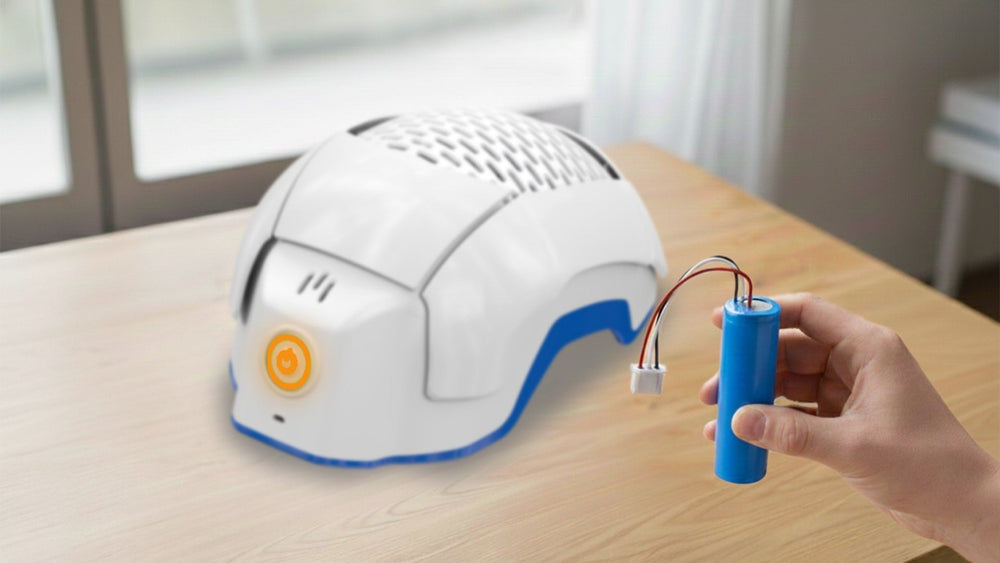
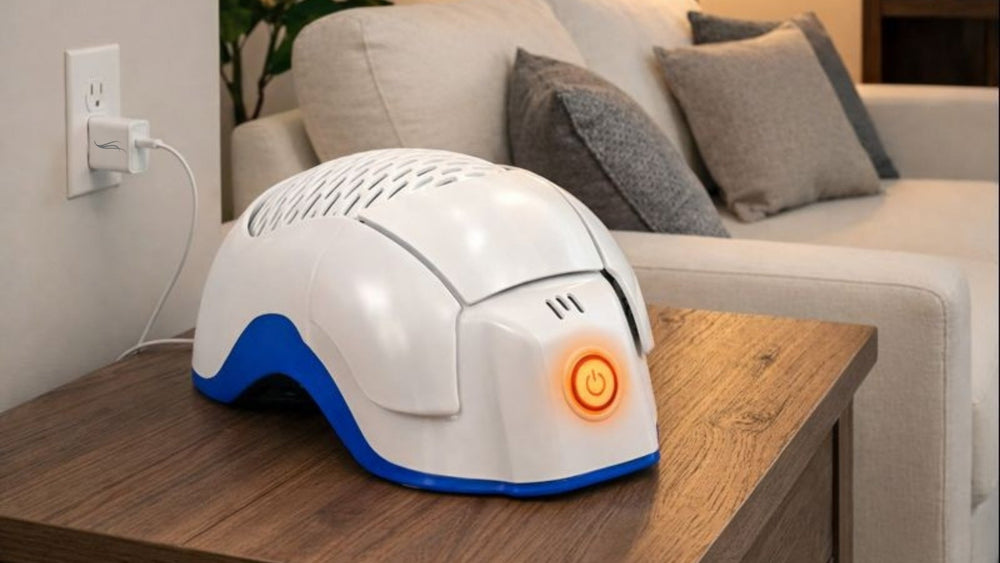
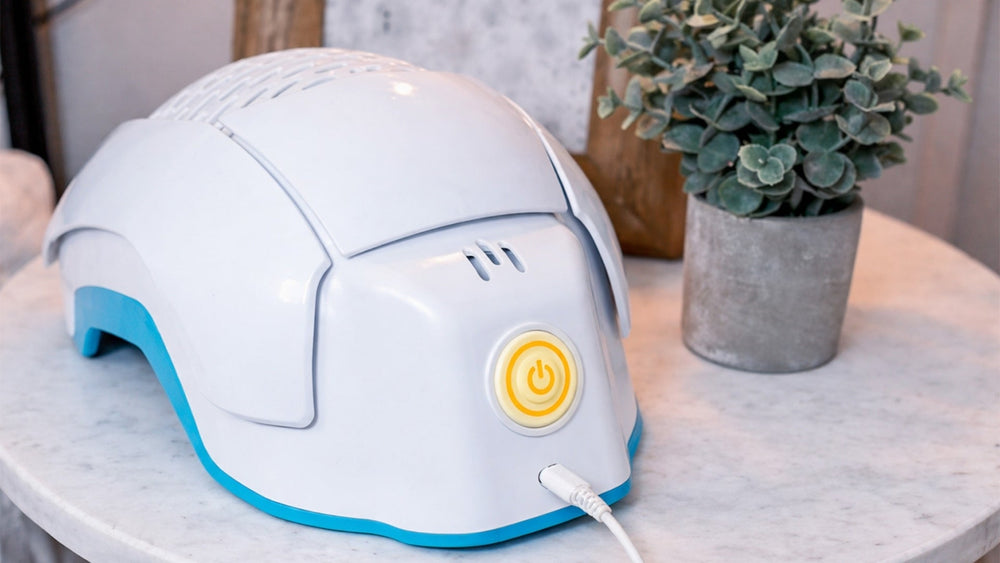
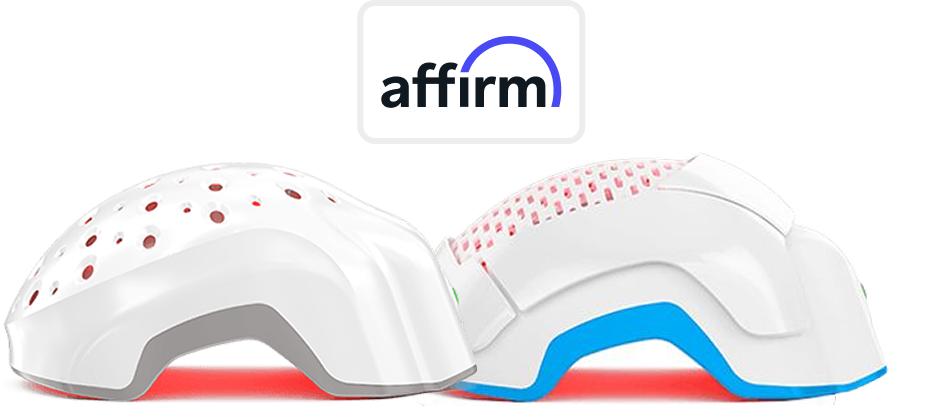
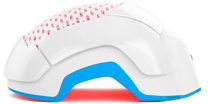
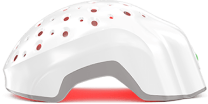
Theradome is an FDA-cleared helmet device using US-made lasers, delivering LLLT at a wavelength of 680 nanometers. It is designed to support hair follicles that are under hormonal stress from DHT, whether or not you are also using medication.
Most people using the Theradome PRO LH80 or Theradome EVO LH40 start noticing reduced shedding and healthier looking hair within 8 to 12 weeks of consistent use, at the optimal energy dose delivered in each session. For a full at-home regimen, use either helmet alongside the Complete Hair Growth Bundle.
Ready to support your hair against hormonal stress? Explore the Theradome laser helmet and start protecting your hair today.