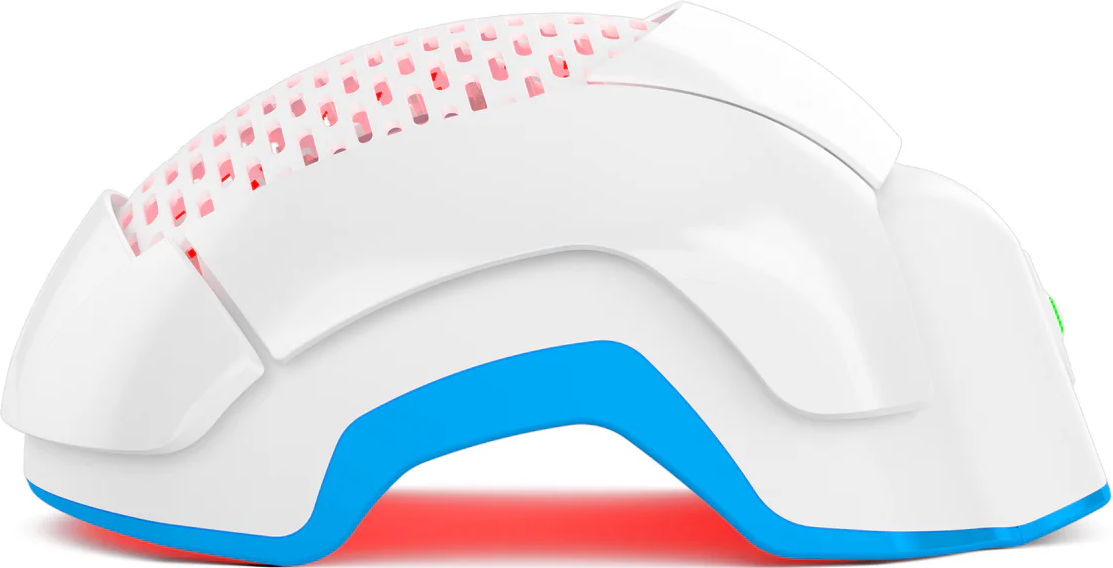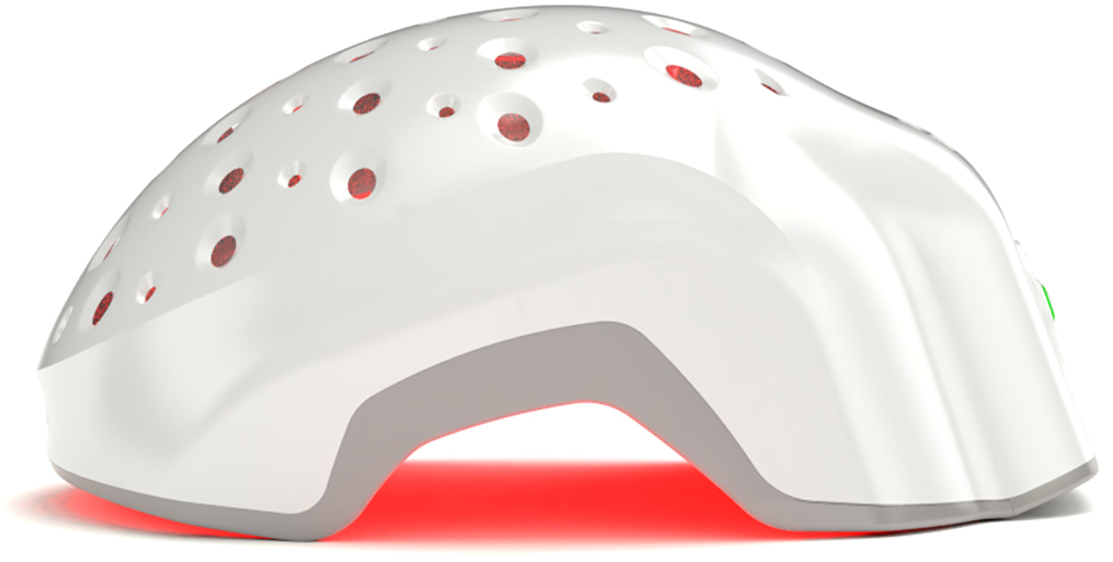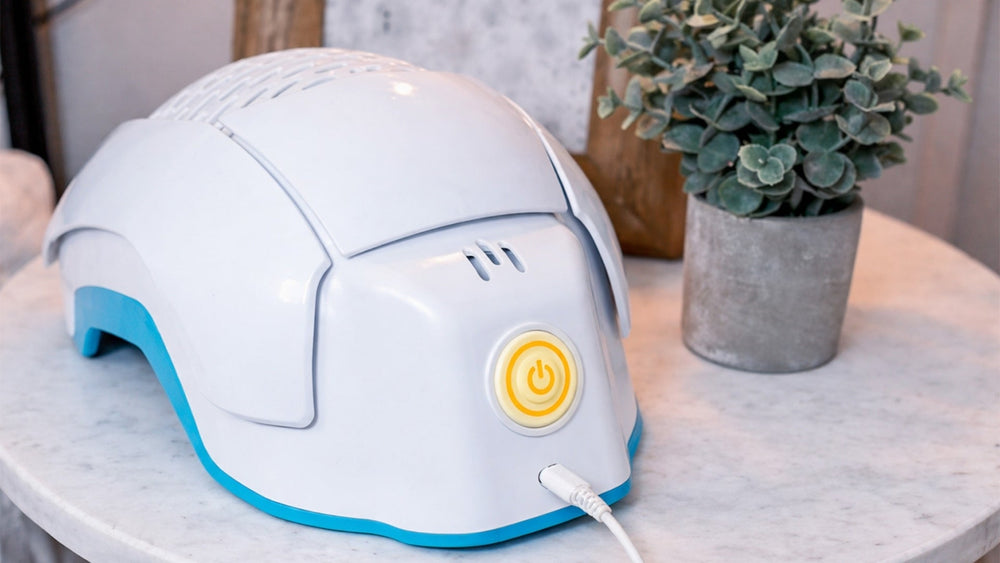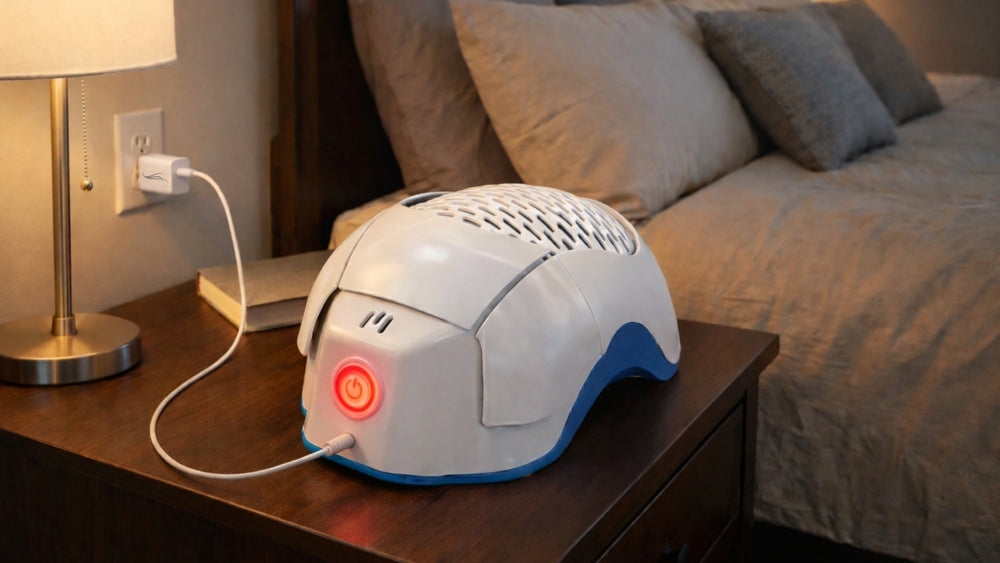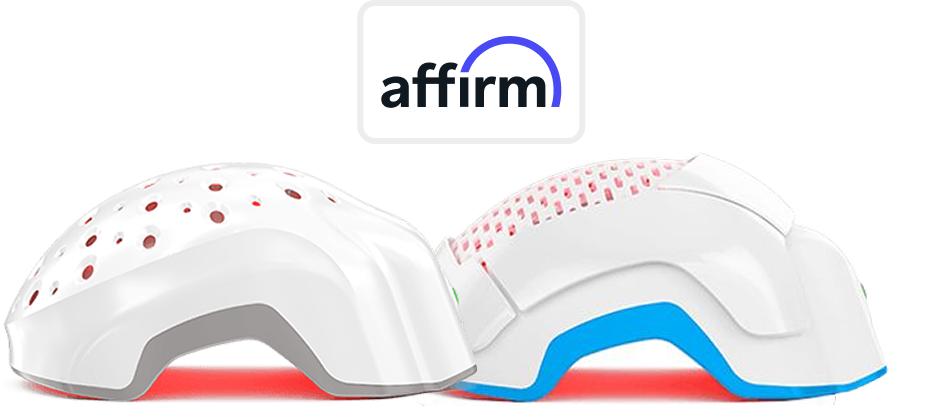






Your Theradome isn’t just another gadget—it’s a wearable medical device designed with surgical precision to deliver therapeutic light directly to your scalp. Laser Phototherapy (LPT) works by stimulating cellular energy production, encouraging follicular renewal, and supporting the scalp environment where hair thrives.
Like any medical-grade tool, its performance relies on how you treat it. A neglected Theradome (caked with oil, sweat, or hair product residue) can deliver weaker light, run less efficiently, and shorten its own lifespan. Proper care keeps both the device and your results in peak form.
Model Comparison Snapshot: Theradome PRO vs. EVO
Both models use the same core technology—Laser Phototherapy (LPT)—to energize follicles and encourage healthy hair growth. But there are subtle design and operational distinctions worth knowing before we dive into care:
- Theradome PRO LH80: 80 laser diodes, higher total light energy per session, roughly 20 minutes per treatment. Ideal for users managing advanced thinning or longer-term regrowth goals.
- Theradome EVO LH40: 40 laser diodes, 20-minute sessions as well, but draws less power per cycle—making battery care slightly different (charging cycles tend to be shorter).
- Both are FDA-cleared Class 3R cold lasers (under 5 mW per diode), ensuring safety for at-home use.
While cleaning, storage, and usage guidelines overlap, PRO’s greater optical density means careful attention to lens cleanliness is especially important to preserve output efficiency.
Why Maintenance Matters for Theradome
Laser Phototherapy devices emit precise, coherent light through dozens of diodes arranged to cover your scalp. Even a thin film of residue or lint can scatter that light and reduce its strength before it reaches the follicles.
The manual is blunt about this: keep all contact surfaces clean. Oils, buildup, and sweat interfere with optical output and comfort. Over time, ignoring hygiene not only degrades your device—it can also make it harder for your scalp to benefit from each session.
And here’s something many skip but shouldn’t: every Theradome helmet comes with a detailed user manual, included in the box, that outlines these care and maintenance instructions step by step. It’s your best guide to getting the most from your investment. A few minutes spent reading it can make all the difference between “working okay” and working optimally.
Theradome is a long-term investment. Treating it like fine equipment instead of a helmet tossed on the shelf will pay dividends in reliability and visible results.
How Often Should You Clean Your Theradome?
After each session if your scalp is damp, sweaty, or coated with styling products. At the very least, once per week as part of your self-care rhythm.
If you share the household with other users, or if you deal with dandruff or seborrheic dermatitis, increase cleaning frequency. Keeping those contact pads clean supports both scalp comfort and diode performance.
Step-by-Step Cleaning Guide
The User Manual makes a few things non-negotiable:
- Power down and unplug first. Never clean while charging or powered.
- Use a microfiber or lint-free cloth. Dampen lightly with 70% isopropyl alcohol or a manufacturer-approved wipe—just enough to clean, not to soak.
- Wipe the outer shell and the inner foam padding. For the PRO model, take extra care around the denser diode clusters—these need a clear optical path.
- Never submerge. Avoid dripping moisture near ports or seams.
- Let it air-dry fully before next use.
- Avoid acetone, bleach, or abrasive cleaners. They may dull the finish or compromise the light diffusers.
The CDC classifies this type of device as non-critical—meaning low-level disinfection is appropriate for intact skin contact.
If your device feels tacky or slightly oily, that’s residue. Wipe again until surfaces feel dry and smooth. Simple care now prevents buildup that might require deep cleaning later.
(By the way, cleaning too aggressively can do harm—wipe, don’t scrub.)
Proper Storage and Handling
Where and How to Store Your Device
We recommend storing your Theradome between 5°C and 35°C (41–95°F)—a stable, cool environment away from humidity or sunlight. Bathrooms, window sills, and car interiors? Bad idea.
Keep it in its original carrying case when not in use, or on a soft surface that prevents scratches. The PRO’s additional diodes make it heavier; avoid dropping or compressing the dome.
Travel with Your Theradome
Both models use lithium-ion batteries, which means carry-on luggage only per FAA guidelines. Cap the charging port or use the provided cover to protect terminals.
Always charge before travel, and pack the charger in a separate pouch.
For international travel, use only voltage-compatible outlets—Theradome chargers are dual-voltage, but always double-check the plug adapter type.
Battery Health for Longevity
How Often to Charge
- PRO LH80: Expect approximately 8–9 full sessions per charge. Recharge once the battery indicator blinks orange.
- EVO LH40: Slightly shorter runtime (around 6–7 sessions). Recharge when you see the yellow warning light.
Avoid deep discharging; lithium-ion cells prefer mid-level charging. If you plan to pause use for weeks, top off to 50–70% and unplug before storage.
Safe Charging Practices
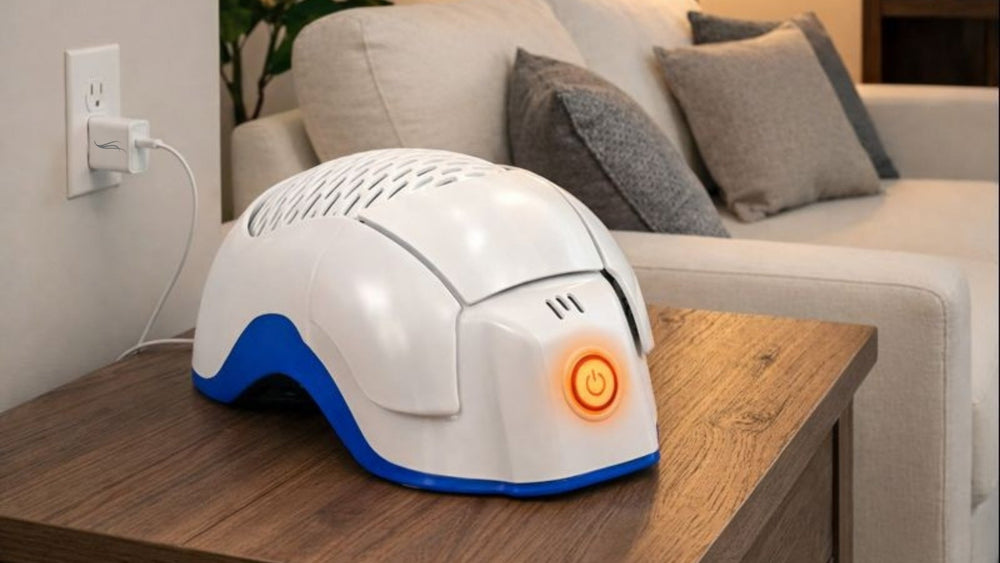
- Plug into a stable outlet—no extension cords or adapters not rated for electronics.\
- Charge on a hard surface (not soft bedding) to avoid trapped heat.
- Don’t overcharge overnight. The LED turns green when complete; unplug within a reasonable timeframe.
- Keep the charger away from water, lotions, or sprays.
The FDA’s photobiomodulation device guidance reiterates that accessories must be kept free from contamination and damage.
Battery Lifespan & Replacement
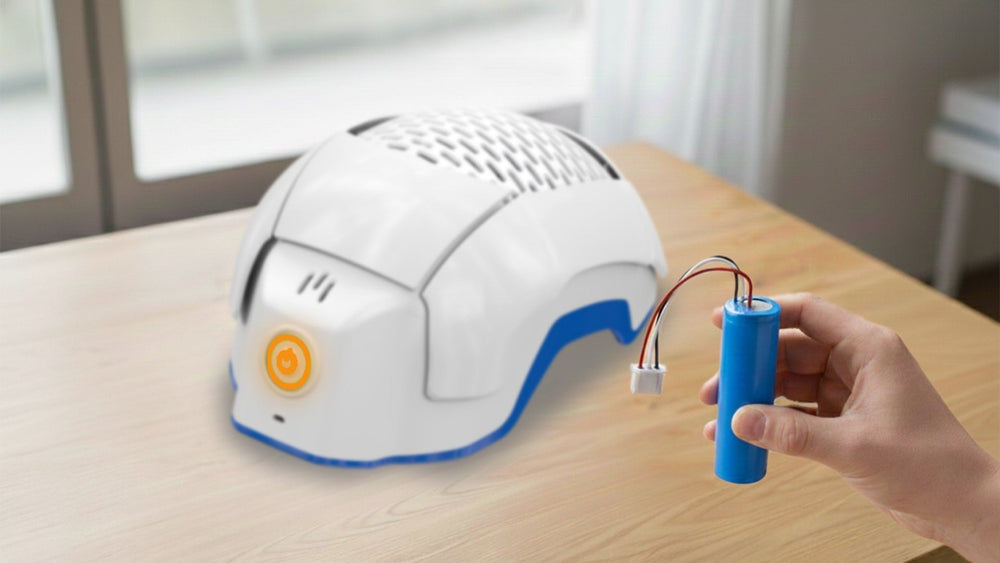
Every rechargeable cell eventually ages. Take note that Theradome’s internal battery should retain optimal charge through hundreds of cycles; roughly several years of consistent use.
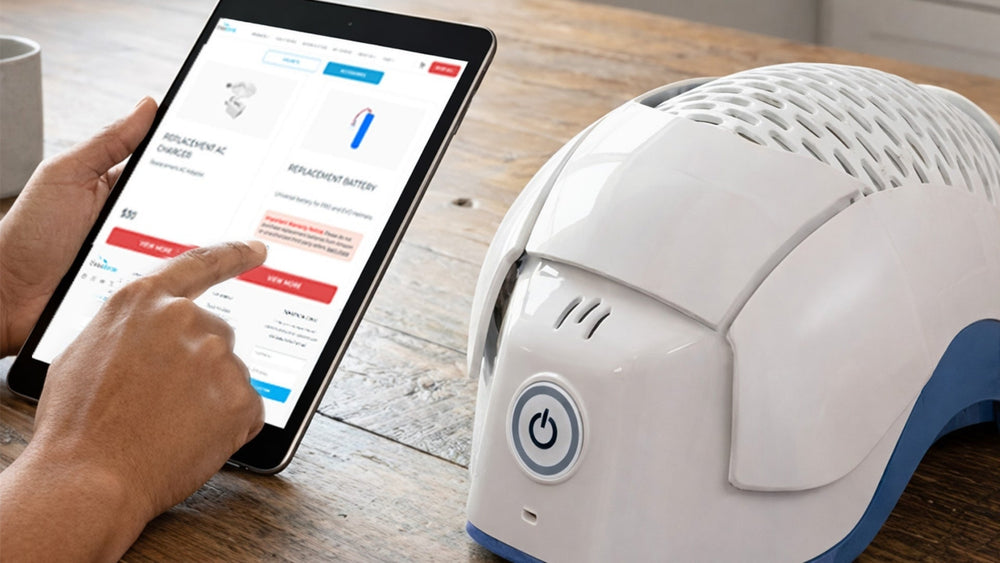
When runtime shortens noticeably, contact Theradome Support or an authorized technician for replacement. Never attempt to open the housing—these are sealed medical-grade units.
Usage Habits for Maximum Device Performance
Scalp Prep Before Sessions
Always begin with a clean, dry scalp. Oils and product residues interfere with light penetration.
If you’re using minoxidil, wait until it’s fully absorbed and the scalp is dry. Otherwise, residue may spread onto the interior padding.
Users in the manual are reminded that comfort also improves when hair is brushed or parted before treatment—especially for those with thicker or curlier strands.
Hair Density and Laser Penetration
Dense hair can slightly reduce direct scalp exposure. The PRO’s additional lasers compensate somewhat, but for both models, part your hair in one or two places before wearing.
Optical research confirms that darker pigments can attenuate light—but the device’s wavelength (680 nm) is selected for optimal penetration in both light and dark hair.
Frequency of Use and Consistency
Theradome sessions are cumulative.
- PRO LH80: Twice weekly (20 minutes per session).
-
EVO LH40: Four times weekly (20 minutes per session).
More isn’t better; the manual explicitly advises against increasing frequency or duration. Think of LPT like nutrition—steady doses beat binges.
Troubleshooting Common Issues
Device Won’t Power On
- Ensure the battery isn’t fully depleted.
- Check both ends of the charging cable and verify LED indicator response.
- If still unresponsive, contact support—internal resets shouldn’t be forced by users.
Lights Seem Dimmer
- Dirty optical windows are the #1 culprit. Clean them thoroughly before assuming diode failure.
- Over years, slight diode dimming is normal; however, uneven light distribution could suggest wear or circuitry imbalance.
Unusual Warmth or Odor
Your Theradome should feel cool. Warm spots or faint electrical smells? Unplug and stop using. Contact support for inspection; possible lithium or diode issue.
Comfort / Fit Problems
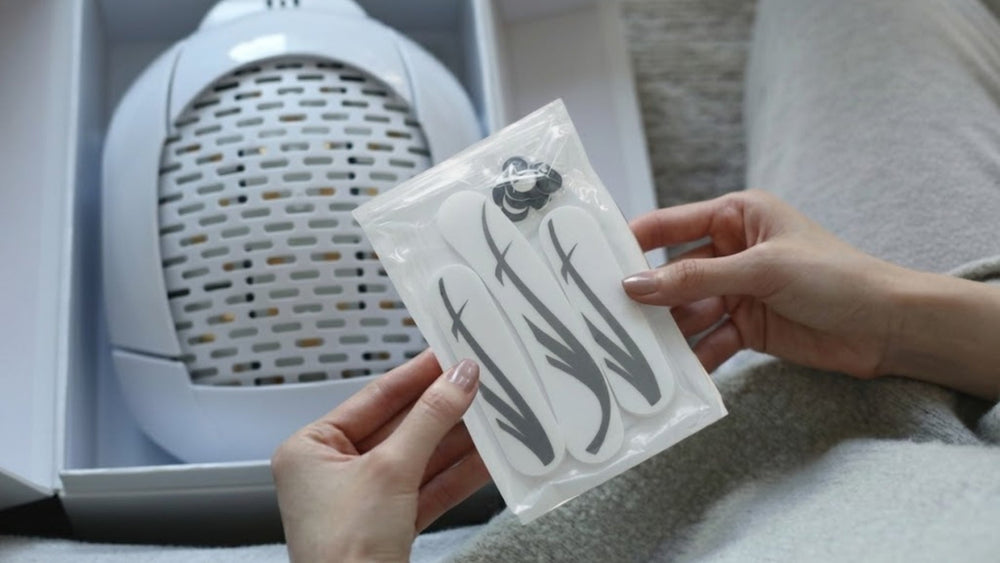
Both models feature interior foam pads. Over time, these may compress.
Replace them if you notice slipping or uneven contact—proper fit ensures consistent light exposure.
Long-Term Durability and Warranty Support
Theradome’s diodes are designed for thousands of operational hours. Under typical use, they’ll last several years before output declines.
The DomeCare warranty covers manufacturing defects, not physical damage or unauthorized modification. Opening the device voids coverage.
Store the proof of purchase, serial number, and registration confirmation. And remember: warranty doesn’t cover neglect—hence this article’s entire existence.
Hygiene, Safety, and Sharing Concerns
Cold lasers are safe for human tissue; they produce no heat and pose no burn risk.
But sharing devices can spread scalp microbes. The CDC and APIC emphasize disinfecting any item contacting skin, even if “noncritical.”
If sharing among family members, disinfect meticulously between uses, and never share during active infections or inflammatory conditions.
For immune-compromised users, consider individualized use only.
Do You Need Additional Help or Have Questions?
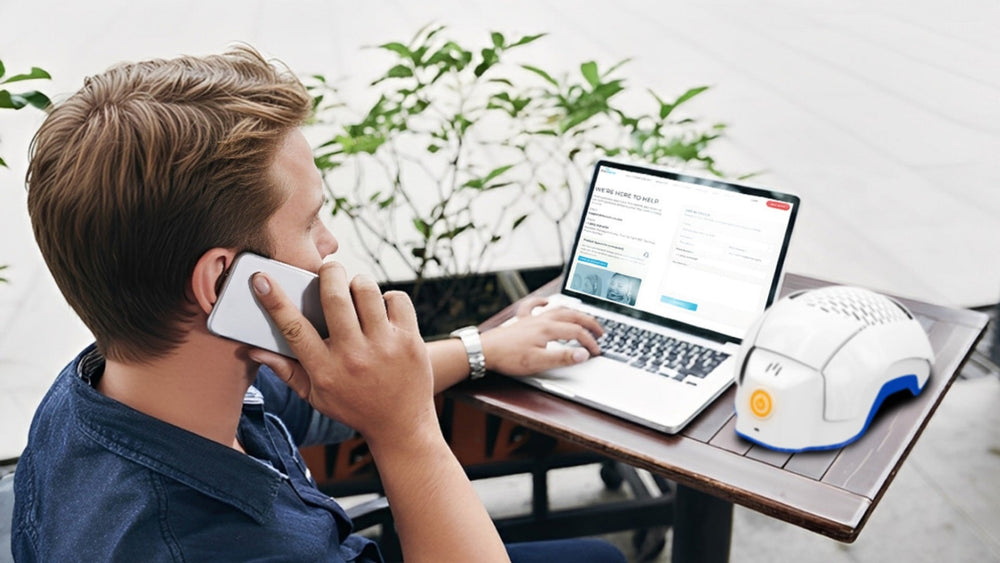
If you ever have concerns about your device—whether it’s a flicker of light that seems off, uncertainty about cleaning materials, or just a quick question about your Theradome routine—our team is always ready to help.
You can reach Theradome Customer Support directly through our official page.
They can guide you through troubleshooting steps, warranty inquiries, replacement parts, or even just reassure you that what you’re seeing is normal. Sometimes it’s a quick fix; other times, it’s simply good to get expert confirmation.
And remember: using official channels ensures you’re getting accurate, device-specific advice… straight from the people who know your Theradome best.
Conclusion
Your Theradome is a precision instrument. With regular but simple care (wiping, safe charging, dry storage), you extend not only its life but the reliability of your results. Treat it carefully, troubleshoot early, and follow hygiene best practices — it pays in longevity, performance, and peace of mind.