
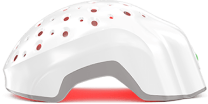




Does Low-Level Laser Therapy Actually Work for Hair Loss? Here Is What the Science Says.
You have seen the claims. "Regrow hair with light." It sounds too simple — maybe even too good — to be true.
So instead of asking you to believe, here is an honest look at what the research says, what LLLT can realistically do, and where its limits are. You deserve to make this decision with clear information, not marketing spin.
The Short Answer
Yes, LLLT works for many people — but it is not magic and it is not for everyone.
Low-Level Laser Therapy uses specific wavelengths of red light (typically 650–680nm) to stimulate cellular energy production in hair follicles. The light energizes the mitochondria in follicle cells, boosting ATP production and supporting the natural hair growth cycle.
It is FDA 510(k) cleared for promoting hair growth. It has decades of research behind it. And it has real limitations that honest brands should tell you about.
How It Works (Simply)
Red light at 680nm reaches the base of the hair follicle. At this depth, it triggers three biological responses:
Increases ATP production — the fuel your follicle cells run on. More energy means stronger, more active hair growth.
Improves microcirculation to the scalp — delivering the oxygen and nutrients follicles need to thrive.
Reduces follicular inflammation — one of the primary biological drivers of progressive hair thinning.
The result: shedding slows, existing hair thickens, and dormant follicles may reactivate.
What LLLT Can and Cannot Do
This is where most brands lose people — by overpromising. Here is the honest breakdown.
What It Can Do
- Slow or stop shedding
- Thicken existing thinning hair
- Reactivate dormant (but still alive) follicles
- Support scalp health and reduce inflammation
- Complement other treatments (minoxidil, PRP, etc.)
What It Cannot Do
- Regrow hair on completely bald, scarred areas
- Work overnight or in 30 days
- Replace a transplant for advanced loss
- Work if you are inconsistent
Why Your Skepticism Is Fair
The hair loss industry has earned its reputation. Too many products make wild claims, use junk science, and hide behind fake reviews.
LLLT is different — but you should still be skeptical. Here is how to tell the real from the fake:
Real LLLT uses laser diodes. Absorption rate: 70–80% for lasers vs 5–6% for LEDs. Most cheap devices use LEDs and call themselves "laser."
Clinically shown to be the optimal frequency for penetrating to the follicle base. Other wavelengths don't go deep enough to matter.
Not just "registered" or "compliant." 510(k) clearance requires clinical data submission and FDA review. It is the real standard.
Excess heat causes inflammation — the opposite of what you want. If a brand won't publish its thermal specs, ask why.
If a brand believes in its device, it should let you try it risk-free. Not 30 days — long enough to actually see results.
The Clinical Evidence
Randomised Controlled Trial (2016)
Theradome conducted a gold-standard clinical trial: IRB-approved, multi-center (5 clinics), randomised, double-blind. 100% of laser subjects grew new hair. 100% of sham (LED) subjects lost hair. This was the first clinical trial to clearly demonstrate LLLT effectiveness.
Meta-Analysis (Lasers in Medical Science, 2020)
Systematic review of 11 RCTs confirmed that LLLT significantly increases hair density in androgenetic alopecia patients compared to sham devices.
Mechanism Studies
Research confirms LLLT increases ATP production, improves microcirculation, and reduces follicular inflammation — three key factors in hair growth support.
What to Realistically Expect
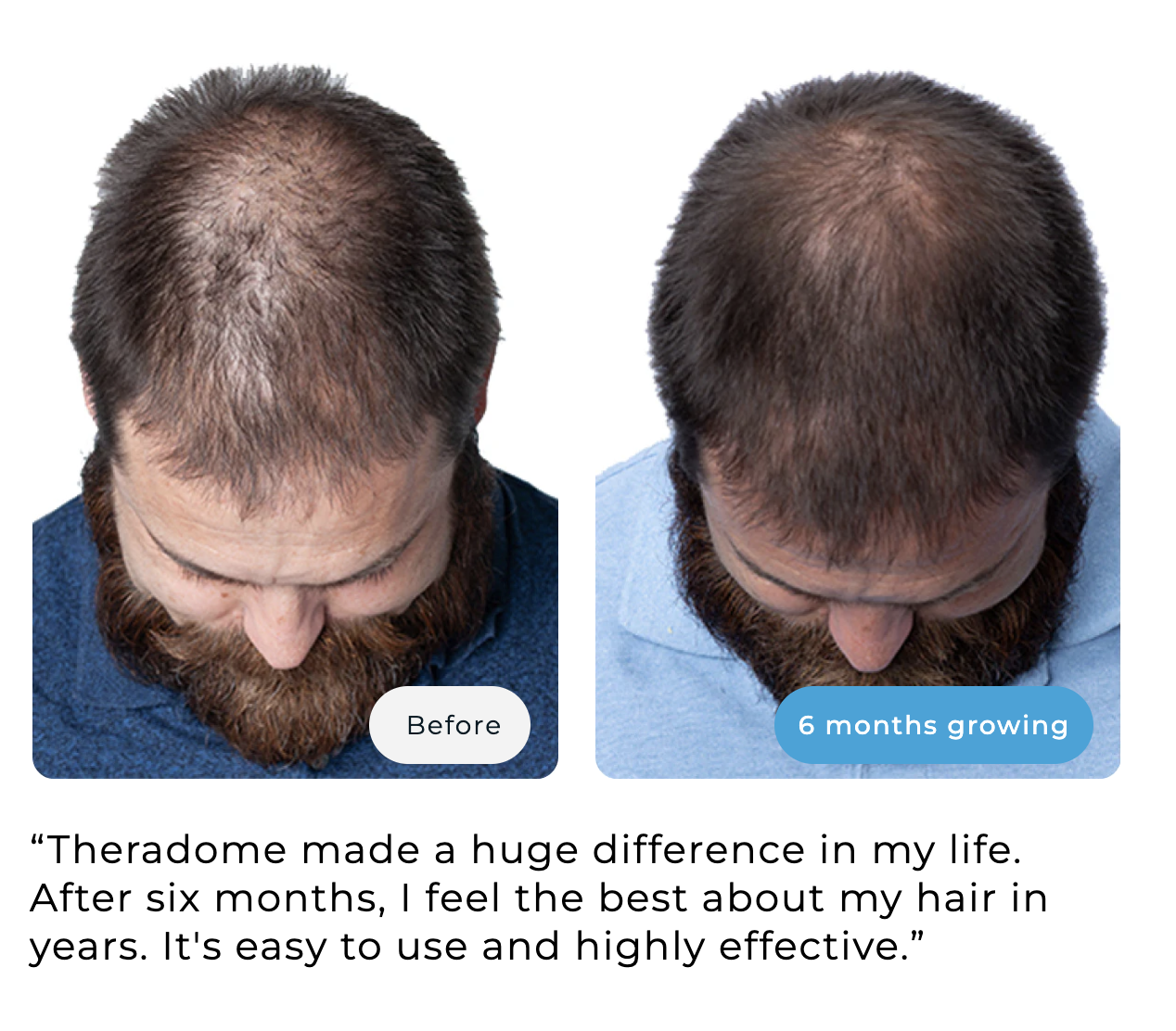
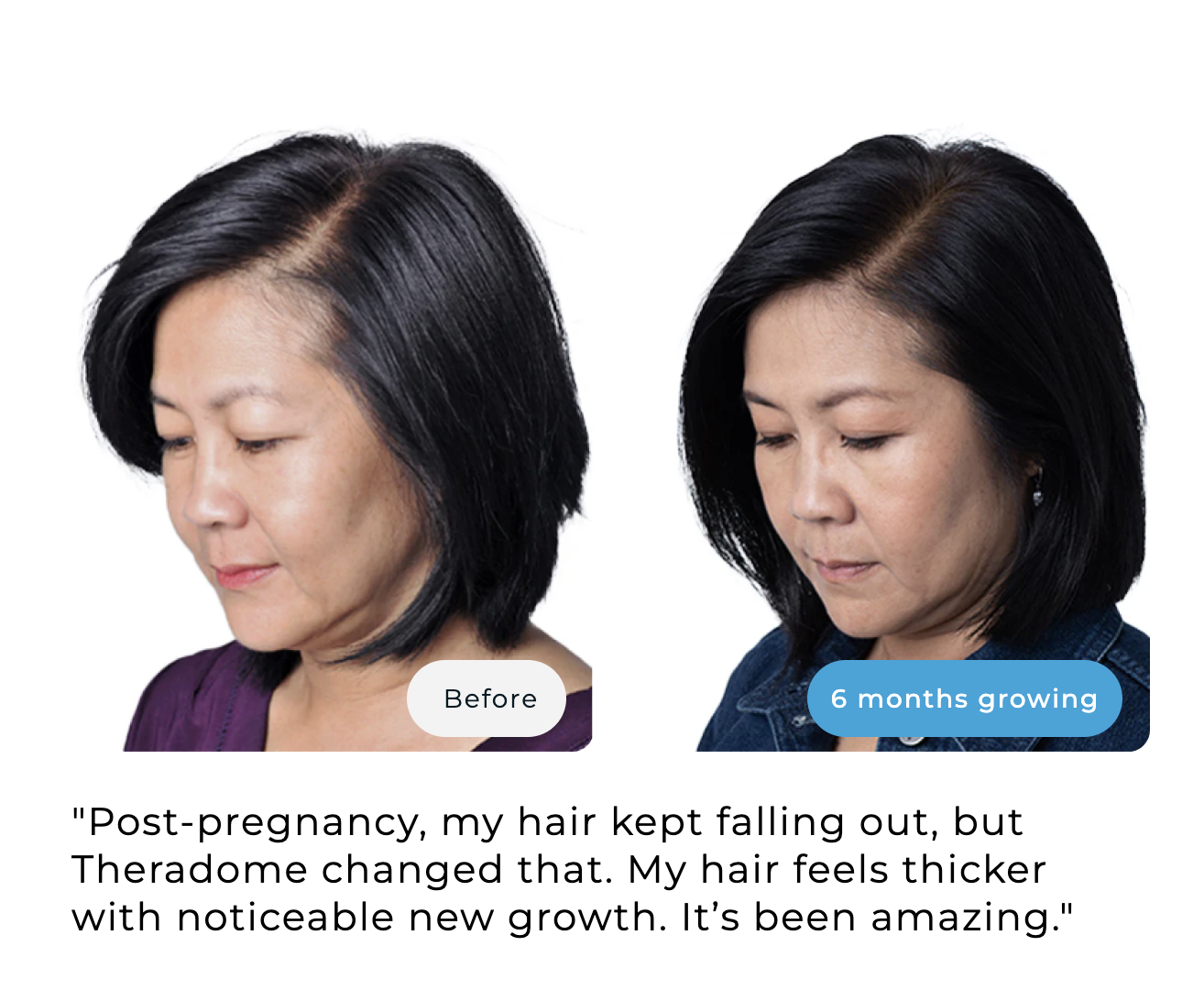
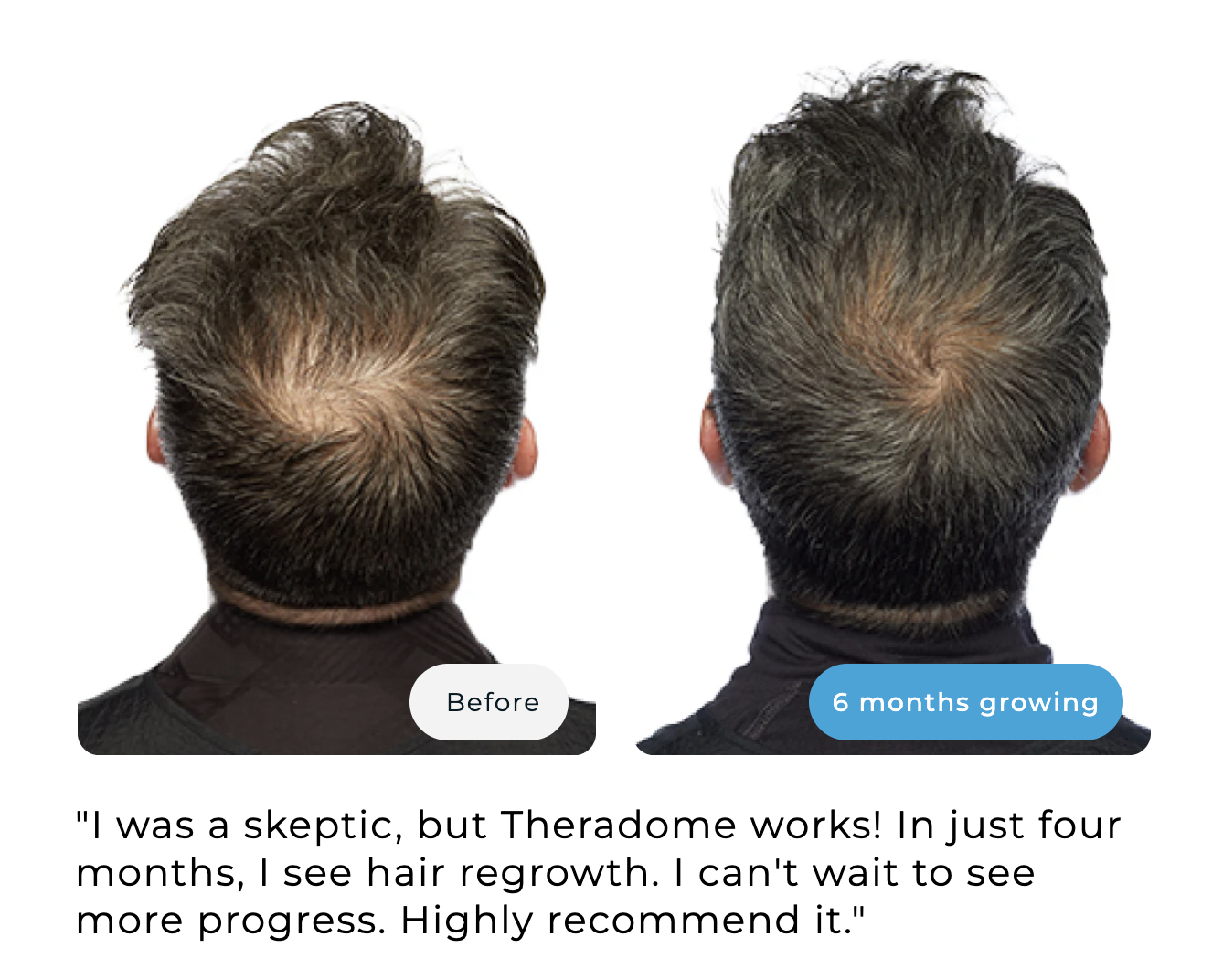
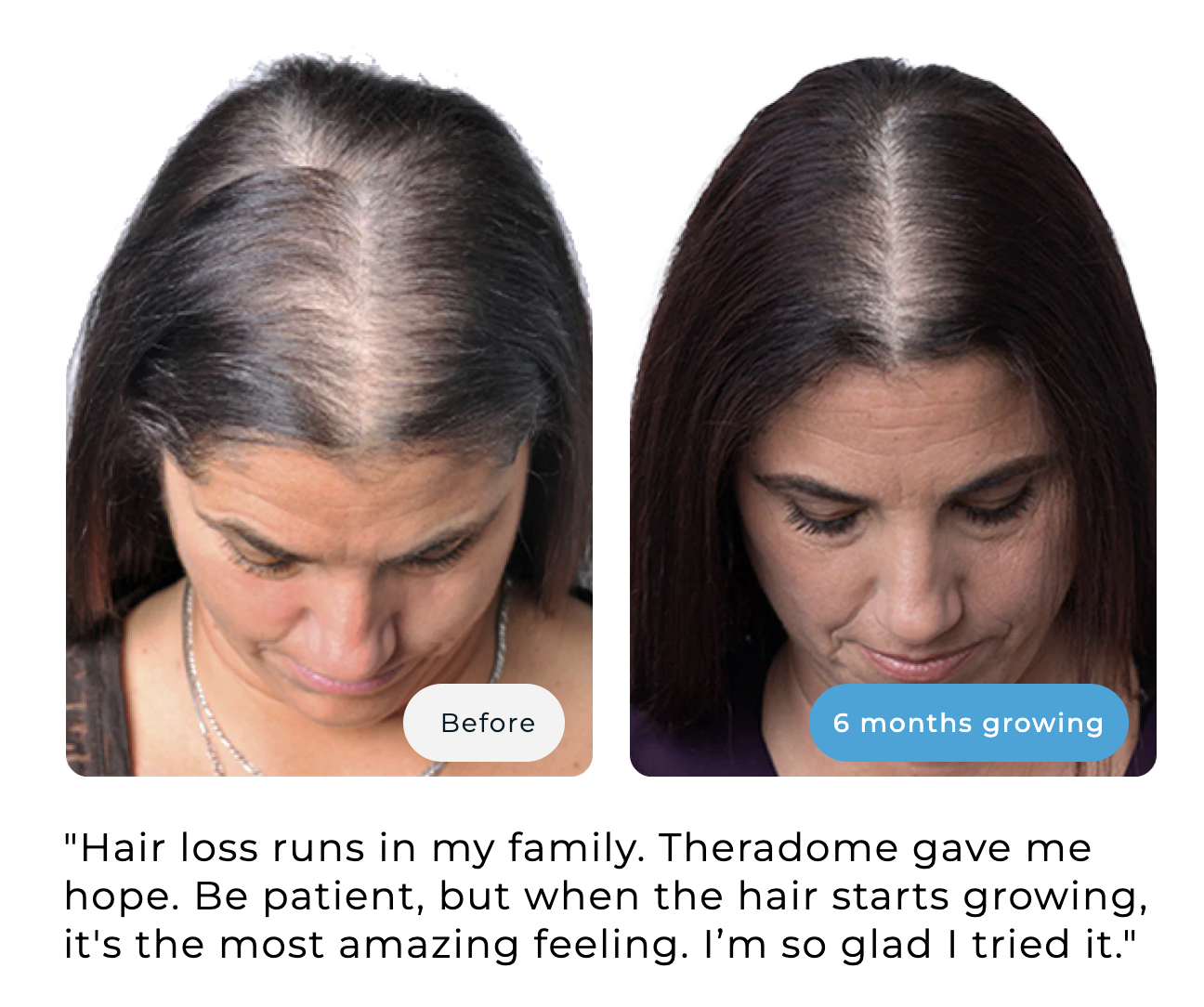
Real People. Real Results.
Same lighting, same angle. Just consistency and time.
Where Theradome Fits
- 680nm — the wavelength with the strongest clinical evidence
- 24K gold heat sink — only device that publishes heat data
- FDA 510(k) cleared specifically for hair growth
- Invented by Tamim Hamid — former NASA biomedical engineer
- Made in Silicon Valley, USA
- 100M+ treatments — zero reported side effects
The Guarantee
Use it as directed. If it does not work for you, send it back. No hoops. No guilt.
Common Questions
Is LLLT FDA-approved?
How is this different from red light panels?
Can I use it with other treatments?
How long until I see results?
What if it does not work?

FDA-cleared laser phototherapy helmet · Made in USA · $995 · 100M+ treatments · Zero side effects