





Have you ever noticed a sudden hair loss after weight loss? If so, you're not alone. Many individuals have reported experiencing hair falling out and even hair thinning during or after significant weight loss. While hair loss and weight loss may seem unrelated, the two have an interesting connection.
Rapid weight loss can stress the body and disrupt its nutritional balance, affecting the hair growth cycle. A study in 2018 showed that 57% of the participants who underwent metabolic and bariatric surgery (a type of weight loss surgery) experienced temporary hair loss within 3 to 6 months after surgery. Younger age, female sex, low folic acid levels, low zinc levels, and low ferritin levels were associated with it.
In this article, we will explore the link between hair loss and weight loss in simple terms. We'll help you understand why some people may experience hair fall after weight loss and what you can do about it.
The Link Between Weight Loss and Hair Loss
Hair is often the very first place your body signals internal physical stress. When you shed pounds, whether through crash dieting, intense workouts, surgery, or weight-loss medications, your system can interpret the sudden shift as a major shock.
This frequently triggers a temporary side effect called telogen effluvium, where a large number of active hair follicles are forced out of their anagen (growth) phase and prematurely pushed into the telogen (resting/shedding) phase. Because of this delay in the hair growth cycle, you’ll usually notice diffuse thinning across your scalp a few weeks to a few months after losing weight, rather than distinct bald spots.
On top of the physical stress, rapid weight loss, especially from restrictive diets or reduced appetite, can lead to severe nutritional deficiencies. When your intake of essential nutrients like protein, iron, and key vitamins drops, your body prioritizes vital organs over non-essential functions like hair production to avoid health complications.
The good news? This form of hair loss is usually temporary. Once your body adapts and nutrient levels are restored with proper care, your hair follicles can enter the growth phase again and bounce back.
Also Read: Does obesity cause hair loss?
Why Does Weight Loss Leads to Hair Fall?
Experiencing hair loss after weight loss can be concerning. Understanding the causes behind this alopecia is essential to address the issue effectively. The main causes and reasons of hair loss after weight loss are:
1. Nutritional Deficiencies
Nutritional deficiencies, which means not getting enough of your body's essential nutrients, can contribute to hair fall after weight loss. When you lose weight quickly or follow very strict diets, you may not get all the necessary vitamins (C & D), minerals, amino acids, and proteins your hair needs to stay healthy and side effects like hair loss can occur.
These nutrients play a crucial role in supporting hair growth and strength. Similarly, if you had gone through bariatric surgery and hair fall lasts even after 6 months then it's possibly due to zinc and iron deficiency.
When your body lacks these essential nutrients due to crash diet, it can disrupt the normal hair growth cycle and increase hair shedding. So, focusing on eating a balanced and nutritious diet during weight loss is essential to ensure you get all the nutrients your body and hair need to stay healthy. Learn more about the role of nutrients in hair growth.
2. Telogen Effluvium
Telogen effluvium is a common condition and a side effect of weight loss that can lead to hair loss. It occurs when a large number of hair follicles shift into a telogen (resting) phase at the same time.
During weight loss, your body may go through physical stress, disrupting the normal hair growth cycle. After a few months, the hairs in the resting phase start to shed, and you may notice more hair falling out than usual. This shedding is temporary, and the hair usually grows back once your body adjusts and the hair growth cycle returns to normal.
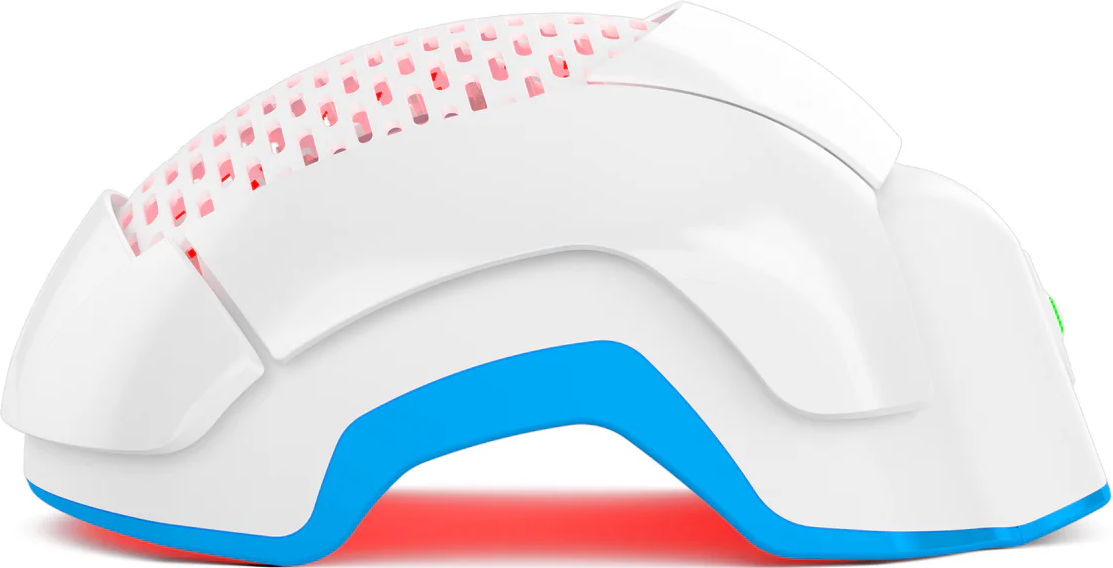
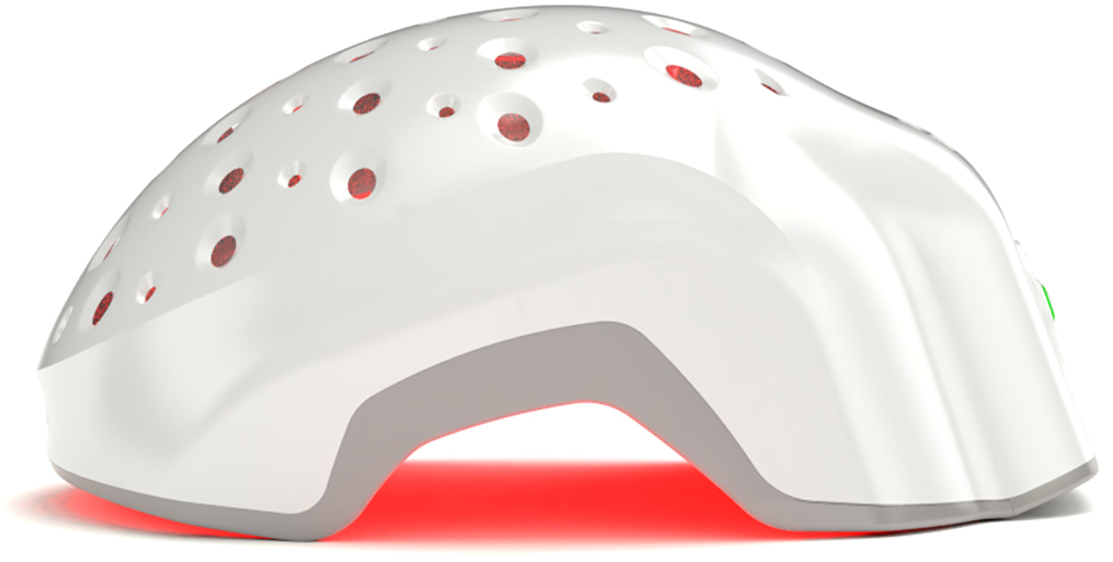
So, if you experience hair loss after weight loss, it could be due to telogen effluvium, and it's important to remember that it's usually a temporary condition. If your hair doesn't grow back, try Theradome to deal with Telogen Effluvium.
3. Hormonal Changes
Hormonal changes can be another cause of hair loss after sudden weight loss. Losing weight can affect the levels of hormones in your body, such as those related to thyroid function and insulin regulation. These hormonal imbalances can disrupt the normal hair growth cycle and lead to hair thinning and shedding.
Hormones play a crucial role in maintaining healthy hair, so when they are out of balance, it can negatively impact hair health. It's important to note that hormonal changes can vary from person to person, and not everyone will experience this type of alopecia after weight loss.
4. Psychological Stress
Psychological stress also can contribute to hair fall after weight loss. When you embark on a weight loss journey, it can bring about various stressors and emotional challenges. The pressure to meet weight loss goals, concerns about body image, and adapting to new lifestyle changes can all cause increased psychological stress, which can lead to hair loss.
Prolonged and chronic stress can disturb the normal hair growth cycle, leading to excessive shedding. Managing stress through relaxation techniques, self-care practices, and seeking support from loved ones can help minimize the impact of psychological stress on hair health during weight loss.
5. Scalp Inflammation
Scalp inflammation is one of the reasons for hair fall after weight loss. Weight loss doesn't directly impact scalp inflammation. However, following very low-calorie diets or extreme exercise regimens during weight loss can create an imbalance in the nutrients your body needs.
This imbalance can lead to inflammation in the scalp, which can disrupt the normal functioning of hair follicles. When the hair follicles are affected, it can increase hair shedding.
6. Genetic Effect
Some individuals may have a genetic predisposition to alopecia, which means their genes make them more susceptible to experiencing hair thinning or shedding. These genetic factors can accelerate hair loss when combined with the physical stress of weight loss.
It's important to understand that genetics are not something we can change. Still, by taking a gradual and balanced approach to weight loss and promoting good hair care practices, you can help minimize the impact of genetic factors on hair loss during this process.
7. Weight Loss Surgery
Weight loss surgeries trigger a combination of rapid weight loss and nutritional shifts, making post-procedure hair thinning a very common side effect.
Bariatric procedures like sleeve gastrectomy or gastric bypass drastically reduce stomach capacity. Certain surgeries also alter the digestive tract so food bypasses parts of the small intestine. This often leads to nutrient malabsorption, where the body struggles to absorb adequate levels of essential proteins, vitamins, and minerals.
Clinical studies highlight just how frequently this happens:
- Zinc and B12 Deficiencies: A 2018 study tracking 50 sleeve gastrectomy patients found that 56% experienced hair loss, with women being affected more often. Those who suffered from hair loss had significantly lower levels of zinc and vitamin B12 both before and after their operation.
- Timing and Duration: A 2020 study focusing on 112 women who underwent sleeve gastrectomy revealed that 72% developed hair loss. For nearly four out of five of those affected, the shedding began 3 to 4 months post-surgery and lasted an average of 5.5 months before stabilizing.
Because these surgeries put immense physiological stress on the body while limiting nutrient uptake, hair follicles are temporarily pushed into a resting state. Fortunately, as nutrient levels are restored through targeted supplementation and the body adapts, normal growth typically resumes.
8. GLP-1 Medications
If you're noticing extra shedding while taking GLP-1 medications like Ozempic®, Mounjaro®, or Zepbound™, it is easy to assume the drug itself is damaging your hair. However, clinical evidence shows these GLP-1 receptor agonists do not directly cause hair loss. Instead, the dramatic bodily changes triggered by the medication create a temporary environment for shedding.
Physiological stress, reduced appetite, nutrient deficiency, and hormonal imbalance are the driving factors for losing hair while taking these weight loss medications. Once your weight plateaus and nutritional intake stabilizes, your hair growth cycle typically resets.
How to Stop Hair Loss Due to Weight Loss?
While some hair shedding is normal, it's not common to experience excessive shedding. Here are some tips to help minimize hair loss after weight loss:

1. Balanced Diet
A balanced diet is important to prevent hair fall while losing weight. It means eating various foods that provide all the necessary nutrients for your body. When you're trying to lose weight, it's important to make sure you're getting enough protein, iron, vitamins (especially vitamin D and biotin), zinc, amino acids, and omega-3 fatty acids.
These nutrients help keep your hair healthy and strong. So, in your meals, include lean meats, fish, eggs, beans, nuts, fruits, vegetables, and whole grains. Eating a balanced diet ensures that your body gets the right nutrients to support healthy hair growth and reduces the risk of excessive hair fall during weight loss.
Also Read: Importance of Vitamin D in Hair Growth
2. Avoid Rapid Weight Loss
Rapid weight loss means losing weight very quickly, which can stress your body. When you lose weight too fast by drastically cutting calories or by using medications like Ozempic, your body doesn't get enough nutrients like proteins, vitamins, and minerals to keep your hair healthy.
Instead, focus on gradual and steady weight loss by making healthier food choices and being physically active; take it slow and steady when trying to lose weight to give your body and hair the time they need to adapt and stay healthy.
3. Stay Hydrated
Staying hydrated is important to prevent hair fall after weight loss because being hydrated helps keep your hair healthy. During dehydration, your hair can become dry and brittle, making it prone to breaking out and falling out. Drinking enough water supports the hair growth process, keeping your scalp moisturized. It also helps deliver essential nutrients to your hair follicles, promoting healthy hair growth.
Drinking enough water is not only beneficial for your hair but also for overall bodily functions. Proper hydration supports the optimal functioning of your body's systems, including those involved in hair growth.
4. Scalp Care
Scalp care is essential because a healthy scalp creates a favorable environment for hair growth. After weight loss, hair fall can occur due to various factors, including nutrient deficiencies and hormonal changes. By practicing proper scalp care, you can support the overall health of your hair and reduce the risk of excessive hair loss.
Keep your scalp clean and free from build-up. Regularly washing your scalp with mild shampoo helps to detoxify hair that can clog follicles and hamper hair growth. But remember to avoid the use of hair products or shampoo that contains harmful ingredients.
5. Gentle Hair Care
Gentle hair care refers to adopting a careful and considerate approach when caring for your hair. Avoid aggressive brushing or combing, which can cause unnecessary tension and breakage. Instead, use a wide-toothed comb or a brush with soft bristles to detangle your hair gently, starting from the ends and working your way up.
Also, minimize the use of heated hair stylers, as excessive heat can weaken the hair shaft and lead to hair breakage. It is also advisable to avoid tight hairstyles that pull on your hair, such as tight ponytails or braids, as this constant tension can weaken the hair follicles and can cause traction alopecia. Settle on for looser hairstyles that put less strain on your hair. Practicing gentle hair care helps protect hair from unnecessary damage and reduces the risk of hair fall after weight loss.
6. Stress Management
You can formulate different strategies and techniques to cope with and reduce stress levels. When you experience significant stress, it can disrupt the natural hair growth cycle and contribute to hair loss. Managing and reducing stress can minimize its impact on your hair health.
Engaging in physical exercise, meditation, deep breathing exercises, and seeking social support can help lower stress levels and promote a healthier environment for hair growth. Moreover, maintaining a balanced lifestyle, prioritizing self-care, and getting enough sleep can reduce stress and help prevent hair loss during weight loss.
Is Hair Loss Due to Weight Loss Permanent?
Hair loss from weight loss is often temporary. It is usually a condition that resolves on its own. Your hair should start growing back normally after a few months.
When you lose a lot of weight quickly, your body undergoes various changes, including changes in hormone levels and nutritional imbalances. These changes can affect the hair growth cycle, leading to temporary hair loss, increased shedding or thinning of hair. But once your body adjusts, the hair loss should stop.
The duration of hair loss and regrowth can vary from person to person. For some individuals, hair may start to grow back within a few months, while for others, it may take longer. As long as you are eating a healthy diet with enough nutrients and following a gentle hair care practice, your regular hair growth cycle will return within 6 to 12 months.
Theradome for Hair Treatment After Weight Loss
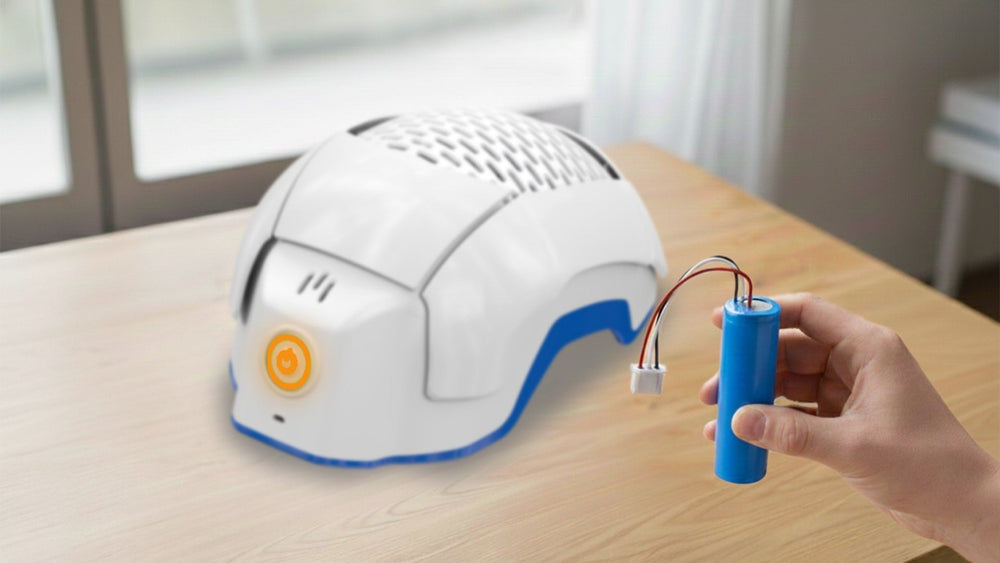
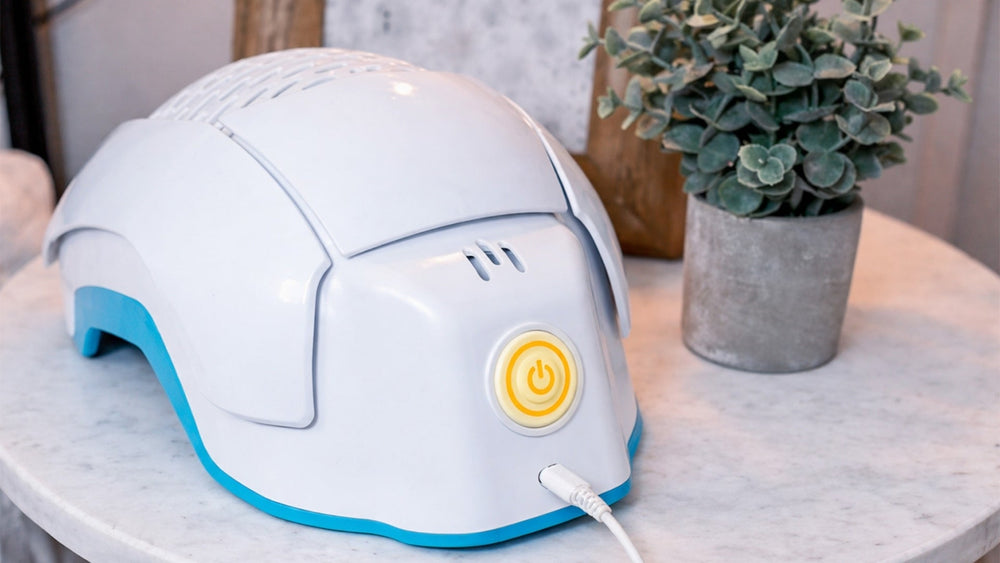
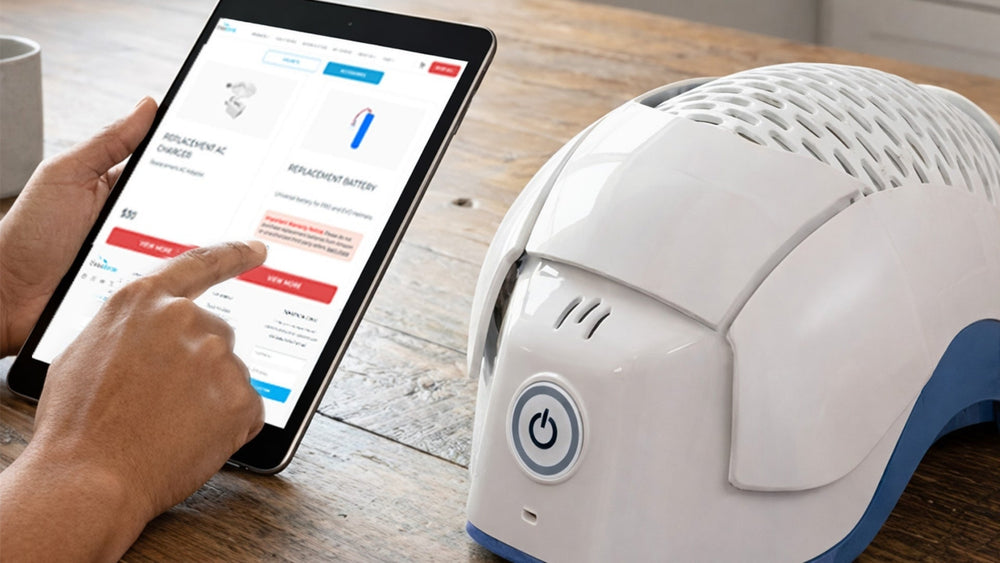
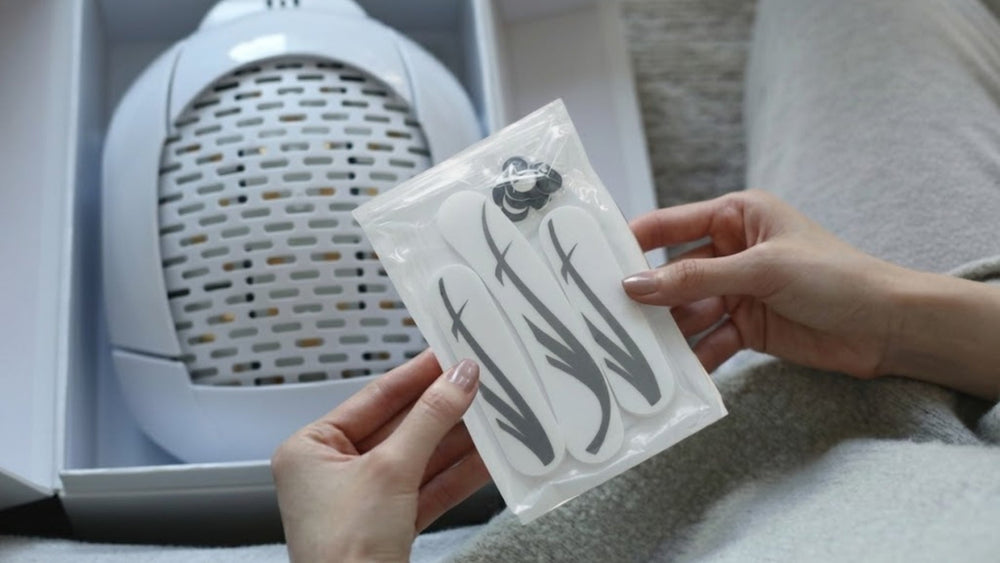
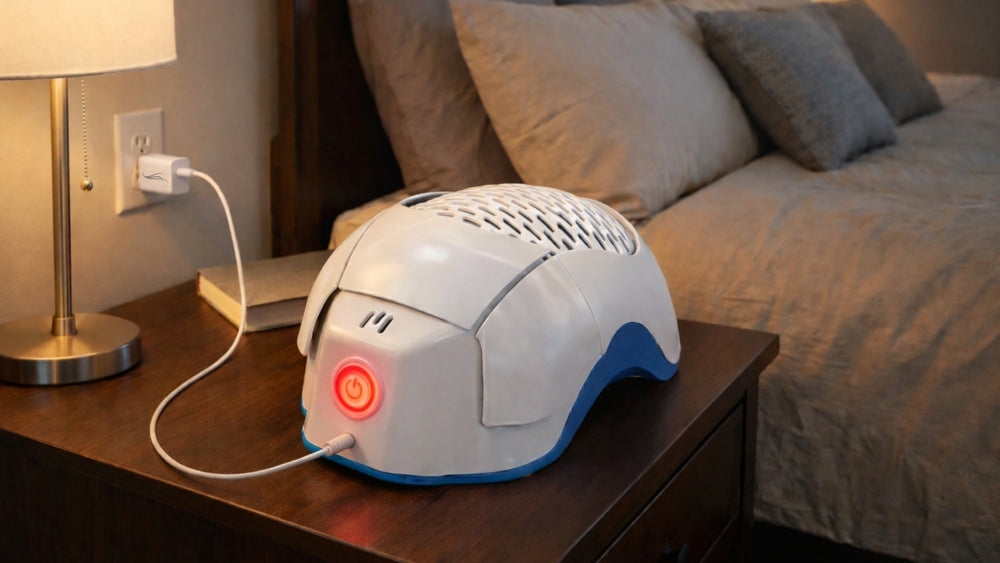
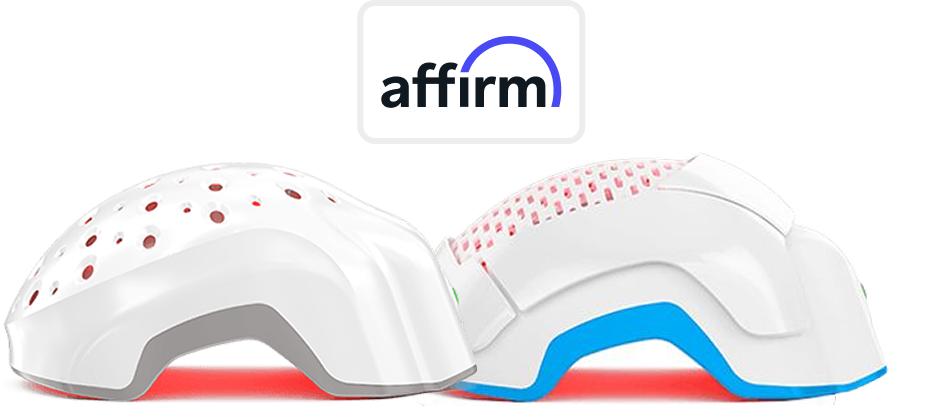
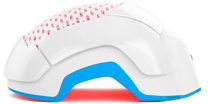
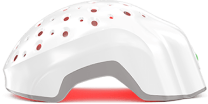
When treating hair loss after weight loss, Theradome presents a promising option for regrowing and revitalizing your hair. Theradome utilizes advanced laser phototherapy in its laser hair growth device to stimulate hair follicles and promote hair regrowth.
Theradome's convenient and user-friendly design allows for at-home use, making it a convenient addition to your hair care routine. By consistently using Theradome for a few sessions weekly, you can experience noticeable improvements in hair thickness, quality, and overall health. Remember to combine this treatment with other preventive measures, such as maintaining a balanced diet, practicing scalp care, and managing stress for comprehensive hair health and growth.