







Balding does not wait for an invitation, nor does it follow a set schedule. For some, it is a gradual thinning that sneaks up over decades. For others, the early signs of balding make an unannounced appearance in their 20s or even late teens. The good news is that spotting these signs early can give you a head start on managing hair loss before it becomes more noticeable.
Hair loss is not always about age or genetics, though they play starring roles. Factors like hormonal shifts, stress, and even hairstyle habits can speed up the process. But how do you separate a bad hair day from something more significant?
That is where understanding the early signs of balding comes in. From thinning temples to an increasingly visible scalp, recognizing the tell tale clues can save you time and anxiety. Ignoring them, on the other hand, can leave you scrambling for solutions later.
What are the signs and causes of premature balding?
Noticing changes in your hairline or experiencing reduced hair volume can be unsettling. While some shedding is normal, certain patterns and changes signal more than just the usual hair turnover. Recognizing the early signs of alopecia is essential to taking timely and effective action.
Here are some of the most common signs of early thinning and what they mean for your hair health.
1. Thinning at the temples
The temples are often where early thinning starts. For men, this might look like hairlines becoming less defined and gradually retreating. For women, the change is more subtle. Hair may appear sparser or finer, reducing density near the hairline.
Thinning temples are often linked to androgenetic alopecia, where hormonal factors like Dihydrotestosterone (DHT) shrink hair follicles over time. While it may start slowly, addressing thinning at this stage can prevent further loss.
2. Receding hairline
A receding hairline does not announce its arrival. It sneaks in gradually. For men, this often begins with an M shaped hairline forming at the forehead corners. For women, a receding hairline may not be as dramatic but often involves a broader or uneven part.
This change is another hallmark of androgenetic alopecia, especially in men, and serves as one of the earliest visible signs of balding.
3. Excessive hair loss during shower or brushing
Finding hair in your shower drain or brush is normal, to an extent. Losing around 50 to 100 hairs daily is nothing to worry about. But if the volume suddenly increases or you notice clumps coming out, it could signal telogen effluvium.
This condition occurs when hair follicles prematurely enter the resting phase, often due to stress, hormonal changes, or health issues. While it is not exclusive to early balding, it is a sign worth paying attention to.
4. Random bald spots
Circular bald patches on the scalp are a clear warning sign. This could indicate alopecia areata, an autoimmune condition where the immune system attacks hair follicles.
Though less common than androgenetic alopecia, these bald spots demand prompt medical consultation. Left unaddressed, they can spread, leading to more significant hair loss.
5. Visible scalp
Your scalp becoming more noticeable is one of the most straightforward signs of early balding. Whether it is along your part line or at the crown, a visible scalp can signal thinning hair in women and men alike.
This change is especially concerning when combined with excessive shedding or thinning temples. Catching it early allows you to explore treatments that can help regain hair density and prevent further loss.
False signs of early balding
Not every change in your hairline or density signals doom for your follicles. While actual early balding involves distinct patterns like crown thinning, there are plenty of hair quirks that cause unnecessary panic. Here is a look at a few of these false alarms.
1. Itchy scalp
An itchy scalp can feel alarming, but it is rarely a sign of balding. More often, it is caused by dryness, product buildup, or dandruff. Addressing these underlying issues with proper scalp care resolves the itch without your hairline taking a hit.
2. Normal shedding
Losing 50 to 100 hairs a day is perfectly normal, even if your shower drain makes it look more dramatic. Many people also experience natural shedding seasons twice a year, around March to April and August to September. During these times you might notice a slight uptick in shedding, which is part of the hair's natural growth cycle rather than a sign of balding.
If shedding extends beyond these periods or seems excessive, it may warrant a closer look to rule out other causes.
3. Hair that appears thin when wet
Wet hair has a habit of sticking together, which makes it look thinner than it actually is. This is simply an optical illusion, not a sign of thinning. Dry it off and your usual volume returns.
4. Dry hair and split ends
Dryness and split ends may point to poor hair health, but they are not related to balding. Environmental factors, over styling, or a lack of conditioning are often the culprits. While these issues deserve attention, they do not spell trouble for your follicles.
How to stop and reverse the signs of early balding
Addressing the first signs of premature balding, whether it is a receding hairline or the early symptoms of female pattern baldness, and regrowing new healthy hair on bald spots requires action, not panic. With advancements in hair restoration, early balding is not a lost cause. This is general information, not medical advice, and a dermatologist can confirm what is right for you.
1. Low-Level Light Therapy (LLLT)
LLLT shines a literal light on hair restoration, using safe, cold lasers to stimulate hair follicles and encourage regrowth. This FDA-cleared approach has been shown to improve hair density with consistent use, making it a solid choice for tackling thinning hair in men and women alike.
It is particularly beneficial for addressing the earlier stages of hair thinning and maintaining healthy follicles before significant loss occurs. While LLLT can be used alone, it also pairs well with other treatments like Minoxidil (Rogaine®), PRP therapy, or hair transplants for those seeking optimal results.
2. Minoxidil
Minoxidil has become a household name in hair restoration, and for good reason. This topical solution extends the growth phase of the hair cycle, stimulating hair follicles to stay active for longer. Regular use can slow down balding, treat female pattern baldness symptoms, and even help regrow lost hair. Results require patience, but Minoxidil is a straightforward, accessible option for many.
3. Hair transplant
Hair transplant surgery is often considered a last resort for those with far advanced hair loss, where other treatments have not been effective. This procedure involves relocating healthy hair follicles from one part of the scalp to thinning or bald areas, offering the potential for natural looking results.
It is important to note that hair transplants are a significant step. They are expensive, invasive, and come with no guarantee that the transplanted follicles will take and grow successfully. This makes it crucial to consult with a qualified specialist and weigh all options before undergoing hair transplant surgery.
4. PRP therapy
Platelet-Rich Plasma (PRP) therapy takes a high tech approach to hair restoration by harnessing your body's natural growth factors. The process involves drawing a small sample of blood, concentrating the platelets, and injecting them into the scalp to rejuvenate hair follicles and stimulate growth.
Set realistic expectations here. Studies show the success rate of PRP for hair restoration is around 30 percent, and the treatment comes with a hefty price tag. Many patients also report it as painful, given the multiple scalp injections involved. It remains a promising option for some, but is best suited for those willing to invest in a costly and intensive treatment with modest success rates.
Treat premature balding with Theradome
Understanding the first signs of hair thinning helps you tell normal changes apart from actual balding. By spotting the signs early and seeking appropriate treatment, you can take control of your hair health.
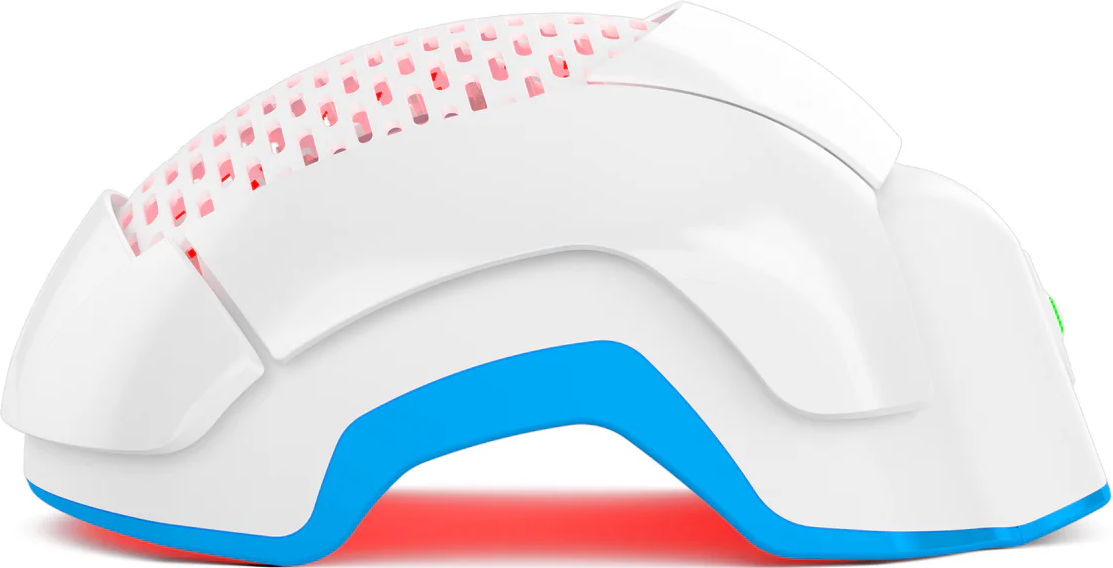
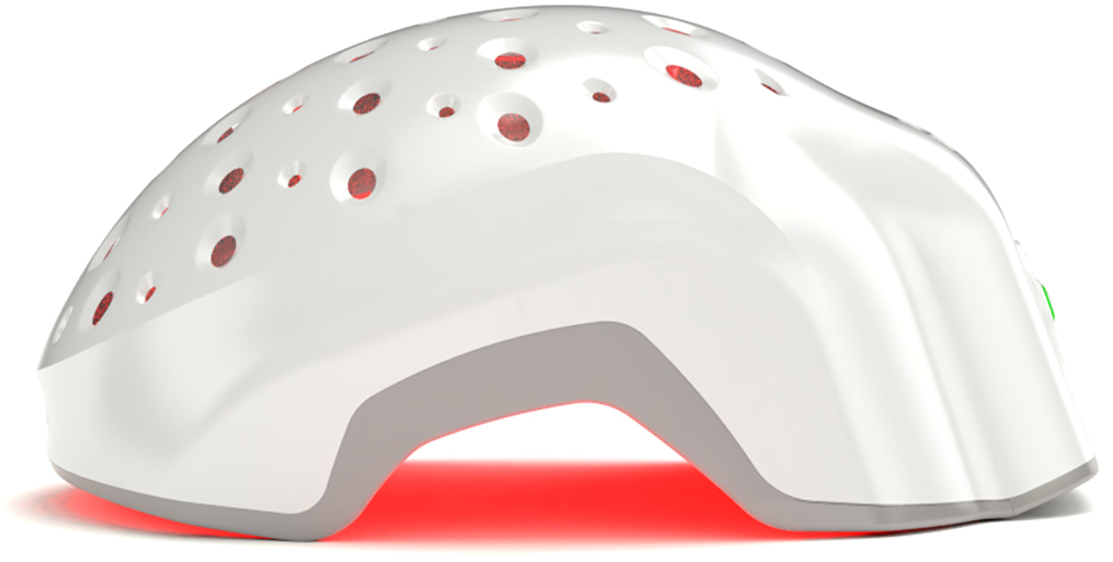
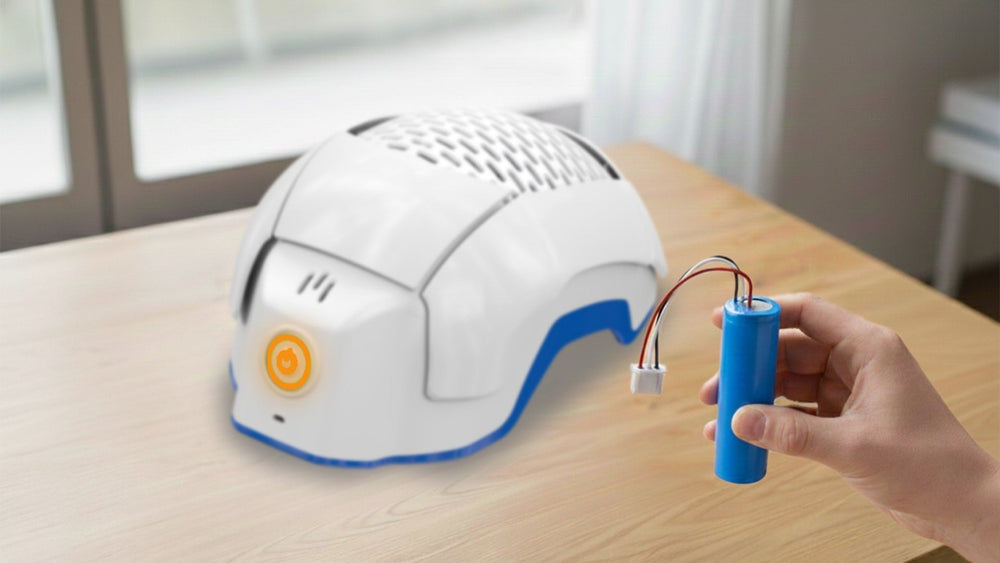
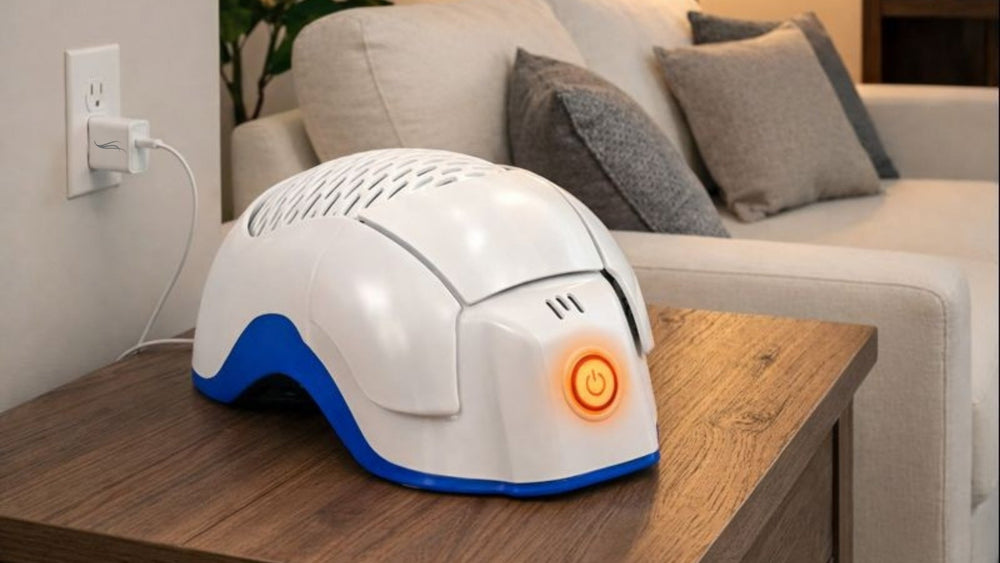
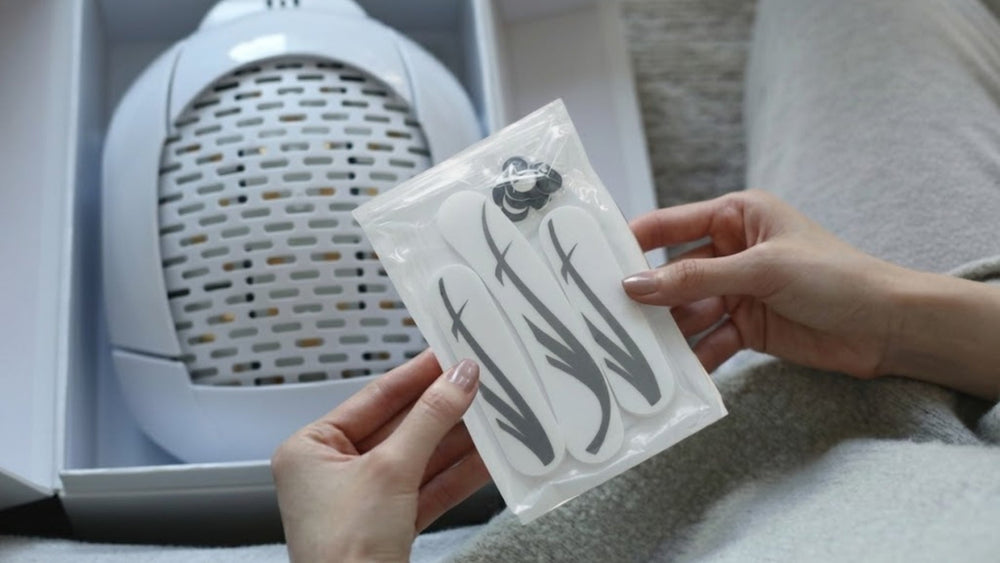
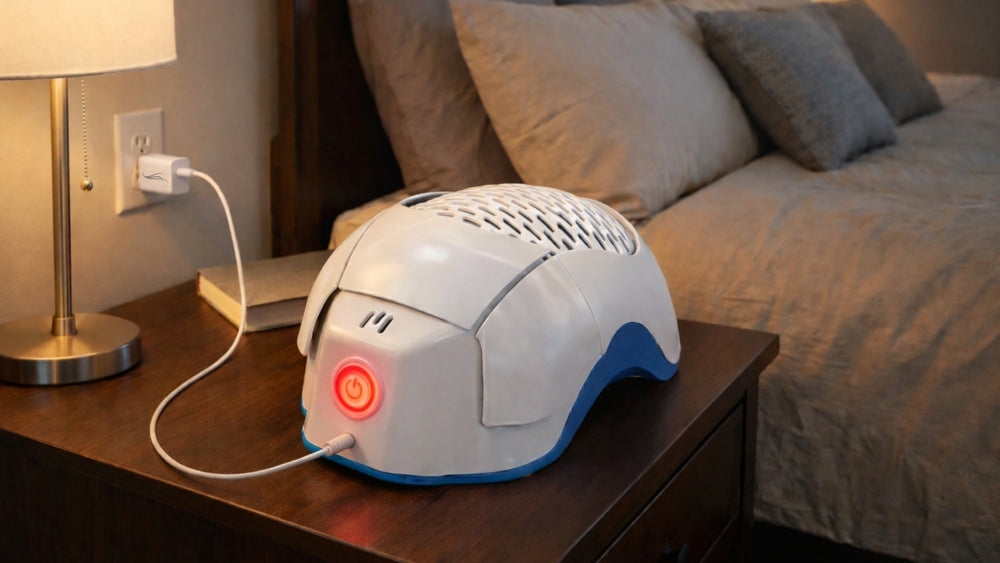
Theradome is an FDA-cleared helmet device using US-made lasers, delivering Low-Level Light Therapy (LLLT) at a wavelength of 680 nanometers to stimulate hair follicles, support scalp health, and reinforce existing hair. Designed for comfort and ease, it fits right into your routine. By using the Theradome PRO LH80 or Theradome EVO LH40 twice a week for 20 minute sessions, most people notice improved hair thickness within 8 to 12 weeks. For a full at-home regimen, use either helmet alongside the Complete Hair Growth Bundle.
By acting early and choosing the right treatment, you can regain your hair's strength and fullness. Start your hair restoration journey with the Theradome laser helmet today and take the first step toward healthier hair.