





Many women enjoy healthier, fuller, thicker hair during pregnancy. However, after giving birth, postpartum hair loss can become a common challenge. While completely normal and temporary, it can be frustrating and can take a toll on anyone's self confidence.
If you're experiencing hair shedding after giving birth, rest assured, you're not alone. Postpartum hair loss is a common experience for many new moms in the months following childbirth. In this article, we'll go into the reasons behind postpartum hair loss and share simple, effective remedies to encourage hair regrowth.
What is Postpartum Hair Loss?

During and after pregnancy, your body undergoes significant hormonal changes, which can lead to various side effects - including changes to your hair.
During pregnancy, elevated estrogen levels slow down your hair's natural growth cycle. This delays the end of the growth phase, resulting in less daily shedding and giving the appearance of fuller, thicker hair.
After giving birth, your estrogen levels return to their pre-pregnancy state. This shift causes your hair to re-enter its natural cycle of growth, rest, and shedding. Many hairs quickly transition into the telogen (resting) phase. After several months, those hairs begin to shed all at once. This process is commonly referred to as postpartum hair loss.
Is Postpartum Hair Fall Common?
Yes, postpartum hair loss is very common. Many women experience this temporary condition as a result of hormonal changes after childbirth. These shifts push hair into a shedding phase, which can be quite noticeable for some.
The good news is that postpartum hair loss is a normal part of the hair growth cycle and typically resolves on its own within a few months. If you’re concerned, there are also treatments and remedies available to support hair regrowth and help you feel more confident during this phase.
How is Postpartum Hair Loss Different From Other Types of Hair Loss?
Postpartum hair loss stands out from other types of hair loss due to the sheer amount of hair shed in a short period.
On average, someone not experiencing hair loss sheds around 100 strands per day. In contrast, women dealing with postpartum hair loss can lose up to 300 strands daily. This dramatic increase in shedding makes postpartum hair loss more noticeable and distinct from other hair loss conditions.
Figuring out your postpartum hair loss
A couple of details can help clarify where you are in the process and whether it's worth a check in with your doctor:
- How many months postpartum are you? Shedding that peaks around 3 to 4 months and has already started slowing down by 6 to 12 months fits the typical pattern. Heavy shedding that is still increasing well past the 12 month mark is worth mentioning to your doctor.
-
Are you noticing other symptoms, like extreme fatigue? Postpartum hair loss on its own is not usually accompanied by other symptoms. Significant fatigue, along with hair loss, can sometimes point to a thyroid imbalance or low iron, both common after childbirth and both worth ruling out with a simple blood test.
Is Hair Fall After Child Birth Permanent?
No, postpartum hair loss is not permanent. Over time, your hair will naturally return to its normal growth cycle. With the right care and treatments, you can also help restore your hair to its healthiest state.
That said, if you’re still experiencing significant hair loss a year after giving birth, it’s a good idea to consult a doctor. Prolonged shedding could indicate an underlying issue that may require further attention.
How to Prevent Postpartum Hair Loss
Seeing clumps of hair falling out can be upsetting, but there are simple treatments that may help you manage postpartum hair loss. Here are the five most effective remedies you can try at home:
1. Balanced Diet
A balanced diet is key to supporting hair regrowth after childbirth. Focus on meals rich in fruits, vegetables, whole grains, lean proteins, and healthy fats. These nutrient-packed foods provide essential vitamins, minerals, and proteins needed for strong, healthy hair. By nourishing your body, you can promote hair growth and minimize hair fall naturally.
2. Gentle Hair Care
Practicing gentle hair care is a great way to manage postpartum hair loss. Avoid pulling on your hair by using a wide-toothed comb or a brush with soft bristles to detangle it. Steer clear of harsh chemicals, heat styling tools, and tight hairstyles, as these can weaken your hair, cause breakage, and worsen shedding.
3. Scalp Massage
Scalp massages are a simple yet effective way to tackle postpartum hair loss. Gently massaging your scalp with your fingertips improves blood circulation, stimulates hair follicles, and promotes healthy hair growth. Using circular motions, massage your scalp for a few minutes each day. Not only can this practice encourage hair regrowth, but it also doubles as a soothing self-care ritual to help you relax.
4. Stress Management
Managing stress is a vital part of addressing postpartum hair loss, as stress can contribute to increased shedding. As such, incorporate relaxing activities into your routine, such as yoga, meditation, or simply spending time in nature. Prioritising rest and ensuring you get enough sleep are equally important here.
5. Low-Level Light Therapy (LLLT)
Low-Level Light Therapy (LLLT) is an innovative way to support fuller, healthier hair after postpartum hair loss. Unlike LED light, laser light targets the stem cells at the base of hair follicles, creating a photonic pathway that helps restore hair to its natural, healthy state. For LLLT to be effective, the laser light must penetrate the treatment area at the right depth, allowing proper energy dose absorption to stimulate hair regrowth. LED light simply is not strong enough to penetrate the scalp to be effective as a hair regrowth treatment.
Stop Postpartum Hair Loss with Theradome
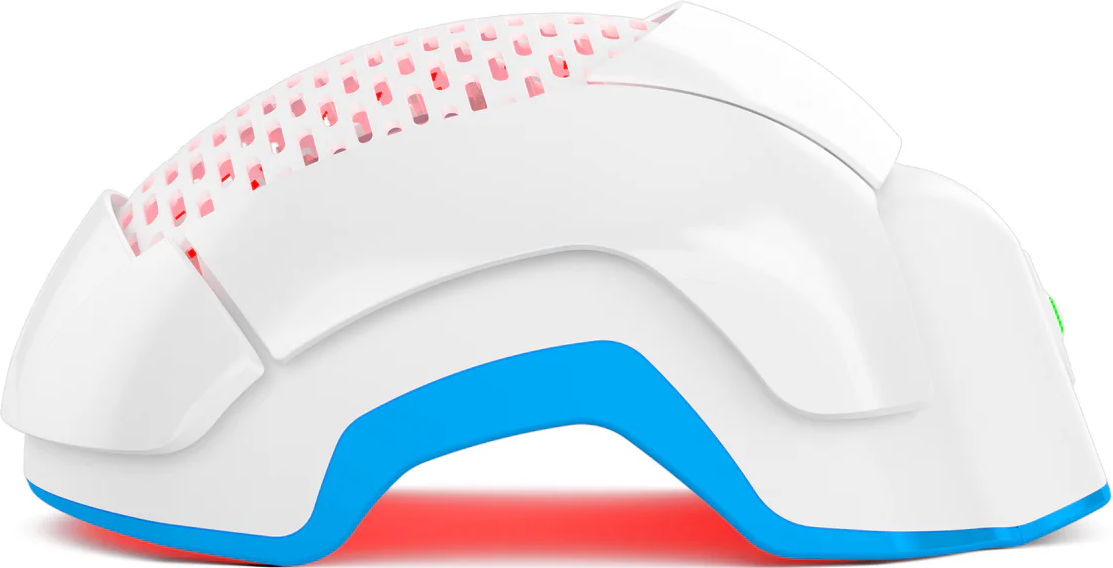
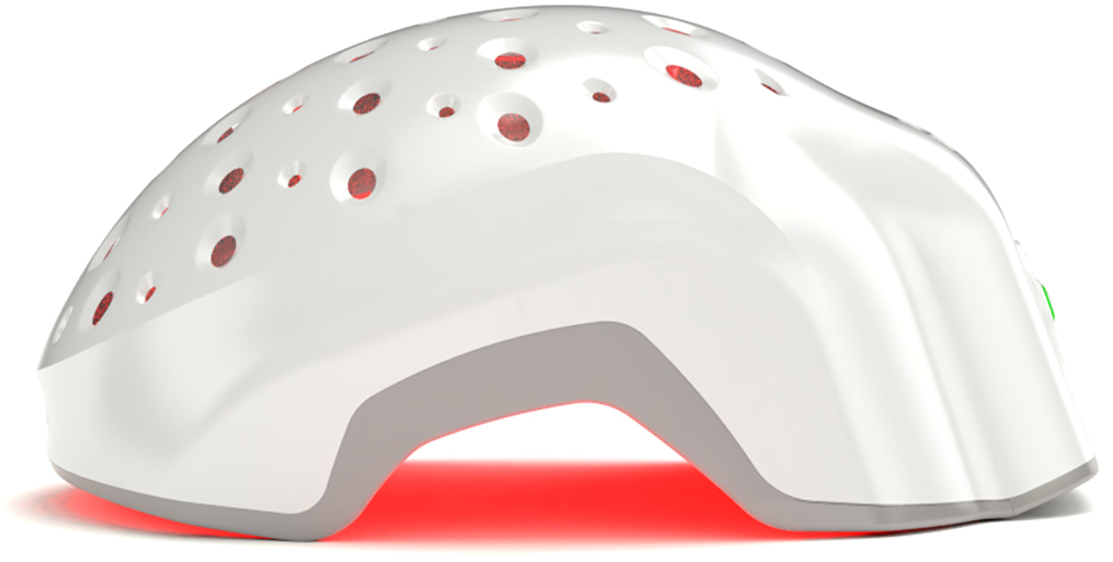
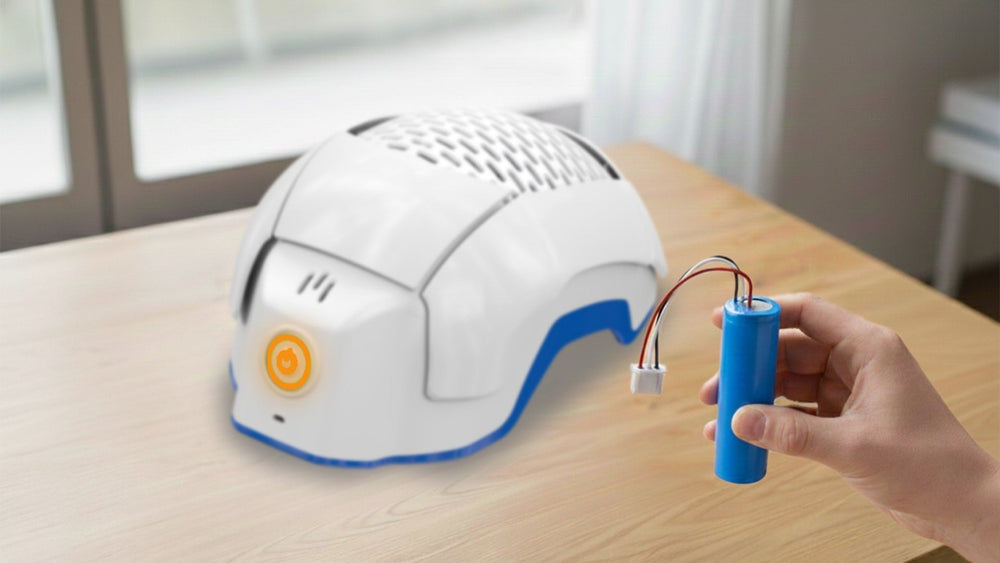
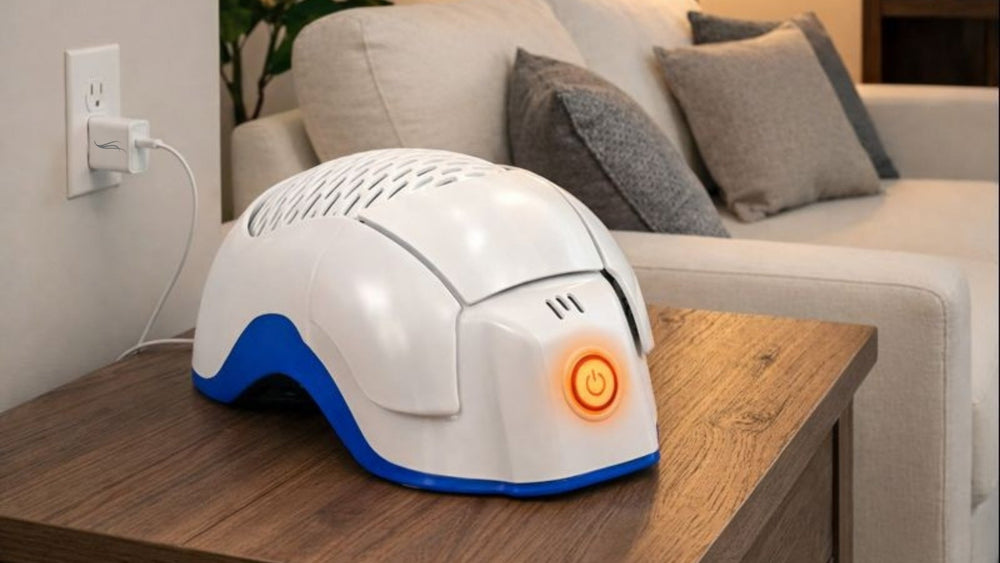
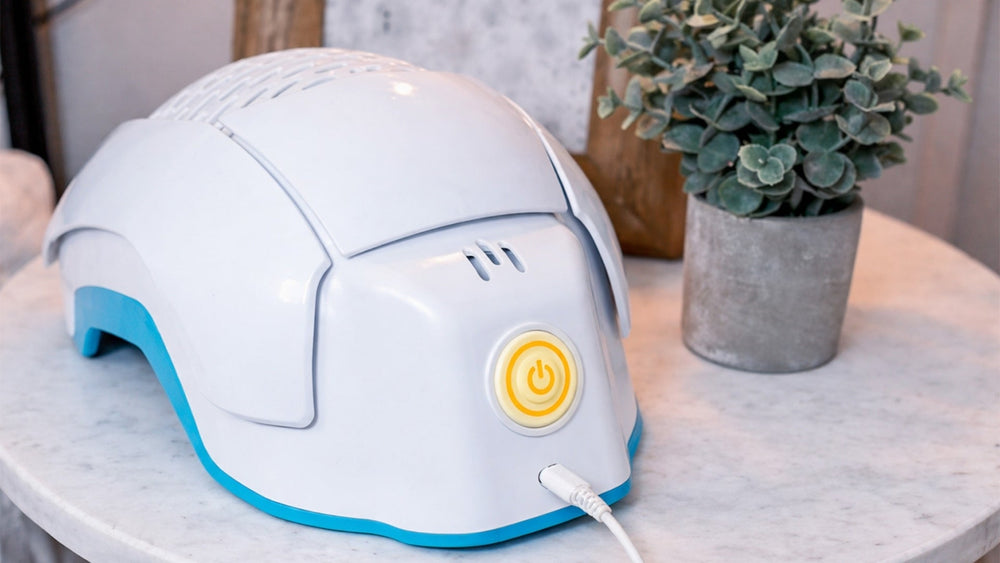
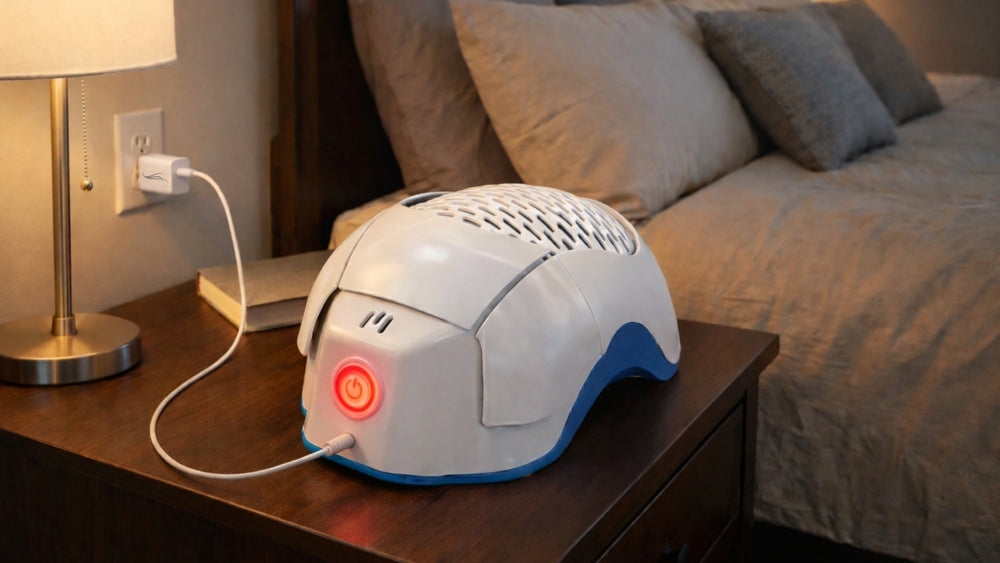
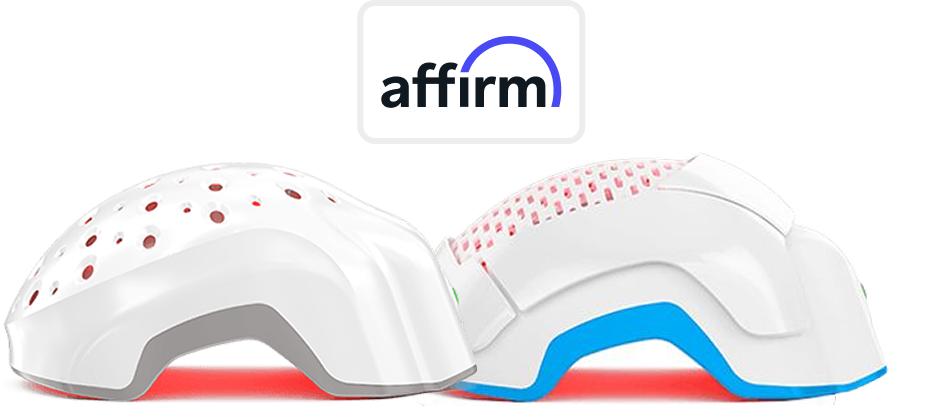
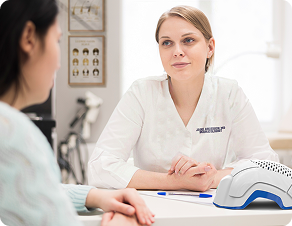
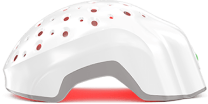
The Theradome laser helmet offers an easy, at-home solution for postpartum hair loss - at a fraction of the cost of surgical treatments like transplants. FDA-cleared and highly recommended by professional dermatologists, the Theradome cap provides effective laser therapy in the comfort of your own home.
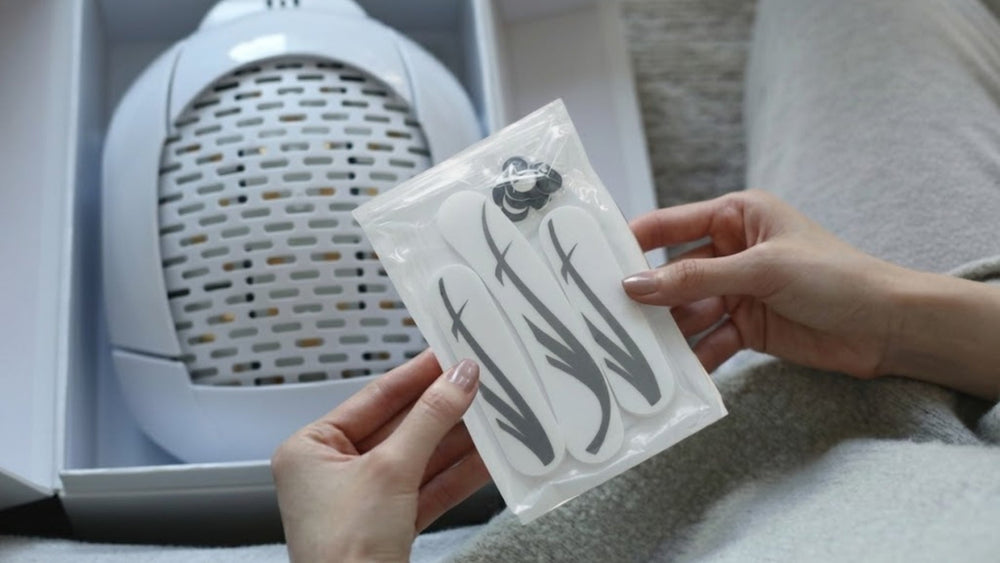
Ideal for busy new moms, using the Theradome PRO LH80 or Theradome EVO LH40 for just two or four 20 minute sessions a week, most people notice reduced shedding within 8 to 12 weeks. For a full at-home regimen, use either helmet alongside the Complete Hair Growth Bundle. Please note that Theradome is not recommended for use during pregnancy or while breastfeeding, so this is best started once breastfeeding has finished.
Give your hair the care it deserves. Explore the Theradome laser helmet and take the first step toward a fuller, healthier head of hair today.