






Lupus hair loss isn’t just a footnote in a diagnosis, for many, it’s the alarm bell that rings before anything else does. You wash your hair, glance down, and suddenly the drain’s collecting more strands than usual. It’s frustrating. It’s scary. And it’s not all in your head. When lupus goes after your body, it doesn’t skip your scalp. It can attack hair follicles directly, damage the skin beneath them, or even trigger loss through medication side effects.
Still, most conversations about lupus treat hair loss like a minor inconvenience, when in reality, it can be one of the most visible, anxiety-inducing parts of the condition. And because it’s often misunderstood, it also gets mishandled.
Let’s talk about what causes lupus hair loss, the signs worth clocking, and what actually helps when strands start going silent.
What is Lupus?
Lupus, formally known as systemic lupus erythematosus (SLE), is what happens when your immune system forgets whose team it’s on. It’s an autoimmune condition in which your immune system loses its ability to distinguish between foreign invaders like bacteria and viruses and the body's own healthy cells, tissues, and organs. Instead of protecting your body, your immune system turns against it, triggering widespread inflammation and tissue damage.
This immune dysregulation can affect multiple organ systems simultaneously, including the skin, joints, kidneys, lungs, and cardiovascular system. Because of how broadly it can manifest, lupus is often described as a systemic disease, one that doesn't stay confined to a single area of the body.
What makes lupus particularly challenging to manage is its unpredictable nature. The disease follows a relapsing-remitting pattern, meaning patients experience cycles of flare-ups, periods of heightened disease activity followed by phases of remission where symptoms subside.
Common symptoms include:
- photosensitivity,
- joint pain,
- fatigue,
- the hallmark butterfly-shaped malar rash across the cheeks and nose,
- and hair loss
Dermatologists say the skin and scalp are among the earliest and most visible targets of lupus-related inflammation, making hair loss one of the most emotionally distressing and clinically significant symptoms patients report.
Common Types of Lupus
There’s no single “type” of lupus either. These are the three types most commonly associated with skin and hair-related symptoms.
- Systemic Lupus Erythematosus (SLE): The most common and severe form, SLE can affect virtually any organ in the body, from the skin and joints to the kidneys and heart.
- Discoid Lupus Erythematosus (DLE): A skin-specific form of cutaneous lupus that causes chronic, scarring rashes on the face, scalp and neck, and is one of the leading lupus-related causes of permanent hair loss.
- Drug-Induced Lupus: A temporary, lupus-like condition triggered by certain prescription medications, which typically resolves once the offending drug is discontinued.
What all these types have in common is their potential to mess with your hairline. When lupus hits your skin or scalp, the fallout, sometimes literal, can be significant. Inflammation doesn’t just cause joint pain; it can interrupt the hair growth cycle, trigger sudden shedding, or in some cases, lead to permanent follicle damage. You don’t always see lupus on the inside first; sometimes, it shows up in the shower drain.
Does Lupus Cause Hair Loss?
Yes, lupus causes hair loss, and no, it’s not rare. The damage can show up as non-scarring alopecia (widespread thinning or shedding) or scarring alopecia, which is more permanent and often linked to discoid lupus. Either way, hair loss isn’t “just cosmetic”, it’s often one of the most distressing symptoms, especially since it can hit before a lupus diagnosis is even confirmed.
How Does Lupus Cause Hair Loss?
Lupus doesn’t use just one method to come for your hair. It’s got a whole toolkit: inflammation, skin lesions, medication side effects, and systemic stress responses. Let’s break down the real triggers of lupus that affects your hair.
1. Inflammation and Autoimmune Response
This is where it starts. Your immune system targets your own hair follicles, treating them like invaders. The result is inflammation around the follicles, reduced blood flow, and eventual hair thinning or shedding. The clinical term is “autoimmune-mediated alopecia”, but in simpler terms, your body’s defense system is turning against your scalp. This is a core lupus hair loss cause, especially in SLE. It’s sneaky, slow, and usually not patchy. It’s the “where’d all my hair density go?” kind of loss.
2. Scalp Lupus and Skin Lesions
Discoid lupus hair loss is more permanent. It comes from raised, scaly lesions that form on the scalp and damage the hair follicle structure itself. This isn’t the kind of loss that just grows back. If left untreated, the inflammation scars the follicle shut permanently. That’s why early detection and treatment matter. The plaques may start small, but if they reach critical areas (like the crown or hairline), regrowth may not be on the table.
3. Side Effects of Lupus Medications
Sometimes, the cure complicates the symptom. Medications like corticosteroids, methotrexate, and immunosuppressants, all used to treat lupus, can trigger telogen effluvium, where more hairs than usual exit the growth phase. The irony is that the drugs meant to help your immune system stop attacking you may take some strands as collateral damage. For severe cases, doctors can prescribe lupus chemotherapy which can also cause hair loss. This isn’t permanent, but it is common. And it can worsen if doses fluctuate or flare-ups continue unchecked.
4. Telogen Effluvium Due to Lupus Flare-Ups
Lupus flare-ups stress your entire system. And like any major stressor, they can shock your follicles into a mass exodus. This is classic telogen effluvium, where a sudden shift in your internal balance pushes hairs into the resting phase prematurely. The shedding often kicks in two to three months after the initial stress, which means your lupus flare is long over, but the hair loss is just arriving. The good news is this type of hair thinning is usually reversible, but only if the underlying inflammation is kept in check.
What Does Lupus Hair Loss Look Like?
While typical male or female pattern baldness usually follows a predictable line or recedes at the temples, lupus-related hair loss looks entirely different.
Because the immune system mistakenly attacks the skin and hair follicles, it changes how your hair looks, feels, and grows. Here are the distinct visual signs and patterns that set lupus hair loss apart.
- Diffuse thinning across the entire scalp
- Gradually increasing visible scalp, especially at the crown or along your normal part line
- Appearance of "lupus hair", hair breakage around the front of your face, leaving short, ragged, and irregular wisps framing your forehead
- Localized inflammation creating patchy areas of hair loss or coin-sized bald spots across your scalp
- Sores or lesions caused by cutaneous lupus
- Visible signs of irritation on scalp like redness, flaking, persistent itching or burning sensation
- Loss of facial and body hair such as eyebrows, eyelashes, beard, and legs
Early Warning Signs of Lupus Hair Loss: What to Watch For
Hair loss from lupus typically develops progressively. Catching it early can help you and your doctor take steps to manage it before it becomes severe. Keep an eye out for these subtle daily changes:
- An unusual amount of hair accumulating in your shower drain, on your pillowcase, or in your hairbrush.
- Noticeable clumps of hair coming loose during routine washing or styling.
- A sudden change in texture, where your hair feels unusually weak, dry, or easily tangled.
- Increased shedding that routinely occurs a few weeks or months after a major lupus flare-up.
Does Lupus Hair Loss Grow Back?
Hair loss from lupus can be reversed. It's not always permanent but it depends on what caused the damage. If the loss is due to inflammation, medication, or telogen effluvium, it’s often reversible, especially if the inflammation is brought under control early. But if there’s scarring from discoid lupus or prolonged untreated skin lesions, the hair follicles could be permanently damaged. That’s why lupus hair loss treatment needs to be tailored and timely. You’re not just waiting for regrowth, you’re actively working toward real lupus hair loss recovery.
What Are the Treatments and Solutions for Lupus Hair Loss?
Managing lupus hair loss isn’t about miracle shampoos. It’s about managing the disease first and stacking proven strategies to help your scalp recover.
1. Managing Lupus Symptoms
The best lupus hair loss prevention starts with stopping the fire at its source. When you keep flares under control, through medication, stress management, sleep, and nutrition, you reduce the inflammation that destroys your follicles. Skipping meds or letting stress spiral will show up on your head before it hits your labs. Control the disease, and you control the fallout.
2. Topical and Medical Treatments
For scalp lesions or inflammatory patches, corticosteroid creams or injections can calm the storm directly at the root. In systemic cases, hydroxychloroquine (often prescribed for lupus) has shown some promise in halting lupus hair loss symptoms. These aren’t DIY solutions; you need a rheumatologist or dermatologist guiding you. But the right mix can slow, stop, or even reverse inflammation-triggered loss. However, you should speak with your doctor before any treatments.
3. Gentle Hair Care Routine
Your follicles are already on edge. Don’t give them more reasons to peace out. Ditch the heat tools. Avoid tight hairstyles. Skip sulfates, heavy fragrances, and stripping alcohols. Opt for sulfate-free shampoos and conditioners that support scalp health. If your product label sounds like a cocktail menu, toss it. A lupus hair loss scalp treatment starts with what you put on your head daily and it should do more good than harm.
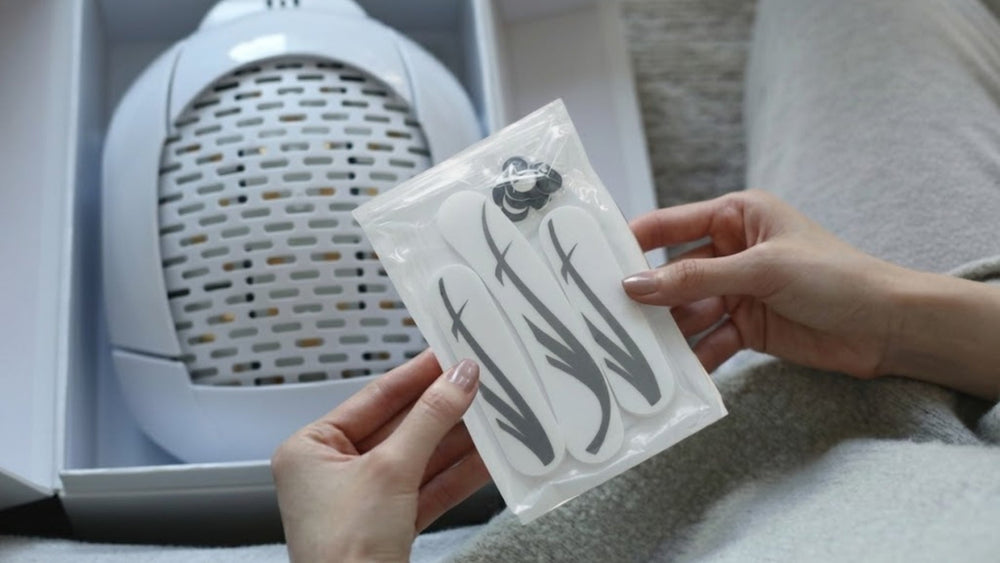
Checkout Theradome's Complete Hair Growth Bundle for a healthy scalp and hair.
4. Laser Phototherapy
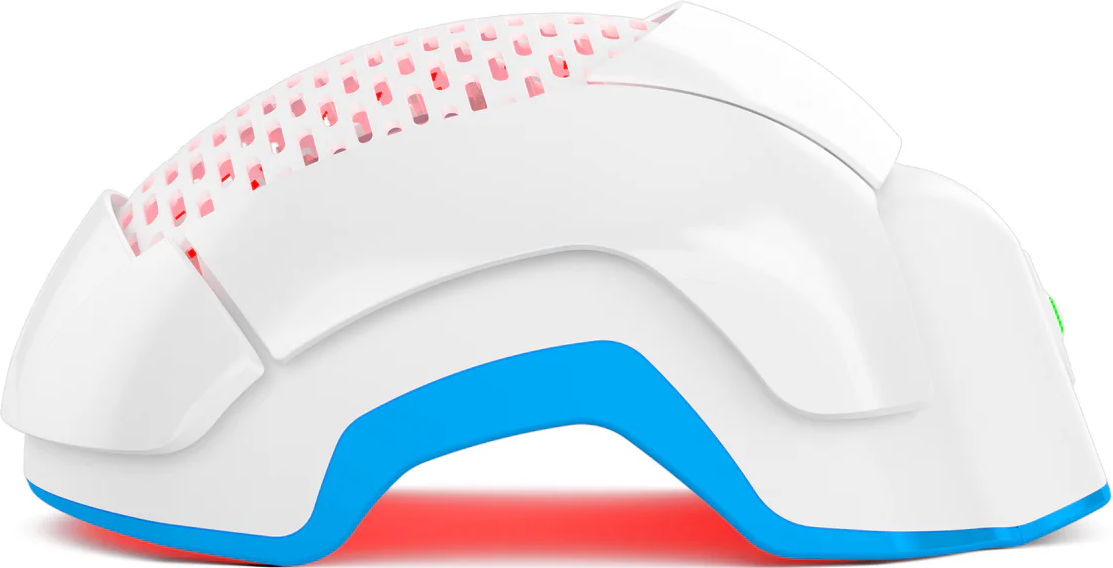
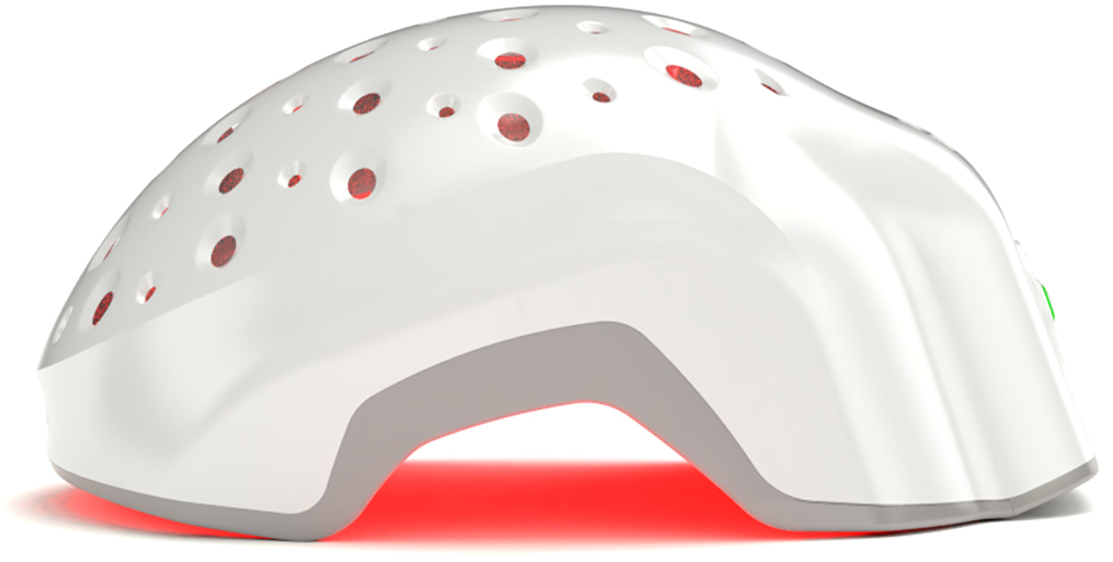
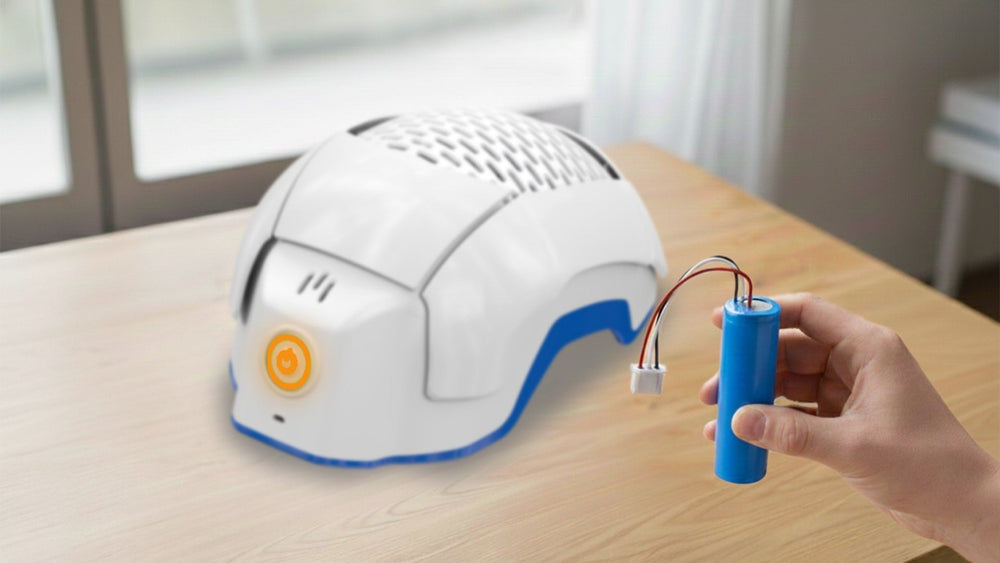
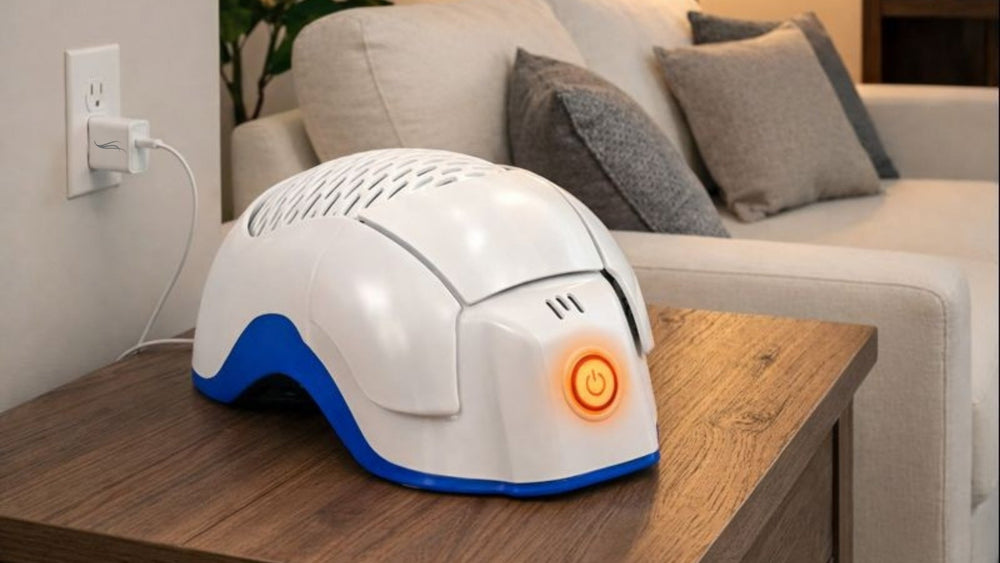
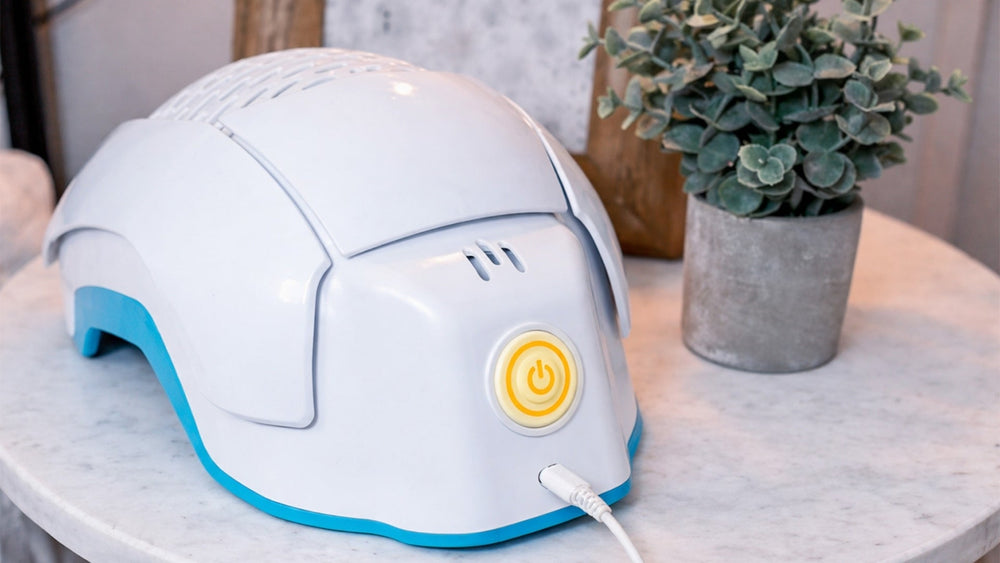
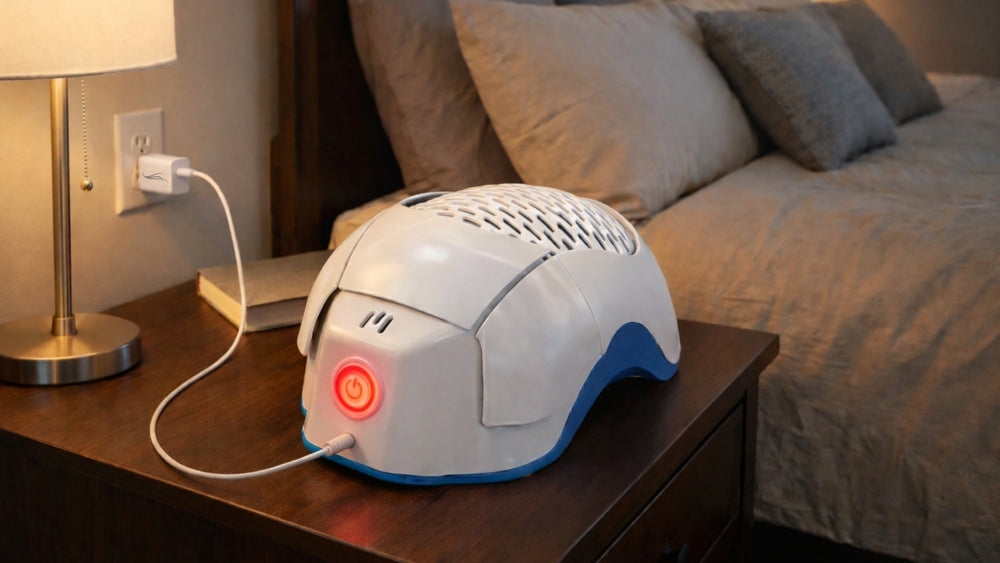
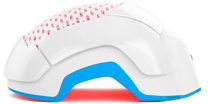
Laser therapy is real science. LPT devices like Theradome helmets use cold red-light lasers to stimulate mitochondrial activity in your hair follicles, improving blood flow and reducing inflammation. It’s FDA-cleared, painless, and one of the few options that supports both lupus hair loss regrowth and prevention, especially in non-scarring cases. It’s drug-free and doesn’t interfere with lupus meds. However, you should speak with your doctor before any treatments.
5. Hair Supplements and Nutrition
Hair can’t grow from thin air. You need building blocks like iron, zinc, omega-3s, and vitamin D. But don’t guess. Test first. Over-supplementing can backfire. Focus on real food: salmon, spinach, eggs, walnuts. Support your scalp like you support your joints. It’s part of the system, too.
Daily Hair Care Tips for People with Lupus
When you are managing lupus, your hair requires an extra layer of gentleness. Because the condition can cause inflammation around the hair follicles and make your strands structurally weaker, everyday styling habits can unintentionally lead to extra breakage and shedding.
Fortunately, making a few supportive shifts in your daily hair care routine can go a long way in protecting your scalp and preserving your hair volume. Here is a dermatologist-backed guide to shielding your hair from damage.
1. Shield Your Scalp from the Sun
For people with lupus, ultraviolet (UV) rays from the sun are more than just a sunburn risk. They can actually trigger systemic lupus flare-ups and cause painful skin lesions directly on your scalp (cutaneous lupus). Protecting your head from the sun is one of the most important steps you can take.
- Wear UV-Protective Hats: Whenever you step outside, opt for a wide-brimmed hat. For the best protection, look for hats explicitly labeled with a UPF (Ultraviolet Protection Factor) rating.
- Use Scalp Sunscreen: If a hat isn't practical, apply a lightweight sunscreen spray formulated specifically for the scalp and parting lines.
- Remember to Reapply: Just like body sunscreen, scalp protection wears off. Reapply your spray every two hours, or immediately after swimming or sweating.
- Check Your Ingredients: Avoid hair products containing harsh chemical additives that can increase your skin's sensitivity to sunlight.
2. Master the Art of Gentle Washing
Because lupus hair can be incredibly fragile and prone to snapping, how you wash and dry your hair matters. Treat your hair like a delicate fabric to minimize mechanical breakage.
- Switch to Mild Cleansers: Use an ultra-mild, sulfate-free shampoo such as a gentle baby shampoo to clean your hair without stripping away natural moisture.
- Massage, Don't Scrub: When shampooing, gently work the lather into your scalp with the pads of your fingers. Avoid rough rubbing or bunching your hair up on top of your head.
- Use a Detangler: Always apply a high-slip conditioner or a leave-in detangling spray after washing. This allows combs to glide through seamlessly, reducing the tension that pulls hair out at the root.
- Ditch the Rough Brushing: Switch to a wide-tooth comb or a soft-bristle brush, and always start detangling gently from the ends of your hair, working your way up to the roots.
3. Take a Break from Heat and Chemicals
When hair strands are structurally weakened by an autoimmune response, exposure to extreme heat or altering chemicals can cause severe breakage.
- Step Away from Heat Tools: Give your blow dryers, flat irons, and curling wands a rest. Whenever possible, let your hair air-dry naturally.
- Avoid Harsh Chemical Processing: Avoid chemical treatments like hair bleach, permanent dyes, perms, or chemical relaxers until your hair health stabilizes.
4. Choose Low-Tension Hairstyles
How you wear your hair can impact how much of it stays on your head. Heavy pulling on the hair follicle can weaken it further and accelerate hair loss.
- Avoid Tight Styles: Stay away from tight braids, cornrows, slicked-back buns, and high ponytails. These styles pull aggressively on the scalp and can cause a type of hair loss called traction alopecia.
- Embrace Loose Looks: Opt for loose clips, low ponytails, or letting your hair down naturally to relieve pressure on your scalp.
H3: Finding Your Comfort Style
Managing hair changes is a deeply emotional journey, and there is no single "right" way to handle it. Many people choose to explore creative and beautiful alternatives to protect their scalps and boost their confidence:
- Scarves and Wraps: Soft silk or cotton scarves protect the scalp from both UV light and friction.
- Wigs and Hairpieces: Lightweight, breathable wigs or toppers can give you the look you want without damaging underlying hair follicles.
- See a Specialist: Consider booking an appointment with a professional hair stylist who has specific training or experience working with medical hair loss. They can recommend safe, low-maintenance cuts that maximize your natural volume.
Conclusion
Yes, lupus can cause hair loss through inflammation, medications, stress, and skin lesions. The type of loss (scarring or not) will determine whether regrowth is possible. The earlier you catch and treat it, the better your odds. Don’t wait for chunks of hair to make the decision for you. Speak with your doctor, manage your condition aggressively, and support your hair with proven methods. Lupus hair loss is frustrating, but it doesn’t have to be final.