







Dreadlocks do not automatically cause hair loss. The real issue is usually tension, especially when locs are installed too tightly, retwisted aggressively, worn in tight updos, made heavy with extensions, or left pulling on the same follicles for too long. That repeated pulling can lead to traction alopecia, a type of hair loss caused by ongoing stress on the hair follicle.
So no, your locs are not automatically the villain.
But your scalp does keep receipts.
Tension is the danger
Traction alopecia happens when hair is pulled repeatedly or for too long. With dreadlocks, that tension can come from tight installation, frequent retwisting, interlocking done with too much force, heavy mature locs, loc extensions, or constantly wearing the hair pulled back.
And the tricky part is it may not scream at first.
Sometimes it whispers. A sore hairline. A tender part. One thinning loc near the temple. A little patch where scalp starts showing more than it used to. Then one day you are in the mirror doing forensic work with your fingers.
Been there, emotionally.
Why “protective style” can be a misleading phrase
A protective style can protect the hair shaft from daily manipulation. That does not automatically mean it protects the follicle.
A style can reduce combing and still pull too hard at the root. It can look neat and still be too tight. It can be called “protective” and quietly tax the same edge hairs every week like a tiny follicle landlord with no mercy.
What Is Traction Alopecia?
Traction alopecia is hair loss caused by repeated or prolonged pulling on hair. It is not unique to dreadlocks. It can happen with tight braids, cornrows, buns, ponytails, updos, weaves, extensions, rollers, and any style that keeps tension on the scalp.
A review in International Journal of Women’s Dermatology describes tight buns or ponytails, weaves or extensions, and tight braids, including cornrows and dreadlocks, as among the higher-risk hairstyles when traction is present.
So the issue is not the name of the style. It is the pulling force, how long it lasts, and how often the same follicles get dragged into the mess.
What happens to the follicle?
A hair follicle is living tissue under the skin. When it is pulled repeatedly, it can become irritated and inflamed. Early on, that damage may be non-scarring. The follicle is annoyed, maybe inflamed, but not necessarily gone.

If the tension continues for months or years, the damage can become scarring. In scarring alopecia, follicles may be replaced by scar tissue, and hair does not regrow normally from those areas. Scarring alopecia is permanent.
That is the part nobody wants to hear.
Still better to hear it early.
Early versus late traction alopecia
Early traction alopecia may improve after the tension is removed. Long-standing traction alopecia can become permanent if scarring develops. JAMA Dermatology’s patient guidance notes that early traction alopecia is non-scarring and reversible, while long-term traction alopecia can be associated with permanent scarring hair loss.
So, the earlier you act, the more options your scalp usually has.
How Can Dreadlocks Lead to Hair Loss?
A fresh retwist should not feel like your scalp joined a negotiation.
Tight pulling at the roots can stress the follicle. If you feel soreness, stinging, burning along the parts, bumps, or headaches after maintenance, that is not just “neat.” It may be too much tension. AAD advises people to loosen tight hairstyles and see a dermatologist if they have pain, stinging, crusting, or scales on the scalp.
This is one of those places where beauty culture has been rude for too long. Pain is not proof the style was done well.
Heavy mature locs or wet locs
Long locs can be beautiful. They can also get heavy, especially when wet or loaded with product buildup. That weight may gradually pull at the roots, often around the temples, hairline, nape, or weaker sections.
The evidence on “wet loc weight” specifically is not as robust as the evidence on traction overall, so this should be framed carefully. The stronger clinical point is that added weight and repeated pulling increase traction risk. BAD guidance for Afro-textured hair notes that long extensions and decorative ornaments can add significant weight and increase traction alopecia risk.
The common-sense scalp test still helps: if your locs feel like they are tugging downward, especially when wet, listen.
Loc extensions, faux locs, and added hair
Loc extensions can look fantastic. They can also add weight before your natural hair and follicles are ready for it.
Extensions, weaves, and added hair are repeatedly named in dermatology guidance as traction risks when they increase pulling, especially if installed tightly or worn for long periods. Hair extensions and weaves are among hairstyles that can cause traction alopecia when they pull too tightly, and Billero and Miteva describe extensions as a high-risk styling practice in traction alopecia.
So the question is not “extensions or no extensions?” It is: how heavy, how tight, how long, and what is your scalp saying?
Tight buns, ponytails, and pulled-back loc styles
Daily high buns, tight ponytails, and slicked-back loc styles can keep tension on the same hairline zones. AAD specifically lists tightly pulled buns, ponytails, and updos as styles that can lead to traction alopecia when they are too tight.
Once in a while is different from every day.
That little difference can save edges.
Poor sectioning or overloaded parts
Sectioning matters. Tiny sections can concentrate weight and tension on fewer hairs. Oversized or heavy sections can overload certain areas. A good loctician is not just making clean boxes or crisp parts. They are reading density, hair strength, scalp comfort, and weight distribution.
This is engineering, but with hair and feelings.
Chemical overlap and fragile hair shafts
Relaxers, bleach, color, heat, and rough handling can weaken the hair shaft, making breakage more likely. Chemical relaxers can increase fragility and hair-shaft breakage, especially when paired with tension-heavy styles.
Breakage is not the same as follicle hair loss. But in real life, they can show up together, wearing the same little trench coat of confusion.
What Are the Warning Signs Your Locs May Be Causing Hair Loss?
Scalp pain, soreness, or tight roots
If your roots feel sore after maintenance, that deserves attention. JAMA Dermatology lists tenderness, stinging, pain, and acne-like bumps as possible early features of traction alopecia.
Pain is information.
Thinning edges or receding hairline
Traction alopecia often affects the areas that take the most pull: the temples, front hairline, preauricular area near the ears, and nape. StatPearls describes traction alopecia as commonly involving marginal hairline areas, including temporal, preauricular, and occipital regions.
If your edges are slowly retreating while the rest of your locs seem fine, do not wait six more retwists to “see what happens.”
Your scalp already sent the email.
Widening parts or more visible scalp between locs
If your parts are widening, your scalp is showing more than usual, or the space between locs seems larger, pay attention. BAD’s patient guidance notes that tight braids such as cornrows and dreadlocks may cause hair loss between the braids.
Visible scalp can also come from pattern thinning, CCCA, shedding, or sectioning changes, so it is not automatically traction alopecia. Still, it is worth checking.
Bumps, redness, crusting, or pus
Bumps along parts, redness, pustules, crusting, or painful spots can suggest inflammation, folliculitis, infection, or severe tension irritation. JAMA notes acne-like bumps can appear in traction alopecia, and AAD advises seeing a dermatologist when tight styles are associated with pain, crusting, scales, or stinging.
Pus is not a “wait and moisturize” situation.
Please. No.
Locs thinning at the root or breaking off
A loc thinning at the base can suggest root stress, weak density in that section, breakage near the root, or traction alopecia. A loc snapping mid-shaft points more toward hair-shaft breakage from dryness, chemical damage, friction, rough handling, or buildup.
Different problem. Different response.
That is why diagnosis matters.
Is It Hair Loss, Shedding, or Breakage?
Everyone sheds hair as part of the normal hair cycle. With loose hair, shed strands usually fall away during brushing, washing, or daily movement. With locs, shed hairs can stay trapped inside the loc structure, then appear during washing, maintenance, or takedown.
That can look terrifying.
A shed pile does not always mean new hair loss is happening. But if shedding is sudden, diffuse, or paired with thinning, scalp pain, patchy loss, or a known trigger like childbirth, illness, surgery, medication changes, or major stress, telogen effluvium may be part of the picture.
Breakage means the shaft snapped
Breakage happens when the hair fiber breaks somewhere along the strand. It can be linked to bleach, heat, dryness, rough detangling, friction, tight styling, or chemical damage. Acquired hair-shaft defects can result from straightening, overheating, excessive traction, and other trauma.
With locs, breakage may show up as thinning ends, weak spots, frizzier sections, or locs snapping.
Follicle hair loss means the root system is affected
Follicle-level hair loss means the hair-producing structure under the scalp is involved. In traction alopecia, repeated pulling can irritate and eventually damage the follicle. In scarring cases, the follicle may be replaced by scar tissue.
That is why oils cannot solve every loc thinning problem. Neither can satin pillowcases, or that auntie who says “just massage it with something strong.”
Some scalps need a dermatologist.
When to stop guessing
If thinning continues after loosening your locs, or if you see bald patches, scalp pain, pustules, crusting, crown thinning, sudden shedding, or shiny smooth areas, stop guessing.
Get your scalp examined.
A loctician can adjust tension and styling. A dermatologist can diagnose disease. Both may help, but they do different jobs.
Can Hair Loss from Dreadlocks Grow Back?
Early traction alopecia may improve when tension is removed. That can mean loosening styles, pausing retwists, avoiding tight updos, removing heavy extensions, or changing maintenance habits. Early traction alopecia is non-scarring and reversible.
Some people notice improvement over months. But it is not fair or accurate to promise everyone a tidy three-month comeback. Hair regrowth depends on how long the tension lasted, whether follicles are scarred, whether inflammation is present, and whether another hair-loss condition is also involved.
Bodies are not spreadsheets.
Long-standing traction can become permanent
If traction continues for too long, follicles can scar. Once scarring replaces the follicle, normal regrowth is unlikely. DermNet’s general hair-loss guidance states that scarring alopecia is permanent, and long-term traction can be associated with permanent scarring hair loss.
This is not meant to scare you into cutting off your locs tonight.
It is meant to make you act while there is still something worth saving.
Why early action matters
Early action is boring. It is also powerful.
Loosen the style. Reduce weight. Stop tight buns. Pause painful retwists. Photograph the hairline and crown. Book a dermatologist if the thinning persists or if the scalp is irritated.
What Else Can Cause Hair Loss If You Have Dreadlocks?
People with locs can still develop androgenetic alopecia, often called pattern hair loss. In men, it may show as temple recession or crown thinning. In women, it often appears as widening parts or reduced density over the crown. Androgenetic alopecia is a genetically influenced, androgen-related form of patterned hair loss.
This matters because pattern hair loss can be blamed on dreadlocks when the actual issue is follicle miniaturization from androgenetic alopecia.
Central centrifugal cicatricial alopecia, especially crown thinning
Central centrifugal cicatricial alopecia, or CCCA, is a scarring alopecia that usually begins around the crown or vertex and spreads outward. It is more commonly seen in Black women and can cause permanent hair loss if not treated early.
CCCA can be mistaken for traction alopecia or pattern hair loss, especially when the person also wears locs, braids, or other styles associated with tension. But CCCA is not simply “your hairstyle did this.” Its cause is not fully settled, and genetics, inflammation, and hair-care practices may all be relevant.
If the crown is thinning, do not let anyone shrug and say, “It’s just the locs.”
Maybe. Maybe not.
Alopecia areata
Alopecia areata is an autoimmune type of hair loss that can cause round or patchy bald spots. It can appear while someone has dreadlocks and be mistaken for traction-related loss. Alopecia areata often presents with non-scarring hair loss and may involve patchy areas.
If the patch is smooth, sudden, circular, or not in a clear tension zone, it deserves a proper look.
Tinea capitis or scalp fungal infection
Tinea capitis is a fungal infection of the scalp. It can cause itching, scale, redness, patchy hair loss, and sometimes inflammatory swelling called kerion. It usually needs oral antifungal medication, not just a shampoo or oil.
This is especially important if there is flaking, pain, swollen spots, broken hairs, or patchy loss.
Telogen effluvium
Telogen effluvium is diffuse shedding after a trigger such as illness, childbirth, fever, surgery, rapid weight loss, medication changes, or major stress. StatPearls describes it as excessive shedding of resting hairs after metabolic stress, hormonal changes, or medication.
With locs, shed hairs can stay trapped, so the shedding may look more dramatic during wash day or maintenance.
A scalp can have two things going on at once.
Seborrheic dermatitis, psoriasis, or scalp inflammation
Seborrheic dermatitis can cause itch, flakes, redness, and scalp irritation. Psoriasis can also affect the scalp with scaling and inflammation. These conditions may not be “loc hair loss” by themselves, but inflammation, scratching, and delayed treatment can make shedding, breakage, and scalp discomfort worse.
If the scalp is itchy, flaky, sore, crusty, or inflamed, the answer is not always tighter maintenance or more oil.
Sometimes the scalp wants medicine.
The honest diagnostic rule
If hair loss follows the tightest pull zones, traction alopecia is a strong suspect.
If the pattern is crown-centered, patchy, diffuse, flaky, painful, sudden, or not clearly tied to tension, widen the lens. That is where a dermatologist earns their keep.
How Can You Prevent Hair Loss While Wearing Dreadlocks?
Ask for a retwist that feels secure, not punishing. If your scalp hurts, burns, bumps up, or feels tight for days, the tension may be too high. AAD recommends changing or loosening tight hairstyles and avoiding styles that pull on the scalp.
Neat should not mean numb.
Or throbbing.
Or “I need ibuprofen and silence.”
Avoid daily tight ponytails and high buns
Wearing locs pulled tightly into the same ponytail or bun every day can stress the same follicles again and again. Tightly pulled buns, ponytails, and updos are among styles that can cause traction alopecia when too tight.
Rotate styles. Let the hair hang loose more often. Use softer, looser bands. Avoid yanking the hairline backward daily like it owes rent.
Manage weight before your scalp starts negotiating with you
If locs are very long, heavy, extension-loaded, or packed with buildup, reducing weight can help lower traction. Long extensions and decorative ornaments can increase traction alopecia risk by adding weight.
That does not mean you must chop everything immediately. It means weight is part of the math.
Choose sectioning that respects the density of your hair
Good sectioning matters because every loc hangs from a section of follicles. Very small parts may concentrate weight on too few hairs. Overloaded sections may pull too much. An experienced loctician should consider density, hair strength, scalp sensitivity, and placement.
Pretty parts are nice.
Healthy roots are better.
Give edges and thinning areas a break
If your edges are already thinning, do not keep retwisting them tightly in the name of neatness. Let fragile areas rest. Avoid pulling them into updos. Ask your loctician to work around weak sections instead of forcing them into the same tension pattern.
The edge hairs may be exhausted.
Keep the scalp clean without turning wash day into warfare
Scalp care matters with locs because buildup, flakes, and irritation can make an already stressed scalp more uncomfortable. DermNet’s guidance on Afro-textured hair notes that shampooing every one to two weeks can help avoid product buildup, irritant dermatitis, and seborrhoeic dermatitis.
Use residue-conscious products. Dry locs thoroughly. Be gentle around sore areas.
And please, do not weaponize your nails against an itchy scalp.
Listen to pain, bumps, and itching early
Your scalp is allowed to complain.
Pain, bumps, persistent itch, flaking, and tenderness are not tiny side quests. They are signals. If they keep happening after maintenance or around certain styles, change the tension pattern and consider medical evaluation.
Small changes early can prevent bigger decisions later.
What Should You Do If Your Locs Are Already Thinning?
Step 1: Remove or reduce the tension
The first move is not a serum. It is less pulling.
Loosen tight styles. Stop tight buns and ponytails for now. Remove heavy extensions if they are tugging. Pause aggressive retwists. Do not reinforce weak locs with extra tension unless a skilled professional has checked the risk.
Stop tight hairstyles that stress the follicle when traction alopecia is diagnosed.
Step 2: Document what is changing
Take photos of your hairline, temples, nape, crown, and thinning sections once a month in similar lighting.
Not every day. That way lies madness.
Photos help you and your dermatologist see whether the thinning is progressing, stabilizing, or improving. They can also show whether the issue started after extensions, a tighter retwist schedule, postpartum shedding, illness, medication changes, or crown thinning that was creeping in separately.
Step 3: See a dermatologist if signs persist or worsen
Book a dermatologist if you notice bald patches, ongoing hairline loss, scalp pain, pustules, crusting, severe flakes, crown thinning, sudden diffuse shedding, shiny scalp, or thinning that does not improve after reducing tension. Traction alopecia is often diagnosed clinically, but dermoscopy, biopsy, or labs may be used when another condition is possible.
Early care can matter a lot, especially if scarring alopecia is on the table.
Step 4: Work with a loctician who understands tension
A good loctician can help adjust parting, reduce weight, loosen maintenance, avoid fragile areas, and suggest lower-tension styling.
A dermatologist can diagnose traction alopecia, CCCA, androgenetic alopecia, infection, alopecia areata, telogen effluvium, psoriasis, dermatitis, or another scalp disorder.
Different lanes. Same goal: keep the hair you still have.
Step 5: Avoid panic-buying oils, gummies, and miracle drops
Oils may help reduce dryness or friction in some routines. They do not remove tension. They do not reverse scarring. They do not diagnose whether the issue is CCCA, pattern hair loss, fungal infection, or traction alopecia.
Biotin should not be treated as the default answer either. A 2024 review found that evidence for biotin in hair loss is limited mainly to deficiency or specific medical contexts, and biotin can interfere with lab tests.
That bottle in the bathroom drawer might not be evil. It just may not be relevant.
What Treatments Can Help Hair Loss Linked to Dreadlocks?
If the hair loss is traction-related, reducing or removing the pulling is the foundation. Everything else sits on top of that. Or falls off it.
AAD recommends stopping or changing hairstyles that pull tightly once traction alopecia is diagnosed, and early traction alopecia may be reversible when tension is stopped.
This is the least glamorous treatment step. Also the most logical.
Anti-inflammatory or antibiotic treatment may be needed
If the scalp is inflamed, painful, bumpy, crusted, or showing signs of folliculitis, a clinician may use topical corticosteroids, steroid injections, or antibiotics depending on the diagnosis. Topical corticosteroids, intralesional corticosteroids, antibiotics, minoxidil, and hair restoration surgery are among treatment options used in selected traction alopecia cases.
Do not DIY prescription treatments on an irritated scalp.
Hair transplant may be considered for stable scarring traction alopecia
For long-standing scarring traction alopecia, hair transplant surgery may be considered once the condition is stable and active inflammation or ongoing traction has been controlled. Hair restoration surgery may be used for severe, permanent traction alopecia.
That is later-stage care. Not the first stop.
The first stop is still: stop the pull.
Can You Keep Your Dreadlocks If You Have Hair Loss?
If the thinning is early and mainly traction-related, you may be able to keep your locs while changing the maintenance pattern. That can mean looser retwists, less frequent manipulation, no tight updos, reduced weight, no extensions for a while, and gentle handling around thinning zones. Early traction alopecia may improve when tension is stopped.
No panic haircut required in every case.
Breathe.
Sometimes the style needs a serious pause
If the locs are very heavy, painful, extension-loaded, pulling at the hairline, or hanging from thin roots, your scalp may need a real break. That could mean temporary loosening, shortening, removing extensions, combining weak sections carefully, or in some cases removing locs to allow examination and treatment.
Nobody loves hearing that.
But hearing it early beats hearing “scarred” later.
Let diagnosis lead the decision
The decision should depend on the cause. Traction alopecia needs tension reduction. CCCA needs early medical treatment to slow scarring. Pattern hair loss may need pattern-hair-loss treatment. Tinea capitis needs antifungal treatment. Telogen effluvium needs trigger identification and time.
One hairstyle. Many possible diagnoses.
That is why blanket advice gets people in trouble.
When Should You See a Dermatologist?
See a dermatologist sooner if you notice:
- Hairline thinning that keeps progressing
- Bald patches
- Scalp pain, burning, crusting, pus, or swelling
- Shiny scalp or areas where follicle openings seem absent
- Crown thinning
- Sudden diffuse shedding
- Severe flakes or itch
- Locs thinning at the root
- Hair not regrowing after tension is reduced
- A child with painful locs, tight styles, or thinning edges
AAD advises seeing a dermatologist if tight hairstyles are associated with pain, crusting, scales, or stinging, and dermatologists may use examination and sometimes biopsy to distinguish traction alopecia from other forms of hair loss.
What to bring to the appointment
Bring photos. Old ones, too.
Bring your retwist schedule, extension history, product list, symptoms, family history of hair loss, and a timeline of when things changed. Mention childbirth, illness, surgery, medication changes, stress, rapid weight loss, relaxers, bleach, and scalp symptoms.
It may feel like overkill. It is not.
Hair loss loves context.
Quick Self-Check: Are Your Locs Putting Too Much Stress on Your Scalp?
Check any that apply:
- My roots hurt after maintenance.
- I get bumps along my parts.
- My edges are thinning.
- I see more scalp between locs.
- I wear tight buns or ponytails most days.
- My locs feel heavy when wet.
- I use extensions or heavy accessories.
- Some locs are thinning at the base.
- My scalp itches, flakes, burns, or feels sore often.
- I keep hoping it will fix itself because I do not want bad news.
If you checked three or more, your scalp may be asking for less tension and a proper look.
Not panic. Action.
Common Myths About Dreadlocks and Hair Loss
Myth: Dreadlocks always cause hair loss
False. Dreadlocks do not automatically cause hair loss. The risk rises when locs create repeated tension, weight, or pulling on the follicles.
Myth: Pain means the retwist is neat
No. Pain is not quality control. Soreness, burning, bumps, stinging, or headaches after maintenance may suggest too much tension.
Myth: Biotin will fix thinning locs
Biotin is not the default fix for dreadlocks and hair loss. Evidence supports biotin mainly in deficiency or specific medical contexts, and high-dose biotin can interfere with certain lab tests.
Myth: Oils can regrow edges lost to traction
Oils may help with dryness, comfort, or reducing friction in some hair-care routines. They do not remove mechanical tension, treat infection, diagnose CCCA, or revive scarred follicles.
The follicle is not fooled by shine.
Myth: If your locs caused thinning, you must cut them all off
Not always. Some people can reduce tension and keep their locs, especially in early cases. Others may need to loosen, shorten, remove extensions, or pause certain styles. Diagnosis and severity should guide the choice.
Where Theradome Fits If You Have Locs and Hair Loss
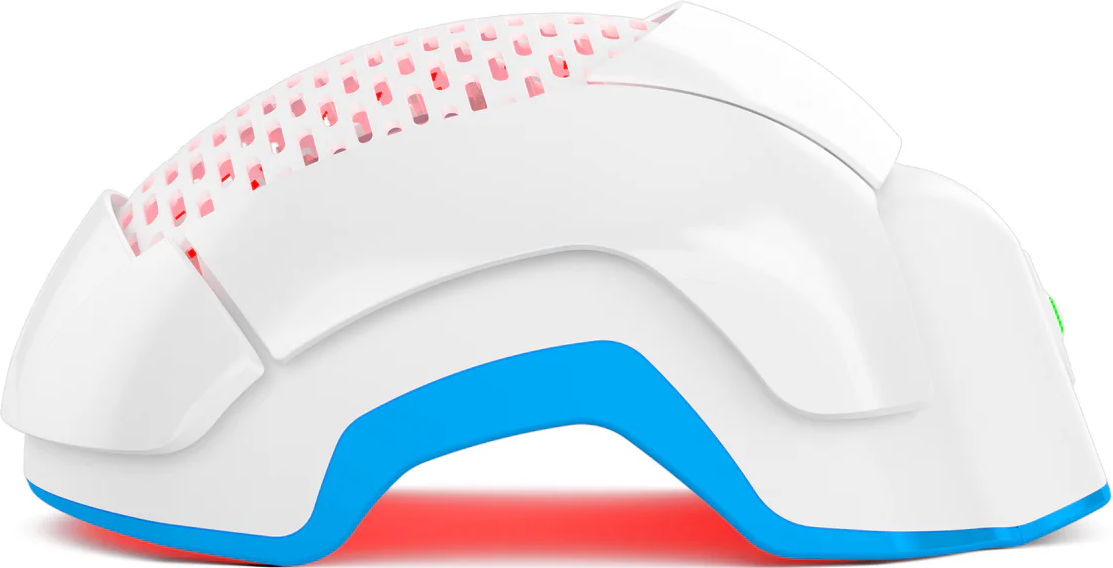
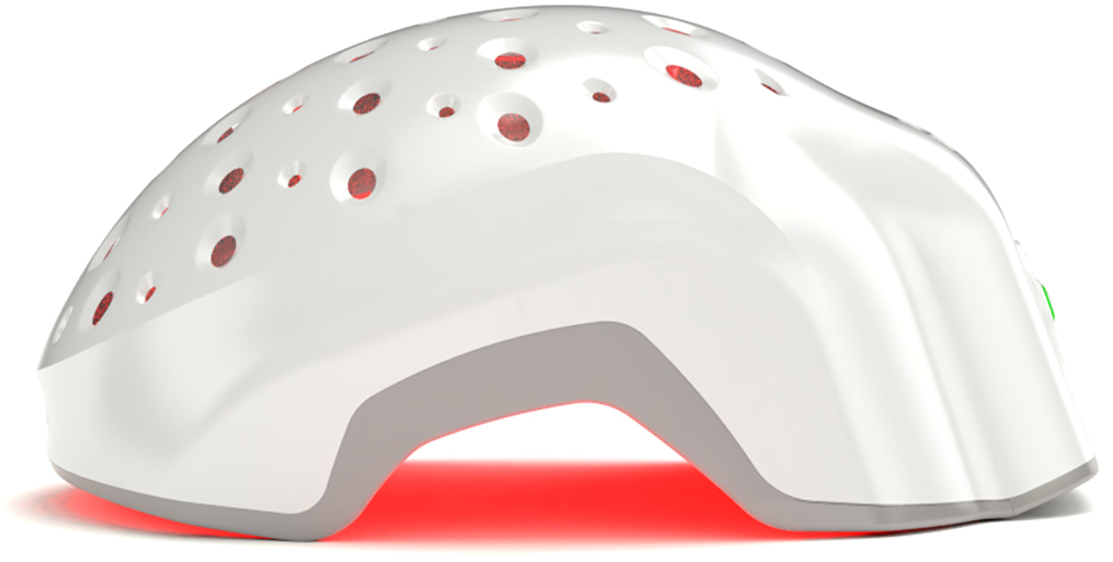
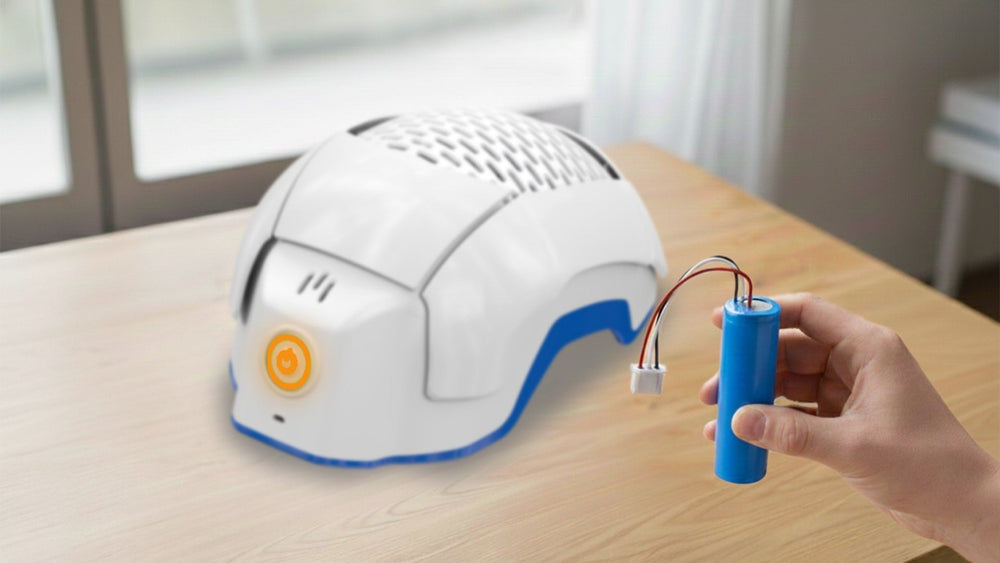
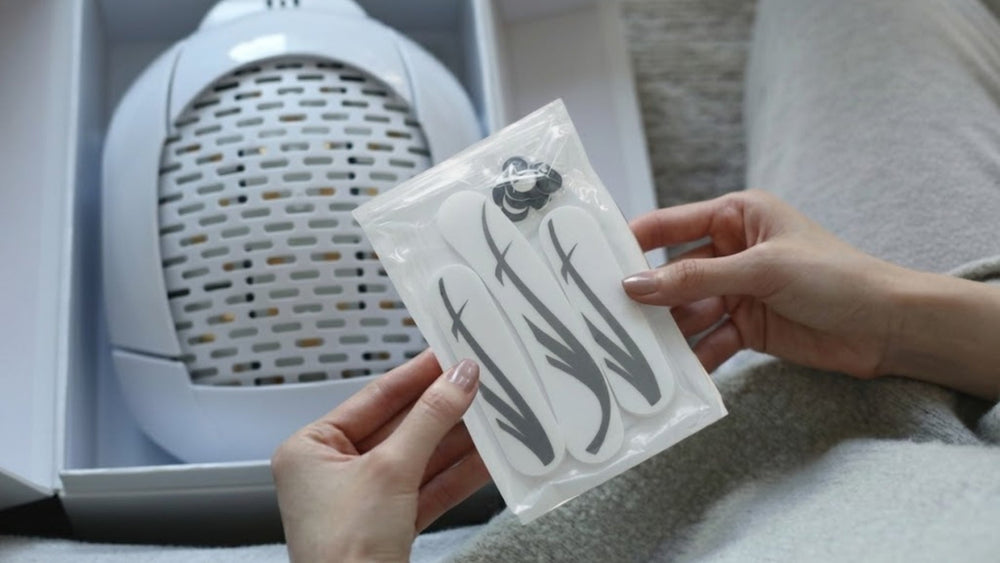
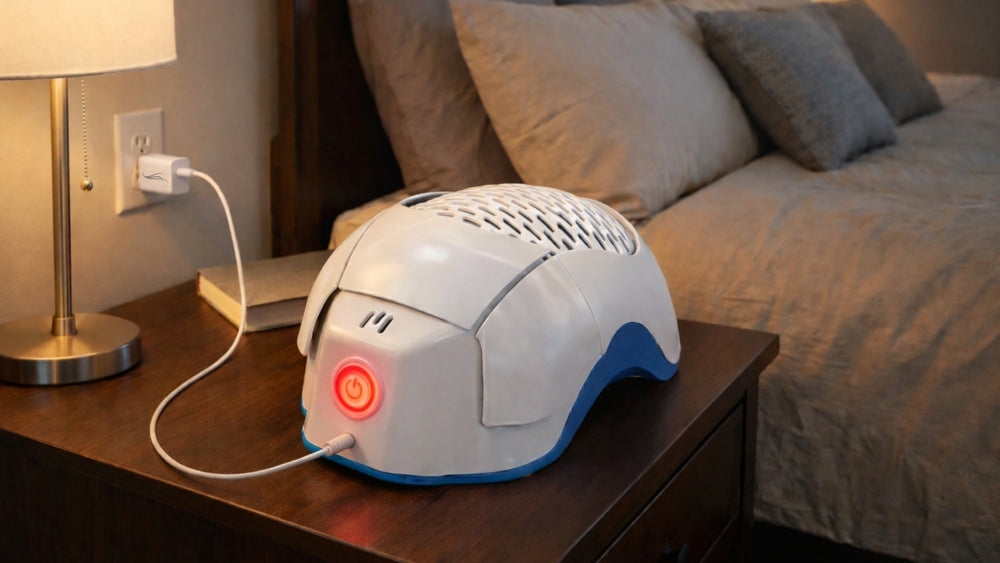
Theradome fits best when the diagnosis involves androgenetic alopecia or pattern thinning. That can happen in someone with locs, because locs do not protect anyone from genetic or hormonal pattern hair loss. Androgenetic alopecia is a common patterned hair-loss condition, and reviews support low-level light or laser therapy as a treatment option for androgenetic alopecia.
Conclusion
Dreadlocks do not automatically cause hair loss. Tension is the real problem: tight retwists, heavy locs, extensions, and pulled-back styles can stress follicles until traction alopecia develops. Early changes can make a real difference. Loosen the style, reduce weight, pause painful maintenance, and do not ignore bumps, soreness, widening parts, or thinning edges. If hair loss keeps going, get a dermatologist involved. And if the issue is actually pattern thinning, not traction, options like FDA-cleared Laser Phototherapy may belong in the discussion. Locs can stay beautiful. Your scalp just needs a vote.