






Yes, zinc deficiency can cause hair loss. It's just probably not causing yours. Real zinc-related shedding is a specific, diffuse, whole-scalp event, not the slow retreat of a hairline that's been thinning quietly since your twenties. Which of those two situations you're actually dealing with changes everything about what to do next.
You've done the math already, haven't you? Counted the hairs on the pillow, the ones circling the shower drain, maybe even the ones stuck to your hoodie like they're trying to leave a trail. And somewhere in that spiral, a friend, a forum, or a suspiciously confident video told you it's zinc.
Here's the thing worth knowing before you buy anything. Zinc really is involved in growing hair. It's a mineral your follicles lean on hard, the same way an engine leans on oil. Run low enough, for long enough, and the whole operation can genuinely sputter.
But "zinc is involved" and "your zinc is why you're losing hair" are two very different sentences, and the internet loves collapsing them into one. This guide pulls apart what's actually proven, who's actually at risk, and why the fix isn't always a bottle of pills.
The Role of Zinc in Hair Follicle Biology
Zinc works as a helper molecule for more than 300 enzymes in your body, according to the NIH Office of Dietary Supplements, and a good number of them show up exactly where hair gets made: inside the follicle's matrix, the cluster of cells working overtime to divide, multiply, and build a new strand every single day.
Specifically, zinc helps assemble keratin, the protein hair is literally made of, supports the DNA copying that has to happen correctly every time a follicle cell divides, and keeps oil gland output in check. Enough zinc keeps a follicle in its active growing phase. Too little nudges it toward early retirement.
How Can Zinc Deficiency Cause Hair Loss?
When zinc actually runs short, three things tend to go wrong, and they don't wait politely for your attention.
- Premature Anagen Exit (Telogen Effluvium): Depleted zinc slows cell division right at the follicle root, and hairs that should keep growing get pushed into their resting phase early. Because hair takes months to actually fall out after that switch flips, the shedding usually shows up two to three months later, scattered across the whole scalp rather than confined to one spot.
- Impaired Keratin Synthesis: Without enough zinc to build keratin properly, new hair shafts come in thinner and weaker than they should. Those fragile strands don't so much fall out as snap mid-shaft, during a regular brush-through or towel-dry, long before they'd naturally shed from the root.
- Scalp Barrier Breakdown and Inflammation: Zinc also keeps the skin barrier and oil production working properly, and low levels leave the scalp dry, flaky, and more prone to low-grade inflammation around individual follicles. That irritated environment doesn't help hair grow. It actively works against it.
Does the Type of Hair Loss Matter?

Here's where most zinc content online quietly skips a step, and it's the step that actually matters.
Researchers at Hallym University Kangdong Sacred Heart Hospital in Seoul measured zinc in 312 people with hair loss and compared them with a small group of healthy controls (Annals of Dermatology). They split the patients into four groups: alopecia areata, telogen effluvium, male pattern hair loss, and female pattern hair loss. In the alopecia areata and telogen effluvium groups, significantly more people had truly low zinc (under 70 micrograms per deciliter) than in the healthy group. Both of those tend to show up fast and dramatically.
Pattern hair loss went the other way. Average zinc in those groups sat a little below the controls, but still inside the normal range, and the share of people with truly low zinc wasn't any higher than in the healthy group. The authors' read was that sudden-onset conditions line up with sudden zinc drops, while pattern loss builds slowly, through hormonal changes, over years.
Translation, if you're standing in front of a mirror trying to figure out which camp you're in: if your hairline has been quietly retreating for years and it runs in the family, zinc almost certainly isn't your answer. If your hair has suddenly started coming out everywhere, all at once, that's a very different situation, and one worth actually investigating.
Who Is Most at Risk for Zinc Deficiency?
Zinc deficiency isn't random. It clusters hard around a handful of situations, and unless you fall into one of them, the odds are already stacked against zinc being your problem.
- Plant-Based Diets High in Phytates: Vegetarians and vegans tend to eat a lot of whole grains, legumes, and beans, and those foods happen to be loaded with phytates, compounds that grab onto zinc in your gut and drag it out before your body can absorb it. Meat, by comparison, hands zinc over far more easily. (Our piece on whether a bad diet can cause hair loss goes wider on this.)
- Gastrointestinal Malabsorption Conditions: Crohn's disease, celiac disease, ulcerative colitis, and bariatric surgery all damage or bypass sections of the digestive tract responsible for absorbing minerals. Doctors have documented actual hair loss reversing itself in bariatric patients once zinc sulfate corrected the deficiency, which says a lot about how real this particular risk factor is.
- Increased Metabolic Demand and Alcohol Use: Pregnancy, breastfeeding, and chronic kidney disease all raise your zinc requirements past what a normal diet covers. Heavy, sustained alcohol use does something worse: it damages the gut's ability to absorb zinc in the first place while simultaneously flushing more of it out through urine.
How Do You Identify Zinc-Related Hair Loss?
What Are the Common Symptoms and Warning Signs?
- Scalp and Hair Indicators: Zinc-driven hair loss tends to look like general thinning spread across the whole scalp, not neat bald patches. The hair itself often feels different too: dull, coarse, almost straw-like, paired with a scalp that's dry and itchy, and new baby hairs that seem to be taking forever to fill back in. (Not sure whether what you're seeing is normal shedding? This guide helps you sort that out.)
- Systemic Body Signs: Because zinc runs a lot of the body, not just hair, deficiency tends to leave other clues: brittle nails with odd white spots or ridges, cuts that heal slower than they used to, a dulled sense of taste or smell, more colds and minor infections than usual, and sometimes a rash near the mouth or eyes.
Why Get Tested Before You Supplement?
- Serum Zinc Blood Testing: A simple blood test, ideally drawn fasting in the morning, is the only real way to confirm a deficiency rather than guess at one. Even then, results can shift slightly with age, sex, and time of day, so this is a conversation for your doctor, not a DIY project with a home test kit.
- Preventing Copper Imbalance: This part matters more than people realize. Taking a high-dose zinc supplement without a confirmed deficiency can block your body's absorption of copper, and copper deficiency has its own list of problems, hair loss included. You could genuinely fix nothing and create a new issue in the same sitting.
What Does the Research Actually Say?
Worth being straight about something: the science on zinc and hair loss is not one tidy, unanimous conclusion, and anyone telling you otherwise is selling something.
An Israeli study of 23,975 patients, drawn from the Maccabi Healthcare Services database between 2000 and 2020 and published in Healthcare, compared zinc in people diagnosed with hair loss against people who'd had their zinc tested for other reasons. The hair loss group did run slightly lower (a median of 96 versus 99 micrograms per deciliter). But both sit comfortably inside the usual healthy range, and the authors' conclusion was blunt: routine zinc testing isn't recommended when evaluating hair loss, because the difference lacked clinical significance.
Alopecia areata is where the link looks strongest. A 2023 study from Belgrade, Serbia, published in Acta Dermato-Venereologica, found lower zinc in 32 people with severe alopecia areata than in matched controls, and the lower the zinc, the more severe the disease. A pooled analysis of ten studies covering 878 people pointed the same direction. But a link isn't a cause. Low zinc could be feeding the autoimmune attack, or the disease could be dragging zinc down, and nobody has settled which. The Serbian authors themselves say randomized trials of zinc supplements are still needed.
Even dermatologists who've spent careers studying this stay cautious. One prominent hair loss specialist, interviewed on the subject, put it about as plainly as a doctor can: "Supplements are not treatments." Not a dismissal of zinc's role in biology, just an honest reminder that having a mechanism on paper isn't the same as having proof it fixes your particular head of hair.
The Flip Side: Can Too Much Zinc Cause Hair Loss?
Yes, and this is the part the "more must be better" crowd tends to skip completely.
Sustained doses of 50 milligrams a day or more, taken for weeks, start interfering with how your body absorbs copper. Copper deficiency isn't some minor footnote either. There are documented cases of people who overused zinc-containing denture cream (yes, really) and ended up with copper deficiency severe enough to cause nerve damage and anemia.
The official tolerable upper limit for adults sits at 40 milligrams a day, from every source, food included. Cross it regularly and you're not maximizing your chances of thicker hair. You're just trading one deficiency for a different, arguably worse one.
If your zinc levels are already normal and you start supplementing anyway "just in case," you're not helping your follicles catch up on anything. You're only adding risk with nothing on the other side of the ledger.
How Do You Treat Zinc Deficiency and Regrow Hair?
Once an actual deficiency is confirmed, and not before, here's an evidence-based recovery plan.
- Targeted Dietary Enhancements: Oysters top every zinc food list for a reason, delivering more per serving than anything else out there, but lean red meat, poultry, pumpkin seeds, and lentils all pull real weight too. If most of your zinc comes from plants, pairing those meals with vitamin C, or soaking grains and legumes beforehand, helps knock down the phytates working against you. Our guide to other vitamin deficiencies that may be behind hair loss covers the rest of the usual suspects.
- Controlled Medical Supplementation: When diet alone isn't enough, a doctor may recommend a supplement and set the dose based on how low your level really is. StatPearls describes roughly 20 to 40 milligrams of elemental zinc a day for confirmed deficiency, which runs right up to the 40 milligram general upper limit at the top end. That's exactly why this stays a doctor's call, with follow-up bloodwork, not something to improvise from a bottle label and a hunch.
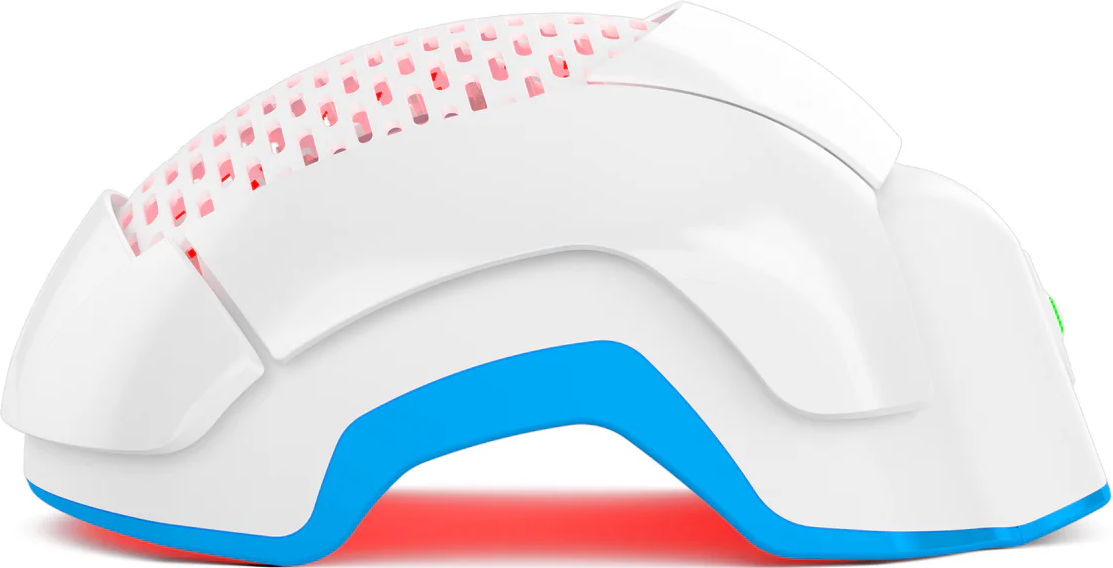
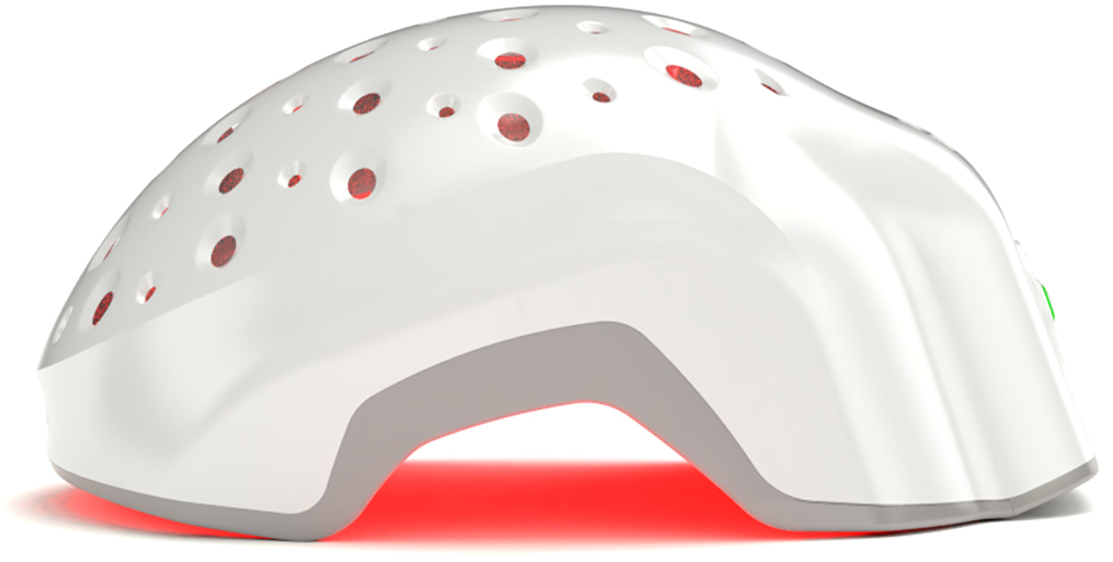
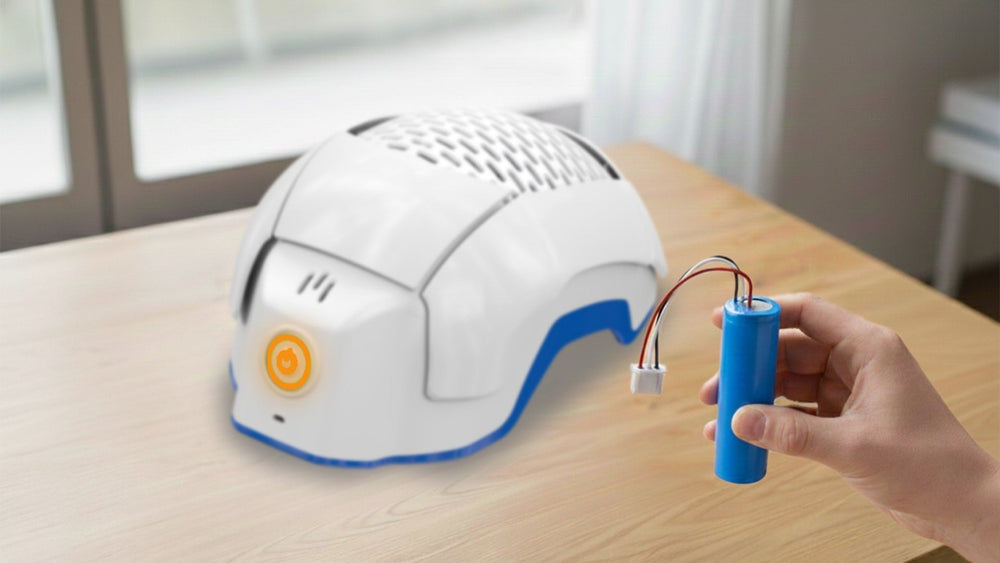
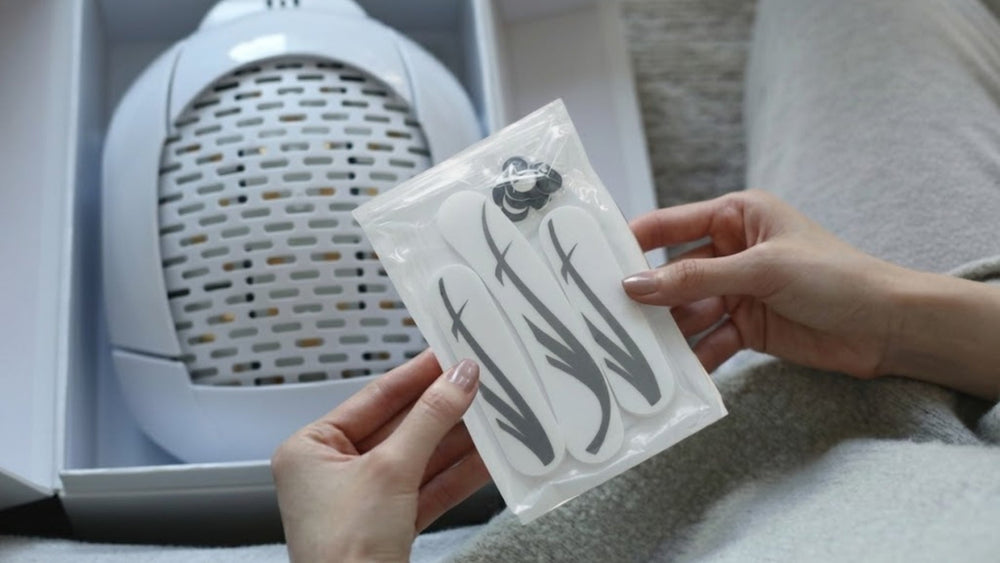
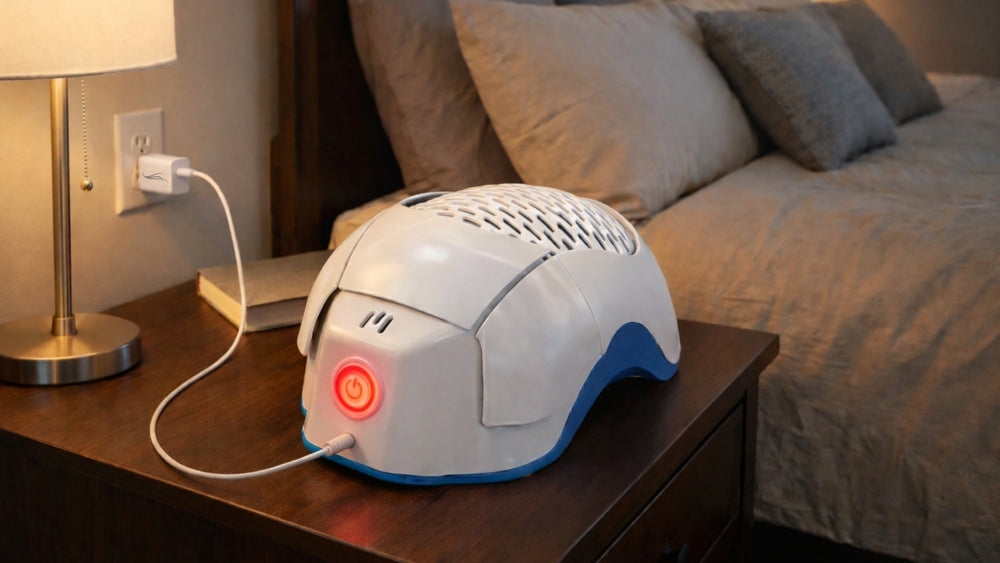
- Laser Phototherapy (LPT) with Theradome: Nutrition covers one piece of the puzzle. It doesn't do much for hair loss driven by genetics and hormones, which is where Theradome comes in. The laser helmet is FDA-cleared for androgenetic alopecia, and its cool red light supports the follicle's own energy production (ATP) directly, whatever your last blood panel said.
Conclusion
So, can zinc deficiency cause hair loss? Yes, when it's confirmed. It mainly shows up as diffuse, whole-scalp shedding rather than a slowly receding hairline, and it traces back to zinc's real job inside the follicle: building keratin and keeping cells dividing on schedule.
The catch is that most hair loss isn't zinc-driven at all, and guessing wrong carries a real cost, since extra zinc can drain your copper. Get tested first, respect the upper limit, and leave the diagnosis to a doctor instead of the supplement aisle.
If bloodwork rules zinc out, or you correct it and the thinning carries on, that points toward something like pattern hair loss, a different conversation, and one where Laser Phototherapy has randomized trial evidence behind it. Either way, a real diagnosis beats a guess every time.