





Yes. Take too much zinc for long enough, usually from supplements, and you can trigger hair shedding. Zinc doesn't attack your follicles directly. It blocks copper absorption, and hair loss is one of the effects reported when copper runs low. The good news: this is usually reversible.
You probably started taking zinc for your hair. Then the shedding got worse, or at least it didn't stop, and now you're staring at the bottle wondering if you did this to yourself.
It's a fair worry. Zinc deficiency really does cause hair shedding, so the logic feels airtight: too little thins your hair, so more should thicken it. Biology doesn't scale that way. Past a certain dose, zinc starts working against you.
This article covers what happens in your body when zinc intake climbs too high, where the safety line sits, how this kind of shedding differs from the deficiency kind, the warning signs worth knowing, and what actually brings your hair back once the imbalance is corrected.
What Does Zinc Actually Do for Hair Growth?
Zinc is a trace mineral. Your body needs only small amounts, but those small amounts feed over 300 enzyme reactions. Inside a hair follicle, zinc helps build keratin, the protein your hair shaft is made of, and it supports the DNA copying that happens in cells dividing faster than almost anything else in your body.
It also helps regulate the oil glands sitting beside each follicle. Keep zinc in a healthy range and the growth phase of your hair, called anagen, stays steady. Push it too low or too high, and that steadiness is the first thing to go.
Wait, Doesn't Zinc Deficiency Also Cause Hair Loss?
It does, and this is where almost everyone gets stuck. So does zinc cause hair loss? Both too little and too much can. The reasons are completely different.
When zinc runs low, follicle cells are short of a mineral they need directly, for keratin production and cell division. When zinc runs too high, the follicle isn't short of anything. The trouble starts in your gut, where extra zinc interferes with copper absorption. Copper is a separate mineral, and the shortage that follows is what disrupts hair growth.
Same visible result, opposite cause. That matters because the fix for one can make the other worse. Someone with excess zinc who takes more zinc "to fix their hair" is pouring fuel on the problem.
How Does Too Much Zinc Trigger Hair Loss?

Extra zinc doesn't poison the follicle. It disturbs the mineral balance around it, and the hair cycle pays for that.
- Induced copper deficiency (secondary hypocupremia): Excess zinc makes intestinal cells produce more metallothionein, a protein that grabs copper harder than it grabs zinc. The trapped copper leaves with those cells when they shed, so less reaches your blood. Copper helps run enzymes that build connective tissue, make pigment, and handle oxidative stress, and case reports list alopecia among the signs when it runs low.
- Telogen effluvium pattern: The resulting stress most likely pushes a large share of growing (anagen) hairs into the resting (telogen) phase together. Shedding then shows up about two to three months later, which is why the cause is so hard to spot.
- Hormonal effects (possible, unproven): Some sources suggest long-term high-dose zinc could also affect thyroid hormone conversion or androgen handling. We found no solid human data tying this to hair loss, so treat it as a possible extra factor at most.
Where the evidence runs thin: no trial has tested zinc excess as a cause of hair loss. What exists is case reports and clinical reviews describing alopecia as one feature of zinc-induced copper deficiency, next to blood and nerve problems. The mechanism is well established. How much hair loss it causes, and in whom, hasn't been measured.
How Much Zinc Is Too Much? Dosage Guidelines and Toxic Limits
What Is the Recommended Daily Amount of Zinc?
- Daily baseline: Adult women need about 8 mg of zinc a day, adult men about 11 mg. Red meat, shellfish, legumes, seeds, and nuts cover that easily.
- Food vs. supplements: Reaching harmful levels from food alone is very hard. Supplements, fortified products, lozenges, and some denture adhesives are where overdoses come from.
What Is the Upper Limit, and What Happens Above It?
- The 40 mg ceiling: The Tolerable Upper Intake Level for adults is 40 mg of elemental zinc a day, all sources combined. It's a ceiling to respect, not a guarantee of safety below it. Published cases of zinc-induced copper deficiency range from about 29 mg a day for 7 months to 2,000 mg a day for 3 months.
- The megadose trap: Staying at 50 to 100 mg or more for months, often for acne or immune support, is one of the best-documented routes to copper deficiency.
|
Daily Zinc Intake (all sources) |
What the Research Shows |
|
8 to 11 mg (RDA) |
Meets needs for most adults, and ordinary food covers it |
|
Up to 40 mg (UL) |
Upper limit set for adults |
|
About 60 mg total (a 50 mg supplement plus diet) for 10 weeks |
A copper-dependent enzyme dropped in healthy adults, an early sign of falling copper status |
|
100 to 150 mg for long periods |
Low blood copper, small red blood cells, low neutrophils, weaker immunity |
|
200 to 800 mg |
Loss of appetite, vomiting, diarrhea; chronic exposure can add copper deficiency and nerve damage |
Read the label for "elemental zinc." Some bottles print the weight of the whole compound (zinc gluconate, for example), and the actual zinc is a smaller number inside it. The 40 mg limit counts elemental zinc. Add up every product you take, then compare.
Who's Most at Risk of Taking Too Much Zinc?
Nobody decides to overdose on a trace mineral. It happens one reasonable-sounding choice at a time.
- You take a daily zinc supplement for acne on top of the zinc already in your multivitamin, and nobody adds the two numbers.
- You get a cold and take lozenges every couple of hours, which many labels suggest. Those doses were meant for a few days of cold, and they quietly turn into months.
- You stack an immune supplement on top of everything else, a habit plenty of people picked up and never dropped.
- You use zinc-containing denture adhesive far more than the label says, for years, because it simply holds better. It sounds like an odd entry here, but it's one of the best-documented causes of severe zinc-driven copper deficiency in the medical literature.
- You've had gastric bypass or another surgery that already lowers copper absorption, so even moderate extra zinc can tip things over.
- You're on a restrictive diet, suspected a deficiency, and started supplementing from a guess instead of a blood test.
None of these people think of themselves as taking "too much" zinc. That's the whole problem.
One distinction worth making: zinc in dandruff shampoo (zinc pyrithione) or sunscreen is a different situation, because very little of it gets through intact skin. It isn't the route behind the copper problem described here. If you're curious how shampoo ingredients fit into scalp health, our guide to shampoo ingredients and hair loss covers it.
What Are the Warning Signs of Too Much Zinc?
Short term, too much zinc tends to announce itself: nausea, stomach cramps, a headache, sometimes a metallic taste that won't quit. Those signs mean you took too much at once. They don't mean your hair is in trouble yet.
The longer-term picture is quieter. Hair-wise, this kind of shedding usually shows up as overall thinning spread across the scalp, not a coin-sized bald patch. That diffuse pattern looks a lot like ordinary telogen effluvium and not like alopecia areata, which tends to leave well-defined patches.
The timing throws people off. Shedding typically appears a couple of months after the trigger, so by the time you notice more hair in the shower drain, you've likely forgotten the supplement that started it.
Red flags that matter more than your hairline: unusual tiredness, pale skin, frequent infections, tingling or numbness in the hands or feet, or trouble with balance and walking. Those point to copper deficiency affecting your blood and nerves. See a doctor soon, and bring a list of every supplement you take.
How Do You Identify and Reverse Zinc-Induced Hair Loss?
How Is It Diagnosed?
- Blood testing: Ask for serum zinc, serum copper, and ceruloplasmin together, usually with a complete blood count. In zinc-induced copper deficiency, doctors typically see high zinc with low copper and low ceruloplasmin. That's the only reliable way to see your actual balance, because the symptoms overlap with many other conditions.
- Stopping the source: Stop every unprescribed zinc source: supplements, multivitamins, lozenges, zinc-containing denture adhesive. If a doctor prescribed zinc for a condition, talk to them first instead of stopping on your own.
|
Zinc Deficiency |
Zinc Excess (Copper Deficiency) |
|
|
Onset |
Gradual |
Gradual, often months into high-dose use |
|
Hair pattern |
Diffuse thinning |
Diffuse thinning |
|
Other signs |
Loss of taste or smell, slow wound healing, skin changes |
Nausea early on; anemia, low white blood cells, and nerve symptoms later |
|
Typical lab picture |
Low serum zinc |
High zinc, low copper, low ceruloplasmin |
How Do You Restore Copper Balance?
- Zinc comes out first: In a CMAJ case report, a patient who was taking extra copper still became copper deficient, because the excess zinc kept intercepting it. Adding copper alone doesn't solve the problem while the zinc keeps coming.
- Then copper, under medical guidance: Published cases often describe around 2 mg of elemental copper a day, with higher or intravenous dosing in severe cases. Your doctor sets the number from your lab results. Don't self-dose, because too much copper carries its own risks.
Recovery usually takes weeks to months. In that CMAJ case, blood and trace-mineral values trended toward normal within 4 weeks and were normal by 8 months. Nerve damage, when it has already occurred, can be slower and sometimes incomplete, which is one more reason not to wait.
How Do You Regrow Hair After Zinc Toxicity?
Once the mineral imbalance is corrected, the job changes from fixing a deficiency to supporting follicles as they restart.
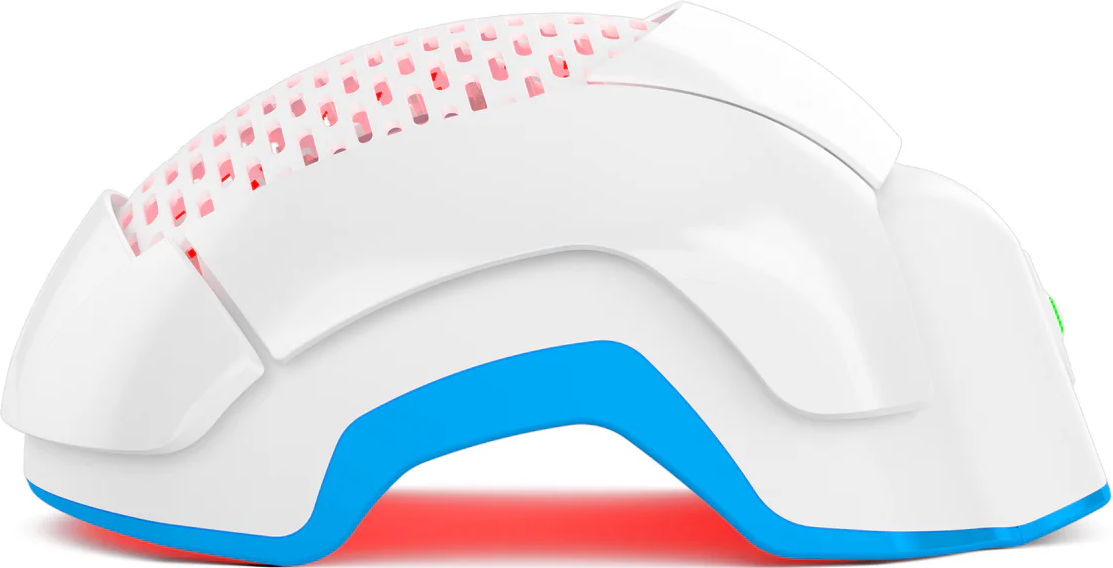
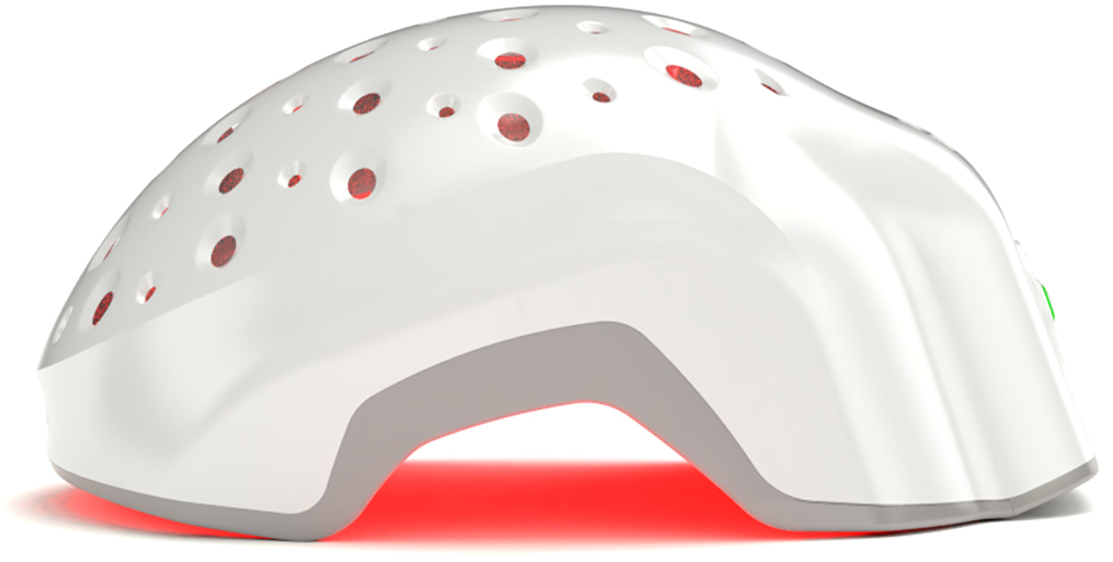
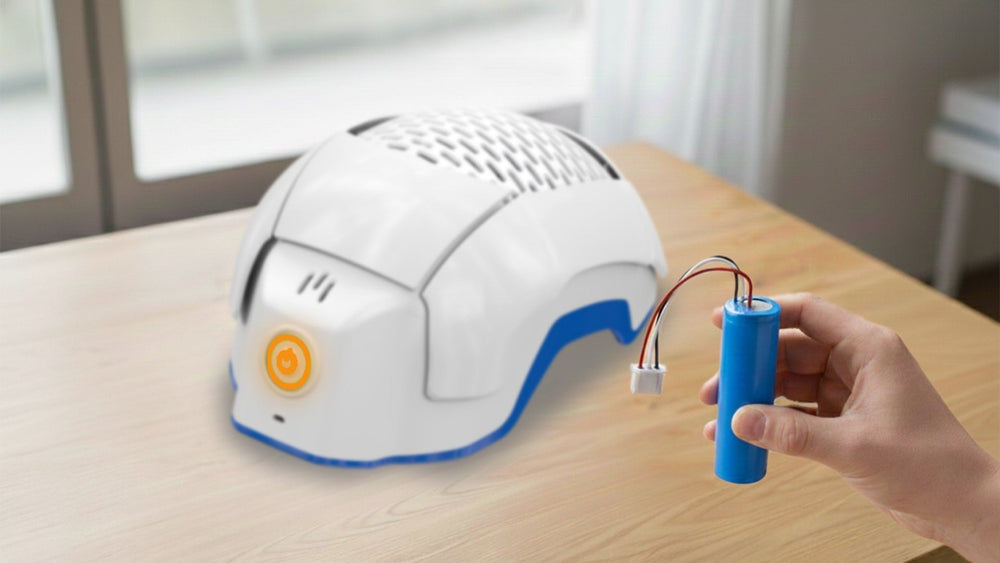
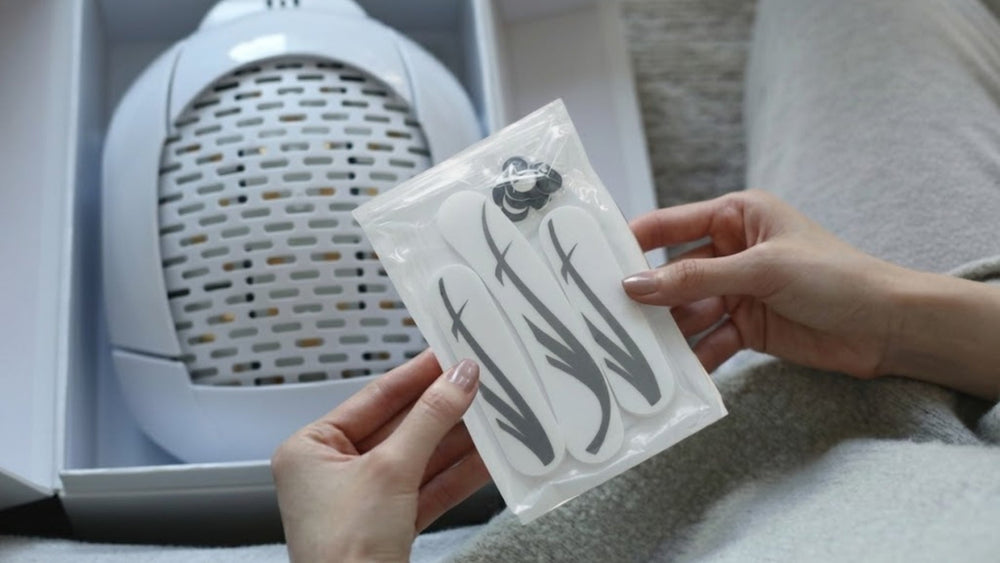
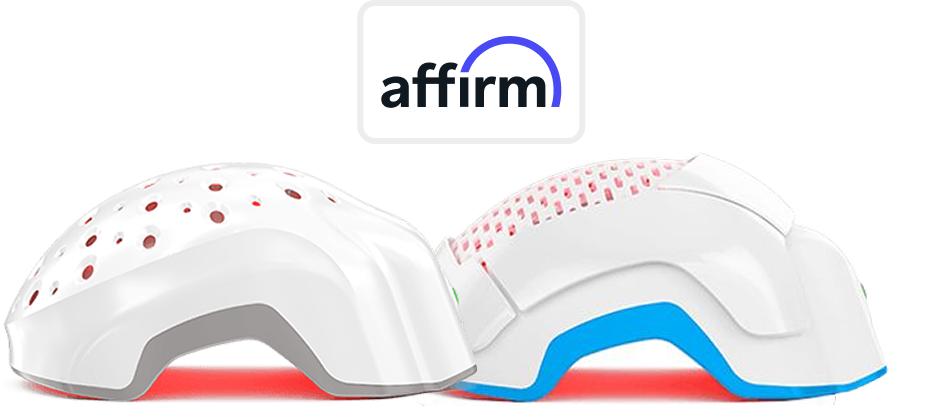
- Laser Phototherapy (LPT): Theradome, the first FDA-cleared wearable LPT device, uses medical-grade red light to boost cellular energy (ATP) production in follicle cells. It's cleared for androgenetic alopecia, not for zinc-induced shedding, and it can't correct a copper deficiency. That part belongs to your doctor. It earns its place after your labs are back in range, when follicles are recovering.
- Scalp care: Keep the scalp clean, calm, and free of heavy buildup or irritation, so new shafts have good conditions to grow into.
- Patience: Shedding from this cause usually reverses once the imbalance is corrected. Hair grows about half an inch a month, so visible recovery takes a while. No study tracks regrowth after zinc-induced copper deficiency specifically. The 3 to 6 months comes from how telogen effluvium typically behaves once the trigger is gone.
What if the shedding doesn't stop after your labs normalize?
Zinc may not have been the whole story. Pattern hair loss (androgenetic alopecia) often runs quietly in the background, and a supplement mix-up can overlap with it. That's worth a visit to a dermatologist. It's also the situation where LPT has the strongest evidence, since randomized trials and a meta-analysis show hair density rising compared with sham devices, though the studies are small and varied. For the full science of how LPT works on follicles, Tamim Hamid's book Grow It Back lays it out.
Conclusion
So, can too much zinc cause hair loss? Yes. Zinc itself doesn't attack your follicles. Long-term excess blocks copper absorption, and copper deficiency can bring shedding, along with blood and nerve problems that matter far more than your hairline.
The fix runs in reverse. Stop unprescribed zinc, get zinc, copper, and ceruloplasmin tested, let your doctor correct copper if it's low, and give your hair three to six months. Laser phototherapy can support recovering follicles afterward, especially if pattern hair loss is also in play.
More of a good mineral isn't automatically better. Let a blood test, not a supplement label, set your dose.