







MSM may help hair look healthier or feel less brittle, but current evidence does not show that it reliably regrows hair or reverses pattern hair loss. The science behind it is plausible. The proof people usually want is still pretty thin.
What Is MSM and Why Do Hair Supplements Contain It?
MSM stands for methylsulfonylmethane. It’s a sulfur-containing compound found in plants, animals, and the human body… and yes, it can also be made in a lab. Most supplements you see are that lab-made crystalline powder. Odorless. Almost annoyingly plain.
But MSM didn’t start as a “hair supplement.” Not even close.
It actually traces back to research on dimethyl sulfoxide, or DMSO, in the mid-20th century. Scientists were studying DMSO for its anti-inflammatory properties and noticed something interesting… they could derive MSM from it. That sparked a whole separate line of curiosity. Could this simpler sulfur compound have its own biological effects?
Two researchers, Dr. Robert Herschler and Dr. Stanley Jacob, pushed that question further. Early work suggested MSM might carry some of the beneficial properties of DMSO, without the less pleasant side effects like skin irritation or that distinct sulfur-like odor people complained about.
And somewhere along the way, hair entered the conversation.
Part of that comes down to basic structure. Hair is largely made of keratin, and keratin depends heavily on sulfur-containing amino acids like cysteine to form those tight disulfide bonds that give hair its strength and resilience. So the logic goes… if MSM provides sulfur, maybe it supports that structure.
And to be fair, that part isn’t wrong.
But it’s also where things start getting a bit… stretched.
Because supporting the material hair is made from is not the same thing as stimulating the follicle that produces it. One is structural. The other is biological. And those two don’t always move together.
Still, that sulfur-to-keratin connection is exactly why MSM became a staple in hair supplements. It sounds grounded. It feels scientific. And on the surface… it makes sense.
Just not in the way most people think.

Why sulfur matters for hair structure
Hair is made mostly of keratin, and keratin rich tissues depend heavily on cysteine and disulfide bonding for strength, flexibility, and structure. Put more simply, sulfur chemistry matters to the hair shaft itself. That part is not fluff from a supplement label. It is basic structural biology.
But hair shaft health and hair follicle regrowth are not the same thing. And that distinction matters more than most supplement ads would like. A strand can feel smoother, stronger, or shinier without a miniaturized follicle suddenly waking up and producing dense terminal hair again.
Why MSM became popular in hair supplements
The marketing logic is neat, tidy, and honestly pretty seductive: sulfur supports keratin, hair contains keratin, therefore MSM must support hair growth. You can see why that took off. It sounds biochemical. It sounds clean. It sounds like the sort of thing you could explain at brunch and feel annoyingly intelligent for thirty seconds.
The snag is that plausible biology is not the same as proven clinical benefit. Even the MedlinePlus monograph lists hair loss among uses where more evidence is needed, and a broader review of MSM says the sulfur donor question is still being studied rather than settled.
How Hair Actually Grows (And Why Supplements Often Fall Short)
Hair follicles cycle through growth, transition, and rest. Those phases are called anagen, catagen, and telogen. On a healthy scalp, most follicles are in anagen at a given time, and that growth phase can last for years.
That timing matters because real hair change is slow. Really slow. Healthy scalp hair grows at roughly 0.35 mm per day, and normal shedding happens too. So when someone starts a supplement and expects dramatic change in two weeks, biology is already rolling its eyes a bit.
Why follicles matter more than nutrients
The follicle is where the meaningful action happens. The anagen follicle proliferates, differentiates, and produces the fiber. If the core problem is a follicle that is shrinking under androgen driven pressure, or a follicle under immune attack, extra sulfur is not automatically going to fix that. Different problem. Different lever.
And that is why supplements can feel both helpful and underwhelming at the same time. They may support a healthier looking shaft in some people. They do not necessarily alter the disease process behind common forms of hair loss. That is not cynicism. It is just the boring, useful distinction most people needed at the top.
Why readers confuse stronger hair with new hair growth
This happens all the time.
If breakage drops, hair can look fuller. If shine improves, it can look healthier. If the worst of a shedding episode settles down on its own, it can feel like the supplement “worked.” Sometimes it did something modest. Sometimes it merely arrived during the right month and got all the credit. Hair has a cruel little way of confusing timing with causation.
Does MSM Actually Stimulate New Hair Growth?
The honest answer is still no, not in any confidently established way. The most cited human paper on MSM and hair involved middle aged women and reported improvements in visually graded hair shine, volume, and overall appearance over 16 weeks, with 1 g and 3 g daily doses. Useful? Maybe. But the study was small, did not focus on diagnosed androgenetic alopecia, and leaned on appearance related outcomes rather than hard regrowth endpoints such as scalp target area counts in a medical hair loss population.
That is why the broader evidence summaries stay cautious. MedlinePlus still places hair loss in the bucket where more evidence is needed. The 2017 MSM review also frames the supplement as interesting and generally well tolerated, while making it clear that some mechanisms and optimal dosing questions remain unsettled.
Animal research on MSM and hair follicles
There is some preclinical work. A mouse study reported improved hair related outcomes with topical MSM, alone and in combination with minoxidil. Animal data like that can be useful for hypothesis building, but it does not prove that an oral powder will regrow thinning scalp hair in humans. Mice are helpful. They are not middle aged humans staring at widening parts under bathroom lights.
A few animal nutrition studies also suggest MSM may improve coat or hair quality in animals. Again, that points more toward appearance and fiber quality support than toward proof of clinically meaningful follicle rescue in human alopecia.
What dermatology consensus currently says
If you scan the mainstream dermatology and government sources, MSM does not show up as a standard evidence based treatment for pattern hair loss. What does show up? Minoxidil, finasteride in appropriate patients, spironolactone in selected women, and low level light or laser therapy with FDA cleared home devices for pattern hair loss.
And that matters because common hair loss conditions are not interchangeable. Alopecia areata is an immune mediated disease, and NIH guidance discusses options such as corticosteroids, immunosuppressants, and JAK inhibitors in severe adult cases. Telogen effluvium is a reactive shedding state usually triggered by stressors, illness, medications, hormonal shifts, crash dieting, iron deficiency, and similar hits to the system. MSM is not a recognized front line treatment in either situation.
What MSM Might Actually Help With
MSM may help with hair shaft quality more than with true regrowth. That means the realistic lane is things like feel, resilience, surface appearance, and maybe less breakage in some users, not bald spot reversal.
- Strand strength: Because sulfur chemistry matters to keratin rich tissues, MSM has a plausible role in supporting hair fiber structure. Plausible, though, is still not the same as clinically proven for diseased follicles.
- Less breakage: If the shaft is less fragile, hair may survive routine handling a bit better. That can make it look fuller over time even when follicle output itself has not changed much.
- Smoother appearance: The small human study found improvements in shine and overall appearance, which fits the idea that some benefits may be cosmetic rather than regenerative.
- Perceived thickness: Stronger or better conditioned strands can feel denser. Hair does that little optical trick more often than people realize.
So, yes, there is a lane where MSM might help. It is just narrower than supplement labels usually suggest.
Can MSM Treat Pattern Hair Loss?
Androgenetic alopecia is the common inherited pattern hair loss many readers mean when they say “my hair is thinning.” It is driven by genetic predisposition and follicle sensitivity to androgens, with progressive follicle miniaturization over time. In men it often shows up as recession at the temples or thinning at the crown. In women it more often appears as diffuse thinning over the top scalp or a widening part.
Why sulfur alone cannot reverse follicle miniaturization
Once a follicle has shrunk, getting robust hair growth back becomes harder. The American Academy of Dermatology notes that early treatment helps because increasingly shrunken follicles are less likely to recover fully. That is the core reason MSM alone is not viewed as a standard treatment for hereditary thinning. The problem is not simply “missing building blocks.”
This is the part people often skip because it is less fun. A nutrient can be useful for general tissue support and still be the wrong tool for a hormonally driven miniaturization process. It is a bit like bringing excellent paint to a structural plumbing problem. Nice paint. Wrong room.
Where supplements fit realistically
Supplements may sit in a supportive role if someone has overall dietary gaps or wants to support general hair fiber quality, but they should not be framed as substitutes for evidence based treatment when the issue is pattern hair loss. For that, follicle directed therapies have the stronger case.
Is MSM Safe? Potential Side Effects and Dosage Questions
MedlinePlus says oral MSM is possibly safe for most people for up to three months, and lists possible side effects including nausea, diarrhea, bloating, fatigue, headache, insomnia, itching, and worsening of allergy symptoms. It also says there is not enough reliable information to know whether MSM is safe in pregnancy or breastfeeding.
The 2017 review describes MSM as generally well tolerated and notes GRAS status in a food use context, with mild side effects reported at doses up to four grams daily. Still, GRAS is not the same thing as “proven useful for hair growth,” and it does not mean everyone should casually take it without discussing it with a clinician, especially if they are pregnant, using medications, or stacking multiple supplements.
One more small but important point: FDA advises consumers to talk with a doctor, pharmacist, or other healthcare professional before using a dietary supplement because supplements can interact with medicines or create other problems. That advice gets ignored far too often, usually right after someone says, “It’s natural, so it’s fine.”
Quality Matters: What to Look for in MSM Supplements
Supplements are not regulated like prescription drugs. FDA states plainly that it does not approve dietary supplements before they are marketed. NIH’s Office of Dietary Supplements also notes that safety depends on what a supplement contains, how it works in the body, how it is prepared, and how much a person takes.
So if someone still wants to try MSM, product quality matters. Look for transparent labeling, a clear Supplement Facts panel, and some form of independent quality verification where possible. That does not guarantee benefit. It simply lowers the odds that you are paying for mystery dust in a respectable looking tub.
What Actually Has Stronger Evidence for Hair Growth?
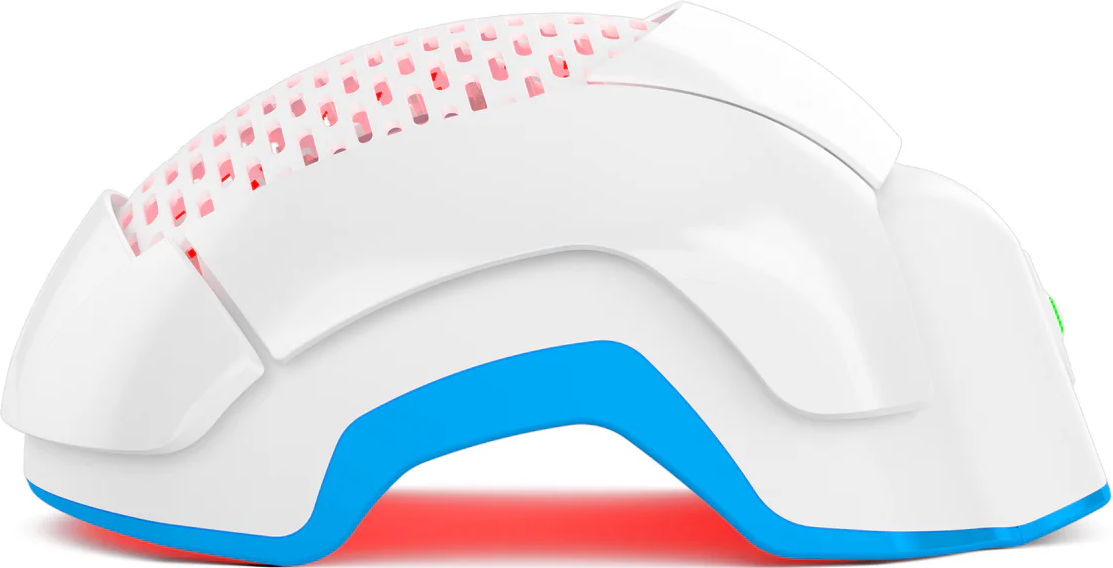
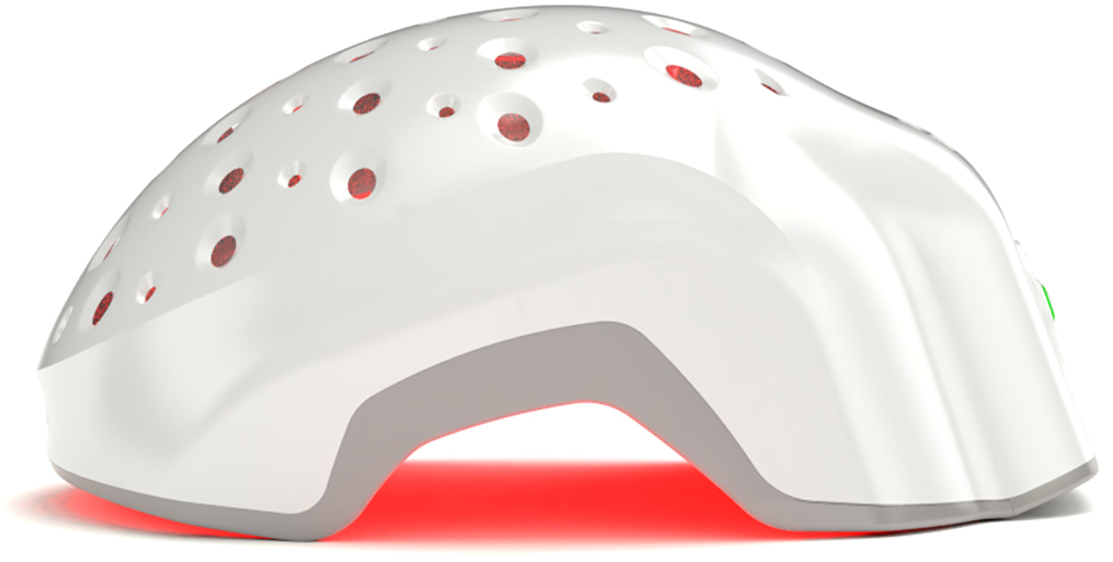
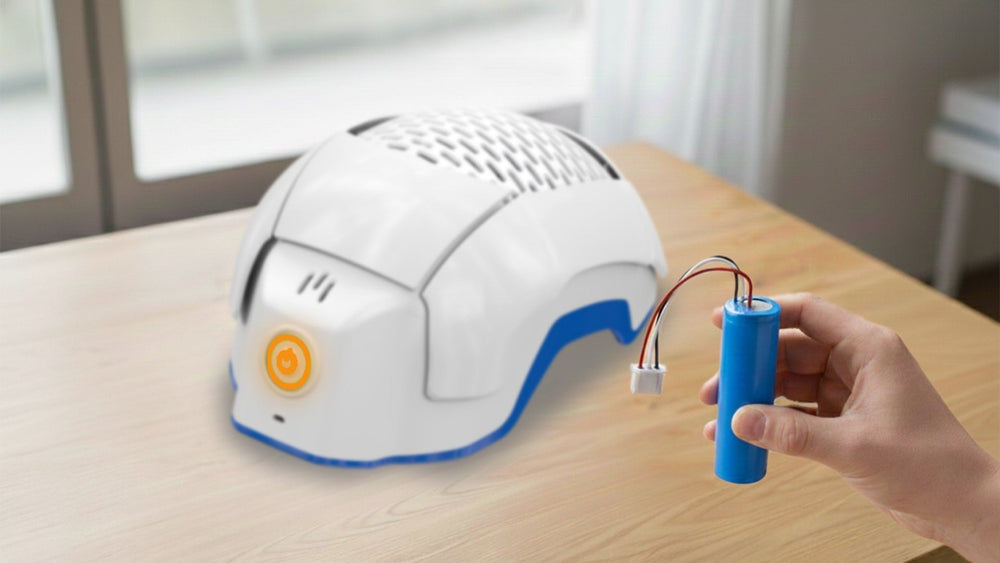
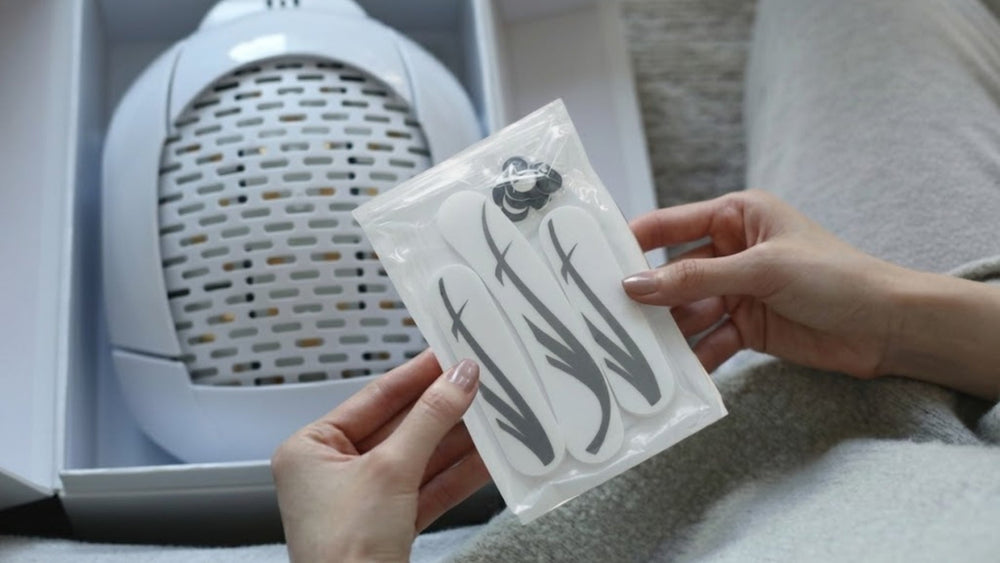
Laser Phototherapy
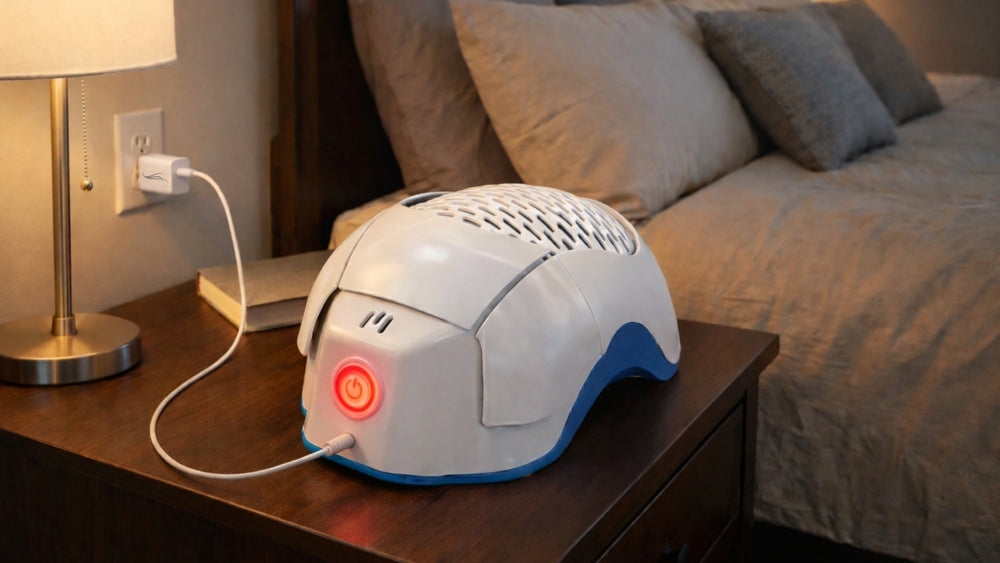
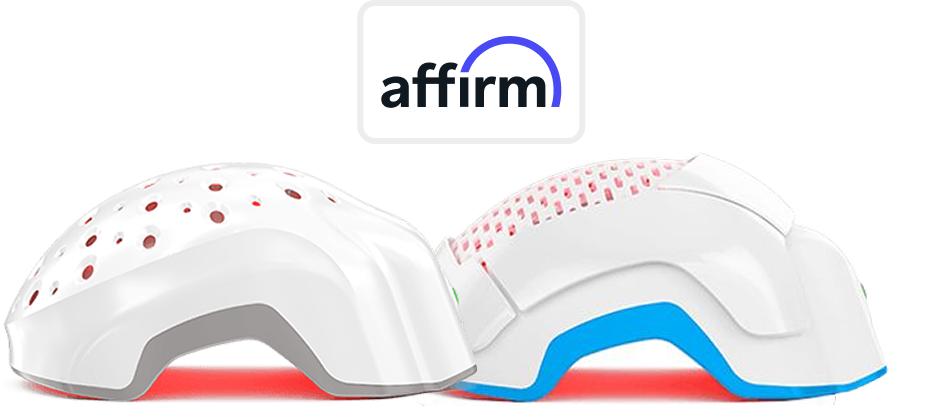
Laser Phototherapy, often called low level light or laser therapy in the literature. This sits in a different category from supplements because it is aimed at follicle behavior rather than merely supplying a nutrient. Reviews describe FDA cleared home use light based devices for pattern hair loss, and a 2021 meta analysis found a significant increase in hair density with low level light or laser therapy versus sham treatment across randomized controlled trials.
The mechanism discussed in the literature centers on red or near infrared wavelengths, anagen re entry in telogen follicles, prolongation of anagen, and increased proliferation in active anagen follicles. That is why a medically grounded LPT approach belongs in a far more serious conversation about hair growth than an all purpose sulfur supplement does. Different tool. Different level of evidence.
Professional diagnosis and treatment planning
And before any of that, diagnosis matters. The AAD emphasizes that effective treatment begins with finding the cause, and that a board certified dermatologist can distinguish among the many reasons hair is falling, thinning, or shedding. That step sounds unglamorous. It is also the step that keeps people from spending six months treating the wrong problem.
Conclusion
MSM for hair growth sits in the “plausible but not proven” category. It may support hair fiber quality, and a small human study suggests some improvement in shine, volume, and overall appearance. But current evidence does not show that MSM reliably regrows hair or reverses pattern hair loss.
If the issue is real follicle based hair loss, stronger evidence exists for treatments like FDA cleared Laser Phototherapy. And if the cause is unclear, a proper diagnosis comes first. Always. Hair is slow, a bit dramatic, and easy to misread. Your treatment plan should be calmer than your shower drain.