







High cholesterol is not a proven direct cause of hair loss on its own. What research does show is a recurring link between abnormal lipid levels, metabolic syndrome, and pattern hair loss, especially androgenetic alopecia. So the overlap is real... but it is more tangled than “cholesterol goes up, hair falls out.”
What Exactly Is Cholesterol And Why Does The Body Need It?
Cholesterol is not some cartoon villain floating around your arteries with a tiny crowbar. Your body actually needs it. It helps build cell membranes, contributes to hormone production, and supports bile acid formation. The issue starts when cholesterol transport and balance go wrong, especially when LDL (low-density lipoprotein) runs high or HDL (high-density lipoprotein) is low in the context of broader cardiovascular risk.
A lipid panel usually measures LDL cholesterol, HDL cholesterol, total cholesterol, and triglycerides. NHLBI and CDC both treat these numbers as part of a bigger risk picture, not a single moral score for how virtuous your lunch was last Tuesday.

When cholesterol levels become too high
When LDL rises, cholesterol can accumulate in artery walls and contribute to plaque formation. Over time, that raises the risk of heart attack, stroke, and other vascular disease. HDL helps carry cholesterol away for removal, which is why it has traditionally been described as protective, though even that relationship is more nuanced than people used to think.
And this matters because hair follicles do not live outside the body in some glamorous little bubble. They sit inside a metabolically active organ system... the skin... and they respond to what the rest of the body is doing.
Why high cholesterol usually has no symptoms
High cholesterol is usually silent. Most people do not feel it happening. No alarm bells or scalp memo. No dramatic entrance music. That is one reason this topic gets searched so often. People notice their hair first and then start wondering whether the inside stuff has been quietly brewing for a while.
Hair Growth Basics Most People Never Learn
Hair grows in cycles, not in one smooth, endless upward march. The main phases are anagen or growth, catagen or transition, and telogen or resting, followed by shedding. Under normal conditions, most scalp hairs are in anagen. That cycling matters because many internal stressors do not “kill” hair. They shift more follicles out of growth and into rest. Different problem. Very different result on the brush.
Why follicles respond to internal health changes
Hair follicles are small, but they are biologically busy. They rely on tightly coordinated cellular signaling, energy use, hormone responsiveness, and immune regulation. Reviews of hair biology note that cholesterol homeostasis and lipid metabolism are relevant within the follicle itself, which is one reason researchers take the cholesterol question seriously rather than waving it away.
That said, “relevant to follicle biology” is not the same thing as “proven direct cause of your thinning.”
Types of hair loss doctors commonly diagnose
The three big categories readers usually need help separating are androgenetic alopecia, telogen effluvium, and alopecia areata. Androgenetic alopecia is the common patterned thinning linked to genetics and androgen sensitivity. Telogen effluvium is diffuse shedding after a trigger. Alopecia areata is an autoimmune condition that often causes smooth, sudden patches. These are not interchangeable, even though stressed readers often lump them together at 11:47 p.m. in the bathroom mirror.
Alone.
So… Can High Cholesterol Cause Hair Loss?
The careful answer is not directly, at least not in the clean, proven way many people mean when they ask the question. Current research supports a link between abnormal lipid profiles and certain hair-loss conditions, especially androgenetic alopecia, but it does not establish high cholesterol as a universal, standalone cause of shedding or thinning.
That distinction matters. A lot. If someone says, “High cholesterol causes hair loss,” full stop, they are saying more than the evidence currently allows. A better line is this: high cholesterol may overlap with hair loss because both can sit inside a broader metabolic pattern.
A 2017 meta-analysis pooling 19 observational studies found that people with androgenetic alopecia had significantly higher total cholesterol, triglycerides, and LDL cholesterol, along with lower HDL cholesterol, compared with controls. A 2023 meta-analysis on skin diseases and metabolic syndrome also found higher odds of metabolic syndrome in patients with androgenetic alopecia. Those are meaningful signals. Still observational, yes, but meaningful.
So, can high cholesterol cause hair loss? Usually not by itself. Can it be part of the metabolic backdrop seen more often in certain forms of hair thinning? Yes, that appears increasingly plausible.
Why Cholesterol And Hair Loss Sometimes Appear Together
High cholesterol often does not show up alone. It can sit inside metabolic syndrome, which clusters abnormalities such as increased waist circumference, hypertension, insulin resistance, and abnormal triglyceride or HDL levels. Several reviews and case-control studies have linked metabolic syndrome with androgenetic alopecia and female pattern hair loss.
A 2016 case-control study found a statistically significant association between female pattern hair loss and metabolic syndrome, with waist circumference and hypertension standing out strongly. Earlier observational work also found higher lipid values in men and women with androgenetic alopecia than in non-alopecic controls. In plain English, the hair issue and the metabolic issue often seem to travel together more than chance would predict.
Inflammation and metabolic stress
Researchers also look at systemic inflammation, oxidative stress, and altered lipid handling as possible bridges between metabolic dysfunction and follicle behavior. The 2020 review on cholesterol homeostasis and hair follicles notes that lipids are important in follicle biology, but also says the exact mechanisms linking dyslipidaemia to hair pathology remain only partly understood. That is an honest scientific place to stand... interested, not reckless.
And sometimes that is the least glamorous part of health writing. The answer is not always a thunderbolt. Sometimes it is, “There is a pattern, the biology is plausible, but the pathway is still being mapped.” Annoying, maybe. True, though.
Shared risk factors
Age, genetics, obesity, smoking, and broader cardiometabolic strain can all muddy the picture. Those same variables can influence cholesterol risk and also show up in hair-loss populations, especially early or more severe pattern hair loss. So one reason cholesterol and thinning appear together may be that they share upstream drivers rather than acting in a tidy one-way chain.
This is also why not every person with high cholesterol loses hair... and not every person with thinning has a lipid problem. Bodies are awkwardly specific like that.
Could Cholesterol Medication Cause Hair Loss?
Yes, possibly, though it appears to be uncommon. Official DailyMed labeling for some statins includes alopecia or scalp hair abnormality among adverse events reported in trials or post-marketing data. Pravastatin labeling, for example, lists scalp hair abnormality including alopecia among events reported in under 2% of treated patients in long-term trials.
That does not mean statins commonly cause hair loss. It means the possibility has been recognised often enough to appear in labeling. The evidence here is weaker than many people assume because it often comes from adverse-event reporting rather than trials built specifically to measure hair outcomes.
So if thinning seems to start after beginning a cholesterol drug, the sensible move is to talk with the prescribing clinician. Not to stop the medication on your own and then hope your scalp sends a thank-you card. Statins are prescribed to reduce cardiovascular risk, which matters more than freelance experimentation with pill bottles.
Signs Your Hair Loss May Be Related To Internal Health
Diffuse shedding patterns
If your hair loss is sudden, diffuse, and noticeably heavier than usual, that often points more toward telogen effluvium than classic pattern hair loss. Telogen effluvium is a reactive process triggered by metabolic stress, hormonal shifts, illness, crash dieting, low protein intake, iron deficiency, hypothyroidism, or certain medications. High cholesterol is not usually listed as a classic trigger on its own.
When to consider medical testing
A lipid panel is the standard test for checking cholesterol and triglycerides. If you have thinning along with obesity, a strong family history of high cholesterol, diabetes, hypertension, or early-onset pattern hair loss, it is reasonable to ask a clinician whether metabolic screening makes sense. And if the shedding is unexplained, blood work for thyroid disease or nutrient issues may also come into the conversation.
When hair loss deserves professional evaluation
See a dermatologist promptly if your hair loss is patchy, sudden, painful, inflammatory, or accompanied by scalp changes. AAD guidance is clear that effective treatment starts with finding the cause, which may involve history, scalp examination, hair-pull testing, blood tests, or sometimes biopsy. Guessing from search results can be weirdly seductive. It is also how people spend six months treating the wrong problem.
Pause.
What Actually Helps Hair Grow Back
Addressing metabolic health
If you do have high cholesterol, treatment matters for your heart and blood vessels first. CDC and NHLBI recommend lifestyle measures such as dietary improvement, physical activity, weight management, and medication when indicated. These steps are worth doing regardless of whether they change your hair, because they reduce cardiovascular risk. That alone is a solid reason.
Could better metabolic health directly help your hair situation? Possibly. If abnormal lipids are part of a broader metabolic pattern contributing to follicle stress, improving that pattern may remove one piece of the burden. But it is still not honest to promise that lowering cholesterol will reliably regrow hair. The actual outcome depends on the type of hair loss and the condition of the follicles.
Laser Phototherapy and follicle stimulation
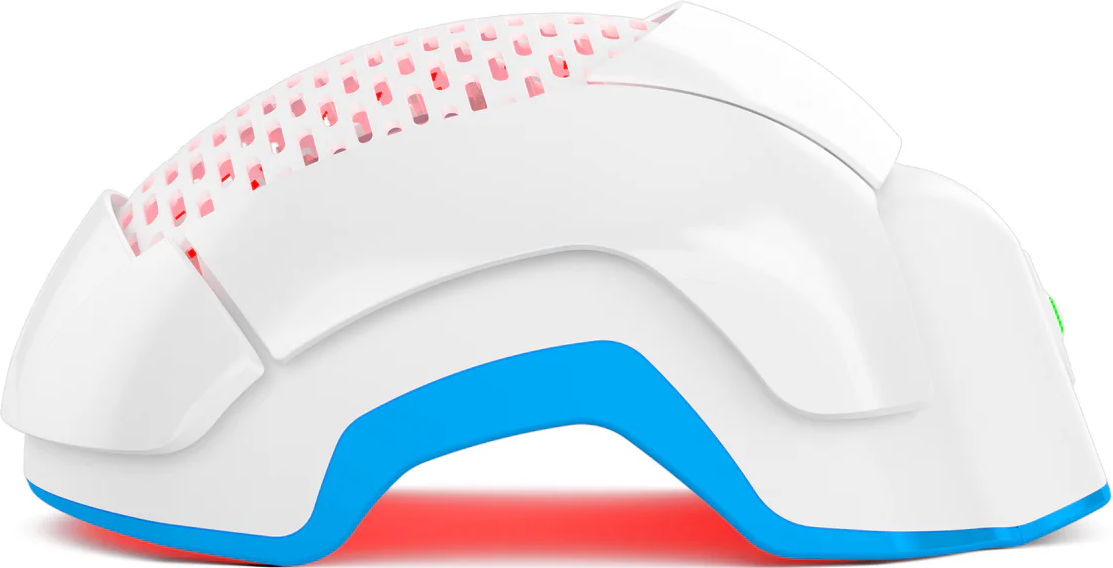
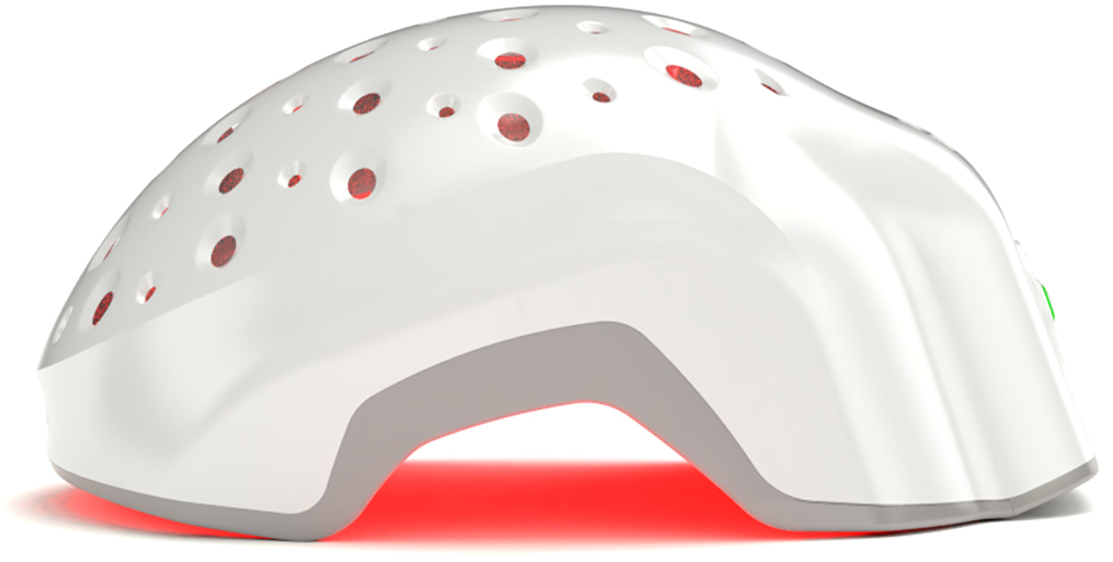
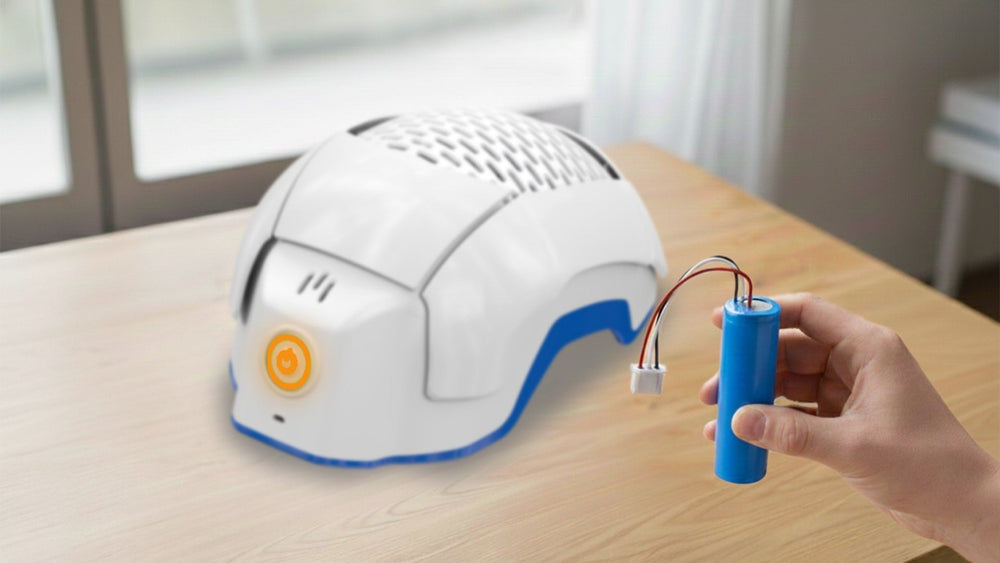
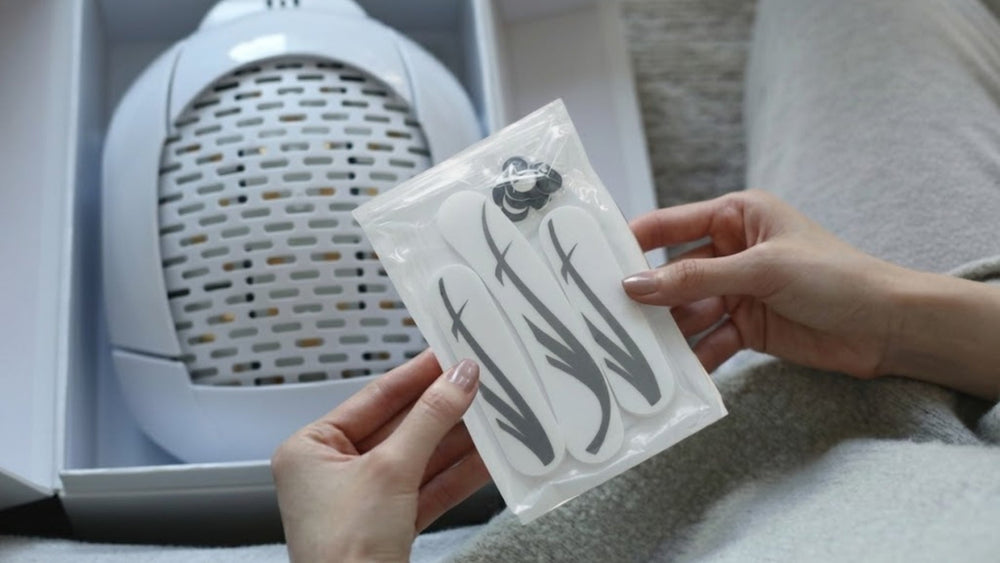
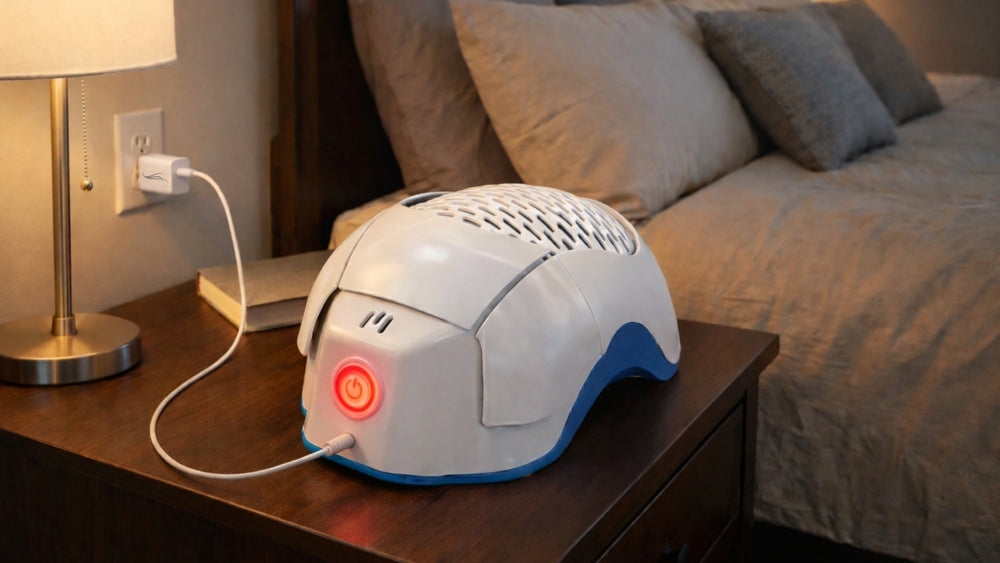
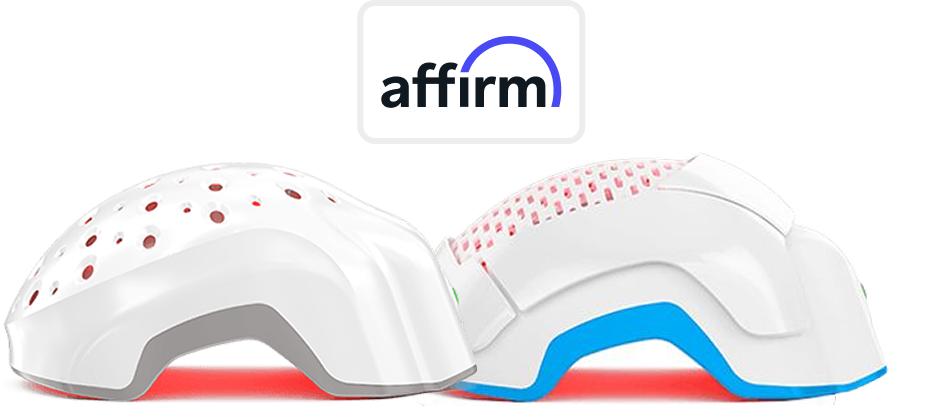
For readers whose actual diagnosis is pattern hair loss, Laser Phototherapy can be part of the treatment discussion. Dermatology reviews describe low-level light therapy, also called photobiomodulation, as a safe and potentially effective option for hair loss, including wearable home devices. Randomized trials have shown benefit, though reviews also note that protocols vary and more long-term comparative data would be useful.
This is worth saying clearly because the nuance matters. Laser Phototherapy is not a treatment for high cholesterol. It is a treatment modality for certain forms of hair loss, particularly pattern hair loss, where supporting follicle activity may be useful. Different target. Same head.
When Improving Cholesterol Might Help Hair Indirectly
This is the part people usually want boiled down to one sentence, and science keeps refusing to cooperate. If high cholesterol sits inside a broader metabolic pattern that overlaps with androgenetic alopecia, then improving cholesterol and cardiometabolic health may help remove one possible contributor to the overall environment around the follicle. That is a fair statement. A bolder one would outrun the evidence.
In other words, better cholesterol control may help you without being a guaranteed hair-growth switch.
Practical Steps If You Notice Hair Thinning
First, notice the pattern. Is it slow, patterned thinning over the crown or temples... or sudden diffuse shedding all over? That distinction already changes the conversation.
Second, review timing. Did the shedding begin after illness, weight loss, childbirth, a medication change, or a high-stress period? If yes, telogen effluvium moves higher on the list.
Third, ask whether a lipid panel or broader workup is appropriate, especially if you also have diabetes, hypertension, obesity, or a strong family history of cholesterol problems.
Fourth, get the scalp properly assessed. That earlier point about not guessing? This is the callback. It still matters. A board-certified dermatologist or qualified hair specialist can separate pattern hair loss from shedding disorders and steer treatment in a direction that actually matches the biology.
Conclusion
So... can high cholesterol cause hair loss? Not in the simple direct way people often mean. The stronger evidence shows that abnormal lipids and metabolic syndrome are often associated with pattern hair loss, while medication effects and other internal triggers can complicate the picture further.
If your hair is thinning, do not assume cholesterol is the villain and do not assume it is innocent either. Get the right diagnosis. Check the broader metabolic context when it fits. Then treat the actual condition in front of you, not the one the internet guessed from three loose clues and a dramatic headline.