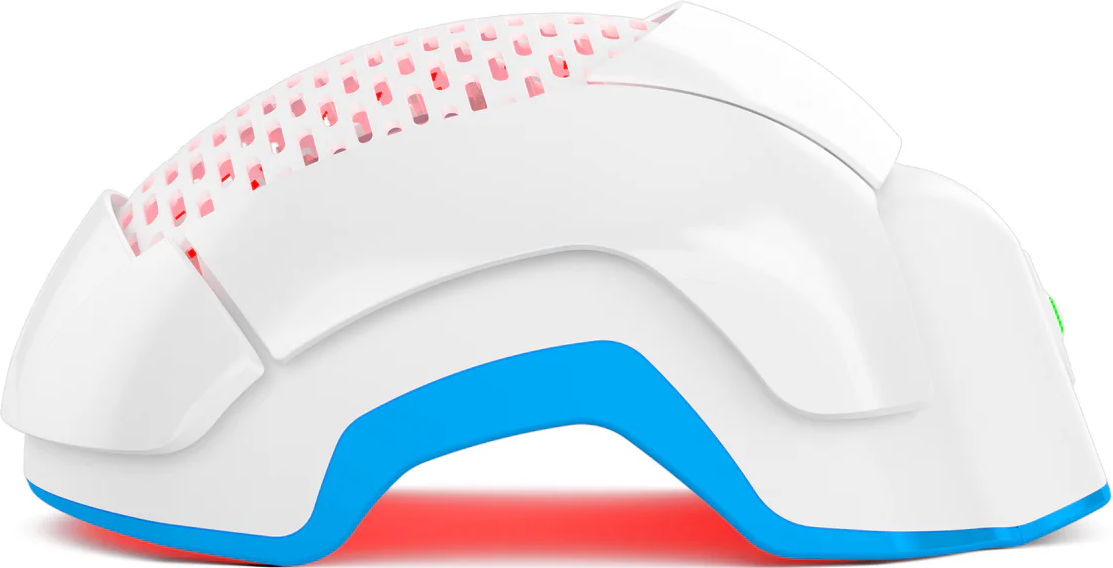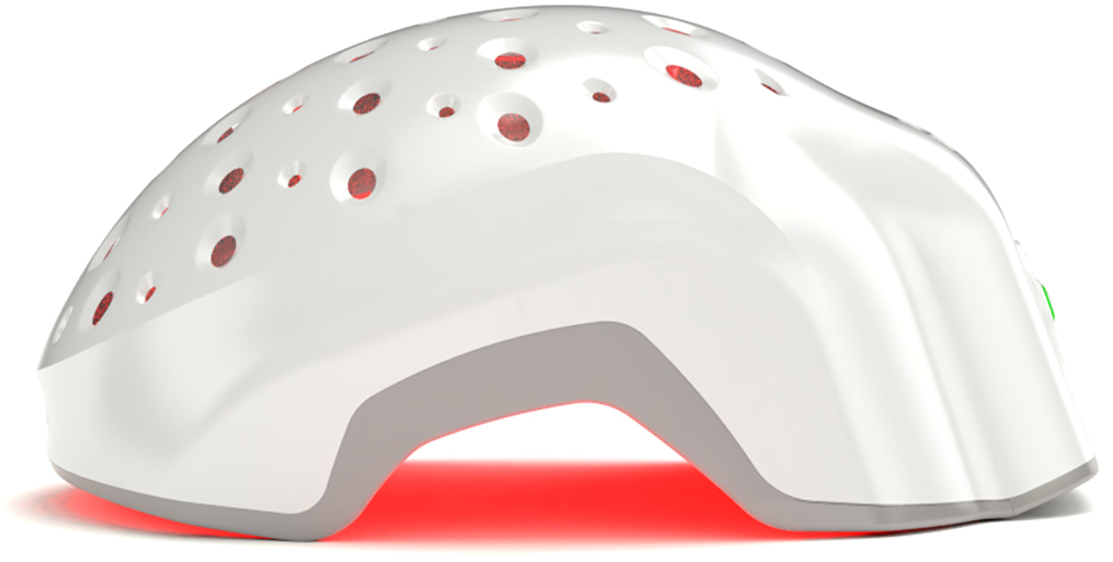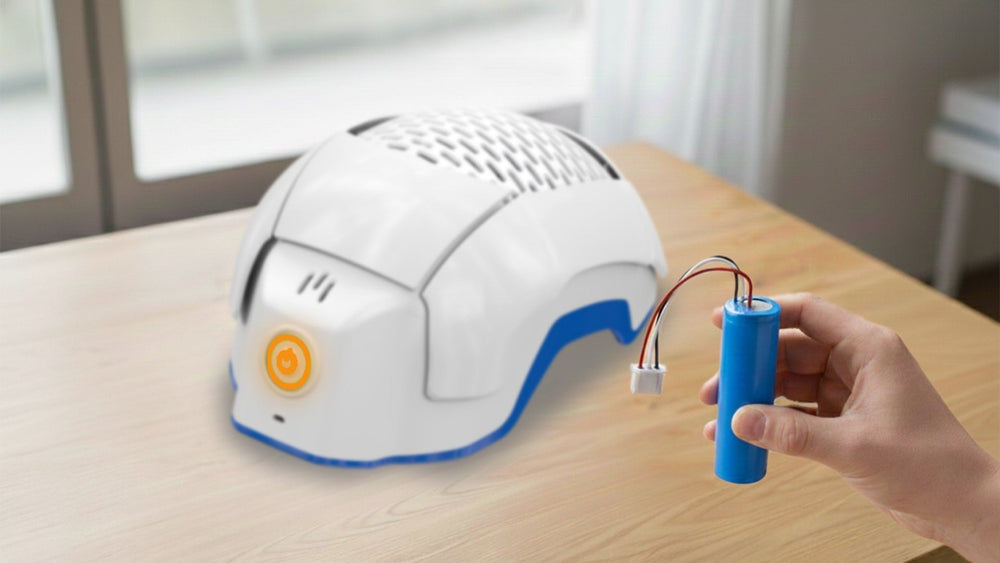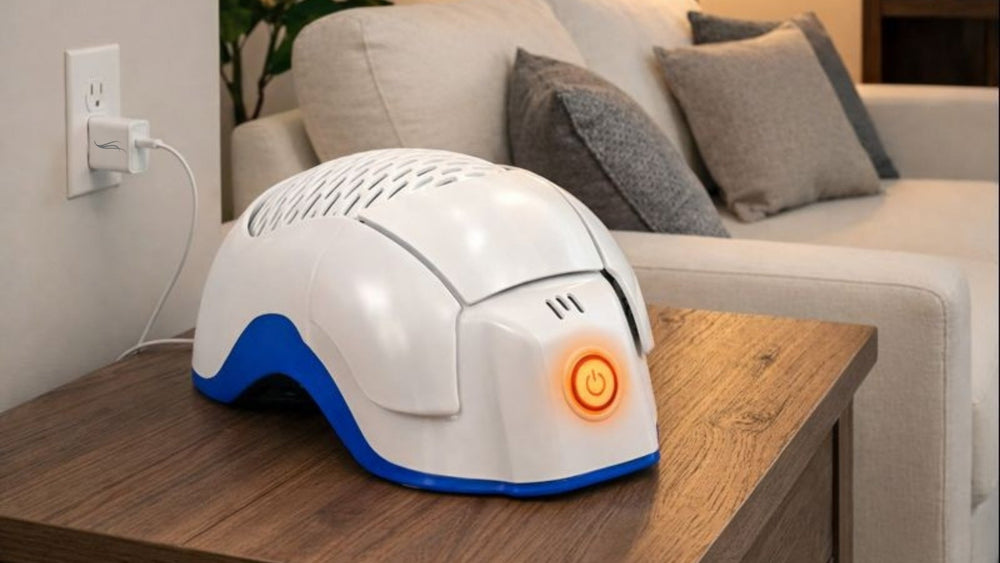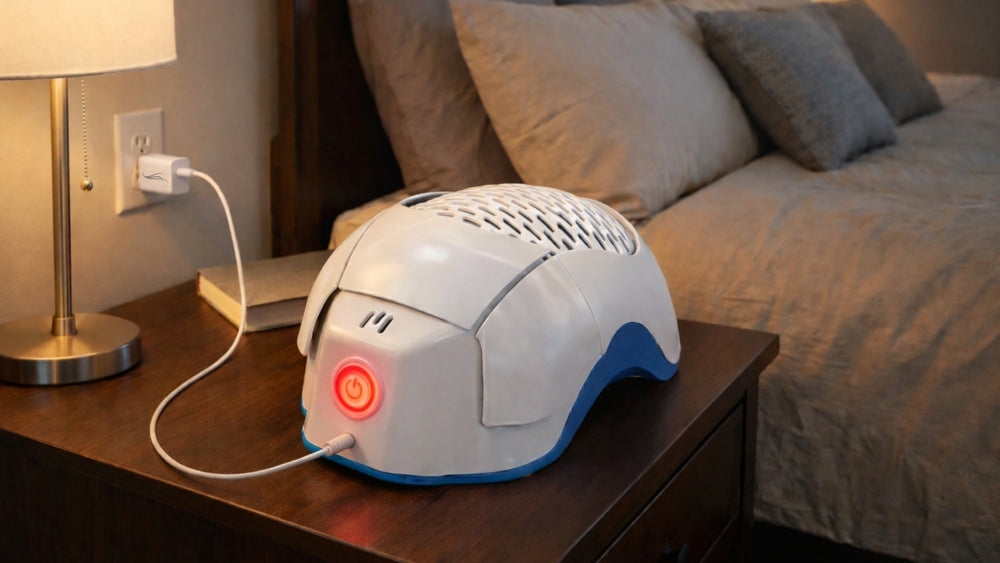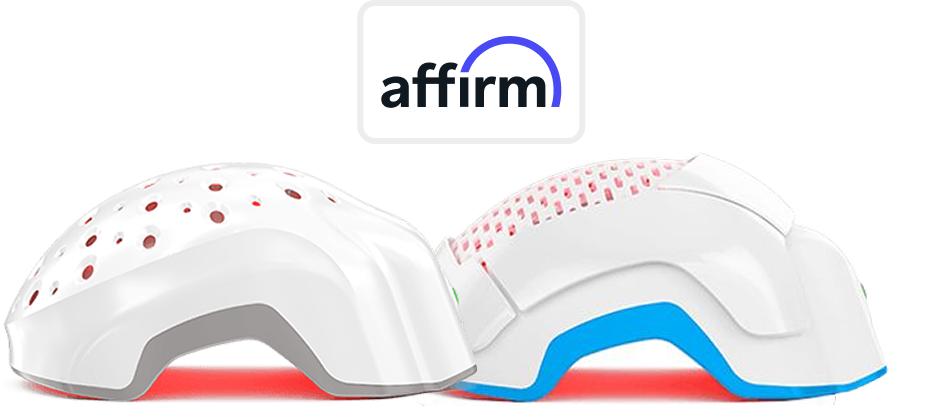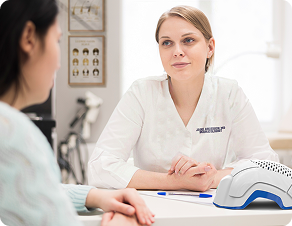

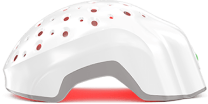





Laser Phototherapy (LPT) uses low‑power red or near‑infrared light to stimulate dormant hair follicles without heat. Not all devices work equally: coverage, dose, design, and FDA‑clearance matter most.
What Exactly Is LPT (or LLLT) and How Does It Work?
Laser Phototherapy (LPT) — sometimes called Low-Level Laser Therapy (LLLT) — means using weak, non‑heating lasers (often red or near‑infrared) to stimulate cells. We prefer “LPT” because it emphasizes therapeutic light, not just “low level.”
LASER stands for Light Amplification by Stimulated Emission of Radiation — “radiation” here only means emission of energy (not dangerous ionizing types).
You might also like: Are LPT and LLLT the same?
What Happens in Your Follicles
When the right wavelength hits your scalp, internal cell components (especially mitochondria enzyme cytochrome c oxidase) absorb it. That triggers increases in ATP (cellular energy), changes in reactive oxygen species, and possible release of nitric oxide. These changes can shift follicles out of rest (telogen) and into growth (anagen). Over weeks to months, you may see more active follicles and thicker shafts.
It’s like giving your follicles a gentle push: not forcing growth, just nudging dormant ones awake.
Is It Safe?
Yes: most therapeutic LPT devices use Class 3R lasers (<5 mW) — too weak to burn. They deliver light, not heat. So usual laser risks (burns, scarring) are essentially nonissues in properly designed devices.
Also: “cleared” status matters (FDA 510(k)), not “approved.” Only devices that demonstrate equivalence and safety get clearance.
Types of LPT Devices — What’s Out There?
The way a laser reaches your hair follicles (or doesn’t) changes how well it works. Energy strength, coverage, laser placement, and yes (even the design of the casing) all affect whether your follicles actually get the stimulation they need… or just a fancy light show.

So before you throw money at something that looks like it’ll do the job, here’s a real-world rundown of the four major types of LPT devices you’ll run into — what they’re built for, how they’re supposed to work, and where they often fall flat.
The 4 Types of Devices You’ll See on the Market
1. Combs & Bands
These are the original at-home LPT tools. They are like laser toothbrushes for your scalp. You move them across the head in sections, manually zapping each patch for a few seconds. Great for getting started… if you’ve got the patience of a monk and surgeon-level precision.
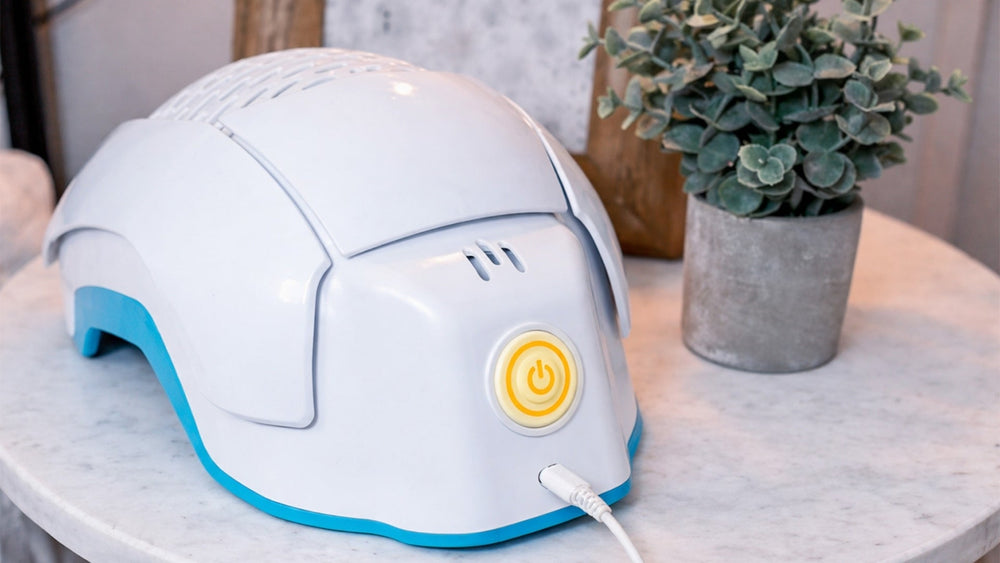
2. Helmets
The heavyweight champions of the category. These give you full coverage, consistent dosing, and hands-free sessions. Clinically, they’re the most respected — and for good reason: they work when built right. If you’re serious about results, this is where most professionals point.
3. Baseball Cap Devices
Look cool on the outside, but they come with baggage. These are laser diodes packed inside a cap. Some promise privacy and portability. The problem is poor heat management, inconsistent output, and questionable designs. They’re not all bad — but many are more marketing than medicine.
4. Stand-Alone Devices
These are typically large devices you sit under at a clinic or salon. Think of a heat lamp, but with lasers. They blast the scalp from several inches away, which… sounds good in theory. But in practice? The distance weakens the dose, and the heat output can get excessive.
The Science behind the Shine — What Research Says
A 2021 meta‑analysis of seven double‑blind, sham‑controlled trials found a significant improvement in hair density (SMD = 1.27) when comparing LLLT vs sham devices. The benefit held for both men and women, and for both comb and helmet devices.
That suggests the effect is real and measurable — not just anecdotal.
The Numbers That Matter
Trials often use wavelengths around 630–680 nm, sometimes with near‑infrared bands, and energy densities calibrated to deliver effective photostimulation.
A recent small trial using a 680 nm device showed improved hair density in an Indian AGA cohort over months.
Why Consistency Wins
Hair follicles are slow. Gains don’t show overnight. Many studies indicate that stopping treatment leads to regression.
You must treat regularly over months and maintain therapy long-term to hold gains.
The Pros — Where LPT Shines Bright (and Cool)
Non‑Invasive and Drug-Free
No injections, no oral side effects. LPT gives option to those who can’t or don’t want systemic treatments.
Clinically Supported for Both Men and Women
Some devices are cleared for androgenetic alopecia in both sexes — it doesn’t favor men only.
Safe, Cool, and Comfortable
Because the lasers are low output and non‑heating, treatment is painless and well-tolerated.
Boosts Scalp Health beyond Growth
It can improve microcirculation, reduce scalp inflammation, and support follicle metabolism — foundational benefits beyond just more hair.
Compatible with Other Treatments
In many practices, LPT is applied alongside topical minoxidil or PRP (platelet-rich plasma). Many users report additive effects.
(Although see caveats later.)
The Cons — Where LPT Isn’t Magic (But Still Worth It)
Requires Patience (and Consistency)
Skip too many sessions, and gains slow or reverse.
It’s not “one helmet, overnight miracle.”
Not for Advanced Baldness
If follicles are fully dormant or gone, there’s little to stimulate. LPT is for thinning, not total bald zones.
Upfront Cost and Counterfeits
Cheap devices may lack clearance or effective dosing. Be wary.
Always verify FDA 510(k) number on packaging or device materials.
Results Vary
Genetics, age, scalp condition, diet, hormones — all influence how much regrowth you see.
Maintenance Is Forever
Yes — if you stop, some gains fade. Think of this as a long‑term support tool, not a cure.
Comparing the Big Three — Helmet, Cap, or Comb?
|
Feature |
Helmet/Cap |
Comb/Brush |
Clinical Panel |
|
Coverage Uniformity |
High |
Variable (user‑dependent) |
Very high (in‑clinic) |
|
Ease / Hands‑Free |
Excellent |
Demands precision |
Needs clinic visit |
|
Session Duration |
10–30 min typical |
Similar per section |
Usually shorter but device time |
|
Power Density |
Moderate balanced |
Lower in many units |
High, clinic‑grade |
|
FDA Clearance |
Common on good brands |
Sometimes none, risky |
Usually high clinical standard |
|
Cost / Commitment |
Moderate to high |
Lower entry but with tradeoffs |
High cost, repeated visits |
If you want ease + consistency, helmets and caps tend to win. Combs require your diligence.
Safety, FDA Clearance, and Common Myths
Unlike medicines, devices usually go through 510(k) clearance, meaning they are judged substantially equivalent to an existing device. It doesn’t prove “best,” but ensures basic safety and equivalence.
As of 2018, 47 devices have passed 510(k) for hair‑growth uses.
Cold Lasers and Safety Classifications
Most hair LPT devices are Class 3R, under limits that prevent thermal damage. Direct, prolonged eye exposure is discouraged, but brief normal use is safe.
Who Gets the Best Results?
- Early to moderate thinning tends to respond best; fully bald areas have less chance.
- Works for both men and women (if device indications permit).
- Consistency outranks intensity — regular adherence is the lever.
- Consult professionals if shedding is rapid, scarring present, or diagnosis uncertain.
How to Choose the Right Device (without Getting Duped)
So you've met the four major types of LPT devices. Now comes the part that trips people up: figuring out which one actually works — and which one’s just sitting pretty on a shelf doing nothing.
Truth is, there’s a whole lot of tech jargon floating around — wavelength this, nanometers that, diodes here, pulsed light there. And if you’re not careful, you’ll end up with a glorified light-up hat that’s better at heating your scalp than helping it.
But don’t stress. You don’t need an engineering degree to pick a good laser device. You just need to know the five things that actually matter.
1. Wavelength: Does the Laser Go Deep Enough?
The goal is to hit the dermal layer — that’s where your hair follicles live. Not your skin’s surface. Not your skull. Devices that emit lasers in the 650 to 680 nanometer range? They’re in the sweet spot. That’s deep enough to stimulate growth, but not so strong that you fry your head.
Anything below 630 nm? It’s not reaching far enough. Anything above 700? Might be penetrating too deep and missing the follicle zone entirely.
2. Scalp Penetration: Can It Reach the Follicle Roots?
It’s not just about the light — it’s whether that light can make it through the scalp’s layers. Most at-home devices fail here because they can’t push past the epidermis, let alone stimulate the root.
Look for devices that list their penetration depth (ideally 4–5 mm). Anything less, and the lasers are just giving your scalp a light tan. This is one of the big reasons helmets tend to outperform caps and combs: they’re designed to stay in place long enough for the lasers to do their job.
3. Dosage: Is It Giving You Enough Energy to Matter?
Measured in joules/cm².
For hair follicles to react, they need a minimum energy dose of 4–7 joules per cm² per session. Some devices don’t even hit 1 joule. That’s not treatment. That’s background mood lighting.
Too little energy gives no results. Too much? Could trigger inflammation or even damage follicles. You need a balanced dose, consistently delivered. And if the brand doesn’t show you the dosage specs? That’s your sign to walk away.
4. Beam Width: Is the Laser Focused or Scattered?
Most people don’t realize this one matters — but it does. A focused beam (narrow, targeted) reaches deeper and delivers a stronger dose right where it’s needed.
Devices with wide, scattered beams dilute the energy, meaning your follicles get way less stimulation than advertised. Some caps split one laser into 12 weaker beams using fiber optics — not ideal. It's like ordering one steak dinner and sharing it with 12 strangers.
The more direct the beam, the more reliable the treatment outcomes.
5. Heat Management: Does It Overheat (and Underdeliver)?
Here’s what most companies won’t say: lasers get hot. And when they do, their performance drops — fast. Some caps drop from 5 mW to under 0.5 mW after a few minutes. That’s a 90% loss in laser power — while still pretending to treat your scalp.
Poor heat control = wasted energy. Worse, it can trigger telogen effluvium, causing more shedding. That’s the opposite of what we want here.
Look for helmets or devices with ventilation, cooling channels, or fewer (but more powerful) diodes. More lasers isn’t better — better lasers are better.
The Future of Laser Hair Therapy (and Why It’s Getting Smarter)
- Emerging trials test pulsed modulation, hybrid red + NIR mixes, and machine‑learning dosing.
- Previously, 680 nm lasers are being evaluated — one study showed improvement in an Indian cohort.
- Home devices are trending toward medical-grade precision but still under regulatory guardrails.
Conclusion
Laser Phototherapy is not a silver bullet, but it is a scientifically grounded tool with real potential. When you match the right device (FDA‑cleared), use it consistently, and set realistic expectations, it can help awaken dormant follicles and support healthier scalp tissue. The real “magic” is in persistence and smart selection, not in hype.
You deserve clear, honest hair science — not exaggerated promises. And that’s why brands that build from evidence (instead of marketing smoke) are the ones to trust.