





People don’t lose hair overnight, with it instead happening gradually, and so subtly that you don’t notice until your ponytail feels thinner or your hairline starts to shift.
What’s surprising is that some of the biggest contributors to hair damage aren’t genetic or medical, they’re daily habits. The way you sleep, style, eat, and manage stress quietly weakens your hair over time.
In this article, we’ll go over the everyday behaviors that are working against your hair, as well as what you should do to stop them.
How Do Everyday Habits Damage Your Hair?
Hair is incredibly resilient, but it’s not invincible in that repeated stress (even in small doses) accumulates and disrupts the natural growth cycle of your hair. Unlike sudden hair loss conditions, habit-related damage shows up as:

The challenge is that these habits feel harmless, though they create the exact conditions that make hair follicles less responsive.
7 Daily Habits That Damage Your Hair
#1. Poor Sleep
Sleep isn’t just rest, it’s when your body repairs itself at a cellular level, so hair follicles rely on this nightly reset to regenerate cells, balance hormones, and reduce inflammation.
When sleep is inconsistent or insufficient, cortisol levels rise and recovery processes are interrupted, which pushes more hairs into the resting (telogen) phase, leading to increased shedding. In a word, poor sleep creates an environment where follicles struggle to stay in the growth phase.
What to do instead: Aim for consistent, high-quality sleep, since even small improvements in sleep duration and routine have a noticeable impact on hair health.
#2. Chronic Stress
Stress is perhaps the most underestimated cause of hair loss, given that when your body is under constant pressure, it prioritizes survival over growth, and hair (being non-essential), is one of the first systems to be affected.
In particular, chronic stress:
- Triggers telogen effluvium, i.e., sudden shedding
- Increases inflammation around follicles
- Disrupts the hair growth cycle
- Amplifies the effects of hormones like DHT
What to do instead: You don’t need to eliminate stress entirely, but building in recovery (exercise, downtime, sleep) brings your body out of constant survival mode.
#3. Frequent Heat Styling
Blow dryers, straighteners, and curling irons are part of many daily routines, yet frequent heat exposure takes a toll, specifically by how it damages the hair shaft, dries out the scalp, weakens protein structure, as well as contributes to shedding.
In some cases, repeated heat damage even contributes to telogen effluvium similarly to stress, especially when combined with other stressors.
What to do instead: Lower the temperature, reduce frequency, and use heat protection. Affording your hair regular breaks from heat significantly improves its strength and resilience.
#4. Your Diet
Hair is one of the fastest-growing tissues in the body, and one of the first to suffer when nutrients are lacking, as the context of sleep deprivation shows.
Deficiencies in nutrients like zinc, B vitamins, and protein lead to weaker strands, slower growth, and increased shedding. Bad dieting or rapid weight loss makes this worse by placing additional stress on the body, forcing it to conserve resources.
What to do instead: Focus on a balanced, sustainable diet, due to the fact that hair thrives when your body has consistent access to the nutrients it needs.
#5. Alcohol Consumption
Alcohol doesn’t just affect your liver, it impacts your hair more than most people realize since regular or excessive drinking depletes essential nutrients, disrupts sleep quality, dehydrates the scalp, and interferes with hormone regulation, in this way creating a less stable environment for hair growth and contributing to thinning.
What to do instead: Moderation is key. Reducing alcohol intake improves not just hair health, but overall recovery and hormonal balance.
#6. Overlooking Scalp Health
Healthy hair starts with a healthy scalp because conditions like dandruff, irritation, or buildup:
- Block follicles
- Increase inflammation
- Disrupt the growth cycle
- Lead to excess shedding
What to do instead: Keep the scalp clean and balanced, therefore address dandruff or irritation early, and avoid overloading the scalp with heavy products.
#7. Inconsistency
The most commonly overlooked habit is inconsistency. Hair growth takes time, so skipping treatments, changing routines too often, or expecting instant results slows progress.
What to do instead: Stick to a routine - whether it’s your sleep schedule or diet, consistency is what really drives results.
How to Stop Damaging Habits and Support Hair Regrowth
Despite the prevalence of these hair-damaging habits, the good news is that most of them are completely reversible. All that’s required for you is to:
- Prioritize sleep and recovery
- Manage stress levels
- Reduce heat and chemical exposure
- Eat a balanced diet
- Limit alcohol
- Maintain scalp health
- Stay consistent with treatments
And, when these factors are aligned, you’ll find that your hair follicles are far more responsive to stimulation and support.
Make the Theradome a Habit for Better Hair
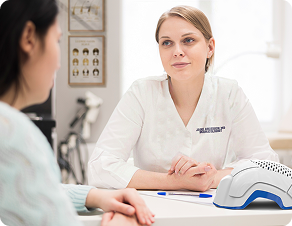
Achieving noticeable hair regrowth is primarily about what you do every day, as we hope this article has illustrated. Low-level light therapy (LLLT) reactivates follicles and supports the growth cycle, but it works best when your lifestyle isn’t holding it back.
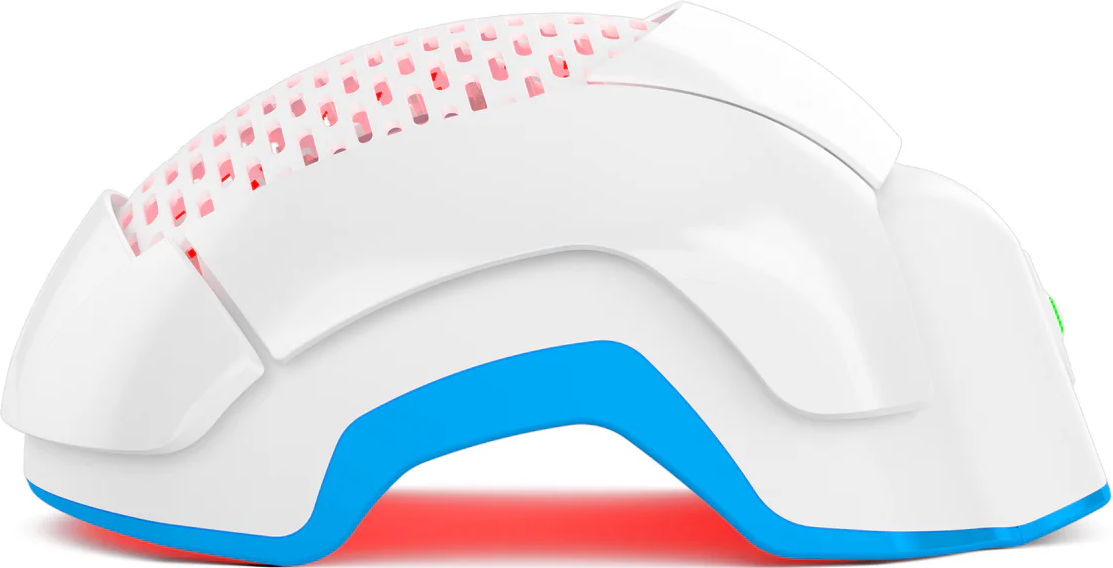
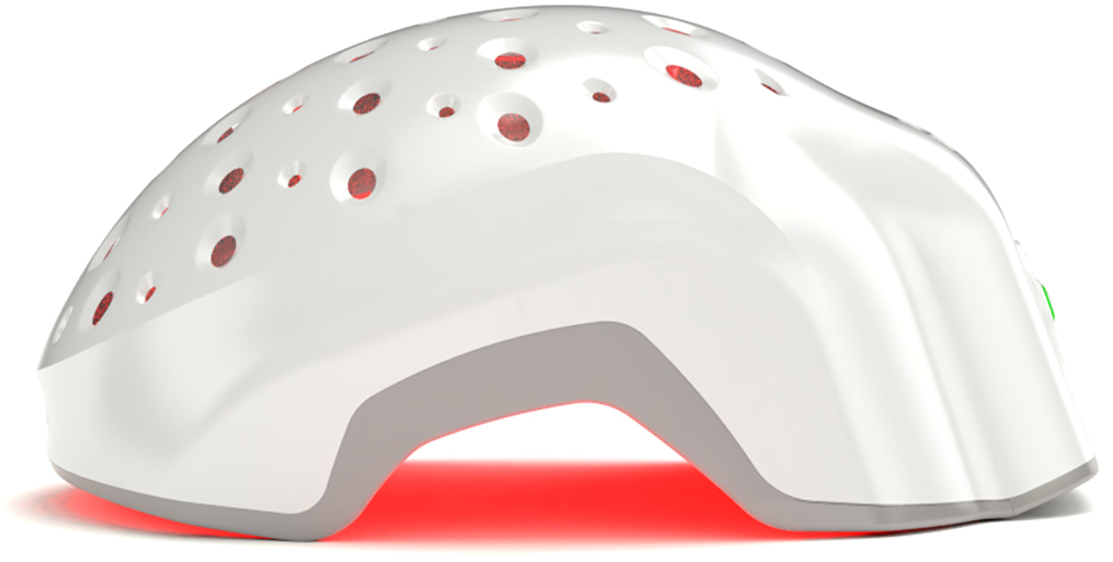
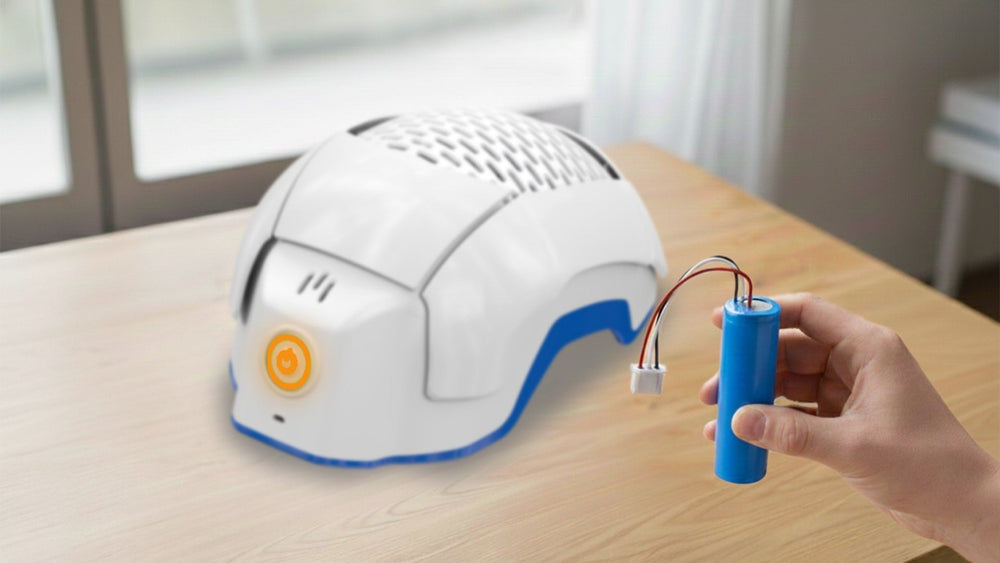
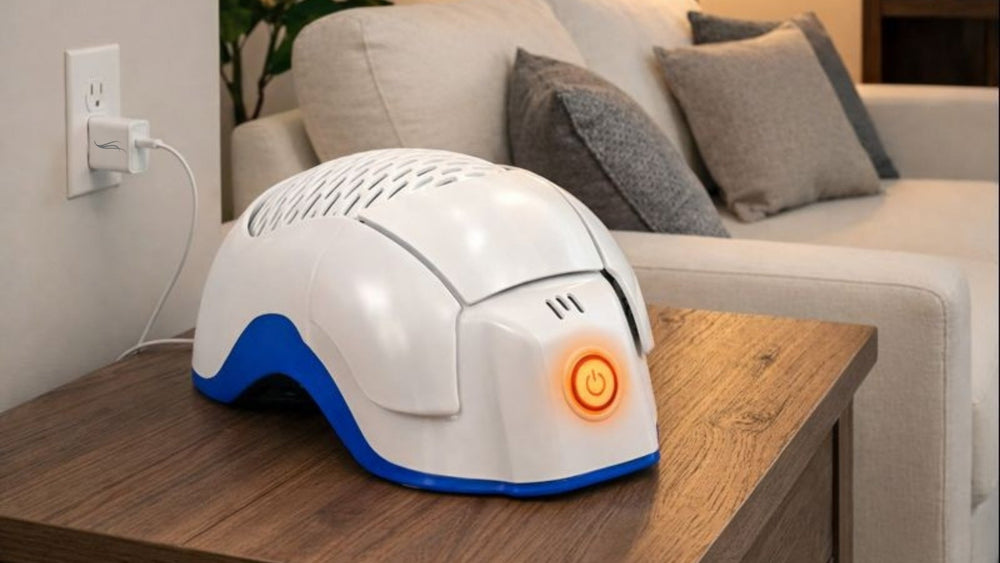
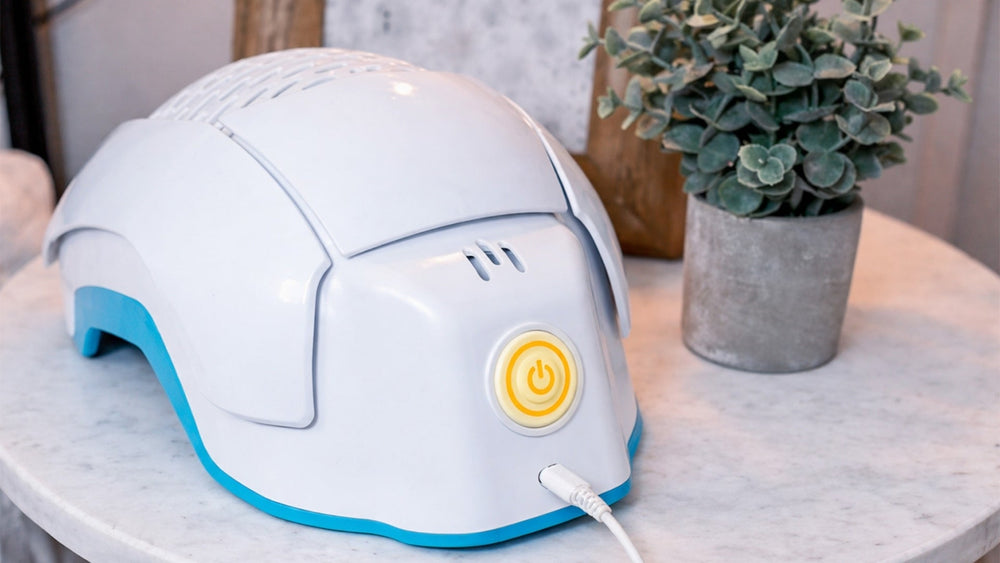
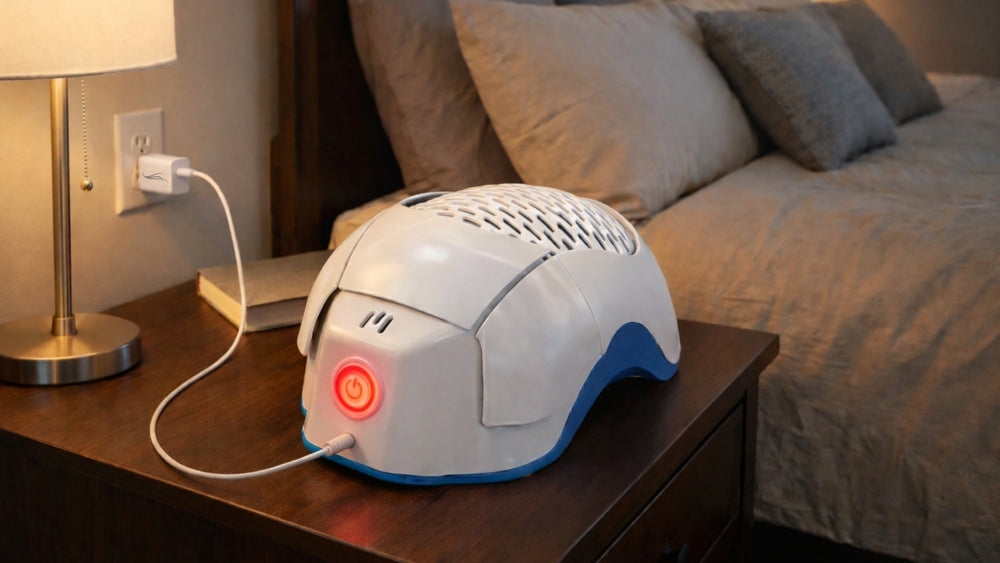
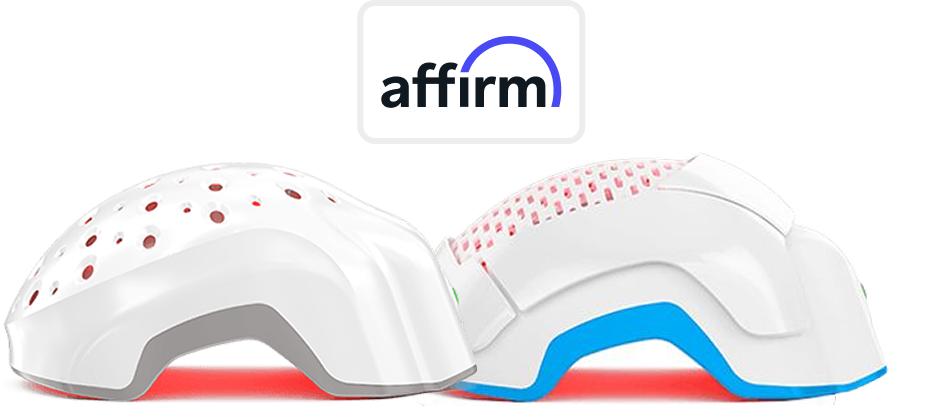
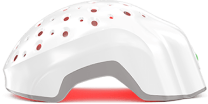
Devices like the Theradome PRO LH80 and Theradome EVO LH40 deliver consistent, 100% US made lasers to strengthen and revitalize hair, although the real transformation happens when healthy habits and effective technology work together. Because in the end, stronger hair isn’t built overnight, it’s built daily.