







No, thinning hair does not always mean balding. Thinning can happen because of temporary shedding, breakage, traction from tight hairstyles, scalp inflammation, nutrition-related stress, medication changes, hormones, or androgenetic alopecia, which is the progressive pattern hair loss most people mean when they say “balding.” Effective treatment starts with identifying the cause, not guessing from one scary bathroom-mirror moment.
Still… if thinning is gradual, patterned, and getting more visible at the temples, crown, or part line, it deserves attention. That does not mean doom. It means the scalp is waving a little flag.
Does thinning hair mean balding?
Not always. And that “not always” is doing real work here.
Thinning hair describes what you see: more scalp, less volume, a smaller ponytail, a wider part, finer-looking strands, or hair that suddenly refuses to behave like it did last year. Balding, in the stricter clinical sense, usually suggests progressive hair loss from the follicle itself, often androgenetic alopecia. The two can overlap, but they are not identical. Dermatology guidance separates hair loss by pattern, timeline, and likely cause because diffuse shedding, patchy loss, breakage, traction, and pattern hair loss need different thinking.
When thinning hair does not mean balding
Thinning may not mean balding when it appears suddenly, spreads evenly across the scalp, follows a clear trigger, or looks more like broken pieces than full hairs shedding from the root. Telogen effluvium is one common example: it is a temporary shedding condition caused by many hairs entering the resting phase after a shock to the body. StatPearls links it to metabolic stress, hormonal changes, and medications.
So yes, a hairbrush full of strands can be terrifying.
But terrifying is not the same as permanent.
When thinning hair can be an early sign of balding
Thinning becomes more suspicious for balding when it is slow, patterned, and persistent. In men, that may look like temple recession, an M-shaped hairline, or crown thinning. In women, it often shows as a wider part or reduced density over the top of the scalp, with the front hairline often still present. Pattern hair loss is influenced by genetic programming and hormones, and its female pattern hair loss resource notes diffuse thinning and reduced hair volume in women with androgenetic alopecia.
What is the difference between thinning hair, shedding, breakage, and balding?
This is where people get tangled. And fair enough. The words get tossed around like they mean the same thing, then someone sees scalp under a harsh bathroom light and suddenly becomes a full-time part-line detective.

Hair thinning
Hair thinning means there is less visible hair density, less volume, finer-looking strands, or more scalp showing than before. It can happen because fewer hairs are growing, hairs are becoming smaller through follicle miniaturization, strands are snapping, or more hairs are shedding than usual. Treatment depends on finding the cause, because hair loss has many possible explanations.
So “my hair is thinning” is a real concern. It just is not the full answer.
Hair shedding
Shedding means hairs are coming out from the root as part of the hair cycle. Some shedding is normal. The American Academy of Dermatology says shedding 50 to 100 hairs a day is normal, and significantly more daily shedding may be excessive shedding, medically called telogen effluvium. Losing up to about 100 hairs a day can be part of the normal scalp hair cycle.
That number can feel useless when you are staring at a drain clump, I know. Nobody counts hair calmly in a shower.
Hair breakage
Breakage is different from shedding. In breakage, the strand snaps somewhere along the shaft instead of leaving the scalp from the root. Tight hairstyles, heavy extensions, frequent tension, chemical processing, and heat can all make hair look thinner because the visible length and fullness are being chopped by damage, not necessarily because the follicle has stopped producing hair. Tight braids, locs, pulled-back buns, ponytails, extensions, weaves, and similar tension-heavy styles are possible causes of traction alopecia when they pull too tightly.
Balding
Balding usually refers to progressive follicle-level hair loss. Most often, people are talking about androgenetic alopecia, also called male or female pattern hair loss. In androgenetic alopecia, follicles in genetically susceptible areas gradually produce smaller, shorter, less pigmented hairs. DermNet’s trichoscopy resource describes this as a progressive decline in hair-shaft diameter, length, and pigmentation with a characteristic distribution.
|
What you notice |
More likely explanation |
Common pattern |
Usually temporary? |
When to get checked |
|
Sudden all-over shedding |
Telogen effluvium |
Diffuse shedding |
Often, yes |
If severe, prolonged, or unclear |
|
Wider part over months or years |
Female pattern hair loss |
Top scalp and part line |
Usually progressive |
Yes, especially if worsening |
|
Temples or crown thinning |
Male pattern hair loss |
Hairline and vertex |
Usually progressive |
Yes |
|
Short snapped hairs |
Breakage or traction |
Styled or stressed areas |
Often improves if cause stops |
If pain, bald patches, or smooth shiny areas appear |
|
Patchy bald spots |
Alopecia areata, infection, traction, or other causes |
Round or irregular patches |
Varies |
Promptly |
Why does hair thin if you are not balding?
Thinning can come from temporary body stress, scalp irritation, nutritional strain, styling damage, or a few causes happening at the same time. AAFP’s clinical review separates hair loss into patterns such as patchy, diffuse, and patterned because the cause changes the treatment plan. That is why “does thinning hair mean balding” is the right question, but it needs a second question right behind it: what kind of thinning is this?
Telogen effluvium after stress, illness, surgery, weight loss, or childbirth
Telogen effluvium is one of the biggest reasons thinning does not automatically mean balding. It happens when a stressor pushes more hairs than usual into the telogen, or resting, phase. The shedding often shows up later, which is deeply unfair. Your body goes through the stress, waits a while, then sends you a hair invoice.
This type of shedding is often diffuse, not cleanly patterned. People with telogen effluvium may shed far more than usual, sometimes up to 300 hairs per day, though the exact amount varies by person and situation.
Nutritional stress and medical triggers
Hair growth is biologically expensive. Not emotionally expensive, although yes, also that. The follicle needs enough nutritional and metabolic support to keep producing hair properly. Rapid weight loss, restrictive dieting, low protein intake, iron deficiency, thyroid disease, vitamin D deficiency, medications, and systemic illness can all sit in the background of shedding or thinning. NICE CKS recommends considering thyroid function, full blood count, ferritin, and vitamin D testing in female pattern hair loss workups when telogen effluvium or another underlying cause is suspected.
This does not mean everyone with thinner hair should start swallowing a parade of supplements. Please, no supplement confetti. It means persistent or unclear shedding deserves a proper evaluation.
Scalp inflammation or scalp disease
Itching, scaling, tenderness, redness, pustules, crusting, or shiny smooth areas change the conversation. Those signs may point toward inflammation, infection, psoriasis, seborrheic dermatitis, scarring alopecia, or another scalp condition that needs more than a thicker-looking shampoo. AAFP’s hair-loss review stresses pattern recognition and scalp examination because patchy, diffuse, and scarring presentations need different workups and management.
The scalp is not just “the place hair comes out of.” It is living tissue. Slightly obvious when said out loud, but somehow easy to forget when marketing has trained everybody to stare only at strands.
Mechanical breakage and traction
Hair can look thinner because it is breaking, not because the follicle is failing. Tight hairstyles can cause traction alopecia when repeated pulling stresses the follicle, and AAD specifically lists tight cornrows, locs, braids, buns, ponytails, extensions, weaves, and rollers worn to bed as potential traction risks when they pull too tightly. A peer-reviewed review also notes that frequent tight buns or ponytails, weaves, extensions, and tight braids are high-risk styling practices for traction alopecia.
Early traction may improve when the tension stops. Chronic traction can become scarring and harder to reverse. That is the bit people need to hear before they spend another six months calling it “just edges being edges.”
When does thinning hair mean balding?
Thinning is more likely to mean balding when it follows a recognizable pattern, gets gradually worse, and involves follicle miniaturization.
Miniaturization means thick terminal hairs slowly become thinner, shorter, and less pigmented. Over time, those hairs may barely cover the scalp. indrogenetic alopecia as one of the most common causes of hair loss, with a progressive decline in hair-shaft diameter, length, and pigmentation in characteristic areas.
What androgenetic alopecia means
Androgenetic alopecia is the medical term for common pattern hair loss. It is influenced by genetics and hormones, and it can affect men and women. Pattern hair loss is influenced by genetic programming or hormonal influences and is apparent in about 50% of people by age 50, and androgenetic alopecia is genetically predetermined and marked by progressive loss of terminal scalp hair after puberty.
Some follicles are sensitive. Over time, they make smaller hairs. The scalp becomes more visible.
The DHT and miniaturization piece
In androgenetic alopecia, an enzyme called 5-alpha-reductase converts testosterone into dihydrotestosterone, or DHT. In genetically susceptible follicles, DHT signaling can contribute to miniaturization, where terminal hairs become finer and shorter over repeated hair cycles. Female androgenetic alopecia is patterned hair loss caused by progressive follicle miniaturization, reducing the number and density of visible terminal hairs.
DHT is not evil. It is not lurking in a villain costume. It is a normal androgen doing normal androgen things in follicles that happen to be sensitive to it.
Why early action matters
Pattern hair loss is often easier to manage while follicles are still producing visible hair. Once density is lost for a long time, results can be more limited, and treatment goals often shift from full regrowth to slowing, maintaining, and thickening what can still respond. Mayo Clinic states that hair-loss treatments may help many people regrow hair or slow the rate of loss, but timelines can take months and continued use may be needed to maintain benefits.
So no, thinning does not always mean balding. But if the pattern is creeping forward, pretending not to see it is a strange little strategy.
What are the early signs of balding?
Early balding rarely announces itself with a marching band. It is usually a little more scalp here. A weaker hairline there. A part that looks slightly too enthusiastic under overhead lighting.
Early signs in men
Male pattern hair loss often starts around the temples, frontal hairline, or crown. Male pattern alopecia affects the vertex and temporal scalp, and androgenetic alopecia can present in a diffuse or patterned form and may progress.
Watch for:
-
Temples moving back gradually
-
A more pronounced M-shaped hairline
-
Crown thinning that shows in photos
-
Hairline and crown thinning together
-
Finer, shorter hairs around the frontal scalp
Early signs in women
Female pattern hair loss often looks different. Many women keep the frontal hairline but notice diffuse thinning over the top of the scalp, a wider part, reduced volume, or a smaller ponytail. Female pattern hair loss is a distinctive diffuse form of hair loss in women with androgenetic alopecia and around 40% of women show signs of hair loss by age 50.
Watch for:
-
A part line that keeps widening
-
More scalp at the crown or top
-
Reduced density without a dramatic receding hairline
-
Hair that feels less substantial when gathered
-
Gradual change over months or years
Women are also more likely to be told “it is just stress” too quickly. Sometimes it is stress. Sometimes it is pattern hair loss. Sometimes it is both, because apparently hair biology enjoys plot twists.
Signs that point away from classic balding
Some signs make classic pattern baldness less likely, or at least not the whole explanation. Sudden shedding after a body stressor, hair falling from all over rather than one patterned area, short broken pieces, scalp itching or scaling, and patchy bald spots should prompt a broader look. Telogen effluvium, traction alopecia, alopecia areata, scalp infection, and inflammatory scalp disease can all cause thinning or hair loss without behaving like classic androgenetic alopecia.
Signs that need a dermatologist sooner
Get medical help sooner if hair loss is sudden, patchy, painful, burning, red, scaly, crusted, pustular, or associated with shiny smooth areas that look like scarring. AAD recommends dermatologist evaluation because effective treatment starts with finding the cause, and Mayo Clinic lists medical history, exam, blood testing, pull testing, biopsy, and microscopy among possible diagnostic tools.
How can you tell if hair thinning is temporary?
You cannot always tell perfectly at home. That is the honest answer.
But you can gather useful clues.
Look at the timeline
Temporary shedding often has a delay. Telogen effluvium may show up two to four months after the trigger because follicles shift into the resting phase, then shed later. When follicles enter the shedding phase, they rest for two to four months before new hairs push out the old hairs. Telogen effluvium is linked to metabolic stress, hormonal changes, or medication.
So if the shedding started in June, the trigger may have been back in March or April.
Look at the pattern
Diffuse shedding across the scalp often suggests telogen effluvium, while temples, crown, and part-line thinning may suggest pattern hair loss. Patchy bald spots point in a different direction again and need evaluation. AAFP’s review separates diffuse hair loss, patchy hair loss, and patterned loss because each group has different common causes.
Pattern matters.
A lot.
Look at the hair itself
Full-length shed hairs with a small bulb at the end are different from short snapped hairs without a root bulb. Short broken pieces may suggest shaft damage from heat, chemical processing, tension, or rough handling. But miniaturized hairs from androgenetic alopecia can also be short and fine, which is why at-home checking has limits. Trichoscopy can show changes in hair-shaft diameter, length, and pigmentation in androgenetic alopecia.
This is where a proper scalp exam can save you months of confused bathroom forensics.
Look at the scalp
Scalp symptoms matter. Itching, flaking, tenderness, redness, crusting, pustules, or smooth shiny areas can point toward conditions beyond simple shedding or pattern hair loss. Physical examination should be carried out because scalp findings help separate common causes like alopecia areata, tinea capitis, telogen effluvium, anagen effluvium, and androgenetic alopecia.
If your scalp feels sore or looks inflamed, do not just switch shampoos and hope for the best.
What should you do first if your hair looks thinner?
First, breathe.
Not because breathing grows hair. Because panic makes people do expensive, chaotic things with suspicious bottles.
Start a 90-day photo log
Take photos of your hairline, crown, and part line every four to six weeks under the same lighting, same angle, and similar hair condition. This is not a formal diagnostic tool, but it can help you spot progression instead of relying on memory, which is famously unreliable when fear is driving the car. Dermatology diagnosis still depends on history, exam, and sometimes testing, but consistent photos can help you communicate changes to a clinician.
Do not check every day.
That road gets weird fast.
Write down recent triggers
Make a quick list of anything that changed in the last two to four months: illness, fever, surgery, childbirth, major emotional stress, rapid weight loss, restrictive eating, new medication, stopping birth control, menopause changes, tight hairstyles, bleaching, relaxers, or scalp symptoms. There are several major stressors tied to excessive shedding, including significant weight loss, childbirth, intense stress, surgery, illness, and stopping birth-control pills.
This little list may reveal the whole plot.
Or at least the first chapter.
Check whether it is shedding, breakage, or pattern change
Ask three practical questions:
-
Are full hairs falling from the root?
-
Are short pieces snapping?
-
Is scalp visibility increasing in the same patterned area over time?
Excess shedding may point toward telogen effluvium, snapped pieces may point toward breakage, and slow patterned change may point toward androgenetic alopecia.
Book a dermatologist or qualified hair-loss evaluation when needed
See a dermatologist or qualified clinician if thinning is progressive, patchy, painful, inflamed, scaly, sudden, emotionally distressing, or lasting longer than a short shedding window. Evaluation may include medical and family history, physical exam, blood tests, pull test, biopsy, or microscopy, depending on the case. Board-certified dermatologists have training in the many causes of hair loss.
And please do not stop prescribed medication on your own because you suspect it is causing shedding. Review it with the prescribing clinician.
What treatments help thinning hair?
Treatment depends on cause. That line is boring. It is also the whole thing.
A shampoo does not treat DHT-driven miniaturization. LPT is not the first answer for a sudden shedding episode after surgery. Vitamins do not fix tight-style traction. And minoxidil will not magically undo hair shaft breakage from chemical damage.
Hair does not care about our preferred shortcuts.
If thinning is from telogen effluvium
For telogen effluvium, the priority is identifying and addressing the trigger: illness recovery, nutritional adequacy, medication review, postpartum change, stress load, thyroid disease, or another underlying issue.
The hard part is patience. Shedding may calm before the hair looks full again, because new growth has to physically grow long enough to matter. Hair does not do express shipping.
If thinning is from breakage or traction
If thinning comes from breakage, tension, or traction, the plan starts with reducing the damage source. Loosen repeated tight styles. Rotate tension-heavy looks. Be gentler with wet hair. Avoid stacking relaxers, bleach, heat, and rough brushing like your hair owes you money.
Tight hairstyles and extensions are traction alopecia risks when they pull on the hair, and repeated high-risk styles such as tight buns, ponytails, weaves, extensions, and braids are associated with traction alopecia.
If there is pain, scaling, pustules, bald patches, or smooth shiny scalp, get evaluated sooner.
If thinning is androgenetic alopecia
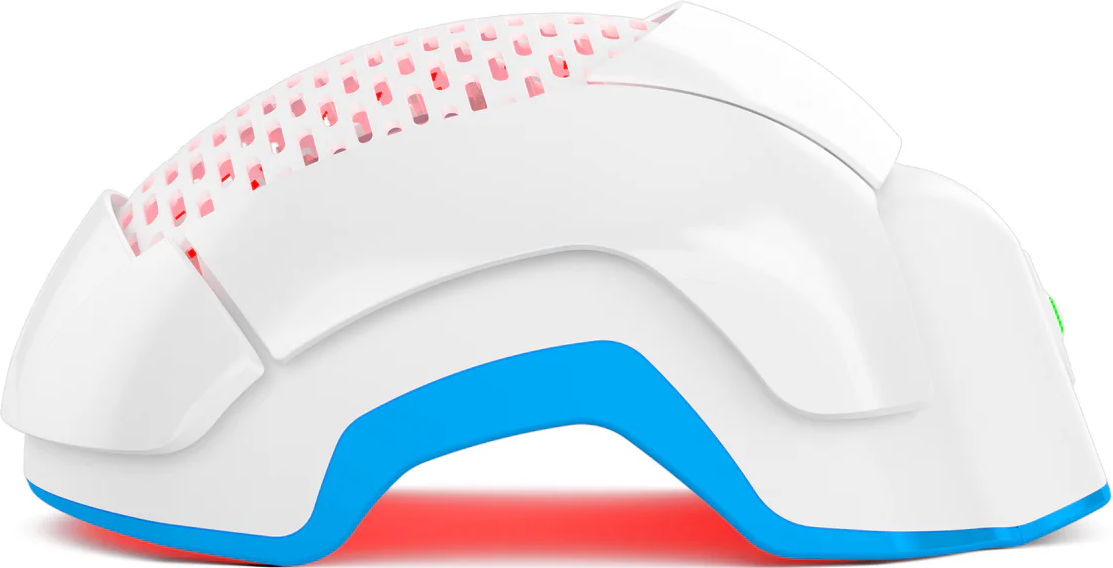
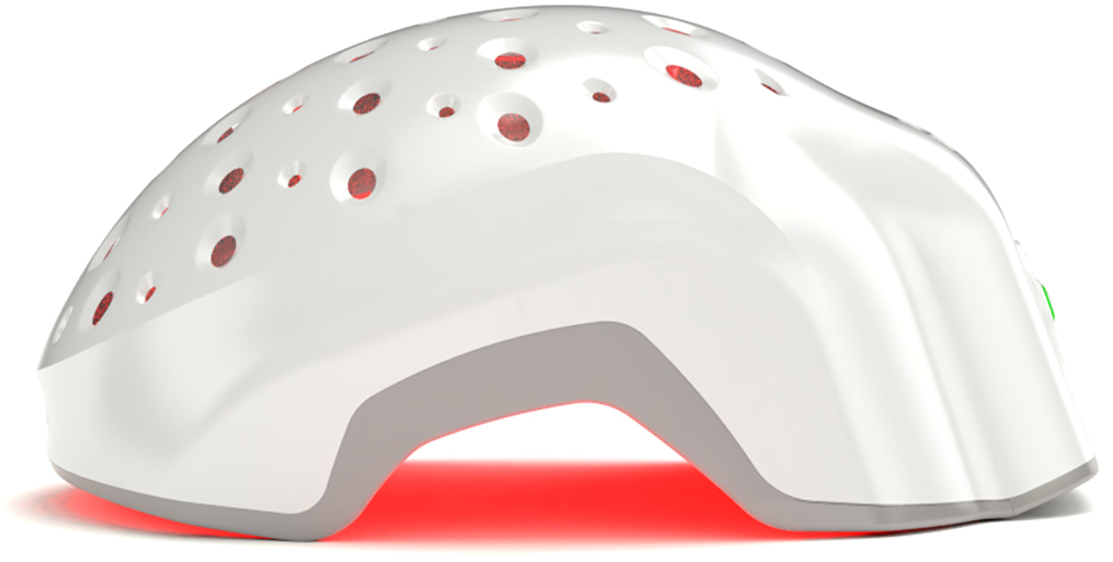
If thinning is androgenetic alopecia, the goal is usually to slow progression, support thicker existing hair where possible, and preserve density early. Evidence-based options may include Laser Phototherapy, selected clinician-guided therapies for women, or hair transplant in selected stable cases.
This is where diagnosis matters. A lot of wasted money begins with treating the wrong problem very confidently.
Where does Laser Phototherapy fit if hair is thinning?
Laser Phototherapy fits best when thinning appears to be pattern hair loss, not when hair is shedding temporarily after a clear trigger.
What Laser Phototherapy is
Laser Phototherapy, or LPT, is a non-invasive light-based approach used in the pattern hair-loss conversation. It uses low-level, non-heating light energy rather than cutting or burning lasers. In hair-loss research, this category is often referred to as low-level laser therapy or low-level light therapy. Reviews describe LLLT as a treatment category studied for androgenetic alopecia in men and women.
The word “laser” can sound a bit sci-fi. Fair. But medical lasers are not one single thing. FDA laser safety guidance separates laser classes by risk, and Class 3R lasers can be low risk when used appropriately, though direct unsafe viewing can still be hazardous depending on power and beam area.
So, follow device instructions. Do not freestyle with lasers. Obvious, but we are saying it anyway.
Can thinning hair grow back?
Sometimes. It depends on the cause, how long it has been happening, and whether the follicle is still capable of producing healthy hair.
Temporary shedding often improves when the trigger settles
Telogen effluvium often improves once the body recovers or the trigger is corrected, although density can take months to look better. Telogen effluvium is temporary hair loss after a shock while new hair continues to grow, and it often follows a stressor and can involve much more shedding than usual.
The waiting part is unpleasant. Very.
But temporary shedding is not the same as follicles shutting down forever.
Breakage can look better as healthier hair grows in
If the issue is breakage, the follicle may still be producing hair. The visible problem may be damaged length, snapped ends, fragile strands, or hairline stress from tension. Reducing heat, chemical overlap, rough handling, and tight styles can help prevent new breakage, while the damaged hair gradually grows out or gets trimmed. AAD’s traction guidance supports reducing tension-heavy styles to prevent traction-related loss.
Hair recovery in this case is very unromantic. Boring consistency actually.
Pattern hair loss can often be managed, but usually needs consistency
With androgenetic alopecia, “grow back” is more complicated. Some people improve with evidence-based treatment, some mainly slow progression, and some respond modestly.
With pattern hair loss, the earlier the conversation starts, the more realistic the control plan tends to be.
What should you avoid if your hair is thinning?
This part might save someone a drawer full of regret.
Avoid panic-buying random hair vitamins
If a deficiency is present, correcting it can matter. If there is no deficiency, random supplementation is often a detour. Biotin is especially over-marketed for hair. A 2017 review found reported benefit mainly in people with established deficiency or other underlying conditions, and a nutrition review notes limited information supporting biotin for hair growth in the absence of deficiency.
Avoid tight or repetitive tension on fragile areas
If your edges, temples, crown, or part line are already stressed, repeated tight styles can make things worse. Tight braids, locs, buns, ponytails, extensions, weaves, and similar styles as traction alopecia risks when they pull on the hair.
Gentler does not mean boring. It means your follicles are not being held hostage for aesthetics.
Avoid rough handling when hair is already fragile
Aggressive detangling, repeated high heat, chemical overlap, tight elastics, and harsh brushing can worsen breakage. If the hair shaft is already fragile, treating it like rope is… ambitious. Not wise, but ambitious.
Breakage can mimic thinning, so reducing shaft damage can make the hair look fuller even when the follicle was never the main issue. Traction and mechanical stress are recognized contributors to certain hair-loss and breakage patterns.
Avoid waiting forever if the pattern is progressing
If your part keeps widening, crown keeps showing, temples keep receding, or density keeps dropping in the same pattern, waiting another year may cost you time. Pattern hair loss can progress, and treatments often work best when follicles are still producing hair. Androgenetic alopecia may progress to baldness, and AAD recommends identifying the cause early enough to guide treatment.
When should you see a dermatologist or hair-loss specialist?
See a dermatologist or qualified hair-loss clinician if the thinning is progressive, sudden, patchy, painful, inflamed, scaly, crusted, or emotionally heavy enough that it is starting to run your day from the bathroom mirror.
That last one counts.
See someone sooner if the loss is sudden, patchy, painful, inflamed, or scarring-looking
Patchy hair loss can point toward alopecia areata, tinea capitis, traction, trichotillomania, or other conditions. Alopecia areata, tinea capitis, and trichotillomania as common causes of patchy hair loss, while diffuse hair loss is commonly associated with telogen or anagen effluvium.
Burning, tenderness, pustules, crusting, redness, scaling, or shiny smooth areas should not be brushed off. Some inflammatory or scarring conditions can permanently damage follicles if not managed early.
Get help if thinning is progressive or emotionally heavy
Hair loss can affect confidence, social comfort, and self-image. Hair loss can affect appearance, self-esteem, and self-confidence, which is one reason people seek treatment.
You do not need to prove that your distress is “serious enough.” If you are taking eight scalp photos before breakfast, the concern is already taking up space.
What a professional may check
A clinician may review your medical history, family history, medications, nutrition, recent illness, childbirth, stressors, styling habits, and scalp symptoms. They may examine your scalp, perform a hair pull test, order blood work, use dermoscopy or trichoscopy, or perform a biopsy if scarring alopecia is suspected. Mayo Clinic lists blood testing, pull testing, scalp biopsy, and light microscopy as possible parts of hair-loss diagnosis. NICE CKS also recommends considering thyroid function, full blood count, ferritin, and vitamin D testing in relevant cases.
The goal is not to make the process intimidating. It is to stop guessing.
Quick self-check: Is it thinning, shedding, breakage, or pattern hair loss?
Use this as a 60-second pattern check. Not a diagnosis. A map.
Ask yourself:
-
Did the change happen suddenly or slowly?
-
Is the thinning all over, or mostly at the temples, crown, or part line?
-
Are the hairs long with tiny bulbs, or short and snapped?
-
Did something major happen two to four months ago?
-
Is your scalp itchy, sore, red, flaky, crusted, or shiny?
-
Is there family history of pattern hair loss?
-
Are tight hairstyles, extensions, heat, bleach, or relaxers involved?
-
Does the same area look thinner in photos over time?
-
Is the crown more visible?
-
Is the part widening?
If your answers point to sudden diffuse shedding after a trigger, think telogen effluvium and get evaluated if it is heavy, prolonged, or unclear. If your answers point to gradual temple, crown, or part-line change, think pattern hair loss and act earlier. If you see short broken pieces, think breakage or traction. If the scalp is angry, get help.
Conclusion
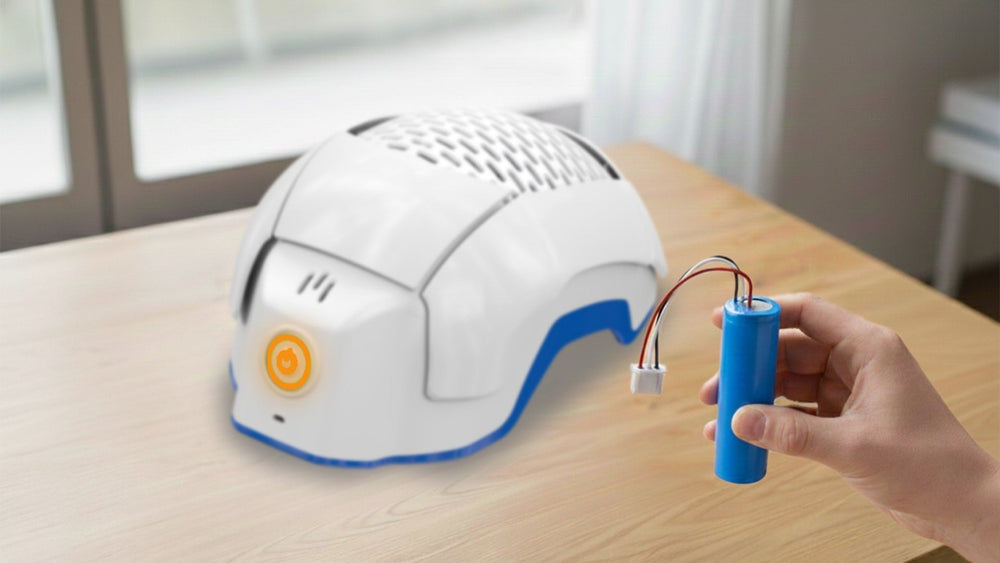
Thinning hair is a clue, not a verdict. Sometimes it points to temporary shedding, breakage, traction, scalp inflammation, or a medical trigger. Other times, especially when the change is gradual and patterned, it may point to androgenetic alopecia. The smartest move is not panic-buying another bottle for the bathroom drawer. It is noticing the pattern, checking the timeline, and getting the cause right. For pattern hair loss, options such as FDA-cleared Laser Phototherapy devices (like Theradome) may fit into a longer-term control plan. For temporary shedding, the trigger comes first.
The scalp is not trying to ruin your week.
It is asking for a better read.