





Pomade does not usually cause true hair loss directly. It is not known to cause genetic pattern hair loss, DHT-driven baldness, or follicle miniaturization by itself. But pomade can still be part of the problem if it irritates your scalp, causes hairline bumps, builds up heavily, makes hair snap during styling, or helps hold tight styles that pull at the hairline. The American Academy of Dermatology warns that long-lasting hold styling products can cause breakage when hair is combed after application, and DermNet describes traction alopecia as hair loss from repeated or prolonged tension on scalp hair.
Does Pomade Cause Hair Loss?
Pomade usually does not directly cause hair loss.
Most everyday pomades do not create male pattern baldness, female pattern hair loss, or androgenetic alopecia from thin air. Androgenetic alopecia is a progressive pattern hair loss condition linked to follicle miniaturization and androgen sensitivity, not a known consequence of putting styling product on your hair. Current treatment guidance describes androgenetic alopecia as a distinct medical condition with its own treatment pathway.
But.
Pomade can still make your hair situation look suspiciously worse. Heavy product can flatten hair, separate strands into greasy little groups, sit on the scalp, irritate sensitive skin, trigger breakouts along the hairline, or make hair break when you comb through it too aggressively. So no, pomade is usually not the main baldness villain. It can, however, be the messy roommate who keeps leaving evidence everywhere.
When people ask, “Does pomade cause hair loss?” they often mean five different things at once.
They may be seeing more hair in the shower. Or short broken pieces on the sink. Or tiny bumps around the temples. Or a hairline that suddenly looks like it has taken one cautious step backward. Different signs, different causes.
Pomade can indirectly contribute to hair and scalp problems through scalp irritation, allergic contact dermatitis, irritant contact dermatitis, acne-like bumps, follicular inflammation, product residue, rough wash-out habits, mechanical breakage, and tight styling. Hair-care products are documented causes of allergic and irritant contact dermatitis, and pomade acne has been described in dermatology literature for decades.
So the better question is not just “Does pomade cause hair loss?” It is: what kind of hair problem are you actually seeing?
That is where the answer gets useful.
What Is Pomade, Exactly?
Pomade is a styling product used for hold, shine, slickness, texture, control, or that “I definitely tried, but not too hard” look. Depending on the formula, it may be oil-based, petroleum-heavy, water-based, waxy, clay-based, gel-like, matte, glossy, scented, or some hybrid that looks innocent until shampoo night.
And that matters.
A light water-based pomade that rinses easily is not the same scalp event as a heavy oil-based formula layered for three days, slept in, brushed through, and then attacked with frantic shampooing. Same product category. Very different consequences.
The ingredient list matters too. Fragrance, preservatives, dyes, essential oils, lanolin, waxes, petroleum-based ingredients, clays, alcohols, and strong-hold polymers can all behave differently depending on the scalp and hair type. Hair product allergy reviews note that hair-care items may contain allergens or irritants, including preservatives, fragrances, dyes, and other active or inactive ingredients.
Natural does not automatically mean gentle.
Poison ivy is natural too. Nobody wants it near their hairline.
Why formula and routine matter more than the label
The word “pomade” is too broad to blame by itself. What matters is how heavy the product is, how often it touches the scalp, how strongly it holds, how easily it washes out, whether your skin reacts to it, and whether you use it to hold styles that pull.
That last one gets ignored.
A product can be harmless on the shelf and still become a problem in a rough routine. A tiny amount warmed between your hands and applied lightly to the hair is one thing. A daily scoop rubbed into the scalp, combed until the hair begs for legal representation, then slept in? Different animal.
How Pomade Can Make Hair Look Thinner Without Causing Baldness

Sometimes pomade does not remove hair. It rearranges the hair you already have in a way that looks… frankly, rude.
Heavy or shiny formulas can flatten volume, separate strands, and make the scalp more visible between clumps. Fine hair, thinning hair, or curly hair that groups into heavier sections may look sparser after product application, even if the number of hairs has not changed.
This is styling optics, not necessarily follicle loss.
Still unsettling? Absolutely. Nobody enjoys discovering a new patch of visible scalp under bathroom lighting that seems designed by a villain. But visual thinning after pomade is often different from progressive hair loss.
Buildup can make the scalp feel worse
Product residue can sit on the scalp and skin near the hairline, especially when the formula is heavy, oily, or not washed out well. That residue can mix with sweat, sebum, dead skin, and environmental grime.
The concern is not that pomade “suffocates” your scalp. Hair follicles do not breathe like lungs. The cleaner concern is that buildup can increase irritation, make washing harder, leave hair feeling waxy, and contribute to bumps in people who are prone to acne-like reactions. Research on hair-care product residue notes that hair products can remain on nearby skin areas and may contribute to acne-prone zones.
A small distinction. But an important one.
Styling may reveal an existing pattern
Pomade can also expose hair loss that was already happening.
A slicked style may show temple recession. A shiny product may reveal crown thinning. A wet-look finish may make a widening part look wider. The pomade did not necessarily cause the change. It may have simply turned the lights on.
That is why pattern matters. Gradual temple recession, crown thinning, or a widening part may point toward androgenetic alopecia rather than product damage.
Can Pomade Clog Hair Follicles?
People say pomade “clogs follicles” all the time. The phrase is understandable, but a bit clumsy.
What usually happens is not a follicle being sealed shut like a blocked drain. The more accurate issue is that heavy products can sit on the scalp and surrounding skin, especially around the forehead, temples, and hairline. In acne-prone or sensitive people, that residue may contribute to comedones, bumps, irritation, or follicular inflammation.
So, no. Hair does not need air the way lungs do.
But your scalp skin can still get annoyed.
Pomade acne is real
Pomade acne is a documented acneiform eruption linked to oily or thick hair products that touch the skin. The classic “pomade acne” paper by Plewig, Fulton, and Kligman was published in Archives of Dermatology in 1970, and the condition is still referenced in dermatology discussions of acne in skin of color and hair-product residue.
It commonly appears where product migrates or sits: the forehead, temples, frontal hairline, and sometimes the neck or upper back if product transfers from hair, hats, pillows, or sweat.
Pomade acne is not the same as baldness. It is a skin reaction. Still, if the bumps itch, sting, or make you scratch, the whole area can become a little hostile to healthy hair handling.
And yes, that is annoying.
When bumps are not just “product buildup”
Tiny closed comedones are one thing. Painful bumps, pustules, crusting, spreading redness, warmth, or tenderness are another.
Folliculitis means inflammation of hair follicles, often showing as inflamed papules or pustules on hair-bearing skin. It can be infectious or noninfectious, and the right treatment depends on the cause.
If your scalp has painful bumps or pus-filled spots, do not keep layering pomade and hoping the situation gets bored. Get checked.
Can Pomade Irritate Your Scalp?
Yes, pomade can irritate the scalp in some people.
Hair-care products can cause irritant contact dermatitis or allergic contact dermatitis. In plain English, a product can either bother the skin directly or trigger an immune-style allergy response. A North American Contact Dermatitis Group analysis found that hair-care products may cause both allergic and irritant contact dermatitis, while a scalp-focused review notes that products applied to the hair and scalp contain many ingredients that can potentially cause reactions.
Symptoms can include itching, burning, redness, scaling, rash, swelling, tenderness, or irritation that spreads beyond the scalp to the ears, neck, eyelids, or face.
That last bit matters. If your scalp product somehow makes your eyelids angry, it may not be “just dryness.”
Ingredients that may bother sensitive scalps
Fragrance is a common suspect. So are certain preservatives, dyes, surfactants, botanical extracts, essential oils, and other formulation ingredients. A 2024 review on hair product allergy discusses allergens across hair products and notes that people may react to ingredients used for fragrance, preservation, coloring, cleansing, or texture.
The tricky part is… you can react to a product you liked at first.
Allergic reactions can appear after repeated exposure. Your scalp may tolerate a formula for a while, then suddenly start acting like you betrayed it in a group chat.
This is why “I have always used pomade” does not automatically clear it. It helps the detective work, but it does not close the case.
What to do if your scalp burns, itches, or flakes after pomade
Pause the product. Wash gently. Do not scratch like you are trying to file a complaint with your fingernails.
Keep the ingredient label, especially if the reaction repeats. A dermatologist may recommend patch testing when allergic contact dermatitis is suspected, because patch testing can help identify specific allergens in hair-care products.
If symptoms are mild and stop quickly after you quit the product, good. If they persist, spread, ooze, crust, or return every time you use the product, get medical help.
Simple. Not always fun.
Can Pomade Cause Hair Breakage?
This is one of the most important distinctions in the whole article.
Hair shedding means a hair comes out from the follicle. Breakage means the hair shaft snaps somewhere along its length. Both can end up in your sink. Both can feel like betrayal. But they do not mean the same thing.
Short, uneven pieces usually suggest breakage. Full-length hairs with a small bulb at one end suggest shedding from the root. That is not a perfect diagnosis, but it is a useful first clue.
Hair cosmetics research describes how grooming, friction, chemical exposure, weathering, and combing forces can damage the hair fiber. Conditioners help partly because they reduce friction and combing forces.
Strong-hold pomade plus aggressive combing is the risky bit
The American Academy of Dermatology specifically warns that styling products with long-lasting hold can cause hair to break when you comb after applying them, and that this can lead to hair loss over time.
That fits pomade users perfectly.
If the product hardens, stiffens, or grips the hair, combing through it can stress the shaft. Add repeated brushing for waves, slicking hair back tightly, reworking dried product, or forcing a comb through tacky hair at 7:42 a.m. while already late, and suddenly the hair shaft is taking small daily beatings.
If your comb makes that crunchy, resistant sound, pause. Your hair is not being “styled.” It may be negotiating.
Washing out heavy pomade can also cause rough handling
Heavy pomade can be stubborn. That can lead to extra shampooing, harsher scrubbing, tangled hair, and impatient detangling.
The fix is not to strip the scalp raw. Use a gentle cleansing routine, clarify only when buildup actually calls for it, and condition afterward so the hair has slip. Hair cosmetic reviews support conditioners for reducing friction and improving combability, which is exactly what fragile or product-coated hair needs.
Who is more vulnerable to pomade-related breakage?
Fine hair can look flat and sparse with heavy products. Bleached or chemically treated hair is often more fragile. Curly and coily hair can be more prone to dryness and mechanical breakage, especially when stiff product is brushed or combed through without enough slip.
Already thinning hair also gives pomade less room to hide mistakes.
That does not mean textured hair users, wave users, slick-back lovers, or pomade loyalists must throw every jar into the bin. It means the routine needs respect. Less tugging. Less scalp rubbing. Less “let me just force this part into place.”
Your hair is not a stubborn drawer.
Can Slicked-Back Pomade Styles Cause Traction Alopecia?
Pomade does not grow tiny hands and yank your follicles. The problem is tension.
Traction alopecia happens when hair is exposed to repeated or prolonged pulling. Traction alopecia is acquired hair loss caused by prolonged or repetitive tension on scalp hair, and AAD warns that tightly pulled hairstyles can lead to hair loss.
Pomade can become part of the routine because it helps hold hair in tight slick-backs, ponytails, buns, waves, braids, edge-control looks, and polished styles that keep the hairline under tension. The product is not always the main issue. The pulling often is.
Remember that messy roommate line from earlier? This is where it moves furniture.
Early signs of traction alopecia
Early traction alopecia can show up as tenderness, itching, small bumps, broken hairs, thinning at the temples, thinning at the nape, or a hairline that looks less dense in the exact spots your style pulls hardest. Traction alopecia can follow repeated tension and may become scarring if the pulling continues.
One common clue is soreness after styling. If your scalp hurts, it is not being dramatic. Pain is information.
Also, check the pattern. Hair loss from traction often follows the style. Tight ponytail? Front and temples. Tight braids? Margins and part lines. Tight bun? Tension points. Repeated slick-back? Hairline quietly pays the bill.
Why edges and temples need extra respect
Edges are fragile real estate.
They get brushed, gelled, laid, tied down, smoothed, re-smoothed, then judged under bright bathroom light. For textured hair and Black hair-care routines especially, this can be a delicate conversation. The point is not to shame the style. Beauty routines are personal. Cultural. Sometimes practical. Sometimes the only thing standing between you and a deeply unserious Monday.
The point is tension management.
Johns Hopkins has discussed research linking certain hairstyling practices, especially styles with constant pulling or tight locking patterns, to traction alopecia among African American women.
So yes, keep the look if you love it. Just do not make the hairline carry the whole aesthetic like unpaid staff.
When traction can become permanent
Early traction alopecia may improve if the pulling stops early enough. Chronic tension, however, can damage follicles and may lead to scarring hair loss. Traction alopecia can become permanent in later stages, and AAD warns that repeated pulling over time can lead to lasting hair loss.
That is the part worth taking seriously.
Not panic. Action.
Loosen styles. Rotate tension points. Give the edges rest days. If there are smooth shiny areas, tenderness, persistent thinning, or loss of follicle openings, get a dermatologist involved.
Can Pomade Make Dandruff or Seborrheic Dermatitis Worse?
Pomade is not usually the root cause of dandruff or seborrheic dermatitis.
Seborrheic dermatitis is a common inflammatory skin condition that often affects oily areas such as the scalp. Medicated shampoos containing ketoconazole, ciclopirox, selenium sulfide, zinc pyrithione, coal tar, and salicylic acid are treatment options for scalp seborrheic dermatitis.
Pomade can still make the situation feel worse. Heavy product may trap residue, make the scalp feel greasier, make flakes cling, and make cleansing less effective if it is not washed out well.
So pomade may aggravate a flaky scalp routine. It probably did not invent the condition.
Heavy products can make a flaky scalp feel greasier and itchier
If you already have dandruff or seborrheic dermatitis, heavy pomade can turn mild scalp irritation into a small opera.
Grease plus scale plus sweat plus product residue is not exactly a spa day. It can make flakes more visible, increase the urge to scratch, and make hair feel coated even after shampooing.
A comprehensive review of seborrheic dermatitis and dandruff describes them as common scalp conditions with inflammatory and microbial factors, not simply poor hygiene.
That distinction matters. You are not “dirty.” Your scalp may just need the right care and fewer heavy layers sitting on top of it.
When to switch products or pause pomade
Pause pomade if itching, burning, redness, greasy scale, bumps, or flakes clearly worsen after use.
A lighter, fragrance-free, easier-rinse formula may be kinder. If seborrheic dermatitis is active, medicated shampoo may be needed. If the scalp is raw, painful, crusted, or not improving, see a dermatologist instead of adding another product and hoping for a miracle.
Hope is nice.
Dermatitis does not care.
Is It Pomade Damage or Another Type of Hair Loss?
Breakage often looks like short, uneven pieces. You may notice snapped hairs around the front, rough texture, frizz, or little broken bits after combing.
This often happens when hair is stiff from product, brushed too hard, washed roughly, or already weakened by bleaching, heat, chemical treatments, dryness, or friction. AAD’s guidance on long-lasting hold products and combing-related breakage is especially relevant here.
If the hair is breaking, the follicle may still be alive and producing hair. The shaft is just not surviving the routine.
Traction alopecia
Traction alopecia tends to show up where the hair is repeatedly pulled. Temples, edges, nape, and tight part lines are common danger zones.
Look for soreness after styling, bumps around pulled areas, broken hairs at the hairline, or thinning that follows your hairstyle. Tight hairstyles and repeated tension are traction alopecia triggers.
Pomade may be involved if it helps hold the tight style in place. But again, the tension is usually the bigger issue.
Androgenetic alopecia
Androgenetic alopecia usually looks more patterned and progressive.
In men, it often affects the temples and crown. In women, it may show as central thinning or a widening part, though patterns vary. Current medical guidance describes androgenetic alopecia as a common hair-loss condition involving follicle miniaturization, not a styling product injury.
If your thinning keeps advancing even after you stop pomade, loosen styles, and calm the scalp, do not keep blaming the jar on the counter. The product may be innocent. Or only mildly guilty.
Pattern hair loss needs pattern-aware care.
Telogen effluvium
Telogen effluvium is diffuse shedding that often appears months after a trigger. Common triggers may include illness, major stress, surgery, childbirth, medication changes, or substantial diet shifts. Reviews note that shedding often appears around two to four months after the triggering event.
This timeline matters.
If you changed pomade five days ago and now see diffuse shedding, pomade is less likely to be the cause of true telogen shedding. It may cause irritation quickly, yes. But the hair cycle has its own clock, and it is not always polite.
Scalp dermatitis or folliculitis
If the scalp itches, burns, flakes, swells, oozes, crusts, or develops bumps, think skin reaction first.
Hair-care products can cause contact dermatitis, and folliculitis involves inflammation of the hair follicles. Both may need different management from simple hair breakage.
The scalp is skin. Obvious, yes, but strangely easy to forget when we are busy yelling at our hair.
How to Use Pomade Without Wrecking Your Hairline
Warm a small amount between your hands first. Then apply it mostly to the surface, mid-lengths, or ends, depending on the style.
Try not to grind it directly into the scalp, especially if you already have dandruff, bumps, broken skin, itching, or tenderness. Your scalp does not need to be buttered like toast.
A light touch goes a long way.
Use less product than your anxiety wants
Start with less than you think.
A pea-sized amount may be enough for shorter hair. Longer or thicker hair may need more, but add slowly. Pomade is one of those products where “just a bit more” can become “why does my forehead look laminated?” very quickly.
If your hair only holds when it is plastered down, the style may be asking for more tension than your hairline should pay for.
Do not comb through stiff, dried product
This is where a lot of damage sneaks in.
If pomade has dried, hardened, or made the hair tacky, forcing a comb through it can snap fibers. Combing after applying long-lasting hold styling products can break hair and may lead to hair loss over time.
If you need to restyle, soften the hair first. Add a little water if the formula allows. Work slowly. Use a wider-tooth comb when appropriate.
Wash out heavy pomade properly
Heavy pomade should not live rent-free on your scalp all week.
Wash regularly enough to remove residue without scrubbing your scalp into a grievance. For oil-based or waxy formulas, you may need a more thorough cleanse. Clarifying shampoo can help with buildup, but using it too often may leave some hair types dry or brittle. Follow with conditioner to reduce friction and improve combability.
And let’s correct a popular phrase: you are not washing so the scalp can “breathe.” You are washing to remove residue, reduce irritation risk, and make hair easier to handle.
Much better.
Loosen tight styles
If a slicked-back style hurts, loosen it.
If your edges sting after styling, ease up. If your temples feel sore after waves, tight ponytails, buns, braids, or durag pressure, your scalp is giving you free data.
AAD recommends wearing hair loosely pulled back and trying styles that do not pull on the hair.
Free data. Listen to it.
Clean your tools and pillowcases
Pomade does not stay politely where you put it.
It gets on combs, brushes, durags, hats, helmets, pillowcases, hands, and forehead skin. If you are acne-prone or scalp-sensitive, that residue can keep reappearing even after you switch products.
Wash the tools. Change the pillowcase. Clean the hat lining.
What Should You Do If You Think Pomade Is Causing Hair Loss?
Pause the product for two to four weeks
Stop the suspected pomade for a short trial period. Two to four weeks is often enough to notice whether itching, bumps, greasy residue, or breakage improves.
Do not switch five products at once. That turns your scalp into a poorly run experiment.
Change one thing. Track what happens.
Take photos instead of trusting bathroom panic
Bathroom panic is a terrible data scientist.
Take photos in the same lighting, same angle, same distance. Once weekly or monthly is enough. Focus on temples, hairline, crown, part line, and any irritated scalp areas.
Hair changes slowly. Anxiety checks every 11 minutes. They are not the same schedule.
Check the type of hair you are losing
Look at what is actually coming out.
Short fragments suggest breakage. Full-length hairs with a tiny bulb may suggest shedding. Bumps, rash, itch, or burning suggest scalp irritation. Thinning that follows a tight style suggests traction. Gradual crown or temple changes may suggest androgenetic alopecia.
Save the ingredient label
If you suspect irritation or allergy, keep the product name and ingredient list. Take a photo before you throw it away in righteous anger.
A dermatologist may use that information when considering allergic contact dermatitis or patch testing. Reviews on scalp allergic contact dermatitis emphasize that hair products can contain many potential allergens.
See a dermatologist if symptoms persist
See a dermatologist if you have rapid shedding, bald patches, pus-filled bumps, crusting, pain, bleeding, spreading rash, shiny smooth patches, or thinning that keeps progressing after routine changes.
Effective treatment starts with finding the cause, and dermatologists evaluate hair loss through history, exam, and testing when needed.
There is no prize for guessing wrong for six months.
What Actually Helps If the Problem Is Real Hair Loss?
If your issue is breakage, the answer is not a hair-growth treatment first. It is damage control.
Use less stiff hold. Avoid combing through hardened product. Reduce rough brushing. Cleanse without scalp warfare. Condition after washing. Treat fragile hair like fabric you actually like.
Hair conditioners help reduce friction and combing forces, which can support easier handling and less mechanical stress on the fiber.
If it is traction, remove the tension early
If the issue is traction, the fix starts with tension relief.
Loosen the style. Rotate parts. Avoid painful slick-backs. Give edges breaks. Reduce tight buns, high-tension ponytails, tight braids, heavy extensions, and repeated hard brushing. This matters because traction alopecia can become more difficult to reverse if it progresses to scarring.
The earlier you act, the more forgiving the hairline tends to be.
If it is scalp irritation, treat the scalp first
If your scalp is inflamed, itchy, burning, flaky, or bumpy, treat the skin problem before trying to style over it.
That may mean stopping the product, switching formulas, using a dermatologist-recommended dandruff or seborrheic dermatitis treatment, or getting evaluated for contact dermatitis or folliculitis. DermNet lists medicated shampoo options for seborrheic dermatitis, including ketoconazole, ciclopirox, selenium sulfide, zinc pyrithione, coal tar, and salicylic acid.
Do not decorate a fire alarm.
Find out why it is ringing.
If it is androgenetic alopecia, product changes are not enough
If the real issue is androgenetic alopecia, switching pomade may improve how the hair looks or feels, but it will not treat follicle miniaturization by itself.
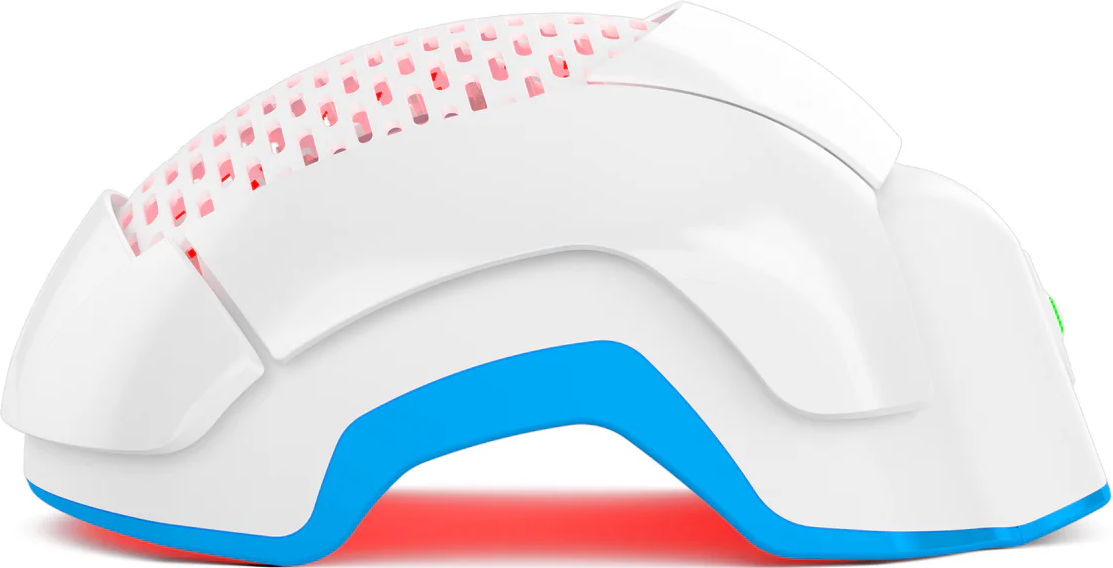
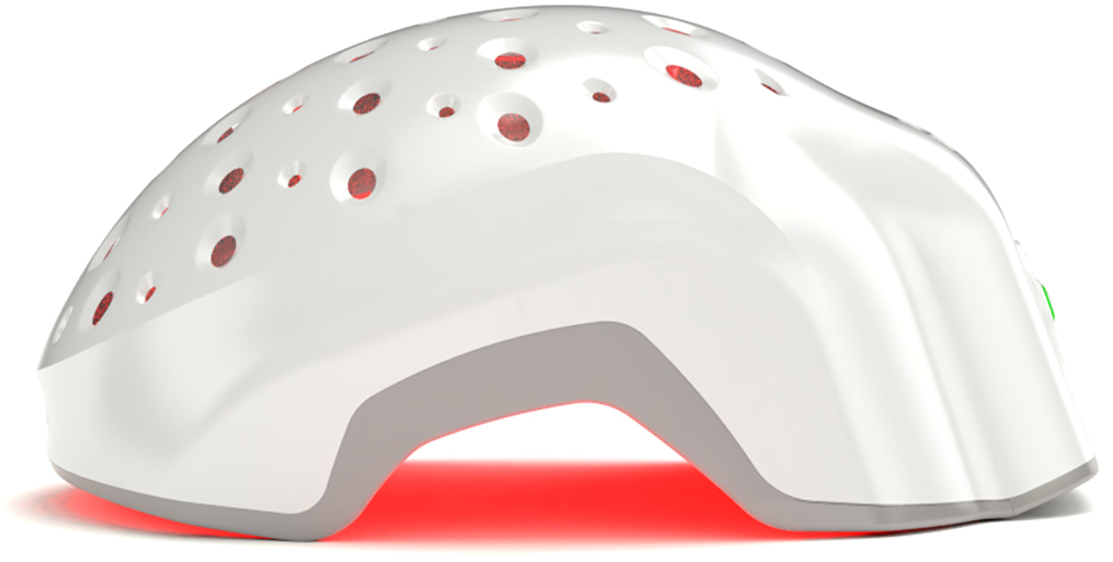
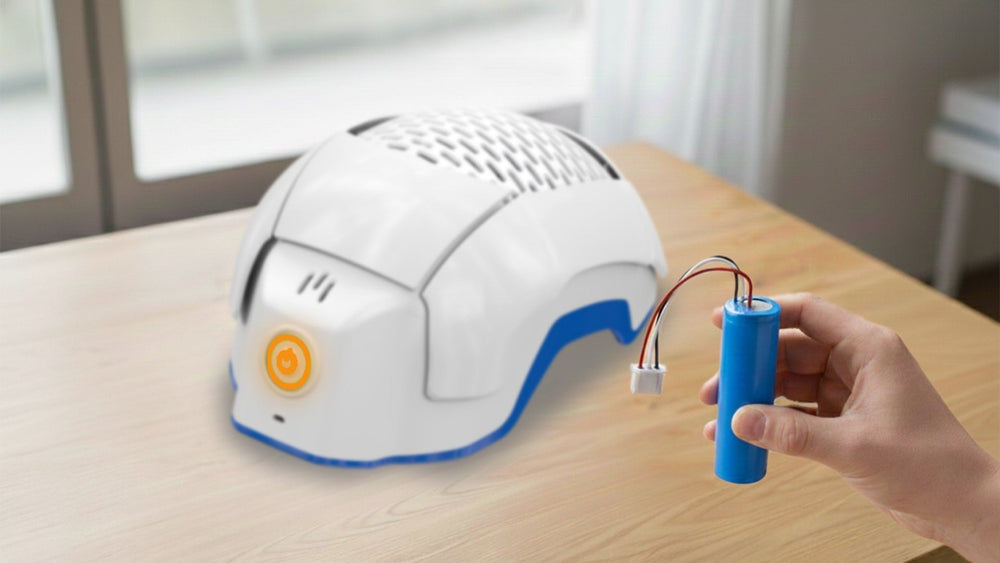
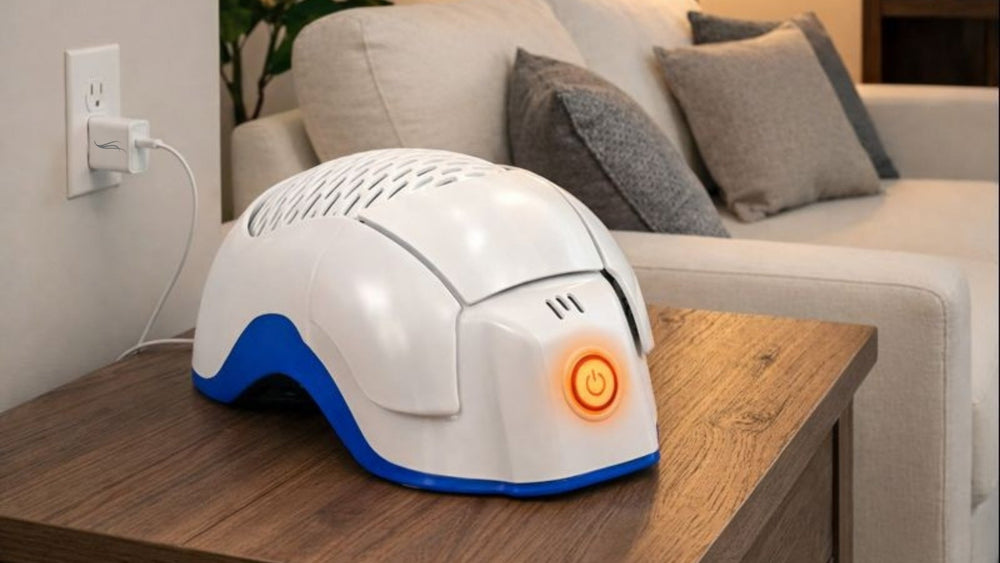
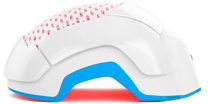
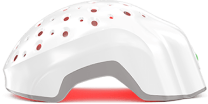
Evidence-based options for androgenetic alopecia include topical minoxidil and clinician-guided therapies. Current guidance notes that minoxidil and finasteride remain core FDA-approved medical treatments, while light-based devices have evidence in pattern hair loss studies.
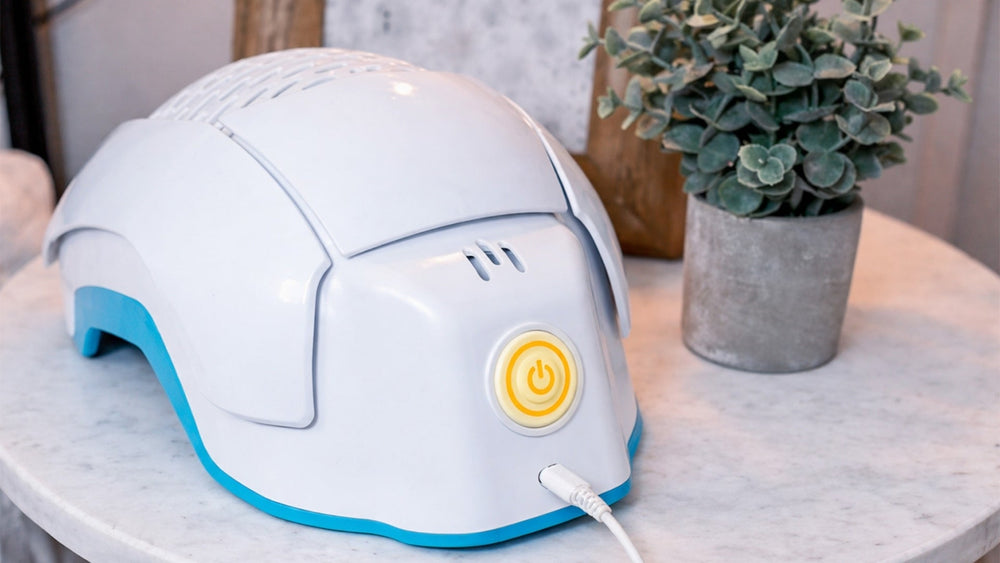
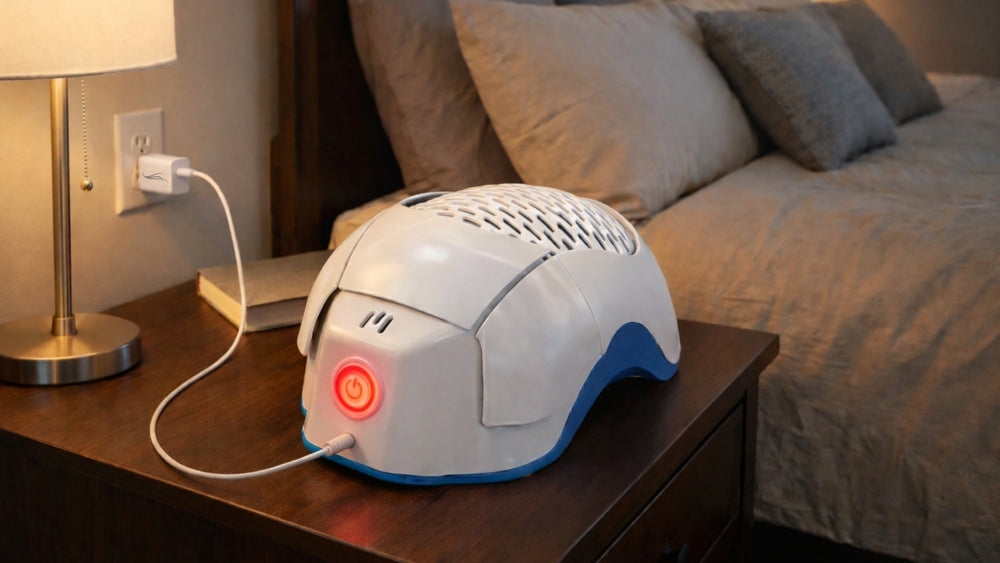
Research on low-level light or laser therapy devices for pattern hair loss suggests that FDA-cleared home-use devices can improve hair density compared with sham devices in randomized trials, though study designs and device types vary.
Why diagnosis matters before blaming your pomade
The same complaint, “my hair looks thinner,” can come from wildly different causes.
Breakage needs gentler handling. Traction needs less pulling. Dermatitis needs skin care and sometimes allergen identification. Dandruff needs scalp-directed treatment. Androgenetic alopecia needs evidence-based hair-growth care. Telogen effluvium needs trigger tracking and time, depending on the case.
AAD’s guidance is plain: effective hair-loss treatment starts with finding the cause.
So before you sentence your pomade to life in the bin, check the pattern.
Conclusion
So, does pomade cause hair loss?
Usually, no. Pomade does not typically cause genetic pattern baldness or permanent hair loss by itself. But it can still stir up trouble through buildup, scalp irritation, pomade acne, rough combing, breakage, or tight styles that pull on the hairline.
The safest move is not panic. It is precision.
Use less product. Keep it mostly on the hair, not the scalp. Wash it out properly. Stop forcing combs through stiff hair. Loosen styles that hurt. And if thinning keeps moving forward, look beyond the pomade jar and get the cause checked.