





Jojoba oil can help hair feel softer, reduce some breakage, and make a dry scalp feel less irritated. What it has not been shown to do, at least not in good human clinical trials, is directly regrow hair, restart dormant follicles, or treat common medical causes of hair loss like androgenetic alopecia on its own.
Why Do People Keep Asking If Jojoba Oil Can Grow Hair?
Because hair loss makes perfectly sensible people a little… optimistic.
Not foolish. Just hopeful.
When your hair feels thinner, rougher, flatter, or suddenly more visible under bathroom lighting that should honestly be illegal, oils feel approachable. They are easy to buy, easy to try, and they don’t feel as intimidating as drug labels, clinic visits, or reading about androgenetic alopecia at 11:40 p.m. on your phone. That part is understandable. The problem is that “helpful for hair” and “proven to grow hair” are not the same thing at all. Dermatology sources are pretty consistent on this broader point: before you choose a treatment, you need to know whether you are dealing with breakage, excessive shedding, patterned thinning, inflammation, or something else entirely.
And oils blur that distinction.
A strand that breaks less can make your hair seem like it is growing better. A calmer scalp can make everything feel healthier. Hair that reflects light more evenly can look fuller. Those changes are real. They just are not the same as turning a miniaturized follicle back into a vigorous one. That is where a lot of jojoba talk gets wobbly.
What Do We Actually Mean by “Hair Growth”?
New follicle activity
When dermatologists and hair researchers talk about actual growth treatment, they are usually talking about follicle behavior. That means anagen support, miniaturization slowing, density improvement, or better shaft diameter over time. Hair itself grows through the anagen, catagen, and telogen phases, and medical treatments are judged by how they affect that cycle or the underlying cause of loss.
Thicker-looking strands
Sometimes a product coats the hair shaft, reduces roughness, smooths lifted cuticles, or makes strands clump less awkwardly. That can make hair appear thicker or more uniform. Useful? Sure. Follicle stimulation? No.
Less breakage
This is the one people often misread. If fewer hairs break along the mid-lengths or ends, you retain more visible length and the whole head can look healthier. That is not fake. It is just retention, not new growth. Jojoba makes more sense in this lane.
What Is Jojoba Oil… Really?

Jojoba comes from Simmondsia chinensis, and what we casually call “jojoba oil” is mostly a liquid wax ester, not a standard triglyceride-rich oil like many cooking or cosmetic oils. Reviews of jojoba chemistry describe it as being composed predominantly of wax esters, with smaller amounts of other components such as sterols and vitamins. That slightly odd chemistry is one reason jojoba is so popular in skin and hair formulations.
Its wax-ester profile is often described as being relatively similar to human sebum, at least compared with many other plant oils. That does not mean jojoba is some magical scalp decoder ring. It does mean it often behaves more like a lightweight, surface-friendly conditioning ingredient than a heavy, greasy one. In plain English, many people tolerate it well because it can soften and lubricate without feeling like a frying pan on the scalp.
Why Its “Sebum-Like” Nature Gets So Much Attention
Because it sounds scientific enough to be repeated endlessly… and because part of it is true.
Jojoba’s similarity to some sebum characteristics helps explain why it is used in cosmetics aimed at moisture balance and barrier support. That can be useful for a dry, tight, or mildly irritated scalp. What it does not prove is that jojoba normalizes oil output in a clinically meaningful way or that it reactivates follicles. Those are two very different claims, and the second one runs far ahead of the evidence.
Does Jojoba Oil Actually Grow New Hair?
Not based on the current evidence.
No good human randomized trials show that jojoba oil alone regrows hair in androgenetic alopecia, telogen effluvium, traction alopecia, or similar common hair-loss conditions. The literature around jojoba is much stronger on chemistry, topical tolerance, anti-inflammatory potential, and cosmetic use than on direct hair-regrowth outcomes.
That is the honest answer.
Could jojoba help the scalp environment feel better? Yes, that seems plausible and partly supported. Could it reduce breakage, dryness, and roughness? Also yes. But if someone is asking whether jojoba can restart a dormant follicle, reverse pattern hair loss, or function like laser phototherapy, the evidence says we should slow down and be more precise.
Why It Sometimes Feels Like It Works
Because people usually notice what they can see first.
Hair looks shinier. Ends feel less brittle. The scalp feels calmer. There is less roughness when detangling. Fewer broken bits in the sink. All of that can make a person say, quite sincerely, “My hair is growing better.” And in a practical sense, they may not be wrong. They are just describing retention and manageability, not necessarily new follicular growth.
Also, time confuses everything. Telogen effluvium often improves on its own once the trigger settles, and people commonly start oils, supplements, shampoos, and scalp rituals during that same window. Then recovery gets credited to the newest bottle on the shelf. Human nature. Hair forums are built on this.
What Jojoba Oil Actually Helps With
Scalp Dryness and Comfort
This is one of jojoba’s better arguments for itself.
Comprehensive reviews describe jojoba as an emollient with anti-inflammatory and topical-care potential. A 2024 ex vivo human skin study found that topically applied jojoba wax reduced inflammatory markers including IL-6, IL-8, and TNF-α in the model used. That does not prove clinical hair regrowth, but it does support the quieter claim that jojoba may help a mildly irritated scalp feel less reactive.
And sometimes quiet is enough.
If your scalp feels dry, tight, itchy, or simply unpleasant after washing, a light leave-on or pre-wash jojoba step may help with comfort. That is not dramatic. It is just useful.
Breakage Reduction
A study on chemically treated Afro-ethnic hair found that jojoba oil was among the conditioning agents with the best protective results in that setting, with evaluation focused on protein loss, combability, and traction to rupture. A broader 2024 review of plant-based cosmetic oils also supports jojoba’s place as a conditioning oil with moisturizing and protective cosmetic value.
So if your problem is not “my follicles have stopped working” but more “my hair keeps snapping before it can keep length,” jojoba may genuinely earn its shelf space.
Different issue. Different win.
Appearance of Thickness
A smoother hair surface reflects light differently, tangles less aggressively, and often sits better. That can make hair appear fuller even when follicle count has not changed. Cosmetic improvement is still improvement. It just should not be dressed up as a medical effect.
Mild Scalp Support
Jojoba may be a reasonable support ingredient in a scalp-care routine, especially where dryness and surface irritation are part of the picture. But it should not be framed as a primary treatment for seborrheic dermatitis, which is usually managed with medicated approaches such as ketoconazole, ciclopirox, selenium sulfide, zinc pyrithione, or similar scalp treatments depending on severity.
Common Jojoba Oil Claims… and What Holds Up
“It unclogs follicles”
Maybe in the loose, cosmetic sense that it can soften residue and sit more lightly than heavier products. But strong clinical evidence showing jojoba “unclogs follicles” in a way that regrows hair is not there. This is one of those claims that sounds neat, travels fast, and gets repeated long after its evidence ran out of breath.
“It stimulates growth”
Not convincingly shown in human trials for common hair-loss disorders. That is the blunt version. There are supportive scalp and conditioning signals in the literature, but not enough to present jojoba as a proven follicle stimulator.
“It balances oil production”
This one is partly plausible and partly overcooked. Jojoba’s chemistry may help explain why some people with combination scalp conditions tolerate it well. Still, “balances oil production” is not a settled medical outcome in the way internet beauty language often pretends. Better to say it may feel less heavy and may support surface comfort.
“Natural means safer and better”
Natural is a marketing category. It is not a medical verdict.
Jojoba is generally well tolerated, yes, but there is a documented case report of contact dermatitis from jojoba. So even the nice, desert-born, cosmetically elegant ingredient gets to be irritating sometimes. Skin does not read label poetry.
How Does Jojoba Oil Compare to Proven Hair Growth Treatments?
Minoxidil
Topical minoxidil has clinical evidence behind it and is recognized by dermatology sources as an option that can help some types of hair loss, especially early pattern loss. It is not perfect, and it is not instant, but it has a real evidence base for influencing hair growth outcomes. Jojoba does not sit in that same category. One works as a recognized treatment. The other works better as support care.
Finasteride
Finasteride addresses a hormonal mechanism relevant to androgenetic alopecia, particularly in many men. That puts it in a completely different lane from jojoba, which is a topical conditioning ingredient without evidence that it reverses androgen-driven miniaturization. Comparing them as if they are interchangeable is a bit like comparing a seat cushion to an engine repair. Comfortable, yes. Same job, no.
Laser Phototherapy
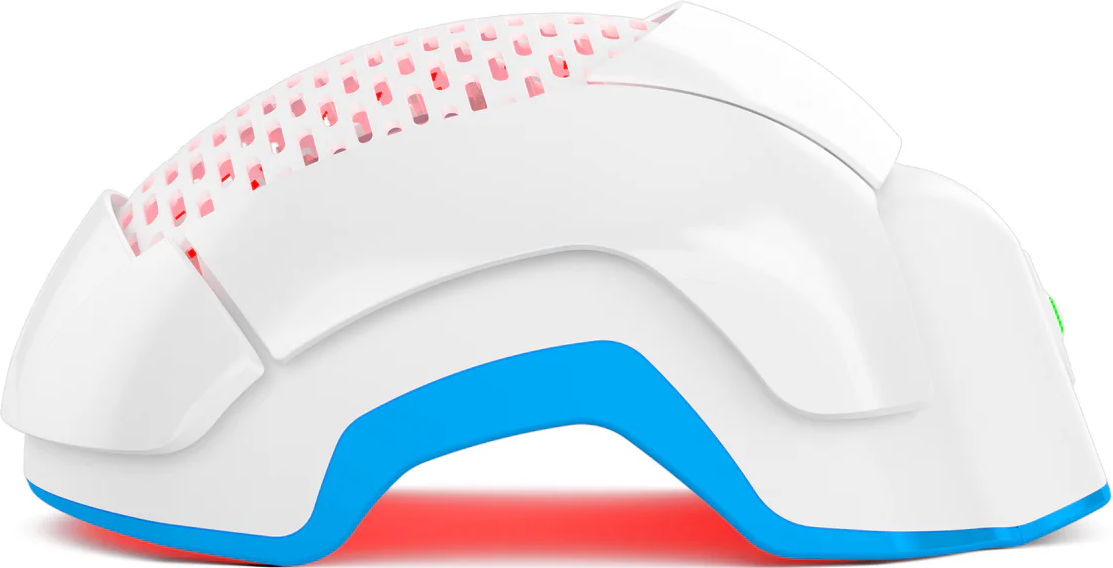
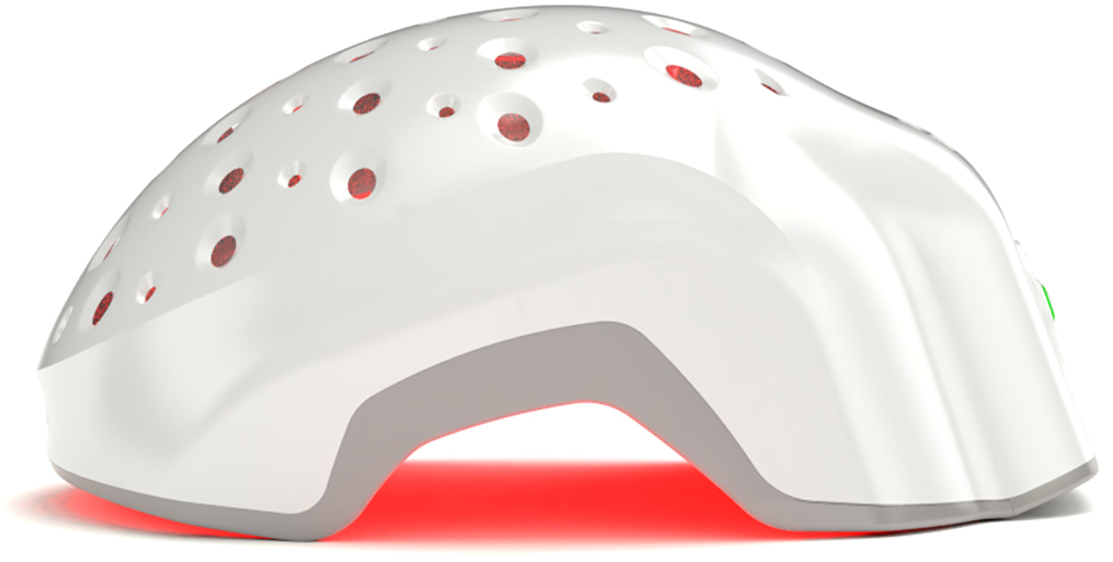
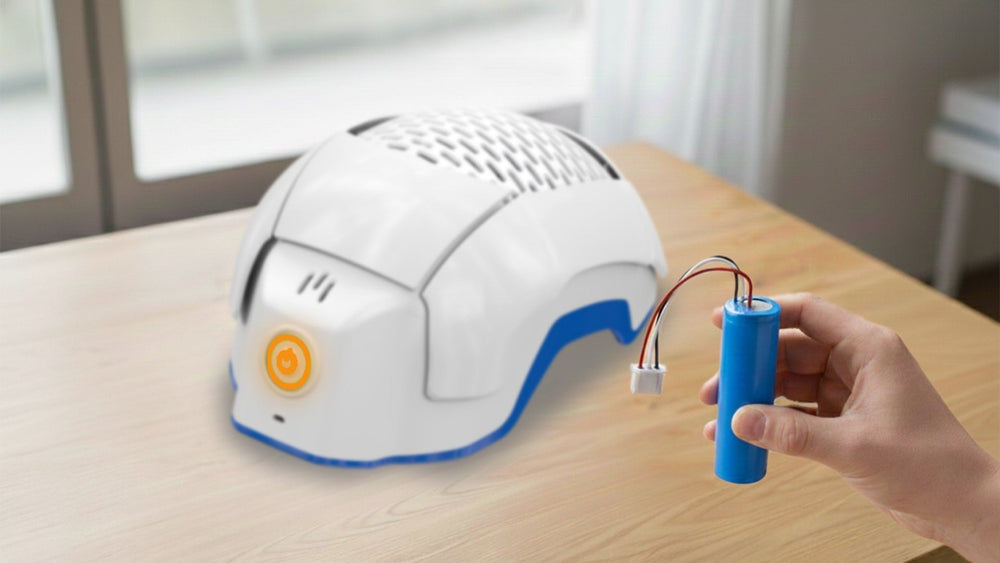
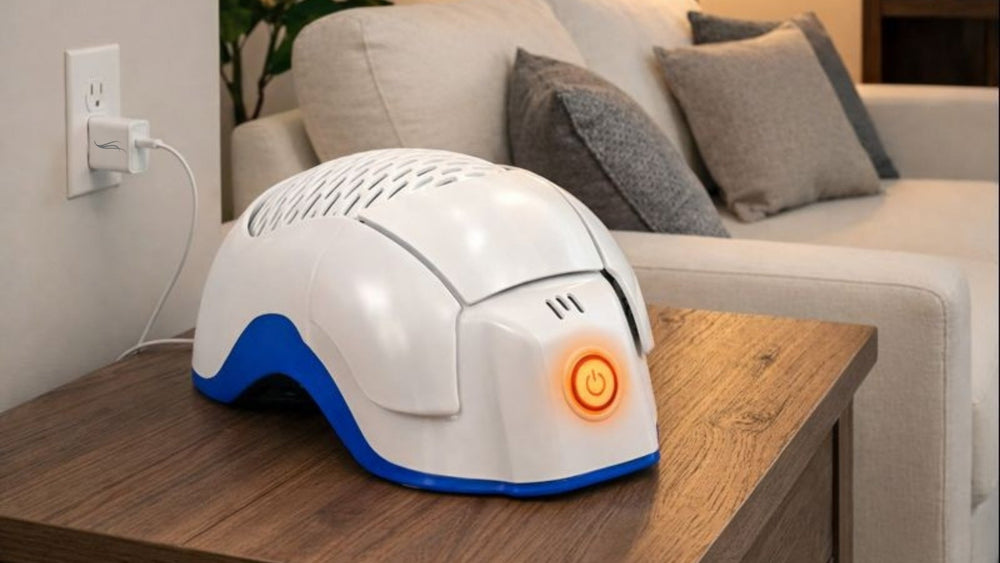
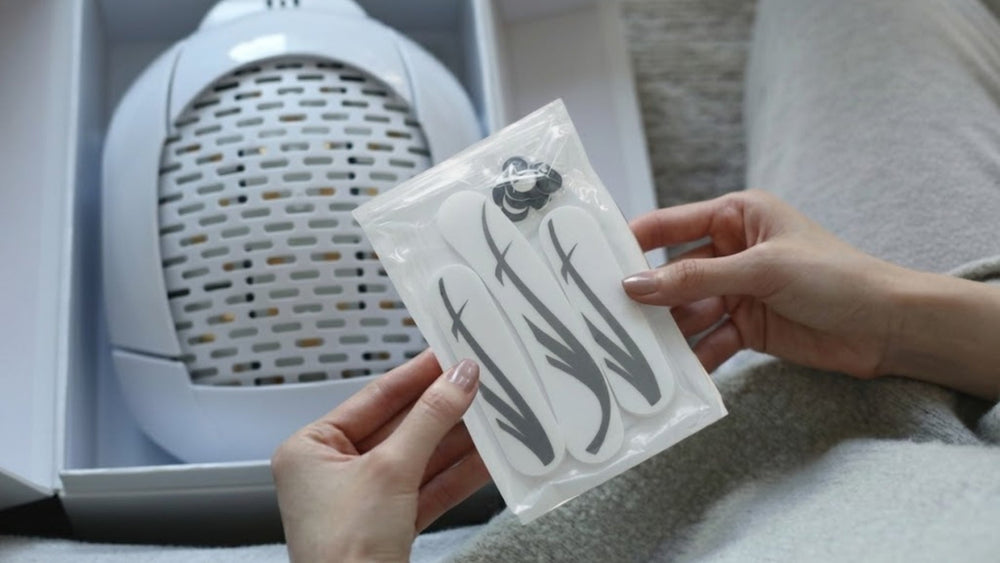
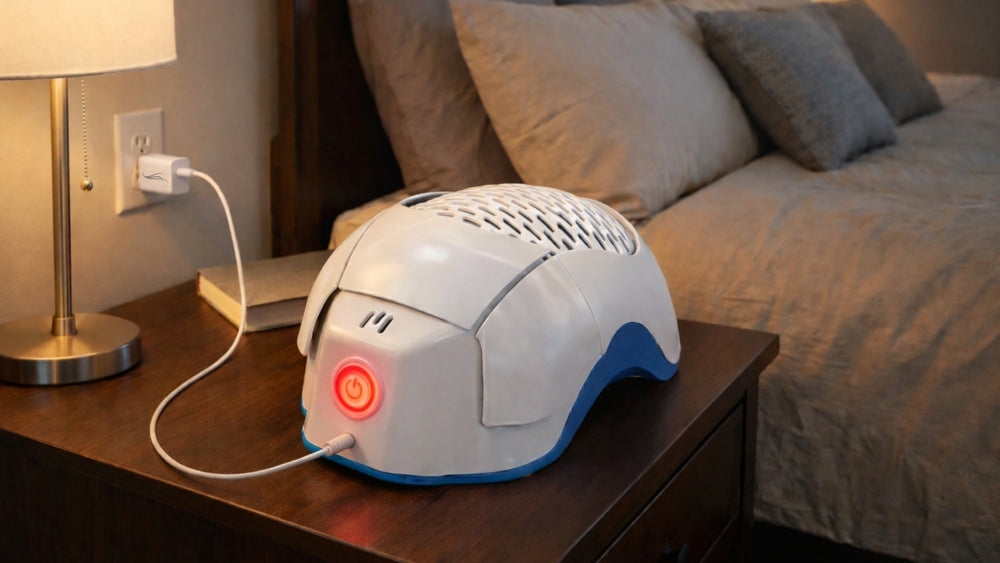
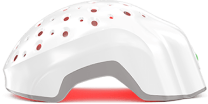
Low-level light therapy, or if you prefer the term we use more often, Laser Phototherapy (LPT), has a growing evidence base in androgenetic alopecia. Reviews and meta-analytic work suggest benefit for some patients, even though results vary and longer-term data are still being built out. The point here is not that every device is equal or that every scalp responds beautifully. It is that LPT is discussed in the medical hair-loss literature as an actual treatment modality. Jojoba is not.
When Should You Use Jojoba Oil… and When Should You Move On?
When jojoba makes sense
Jojoba can make sense when the main problems are dryness, roughness, breakage, tight-feeling scalp skin, or a general need for a lighter conditioning oil. It may also appeal to people with textured, fragile, chemically treated, or easily broken hair, where length retention matters just as much as anything happening at the root.
When it probably is not enough
If you are seeing a widening part, progressive temple recession, more scalp visibility over time, or ongoing shedding that does not settle, jojoba should not be your only plan. Pattern hair loss, telogen effluvium, traction alopecia, alopecia areata, and inflammatory scalp disease each have their own logic, and some need proper diagnosis early to avoid losing ground.
This is the point where many people keep oiling out of politeness to their own hope.
We get it. Still… if the problem is medical, the answer usually has to be medical too.
How Should You Actually Use Jojoba Oil?
Keep it simple.
A few drops on the scalp before washing can be enough for some people. Others prefer a tiny amount through mid-lengths and ends on damp hair to reduce roughness and friction. Either way, more is not automatically better. Too much can leave buildup, flatten fine hair, or make the scalp feel stuffy rather than soothed. The literature supports jojoba as a topical conditioning ingredient, but there is no standardized medical “dose” for hair growth because it is not an established hair-growth treatment.
A patch test is sensible, especially if you are reactive or have had contact dermatitis before. There is a published case report of jojoba-related contact dermatitis, even though overall tolerance appears good in most topical-use discussions.
And yes, overnight use can be fine for some people. Just not everyone. Fine hair, oily scalp types, or anyone already dealing with folliculitis-like irritation may hate it.
Which is fair.
Is Jojoba Oil Safe for Everyone?
Usually well tolerated topically, but not universally problem-free. Reviews describe jojoba as having a generally favorable safety profile, yet the literature also includes at least one case report of allergic contact dermatitis. That means “safe for many” is a better phrase than “safe for all.”
If you have an inflamed scalp condition, heavy flaking, burning, pain, or obvious shedding that is accelerating, it is smarter to get a diagnosis than to keep rotating oils and hoping one of them finally says something wise to your follicles.
It won’t.
The Part Most People Don’t Think About
A pleasant scalp does not automatically mean an improving hair-loss condition.
That sounds obvious written out like that. In real life, people blur it constantly. A scalp can feel less dry while androgenetic alopecia keeps progressing underneath. Breakage can improve while telogen effluvium is still shedding from a trigger two months back. Tight ponytails can stop hurting while traction has already started doing damage. That is why dermatology sources keep circling back to diagnosis. Different problems can look annoyingly similar in the mirror.
So if you use jojoba oil and your hair feels nicer… lovely. Keep the win where it belongs. Just do not force it to be more than it is.
And if what you really want is growth, not just a better-feeling scalp, it often makes more sense to pair scalp support with a treatment approach that has a stronger clinical footing, whether that is minoxidil, appropriate prescription care, or a medically grounded Laser Phototherapy plan under the right circumstances.
Conclusion
Jojoba oil is good for hair care, especially if your scalp feels dry or your hair is prone to breakage. It is not well supported as a standalone hair-growth treatment. That difference is the whole article, really. If you want softer hair, a calmer scalp, and a little less snapping at the ends, jojoba may help. If you want to treat visible thinning or ongoing loss, you will usually need something with stronger clinical evidence behind it.