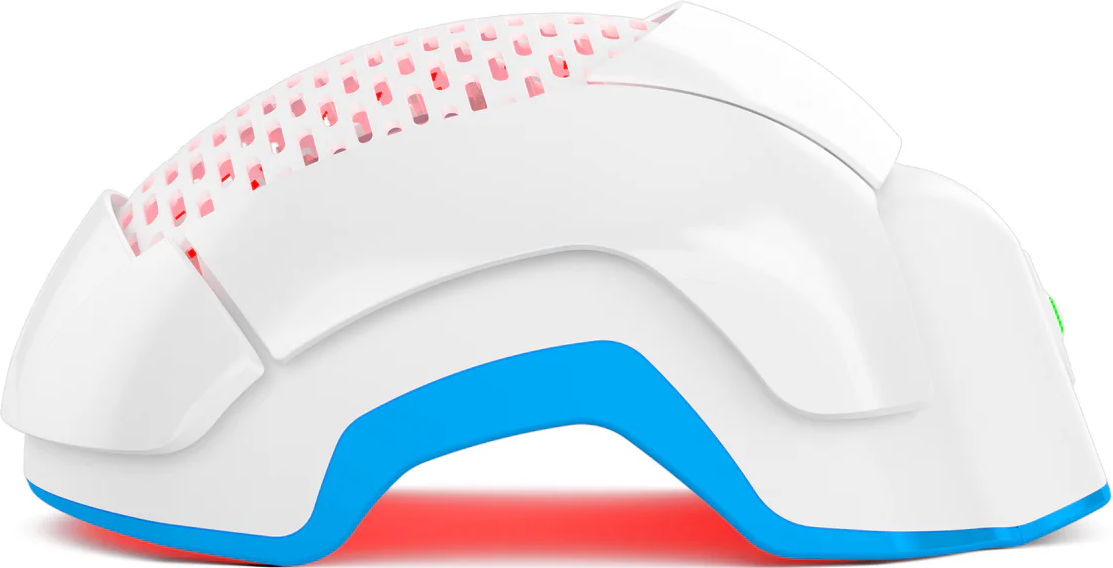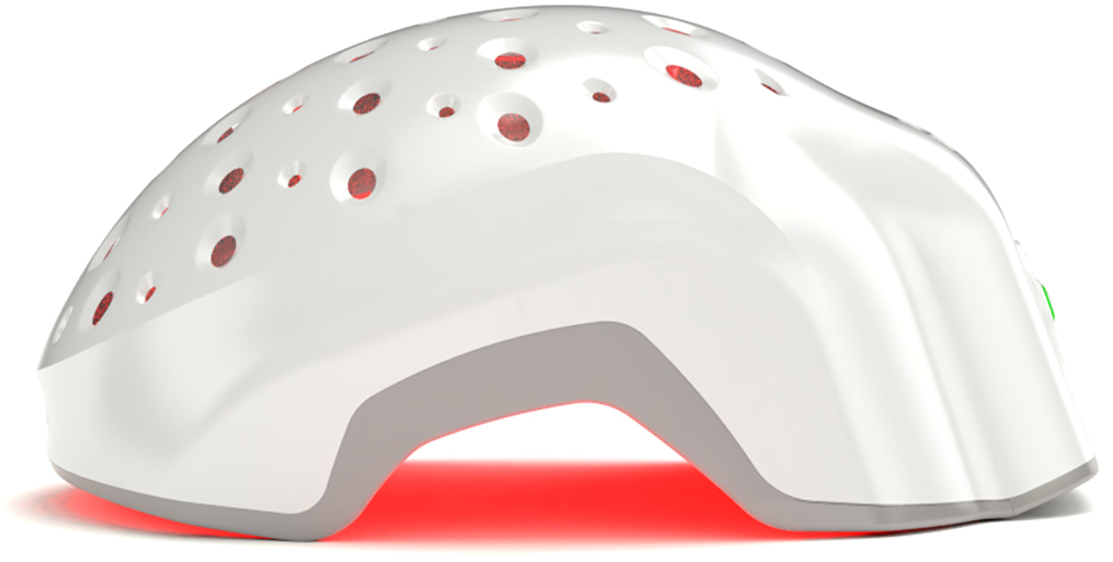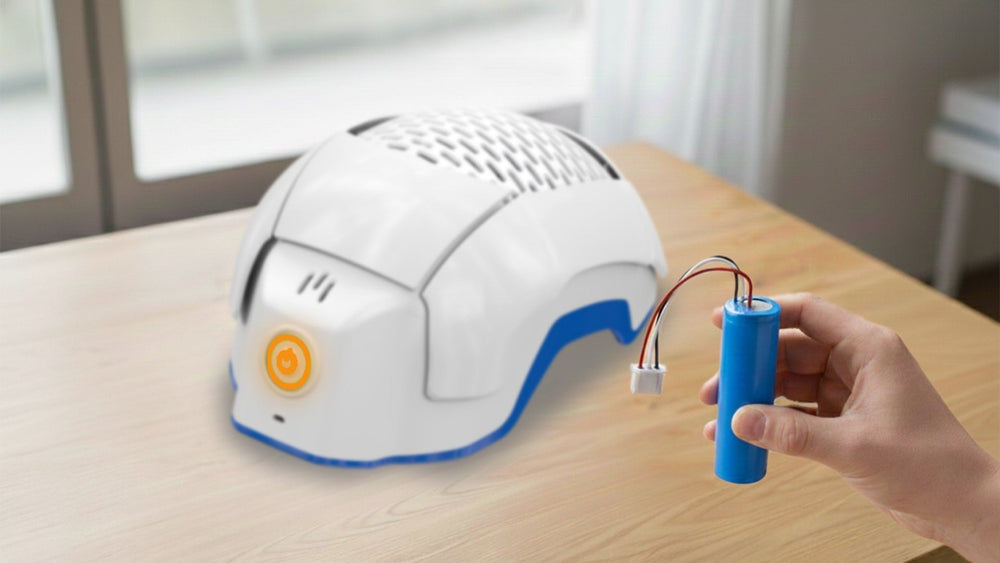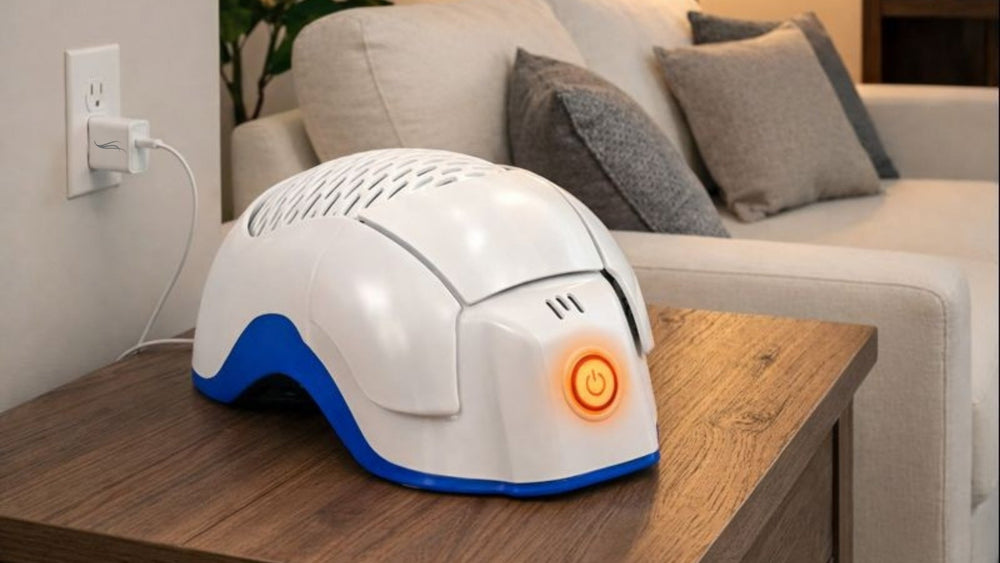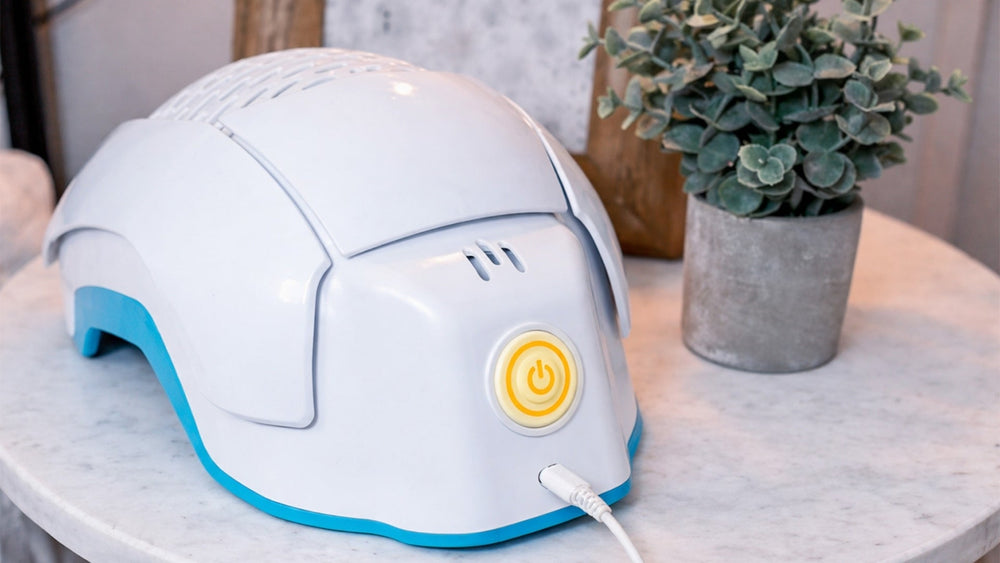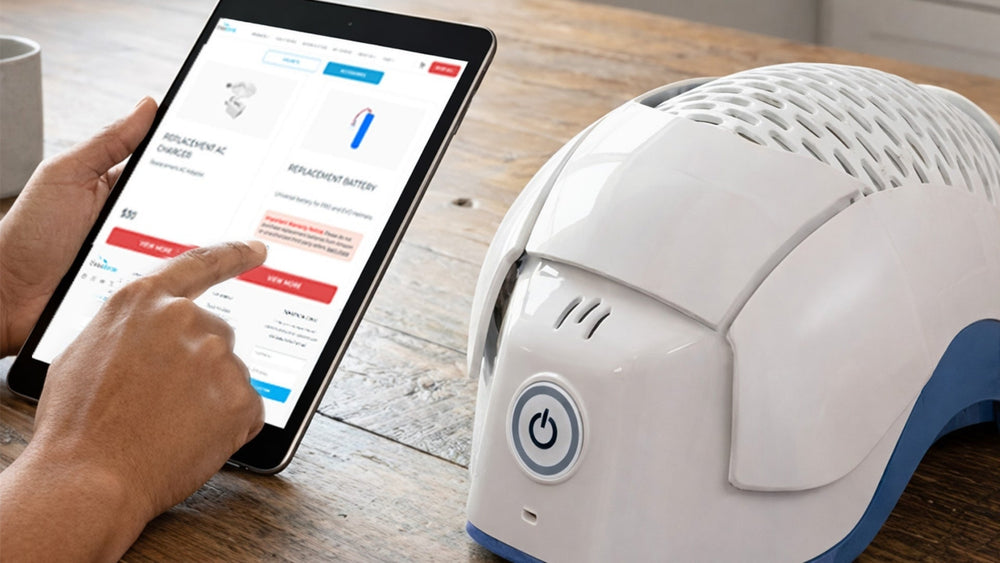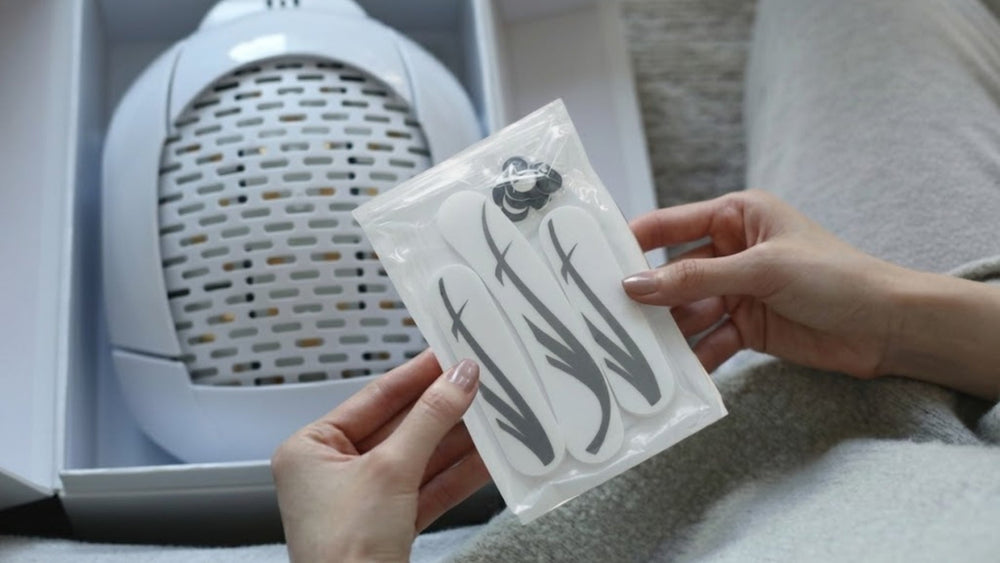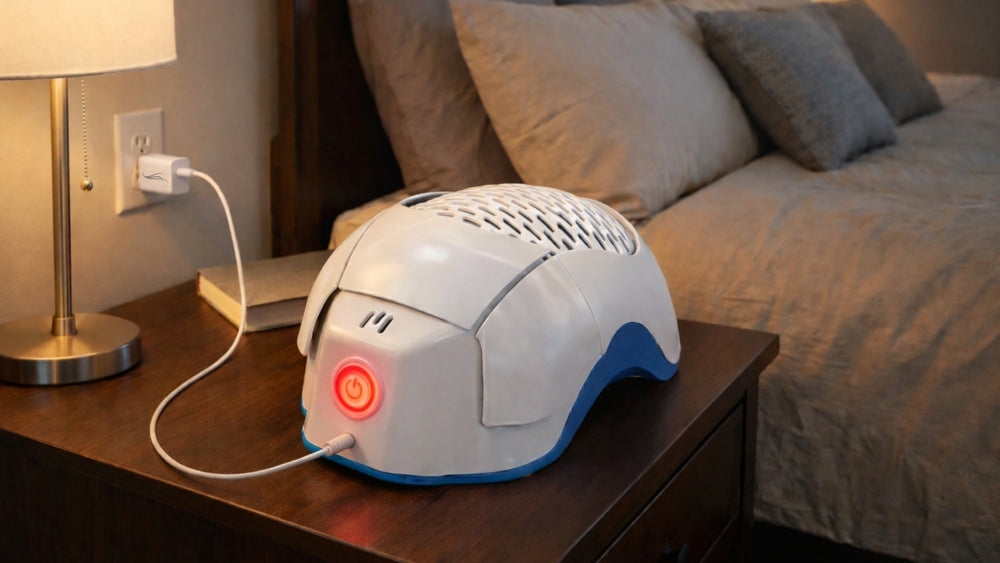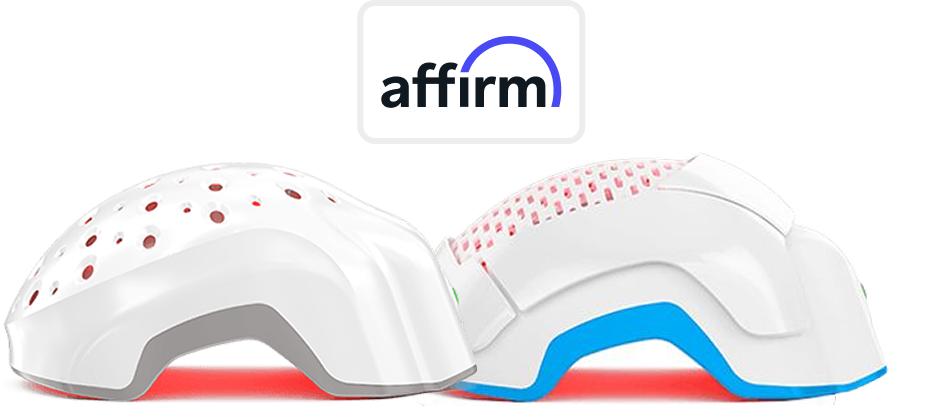







Laser phototherapy is a form of photobiomodulation (PBM) that uses low-intensity red (and sometimes near-infrared) light to influence cellular signaling without heating or burning the skin. In humans, the strongest “anti-aging” evidence lives in skin quality outcomes (wrinkles, texture, firmness markers) and pattern hair loss outcomes (hair density/count changes with cleared home devices), while “longevity” results are still largely preclinical with early, domain-specific human research rather than proven human lifespan extension.
What Is Laser Phototherapy, Really?
Laser phototherapy is a structured way of delivering low-power red light to tissue with the intention of triggering photobiomodulation, a term used widely in modern research.
It’s not heat therapy. It’s not “burning off” damage. It’s closer to a cell-signaling nudge than a “resurfacing” procedure, which is why a lot of protocols are frequent and repetitive.
PBM is about cell behavior, not cell destruction.
The biology… what happens inside cells?
Most PBM literature points toward light absorption influencing cellular metabolism and downstream signaling, often discussed in relation to mitochondrial function and oxidative stress modulation in context-specific ways.
A key nuance, though: PBM is not a single “pathway.” Different tissues, different wavelengths, different doses, different outcomes. That variability is a recurring theme in PBM reviews.
What we know vs what’s still being studied
We have human clinical evidence for skin appearance outcomes and supportive evidence for pattern hair loss devices under studied protocols.
We do not have robust human proof that PBM extends lifespan. We do have animal work that motivates the hypothesis, and human research in specific domains that is still heterogeneous.
What Does “Anti-Aging” Actually Mean?
People say “anti-aging” and mean wildly different things.
Some mean “my face looks less tired.” That’s skin structure and surface perception.
Others mean “I’m trying to stay functionally sharp longer.” That crosses into healthspan territory. PBM is being explored, including brain-aging contexts, but evidence is mixed and methods vary.
And then there’s “lifespan extension,” which is mostly animal-model research at this point. That’s where the exciting headlines come from, and also where the biggest overreach happens.
Biological aging markers relevant to PBM
PBM research often discusses effects in relation to oxidative stress signaling, inflammation modulation, and tissue repair pathways, depending on context and parameters.
In skin, studies evaluate clinical wrinkle/texture outcomes and may include histologic/biochemical changes.
In hair, trials and reviews focus on measurable changes like hair density/count and sometimes shaft thickness over time.
Why hair and skin are visible aging indicators
Hair thinning and skin texture changes are high-signal “age cues” socially. That’s how humans read health, stress load, and time passing. The psychological impact of androgenetic alopecia is well-described in clinical discussion of the condition.
The “Ultimate Anti-Aging Hack”… Beyond Hair
There’s a reason the phrase “anti-aging hack” keeps resurfacing.
Not because people are trying to cheat biology.
But because most anti-aging conversations fixate on surface symptoms while ignoring cellular function.
Laser phototherapy earned that label in some circles because its impact is not limited to hair follicles. In clinical and preclinical literature, red and near-infrared light in the 680 nm range has been associated with:
- Modulation of inflammatory signaling
- Stimulation of fibroblast activity
- Support of collagen synthesis pathways
- Enhancement of cellular metabolic processes
Collagen matters here.
Collagen is what gives skin its elasticity, firmness, and structural integrity. As collagen production slows with age, fine lines deepen, texture becomes uneven, and recovery from environmental stress slows down.
Photobiomodulation studies evaluating facial rejuvenation protocols have reported improvements in wrinkle appearance, skin texture, and markers associated with collagen remodeling over multi-week treatment schedules.
Not overnight.
Typically over 8–12 weeks of consistent application.
That timeline matters.
Collagen remodeling is gradual. Fibroblast activation is not a switch you flip in a single session. It is a cumulative biological response.
In that context, LPT is less about dramatic instant change and more about creating an environment that supports cellular repair.
Some clinical investigations also explore PBM’s role in wound healing and inflammatory skin conditions, though the strength of evidence varies by condition and protocol. It would be inaccurate to position it as a universal dermatologic solution.
But it is equally inaccurate to dismiss it as cosmetic gimmickry.
The distinction between laser-based phototherapy and many consumer LED masks often comes down to energy delivery, coherence, and tissue penetration characteristics. While both modalities appear in the literature, device parameters and delivered dose significantly influence biological response.
That’s why protocol design matters more than marketing claims.
And why not all light is the same.
The Research on Laser Phototherapy and Hair
Quality hair studies do not rely on “looks thicker” alone. They usually measure:
- Hair density/count in a defined scalp area (often via standardized imaging methods).
- Change over time, commonly 16–26 weeks in many device trials.
The meta-analysis of FDA-cleared home-use LLLT devices focuses on hair density changes compared with sham devices and discusses the limits of the evidence base (device variation, follow-up length).
What results look like (when they happen)
FDA-cleared home-use LLLT devices show statistically significant improvement in hair density versus sham in included RCTs, with caveats about heterogeneity and the need for longer-term data.
That’s the clinically responsible way to say it.
Not “guaranteed regrowth.” Not “works for everyone.” Just… there’s a signal in controlled trials.
Also, in pattern hair loss, timing matters. Clinical guidance pieces emphasize early and consistent treatment tends to do better than late-stage interventions, across therapies.
What LPT does not do
Laser phototherapy does not change your genetic sensitivity to androgens. Pattern hair loss biology is hormone- and follicle-sensitivity linked, and PBM is typically discussed as a supportive modality, not a hormonal switch.
It also is not “one-session” anything. Hair cycles are slow. Clinical timelines for hair interventions commonly run in months, not days.
And it’s not for every hair loss type without professional input. Scarring alopecias and inflammatory scalp disorders need diagnosis and management.
Skin, Collagen, and Cellular Repair… What Evidence Supports?
Fibroblast activation and collagen signaling (what studies show)
A key human clinical study used LED phototherapy in a split-face randomized, placebo-controlled design and reported clinical improvements with accompanying histologic/biochemical evaluation.
The 2023 red LED PBM clinical paper describes improvements in visible signs of skin aging with a defined protocol (twice weekly for 3 months) and reports persistence of some improvements after stopping.
This is important: these are structured protocols with parameters, not “shine a light at your face sometimes.”
Wrinkles, texture, and photoaging
The split-face trial is often cited because it’s randomized and controlled, and it evaluated multiple treatment settings. That kind of design matters when you’re trying to separate “real effect” from “people feel hopeful.”
The red LED mask study reports improvements across multiple skin metrics and details protocol parameters, which strengthens interpretability.
What is still preliminary
PBM is being studied in many tissues and domains. Reviews highlight heterogeneity in wavelength, dose, device types, and outcome measures as a core limitation in making sweeping claims.
So if someone tells you “PBM reverses aging everywhere,” they’re skipping the boring part where science earns permission to talk like that.
No.
Safety, Regulation, and What “FDA-Cleared” Actually Means
For devices, the correct term is FDA-cleared (commonly via the 510(k) pathway), not “approved” in the drug sense. The Theradome LH80 PRO 510(k) summary is publicly accessible through FDA. (K113097 PDF)
And yes, that clearance documentation describes intended use and technological characteristics.
Class 3R cold laser and what that implies
The LH80 PRO FDA document states testing to IEC 60825-1 certifies the laser system to classification 3R.
FDA also publishes guidance related to conformance and standards for laser products. (FDA Laser Notice No. 56)
What does Class 3R mean in practical consumer terms? It’s a low-risk category when used as intended, and risk management is built into product standards and labeling expectations.
Side effects, contraindications, and who should talk to a clinician
Clinical PBM studies for skin generally report good tolerability in the studied contexts, but that does not replace individual medical judgment.
If you have a photosensitivity disorder, take photosensitizing medications, have an active scalp disease needing diagnosis, or have a history of skin cancer in the treatment area, ask your clinician first. That’s basic medical safety logic. (Dermatology organizations generally emphasize diagnosis and appropriate management rather than self-treating undiagnosed loss)
LED vs Laser… Clearing the Confusion
A lot of people expect “laser” automatically means “better.”
Sometimes it does in certain use cases because lasers are coherent and can be engineered to deliver energy in a very controlled way. But PBM literature includes LED-based protocols with measurable skin outcomes in controlled trials.
For hair, the meta-analysis focused on FDA-cleared home devices and compared outcomes against sham devices rather than awarding an automatic trophy to “laser” as a word.
So the helpful filter is:
- Is the device cleared for its intended use?
- Are parameters specified and consistent with studied protocols?
- Can you actually stick with it for months?
That last point is unglamorous. It’s also where outcomes live.
The Timeline… Why Patience Is Not Optional
Hair growth cycles take time. That’s biology.
Pattern hair loss studies and guidance discussions routinely evaluate changes over months, because follicle cycling and measurable density changes don’t reliably show up in a weekend.
Skin PBM studies often run multi-week to multi-month protocols as well, with structured session frequency.
Three months feels long.
Biologically, it isn’t.
Also, PBM has a biphasic dose response in many contexts. Too little can be ineffective, too much can blunt benefits, which is why “follow the protocol” is the point.
Who Is a Good Candidate for Laser Phototherapy?
This is not a moral judgement category. It’s a “match the tool to the biology” category.
Good fit tends to include:
- Men and women with androgenetic alopecia within the indicated patterns and stages used in device clearance and trials.
- People who can follow a schedule consistently for at least 12–24 weeks.
- People who want a non-drug supportive modality, or an add-on, with realistic expectations.
Not ideal without professional guidance:
- Sudden patchy loss
- Painful scalp inflammation
- Scarring alopecia suspicion
Because diagnosis and targeted treatment matter.
How to Think About Laser Phototherapy in a Longevity Plan
This is where I’m going to slow down a little.
Because “longevity” content can slide into ideology fast, and I’m not doing that.
What the evidence allows today:
- PBM can support skin appearance and structure outcomes in studied human protocols.
- PBM can support pattern hair loss outcomes with FDA-cleared home devices in RCTs included in meta-analysis.
- PBM shows interesting preclinical longevity and cardiovascular aging signals in animal models, which motivates further research but does not prove human lifespan change.
Is Laser Phototherapy Worth Considering for You?
Take 60 seconds.
- Has a clinician or trichology-informed provider clarified your hair loss type, or are you guessing?
- Can you commit to 12–24 weeks of consistent sessions without “forgetting for two weeks”?
- Does the device have FDA clearance documentation available for the intended use?
- Are you trying to treat hair loss with shampoo alone… or are you open to layered support?
- Do you have photosensitivity issues or scalp disease that needs medical oversight?
If you answered “I don’t know” to #1, start there. Seriously.
Conclusion
Laser phototherapy is one of the few “anti-aging” tools that can be discussed with a straight face because there’s controlled human research in skin rejuvenation and a meta-analytic signal for FDA-cleared home devices in pattern hair loss. It’s still not a magic lever. The longevity angle is mostly preclinical today, so the responsible framing is healthspan-adjacent support, not human lifespan promises. If you’re considering PBM, keep it practical: confirmed diagnosis, consistent protocol, realistic timelines, and a device that is cleared and documented. The win is often quiet. Better hair density trends, steadier scalp comfort, subtle skin shifts… and the relief of doing something measurable without getting swept into wishful thinking.