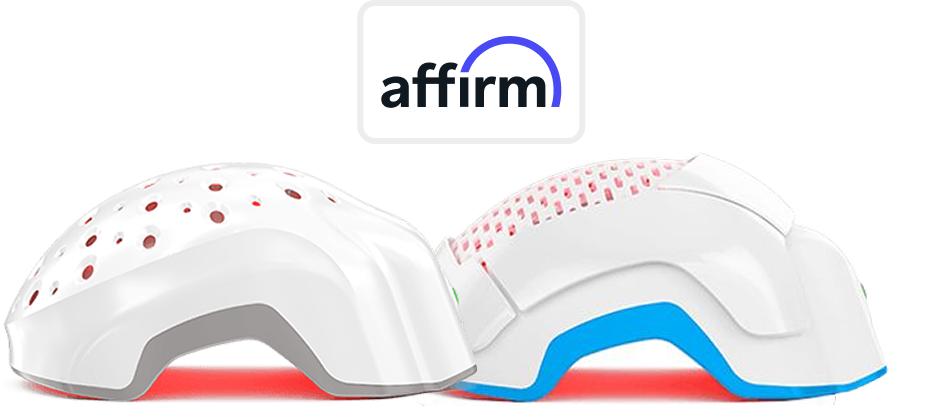






Do red light LED masks actually work for hair growth?
Usually, no. Most red light LED masks are built and cleared for facial skin concerns like wrinkles or acne, not scalp hair loss, and that difference matters more than the glowing lights make it seem. Some scalp-specific light devices do have clinical evidence in androgenetic alopecia, but that does not make generic LED masks interchangeable with purpose-built hair-growth systems.
Why “red light” isn’t one single thing
What people think they’re buying
A glowing red device feels medical. We get why. It looks clinical, it hums with that neat little “I am doing science now” energy, and the internet has spent years flattening everything into one bucket called red light therapy.
A facial LED mask for wrinkles is not automatically a scalp hair-growth device just because both shine red wavelengths. FDA-cleared facial masks are typically indicated for things like full-face wrinkles and mild to moderate inflammatory acne, while FDA-cleared scalp devices are cleared specifically for androgenetic alopecia and hair growth. Same color family sometimes, very different job.
What the science actually separates
The broader medical term is photobiomodulation, sometimes also called low-level light or laser therapy. That umbrella can include lasers or LEDs, red wavelengths or near-infrared wavelengths, and a lot of device designs that are absolutely not interchangeable. Reviews in dermatology and photobiomodulation keep coming back to the same point: outcomes depend on wavelength, dose, irradiance, geometry, treatment schedule, and tissue target.
And that is where many red light LED masks start wobbling.
Where hair actually grows… and why that matters
Terminal hair follicles extend into the deep dermis and can even reach toward the subcutis. One morphometric study put the mean scalp hair follicle length at about 4.16 mm, which is not exactly “just sitting on top.”
That matters because a device built for facial skin is solving a different problem. Facial wrinkle treatment is not the same anatomical target as scalp follicles affected by androgenetic alopecia. If the target tissue sits deeper, and if hair, scalp curvature, and stand-off distance change light delivery, then “but it’s red” stops being a serious argument.
What a device must actually reach
For hereditary hair loss, the point is not to warm the scalp a little or make it look luminous in the mirror. The point is to deliver an adequate photobiomodulation dose to tissue involved in follicle cycling and miniaturization. Reviews on alopecia and photobiomodulation describe mitochondrial and cellular signaling effects, plus a dose-sensitive response, rather than a generic “shine light, get hair” model.
So yes, light therapy can be real. But the target still has to be reached, and the dose still has to make biological sense. That little detail keeps ruining lazy marketing.
The 10 reasons most red light LED masks fall short

1. They’re not built for the scalp
This is the first crack, and honestly, it is a big one.
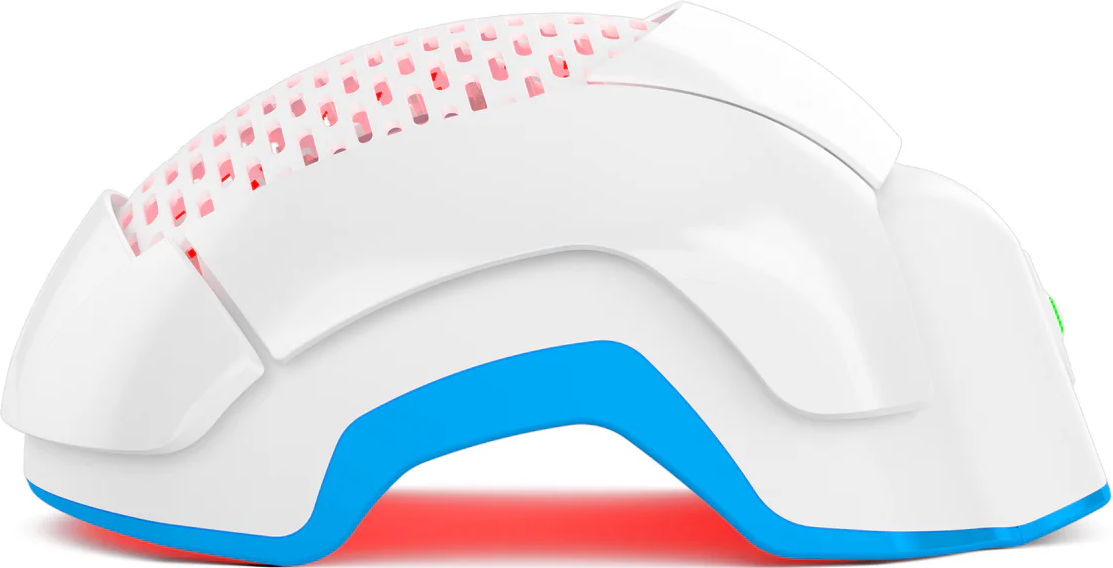
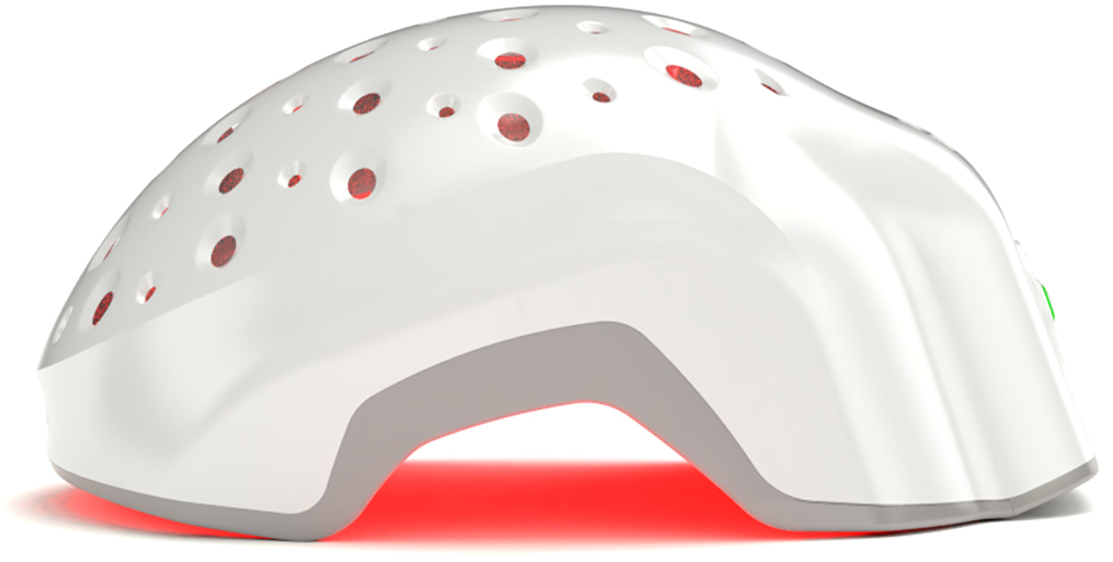
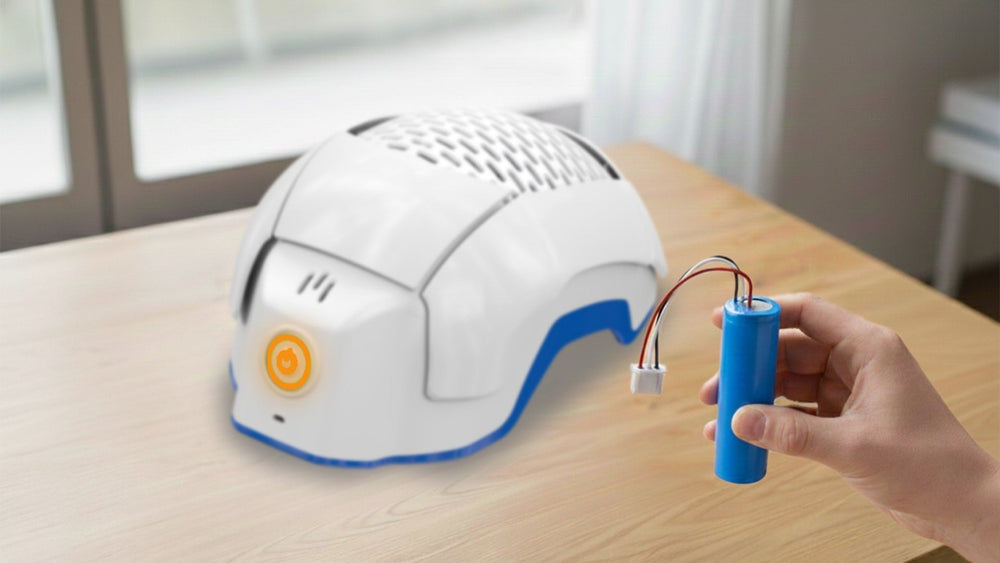
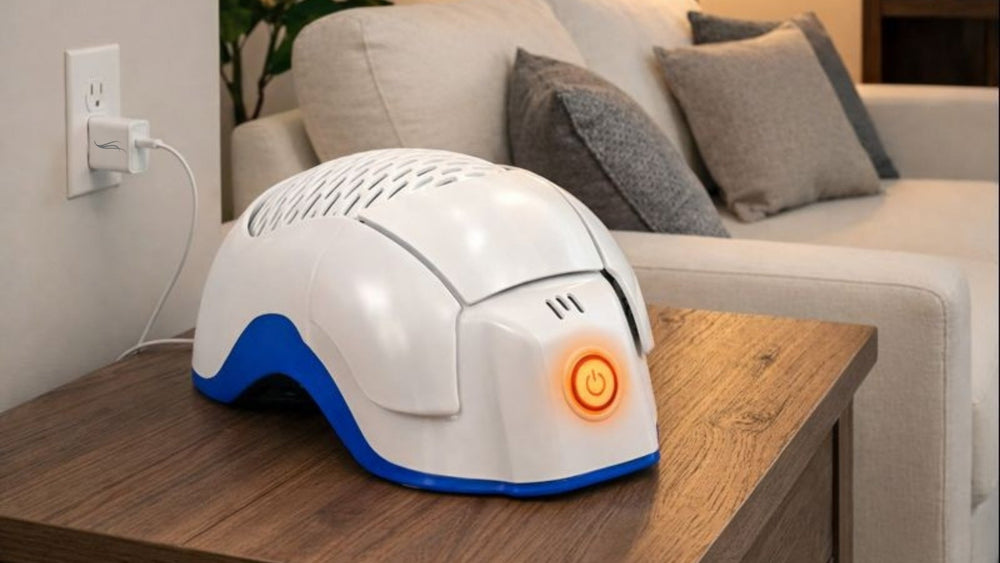
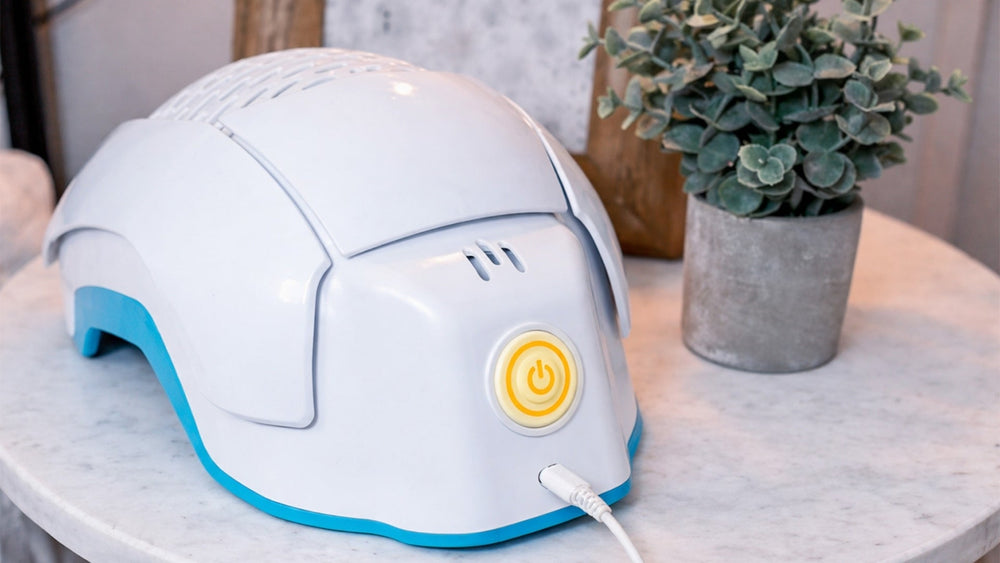
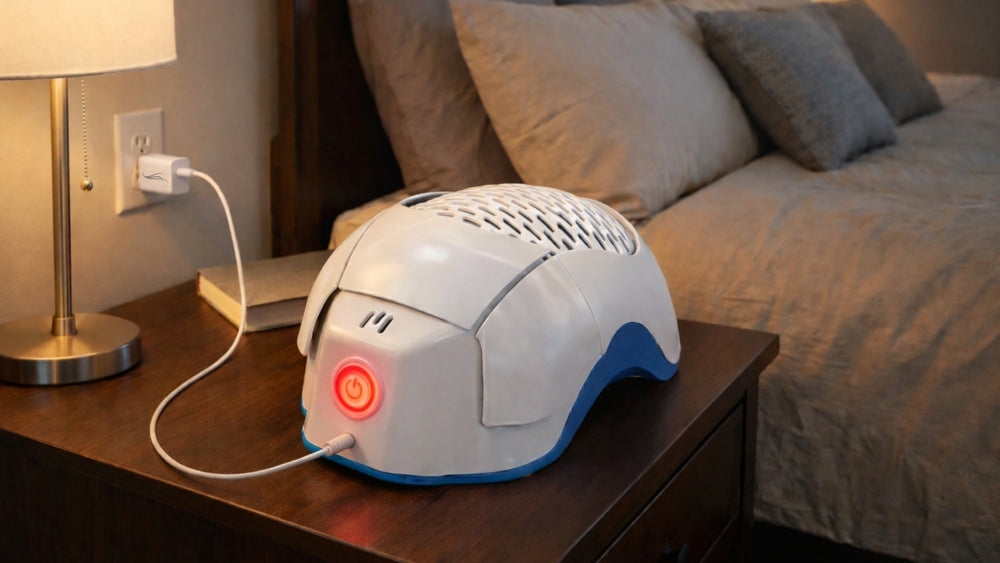
Many red light LED masks are facial devices. FDA-cleared examples are indicated for wrinkles or acne of the face, not for androgenetic alopecia. Scalp devices cleared for hair growth are built as hats, helmets, combs, or cap-like systems aimed at the scalp itself. That is not cosmetic nitpicking. That is the whole point.
The face and scalp are not the same treatment surface. A mask shape that sits nicely across the cheeks and forehead is not automatically giving reliable coverage to the hairline, temples, mid-scalp, and crown. And if coverage is sloppy, dose becomes sloppy too.
2. The energy output is usually too low to matter
Visible brightness is not the same thing as therapeutic dose. This is where a lot of people get quietly mugged by marketing.
Photobiomodulation literature repeatedly stresses that dose matters, including irradiance and fluence. There is also a biphasic dose response, meaning too little light may do very little. A product can look intense, feel premium, and still deliver a weak or poorly distributed dose to the scalp.
And when a device does not clearly disclose meaningful dosing parameters, you are left with color, glow, and hope. That is not a treatment plan, honestly. It is just decorative optimism with a charging cable.
3. Dose isn’t controlled… it’s guessed
A proper light-based treatment is not just “wear this often.” It depends on wavelength, energy delivered per area, session duration, distance from tissue, and treatment frequency. Reviews and trials in this space are full of parameter sensitivity and heterogeneity, which is a polite way of saying the details can make or break the effect.
Many consumer masks do not give readers a clean way to understand whether they are receiving a meaningful scalp dose. No feedback on delivered energy. No scalp-specific calibration. No serious explanation of what the session is actually accomplishing. So people wear the device, wait, and sort of… hope they guessed right.
That is not ideal.
4. Light doesn’t reach consistently where it needs to
Even when a wavelength is potentially useful, the real scalp is messy. Hair itself can interfere. Skin color affects absorption and scattering. Device distance matters. Coverage angle matters. Scalp thickness matters. Once you move from a clean product render to an actual human head, the easy certainty starts to fray.
This is one reason purpose-built scalp devices exist in the first place. The engineering problem is not merely “emit red light.” It is “deliver the right light, in the right amount, to the right tissue, consistently enough to matter.” A lot of masks never really get there.
5. Penetration is often overstated
This point needs care. Red light does penetrate skin, and red wavelengths are clinically relevant in photobiomodulation. But penetration is not infinite, uniform, or identical across devices and users. Reviews on skin optics note that skin color changes absorption and scattering, and dermatology reviews note that wavelength choice affects how deep light can travel.
So the honest criticism is not “LED light never gets past the first layer.” The better criticism is that many red light LED masks are not shown to deliver reliable, therapeutic energy to the follicular targets involved in scalp hair loss under real-use conditions.
6. Marketing focuses on power… not delivered dose
You will often see numbers. They just are not always the numbers that matter most.
A device may advertise milliwatts, bulb count, or “professional-grade” intensity while giving readers very little usable information about irradiance at the treatment surface or fluence delivered over time. Photobiomodulation reviews keep pointing back to dose parameters because those are what shape tissue response. Power language without dose context is half a sentence pretending to be a full one.
And yes… that gets old.
If a product wants to be taken seriously for hair growth, it should be possible to answer a plain question: what dose is reaching the scalp, over what area, in what time frame, with what evidence behind it?
7. Most aren’t cleared for hair growth claims
This one matters because the internet gets slippery around FDA language.
FDA-cleared face masks are commonly indicated for full-face wrinkles or acne. Separate scalp devices, including some LED-based ones, have FDA clearance for androgenetic alopecia and hair growth. So it is not accurate to say that no LED device is cleared for hair growth. It is accurate to say that many mask-style consumer products are not cleared for those scalp claims.
That distinction should not be buried in the fine print. It should be front and center.
Because “FDA-cleared” only means something in relation to a specific device and a specific intended use. A cleared wrinkle mask is not secretly a cleared hair-loss treatment just because somebody on the internet pushed the category lines around with clever wording.
8. Warmth is mistaken for effectiveness
Some people use a device once, feel a bit of warmth, and take that as proof that something useful is happening. We get the instinct. Human brains are very into sensory reassurance.
But photobiomodulation is generally described as a non-thermal treatment approach. Meaningful biological activity is not proven by “my scalp felt warm.” Warmth can happen without giving you the kind of follicular stimulation that matters in androgenetic alopecia.
Heat is not the receipt.
9. Built for cost… not clinical performance
Not every product in this category is a serious medical device. Some are clearly beauty gadgets with a science-ish accent.
You can often tell by what is missing. Vague specs. No scalp-specific evidence. No clear treatment rationale. No explanation of why the geometry suits hair-bearing scalp. No serious discussion of dose. At that point, the product is being sold more on plausibility than on demonstrated performance.
And because these devices are often consumer-facing lifestyle products, scale and aesthetics can matter more than clinical sharpness. That is not a moral scandal. It is just a design priority. Unfortunately, your follicles do not care how sleek the box looks.
10. The experience feels convincing… even when results aren’t
This one is a little uncomfortable, but it belongs here.
A red device that lights up, sits on the body, and is used repeatedly can feel therapeutic long before it proves anything. Add expectation, routine, hopeful attention, and a few flattering bathroom-mirror moments, and it becomes very easy to overread weak signals. Meanwhile, proper trials compare against sham devices for a reason. Human beings are suggestion-prone. That includes smart people. Especially when hair is involved.
So yes, a device can feel convincing. That does not make it clinically convincing.
So… does light therapy work at all?
Yes… but not like most people think
Light therapy for hereditary hair loss is not nonsense. The American Academy of Dermatology notes that laser therapy may help some forms of hair loss, including hereditary hair loss. Systematic reviews and randomized trials of FDA-cleared scalp devices have reported improved hair density versus sham. A 2024 comparative study even reported improvement with LED-based scalp treatment, and a 2025 review summarized supportive data for an all-LED cap study.
So the problem is not “light therapy is fake.”
The problem is category confusion.
The difference between devices that work… and those that don’t
Purpose-built scalp devices are judged on scalp-specific indications, dosing logic, and trial data. Generic red light LED masks are often facial products or loosely positioned gadgets riding on the broader popularity of red light. Those are very different levels of seriousness.
If you’re considering light therapy, this is what actually matters
Look for scalp-specific intent. Look for hair-growth clearance if a device is making hair-growth claims. Look for wavelength and dosing transparency. Look for evidence in androgenetic alopecia, not just skin rejuvenation or acne. And keep your expectations inside the fence of what the literature actually supports.
Also worth saying: hereditary hair loss often needs proper diagnosis before any device enters the chat. The AAD points out that treatment success depends heavily on knowing the cause of the hair loss. That saves people from wasting a lot of time.
Because this is usually the moment people realize they were never comparing like with like. They were comparing a scalp problem to a skincare gadget and hoping the color red would smooth out the difference.
Most people don’t realize this at first
And that is fair.
Hair loss makes people vulnerable to products that feel just clinical enough. Not ridiculous. Not obviously absurd. Just tidy enough to sound credible for ten minutes, which is often all a bad idea needs.
We have all seen categories like that.
The simple truth about red light LED masks
Most red light LED masks are not built, tested, or cleared as scalp hair-growth devices. Some light-based scalp treatments do have clinical support, but that does not give generic masks a free pass. If a device is vague about scalp use, dose, coverage, or evidence, that vagueness is doing more work than the light probably is. So the answer is simple: judge the device by its intended use, its scalp-specific evidence, and the quality of its dosing information… not by how medically futuristic it looks.