






Hygral fatigue is a hair-care term for what can happen when the hair shaft repeatedly absorbs water, swells, dries, contracts, and becomes more fragile over time. It is best understood as a hair strand problem, not a scalp disease or a direct cause of true hair loss from the root.
It can still make hair look thinner, though. That is the slightly annoying part.
When strands weaken and snap, the ends can look sparse, ragged, frizzy, limp, or oddly tired. But that is breakage, not the same thing as follicle-level shedding or androgenetic alopecia. Hair-shaft anatomy supports this distinction: the hair strand has a cuticle, cortex, and sometimes a medulla, while the follicle sits in the skin and produces the strand.
Small warning before we get cozy: water is not the enemy. Hair needs washing. Your scalp does not want to become a tiny oil refinery just because someone online said “moisture overload” with dramatic lighting.
Now, let’s make sense of the mess.
What Is Hygral Fatigue, Really?
Hygral fatigue describes repeated stress on the hair shaft from water absorption and drying. When hair gets wet, the fiber takes in water and swells. As it dries, it contracts again. Do that over and over, then add rough towel rubbing, harsh detangling, bleach, relaxers, high heat, or high porosity… and the strand may start behaving badly.
Limp. Frizzy. Gummy. Weak.
Cosmetic-science literature uses the idea of swelling and deswelling when discussing hair damage, especially around oils that may reduce water uptake into the fiber. Coconut oil, for example, has been studied because it can penetrate the hair shaft, while mineral oil does not appear to do so in the same way.
Is hygral fatigue a real medical diagnosis?
Not quite.
“Hygral fatigue” is not commonly used the way dermatologists use terms like androgenetic alopecia, telogen effluvium, traction alopecia, or trichorrhexis nodosa. It is more of a hair-care and cosmetic-science shorthand.
The stronger evidence supports the pieces underneath the term: hair has a layered structure, water changes the fiber’s behavior, wet strands are easier to damage, chemical processing can harm the cuticle and cortex, and repeated styling stress can cause breakage.
What Happens to Hair When It Gets Wet?
Hair above the scalp is not living tissue. Once it has grown out of the follicle, it cannot heal itself like skin can after a scrape. There is no tiny repair crew inside the strand patching up every rough edge with microscopic ladders.
Still, hair has structure. The shaft contains a cortex, surrounding cuticle cells, and sometimes a central medulla. The cortex helps determine strength, texture, color, and other mechanical traits, while the cuticle acts as a protective outer covering.
That structure matters because damage does not happen in a vague, mystical way. It happens to parts of the fiber.
The cuticle lifts, chips, cracks, wears down. The cortex becomes more exposed. The strand gets less cooperative. Honestly, if hair had facial expressions, damaged ends would be side-eyeing us after every rough towel scrub.
Water enters the hair shaft and changes how it behaves
Hair is porous to some degree, and water can enter the fiber. Damaged hair tends to be more porous, which means it can absorb and lose water differently from healthier hair. In a review on healthy hair, Sinclair notes that soaked hair can increase in weight because of water uptake, and that damaged hair is generally more porous.
A separate study on water absorption and desorption in keratin fibers found that cosmetic treatments can alter fiber structure and water absorption behavior. That matters for hygral fatigue because chemically treated hair may not respond to water like untreated hair.
So if your bleached ends act like a wet noodle with unresolved personal issues, that is not your imagination.
Why repeated swelling and drying can become a problem
A single wash day does not usually ruin hair. The trouble tends to come from repetition plus vulnerability.
Repeated wetting, drying, heat exposure, rough handling, chemical treatments, and prolonged dampness can stress the cuticle and the inner fiber. One controlled study on hair drying found that repeated shampooing and drying could damage the hair surface, and that natural drying for longer periods was linked with cell membrane complex damage in that study. High dryer heat still caused more surface damage, so the answer is not “blast it like laundry.” It is nuance.
Hair often prefers a middle path. Less soaking forever. Less scorching. Less rubbing like you are polishing a kitchen pan.
What Causes Hygral Fatigue?

Most cases are not one dramatic mistake. It is usually a pattern.
A little too much wet-time. A bit too much rough detangling. A chemical service the hair has not forgiven you for. Maybe a deep conditioner left on for hours because the label said ten minutes and optimism said “overnight.”
We have all been there.
Frequent wetting or re-wetting
Daily washing, constant curl refreshing, repeated misting, or re-wetting hair between wash days can push the strand through more swelling and drying cycles. This does not mean washing is bad. Please wash your scalp when it needs washing. Sweat, sebum, styling residue, and scalp buildup are not spiritual ornaments.
But if the hair is already porous or damaged, frequent water exposure may make weakness more obvious. Hair that absorbs water quickly, dries unevenly, or feels rough afterward may need fewer unnecessary wet cycles and more careful handling. Porosity resources from cosmetic-science groups describe high-porosity hair as absorbing water quickly and losing it quickly, often with more frizz and breakage in some cases.
Leaving hair wet for too long
Long wet-time can matter, especially for fragile hair. Wet hair is generally more vulnerable to stretching, snapping, and friction. Cleveland Clinic dermatologist Shilpi Khetarpal, MD, notes that wet hair can be more fragile and more prone to snapping, stretching, or breaking, particularly when it rubs against a pillow during sleep.
This does not mean one damp bedtime ruins your hair. Real life happens. Sometimes you wash your hair at 10:47 p.m. and then regret every decision that led to that sink.
But as a habit, sleeping on wet hair can be rough on strands that are already delicate.
Rough wet handling
Wet hair needs a little patience.
The American Academy of Dermatology says most people should handle wet hair as little as possible because wet hair breaks more easily when combed or brushed. But there is an important exception: people with tightly curled or textured hair may reduce breakage by brushing or combing while the hair is wet, ideally with slip and a wide-tooth comb.
That nuance matters.
For straight or looser textures, letting hair dry a bit before combing may be gentler. For tight curls and coils, damp detangling with conditioner can be kinder than dry ripping. Same goal, different route: reduce friction, reduce tugging, stop declaring war on knots.
High porosity and damaged cuticles
High-porosity hair often absorbs water fast, loses moisture fast, frizzes easily, and may break more readily. Porosity can be influenced by genetics, but damage from chemical treatments, heat, friction, and weathering can also make the cuticle less protective.
Ends usually show this more than roots because they are older. They have survived more washes, brushing sessions, sun exposure, styling, towels, pillowcases, buns, claw clips, and that one flat iron phase nobody likes to discuss.
Ends remember.
Bleach, relaxers, color, perms, and heat
Chemical treatments can raise the stakes.
A 2018 study found that bleached hair fibers showed substantial damage to cuticle layers and cortex, with protein oxidation increasing as bleaching severity increased. More recent bleaching research also reports cuticle loss and cortex exposure after excessive bleaching.
Relaxers, perms, straightening treatments, and repeated heat styling can also damage the hair fiber. A review on hair-care physicochemistry notes that bleaching, perming, relaxing, and straightening are known to cause significant hair-fiber damage.
So when bleached hair feels gummy while wet, water may be revealing the weakness. It may not be the original criminal. More like the bad fluorescent bathroom light showing everything.
Too much conditioning without enough structure
Conditioner is not bad. In fact, conditioners can reduce friction, improve manageability, and lower combing force, which matters when wet hair is fragile.
But some routines lean so hard into softening that hair starts feeling limp, mushy, or weak. This is where people talk about “moisture overload.” The phrase is not a formal diagnosis, but the pattern is familiar: hair feels soft, yes, but not strong. Like a sweater that has been washed wrong and now has the emotional posture of a pancake.
If this happens, the fix may involve less heavy conditioning, more careful wet-time, and possibly light strengthening support.
Environmental stressors and buildup
Environmental wear can add to hair-fiber trouble. Dermatology literature on hair weathering describes shaft deterioration from cosmetic and environmental exposures such as combing, brushing, chemical treatments, extensions, braiding, UV exposure, and more.
Hard water is trickier. One study did not find a significant difference in tensile strength or elasticity between hair treated with hard water and hair treated with distilled water, so we should not blame hard water for every rough strand.
Still, mineral buildup can make hair feel coated or dull for some people. If your shampoo suddenly acts useless and your hair feels waxy after washing, buildup may be worth considering.
What Are the Signs of Hygral Fatigue?
These signs are clues. Not a verdict.
Hygral fatigue can look like other hair issues: bleach damage, product buildup, protein overload, heat damage, hard-water residue, or a hair-shaft disorder. So the goal is not to diagnose yourself with courtroom confidence after stretching one strand over the bathroom sink.
Still, patterns help.
Hair feels mushy, gummy, or too soft when wet
A common complaint is wet hair that feels gummy, mushy, stretchy, or strangely weak. This may happen when the hair fiber has lost some structural resilience, especially after bleach or repeated wet handling.
Bleaching is a major suspect here because studies show it can damage both cuticle and cortex.
If your hair feels like wet cotton candy after a chemical service, please do not gaslight yourself with another overnight mask.
Hair stretches but does not bounce back
Healthy hair has some elasticity. But if a wet strand stretches and stretches, then stays limp or snaps, that can suggest weakness.
Notice the word “suggest.”
A stretch test is a clue, not a clinical measurement. Hair behavior varies by texture, prior chemical treatment, porosity, product residue, and even how you handle the strand while testing. Use it as a small signal, not a whole diagnosis.
Curls look limp, stretched, or less springy
Curly and coily hair often makes hygral-fatigue-like symptoms easier to spot because curl pattern changes are visible. Hair may look elongated, frizzy, less defined, or oddly heavy after conditioning.
Sometimes the curls are not “dry.” Sometimes they are over-softened, too wet for too long, or too damaged to hold their usual recoil.
Frizz, roughness, dullness, and tangling increase
When the cuticle is raised, worn, chipped, or chemically disrupted, hair fibers can catch on each other. That means more friction, tangling, dullness, and frizz. Hair weathering literature describes cuticle lifting and porosity as part of shaft deterioration, which can expose the cortex and increase damage risk.
This is why damaged hair can feel both dry and over-moisturized. It is not being dramatic for sport. The surface is simply not behaving like a smooth protective shield anymore.
Breakage increases, especially after wash day
Hygral fatigue should be linked mostly to breakage, not shedding.
Breakage creates short pieces, uneven ends, tiny snapped strands, and fuzzy halos. Shedding usually releases a full-length hair from the root. AAD’s hair loss signs include gradual thinning, bald spots, a receding hairline, widening part, and a thinner ponytail, which are different from simple shaft breakage.
If most of what you see is short, broken bits around wash day, breakage is likely part of the issue.
Ends look thin or see-through
Ends take the oldest beating. They have been washed, dried, styled, detangled, slept on, sun-touched, and possibly bleached more than once.
So yes, hygral-fatigue-like damage can make ends look sparse or see-through. But again, this is usually from breakage along the strand, not the follicle suddenly quitting its job.
That distinction will save you a lot of panic.
Is Hygral Fatigue the Same as Hair Loss?
Breakage happens along the hair shaft. Shedding happens when the hair releases from the follicle. These can look similar in the drain if you are already emotionally fragile at wash day, but they are not the same process.
Short pieces usually point toward breakage. Full-length hairs, especially with a small bulb at one end, often point toward shedding. A few shed hairs are normal. A sudden jump, a widening part, bald patches, or visible density loss needs a professional look.
Hygral fatigue can make hair appear thinner because strands snap. It does not directly shrink follicles or cause androgenetic alopecia.
When it might be more than hygral fatigue
You should not file every hair problem under “hygral fatigue” and call it a day.
If you notice a widening part, bald patches, a receding hairline, sudden heavy shedding, scalp redness, scaling, burning, pain, or thinning at the crown, it is time to see a dermatologist or qualified trichology professional. AAD lists widening parts, thinning, bald spots, receding hairline, and a thinner ponytail among common signs of hair loss.
Also, some hair-shaft disorders can cause breakage. Trichorrhexis nodosa, for example, is a hair shaft defect linked with excessive physical or chemical trauma, and it can produce weak points along the strand.
This is not meant to scare you. It is meant to stop the “maybe I just need a new mask” spiral when the scalp itself is asking for attention.
Where Theradome may fit
Laser Phototherapy does not repair damaged hair shafts. It will not stitch split ends back together, seal gummy bleach damage, or make a broken strand un-break itself. That would be nice.
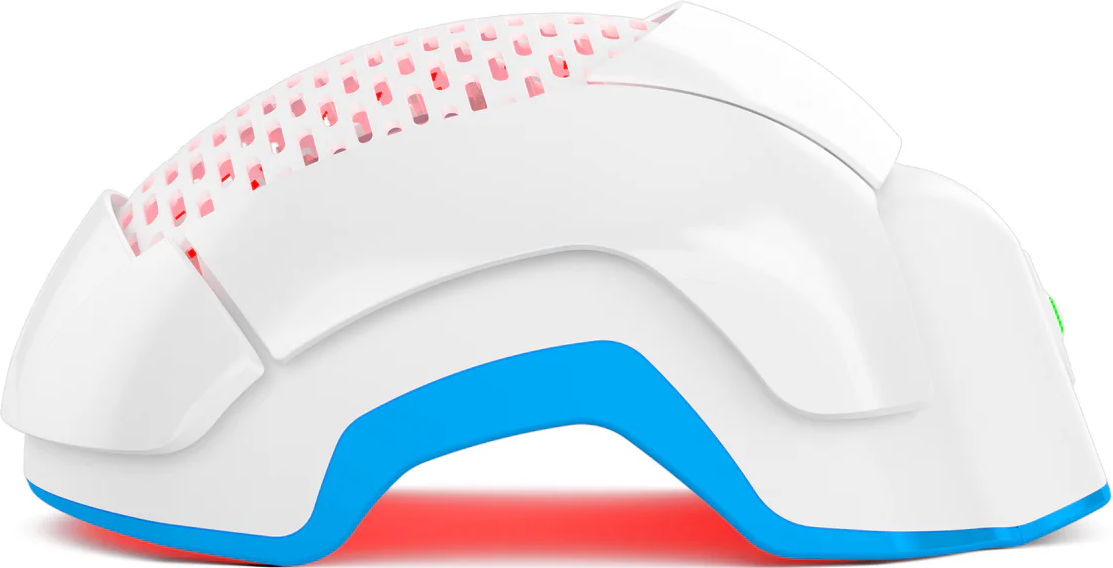
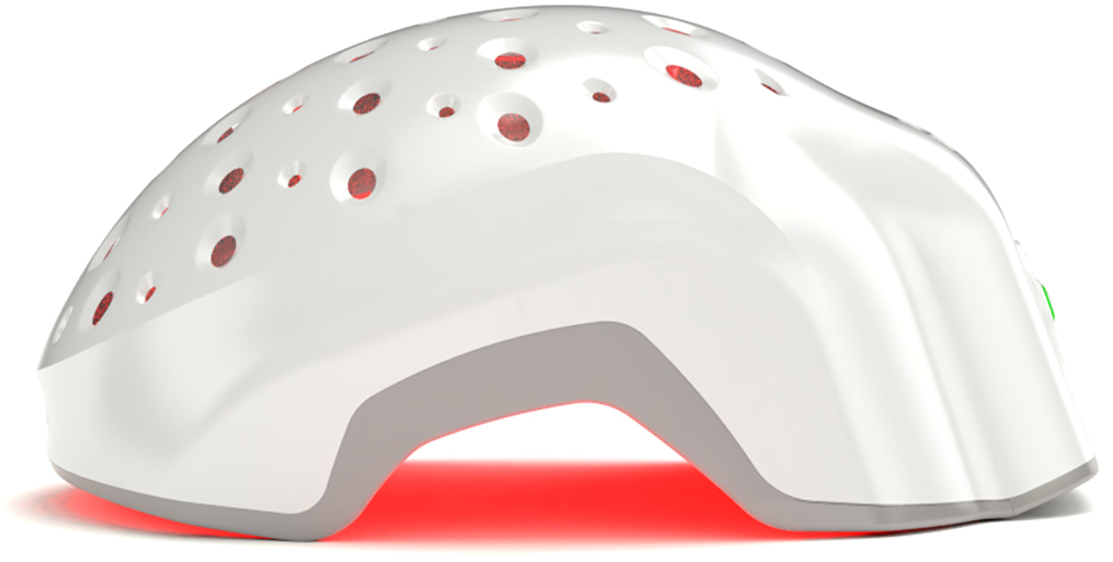
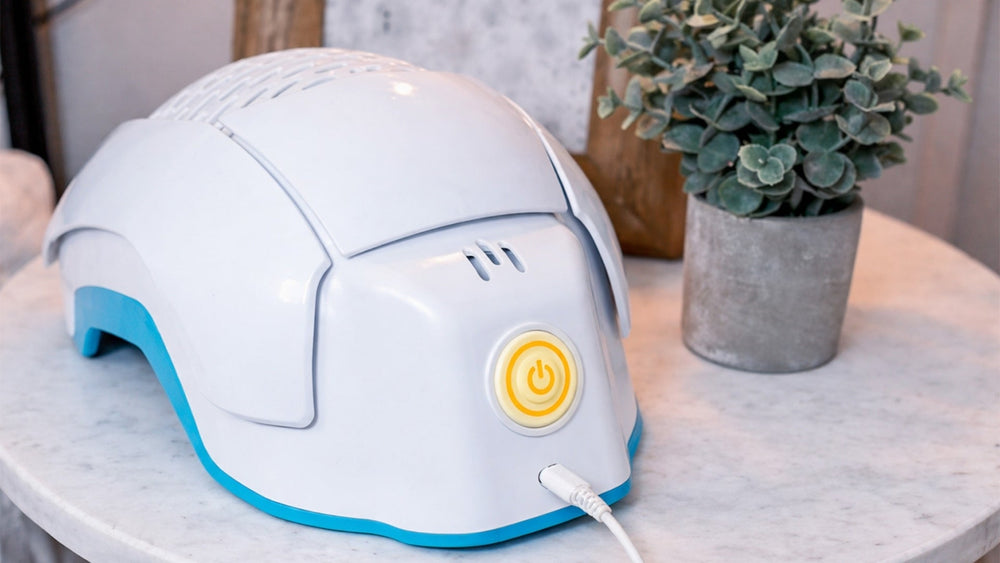
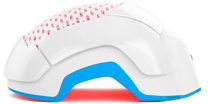
Theradome’s FDA-cleared role is different: it is an over-the-counter Laser Phototherapy device intended to treat androgenetic alopecia and promote hair growth in eligible men and women within specified hair-loss classifications, according to FDA 510(k) documents.
So if someone has both breakage and pattern hair thinning, they may need two plans: gentle fiber care for existing strands, and follicle-focused support for androgenetic alopecia.
Hygral Fatigue vs Moisture Overload, Protein Overload, and Other Lookalikes
This is where the bathroom detective work begins.
Not every limp curl is hygral fatigue. Not every stiff strand needs more moisture. Not every broken hair means alopecia. Hair has a very annoying talent for making different problems look related.
Hygral fatigue vs moisture overload
These terms overlap in everyday hair-care language.
“Moisture overload” usually means hair feels too soft, limp, weak, gummy, or overly elastic after too much conditioning or water-heavy care. “Hygral fatigue” is more specific: repeated swelling and drying stress on the strand.
Neither term is as clinically crisp as something like trichorrhexis nodosa or androgenetic alopecia. But both can describe a real pattern readers recognize, especially when hair feels worse after doing “healthy hair” things.
Hygral fatigue vs protein overload
Protein overload is another consumer phrase, not a clean medical diagnosis. People usually use it for hair that feels stiff, rough, brittle, straw-like, or snappy after too many strengthening products.
Hygral-fatigue-like hair often feels overly soft, weak, gummy, or stretchy when wet. Protein-heavy hair often feels rigid or brittle. But products, porosity, bleach, heat, and buildup can muddy the signal.
So do not chase labels too hard. Watch behavior.
Hygral fatigue vs bleach damage
Bleach damage can cause a gummy wet feel, loss of strength, roughness, breakage, and altered curl pattern. That is because bleaching can damage cuticle layers and the cortex, not just “dry hair out.”
Hygral fatigue may overlap because water exposure makes damaged hair’s weakness more obvious. But if the gummy texture started after bleach, the bleach deserves a chair at the interrogation table.
Possibly the main chair.
Hygral fatigue vs heat damage
Heat can roughen the fiber, damage the cuticle, reduce shine, and worsen breakage. The hair-dryer study found more surface damage with hair dryer use than natural drying, especially at higher temperatures, although prolonged natural drying was associated with cell membrane complex damage in that study.
So the safer advice is not “never use heat.” It is more like: avoid high heat, keep distance, use motion, and do not leave fragile hair wet for hours if it hates that.
Hygral fatigue vs product buildup or hard water
Product buildup can mimic hygral fatigue because hair may feel coated, heavy, dull, limp, rough, or resistant to styling.
Hard water is more complicated. Some people report roughness or residue in hard-water areas, but a controlled study found no significant difference in tensile strength and elasticity between hair treated with hard water and distilled water.
So yes, clarify or chelate if buildup makes sense. No, do not blame every frizz incident on calcium and magnesium like they are tiny villains in tap shoes.
Hygral fatigue vs true alopecia
Alopecia involves hair loss from the follicle. Hygral fatigue is about the strand above the scalp.
They can coexist. A person may have androgenetic alopecia and breakage at the same time, especially if they are trying many styling routines while panicking about density. That is painfully common.
But the fix will not be one magical bottle. Strand care helps breakage. Follicle care addresses pattern hair loss. AAD’s signs of hair loss can help readers know when thinning is more likely follicle-related.
How Can You Check for Hygral Fatigue at Home?
One strand can lie. A pattern is more useful.
Ask yourself: Did the mushy texture start after more deep conditioning? More co-washing? More daily re-wetting? Bleach? A relaxer? Sleeping with wet hair? A new leave-in? Moving to harder water? A styling routine with more wet buns?
That timeline matters more than one float test in a cup, which, frankly, has caused too many people to diagnose their hair like it is a breakfast cereal.
The stretch test can help, but do not worship it
You can gently test a clean, shed or broken strand by wetting it and stretching it lightly. If it stretches too far and does not bounce back, that may suggest weakened elasticity. If it snaps almost immediately, brittleness may be part of the issue.
But this is not a clinical test. Hair texture, chemical history, humidity, product residue, and how hard you pull can change what you see.
Check breakage versus shedding
Look at the hair you are losing.
Short pieces, uneven lengths, and snapped ends usually point toward breakage. Full-length hairs may be shedding from the root. AAD notes that hair loss can show up as thinning, bald spots, widening part, receding hairline, or reduced ponytail fullness.
If your scalp density looks stable but your ends are thinning and breaking, strand damage may be the bigger issue.
When to stop self-diagnosing
Stop guessing and get help if shedding increases suddenly, patches appear, the scalp burns or flakes heavily, the part widens, or breakage keeps worsening despite gentler care.
A qualified dermatologist can assess scalp and follicle causes. A skilled trichologist or stylist can help examine breakage patterns and hair-shaft stress. Hair-shaft disorders such as trichorrhexis nodosa may need professional identification because they involve structural weak points along the fiber.
No shame in that. Sometimes the mirror has poor diagnostic training.
How Do You Fix Hygral Fatigue?
If your hair feels limp, gummy, overly soft, and breakage-prone, another rich mask may not be the answer.
That feels rude, because masks are comforting. They smell nice. They make us feel like we are doing something.
But if the strand is already over-softened or water-stressed, the better plan is to reduce unnecessary swelling, lower friction, and add cautious support where needed. Conditioner still matters because it reduces friction and improves combability, but “more conditioning” is not automatically “more repair.”
Shorten wet-time without becoming afraid of water
Water is necessary. Panic is not.
Wash when your scalp needs cleansing, but avoid keeping fragile hair soaked for hours just because more time feels more therapeutic. If a mask says ten minutes, do not casually turn it into a sleepover unless the product is specifically meant for that.
Try rinsing efficiently, reducing daily re-wetting, and letting hair dry to a comfortable level before bed or tight styling. This is especially useful for high-porosity, bleached, relaxed, or very long hair.
Dry gently, not aggressively
Do not rough-rub wet hair with a towel. The AAD recommends wrapping hair in a towel to absorb water instead of rubbing, and it also advises limiting damaging styling practices.
A soft towel or T-shirt can help remove water with less friction. If your hair stays damp for hours and feels weaker afterward, low or medium heat at a distance may be reasonable. The hair-dryer study found that using a dryer at 15 cm with continuous motion caused less damage than drying naturally in some measured ways, though higher heat increased surface damage.
So, gentle. Not crispy.
Use conditioner for slip, but choose wisely
Conditioner is often useful because it lowers friction between hair fibers and can reduce combing force. That matters when wet hair is vulnerable.
For hygral-fatigue-like symptoms, choose formulas that give slip without leaving hair swampy and limp. Fine hair may need lighter conditioners. Coarse or textured hair may need richer slip. Bleached hair may need strengthening care alongside conditioning.
This is where the routine gets personal, which is deeply inconvenient but true.
Add protein or bond-support carefully
If hair feels mushy, overly elastic, and weak, a light protein or strengthening treatment may help the strand feel firmer. Hydrolyzed proteins are used in cosmetic formulations because smaller fragments can interact with the hair fiber surface and help improve feel or manageability. Hair cosmetic reviews discuss proteins and conditioning agents as part of cosmetic care, not biological regeneration.
Start gently. Do not stack three protein masks, a bond product, and a clarifying shampoo in one afternoon because your hair had one bad Tuesday.
Too much strengthening care can make some hair feel stiff or brittle. Watch the response.
Try pre-shampoo oiling if your hair tolerates it
Coconut oil has unusually good evidence compared with many hair oils. One study found that coconut oil penetrates the hair shaft while mineral oil does not, likely because of coconut oil’s structure and affinity for hair proteins.
Another study found that coconut oil reduced protein loss in both damaged and undamaged hair when used as a pre-wash and post-wash grooming product, while mineral and sunflower oils did not show the same effect.
That does not make coconut oil a cure. It may be useful as a pre-shampoo step for some hair types. Fine hair may feel greasy. Some scalps dislike oils. As always, your hair gets a vote.
Clarify or chelate only when buildup seems likely
If hair feels coated, waxy, dull, heavy, or strangely resistant to products, buildup may be part of the problem. A clarifying shampoo may help. If hard water is plausible, a chelating product may be worth considering.
But hard water claims should stay measured. The International Journal of Trichology study did not find that hard water significantly changed tensile strength or elasticity in the hair samples tested.
So yes, consider buildup. No, do not strip your hair weekly just because one strand looked at you funny.
Trim what cannot behave anymore
Some ends are not waiting for another product. They are waiting for scissors.
Products can reduce friction, improve feel, temporarily reinforce the strand, and make hair easier to manage. But split, shattered, severely weathered ends cannot truly heal like skin. Hair-shaft weathering literature describes progressive damage to the cuticle and cortex from grooming, cosmetic processing, and environmental exposure.
A small trim can feel emotionally offensive. Still, sometimes it is the cleanest repair plan.
A Simple 4-Week Hygral Fatigue Reset
This is not medical treatment. It is a practical routine reset for hair that feels water-weary, limp, gummy, or breakage-prone.
Week 1: Stop the obvious stressors
Pause overnight water-based masks. Stop sleeping with wet hair if you can avoid it. Do not rough-rub with towels. Reduce daily re-wetting. Avoid tight wet buns, wet braids, or styles that hold the strand stretched while damp.
The goal is boring but effective: fewer swelling cycles, less friction, less drama.
Week 2: Make wash day gentler
Detangle with patience. For textured or tightly curled hair, use conditioner and a wide-tooth comb while damp, since AAD notes this can reduce breakage risk for these hair types. For straighter textures, consider letting hair dry a little before combing because wet hair can break more easily when brushed or combed.
Blot. Squeeze. Wrap.
No scrubbing.
Week 3: Add light strengthening support
If the hair still feels mushy or overly elastic, try a light strengthening or protein-containing treatment. Use one change at a time. Give your hair a few washes before judging.
This matters because if you change six products at once, you will learn exactly nothing. Except maybe that your shower shelf is overcrowded.
Week 4: Decide what needs trimming or professional help
Compare photos. Look at the ends. Notice whether breakage has slowed. If damaged ends keep splitting upward, trim them.
If shedding seems sudden, density is changing, scalp symptoms appear, or a widening part becomes obvious, book a professional evaluation. AAD’s hair-loss guidance supports seeking attention when signs point to follicle-level thinning rather than simple shaft breakage.
How Do You Prevent Hygral Fatigue From Coming Back?
Your scalp still needs cleansing. Hygral fatigue prevention should not turn into wash-day fear.
Wash based on sweat, oil, scalp comfort, styling residue, and your hair type. Some people need more frequent cleansing. Others do better with longer gaps. The right routine is the one that keeps the scalp comfortable and the strands manageable without creating extra breakage.
Reduce unnecessary wet cycles
Try not to fully soak the hair every time you refresh it. Use targeted refreshing, light misting only when needed, or styling methods that do not require starting from zero each morning.
If your hair is high porosity, chemically treated, or already breaking, the fewer needless swelling and drying cycles, the better.
Match routine to porosity
High-porosity hair may absorb water fast, dry fast, frizz easily, and break more in some cases. Cosmetic-science guidance describes high porosity as hair that quickly absorbs water but also loses it quickly, often with dryness, frizz, and breakage.
Low-porosity hair may resist water and product penetration, then accumulate buildup more easily if heavy formulas sit on the surface. A 2025 textured-hair porosity study also notes that chemical and physical damage can modify porosity, which then affects how hair responds to cosmetic treatments.
So, porosity matters, but it is not your hair’s entire personality.
Keep wet detangling gentle and hair-type appropriate
Use slip. Use sections. Start from the ends. Work upward. Stop trying to drag a comb from root to tip through a knot as if the knot owes you money.
Most people should reduce wet handling, but tightly curled or textured hair may need wet brushing or combing to reduce breakage.
Protect chemically treated hair like it has been through something
Because it has.
Bleached, relaxed, permed, straightened, and repeatedly dyed hair often has less structural margin. Bleaching studies show damage to cuticle layers and cortex, which helps explain why processed hair can become more porous, fragile, and breakage-prone.
So treat processed hair like fabric with a snag in it. Gentler washing. Less rough drying. Lower heat. More patience than you think should be necessary.
Stop chasing perfect moisture-protein “balance”
The phrase “moisture-protein balance” can be helpful, but it is not a lab number. You are not calibrating a spaceship. You are watching how your hair behaves.
If hair is mushy, overly soft, and stretchy, it may need less heavy conditioning and more strengthening support. If it is stiff, rough, and snaps quickly, it may need less protein-heavy care and more conditioning. If it feels coated, it may need clarifying.
You see the theme: observe first.
What Should You Avoid If You Suspect Hygral Fatigue?
Leaving water-based products on the hair for hours can keep the strand wet and swollen longer. That may be unhelpful for fragile, porous, or chemically treated hair.
If a product says ten minutes, it probably means ten minutes. Not “until sunrise and emotional renewal.”
Avoid rough towel rubbing
Rubbing wet hair with a towel adds friction at a moment when hair may already be easier to stretch and snap. AAD recommends wrapping hair in a towel to absorb water rather than rubbing it dry.
Small habit. Big difference.
Avoid aggressive wet brushing
Wet brushing can increase breakage for many hair types, but textured and tightly curled hair may need gentle damp detangling with conditioner to reduce breakage.
So avoid aggression, not necessarily all wet detangling.
Avoid stacking products in panic mode
When hair feels wrong, the normal human instinct is to buy a mask, a protein treatment, a bond product, an oil, a clarifier, a leave-in, a spray, and maybe a tiny emotional support bonnet.
Still, change one or two things at a time. If your hair improves, you will know why. If it gets worse, you will know what to stop.
Avoid assuming every broken hair means alopecia
Breakage can be upsetting, but it is not the same as hair loss from the follicle. If your density looks stable and the problem is mostly short broken pieces or thin ends, start with strand care.
If you see widening part, bald patches, sudden heavy shedding, or scalp symptoms, get assessed.
When Should You See a Trichologist or Dermatologist?
Hygral fatigue is about the strand. Scalp symptoms are a different conversation.
If you notice persistent itching, scaling, redness, burning, sores, pain, or heavy flaking with irritation, a dermatologist can help rule out scalp conditions such as seborrheic dermatitis, psoriasis, infection, inflammatory alopecia, or other issues.
Do not try to solve scalp inflammation with another conditioner. That is like bringing a throw pillow to a plumbing leak.
See a professional if hair loss looks follicular
Book an evaluation if you see widening at the part, temple recession, a thinner ponytail, gradual density loss, bald patches, or a sudden increase in full-length shed hairs. AAD lists gradual thinning, bald spots, receding hairline, widening part, and thinner ponytail as signs of hair loss.
This matters because androgenetic alopecia, telogen effluvium, traction alopecia, and inflammatory scalp disorders need different approaches from hair-shaft breakage.
See a professional if breakage keeps getting worse
Persistent breakage can come from chemical damage, heat, styling trauma, tight hairstyles, nutritional issues, medications, or hair-shaft disorders. Acquired trichorrhexis nodosa, for example, can develop after excessive physical or chemical trauma and creates weak points along the hair shaft.
If your hair keeps snapping despite gentler care, get another set of trained eyes on it.
What to bring to the appointment
Bring photos taken over time, your product list, chemical-service history, styling habits, timeline of symptoms, and notes on shedding versus breakage.
If possible, bring a few shed or broken hairs in a small bag. It feels a little detective-show, yes. But it can help.
Also mention major illness, childbirth, medication changes, crash dieting, intense stress, or sudden nutrition changes if they apply. Those can matter for shedding patterns, even if the main article topic is hair-fiber stress.
Does Laser Phototherapy Help Hygral Fatigue?
Laser Phototherapy does not repair the already-grown hair shaft. It cannot reverse split ends, re-knit cortex damage, or undo gummy bleach breakage.
Hygral fatigue is mainly about existing strands above the scalp. LPT works at the follicle level, which is a separate lane. Theradome’s FDA-cleared indication is for androgenetic alopecia and hair growth promotion in eligible male and female pattern hair-loss classifications, according to FDA 510(k) summaries.
So we should be precise: LPT is not a hygral fatigue treatment. It may be relevant when pattern hair loss is also present.
Where Theradome may fit in a broader hair-health plan
If someone has breakage from hygral-fatigue-like damage and also has androgenetic alopecia, the plan may need two parts.
One part protects the strand: gentler washing, better drying, less friction, appropriate conditioning, cautious strengthening, trims when needed.
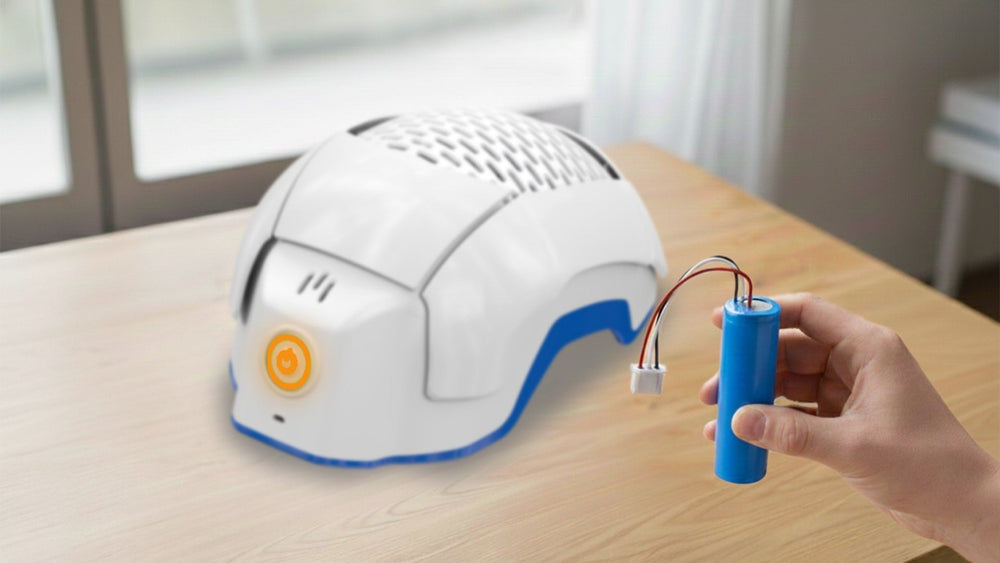
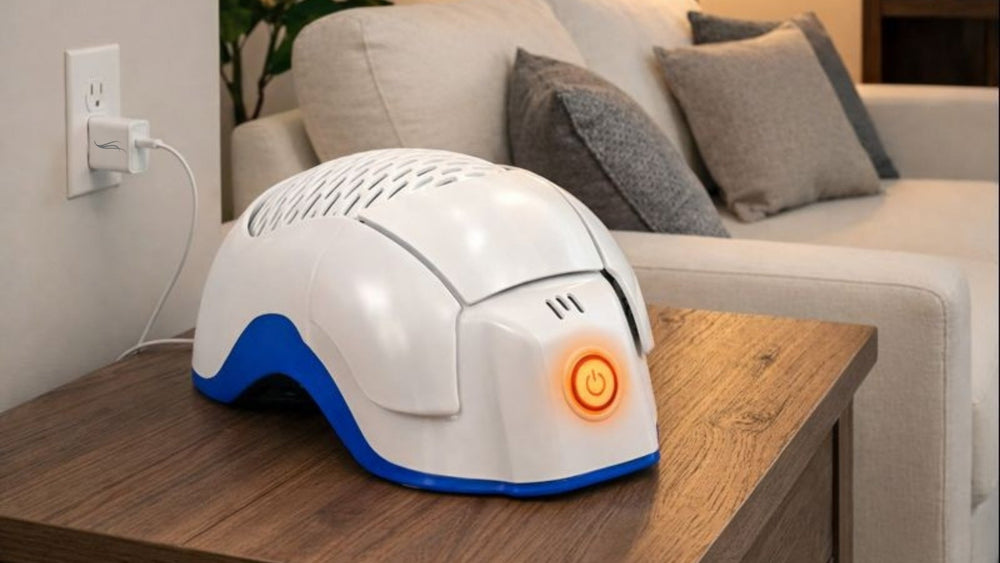
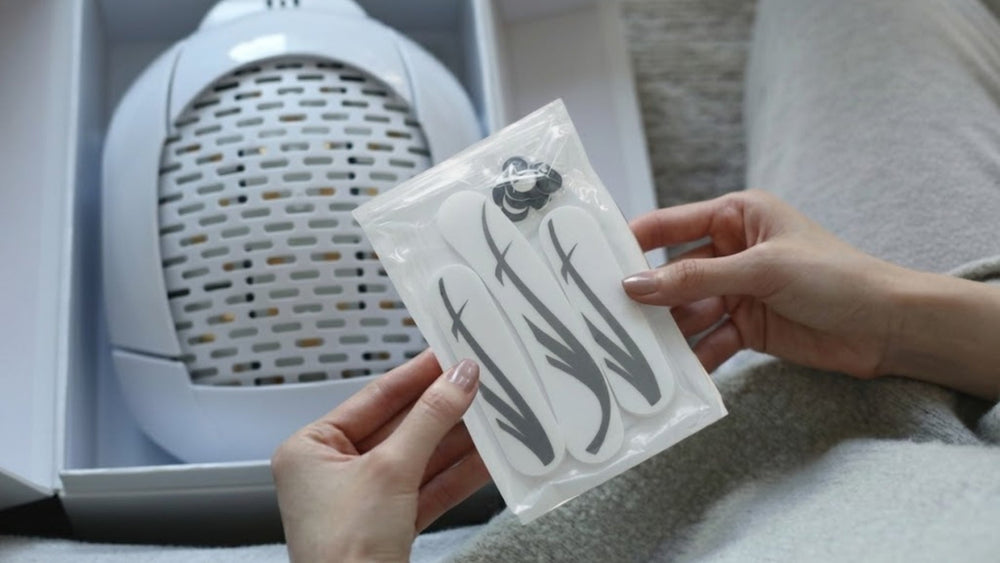
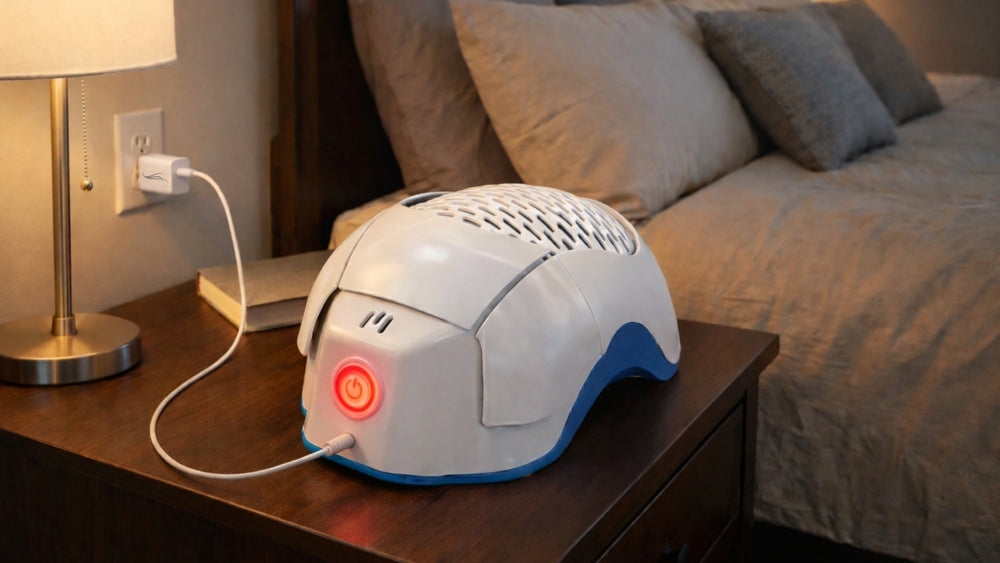
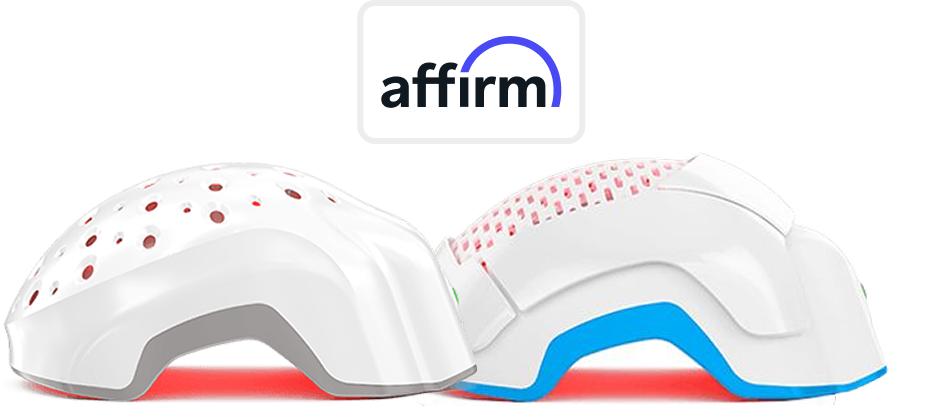
The other part supports follicle-level concerns. Theradome is a patented, FDA-cleared wearable Laser Phototherapy device designed for androgenetic alopecia. FDA documents describe Theradome devices as over-the-counter therapeutic devices intended to treat androgenetic alopecia and promote hair growth in specified male and female classifications.
Treat the strand gently. Support the follicle when pattern thinning is part of the picture.
Quick Routine Cheat Sheet for Hygral Fatigue
|
If your hair feels… |
Try this first |
Avoid this for now |
|
Mushy or gummy when wet |
Shorter wet-time, light strengthening support, gentler drying |
Overnight wet masks |
|
Limp and undefined |
Reduce heavy conditioning, check for buildup |
Adding another rich mask immediately |
|
Frizzy and rough |
Conditioner for slip, less towel friction, careful detangling |
Rough rubbing and dry ripping |
|
Snapping after wash day |
Wide-tooth comb, sectioning, lower-friction drying |
Aggressive wet brushing |
|
Thin at the ends |
Trim damaged ends, reduce repeat friction |
Pretending split ends will become polite |
|
Coated or waxy |
Clarify or chelate if buildup fits the pattern |
Stripping weekly without a reason |
|
Shedding from the root |
Track pattern, check scalp, seek professional guidance |
Assuming it is only breakage |
Conclusion
Hygral fatigue is best understood as water-related stress on the hair shaft, especially when hair is porous, chemically treated, weathered, or handled roughly while wet. It is not a scalp disease, and it does not directly cause true hair loss from the follicle.
Still, it can make hair look thinner by increasing breakage. That part matters.
The smartest fix is not drowning your hair in more moisture. It is reducing unnecessary wet-time, drying gently, using conditioner for slip, adding strengthening support when appropriate, trimming ends that are beyond negotiation, and getting professional help when signs point to shedding or scalp trouble.
If pattern hair loss is also present, follicle-focused options like FDA-cleared Laser Phototherapy may belong in the wider plan. Strand care and follicle care are not the same thing. Hair gets easier when we stop pretending they are.