







Adipex may be part of your hair-shedding timeline, but official Adipex-P labeling does not clearly list hair loss or alopecia as a common adverse reaction. The more likely troublemaker is often what happens around Adipex use: rapid weight loss, lower food intake, low protein, nutrient gaps, stress on the body, thyroid or iron issues, or telogen effluvium, which is a usually temporary form of diffuse shedding.
First, breathe. More hair in the shower can turn a perfectly normal Tuesday into a private detective scene. You start counting strands, side-eyeing your brush, and wondering whether your medication has quietly betrayed you. Fair reaction. Not always the right conclusion.
This article breaks down what Adipex-P actually is, why hair may shed during weight loss, what telogen effluvium looks like, when pattern hair loss may be involved, and what to do next without panic-ordering every “hair vitamin” in sight.
What Is Adipex-P, Exactly?
Adipex-P is a brand-name form of phentermine hydrochloride, a prescription medication used short term for weight reduction in certain people with obesity or weight-related risk factors. The official label describes it as an adjunct to a weight-loss plan that includes caloric restriction, exercise, and behavior modification. So, not a casual “drop a few pounds before vacation” tablet. It is a medical treatment, and it should be managed like one.
Phentermine is often described as an appetite suppressant or anorectic medication. NCBI’s LiverTox resource describes it as a sympathomimetic amine related structurally to amphetamine, with appetite-suppressing effects likely linked to norepinephrine activity in brain appetite centers. That is the part that matters for hair, oddly enough.
Why its appetite-suppressing effect matters for hair
Adipex does not sit in your bloodstream plotting against your follicles. Appetite suppression can make it easier to eat too little. Not intentionally, sometimes. Just… suddenly lunch becomes half a yogurt, a coffee, and the heroic belief that dinner will fix everything. Over time, that can mean lower protein intake, fewer iron-rich foods, less zinc, fewer calories, and a body that decides hair growth is not the day’s most urgent project. Telogen effluvium has been linked with weight loss, unusual diets, nutritional deficiency, medications, and endocrine disorders such as thyroid disease.
Does Adipex Directly Cause Hair Loss?

The official Adipex-P label lists adverse reactions reported in cardiovascular, central nervous system, gastrointestinal, allergic, and endocrine categories. Those include issues such as palpitations, tachycardia, elevated blood pressure, overstimulation, restlessness, dizziness, insomnia, dry mouth, constipation, diarrhea, urticaria, impotence, and changes in libido. Hair loss and alopecia are not clearly named in the label text.
Why people still report shedding while taking it
People may be correct about the timeline but slightly off about the mechanism.
If hair starts shedding after beginning Adipex, the medication may still be part of the chain because it can reduce appetite and contribute to faster weight loss. But the shedding itself may come from the body’s response to rapid change: weight dropping quickly, protein intake dipping, iron stores being low, thyroid problems surfacing, or a stress-triggered shift in the hair cycle. Weight loss, unusual diet, nutritional deficiency, certain medications, stress, and endocrine disorders are among telogen effluvium triggers.
So the smarter question is not only, “Did Adipex cause this?”
It is also, “What changed in my body while I was on it?”
Why Can Hair Shed During Adipex Weight Loss?
Telogen effluvium is a form of diffuse shedding that can happen after a body stressor. The American Academy of Dermatology says excessive shedding can occur after events such as losing 20 pounds or more, and DermNet lists weight loss as a trigger for telogen effluvium. That gives us a pretty sturdy explanation for many Adipex-timeline hair complaints.
The hair cycle does not always complain in real time. It has a delay, like a slow coworker filing paperwork three months late. A 2024 retrospective study of 140 patients with telogen effluvium associated with weight loss found that the condition often appeared after notable weight reduction, with the study population losing an average of about 15 percent of body weight. That study does not prove every shedding case is caused by weight loss, but it supports the clinical pattern dermatologists see: rapid body change can show up later as shedding.
Eating much less can reduce hair-supporting nutrients
Hair is active tissue. It needs fuel, amino acids, minerals, and a reasonably steady body environment. When calories drop hard or meals become erratic, the body may conserve resources for organs that keep you alive. Your scalp, rude as this sounds, does not get first dibs.
StatPearls lists crash dieting, low protein intake, iron deficiency, hypothyroidism, medications, and other physiologic stressors among telogen effluvium triggers. DermNet also lists nutritional deficiency, unusual diet, and endocrine disorders. So if Adipex makes appetite disappear, the villain may not be the pill alone. It may be the tiny intake collapse nobody noticed until the shower drain started acting dramatic.
Stress, sleep disruption, and stimulant effects may add pressure
Phentermine can cause central nervous system effects such as restlessness, dizziness, tremor, and insomnia, according to official labeling. Poor sleep does not automatically cause hair loss by itself, but in the real human body, it can sit beside rapid weight loss, reduced intake, and stress as part of the load.
And sometimes the body does not care which single trigger started the fire. It just reacts to the pileup.
Existing pattern hair loss can become more visible
This is the part nobody loves.
Telogen effluvium can reduce overall density. If someone already has early androgenetic alopecia, also called pattern hair loss, a shedding event can make the widening part, crown thinning, or hairline change easier to see. The American Academy of Dermatology notes that female pattern hair loss may start with a widening part or thinner ponytail and can progress without treatment.
That does not mean Adipex “created” genetic hair loss from scratch. More often, the shedding reduces the camouflage. The background issue steps forward. Uninvited, of course.
What Is Telogen Effluvium?
Hair does not grow nonstop forever. Each follicle cycles through phases: active growth, transition, rest, and shedding. In telogen effluvium, more hairs than usual shift into the resting phase and later shed. Telogen effluvium is temporary excessive shedding of resting hairs after a shock to the system, while new hair continues to grow.
That last bit matters. Telogen effluvium usually does not mean every follicle has packed a suitcase and left town. The follicles are often still alive. They are just responding to a trigger.
Still scary when it is your hairbrush, though.
Why shedding often starts months later
The delayed timing is one of the most confusing parts. DermNet says increased hair fall in telogen effluvium is often noticed two to four months after the triggering event. The British Association of Dermatologists gives a similar timeline, noting that shedding often appears about three months after the trigger and may last several months.
So if you started Adipex, lost weight quickly, ate far less than usual, and then noticed shedding months later, that timing can fit telogen effluvium. Not always, but often enough that it should be considered.
The delay is the annoying part. Your hair files the complaint after the body stress happened.
Why telogen effluvium usually looks diffuse
Telogen effluvium usually causes shedding across the scalp rather than one clean bald patch. You may notice more hair in the shower, more strands in your brush, more shedding when you run your fingers through your hair, or a ponytail that feels thinner than it did a few months ago. Telogen effluvium is diffuse, non-scarring hair loss that can involve a substantial amount of scalp hair.
Diffuse does not mean invisible. It can feel deeply visible to the person living with it.
And yes, sometimes everyone else says, “I don’t notice anything,” which is somehow not comforting at all.
What Does Adipex-Related Shedding Usually Look Like?
Hair shedding linked to weight loss or telogen effluvium usually looks like all-over thinning rather than one sharply defined bald area. You may see more hair in the drain, on the pillowcase, on your shirt, or wrapped around your fingers after washing. The American Academy of Dermatology says shedding 50 to 100 hairs daily can be normal, but losing noticeably more can point to excessive shedding, also called telogen effluvium.
The timing matters too. If the shedding begins two to four months after rapid weight loss, illness, major stress, diet change, or medication shift, it fits the classic telogen effluvium pattern more than instant medication damage.
Signs that may point to something else
A widening part, a thinning crown, or a receding hairline may point toward androgenetic alopecia rather than simple short-term shedding. Female pattern hair loss can begin as a widening part and thinner ponytail, then progress without treatment.
Patchy hair loss, scalp pain, burning, scale, redness, pustules, broken hairs, shiny scar-like areas, or eyebrow and body-hair loss needs a different level of attention. That may be alopecia areata, infection, inflammatory scalp disease, traction alopecia, thyroid disease, anemia, or something else entirely. AAD notes that dermatologists may examine the scalp and hair, perform hair-pull testing, and order blood tests or scalp biopsy when disease, vitamin deficiency, hormone imbalance, or infection is suspected.
So, do not let a blog diagnose your scalp from across the internet.
How Can You Tell Telogen Effluvium From Pattern Hair Loss?
|
Clue |
More like telogen effluvium |
More like androgenetic alopecia |
|
Timing |
Often begins two to four months after a trigger such as weight loss, illness, restrictive eating, or medication change |
Usually develops gradually over months or years |
|
Pattern |
Diffuse shedding across the scalp |
Widening part, crown thinning, temples, or hairline change |
|
What you notice |
More hair in shower, brush, pillow, or hands |
Slowly reduced density in a recognizable pattern |
|
Main driver |
Body stressor, rapid weight loss, low intake, illness, thyroid issue, iron issue, or medication shift |
Genetic and hormone-related follicle sensitivity |
|
Outlook |
Often improves when the trigger resolves |
Usually progressive without treatment |
|
Next step |
Track timeline, review nutrition, speak with clinician, consider labs |
See a dermatologist for diagnosis-specific treatment |
Why both can happen together
Two things can be true at once. Cruel little sentence, but useful.
Someone can have telogen effluvium from rapid weight loss and also have early androgenetic alopecia. In that case, shedding reduces overall volume, and the pattern underneath becomes easier to spot. Female pattern hair loss can start with a widening part or thinner ponytail and progress without treatment.
That is why diagnosis matters. Not because we want to make things complicated, but because the wrong treatment wastes time. And hair people hate wasted time. Reasonably.
What Should You Do If Your Hair Starts Falling Out While Taking Adipex?
Do not stop Adipex without your prescriber's advice
If your hair starts shedding while taking Adipex, do not stop or change your dose without speaking with the prescribing clinician. The American Academy of Dermatology specifically advises talking with a doctor before immediately stopping a treatment or medication suspected of causing hair loss, because stopping some medications suddenly can create other risks.
Also, Adipex has safety issues that have nothing to do with hair. So, call a doctor immediately for serious symptoms such as increased blood pressure, heart palpitations, restlessness, dizziness, tremor, insomnia, shortness of breath, chest pain, swelling of the legs and ankles, or reduced ability to exercise.
Hair matters. Breathing and chest pain matter more.
Write down the timeline
Before your appointment, write down when you started Adipex, your dose, any dose changes, how much weight you lost, how quickly it happened, and when shedding began. Add diet changes too. Yes, even the “I was barely hungry so I just kind of forgot lunch” stuff.
This helps your clinician see whether the timing fits telogen effluvium. DermNet’s two-to-four-month delay after a trigger is especially useful here because many people look only at what happened in the last two weeks. Hair does not always work on a two-week gossip schedule.
Check whether you are eating enough
This is not a moral lecture. It is biology being a bit bossy.
If Adipex has made food feel optional, review your protein intake, total calories, iron-rich foods, and overall meal pattern. Crash dieting, low protein intake, iron deficiency, hypothyroidism, and medication triggers are among the causes of telogen effluvium.
A registered dietitian can be helpful if you are losing weight quickly or struggling to eat enough. Not because you failed. Because appetite suppression can be weirdly effective, and hair has no patience for nutritional improvisation.
Ask about targeted labs, not random guessing
If shedding is heavy, prolonged, or paired with fatigue, dizziness, heavy periods, brittle nails, menstrual changes, cold intolerance, palpitations, or major restriction, ask your clinician whether lab testing makes sense. Blood tests may be needed when disease, vitamin deficiency, hormone imbalance, or infection is suspected.
Common clinician-discussed tests may include a complete blood count, ferritin or iron studies, thyroid testing, vitamin D, zinc, B12, folate, or hormone testing when symptoms point that way. The exact list should come from your clinician, not a comment section with suspicious confidence.
Can Nutrition Help Prevent Hair Loss During Adipex Weight Loss?
Hair fiber is largely made of keratin, a structural protein. That does not mean eating protein magically grows waist-length hair by Friday. Please. But low protein intake is a recognized trigger for telogen effluvium, and appetite suppression can make low intake easier to miss. StatPearls specifically lists low protein intake and crash dieting among telogen effluvium triggers.
If you are taking Adipex and your appetite has collapsed, protein planning becomes less “fitness influencer behavior” and more common sense. Eggs, Greek yogurt, fish, poultry, beans, lentils, tofu, lean meats, or whatever fits your dietary pattern. The point is not perfection. It is consistency.
Iron, thyroid, zinc, and vitamin D should be handled with care
Iron deficiency and thyroid disorders can contribute to shedding, and both are common enough that clinicians often consider them when evaluating diffuse hair loss. DermNet lists iron deficiency and endocrine disorders such as hypothyroidism and hyperthyroidism among telogen effluvium triggers. Blood tests may be used when vitamin deficiency, hormone imbalance, disease, or infection is suspected.
But supplements are not confetti. Guo and Katta’s review on diet and hair loss notes that nutrient deficiency may affect hair, while over-supplementation of certain nutrients, including selenium, vitamin A, and vitamin E, has been linked to hair loss.
So yes, correct deficiencies. Do not throw capsules at the wall and hope your follicles clap.
Biotin is not the main character
Biotin is not bad. It is just overcast in a role it often did not audition for.
NIH’s Office of Dietary Supplements says biotin deficiency is rare, and severe deficiency in healthy people eating a normal mixed diet has never been reported. A 2024 review on biotin and hair loss found low-grade evidence mainly supporting biotin use in deficiency or certain specific pediatric conditions, not as a routine answer for general hair loss in non-deficient adults.
So if your hair is shedding while taking Adipex, “take biotin” should not be the reflex. The better reflex is: check the timeline, check intake, check likely triggers, and ask whether testing makes sense.
Why diagnosis matters before choosing hair treatment
Hair loss is not one thing. It is a category with several culprits wearing similar jackets.
Telogen effluvium, androgenetic alopecia, alopecia areata, traction alopecia, scalp infection, inflammatory scalp disease, thyroid-related shedding, and iron-related shedding can all look like “my hair is falling out” to the person standing in the bathroom. Dermatologists diagnose hair loss through history, scalp and hair examination, hair-pull testing, and tests such as blood work or scalp biopsy when needed.
So before choosing treatment, get the type right.
When Should You Call Your Doctor?
Call your prescriber promptly if you notice serious symptoms while taking Adipex or phentermine, especially shortness of breath, chest pain, fainting, swelling of the legs or ankles, heart palpitations, increased blood pressure, severe restlessness, dizziness, tremor, insomnia, or difficulty doing exercise you could previously do. MedlinePlus lists several of these as symptoms requiring immediate medical contact.
The official label also warns about rare but serious pulmonary hypertension and valvular heart disease, and it specifically flags symptoms such as new unexplained shortness of breath, chest pain, fainting, and lower-extremity swelling.
Again, bathroom hair panic is horrible. Chest pain is a different category.
See a dermatologist for hair and scalp red flags
See a dermatologist if shedding is patchy, painful, scaly, itchy, inflamed, associated with pustules, linked with eyebrow or body-hair loss, or lasting longer than expected. Also book an evaluation if your part is widening, your crown looks thinner, or your hairline is shifting. That pattern may need treatment beyond waiting for telogen effluvium to settle.
A dermatologist can help sort shedding from breakage, diffuse hair loss from patterned thinning, and temporary shedding from scalp disease. Blood tests or scalp biopsy may be needed when disease, deficiency, hormone imbalance, or infection is suspected.
The “not urgent, but don’t ignore it” middle zone
If your shedding is diffuse, painless, and began a few months after rapid weight loss, it may fit telogen effluvium. That is not usually an emergency. But it is still worth mentioning to your clinician, especially if you are losing weight fast, skipping meals, feeling weak, or eating far less than you meant to.
Hair is sometimes the receipt. It tells on the body later.
How Long Does Hair Loss After Adipex Last?
If it is telogen effluvium
If the shedding is acute telogen effluvium, it often improves after the trigger is corrected. This is where patience becomes deeply irritating but necessary. New growth does not announce itself with a marching band. It may show up first as short, awkward baby hairs that refuse to behave.
If it is androgenetic alopecia
If shedding has revealed androgenetic alopecia, the timeline is different. Pattern hair loss tends to progress without treatment, and earlier care often gives a better chance of maintaining density. Female pattern hair loss can progress from widening part to overall thinning without treatment.
This is why “wait and see” is not always wrong, but it should not become “ignore and hope.” If the part keeps widening or the crown keeps thinning, get a proper diagnosis.
What Should You Avoid Doing?
Do not crash harder because the scale is moving
Rapid weight loss can feel rewarding. The scale drops, clothes fit differently, people comment, and suddenly a very restrictive diet starts feeling like discipline. But the hair cycle may not enjoy that victory lap. AAD lists losing 20 pounds or more as a common trigger for excessive shedding.
The goal is not to stop caring about weight. The goal is to stop asking your body to sprint on crumbs.
Do not start every supplement at once
Do not start biotin, collagen, iron, zinc, selenium, vitamin A, vitamin D, and “hair growth blend number whatever” all at the same time without medical guidance. It muddies the waters. Worse, some nutrients can cause problems when taken excessively. Guo and Katta’s review notes that over-supplementation of selenium, vitamin A, and vitamin E has been linked to hair loss.
More is not always more. Sometimes more is just expensive urine with side effects.
Do not assume every strand is Adipex’s fault
It might be the weight loss. It might be low intake. It might be iron. It might be thyroid. It might be postpartum shedding, menopause, PCOS, scalp inflammation, tight hairstyles, bleach damage, androgenetic alopecia, or a combination your follicles refused to label neatly.
DermNet’s hair-loss overview includes multiple categories, including shedding disorders, medications, endocrine disorders, nutritional issues, inflammatory conditions, infections, and pattern hair loss. That is why a timeline helps, but diagnosis still matters.
Quick Self-Check Before You Book an Appointment
Bring this to your doctor or dermatologist. Not because you need to be perfect. Because details save time.
- When did you start Adipex or phentermine?
- What dose are you taking?
- Did your dose change?
- How much weight have you lost?
- How fast did it happen?
- Did your appetite drop sharply?
- Are you skipping meals?
- Are you getting enough protein?
- Did shedding begin two to four months after a major change?
- Is the shedding all over, or mostly at the part, crown, temples, or hairline?
- Any scalp pain, burning, scale, redness, or patches?
- Any fatigue, dizziness, heavy periods, cold intolerance, palpitations, or menstrual changes?
- Any new medications, illness, surgery, childbirth, extreme stress, or birth-control changes?
- Any family history of pattern hair loss?
A simple note in your phone is enough. No need for a color-coded spreadsheet unless that is your coping style.
How Laser Phototherapy and Theradome May Help (When Pattern Hair Loss Is Also Present)
If your shedding is temporary telogen effluvium from rapid weight loss, low intake, or a body stressor, the first move is still boring but important: identify the trigger, correct what needs correcting, and give the hair cycle time to settle.
But if the shedding has made an underlying pattern more obvious, that is a different conversation. A widening part, thinner crown, more visible temples, or gradual density loss may point toward androgenetic alopecia, also called male or female pattern hair loss. And unlike short-term telogen effluvium, pattern hair loss tends to need ongoing support rather than just waiting it out.
LPT uses low-level laser light to support hair growth in people with pattern hair loss. The evidence is not built around “Adipex hair loss” specifically. It is built around androgenetic alopecia and pattern hair loss. A systematic review and meta-analysis of home-use low-level light and laser devices found that LLLT devices significantly increased hair density compared with sham devices in randomized controlled trials, while also noting that longer-term studies and device-to-device comparisons are still needed.
So, no, LPT is not the thing you use to “cancel out” crash dieting or under-eating. Your follicles are not a printer you can unplug and restart.
But when Adipex-timeline shedding reveals pattern thinning underneath, LPT becomes much more relevant. It may be discussed as part of a longer-term plan for androgenetic alopecia, especially for people who want a non-drug option or want to pair device-based care with other dermatologist-guided treatments.
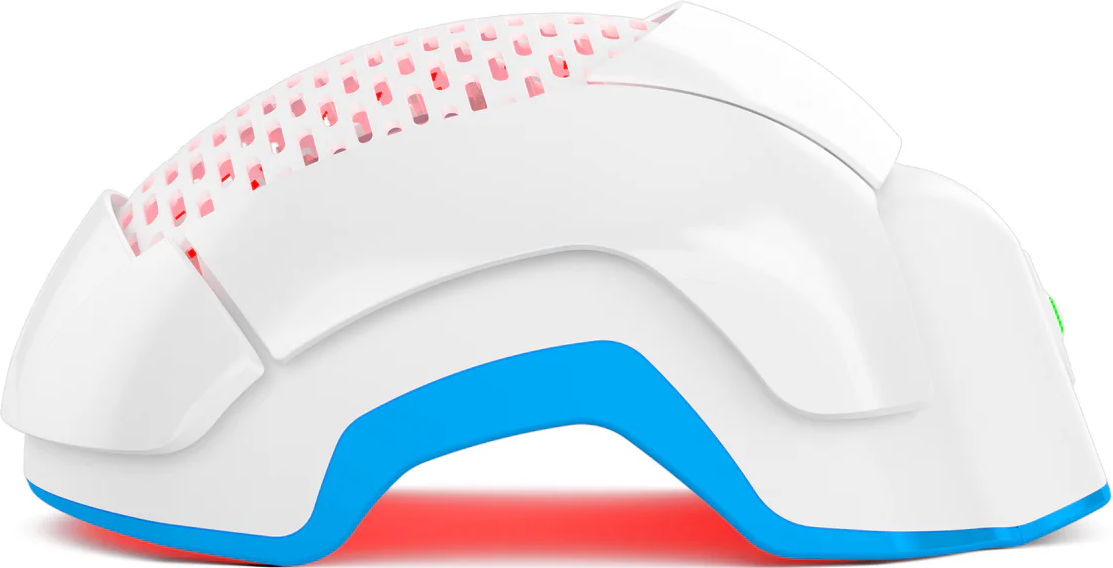
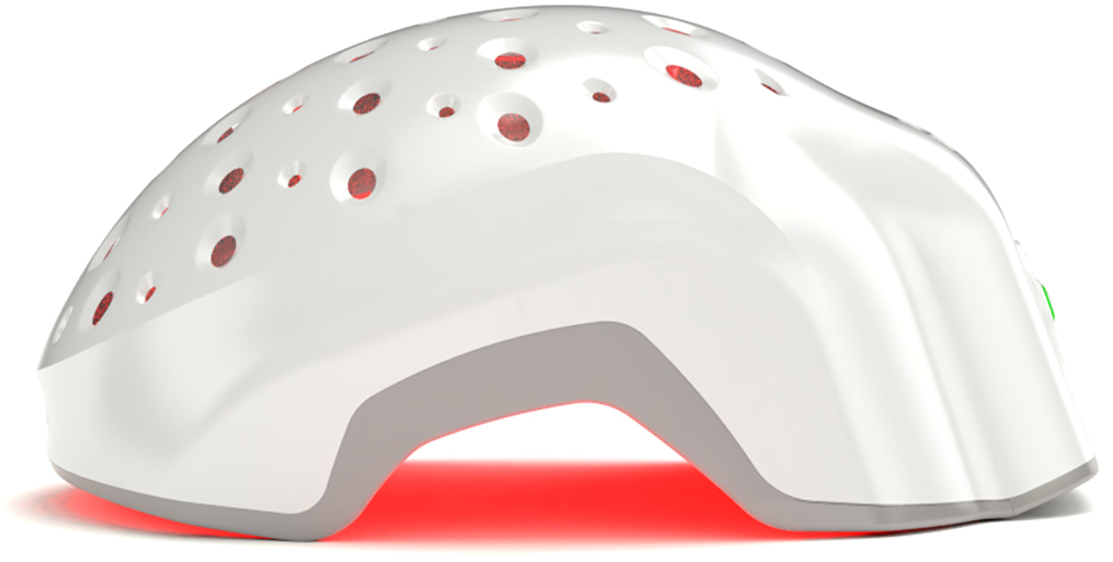
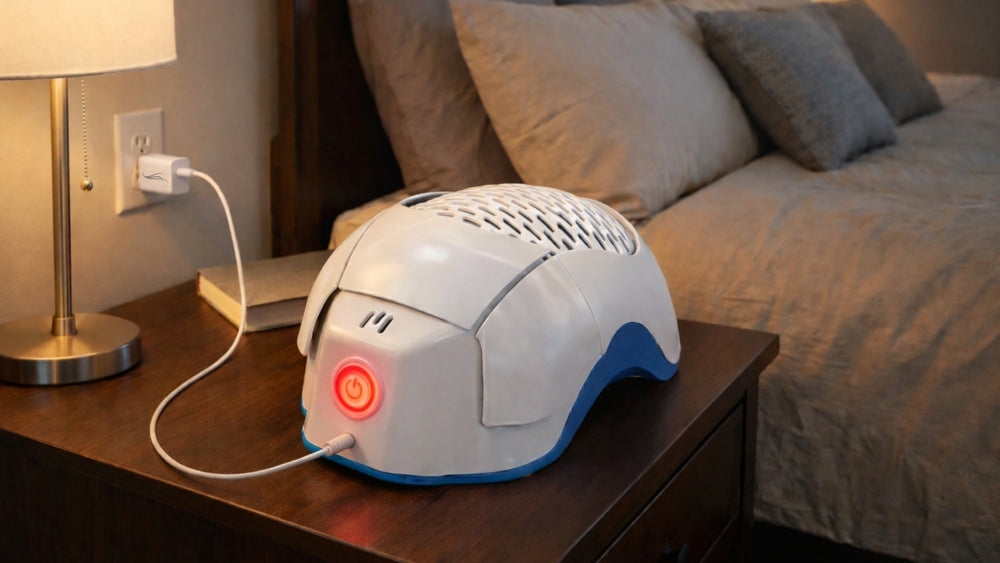
Theradome sits in that lane carefully. It as an over-the-counter therapeutic device intended to treat androgenetic alopecia and promote hair growth in males with Norwood-Hamilton Classifications IIa to V and females with specified Ludwig-Savin pattern hair loss classifications, both with Fitzpatrick Skin Types I to IV.
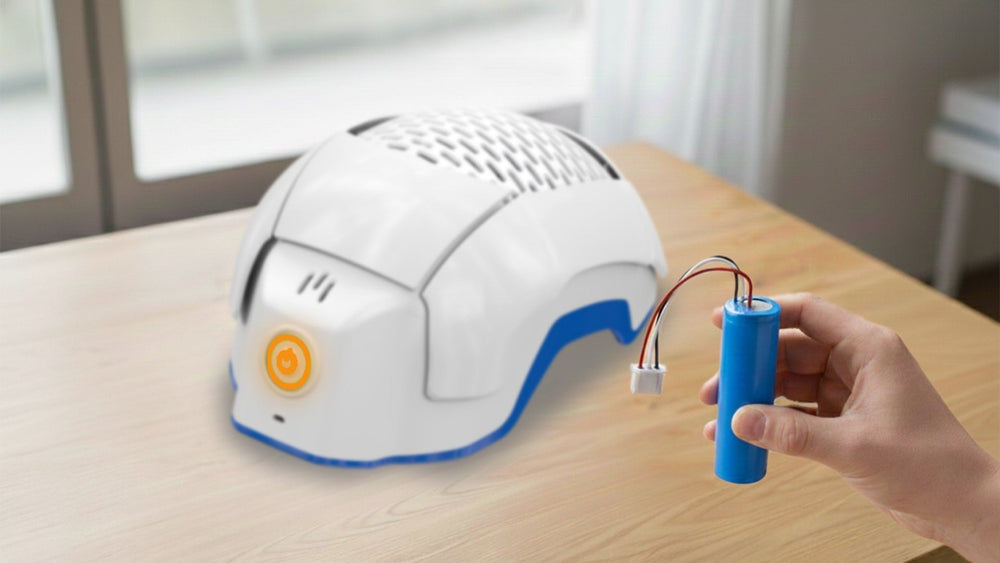
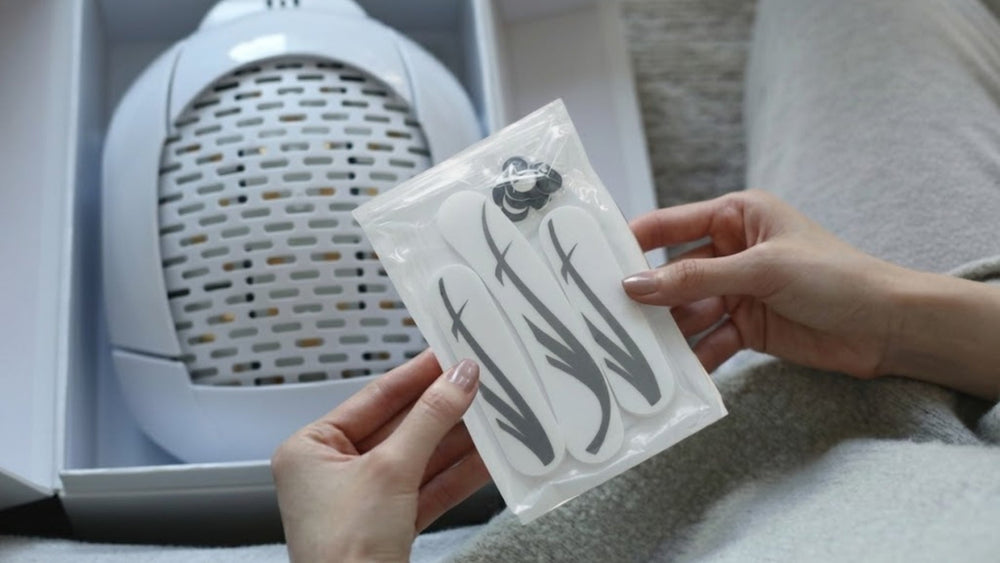
The device uses low-level coherent light in a helmet format, with 80 coherent light diodes designed to deliver light stimulation across the scalp during a hands-free treatment session. The device has a timer that turns the lights off after the 20-minute treatment is complete.
That full-scalp, wearable part matters in a very practical way. If someone is already dealing with hair anxiety after weight loss, the last thing they need is another complicated routine that feels like a part-time job with a charger. A helmet-style LPT device can make consistency easier, and consistency is not a cute extra in hair care.
The clean way to think about it is this:
If your hair loss is mainly telogen effluvium, start with the trigger.
If pattern hair loss is also present, ask about pattern-hair-loss treatment.
And if androgenetic alopecia is part of the picture, an FDA-cleared LPT device like Theradome should be a part of that plan.
Conclusion
Adipex may be part of your hair-loss timeline, but it is not clearly established as a common direct hair-loss cause in official labeling. More often, the better suspect is what happens around Adipex: rapid weight loss, reduced appetite, low intake, nutrient gaps, stress, thyroid or iron issues, or telogen effluvium.
The move is not panic. It is pattern recognition.
Track the timeline. Talk to your prescriber. Check nutrition. See a dermatologist if shedding is severe, patterned, patchy, painful, or lingering. And if underlying androgenetic alopecia is part of the picture, Laser Phototherapy may have a thoughtful place in the plan.
Your hair is not being dramatic. It may just be reporting late.