





Adaptogens may help with hair growth indirectly, mostly when stress is part of the shedding pattern. They do not have strong evidence as direct hair regrowth treatments, and they do not address the main driver of androgenetic alopecia the way proven treatments do.
A lot of people land here hoping for a tidy answer. One herb. One capsule. One slightly dramatic turnaround. Hair loss is rude that way. It usually refuses to be simple.
And that matters, because when people search adaptogens for hair growth, they are often not really asking about herbs. They are asking whether stress is wrecking their hair… and whether calming the body down might help it stop. Fair question, actually.
What Are Adaptogens… and Why Are They Even Linked to Hair Growth?
What “adaptogen” actually means
Adaptogens are natural substances, usually plants and sometimes fungi, that are proposed to improve resilience to physical or psychological stress. In modern research, they are often described as acting through stress response systems, especially the hypothalamic pituitary adrenal axis and related signaling networks. That definition is widely used in reviews, though it is still broader and fuzzier than the definition of a drug.
So, no, “adaptogen” is not some tightly policed medical class with the neatness of an FDA drug category. It sits in that awkward middle ground where traditional use, modern pharmacology, and supplement marketing all keep bumping into each other. Which is partly why the claims around it can get slippery.
Why hair loss conversations keep circling back to stress
Because stress really can affect hair. Just not in the cartoon version people sometimes hear online.
Hair follicles cycle through growth, transition, rest, and shedding phases. That cycling is influenced by endocrine, immune, nutritional, and local follicular signals. Under enough systemic strain, more hairs can shift out of growth and into resting and shedding sooner than they should.
That is where adaptogens enter the chat, awkwardly but understandably. If a herb can lower stress signaling, maybe it can help keep stress related shedding from getting worse. Maybe. That logic is not ridiculous. It is just narrower than most marketing copy makes it sound.

The Real Biology of Hair Growth
Healthy scalp follicles move through anagen, which is the active growth phase, catagen, which is a short transition phase, and telogen, which is a resting phase. A later shedding step, exogen, is often discussed too. On a normal scalp, most hairs are in anagen, while a smaller share sit in telogen at any given time.
What actually causes hair loss
Hair loss is not one thing. Androgenetic alopecia is tied mainly to genetic susceptibility and androgen signaling, especially dihydrotestosterone related follicle miniaturization. Telogen effluvium is a reactive shedding pattern often triggered by metabolic stress, illness, hormonal shifts, low iron, crash dieting, postpartum changes, thyroid disease, or certain medicines. Alopecia areata is different again, with immune mechanisms in the frame.
If the problem is pattern hair loss, calming the stress system may help your nerves… but it does not directly block the miniaturization process that drives androgenetic alopecia.
Why many “natural” fixes miss the point
Because they often talk about “hair growth” like the follicle has one single button. It doesn’t. Hair is annoyingly biological. You have timing issues, endocrine issues, nutrient issues, inflammatory issues, immune issues, and plain old genetics. Sometimes more than one at once.
The Link Between Stress and Hair Loss (Where Adaptogens Actually Fit)
Chronic stress influences neuroendocrine pathways, including cortisol related signaling, and that can affect hair follicle cycling. Reviews on stress and hair growth describe cortisol as one piece of a broader stress response that can disturb normal follicle behavior, including the shift between anagen and telogen.
Telogen effluvium
Telogen effluvium is the classic “something happened three months ago and now my brush looks haunted” pattern. It is a diffuse shedding state where a larger number of hairs leave the growth phase and enter the resting phase early, then shed later. The lag is important. It is one reason people miss the trigger.
Stress can trigger shedding. It does not explain every thinning scalp.
That sentence is doing a lot of work here. Emotional or physiological stress is a real telogen effluvium trigger, but it is not the main mechanism behind androgenetic alopecia. So if someone has classic patterned thinning at the temples, mid scalp, or crown, adaptogens are unlikely to be the main lever that changes the outcome.
And honestly… this is where people get frustrated. They do one “stress support” supplement, wait six weeks, stare under bathroom lighting like it owes them money, then conclude nothing works. Sometimes the issue was never mainly stress in the first place.
So… Do Adaptogens Actually Help With Hair Growth?
Where they can help
Adaptogens may be useful when stress is a meaningful part of the shedding pattern. That makes the best case for them in stress linked telogen effluvium, or in someone whose stress, poor sleep, and general physiologic overload are clearly part of the backdrop. Human research does support some adaptogens, especially ashwagandha, for reducing stress related outcomes and lowering cortisol.
Where they do not do much
There is not strong evidence that adaptogens directly regrow hair in androgenetic alopecia. They are not established first line treatments for pattern hair loss, and they do not replace treatments that directly target follicle biology or androgen pathways.
So the honest answer is a bit unsatisfying, which usually means it is closer to the truth. Adaptogens may help some people with some hair loss scenarios. They are not a straight line to thicker hair across the board.
How Adaptogens Work (Without Making Your Eyes Glaze Over)
Cortisol regulation
Ashwagandha is the adaptogen with the strongest human stress data. A 2024 systematic review and meta analysis found improvements in stress and anxiety related outcomes, with cortisol lowering reported in pooled analysis, although the literature is not perfectly uniform and some more recent pooled work suggests cortisol may fall even when perceived stress does not always shift in the same direction.
That is useful for hair only in an indirect way. If stress is helping shove follicles out of anagen sooner than they should go, reducing that stress load may lower one trigger. It is not the same thing as directly stimulating a resting follicle to produce a better hair shaft. Different lane.
Inflammation and oxidative stress
Some adaptogens are studied for antioxidant and anti inflammatory activity, and telogen effluvium research increasingly discusses inflammatory mediators and oxidative stress within the follicular environment. But this is where people should slow down a bit. Mechanistic plausibility is not the same as solid hair outcome data in humans.
Hormonal interaction
You will sometimes see bold supplement claims about “hormone balancing.” I’d keep my eyebrow slightly raised there. Ashwagandha and some other botanicals may influence endocrine signaling, but human hair specific evidence is limited, and any hormone related claim needs extra caution. Reishi has preclinical anti androgen findings, for example, yet that is not the same thing as proven clinical benefit for scalp hair.
Which Adaptogens Are Actually Used for Hair?
Ashwagandha
Ashwagandha is the one people mention most, and that is not random. It has the strongest human evidence for stress support among the commonly marketed adaptogens. There is also an early 2023 study on a topical ashwagandha serum reporting improvement in hair growth and hair health indicators over 75 days. Promising, yes. Definitive, no. Single study, modest scale, short follow up.
Rhodiola
Rhodiola is better supported for fatigue and stress related performance outcomes than for hair itself. Reviews suggest potential anti stress activity, but direct human hair growth data are lacking. So if a product talks about rhodiola and hair, the logic is usually “support stress resilience first,” not “this has proven scalp regrowth data.”
Holy basil, also called tulsi
Tulsi has human data for stress related outcomes and a long traditional use history. It also has antimicrobial, anti inflammatory, and adaptogenic literature behind it. Still, direct clinical evidence for hair regrowth is thin to absent. It is fair to call it plausible in a supportive role. It is not fair to present it like a proven hair treatment.
Reishi
Reishi gets attention because of laboratory and animal data suggesting anti androgen activity, including 5 alpha reductase inhibition in preclinical work. That is interesting. It is also still a long way from saying reishi reliably improves pattern hair loss in humans. That leap is where a lot of supplement writing quietly loses its manners.
Are Adaptogens Worth Trying for Hair Loss?
Better candidates
You might consider them if your shedding looks and feels like telogen effluvium, especially after illness, major emotional strain, crash dieting, postpartum changes, or another obvious stressor. They may also make more sense when poor sleep, anxiety, or physiologic overload are part of the picture.
Poorer candidates
If you have longstanding patterned thinning, miniaturization, widening part lines, recession, or a family history screaming from the rooftops, adaptogens should not be framed as your main treatment. That is not me being harsh. That is just matching the tool to the biology.
Timing and expectations
Even when the trigger is stress related, hair does not usually bounce back on your preferred timeline. Telogen effluvium often improves after the trigger is corrected, but visible recovery can take months, with regrowth restarting around the six month mark or later in a way patients can appreciate. Hair is patient. We usually are not.
Safety, Side Effects, and Things People Forget
Ashwagandha appears to be generally well tolerated for short term use in studied settings, but long term safety is still not well established. The NIH Office of Dietary Supplements notes potential concerns involving the liver and thyroid, and advises caution in pregnancy and breastfeeding. Rare but clinically important cases of ashwagandha associated liver injury have also been reported.
One more thing. Supplements can interact with medicines. So if someone is on thyroid medication, immunosuppressants, sedatives, blood sugar drugs, or has liver disease, “it’s only herbal” is not a serious safety plan.
A More Complete Approach (This Is Usually the Part That Helps Most)
If stress is part of the issue, it makes sense to address it. But follicles do not read intentions. They respond to biology. That means the fuller plan may include correcting iron deficiency, checking thyroid issues when symptoms point there, improving protein intake, treating pattern hair loss directly when present, and choosing therapies that actually reach the follicle.
Why direct follicle support still matters
For androgenetic alopecia, the evidence base is much stronger for minoxidil, finasteride in appropriate patients, and low level light or laser therapies than it is for adaptogens. Reviews and meta analyses support hair density improvements with FDA cleared light devices, and current guidance places these treatments in the actual treatment conversation, not just the “wellness support” corner.
Where Theradome fits in
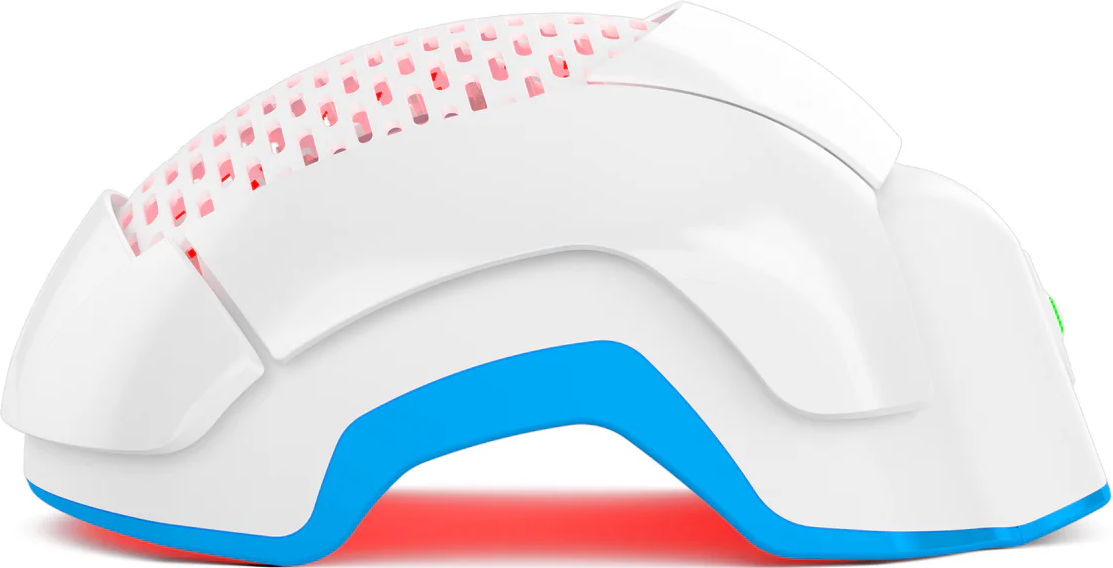
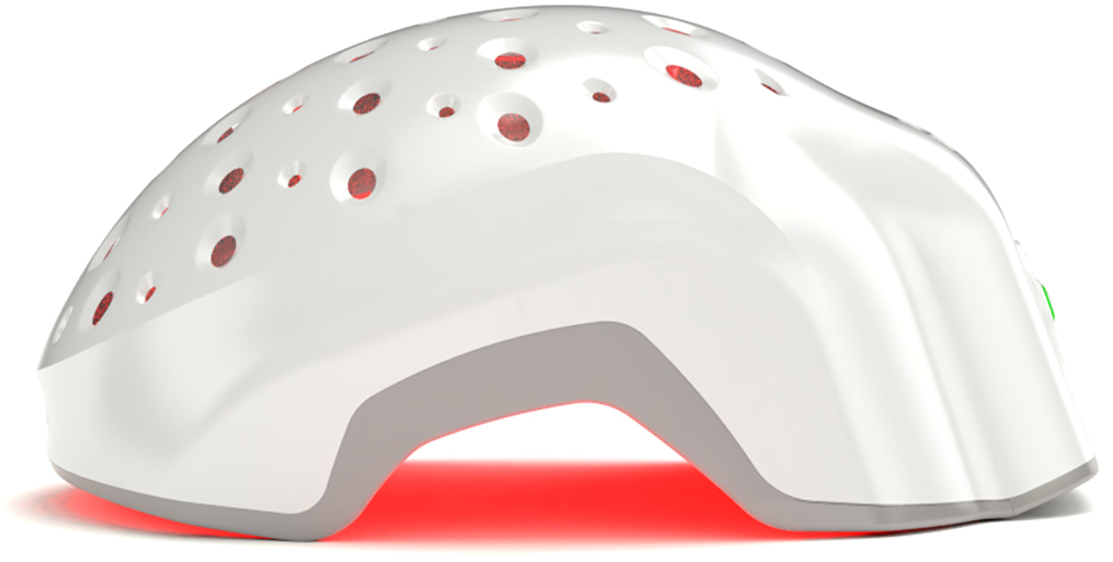
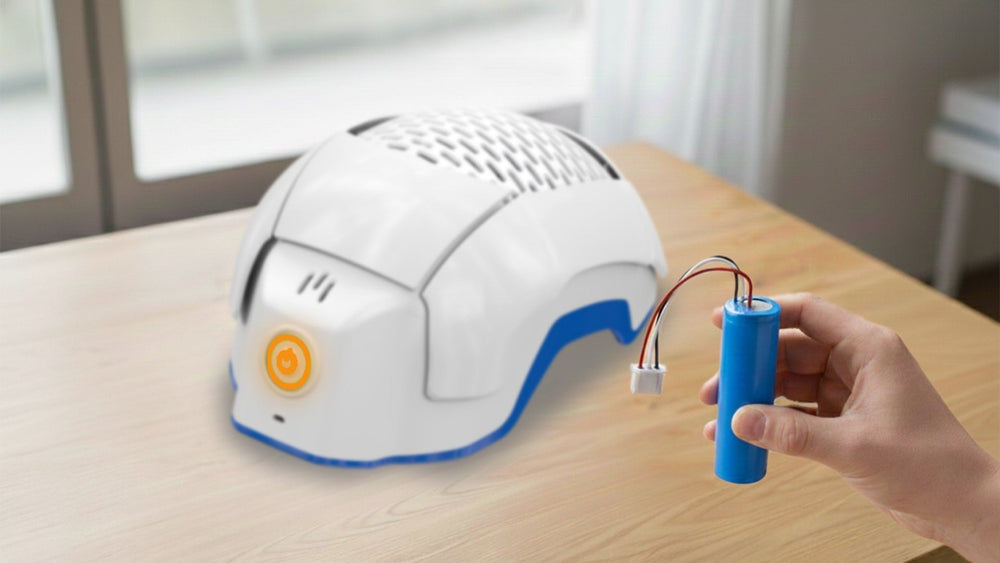
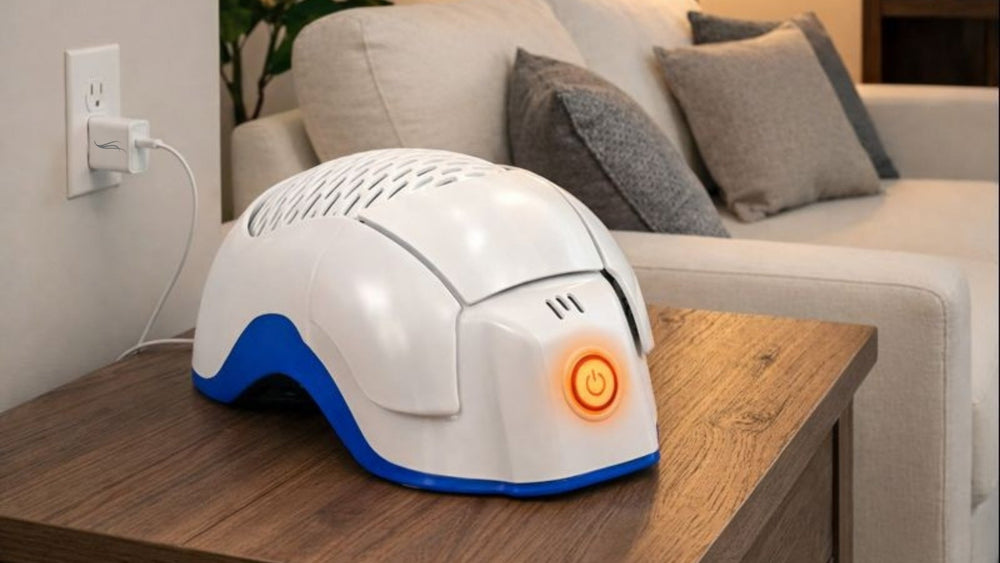
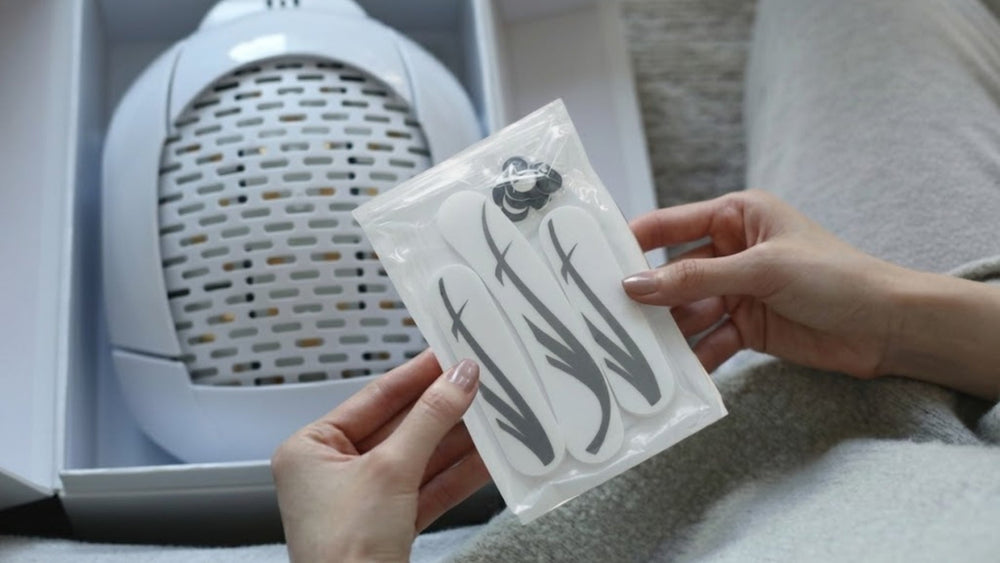
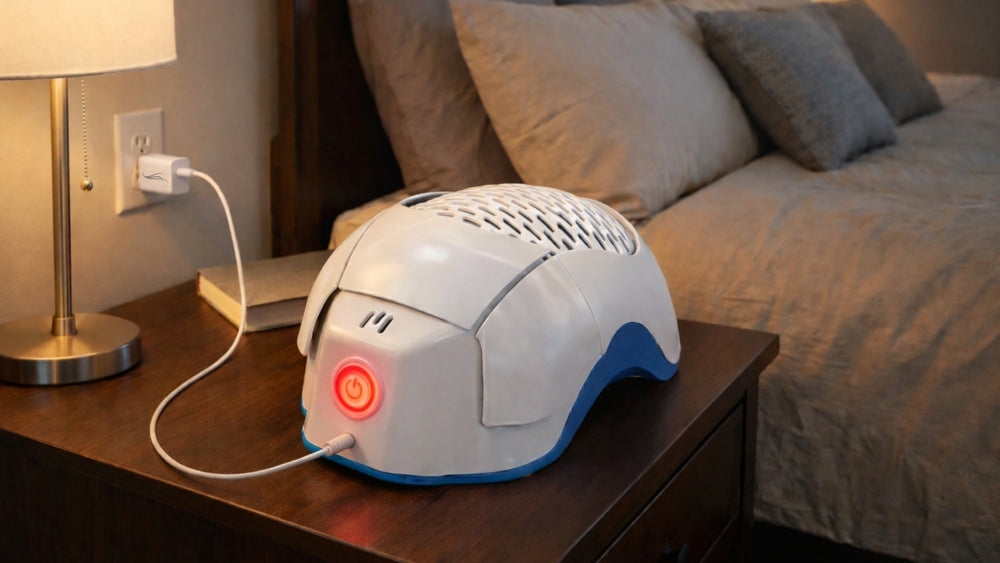
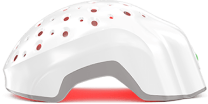
One example is Theradome, a wearable FDA cleared light device indicated for androgenetic alopecia. FDA clearance documents for Theradome models describe them as over the counter low level laser therapy devices intended to promote hair growth through photobiostimulation in indicated patients. So if adaptogens help by lowering one internal stress burden, a light device like this belongs to the separate category of direct follicle targeted support.
And no, that does not mean you throw every hair thing you can find into one shopping cart at 1:14 a.m. It means you match the intervention to the mechanism. Which is far less glamorous… and far more useful.
So… What Should You Actually Do From Here?
If your shedding began after stress, illness, childbirth, rapid dieting, or a rough few months, get the pattern assessed before assuming it is permanent hair loss. A clinician may look at timing, distribution, scalp findings, medications, iron status, and thyroid clues to sort out whether this is telogen effluvium, androgenetic alopecia, or both.
If stress looks like a real driver, an adaptogen may be reasonable as a supporting piece.
If pattern hair loss is in the mix, build around treatments with stronger hair data.
Simple. Not easy, but simple.
Conclusion
Adaptogens may help with hair growth in an indirect way, mostly by easing one trigger behind stress related shedding. That can matter, especially in telogen effluvium. But they are not proven direct regrowth treatments, and they should not be presented like a substitute for established therapies in androgenetic alopecia. The better approach is usually less romantic and more effective: identify the type of hair loss, correct the trigger when possible, and use treatments that match the biology you are actually dealing with.