







Finasteride can help some existing, thinning hairs look fuller in men with androgenetic alopecia (male pattern hair loss). It works by reducing dihydrotestosterone, or DHT, which contributes to follicle miniaturization. That can mean better hair growth and coverage over time, although it does not make every strand thicker or reliably restore completely bald areas. (Kaufman et al., 1998; FDA, 2022)
So, does finasteride thicken hair, or does it just stop more of it from disappearing? Both outcomes are possible. And the difference between them is worth understanding before you spend months checking the mirror for signs of progress.
What Does “Thicker Hair” Actually Mean?
Most people asking about thicker hair aren't waiting for a microscope report. They want their crown to look less bare under overhead lighting. Fair enough. But researchers measure several different things, and they are not interchangeable.
A hair-count study records how many hairs appear in a defined scalp area. Hair-weight measurements assess the mass of hair collected from that area. Standardized photographs show how much visible coverage changes. Individual shaft diameter is yet another measure. Better coverage can result from several of these changes together.
That distinction keeps the promise realistic. Finasteride may improve the overall appearance of thinning hair without literally widening every strand on your head.
What Did the Finasteride Trials Actually Find?
In two randomized, placebo-controlled trials reported by Kaufman and colleagues, 1,553 men aged 18 to 41 received finasteride 1 mg daily or placebo for one year, and 1,215 continued into a second year. Researchers assessed hair counts, photographs, and patient and clinician evaluations. Finasteride improved these outcomes compared with placebo and slowed further loss. The trials were connected to the drug's development, so findings are best read alongside official labeling and independent reviews. (Kaufman et al., 1998)
A separate study by Price and colleagues measured hair weight as well as hair count. Hair weight increased more than hair count after finasteride treatment. That suggests the improvement was not simply a matter of having more hairs. Hair length, growth, and fiber caliber may also contribute, but the measurement cannot tell us that every strand became wider. (Price et al., 2002)
In other words, the evidence for fuller-looking hair is meaningful. The claim that finasteride thickens every existing strand? Too much.
How Does Finasteride Help Existing Hair?

Why Does DHT Matter in Male Pattern Hair Loss?
Some scalp follicles are genetically sensitive to DHT, an androgen made when the enzyme 5-alpha-reductase converts testosterone. Over successive hair cycles, affected follicles may produce shorter, finer hairs. Dermatologists call that miniaturization. Eventually, previously dense areas can look thin even while small hairs remain. (Kaufman et al., 1998; FDA, 2022)
Finasteride inhibits type II 5-alpha-reductase and lowers DHT in the scalp and bloodstream. With less DHT-driven pressure, some susceptible follicles can maintain growth better, and some miniaturized hairs may contribute more visible coverage. It is not a general remedy for all shedding, and it does not manufacture new follicles.
Can Finasteride Restore a Receding Hairline or Bald Crown?
The answer depends partly on what is still growing. Thinning areas with active, miniaturized hairs offer a more realistic chance of improvement than long-standing, smooth or scarred areas. Studies support treatment of male pattern hair loss, particularly at the vertex. The FDA's Propecia label specifically says effectiveness for bitemporal recession has not been established. (FDA, 2022)
That doesn't rule out every frontal improvement. It does rule out promising someone their old hairline back. There is a rather large difference.
How Long Does Finasteride Take to Make Hair Look Thicker?
Hair moves slowly. Your camera roll, unfortunately, does not.
The FDA says at least three months of daily use is generally needed before benefit becomes apparent. For a fair look at visible coverage, six to twelve months is often more informative than the first few weeks. Responses vary, and some men mainly notice that loss has stabilized rather than dramatic regrowth. (FDA, 2022; Kaufman et al., 1998)
- Months 1–3: usually too early to judge visible thickening. Do not interpret every shed hair as a verdict.
- Months 3–6: some people notice stabilization or early improvement. Not everyone does.
- Months 6–12: compare photographs taken under similar lighting, angle, and hair length. This is a more useful assessment point.
- Beyond one year: some men maintain or improve their results with continued treatment. If thinning keeps progressing, revisit the diagnosis and plan with a dermatologist.
One thing should be clear before starting: treatment is ongoing. The Propecia label says benefit generally reverses within 12 months of stopping. Finasteride is not a temporary course that permanently switches off androgenetic alopecia. (FDA, 2022)
What About Side Effects, Fertility, and Pregnancy?
Finasteride is a prescription medicine, not an ordinary hair-care add-on. In clinical trials, sexual adverse effects such as reduced libido, erectile difficulty, and ejaculatory problems were reported more often with finasteride than placebo. Breast changes, testicular symptoms, and persistent sexual symptoms have also been reported. Discuss symptoms with your prescriber rather than guessing whether they are related. (FDA, 2022; MedlinePlus, n.d.)
Fertility matters too. Changes in semen parameters, including reduced sperm counts in some men, have been reported, sometimes improving after discontinuation. Someone trying to conceive, particularly with existing fertility concerns, should raise that before treatment. Finasteride also lowers PSA readings, which can affect prostate-test interpretation. (FDA, 2022)
Mood symptoms should not be brushed aside. In 2025, the European Medicines Agency confirmed suicidal thoughts as a possible adverse effect of finasteride tablets, with frequency unknown. Its advice for people taking finasteride 1 mg who develop mood changes is to stop treatment and seek medical advice. Seek urgent assistance for suicidal thoughts. (EMA, 2025)
Finasteride 1 mg is FDA-approved for male pattern hair loss in men, not women. It is contraindicated during pregnancy because exposure can harm development of the external genitalia of a male fetus. People who are or may become pregnant should not handle crushed or broken tablets. Finasteride may be used off-label in selected women under specialist supervision, but that is a separate clinical decision. (FDA, 2022)
This sounds like a fair amount of fine print. It is. The sensible trade-off is an informed decision, not fear and not blind reassurance.
Finasteride, Minoxidil, and Laser Phototherapy: How Do They Compare?
How Is Finasteride Different From Minoxidil?
Finasteride mainly addresses DHT-driven follicle miniaturization. Minoxidil acts through different hair-growth mechanisms and is another established treatment for pattern hair loss. Some clinicians combine them when the diagnosis and patient's circumstances support it. Neither should be advertised as a guaranteed route to maximum density. (Kaufman et al., 1998; American Academy of Dermatology Association, n.d.)
Where Does Laser Phototherapy Fit?
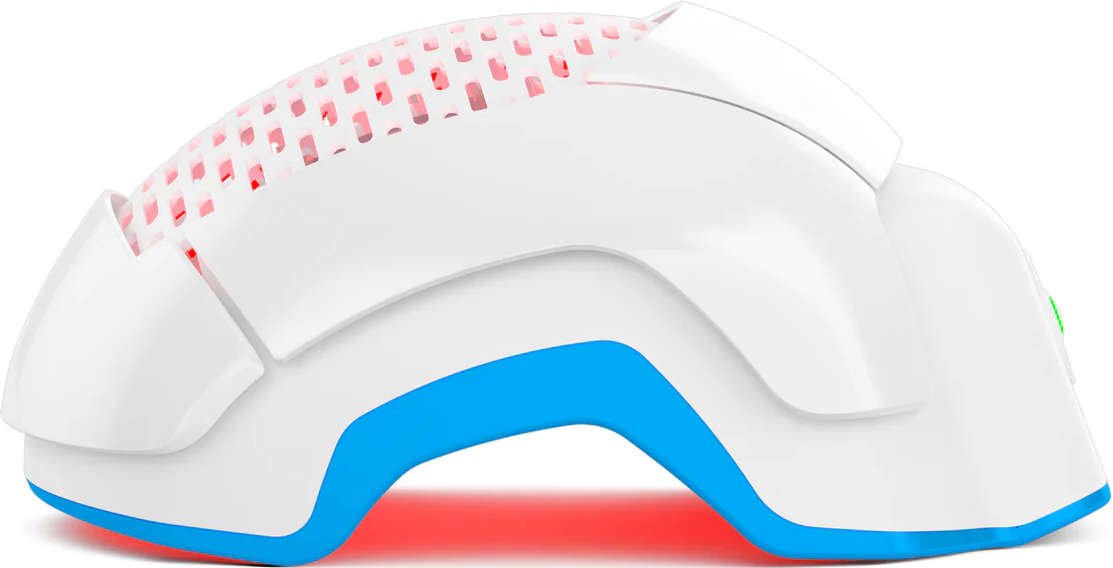
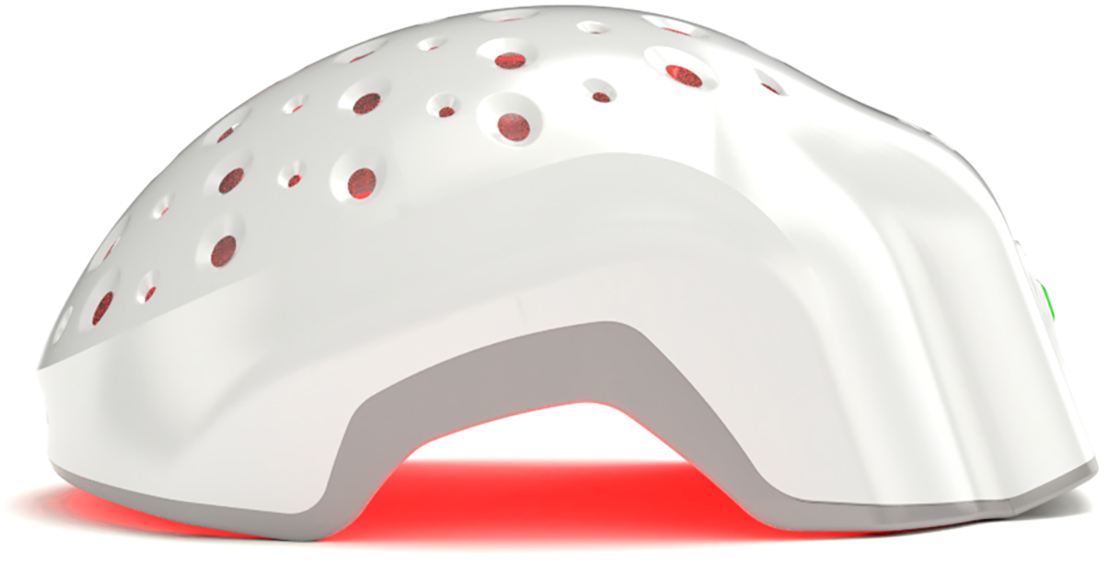
Laser Phototherapy (LPT) is a non-drug, light-based option for androgenetic alopecia. A 2025 systematic review covering 38 studies found that low-level laser and LED therapies improved hair density versus placebo among people with androgenetic alopecia, although studies varied considerably in device design and protocol. LPT does not lower DHT the way finasteride does. (Perez et al., 2025)
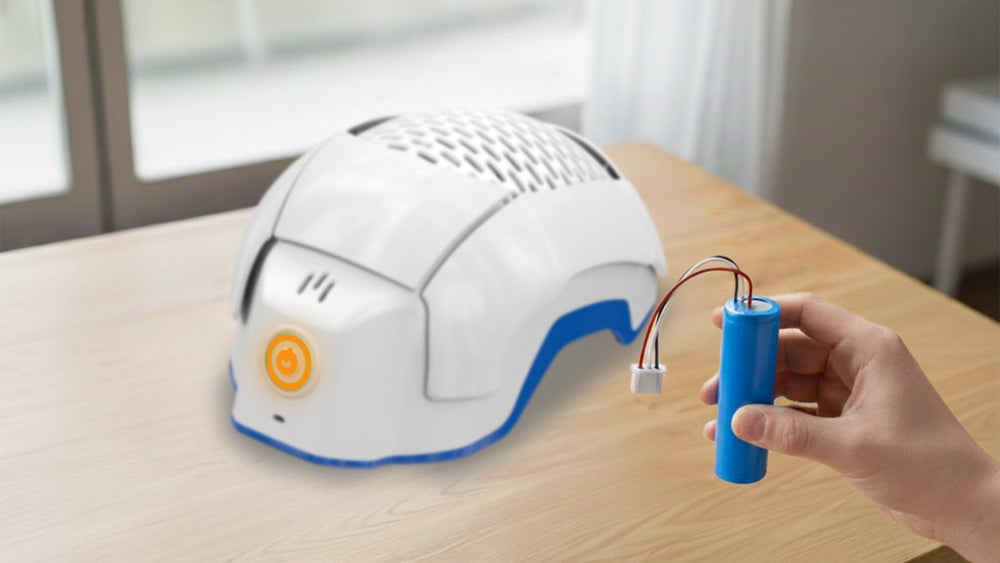
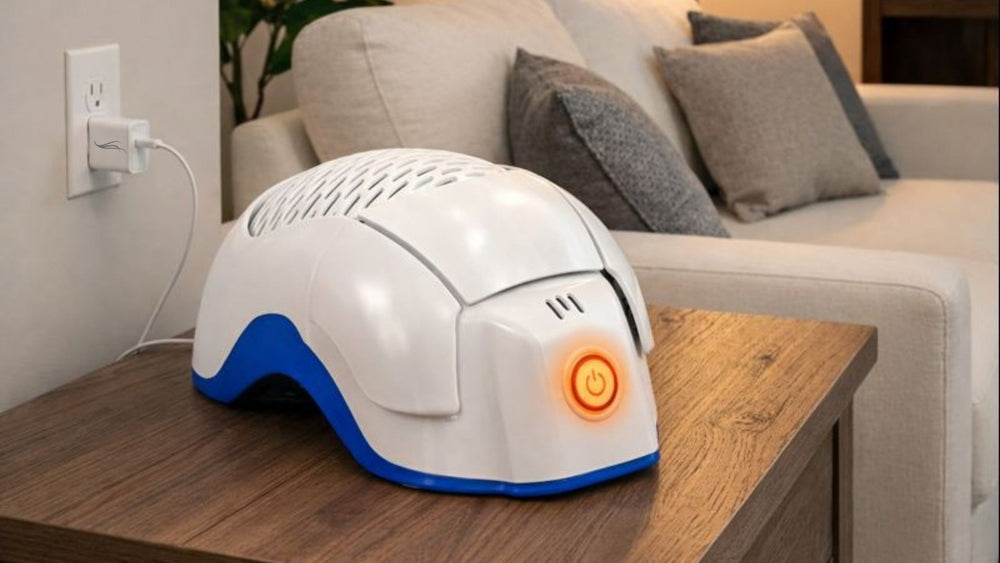
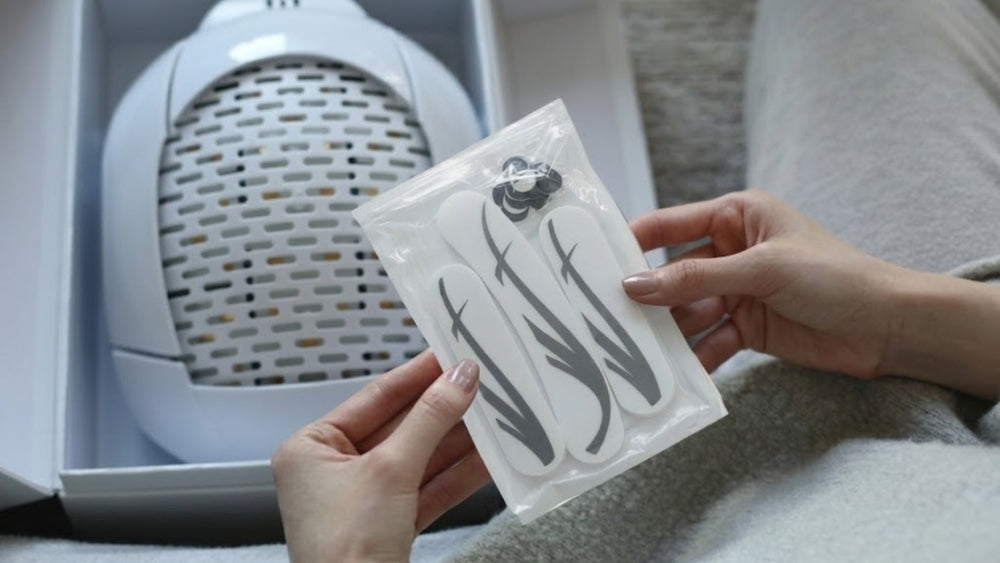
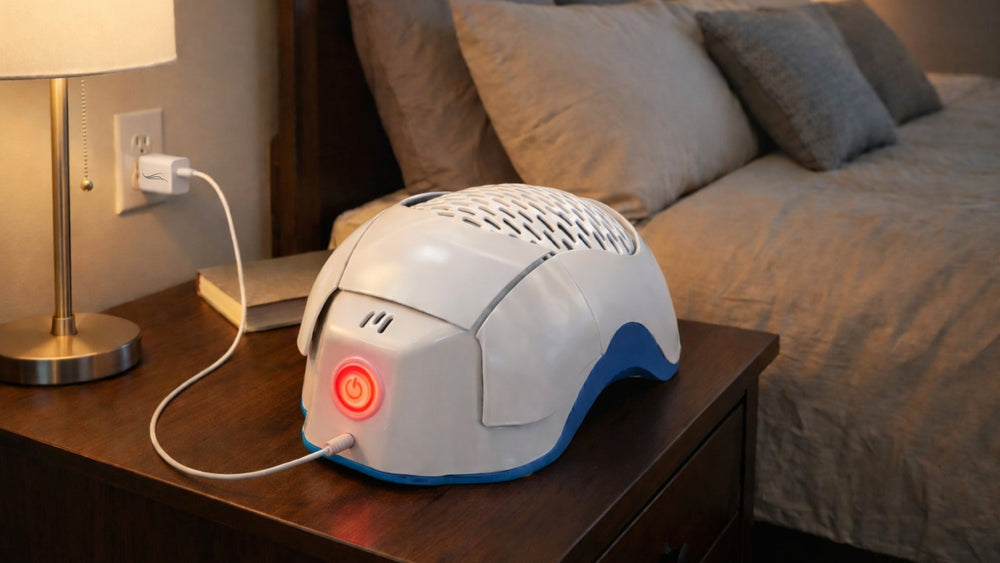
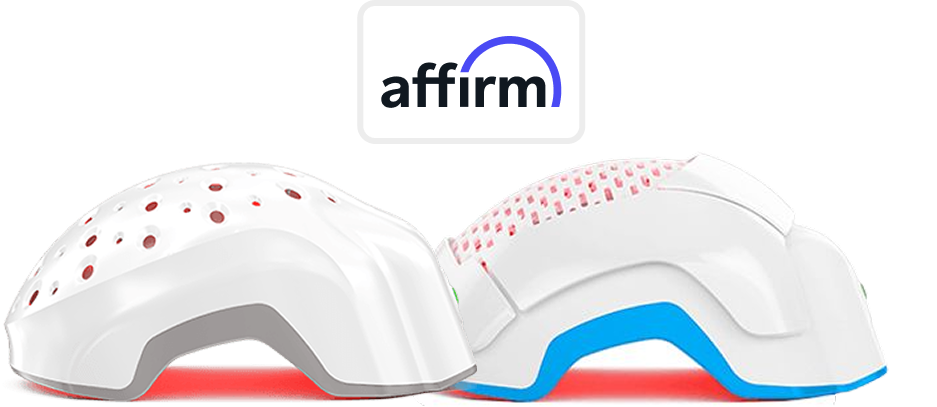
Theradome offers FDA-cleared wearable LPT devices for specified pattern-hair-loss indications. It can be considered as a separate treatment option or discussed as part of a broader approach. Clearance applies to particular devices and labeled uses, not a promise that every user will regrow hair. Nor is there sufficient evidence to promise that combining Theradome with finasteride accelerates results for everyone.
Is Topical Finasteride Safer?
Topical finasteride has shown hair-count improvement in clinical research, with lower average systemic exposure than oral finasteride in one phase III trial. That is encouraging, but it does not establish zero systemic risk. In 2025, the FDA warned about adverse-event reports involving compounded topical finasteride and emphasized that no topical finasteride formulation is FDA-approved in the United States. (Piraccini et al., 2022; FDA, 2025)
The choice between medicine, minoxidil, LPT, or a combination should come from a realistic discussion of likely benefit, risks, preference, and the actual cause of thinning. A slick sales line cannot do that work for you.
How Can You Tell Whether Finasteride Is Working?
Start with comparable photos, not daily mirror inspections. Take a crown and hairline photograph at baseline, then periodically under similar light, with similarly styled and dry hair. Look for stable coverage as well as improvement. For a progressive condition, less worsening can itself be meaningful.
And do check the diagnosis if the pattern doesn't fit. Sudden diffuse shedding, round patches, or scalp pain and inflammation may point to a different cause that finasteride will not appropriately treat. A clinician may assess your history and scalp and decide whether further tests are warranted. (American Academy of Dermatology Association, n.d.)
Conclusion
Yes, finasteride can help existing miniaturized hair look thicker in men with pattern hair loss. But its greatest value may be less dramatic: slowing the thinning process while some follicles produce more visible growth. The trials support fuller coverage, not a guarantee that every strand will widen or bald areas will fill back in.
Allow months, not weeks, to judge results. Get the cause of thinning checked, take the safety discussion seriously, and choose treatment around your own priorities. Finasteride, minoxidil, and Laser Phototherapy offer different options. The right plan is the one that suits your scalp and your medical circumstances.