







A widow’s peak is usually a normal, inherited V-shaped hairline. It only becomes a hair-loss issue when the hair around it, especially at the temples, starts thinning or receding, which can make that central point look sharper and deeper over time.
Why widow’s peaks suddenly become a concern
Most people do not wake up one Tuesday and calmly say, “Ah yes, today I shall assess the geometry of my frontal hairline.” Usually, something shifts first. The mirror starts looking rude. Old photos look fuller around the temples. Or the little central point that used to seem harmless begins looking... sharper. More dramatic.
That worry is understandable. Hairline changes can affect self-image far more than outsiders realize, and androgenetic alopecia is well known to carry a psychological weight for some people, even when it is medically non-dangerous.
So the first job is simple. Figure out what you are actually looking at.
What exactly is a widow’s peak?

A widow’s peak is a V-shaped descending point in the center of the frontal hairline. In dermatology literature, it is described as a morphogenetic trait, which is a tidy way of saying it is usually a normal physical pattern rather than a disease.
For many people, it has been there all along. Since childhood. Since forever, really. It is often inherited, although the old classroom claim that widow’s peaks are controlled by one neat “dominant gene” is too simplistic and not well supported by modern genetics.
So, no, a widow’s peak does not automatically mean anything is wrong.
Sometimes it just means your hairline came with a point.
Widow’s peak vs hair loss
A natural widow’s peak is a stable hairline shape. It tends to look familiar over time, even if the person styles their hair differently from year to year. A hair-loss-related widow’s peak appearance happens when the hair at the temples starts receding or miniaturizing faster than the center, making the middle point look more prominent.
In men, androgenetic alopecia often begins with frontotemporal recession, which means the temples pull back first. That can leave the middle hairline standing there like the last guy at the bus stop. In women, the common pattern is usually wider central thinning, but temple recession can happen too, and the AAD notes that hair near the temples may recede in female pattern hair loss.
So when someone asks, “Does a widow’s peak mean baldness?” the honest answer is no. But when that peak is becoming more obvious because the temples are thinning, then yes, widows peak and balding can overlap.
Why hair loss often starts around the widow’s peak
Genetic hairline patterns
Androgenetic alopecia is the most common non-scarring hair loss pattern, and it happens because genetically susceptible follicles respond differently to androgens over time. In men, the temples, mid-frontal scalp, and vertex are especially prone to this pattern.
That means a person can have a widow’s peak and then later develop hair loss around it. The widow’s peak did not suddenly “appear” out of nowhere. The surrounding hair just started retreating, which changed the contrast. Same forehead. Different border.
Hormonal influence
In androgenetic alopecia, follicles gradually miniaturize. They produce hairs that are shorter, finer, and less robust. Over time, density drops, especially in the genetically vulnerable areas of the scalp. That is why a changing hairline often looks thinner before it looks plainly bald.
And yes, DHT sensitivity matters here. It is a major part of the standard medical explanation for pattern hair loss, especially in male androgenetic alopecia.
Other causes that can mimic widow’s peak loss
Not every changing hairline is classic androgenetic alopecia. Tight hairstyles can cause traction alopecia, especially around the temples. Postpartum shedding can temporarily thin the frontal hairline. Frontal fibrosing alopecia can also begin as a receding front or temple hairline and needs medical attention because it is a scarring condition.
That bit matters. A lot.
Because the right fix depends on the right diagnosis.
How to tell if your widow’s peak is getting worse
A stable widow’s peak usually stays... stable. A changing one tends to come with signs like deeper temple recession, more visible scalp at the corners, finer hairs along the frontal line, and gradual backward movement over months or years.
If you are not sure, take clear photos every two or three months in the same lighting and from the same angles. That sounds almost annoyingly simple, but it works. Dermatologists often use pattern recognition and scalp examination for diagnosis, and serial photos can make subtle progression easier to spot.
There is also trichoscopy, which is scalp magnification used by clinicians. It can help reveal miniaturized hairs and other clues that separate androgenetic alopecia from look-alikes.
If your hairline is shifting quickly, feels inflamed, comes with eyebrow loss, or is happening in patches, stop guessing and see a dermatologist.
Temporary and cosmetic ways to reduce the look of a widow’s peak
Strategic hairstyling
If your widow’s peak is natural and you simply do not like how it looks, a haircut is often the least dramatic and most sensible first move. Fringes, softer fronts, textured crops, side-swept styles, and some layered cuts can make the center point less obvious. Hair loss guides from dermatology groups also note that people often change their part or style to make thinning less noticeable.
And maybe avoid styles that yank everything straight back and put the hairline on full public display. Unless you love that look, in which case... fair enough.
Hair fibers or cosmetic fillers
Hair fibers and scalp micropigmentation can make the corners around a widow’s peak look fuller and more balanced. These options do not regrow hair, but they can reduce contrast and create the appearance of a straighter or denser front hairline. Dermatology guidance also recognizes camouflage strategies as common ways people manage visible thinning.
Shaving the peak
Some people shave or wax the center point to flatten the shape. That can work cosmetically, but it requires upkeep, and regrowth can leave visible stubble or shadow. It changes the outline. Not the biology.
Medical treatments for widow’s peak hair loss
Laser phototherapy
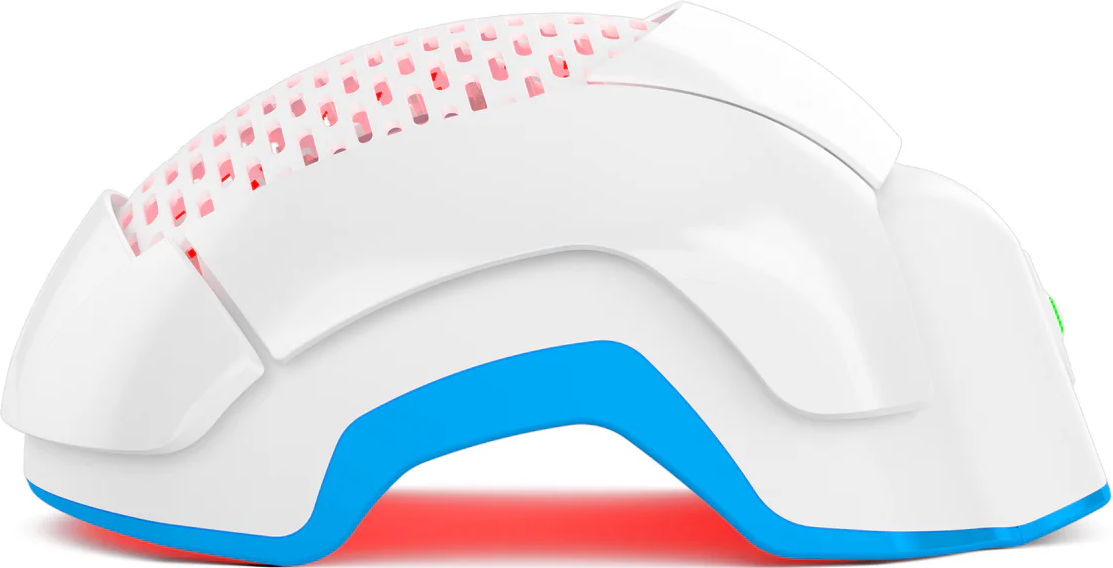
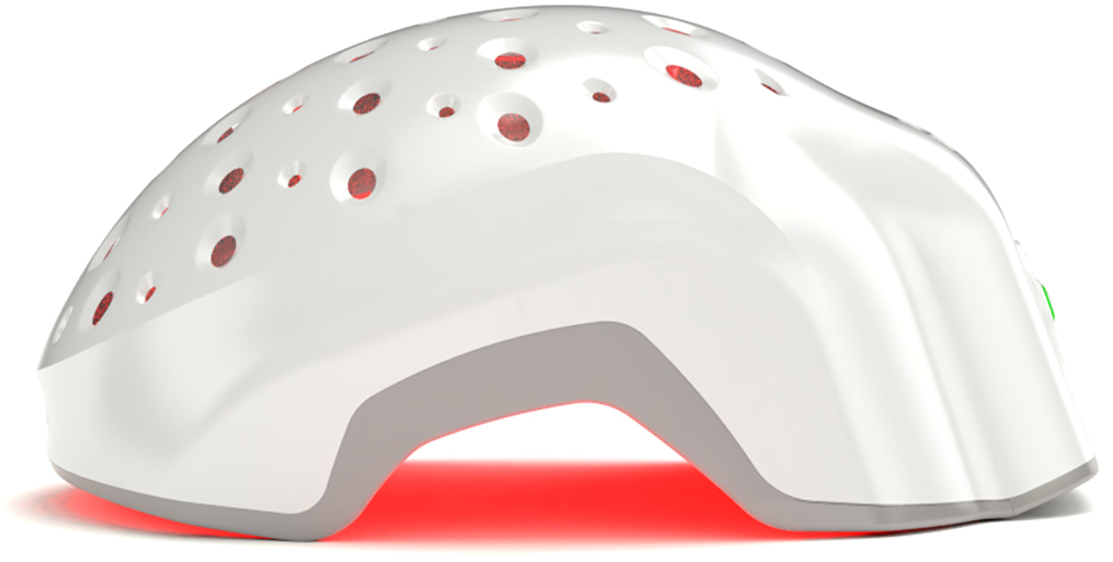
Laser phototherapy, sometimes called low-level laser therapy, is an evidence-backed option for androgenetic alopecia and can be useful for people trying to support miniaturizing hairs before those follicles fade further. Reviews of light-based treatment for alopecia report improvements in hair density in several studies, though protocols vary and the research is not perfectly uniform.
The key idea is photobiomodulation. Cold, non-heating laser light is used to stimulate biological activity in the follicle environment without cutting, burning, or scarring tissue. This is very different from surgical lasers. Completely different category.
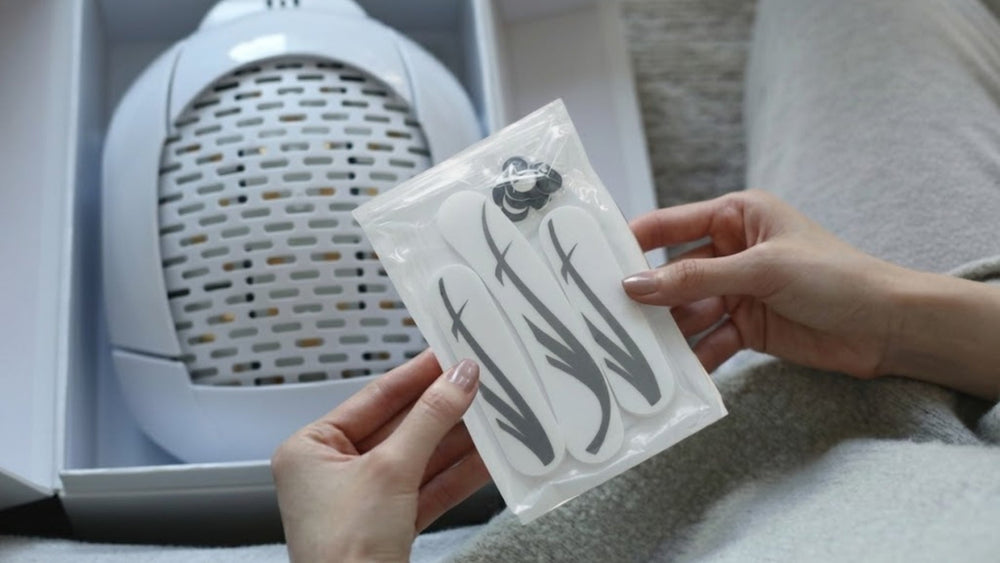
For someone with a deepening widow’s peak caused by temple miniaturization, an FDA-cleared wearable laser phototherapy device such as Theradome can fit into a non-invasive plan aimed at supporting hairline density while there are still viable follicles to support. That is the important phrase, by the way... viable follicles. No responsible treatment should be framed as reviving scalp areas where follicles are long gone or scarred out.
Hair transplant surgery
If you want to physically reshape the hairline, hair transplant surgery is the main permanent procedural option. Modern transplantation moves follicular units, often from the occipital scalp, into the thinning or recessed frontal areas. It is a standard surgical treatment for androgenetic alopecia in properly selected patients.
This can absolutely change the look of a widow’s peak. Surgeons can soften it, preserve it, or build a new frontal design around it. Hair transplant practice guidelines note that anterior hairline design is one of the most demanding parts of the procedure because it needs to look natural now and still make sense later.
Still, a transplant is not magic. If native hairs around the grafts keep miniaturizing, you may still need ongoing medical management.
Can you prevent a receding widow’s peak?
Early intervention
If the widow’s peak looks more pronounced because the temples are thinning, early treatment gives you a better chance of preserving what is still there. The AAD notes that people often do better when treatment starts soon after noticing pattern hair loss.
That does not mean panic. It means do not sit on it for two years while hoping your shampoo develops a conscience.
Scalp environment
Scalp care matters, but it needs to be framed honestly. Keeping the scalp reasonably healthy, not chronically irritated, and free from unnecessary traction can help reduce avoidable stress on follicles. What it cannot do is override a strongly genetic pattern all by itself.
So yes, treat dandruff if you have it. Avoid tight styles if they are pulling. Be gentle. Just do not expect “clean scalp energy” to redraw a receding hairline on its own.
Lifestyle factors that influence hairline health
Stress, illness, postpartum hormonal shifts, and nutritional issues can all affect shedding, and in some cases they can make an underlying pattern problem more obvious. The AAD notes that many conditions can trigger hair loss, and postpartum shedding is a well-known temporary cause in women.
Tight hairstyles deserve a special mention because they are one of the more preventable reasons temple loss happens. If the hairline is under repeated tension, especially over long stretches, traction alopecia can set in.
One more thing. Supplements are not automatically harmless. The AAD specifically warns that taking supplements to regrow hair can backfire, and too much of certain nutrients may worsen hair loss. So no, tossing random capsules at your scalp is not a personality trait.
When to see a hair specialist
See a dermatologist or qualified hair specialist if the widow’s peak is becoming more pronounced over time, the temples are clearly receding, shedding has ramped up, or the scalp is itchy, painful, inflamed, or scar-like. Those details change the differential diagnosis and the treatment plan.
You should also get checked if the hair loss is patchy, sudden, postpartum but unusually persistent, or paired with eyebrow loss. Those patterns can point away from ordinary androgenetic alopecia.
A decent consultation can save you months of buying the wrong thing.
Possibly years.
The emotional side of it
This part gets brushed aside too often. A widow’s peak can be a harmless genetic trait and still bother someone. And a shifting hairline can feel oddly personal, even when the medical explanation is straightforward. The literature on androgenetic alopecia repeatedly notes effects on self-image and emotional well-being in at least some patients.
So if you have been staring at your temples in bad bathroom lighting and feeling mildly betrayed... that reaction is not ridiculous. It is human.
Also, bad bathroom lighting deserves prison.
Conclusion
You do not “fix” every widow’s peak the same way. If it is a natural, stable hairline trait, the answer is cosmetic if you want one at all. If it is becoming sharper because the temples are thinning, then you are dealing with hair loss around the widow’s peak, and that calls for a different plan. Evidence-based options include carefully selected prescription treatment, laser phototherapy, and, for some people, hair transplantation. The earlier you sort out which version you are dealing with, the better your options usually are.