





Caffeine shampoo may help a bit with hair shedding and may modestly support hair density, but it is not a reliable stand-alone fix for pattern hair loss. The main snag is simple: shampoo does not stay on the scalp very long, so even a promising ingredient has limited time to do much heavy lifting.
There is something almost offensively appealing about the idea that a shampoo could fix hair loss. You wash. You rinse. You move on with your life. No commitment-heavy routine. No strange foam drying on your forehead before breakfast. Just one neat little swap.
That is probably part of why caffeine shampoo keeps getting so much attention.
What Exactly Is Caffeine Shampoo… And Why Are People Using It?
Caffeine shampoo is a wash-off scalp product that includes caffeine as one of its active ingredients, usually alongside standard cleansing agents and, in some formulas, additional compounds such as adenosine or cosmetic conditioning ingredients. It sits in an odd category: more ambitious than a plain shampoo, but usually not regulated like a drug treatment for hair loss.
People usually reach for it for one of three reasons. First, they are shedding more hair than usual and want a simple step that feels manageable. Second, they have early pattern thinning and are hoping for something gentler than drug therapy. Third… and this one is very human… they want the fix to live somewhere familiar, like the shower, not in a whole new medical ritual. That instinct makes sense, even if biology is a little less accommodating.
In hair-loss discussions, the main condition in the background is often androgenetic alopecia, the common pattern form driven by follicle sensitivity to androgens, especially dihydrotestosterone, or DHT. In that setting, hair follicles gradually miniaturize over time. The strands get finer. Growth phases shorten. The mirror becomes ruder.
How Does Caffeine Interact With Hair Follicles? (What’s Actually Happening)
At the cellular level, caffeine is thought to act partly as a phosphodiesterase inhibitor, which can increase intracellular cyclic adenosine monophosphate, or cAMP. That matters because cAMP signaling is tied to cellular activity, proliferation, and metabolic processes within the hair follicle. Narrative and mechanistic reviews also note that caffeine may influence oxidative stress pathways and support follicle activity in ways that make it biologically plausible as a topical hair-care ingredient. Plausible, though, is not the same thing as proven in a shampoo bottle.
Some experimental work has also linked caffeine to increased expression of IGF-1 and other pro-growth signals in follicles. Again, that sounds promising, and it is promising in the narrow scientific sense. But those signals come from mechanistic and preclinical work, not from a giant real-life trial showing a shampoo brings dormant hair back in dramatic fashion. That leap is where the marketing usually gets a bit too comfortable.
Can It Interfere With Hormonal Hair Loss Pathways?
This part needs a careful hand. Caffeine is often talked about as though it simply “blocks DHT.” That is too tidy.
What the better sources actually show is more restrained. In an in vitro study using hair follicles from men with androgenetic alopecia, caffeine at certain concentrations counteracted the suppressive effects of testosterone on hair growth. That is interesting. It suggests caffeine may help oppose some androgen-related follicle suppression. But that is not the same as proving a rinse-off shampoo meaningfully replaces established antiandrogen treatments in living patients over months and years.
So, yes, there is a mechanism worth paying attention to. No, we should not flatten that into “caffeine shampoo blocks DHT” and call it a day.
The Big Question… Can It Even Reach the Follicle?
Oddly enough, this is one of the stronger parts of the caffeine discussion.
Research on topical penetration shows hair follicles are an important route for caffeine delivery, and classic penetration studies found that a caffeine shampoo applied for 2 minutes could deliver caffeine into the follicular pathway faster than through the surrounding skin surface alone. Other work also found that blocking follicles significantly reduced caffeine penetration, which strengthens the idea that follicles are not just passive bystanders here.
So yes… caffeine can get in.
That does not automatically mean it gets in deeply enough, long enough, and consistently enough to produce major regrowth from a shampoo format. Still, the old “it just washes straight off and does nothing” line is not quite right either. The truth sits in the awkward middle.
What Does the Research Actually Say?
Lab and ex vivo research on caffeine is, frankly, more flattering than the day-to-day clinical reality. Follicle studies have shown enhanced hair shaft elongation and counteraction of testosterone-related suppression under controlled conditions. Mechanistic reviews remain positive about caffeine’s biological potential and note follicular accumulation as one reason it keeps showing up in hair-loss products.

But lab work gives an ingredient every advantage. No rushed shower. No inconsistent use. No half-lather while someone is answering a text with one wet hand. Real-life scalp care is messier than bench science.
Human Studies (Where It Gets More Interesting… but Also Messy)
The strongest human caffeine data are not really about shampoo. They are about leave-on topical caffeine.
A randomized, open-label, multicenter noninferiority trial enrolled 210 men with androgenetic alopecia and compared a 0.2% caffeine topical liquid with 5% minoxidil solution over six months. The increase in anagen hair rate was slightly higher with minoxidil, but not significantly so, and the caffeine liquid met the study’s noninferiority margin. Both groups also reported improvements in hair-loss intensity and perceived hair thickness. That is a serious result, even with the study’s limitations.
Shampoo data are more modest. A 2024 study of a shampoo containing 0.4% caffeine and 0.2% adenosine reported significantly improved hair density and reduced hair-loss measures after three months, though hair thickness did not change significantly. Participant satisfaction was decent, which matters a little, though not nearly as much as objective measures. The catch is that this was a combination shampoo, so you cannot cleanly hand all the credit to caffeine alone.
A systematic review of available clinical evidence on topical caffeine products came to a cautiously positive conclusion: results across studies suggest topical caffeine preparations may be safe and potentially effective against hair loss, but the overall evidence base remains limited by methodological flaws, low or very low certainty in many studies, inconsistent formulations, and weak controls. That is not a dismissal. It is more like a raised eyebrow.
Why Shampoo Format Changes Everything
A caffeine ingredient can be biologically active and still underperform in a shampoo. That is the whole issue.
Shampoo is a wash-off vehicle. Even though caffeine can penetrate follicles quickly, the exposure window is still short compared with a leave-on liquid that sits on the scalp for hours. That difference is not trivial. It is probably the main reason the most persuasive caffeine data come from leave-on products rather than rinse-off ones.
Can something help if it only gets a brief moment to act? Sure. Sometimes. Enough to matter a little. Enough to carry the whole treatment plan on its back? Probably not.
And that is why shampoo claims so often feel one notch louder than the evidence deserves.
What Results Can You Realistically Expect?
If you use a well-formulated caffeine shampoo consistently, the most realistic upside is less shedding, a somewhat healthier scalp environment, and maybe a modest improvement in density over time. Some people also report that their hair feels stronger or looks fuller, which may reflect a mix of reduced breakage, better shaft condition, and mild follicle support.
What you should not expect is dramatic regrowth in clearly bald areas, reversal of advanced follicle miniaturization, or a sudden return to the hairline of your school ID photo. If follicles are severely miniaturized or no longer viable, shampoo is not likely to rescue the situation on its own.
Not useless, but limited.
How Does Caffeine Shampoo Compare to Proven Treatments?
For androgenetic alopecia, the evidence base is stronger for topical minoxidil, oral finasteride in appropriate patients, and FDA-cleared home-use low-level light or laser therapy devices than it is for caffeine shampoo alone. Reviews and guidelines consistently place those modalities in the established-treatment conversation, while caffeine sits more in the adjunct or emerging-supportive category.
That does not make caffeine irrelevant. It just changes its job description.
A supportive shampoo can still be useful in a routine. It can fit around proven treatments. It can be easier to tolerate than some leave-on options. It may even be the gentler on-ramp for someone who is nervous about starting anything at all. But if the question is “Which option has the deeper clinical bench behind it?” caffeine shampoo does not win that contest.
Who Might Actually Benefit From Caffeine Shampoo?
The best candidates are probably people with early thinning, mild pattern hair loss, or increased shedding who want a supportive scalp-care step and who understand the ceiling of what a shampoo can do. The evidence also makes more sense for people who are using caffeine shampoo as part of a routine, not as the lone hero product expected to sort everything out by itself.
It may also suit people who do not tolerate certain leave-on products very well, or who want something simple while they decide whether to move into stronger treatment territory. That said, if hair loss is clearly progressing, waiting too long on low-impact measures can become its own little trap. A polite trap, maybe. Still a trap.
Safety, Side Effects, and Misconceptions
Topical caffeine products generally look well tolerated in the studies we have, and the systematic review found few adverse effects overall. Reported issues tend to be mild, such as dry hair, scalp flushing, or scalp oiliness in some formulations and some participants. In the 2017 caffeine-liquid trial, tolerability was also good.
That makes caffeine shampoo a relatively low-risk addition for many users. But “low-risk” is not the same as “universally perfect.” People with sensitive scalps, dermatitis, fragrance reactions, or irritation from the shampoo base itself can still run into problems. Sometimes the issue is not the caffeine at all. It is the rest of the bottle.
The “It Wakes Up Your Follicles” Myth
This phrase hangs around because it is catchy. It also says almost nothing.
Hair follicles are not sleepy interns waiting for an espresso shot. What caffeine appears to do, in more precise terms, is affect signaling pathways and follicle metabolism in ways that may support growth conditions. That is more accurate. Slightly less glamorous, yes. But accuracy matters more here, especially in hair loss, where people are often spending money in a very vulnerable state.
Why Most Shampoos (Not Just Caffeine Ones) Struggle to Regrow Hair
Because a shampoo’s main job is cleansing. That sounds obvious, though it gets lost quickly once labels start promising density, revival, rescue, and assorted miracles.
Hair loss treatment usually needs enough contact with the target tissue, enough potency, and enough consistency over time to influence the follicle cycle in a meaningful way. A rinse-off product can support the scalp and carry active ingredients into the follicular route to some extent, yes, but it is still trying to do treatment-level work from inside a format built mainly for washing. That is asking a lot.
This loops back to the earlier point, the one hiding in plain sight. Caffeine is not the weak link. The format may be.
So… Is Caffeine Shampoo Worth Using?
For some people, yes.
It can be worth using if you see it as a supportive step rather than a rescue plan. It may help with mild shedding, may give some density support, and may fit nicely into a broader hair routine. It is especially reasonable if you want something low-friction while you build a more evidence-based regimen around it.
If, though, you are hoping it will reverse established pattern loss on its own, that expectation is probably too high for the current evidence.
If Not Enough Alone… What Actually Works at the Follicle Level?
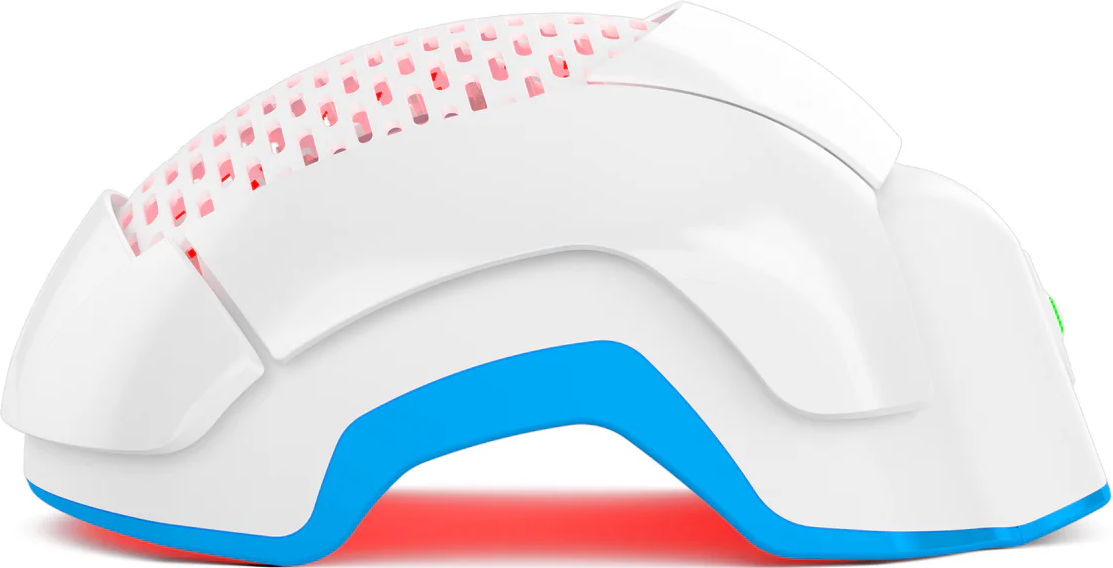
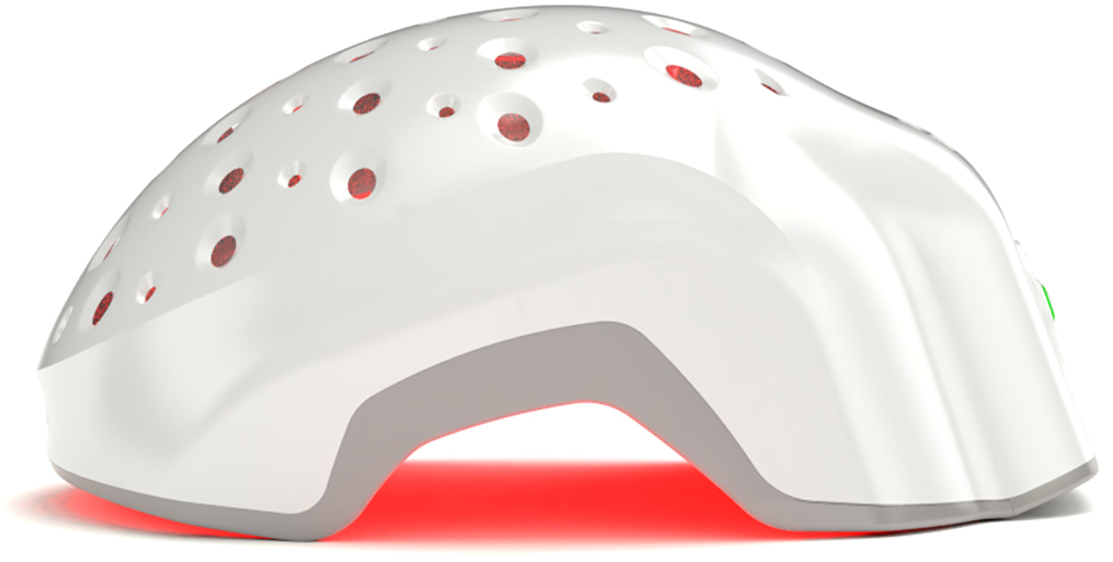
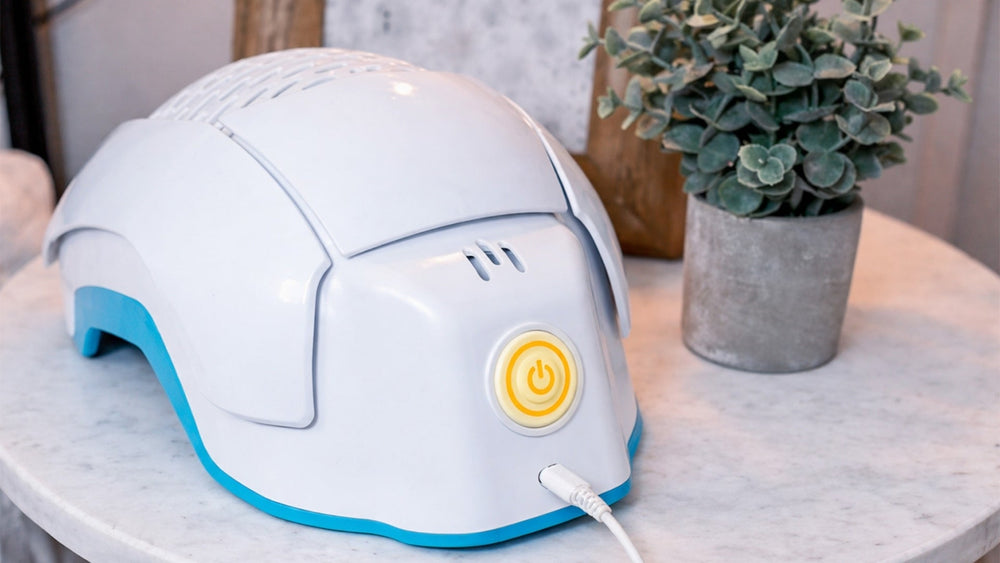
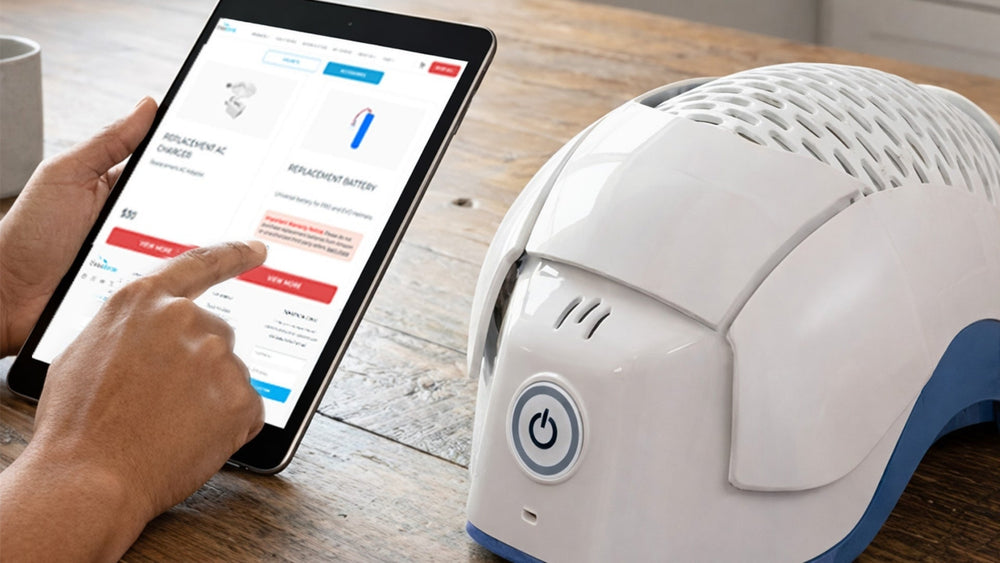
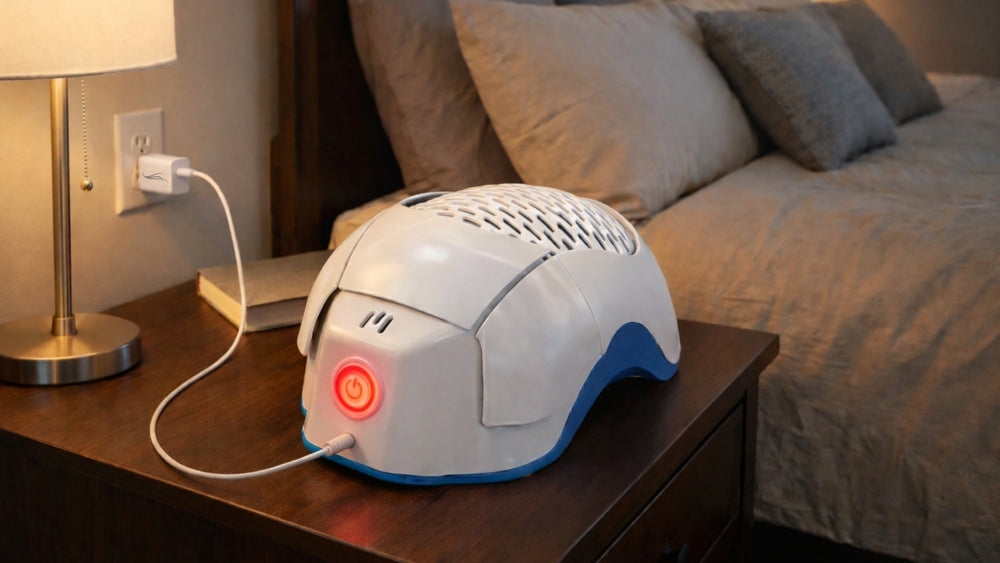
For androgenetic alopecia, treatment discussions usually revolve around modalities with stronger long-term evidence, such as minoxidil, finasteride in appropriate cases, and light-based approaches supported by clinical trial data. For home use, FDA-cleared low-level light or laser devices have shown significant improvements in hair density versus sham devices in randomized controlled trials and meta-analysis.
This matters because pattern hair loss is not just a surface issue. It is a follicle biology issue. A cleansing product may help around the edges, but meaningful improvement usually comes from interventions that interact more directly with the follicle growth cycle over time. Not glamorous, perhaps. Just true.
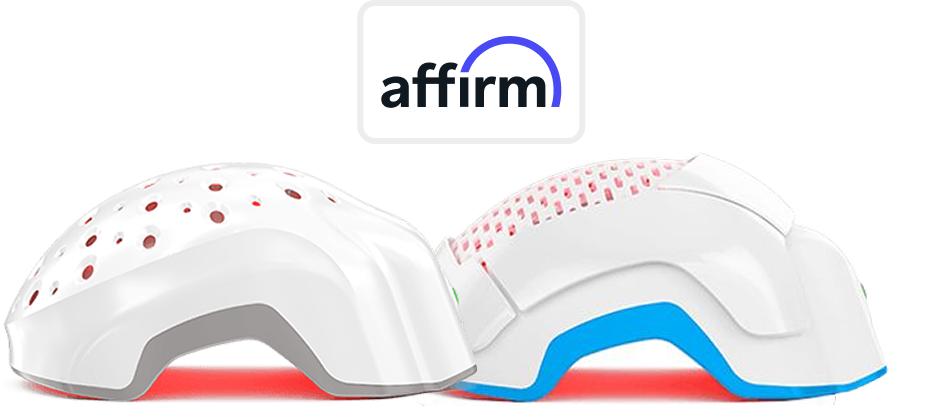
Within that frame, Laser Phototherapy, or LPT, is worth taking seriously. The broader literature on low-level light and laser therapy points to photobiomodulation effects linked to mitochondrial activity and ATP-related cellular processes in hair follicles, with meta-analytic support for improved hair density in pattern hair loss.
How Surface-Level and Deep-Level Approaches Can Work Together
This is usually the more sensible way to think about it.
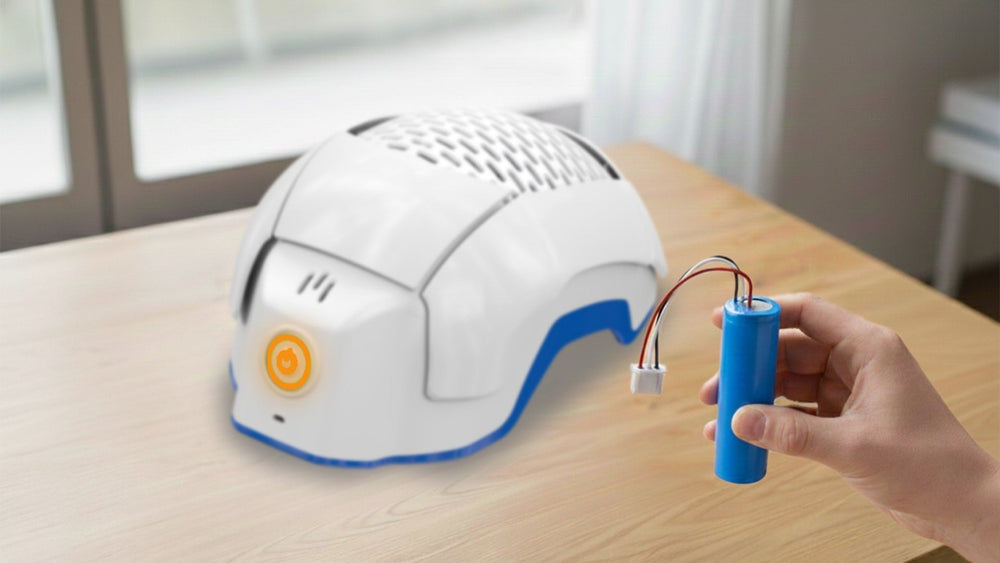
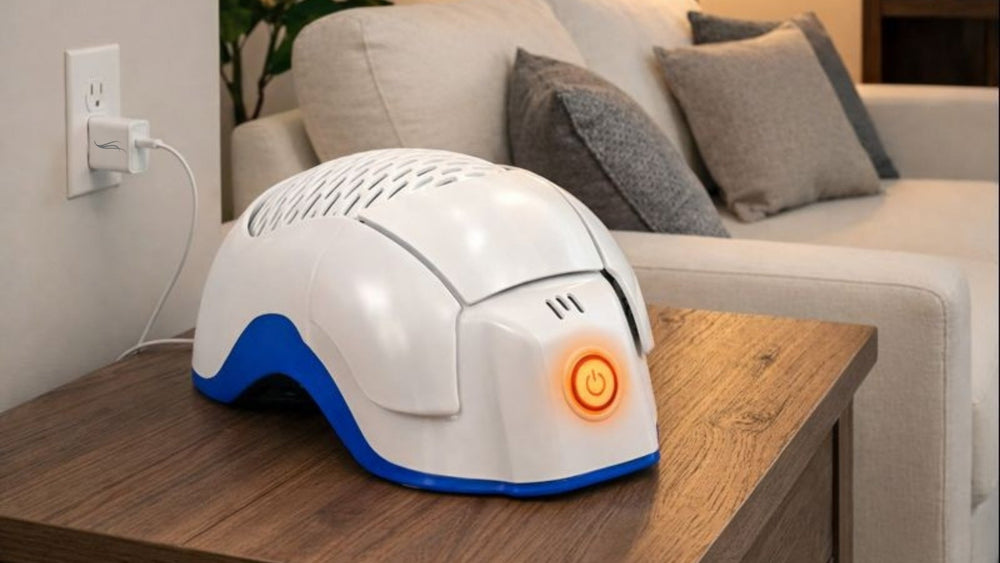
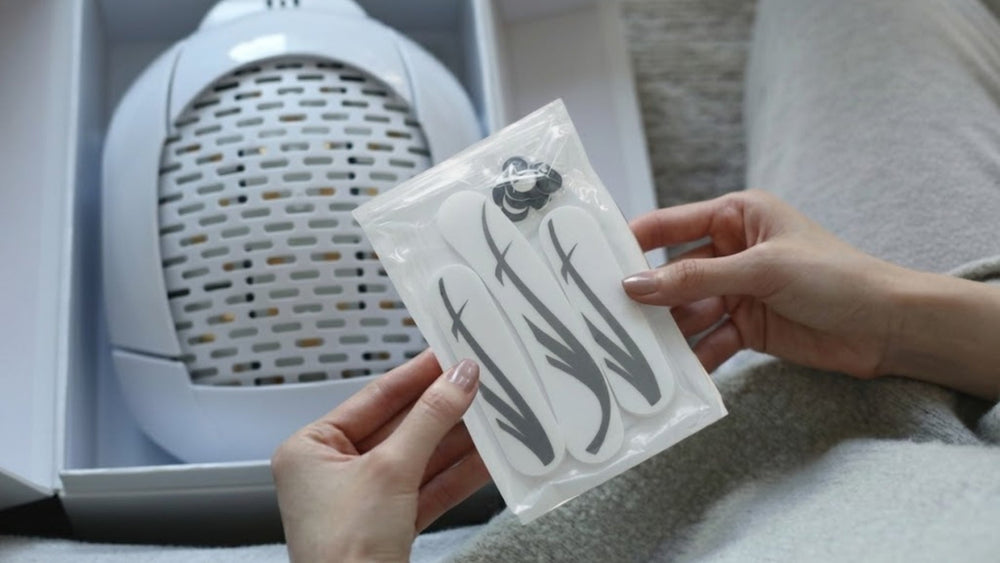
A caffeine shampoo can live at the supportive care end of a routine. It cleanses the scalp, gives brief topical exposure to a biologically active ingredient, and may help a bit with shedding or density support. Then a deeper-acting modality, such as an FDA-cleared home-use LPT device, can target follicle biology more directly and over longer treatment windows.
Not either-or. More like roles.
That kind of split makes more sense than asking a shampoo to behave like a full treatment protocol. And honestly, there is something calming about letting each product do only the job it can actually do.
Conclusion
Caffeine shampoo is not nonsense, and it is not a miracle either. The evidence suggests it can support hair health and may modestly reduce shedding, but the rinse-off format limits how much you should expect from it on its own. For pattern hair loss, it makes more sense as one part of a broader routine than as the whole plan. If you want stronger odds of meaningful improvement, look beyond the shower shelf and toward treatments that work more directly at the follicle level.