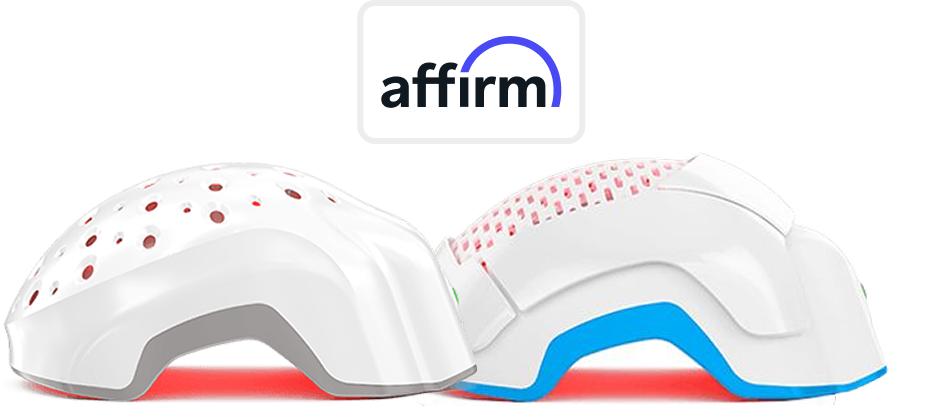






For androgenetic alopecia, laser therapy has the cleaner evidence base, the lower-risk profile, and the better day-to-day practicality for most people. Mesotherapy can help in some settings, especially when specific drugs such as dutasteride are used intradermally, but the category is far less standardized, which makes results harder to predict and much harder to compare cleanly across clinics.
What are you actually comparing here?
A lot of people type “mesotherapy vs laser therapy for hair” as if they are choosing between two neatly boxed treatments. They are not. Not really. One is a technique for injecting substances into the scalp. The other is a device-based way of delivering low-level light to hair follicles over time.
And that matters, because a comparison only makes medical sense if we keep the target condition tight. For this article, the useful comparison is androgenetic alopecia, the patterned thinning driven by genetic susceptibility and androgen sensitivity that gradually miniaturize hair follicles over time.
So before we even get to “which works better,” we have to fix the frame. Mesotherapy is not one standard recipe. Laser therapy, at least in the low-level hair-loss setting, is more coherent as a treatment category. That difference shapes everything else... evidence, safety, convenience, even how honest a clinic can be when it talks about “results.”
One more thing.
When people hear “laser,” some of them mentally jump to heat, burning, sci-fi nonsense, or a dermatology room full of smoke and goggles. That is not what low-level laser therapy for hair is. The guideline and FDA-cleared device records in this area refer to low-level visible red light devices used to promote hair growth in defined pattern-hair-loss groups.
What is mesotherapy for hair loss?

Mesotherapy for hair loss usually means a series of small intradermal injections across the scalp, often delivered into multiple sites during a single session. Depending on the clinic, the injected material may include drugs such as dutasteride or minoxidil, or broader mixtures containing vitamins, amino acids, peptides, hyaluronic acid, plant extracts, or other proprietary blends. That variability is part of the appeal for some clinicians... and part of the evidence problem for everyone else.
What actually gets injected?
Some protocols use better-defined agents, especially dutasteride mesotherapy, which has drawn growing research interest. Others rely on broader mixtures of vitamins, minerals, amino acids, peptides, hyaluronic acid, medicines, proteins, plant extracts, or branded cocktail formulations. So when someone says, “I did mesotherapy,” that sentence often tells you less than they think it does.
And yes, that has consequences. If two clinics use different substances, different concentrations, different injection depths, and different schedules, they are not really offering the same treatment. Some mesotherapy protocols also begin with frequent sessions, often weekly for a month or two, before spacing out to monthly maintenance, though that timing can vary quite a bit in real practice.
How is it supposed to work?
Mechanistically, mesotherapy works according to what is injected. A dutasteride protocol is trying to reduce local dihydrotestosterone signaling. A minoxidil protocol is leaning on that drug’s own biology. A growth-factor-based protocol is making a different argument entirely. That is why reviews keep stressing heterogeneity. There is no single mesotherapy mechanism to point at and say, “That one. That is the thing.”
That inconsistency also helps explain why the literature remains hard to interpret. Some reports suggest benefit, but others are methodologically weaker, and older critical discussions pointed out that proper baseline documentation and objective proof of true regrowth have not always been handled well.
Some newer reviews found statistically significant improvement signals in mesotherapy studies for androgenetic alopecia, but they still flagged small sample sizes, inconsistent techniques, and limited long-term data. So the fairest summary is not “mesotherapy does not work.” It is more awkward than that. It may work in certain protocols and selected patients, but the evidence base still has too many moving parts.
What are the pros and cons of mesotherapy for hair?
Pros. Local delivery can make sense biologically, especially when the injected agent itself has a plausible role in androgenetic alopecia. Some patients and clinicians also like the flexibility of customized formulations, even though customization can be a double-edged thing in research.
Cons. Mesotherapy requires needles, repeated sessions, and clinician-dependent technique. Reported side effects include pain, erythema, pruritus, edema, headache, hematoma, and folliculitis, and the literature also includes case reports of frontal edema, skin atrophy, and paradoxical nonscarring alopecia after dutasteride mesotherapy. That last bit is not common, but it is real enough that pretending otherwise would be silly. It is also an off-label approach for hair loss and, unlike FDA-cleared laser devices for androgenetic alopecia, mesotherapy itself has not been cleared by the FDA for this indication.
What is laser phototherapy for hair?
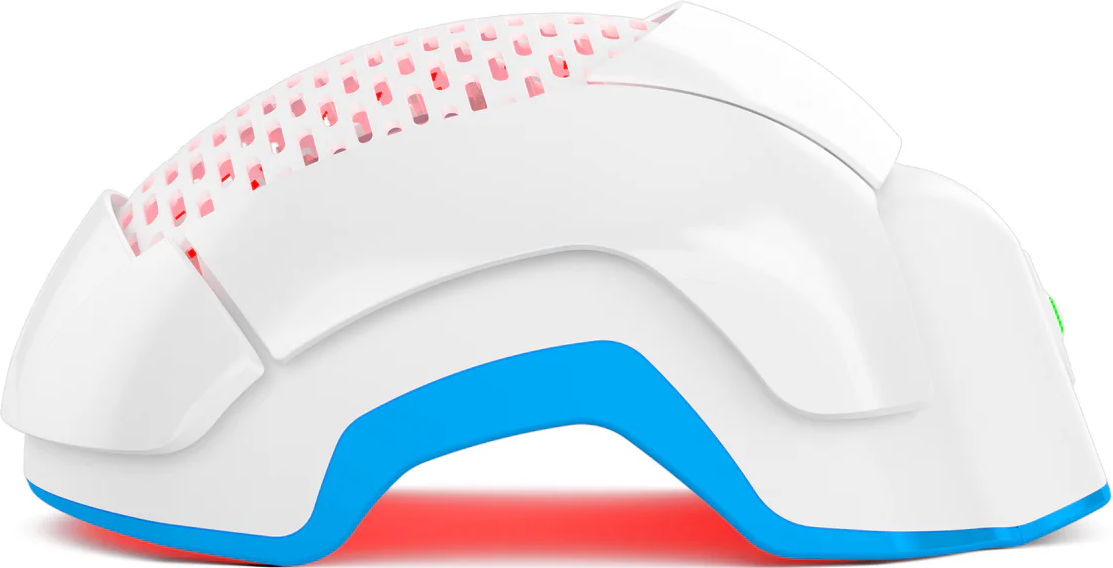
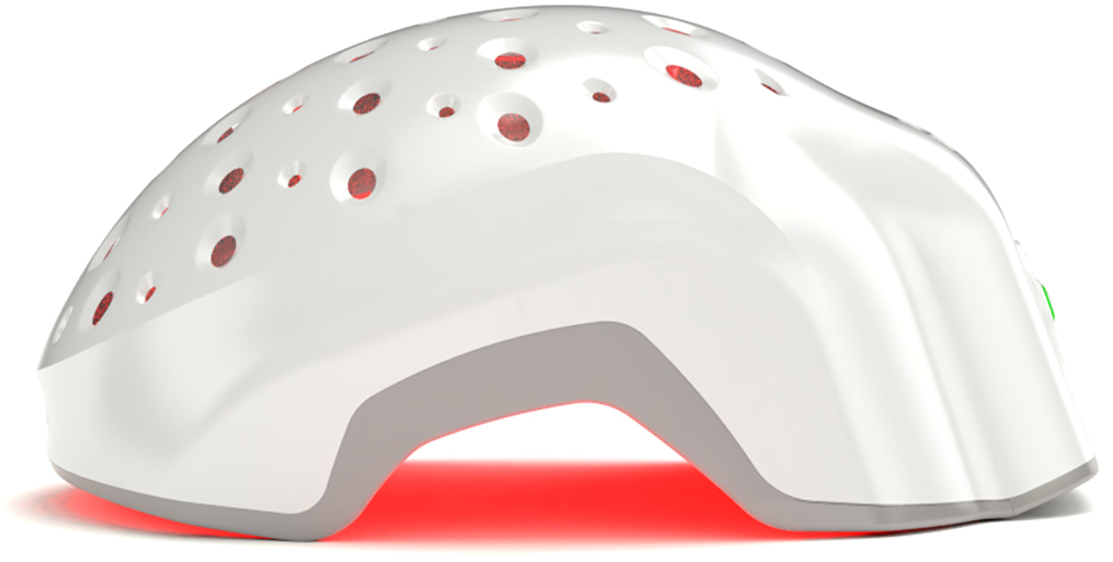
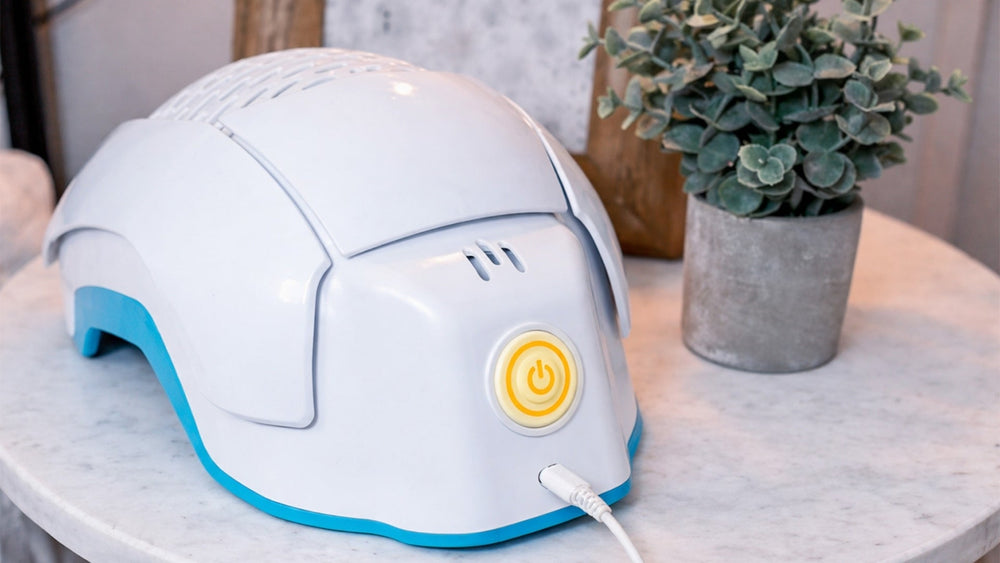
In this setting, laser therapy refers to low-level laser or light therapy, often shortened to LLLT, PBM, or laser phototherapy. It is a noninvasive treatment that exposes the scalp to low-level visible red or near-infrared light with the aim of stimulating follicles rather than damaging tissue.
What “laser” actually means here
The European S3 guideline describes low-level laser therapy as exposure of tissue to low levels of visible or near-infrared light, and FDA-cleared home-use devices for androgenetic alopecia typically use visible red light around 680 nm with outputs in the low-milliwatt range. So this is not a cutting laser. It is not a heating treatment. Different category entirely.
That distinction matters more than it sounds. A lot of the fear around “laser” is basically a vocabulary problem.
How it works at the cellular level
The full mechanism is still being worked out, but the current medical description is much cleaner than the mesotherapy one. The guideline points to biostimulatory effects such as stimulation of cell proliferation, modulation of inflammation, and increased endogenous growth factors, while review articles describe photobiomodulation as a plausible way to support follicular activity and extend the growth phase.
You will sometimes see ATP mentioned here, and that sits inside the broader photobiomodulation discussion. But the simpler, more defensible summary is that low-level light appears to support follicle biology in a way that, in trials, can improve hair density or diameter over time.
What are the pros and cons of laser phototherapy for hair?
Pros. It is noninvasive, generally well tolerated, available in FDA-cleared home devices, and supported by randomized sham-controlled trials. Dermatology guidance for patients also frames it as safe and painless, though slow.
Cons. It requires consistency. A lot of it. The American Academy of Dermatology notes that people usually need multiple weekly sessions for many months before visible improvement, and stopping treatment can mean losing the benefit over time, just as with many hair-loss interventions.
Mesotherapy vs laser therapy: what actually matters?
This is the part people care about, even if they pretend they are “just researching.”
Evidence quality
Laser therapy has the stronger evidence base. The European S3 guideline found enough evidence to suggest low-level laser therapy as an ancillary option for androgenetic alopecia, and later reviews of randomized trials reported consistent benefit signals for density or diameter in sham-controlled settings. Mesotherapy reviews, by contrast, keep circling back to the same problem: different injected agents, different protocols, different intervals, different endpoints.
Laser therapy sits inside a clearer device-and-indication framework, while mesotherapy remains a more improvised category, which is one reason the two are not perfectly comparable in a neat one-versus-one way.
Mechanism reliability
Laser phototherapy has a relatively unified treatment concept. Mesotherapy does not. That alone makes laser therapy easier to study, easier to repeat, and easier to explain without hand-waving. Mesotherapy can still be clinically useful, especially in more defined dutasteride protocols, but the category as a whole is still more protean than settled.
Safety profile
Laser therapy is lower risk for the simple reason that it does not puncture the scalp. In trials and guidance documents, adverse effects are usually mild, such as itching, dryness, tenderness, or warmth. Mesotherapy carries those usual injection burdens plus the possibility of bruising, folliculitis, edema, localized reactions, and rare but meaningful case-level complications.
Convenience
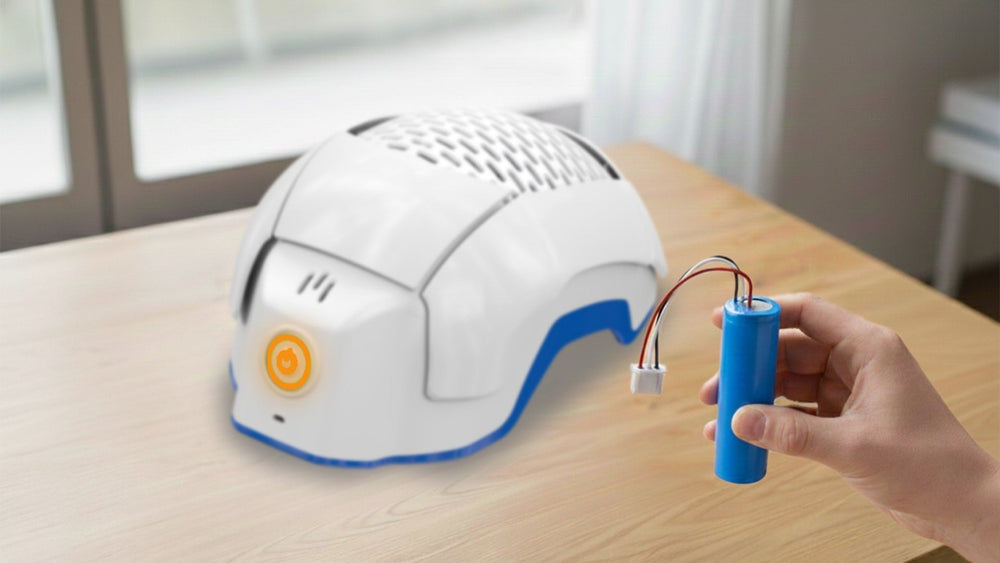
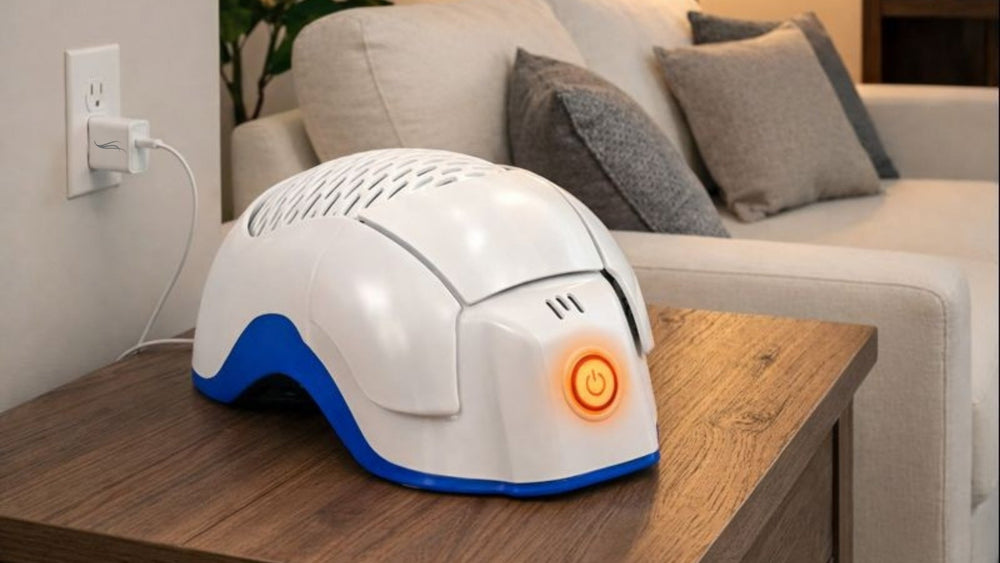
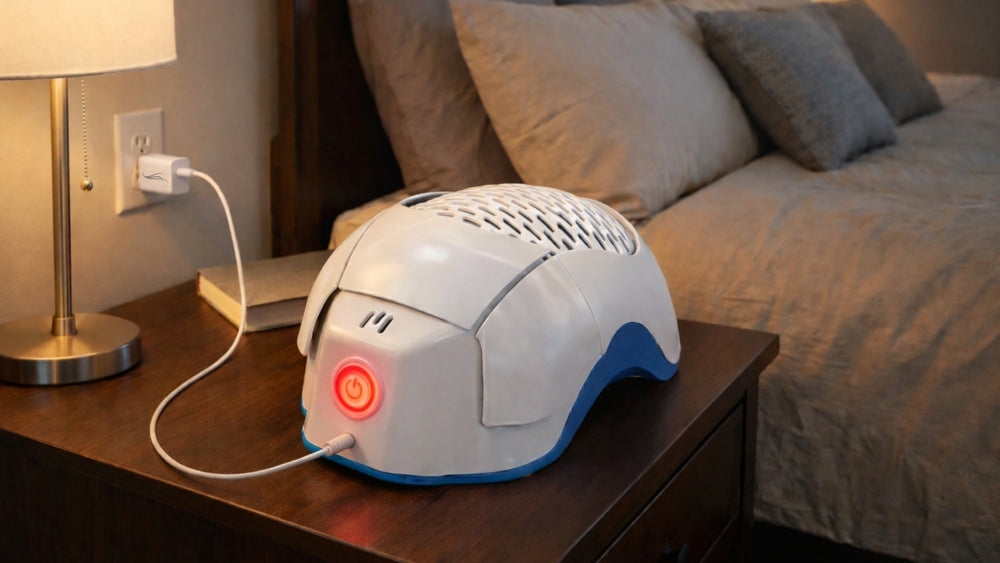
Mesotherapy usually means scheduling clinic visits and tolerating injections. Laser therapy, especially with home-use helmets or combs, shifts more of the burden to consistency rather than access. You still need discipline, sure, but it is a very different kind of friction. One asks you to sit still for needles. The other asks you not to quit early because nothing dramatic happened by week three.
Cost over time
There is not much strong noncommercial comparative cost-effectiveness literature here, so anyone pretending there is a universally correct price answer is talking too fast. Still, the practical structure is clear enough: mesotherapy tends to accumulate cost through repeated in-office sessions, while laser therapy often shifts the financial hit toward a device purchase plus long-term adherence.
Which one actually works better?
For most people with androgenetic alopecia, laser therapy is the more defensible choice on current evidence. Not because it is magical. Not because it works for everybody. Just because the evidence is more coherent, the devices are better defined, and the risk profile is gentler.
The randomized trials matter here. In a 24-week sham-controlled study, Kim and colleagues found significantly greater hair density and hair diameter improvement in the low-level light group than in the sham group, with no serious adverse reactions. Suchonwanit and colleagues also reported superiority over sham in another 24-week randomized trial. Those are not throwaway signals.
Mesotherapy has encouraging studies too, especially around intradermal dutasteride. But again... which mesotherapy? That question keeps coming back because it has to. A category that changes its ingredients, spacing, and technique from study to study will always struggle to earn the same level of confidence as a more standardized treatment class.
Why laser phototherapy is getting the edge
Hair follicles tend to respond better to repeated, sustained stimulation than to sporadic enthusiasm. That is one reason laser therapy keeps attracting attention in clinical reviews and patient guidance. It fits long-term management better. It is not especially glamorous, which, honestly, may be part of why it makes more sense.
And yes, there is a practical side to this. People are busy, annoyed, skeptical, and often tired of being sold one more “clinic breakthrough” with a price tag and a paper gown. A home-use, FDA-cleared device with a defined indication is simply easier for many people to live with than repeat injections.
That old question from the top comes back here. What are you actually comparing? Invasive protocol variability on one side. Lower-friction standardization on the other. It is not the whole answer... but it is a lot of it.
Choosing the right laser technology
Not every device is the same. Coverage, wavelength, consistency of use, and whether the device is actually FDA-cleared for androgenetic alopecia all matter. FDA 510(k) records show that cleared comb-type devices in this category are indicated for defined male and female pattern-hair-loss groups, which gives at least some regulatory clarity to the device class.
That matters at home. Because “red light thing I bought online at 1:14 a.m.” and “FDA-cleared hair-growth device with defined indications” are not the same sentence, no matter how similar the product photos look.
For those leaning toward laser therapy, a device has to make regular use realistic. That is part clinical logic, part plain human behavior. A treatment can be perfectly sound on paper and still fail in real life because it is irritating to keep up with.
Can you combine both?
Potentially, yes. Low-level laser therapy is often used alongside other hair-loss treatments, and some clinicians also view it as a useful adjunct after mesotherapy sessions, since repeated scalp injections can leave the area feeling irritated or inflamed for a while. In that context, laser phototherapy is not replacing mesotherapy... it is being used around it.
Still, combining treatments is not automatically smarter. Sometimes it helps. Sometimes it just makes the plan more expensive and harder to interpret. If both are started together, it becomes tougher to tell what actually moved the needle and what merely came along for the ride.
Who should choose what?
Mesotherapy might suit you if:
You are already under specialist care, comfortable with injections, and considering a more tailored protocol built around a defined agent rather than a mystery cocktail. It may also make more sense when a clinician has a specific reason for choosing intradermal delivery in your case.
Laser therapy might suit you if:
You want a noninvasive option, you care about lower day-to-day risk, and you are willing to be consistent for months rather than chasing a dramatic quick fix. It also tends to fit people who do better with routines at home than with repeated clinic visits.
And if you are sitting there thinking, “Fine, but which one would I choose if this were my scalp?”... for uncomplicated androgenetic alopecia, the answer would usually lean laser first, then consider adjuncts based on response, preference, and medical guidance.
The real question most people do not ask
Are you choosing a treatment because it makes biological sense... or because it sounds active enough to feel like you are “doing something”?
That is not the same question. Mesotherapy can feel more aggressive because it involves needles, appointments, substances, action. Laser therapy can look almost too quiet. Too calm. And yet quiet treatments sometimes win because they are easier to repeat, easier to tolerate, and easier to study properly. Funny how that works.
Conclusion
Mesotherapy and laser therapy are not equals in the evidence sense, even if they often get marketed like they are. Mesotherapy has some promising research, especially in more defined dutasteride-based protocols, but it remains variable, more invasive, less standardized, and off-label for hair loss. Low-level laser therapy has the stronger clinical footing for androgenetic alopecia, with randomized trial support, guideline backing, and FDA-cleared home devices. Mesotherapy also remains a non-FDA-cleared hair-loss procedure, which further separates it from laser phototherapy devices that have clearer regulatory footing in androgenetic alopecia. For most people trying to choose a practical, lower-risk, long-term option... laser therapy makes more sense.