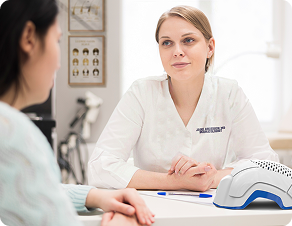






Endometriosis is not currently known to directly cause a characteristic form of hair loss. When hair shedding and endometriosis occur together, the more likely links include heavy bleeding and iron deficiency, telogen effluvium after physical strain or surgery, hormonal treatment changes, restrictive eating, or a separate hair condition that happened to arrive at the same time.
And yes, that last possibility is frustrating. Bodies do not always organize their problems into one convenient folder.
What Might Your Hair Pattern Be Telling You?
This quick guide cannot diagnose your hair loss. It can, however, stop every loose hair from being placed into one enormous “endometriosis” bucket.
|
What you notice |
A possibility to discuss |
Useful timing or clue |
|
Sudden shedding from all over the scalp |
Telogen effluvium |
Often begins about two to four months after illness, surgery, major strain, marked weight loss, or a medication change |
|
Gradually widening centre part |
Female pattern hair loss |
Usually progressive rather than sudden |
|
Smooth, round bald patches |
Alopecia areata |
May also affect eyebrows, eyelashes, or body hair |
|
Thinning around the temples or hairline |
Traction alopecia |
Often linked with repeated tension from tight styles |
|
Central crown loss with burning, tenderness, scale, or itching |
Central centrifugal cicatricial alopecia |
Needs prompt dermatologic assessment because scarring may become permanent |
|
Short, snapped hairs of mixed lengths |
Breakage |
More likely to involve heat, chemicals, friction, or forceful detangling |
|
Shedding with fatigue and heavy periods |
Possible iron deficiency |
Iron can be depleted before clear anemia develops |
|
Irregular periods, acne, facial hair, and crown thinning |
Possible PCOS |
Endometriosis and PCOS are different conditions, but they can coexist |
|
Receding frontal hairline with eyebrow loss |
Frontal fibrosing alopecia |
Early treatment aims to prevent further permanent loss |
Pause for a second.
The pattern matters because a supplement cannot correct traction. Iron will not stop alopecia areata. And Laser Phototherapy intended for androgenetic alopecia should not be handed an entirely different diagnosis and told to improvise.
Can Endometriosis Directly Cause Hair Loss?
Hair loss is not listed as a characteristic symptom of endometriosis in major clinical guidance.
The World Health Organization’s current endometriosis guidance describes severe menstrual pain, chronic pelvic pain, infertility, heavy menstrual bleeding, bloating, nausea, and pain during sex, bowel movements, or urination. Hair loss is not included. The ESHRE endometriosis guideline likewise concentrates on pain, infertility, diagnosis, hormonal treatment, surgery, recurrence, menopause, and fertility care rather than a distinct scalp disorder.
That omission does not mean someone with endometriosis cannot lose hair. Clearly, she can.
It means the phrase endometriosis hair loss describes a situation requiring investigation, not a settled diagnosis with one proven cause.
Does endometriosis damage hair follicles?
Current research has not demonstrated that endometriosis lesions directly injure scalp follicles, create a unique pattern of thinning, or cause hair loss in proportion to disease severity.
Endometriosis involves tissue similar to the uterine lining growing outside the uterus, most often within the pelvis. The condition is inflammatory and sensitive to estrogen, but that does not establish a direct biological line from pelvic lesions to follicular destruction. The leap sounds plausible when written quickly. Clinically, it is still a leap.
The ESHRE guideline also notes that the amount or stage of visible endometriosis does not correlate neatly with symptom intensity. Someone may have extensive disease with comparatively modest symptoms, while another person has substantial pain with less extensive visible disease. There is even less support for using scalp shedding as a gauge of endometriosis severity.
So hair loss does not tell you that endometriosis is spreading.
It does not reliably signal recurrence either.
Is “estrogen dominance” the explanation?
Probably not in the simple way that phrase is often used online.
Endometriosis is estrogen-dependent, meaning estrogen signalling contributes to lesion survival and activity. That is not the same as proving that every affected person has uniformly high blood estrogen, low progesterone, increased scalp DHT, or a hormone ratio that explains her hair loss.
“Estrogen dominance” is often used as an umbrella label for several unlike situations. It may refer to symptoms, laboratory values, tissue-level hormone activity, irregular ovulation, medication effects, or nothing clearly defined at all. Once one phrase starts doing six different jobs, it stops being particularly useful.
Routine measurements of estradiol, progesterone, DHT, free testosterone, and sex hormone-binding globulin are therefore not required for every person with endometriosis and shedding. Testing should follow symptoms and the scalp pattern. New facial hair, severe acne, irregular ovulation, voice changes, or rapidly progressive crown thinning would make an androgen assessment more relevant.
Without those clues? A giant hormone panel may produce numbers without producing an answer.
Does inflammation from endometriosis cause telogen effluvium?
Endometriosis involves chronic inflammation and altered immune signaling. Hair follicles can respond to severe systemic illness and inflammatory stress by shifting prematurely from active growth into a resting phase.
Still, no good clinical study has shown that endometriosis-related inflammatory molecules directly cause telogen effluvium in a predictable proportion of patients.
This distinction matters. A mechanism can be biologically conceivable without being clinically proven.
The safer conclusion is that endometriosis may contribute to a broader physical burden involving pain, disturbed sleep, reduced food intake, surgery, blood loss, or medication changes. Any of those may affect the hair cycle. Calling inflammation the proven culprit would skip several evidentiary steps.
Is endometriosis an autoimmune disease?

Endometriosis is not currently classified as a classic autoimmune disease.
A 2019 systematic review and meta-analysis found associations between endometriosis and several autoimmune conditions, including systemic lupus erythematosus, Sjögren syndrome, rheumatoid arthritis, autoimmune thyroid disease, celiac disease, multiple sclerosis, and inflammatory bowel disease. Many of the included studies had a high risk of bias, however, and observational associations cannot show that one condition caused the other.
A large Taiwanese insurance-database study followed 35,123 patients with endometriosis and 140,492 matched controls. Researchers reported a higher recorded incidence of alopecia areata in the endometriosis group, with an adjusted hazard ratio of 5.60. That looks dramatic on paper. Yet the study relied on diagnostic codes, could not verify the scalp findings directly, and involved one national population.
Useful signal. But not a causation stamp.
A person with smooth bald patches may need assessment for alopecia areata. She should not be told that endometriosis caused it.
Which Endometriosis-Related Factors May Contribute to Hair Loss?
Can heavy menstrual bleeding and iron deficiency contribute?
Yes. This is one of the more clinically credible connections.
Heavy menstrual bleeding is recognized among the possible symptoms of endometriosis, although it can also arise from adenomyosis, uterine fibroids, bleeding disorders, medications, and other gynecologic conditions. Repeated blood loss may gradually deplete iron stores. Hemoglobin can remain within the laboratory reference range for a while, meaning a person may have iron deficiency without yet having iron-deficiency anemia.
A 2025 cross-sectional study assessed 251 symptomatic patients with endometriosis attending specialist centres. Researchers reported iron deficiency in 134 participants, or 53.4%, and iron-deficiency anemia in 34, or 13.5%. Iron deficiency was more common among those reporting heavy menstrual bleeding, but it was also found in some participants who did not report heavy bleeding.
The numbers deserve attention.
They do not mean that 53.4% of everyone with endometriosis is iron deficient. The participants were symptomatic patients recruited from specialist settings, which may differ from the broader endometriosis population. The study was cross-sectional, so it could identify coexistence but not prove what caused the deficiency. It did not assess hair loss.
A separate population-based prospective cohort study followed 3,294 participants from 2000 to 2018. After adjustment for demographic, reproductive, nutrition, and lifestyle factors, women with endometriosis had 46% higher odds of developing iron deficiency than women without endometriosis. Adjustment for heavy menstrual bleeding weakened the association slightly, suggesting bleeding explains part of the link, but perhaps not all of it.
Again, association. Not destiny.
How might iron deficiency relate to shedding?
Iron is needed for many cellular processes, including oxygen transport and DNA synthesis. Hair follicles are metabolically active, so inadequate iron stores have long been investigated as a contributor to diffuse nonscarring hair loss.
The evidence is not perfectly neat.
A systematic review and meta-analysis of 36 studies involving 10,029 women found lower average ferritin concentrations among women with nonscarring alopecia than among controls. The mean difference was about 18.5 ng/mL. Yet the studies differed in diagnoses, ferritin cutoffs, participant selection, laboratory methods, and adjustment for other causes. The review itself noted that the literature did not provide clear-cut proof of causation.
What should a reader take from that?
Low iron is worth checking when the history supports it. It should not be declared the cause merely because ferritin sits near the lower end of one laboratory’s range.
Is there one ferritin level required for hair growth?
No universally accepted ferritin target guarantees hair regrowth.
Online recommendations often insist that ferritin must exceed 50, 70, or even 100 micrograms per liter for hair to grow. Those thresholds are not backed by consistent randomized treatment trials in people with hair loss.
The WHO ferritin guideline states that ferritin rises during infection or inflammation. In adults with inflammation, a concentration below 70 micrograms per litre may be used as one indicator of iron deficiency. That is a diagnostic adjustment for inflammation. It is not a prescribed hair-regrowth target.
Ferritin may need to be interpreted alongside a complete blood count, transferrin saturation, symptoms, menstrual loss, inflammation, diet, and sometimes other markers. In the 2025 endometriosis study, transferrin saturation identified deficiency in several participants whose ferritin was at least 30 ng/mL. A lone ferritin result can therefore be informative without being omniscient.
What symptoms can accompany iron deficiency?
Possible symptoms include:
- Fatigue
- Weakness
- Reduced exercise tolerance
- Dizziness
- Headaches
- Shortness of breath
- Palpitations
- Difficulty concentrating
- Restless legs
- Feeling unusually cold
- Pale skin
- Diffuse shedding
Those symptoms are not specific to iron deficiency. Fatigue, for instance, may also relate to pain, poor sleep, medication effects, thyroid disease, depression, infection, or the general grind of living with a chronic condition.
The body is annoyingly fond of recycling symptoms.
Heavy bleeding with fainting, chest pain, severe breathlessness, a racing heartbeat, or profound weakness needs prompt medical assessment. Black stools, vomiting blood, or other signs of gastrointestinal bleeding should not be blamed on endometriosis.
Can pain, illness, or psychological strain trigger telogen effluvium?
They may.
Telogen effluvium is a diffuse shedding disorder in which more follicles than usual enter the resting phase of the hair cycle. Common triggers include severe illness, high fever, surgery, marked weight loss, extreme dieting, starting certain medicines, stopping hormonal treatment, childbirth, and major physical or psychological strain.
The shedding commonly becomes noticeable around three months after the trigger. That delay causes understandable confusion.
You start a new shampoo this week. Hair fills the drain. The shampoo gets hauled into court.
Meanwhile, the more relevant event may have been surgery, flu, a pain flare, a medication change, or six weeks of barely eating several months earlier.
Chronic pain and disrupted sleep may add to the body’s strain. Psychological distress may also play a part. But “stress” must not be used as a conversational trapdoor through which proper investigation disappears. Iron deficiency, thyroid disease, medication effects, female pattern hair loss, and inflammatory scalp conditions still need consideration.
Can rapid weight loss or restrictive eating affect hair?
Yes.
Marked weight loss, extreme dieting, insufficient calorie intake, and inadequate protein can trigger diffuse shedding. Endometriosis may indirectly raise this risk when pain, nausea, bowel symptoms, or fear of symptom flares makes eating difficult.
Some people remove gluten, dairy, red meat, soy, caffeine, sugar, high-FODMAP foods, and several other food groups all at once. There may be a sound reason to modify an individual food, especially with bowel symptoms. Broad restriction without nutritional planning can leave energy, protein, iron, vitamin B12, zinc, calcium, and other nutrients uncomfortably thin.
Current endometriosis guidance does not identify one diet that cures the condition or reliably reverses hair loss. A registered dietitian can be particularly useful when:
- Several food groups have been removed
- Weight is falling without intention
- Eating has become frightening or stressful
- A vegan or vegetarian diet is poorly planned
- Gastrointestinal symptoms are persistent
- Iron deficiency continues despite treatment
- An eating disorder is possible
Routine nutrient megadoses are not the answer.
The American Academy of Dermatology advises checking for deficiency before taking supplements for hair loss. Excess intake of some nutrients, including vitamin A and selenium, can itself contribute to shedding.
Can Endometriosis Treatment, Surgery, or Fertility Care Trigger Hair Shedding?
Can hormonal treatment affect hair?
Some endometriosis medicines list hair loss or alopecia among reported adverse reactions. Others do not provide a clear hair-specific rate. Starting, stopping, or changing hormonal treatment may also act as a physiological shift capable of contributing to telogen effluvium in a susceptible person.
An adverse event reported during a trial does not automatically prove that the medicine caused it. Trial participants may also have iron deficiency, hereditary thinning, thyroid disease, recent illness, nutritional restriction, or other contributors. Conversely, the absence of alopecia from a “common side effects” table does not prove that no individual will ever report it.
Drug labels are signal maps, not crystal balls.
The ESHRE guideline recommends shared decision-making when choosing hormonal treatment. Pain control, fertility plans, contraception, bone health, mood, side effects, cost, and personal preferences all belong in that discussion.
Hair deserves a chair at the table too.
What do current labels say about specific treatments?
|
Treatment |
What has been reported |
What the number cannot tell us |
|
Dienogest |
In pooled pivotal trials involving 303 participants, alopecia was reported in 4 participants, or 1.3% |
It does not define the hair-loss pattern or prove sole causation |
|
Norethindrone acetate |
Hair loss appears among reported adverse reactions in official U.S. labeling |
A dependable frequency is not provided |
|
Levonorgestrel intrauterine system |
Alopecia has been reported in clinical use |
Data are not specific to treating endometriosis |
|
Etonogestrel implant |
Alopecia appears in postmarketing reports |
Frequency and causation cannot be calculated reliably from voluntary reports |
|
Depot medroxyprogesterone acetate |
Alopecia was reported in approximately 1.1% of contraceptive-study participants |
The figure is not an endometriosis-treatment rate |
|
Leuprolide |
Alopecia or hair disorder appeared among events reported by fewer than 5% in older studies |
Some add-back tables combine acne and alopecia, preventing an alopecia-only rate |
|
Relugolix combination therapy |
Alopecia occurred in 3.5% of treated participants and 0.8% of placebo participants in uterine-fibroid trials |
That percentage came from fibroid trials, not the endometriosis trials |
|
Elagolix |
Current public labeling does not provide a clear common-event alopecia rate |
Individual reports should not be converted into an invented percentage |
The regulator-reviewed dienogest product monograph reports alopecia in 1.3% of the pooled pivotal-trial population. Official norethindrone acetate labeling includes hair loss among reported reactions.
The current Nexplanon prescribing information lists alopecia in postmarketing reports. Such reports can flag a possible association, but the number of exposed users is unknown, not every event is reported, and other causes may be present.
The same basic caution applies elsewhere. A label can tell us an event has been observed. It cannot look at your scalp.
Can GnRH agonists such as leuprolide contribute?
Leuprolide and similar GnRH agonists suppress ovarian hormone production, creating a temporary low-estrogen state. The current Lupron Depot label lists alopecia or hair disorder among events reported by fewer than 5% of participants in earlier studies.
In add-back studies, the label combines acne and alopecia within a category called “androgen-like effects.” Because the events are grouped together, that table cannot provide an alopecia-only percentage.
Add-back therapy is prescribed mainly to reduce bone-density loss and low-estrogen symptoms such as hot flushes. It should not be presented as guaranteed protection from shedding.
If hair loss begins after treatment, the useful questions are:
- When was the first dose?
- When did shedding begin?
- Was add-back therapy used?
- Did bleeding improve?
- Was there weight loss or reduced appetite?
- Was ferritin checked?
- Does the scalp show diffuse shedding or progressive pattern thinning?
- Did another medicine change at the same time?
What about MYFEMBREE?
The current MYFEMBREE prescribing information requires very precise reading.
In two placebo-controlled trials involving women with heavy menstrual bleeding associated with uterine fibroids, alopecia, hair loss, or hair thinning occurred in 3.5% of treated participants and 0.8% of placebo participants. No specific pattern was identified, and the label states that hair loss may not resolve completely after discontinuation.
Those were uterine-fibroid trials.
The endometriosis trials included 418 participants receiving MYFEMBREE and 416 receiving placebo. Alopecia did not appear in the label’s table of adverse reactions occurring in at least 3% of treated participants and more commonly than placebo.
That does not prove the risk is zero in endometriosis patients. It does mean the 3.5% statistic must not be relabelled as an endometriosis-trial rate.
Should medication be stopped when shedding begins?
Not without speaking with the prescriber.
A treatment may be controlling severe pain, reducing bleeding, protecting daily function, or supporting another important goal. Abrupt discontinuation may cause symptom recurrence or another hormonal shift.
A prescribing clinician may consider:
- Continuing while monitoring
- Checking for another cause
- Adjusting the dose
- Changing the formulation
- Switching to another treatment
- Reviewing add-back therapy
- Treating a separate hair diagnosis at the same time
Bring photographs, dates, laboratory results, and a complete medication list. “My hair started falling out recently” is valid. “My hair started shedding about eleven weeks after the dose changed” is even more useful.
Can laparoscopic surgery cause hair shedding?
Surgery is a recognized trigger for telogen effluvium.
The shedding usually does not begin the day after the operation. The British Association of Dermatologists notes that telogen effluvium commonly becomes noticeable around three months after a trigger. Surgical trauma, blood loss, fever, infection, reduced food intake, weight loss, medication exposure, poor sleep, and recovery strain may all contribute.
Blaming the anesthetic alone is usually too simple. Surgery is a cluster of biological events, not one isolated chemical moment.
A rarer condition called postoperative pressure alopecia may follow prolonged pressure on one part of the scalp during a lengthy procedure. Unlike diffuse telogen effluvium, it causes a more localized area of loss, often at the back of the head. A 2023 review found that published evidence consists largely of reports and small series, so the true incidence is uncertain.
Localized loss after a long operation deserves assessment.
Can hysterectomy cause hair loss?
A hysterectomy removes the uterus. It does not automatically remove the ovaries.
When the ovaries remain, there is no immediate surgical menopause solely because the uterus was removed. The operation can still trigger telogen effluvium through the broader physical strain of surgery.
If both ovaries are removed, ovarian hormone production falls abruptly. That is a different endocrine event and may affect the hair cycle, menopausal symptoms, bone health, and other systems.
The distinction is important:
- Hysterectomy with ovarian conservation
- Hysterectomy with one ovary removed
- Hysterectomy with both ovaries removed
They should not be discussed as though they are biologically identical.
Can IVF or fertility treatment trigger hair loss?
Direct research measuring hair loss after IVF in people with endometriosis is sparse.
Ovarian stimulation, procedures, emotional strain, medication changes, pregnancy, miscarriage, and postpartum hormonal changes may all occur within a relatively short span. Any one of these could contribute to delayed telogen shedding, but there is no trustworthy endometriosis-specific percentage.
Hair-loss treatment also needs extra care when pregnancy is planned. Some prescription options used for female pattern hair loss are unsuitable during pregnancy. The British Association of Dermatologists advises avoiding minoxidil when planning pregnancy or breastfeeding.
Coordination between a dermatologist and fertility clinician is wiser than treating the scalp in splendid isolation.
What Type of Hair Loss Might You Actually Have?
Telogen effluvium generally causes sudden, diffuse shedding across the scalp. People often notice more hair during washing, brushing, or around the home. Completely smooth bald patches are not typical.
The scalp usually retains visible follicular openings because the follicles are not scarred. Some people report tenderness or altered sensations, but prominent scale, pustules, crusting, or shiny areas suggest that another diagnosis may be present.
A trigger is often found two to four months earlier:
- Surgery
- Severe illness
- Fever
- Major blood loss
- Childbirth
- Pregnancy loss
- Marked weight loss
- Extreme dieting
- Starting a medicine
- Stopping hormonal treatment
- Significant physical or psychological strain
In roughly one-third of cases, no clear trigger is identified, according to the BAD telogen effluvium guidance.
Annoying, but true.
Telogen effluvium can also coexist with female pattern hair loss. A sudden shed may make a previously subtle widening part much easier to see.
Does a widening part suggest female pattern hair loss?
Gradual thinning through the central scalp and a widening part are common features of female pattern hair loss, also called androgenetic alopecia.
According to the British Association of Dermatologists, affected follicles gradually produce finer, shorter, lighter hairs. Genetics play a major role, and susceptibility can come from either side of the family. Many women with female pattern hair loss have normal circulating androgen levels.
That last point saves a lot of unnecessary blame.
Female pattern hair loss may become apparent during the same years in which endometriosis is diagnosed or treated. Two conditions sharing a calendar does not prove that one created the other.
Clues include:
- A progressively wider centre part
- Reduced density over the crown
- A smaller ponytail over time
- Gradual rather than explosive change
- Family history of similar thinning
- Miniaturized hairs on trichoscopy
A sudden shed can occur on top of it. Biology occasionally likes a double booking.
Could it be alopecia areata?
Alopecia areata usually causes sudden, smooth, round or oval areas of nonscarring hair loss. Eyebrows, eyelashes, facial hair, and body hair may also be affected. Nail pitting can occur.
The BAD alopecia areata guidance explains that follicles remain present, so regrowth is possible, although the course is unpredictable and new patches can appear.
As noted earlier, observational research has found a possible association between endometriosis and alopecia areata. The evidence does not prove that endometriosis causes the immune attack on follicles.
Patchy loss needs its own diagnosis. Iron tablets and waiting politely are not substitutes for that.
Is it traction alopecia or breakage?
Traction alopecia results from repeated pulling on the follicles. Common contributors include tightly secured braids, ponytails, buns, extensions, locs, rollers, adhesive systems, and wigs attached under tension.
Early traction loss may improve when the pulling stops. Continued tension can produce scarring and permanent loss. The American Academy of Dermatology advises loosening painful styles and responding early to broken hairs, hairline thinning, or scalp tenderness.
Breakage is different. The hair shaft snaps above the scalp rather than shedding from the root.
Clues include:
- Short pieces of varying length
- Frayed or split ends
- White dots or weak points along the shaft
- Snapping during detangling
- Damage concentrated in chemically treated areas
- Increased breakage after bleaching, relaxers, heat, or friction
A full-length shed hair often has a small club-shaped end. That club is keratinized material, not the entire living follicle torn from the scalp.
Washing does not normally rip healthy follicles out. It releases hairs that were already ready to shed.
Could it be central centrifugal cicatricial alopecia?
Central centrifugal cicatricial alopecia, or CCCA, is a scarring form of hair loss that typically begins around the central crown and spreads outward. It occurs most often in women of African descent.
Possible symptoms include:
- Crown thinning
- Tenderness
- Burning
- Itching
- Scale
- Breakage
- Small bumps
- A smooth or shiny appearance as scarring advances
The BAD CCCA guidance explains that inflammation can destroy follicles and replace them with scar tissue. Once a follicle is permanently scarred, ordinary regrowth treatment cannot restore it.
Early assessment matters.
A Black woman with central thinning and scalp discomfort should not be told to take iron for six months before anyone examines her crown.
What does frontal fibrosing alopecia look like?
Frontal fibrosing alopecia often causes a band-like recession along the front and sides of the hairline. Eyebrow thinning may appear early. Redness, scale, itching, or small facial bumps can occur, although some people have few symptoms.
The British Association of Dermatologists notes that this condition is scarring and can cause permanent loss.
A moving hairline deserves more than a generic “hormones” explanation.
Could thyroid disease or PCOS be involved?
Both deserve consideration when the accompanying symptoms fit.
Thyroid disorders can contribute to diffuse hair changes, fatigue, temperature intolerance, weight change, bowel changes, palpitations, dry skin, or menstrual disturbance. Endometriosis may coexist with autoimmune thyroid disease, but coexistence should not be assumed in every patient.
PCOS is a separate condition involving altered ovarian function and, commonly, higher androgen activity. The WHO PCOS guidance lists irregular or infrequent periods, acne, increased facial or body hair, infertility, and female pattern scalp thinning among possible features.
Endometriosis and PCOS can occur in the same person.
An ovarian cyst alone does not diagnose PCOS. Nor does one chin hair that appeared with the confidence of a small antenna.
How Do Clinicians Diagnose the Cause of Hair Loss?
Hair shedding often appears well after the event that triggered it.
For telogen effluvium, the relevant window is commonly two to four months before the shedding became obvious. A useful timeline should include:
- Endometriosis diagnosis
- Menstrual changes
- Medication start and stop dates
- Dose adjustments
- Surgery
- Fever or infection
- Hospital admission
- Fertility treatment
- Pregnancy or pregnancy loss
- Weight change
- Appetite change
- Dietary restriction
- Severe pain flares
- New hairstyles or chemical treatment
- Onset of scalp symptoms
- First photograph showing reduced density
Do not rely on memory alone. Put the dates in your phone or on paper.
Hair is slow. Memory is slippery.
Which clinician should you see?
A gynecologist can assess:
- Heavy bleeding
- Endometriosis treatment
- Medication alternatives
- Fertility plans
- Surgical history
- Menopausal or ovarian changes
A dermatologist can assess:
- The pattern of loss
- Follicular miniaturization
- Patchy alopecia
- Inflammation
- Scarring
- Hair-shaft damage
- The need for biopsy
- Diagnosis-specific treatment
Primary care may coordinate initial blood testing and assess broader symptoms.
For many patients, the best answer is not gynecology or dermatology. It is communication between both.
What happens during a scalp examination?
A dermatologist may assess:
- Distribution of thinning
- Hair density
- Variation in shaft diameter
- Broken hairs
- Follicular openings
- Scale, redness, pustules, or scarring
- Hairline and temple changes
- Eyebrows and eyelashes
- Nails
- Body-hair changes
A hair-pull test may help determine whether active shedding is occurring. Trichoscopy, a magnified scalp examination, can reveal miniaturized hairs, inflammation, broken shafts, yellow dots, loss of follicular openings, or other clues.
The American Academy of Dermatology notes that diagnosis may involve the history, scalp and nail examination, pull testing, blood work, microscopy, or scalp biopsy depending on the suspected cause.
A biopsy is not required for every shed.
It becomes more useful when scarring alopecia is suspected, inflammation is visible, or the diagnosis remains uncertain after examination.
Which blood tests may be useful?
Tests should be selected according to the history and examination.
Possible investigations include:
- Complete blood count
- Ferritin
- Transferrin saturation
- Serum iron and total iron-binding capacity
- Thyroid-stimulating hormone
- Free thyroxine when indicated
- Vitamin B12 or folate when dietary or absorption risk exists
- Zinc when deficiency is plausible
- Androgen testing when signs of androgen excess are present
- Other tests guided by systemic symptoms
Ferritin alone may not settle iron status when inflammation is present. The WHO ferritin guidance recommends accounting for inflammatory activity because ferritin can rise independently of iron stores.
Routine free testosterone, DHT, estradiol, progesterone, cortisol, vitamin D, zinc, and dozens of other tests are not necessary for every patient.
More testing is not automatically better testing.
Should you photograph your scalp?
Yes, provided the photographs are consistent.
Use:
- The same room
- Similar lighting
- Dry hair
- The same part
- Similar styling
- The same camera angle
- Monthly rather than daily intervals
Daily inspection tends to magnify mood more than it measures hair.
A monthly record can help a clinician judge whether the part is widening, the hairline is moving, or short regrowing hairs are appearing.
Which symptoms need faster assessment?
Arrange prompt dermatologic evaluation for:
- Smooth bald patches
- Crown pain, burning, or marked tenderness
- Pustules or crusting
- A shiny scalp
- Loss of visible follicular openings
- Rapid hairline recession
- Eyebrow or eyelash loss
- Rapid loss of scalp and body hair
- New scarring
- Rapidly progressive thinning
- New severe acne, facial hair, or voice change
- Shedding that continues beyond six months
- Continued decline after the suspected trigger has resolved
Seek urgent medical care for severe bleeding with fainting, chest pain, profound weakness, severe breathlessness, or a racing heart.
Hair can wait a day.
Cardiovascular instability cannot.
How Is Hair Loss Treated, and Will It Grow Back?
How is telogen effluvium treated?
Treatment begins with finding and addressing the trigger where possible.
That may involve:
- Treating iron deficiency
- Managing ongoing heavy bleeding
- Reviewing medication
- Restoring adequate food and protein intake
- Allowing recovery after surgery or illness
- Treating thyroid disease
- Reducing continued scalp inflammation
- Identifying coexisting female pattern hair loss
Acute telogen effluvium often improves without a dedicated hair-growth medicine once the trigger has passed. The BAD guidance states that the active shedding period commonly lasts three to six months. Full volume takes longer to return because new hair must grow to a visible length.
Telogen effluvium lasting longer than six months is considered chronic. Continued blood loss, ongoing dietary restriction, persistent illness, repeated medication changes, or a second trigger may keep the cycle going.
Sometimes no trigger is found.
That can feel maddening. It does not make the shedding fictional.
How is confirmed iron deficiency treated?
Iron treatment should be guided by a clinician and tailored to the degree of deficiency, symptoms, gastrointestinal tolerance, ongoing blood loss, pregnancy status, and other medical conditions.
The NIH iron guidance notes that supplemental iron may cause nausea, abdominal discomfort, constipation, diarrhea, and other gastrointestinal effects. Excess iron can also be harmful.
Treatment may include:
- Oral iron
- Dietary changes
- Management of heavy menstrual bleeding
- Treatment of another bleeding source
- Investigation of poor absorption
- Intravenous iron in selected cases
- Follow-up blood testing
Replacing iron without dealing with continued heavy bleeding can become a rather bleak subscription service.
If iron deficiency contributed to shedding, improvement may take months. Laboratory recovery comes first. Hair-cycle recovery trails behind.
Iron supplementation is unlikely to regrow hair when iron status was adequate and the actual diagnosis is female pattern hair loss, alopecia areata, traction, or scarring disease.
What if medication appears to be the trigger?
Do not stop it independently.
Ask the prescriber to review:
- The timing
- The label
- The severity of shedding
- Iron status
- Alternative causes
- The scalp pattern
- The treatment’s benefit
- Available alternatives
- Fertility and contraceptive needs
- Bone-health considerations
- Mood changes
- Whether observation is reasonable
A medication can be both effective for pain and unacceptable for one person because of its adverse effects. Those two statements can sit in the same room.
Shared decision-making is not indecision. It is medicine acknowledging that the patient has to live with the result.
How is female pattern hair loss treated?
Female pattern hair loss generally needs ongoing treatment because follicular miniaturization tends to progress.
Topical minoxidil
Topical minoxidil is one of the better-studied treatments for female pattern hair loss. The BAD guidance states that 2% or 5% minoxidil may slow progression and partially restore hair in some women.
Important points include:
- Benefit takes months to assess
- Continued use is generally needed to maintain gains
- Temporary increased shedding may occur after treatment begins
- Scalp irritation or unwanted facial hair can occur
- It should be discussed with a clinician when cardiovascular conditions are present
- It should be avoided when planning pregnancy or breastfeeding
Its full hair-growth mechanism is not completely established. It should not be reduced to the claim that it simply sends more blood or nutrients to follicles.
Prescription options
Dermatologists may consider selected oral medicines for certain women, depending on age, diagnosis, blood pressure, medical history, androgen-related symptoms, contraception, and pregnancy plans.
Some are used off label. Several are unsuitable during pregnancy.
This is not a pick-one-from-a-list situation.
Laser Phototherapy
Laser Phototherapy, also called low-level light or laser therapy in published research, has its strongest clinical support in androgenetic alopecia.
A 2025 systematic review and meta-analysis reported increased hair density in androgenetic alopecia studies using low-level laser or LED treatment compared with placebo. The studies varied considerably in device type, protocol, duration, and participant selection. Evidence for other alopecia types was too limited for the same level of pooled analysis.
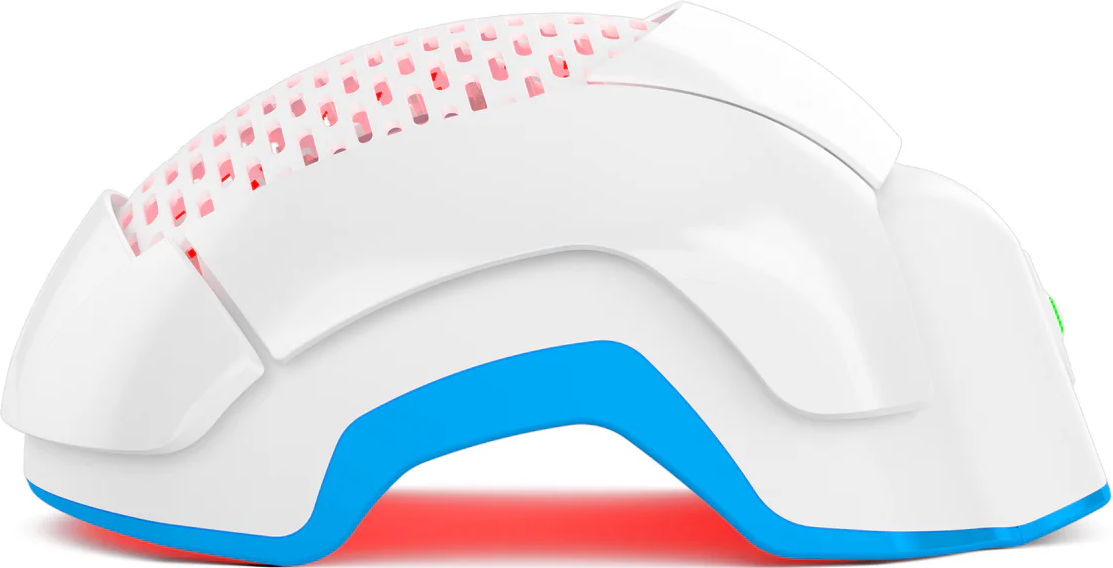
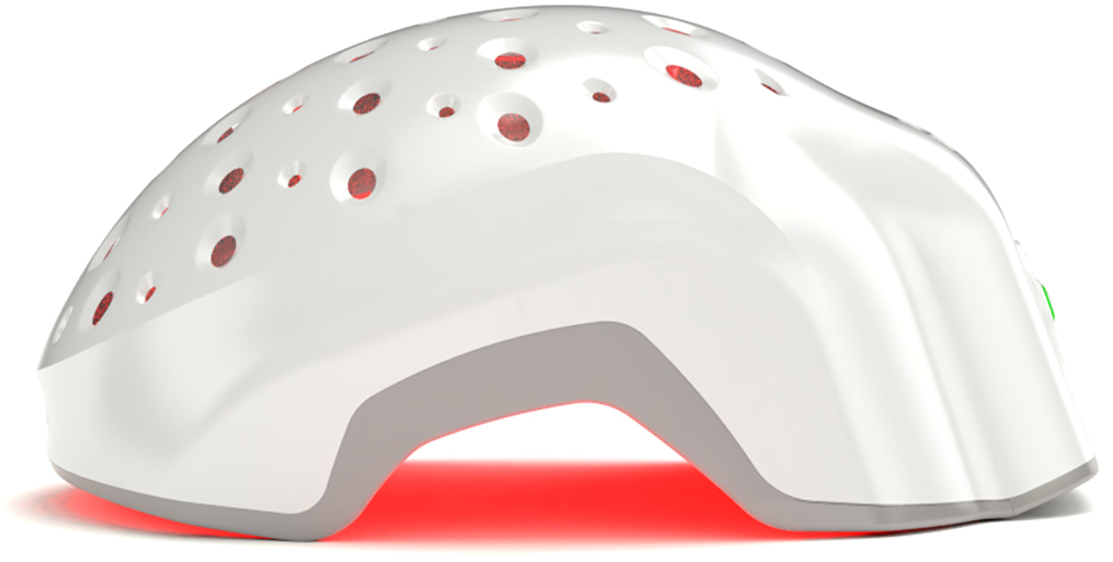
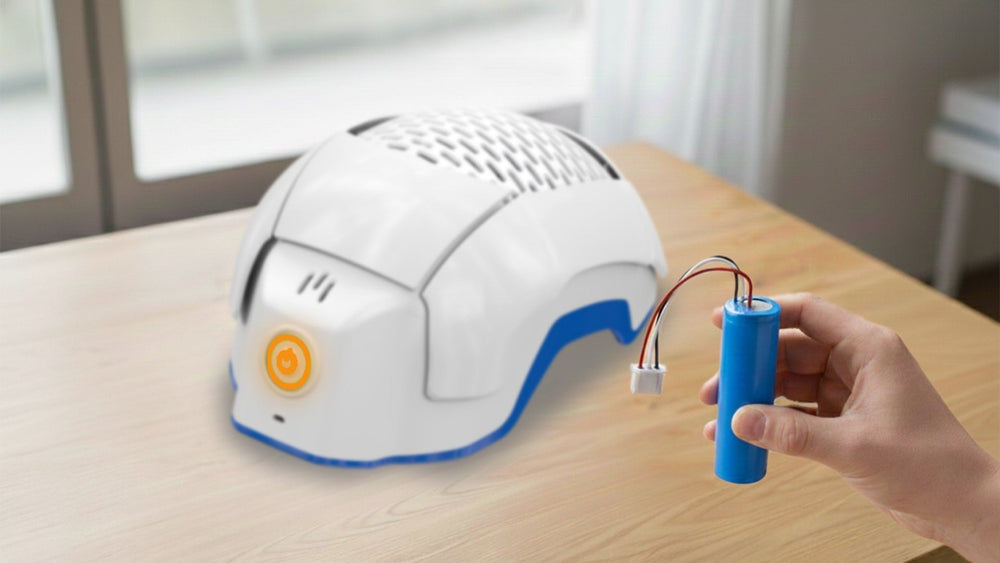
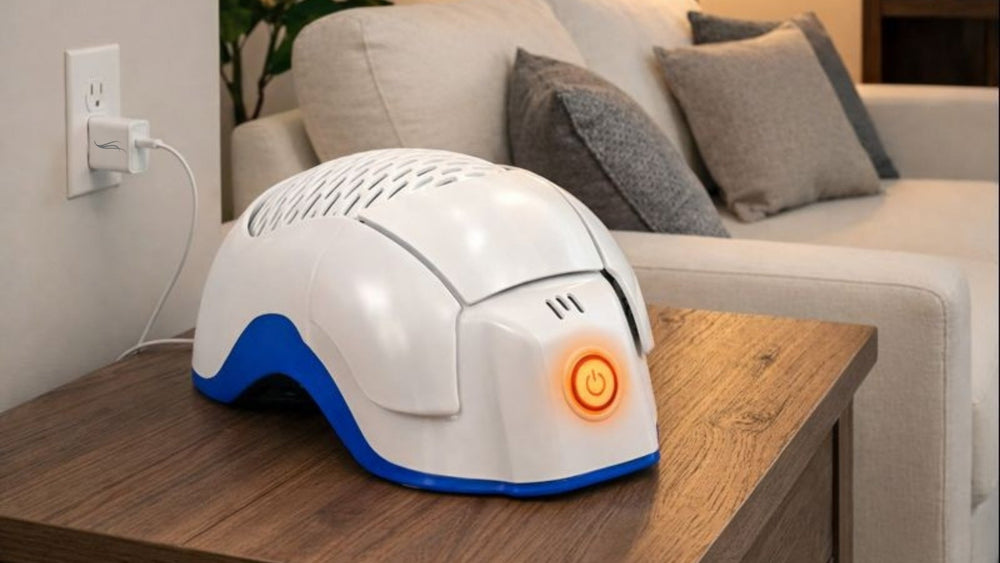
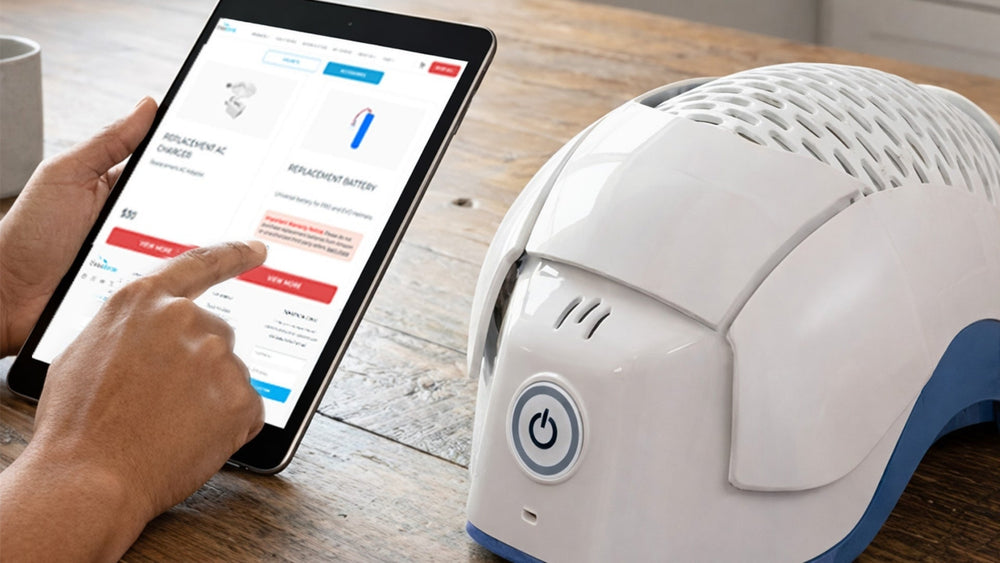
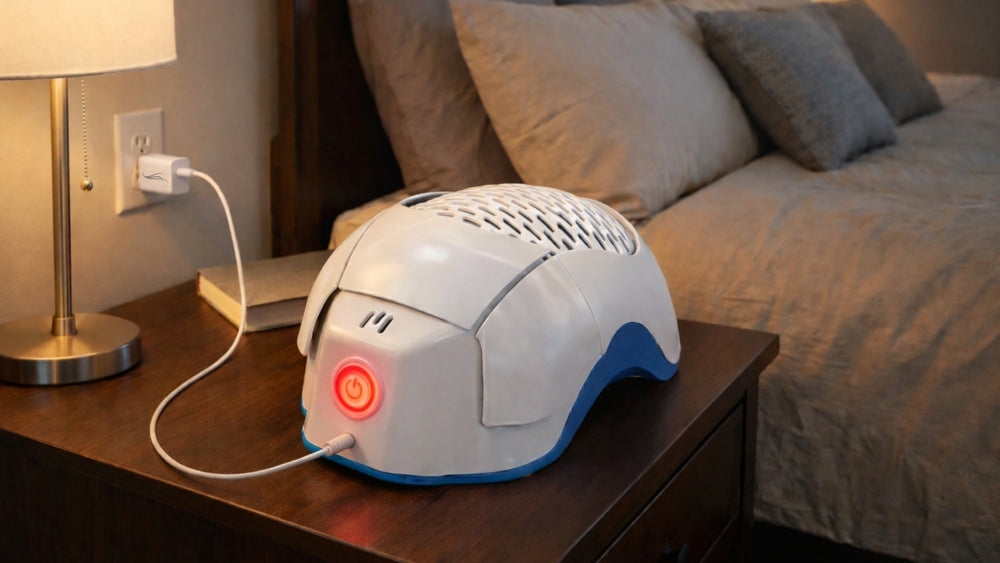
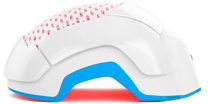
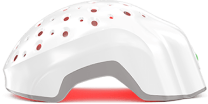
Theradome’s FDA 510(k) clearance covers treatment of androgenetic alopecia and promotion of hair growth in specified male and female patterns and skin types.
That boundary is important.
A person who has endometriosis may be an appropriate LPT candidate if she separately has androgenetic alopecia and fits the cleared indication. LPT does not correct low iron, stop uterine bleeding, reverse a medication reaction, treat alopecia areata, or extinguish a scarring inflammatory process.
For a fuller discussion, read our guide to female pattern hair loss or review the Theradome PRO LH80 after the diagnosis is reasonably clear.
Diagnosis first.
How is alopecia areata treated?
Treatment depends on age, extent, duration, affected sites, rate of progression, and the person’s medical history.
Options may include:
- Corticosteroid injections
- Topical corticosteroids
- Contact immunotherapy
- Other immune-directed treatments
- FDA-authorized JAK inhibitors for selected severe cases
The BAD living guideline for alopecia areata uses structured evidence grading for children and adults.
Limited alopecia areata may regrow without treatment. Recurrence is possible, and extensive disease is less predictable.
This is not a condition to treat with iron unless deficiency is also present.
How is scarring alopecia treated?
Scarring alopecias such as CCCA and frontal fibrosing alopecia require treatment aimed at controlling inflammation and preventing further follicular destruction.
Depending on the diagnosis, treatment may involve:
- Topical corticosteroids
- Corticosteroid injections
- Oral anti-inflammatory medicines
- Antibiotics used for anti-inflammatory effects
- Other immune-modifying treatment
- Minoxidil as support where viable follicles remain
- Changes to damaging hair practices
Minoxidil or LPT alone cannot stop an active scarring disease.
Once a follicle has been replaced with scar tissue, ordinary hair-growth treatments cannot bring it back. This is why scalp pain, burning, scale, shiny areas, or loss of follicular openings deserves timely assessment.
No dawdling.
What hair care is sensible while shedding is being assessed?
Gentle care can reduce breakage and traction. It cannot correct an internal trigger.
Useful measures include:
- Wash often enough to keep the scalp comfortable
- Apply conditioner to reduce friction
- Detangle in sections
- Begin near the ends and work upward
- Choose wet, damp, or dry detangling according to hair texture and condition
- Reduce tight styles
- Pause painful extensions or adhesive systems
- Limit repeated bleaching, relaxing, or high heat
- Avoid vigorous scalp scratching
- Introduce new products one at a time
- Use a wide-tooth comb only when it suits the hair’s texture and condition
There is no universal rule that all hair should be detangled soaking wet. Fine, damaged, straight hair may be vulnerable when saturated. Curly and coily hair often benefits from detangling with conditioner and adequate slip. Technique beats dogma.
A fragrance-free or simpler product may help someone with contact dermatitis or a reactive scalp. It does not treat telogen effluvium merely by being sulfate-free.
How long does regrowth take?
It depends on the diagnosis.
Telogen effluvium
Shedding often appears around three months after a trigger and may continue for three to six months. Visible fullness can take many additional months because new hair grows gradually.
Iron-related shedding
Hair recovery may begin only after iron status improves and continued blood loss is controlled. There is no reliable week-by-week promise.
Medication-related loss
The course varies. Some people improve after a medication is adjusted or stopped. For several treatments, the pattern and complete reversibility have not been adequately studied.
Female pattern hair loss
Treatment generally requires at least several months before a meaningful judgment can be made. Continued therapy is often needed to retain benefit.
Alopecia areata
Regrowth may occur spontaneously or with treatment, but recurrence is possible.
Scarring alopecia
Treatment aims to prevent further loss. Permanently scarred follicles will not regrow normally.
One more small reality check: seeing less hair in the shower is not the same as having full density back. The shedding may calm before the mirror catches up.
Conclusion
Endometriosis is not proven to directly cause a distinct form of hair loss. The more likely links include heavy bleeding and iron deficiency, telogen effluvium after surgery or physical strain, medication changes, restricted eating, or a separate diagnosis such as female pattern hair loss, alopecia areata, traction alopecia, PCOS, thyroid disease, or CCCA.
Start with the pattern and timeline. Then test only what the history supports.
Most nonscarring shedding can improve once the real trigger is addressed, although hair moves slowly and visible density takes patience. Painful, inflamed, patchy, or progressively scarred areas need faster dermatologic care.
And product comes later. Much later, actually. The useful treatment is the one matched to the diagnosis, not the one asked to solve every possible cause at once.