






Coconut oil can help hair hold on to length better by reducing protein loss and breakage, which is probably why so many people swear it “helped their hair grow.” But current evidence does not show that coconut oil reliably stimulates scalp follicles to produce new hair the way established hair-loss treatments are designed to do.
Why Coconut Oil Gets So Much Credit
Coconut oil has been sitting in hair routines for so long that it almost feels untouchable. A grandmother thing. A wash-day thing. A “my aunt swears by it” thing. And to be fair, the affection did not appear out of thin air.
It helps hair feel softer. It can cut down breakage. It can make rough ends act less feral after washing. So when someone says, “My hair grew better with coconut oil,” they may be describing a real change… just not always the one they think.
What Does “Hair Growth” Actually Mean?
When people say “hair growth,” they often mean three different things at once. New hairs coming in. Existing strands getting longer. Hair looking fuller than it did a few months ago. Those are related, yes, but they are not interchangeable.
Hair growth vs hair retention
True hair growth happens at the follicle. That is where the hair cycle lives, with growing, resting, and shedding phases. Hair retention is different. That is about how well the strand survives washing, brushing, friction, heat, and plain old life. If a strand stops snapping halfway down the shaft, it has a better chance of sticking around long enough to look “faster growing,” even when the follicle itself has not changed much.
Why this distinction changes everything
Because once you separate production from preservation, coconut oil starts making more sense. It may not persuade the follicle to do something dramatic. But it may help the strand hold itself together better. And honestly… that is not a tiny thing. For someone whose ends keep fraying into oblivion, survival can feel suspiciously close to progress.
The Unique Molecular Behavior of Coconut Oil

This is the bit that gives coconut oil a better case than a lot of other oils.
Why coconut oil behaves differently from other oils
In the classic hair-damage study people keep circling back to, coconut oil reduced protein loss better than both mineral oil and sunflower oil in damaged and undamaged hair. The proposed reason was its composition, especially its major fatty acid, lauric acid, along with its lower molecular weight and straight-chain structure, which seem to help it interact with hair proteins and penetrate the shaft more effectively.
Protein loss and why it matters more than people think
Hair is mostly keratin. If repeated washing and swelling weaken that structure, the strand becomes easier to chip, fray, split, and snap. Coconut oil appears to reduce that protein loss, especially when used before washing. That does not suddenly turn it into a follicle-growth treatment, but it does give it a very respectable lane: damage control with real evidence behind it.
And that lane is bigger than people think. Because the average person is not staring at their follicles under a microscope. They are staring at their sink, their comb, their pillowcase, and that one annoyingly transparent patch near the front where everything feels personal.
Does Coconut Oil Actually Grow New Hair?
Not based on current clinical evidence.
That is the plain answer. We do not have strong human trials showing that coconut oil reliably increases scalp hair density, reverses follicle miniaturization, or shifts a true hair-loss disorder into regrowth mode. The strongest evidence is still about protecting the hair fiber, not waking up a sleepy follicle.
Which is why a lot of beauty writing gets a little too breezy here. Softer hair? Plausible. Less breakage? Supported. New follicular growth? That leap is still a leap.
Your hair did not suddenly become ambitious.
What Coconut Oil Actually Does for Your Hair
Reduces breakage
This is the strongest claim available. Coconut oil can reduce protein loss in the hair shaft, and that may lower breakage over time. If your strands break less, you keep more of what you already grew. The mirror reads that as improvement. It is improvement. Just not necessarily follicle-level regrowth.
Improves feel, softness, and manageability
A hair strand that absorbs and loses water badly can get rough, more fragile, and harder to manage. Coconut oil can help some hair types feel smoother and more supple, which is one reason people keep coming back to it. Skin studies also support coconut oil as a moisturizer with barrier-supporting properties, which helps explain why some people find it soothing on drier scalp skin too.
Helps hair survive ordinary stress
Washing. Towels. Combs. Friction from scarves, pillowcases, and whatever else your hair gets dragged through in a normal week. None of that sounds very dramatic, but cumulatively it matters. Coconut oil seems to give the strand a better shot at making it through those small daily insults with less damage.
Survival counts.
Can Coconut Oil Help Your Scalp?
Sometimes, yes. But this part needs a calm head.
Scalp microbiome and balance
A 2021 study in Scientific Reports found that coconut oil use was associated with changes in the scalp microbiome and functional pathways that aligned with healthier scalp states, including in dandruff-prone participants. That is interesting. It suggests coconut oil may do more than just sit there looking glossy. It may help shape the scalp environment in a potentially useful direction.
Still… promising does not mean universal, and it definitely does not mean “therefore it regrows hair.”
Dryness vs dandruff
These get blurred together all the time. A dry scalp can feel tight, flaky, and irritated. Dandruff or seborrheic dermatitis often involves inflammation and yeast-related overgrowth patterns, and standard dermatology treatment still leans on medicated shampoos and targeted care. Coconut oil may help some people with comfort or surface dryness, but it should not be presented as the main evidence-backed treatment for dandruff.
And that matters. A lot. Because someone with true scalp inflammation can lose months rubbing oil into a problem that really needed something more specific.
When Coconut Oil Will Not Help
Genetic hair loss (androgenetic alopecia)
Coconut oil does not block DHT, and it is not an established primary treatment for androgenetic alopecia. Current reviews support treatments such as laser phototherapy, topical minoxidil, oral finasteride or dutasteride in appropriate patients, oral minoxidil in selected cases, and some procedural options depending on the person. Coconut oil can still sit in the routine if someone likes it, but it should not be confused with a treatment that addresses follicle miniaturization.
Stress-related shedding (telogen effluvium)
Telogen effluvium is excessive shedding after a stressor such as illness, hormonal change, rapid weight loss, medication shifts, or major emotional strain. Coconut oil may make the hair fiber feel less battered during that period, but it does not correct the underlying trigger. In many cases, the most useful step is figuring out why the shedding started in the first place.
Autoimmune hair loss (alopecia areata)
Alopecia areata is an immune-mediated condition. Dermatology treatment often involves corticosteroids, and for more extensive cases, newer therapies such as JAK inhibitors may be considered. Coconut oil is not a substitute for that. It may be pleasant. It may be comforting. It is not the mechanism doing the heavy lifting in this condition.
Why People Still Swear By It
Because they are often telling the truth… just in a slightly sideways way.
If hair snaps less, it gets longer. If ends feel thicker and less ragged, the whole head can look fuller. If the scalp feels calmer, the person may start handling the hair more gently, washing it a bit more wisely, and panicking a bit less. Those changes are real. They just do not prove that the follicle itself got a motivational speech.
How to Use Coconut Oil Without Ruining Your Scalp
Useful things can still be annoying when overdone.
Pre-wash use
The best-supported use is as a pre-wash treatment. That is where the protein-loss data are strongest. Applying a modest amount before shampooing may help the strand handle washing with less structural loss.
When not to slather it onto the scalp
If you are acne-prone, have a very oily scalp, or tend to get little bumps around the hairline, heavy oil use can backfire. The American Academy of Dermatology notes that oils in hair-care products can contribute to breakouts along the hairline, forehead, or neck in some people. So if your skin is already easily irritated, restraint is not a bad idea.
Frequency and realistic use
There is no strong clinical rule saying you must use coconut oil twice a week, overnight, warmed, upside down under a full moon, or anything else that dramatic. Small amounts used in a way your hair actually tolerates tend to make more sense than grand rituals. If your strands love it, fine. If they turn flat and gummy by lunchtime… also useful information.
More is not better.
Who Should Use Coconut Oil… and Who Should Be Careful
People with dry, coarse, curly, bleached, heat-damaged, or more fragile hair are the ones most likely to notice the upside. Those hair types often benefit more from reducing protein loss, friction, and breakage.
People with fine hair, oily scalps, or acne-prone skin may be less enthusiastic. Coconut oil can feel heavy, leave residue, and trigger breakouts in some users. Sometimes your hair routine tells on itself faster than your dermatologist does.
That is not coconut oil being “good” or “bad.” Just selective. Fussy, even.
If Not Coconut Oil… Then What Actually Supports Hair Growth?
True hair growth support depends on the cause of the problem. If the issue is patterned hair loss, treatments that address follicle behavior are more relevant than oils that mostly protect the shaft. If the issue is shedding after a stressor, identifying the trigger matters more. If the issue is patchy autoimmune loss, the pathway is different again. That is why dermatology guidance keeps returning to diagnosis first.
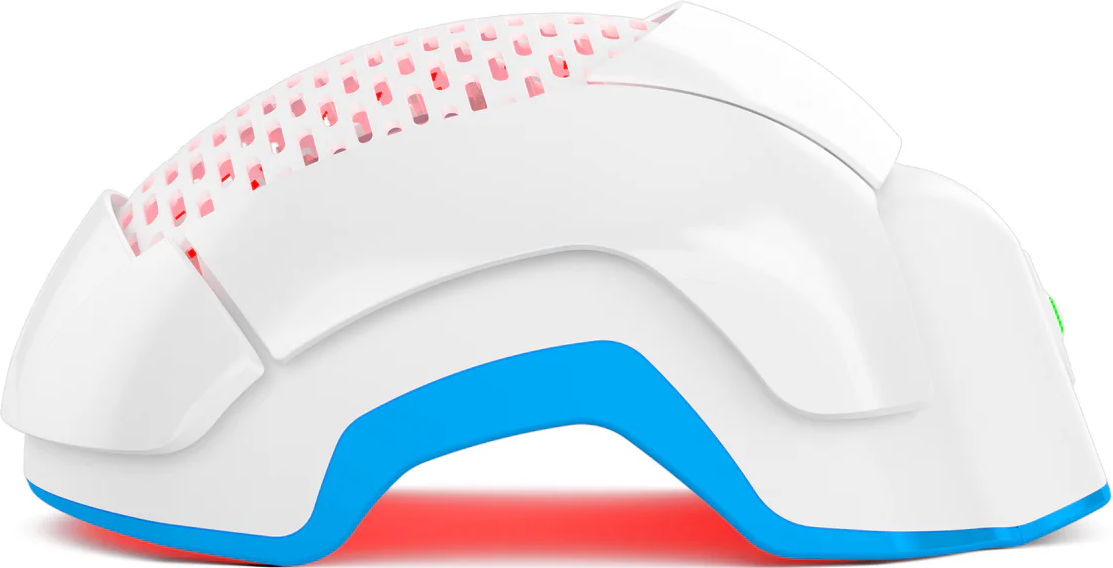
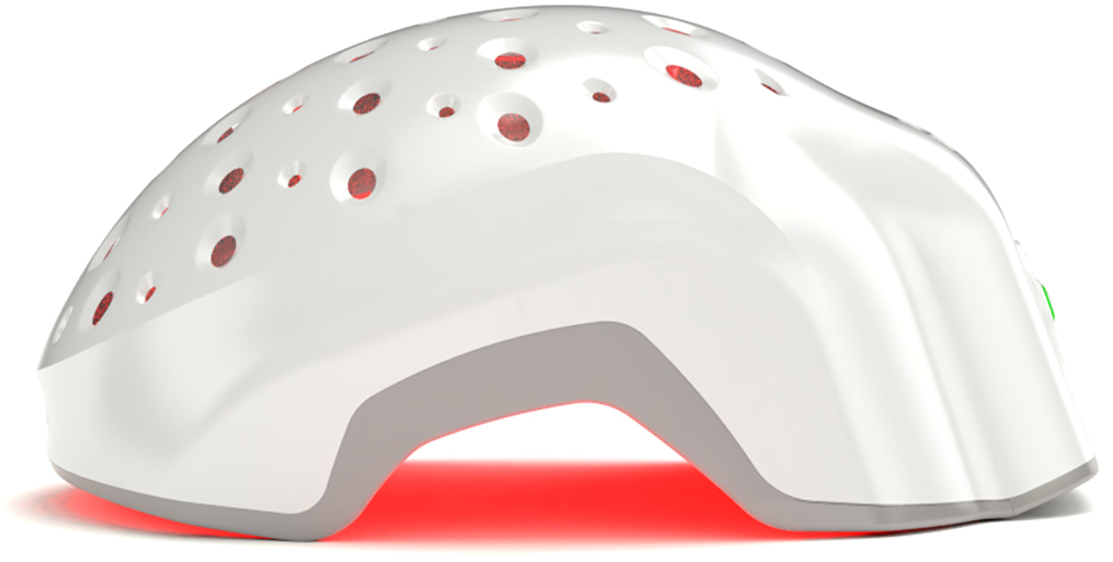
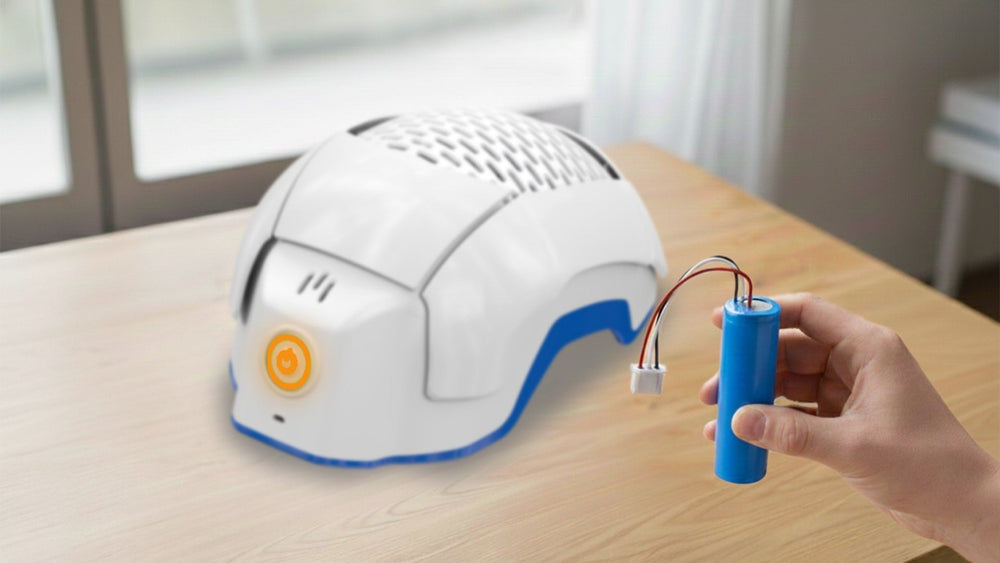
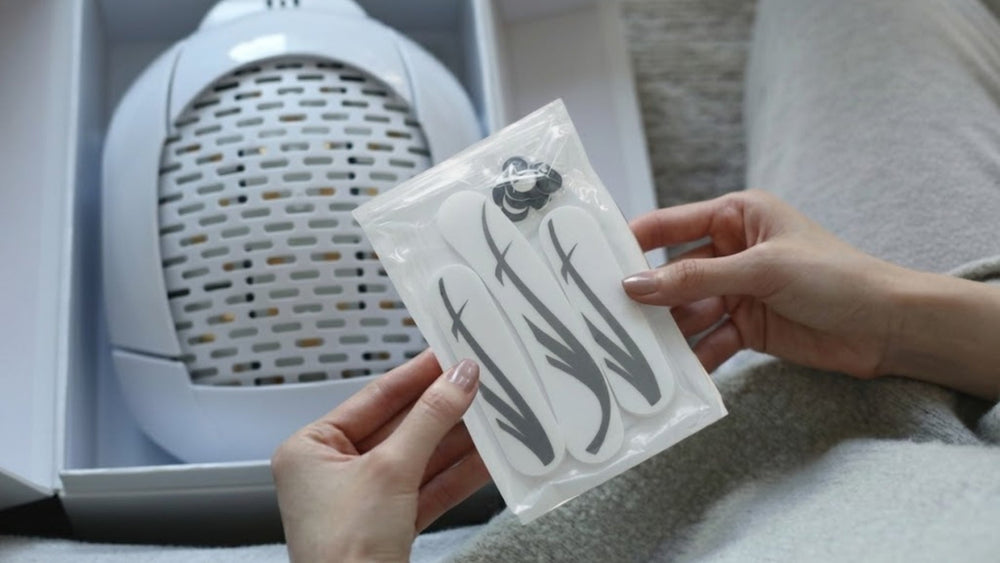
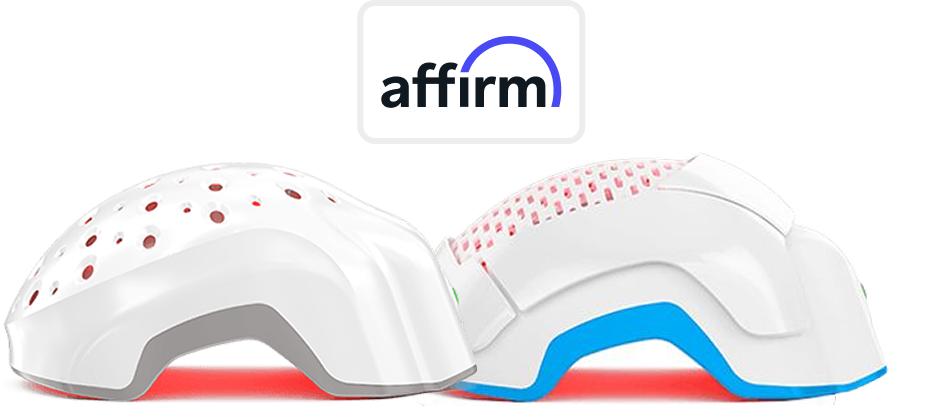
For some forms of hair loss, one evidence-backed category includes low-level light treatment, more precisely called laser phototherapy in this context. It is not a scalp oil. It is not a cosmetic coating. It is a follicle-level approach designed for a different job entirely. Recent systematic review work on androgenetic alopecia includes low-level light treatment among the available options with supportive evidence, though outcomes vary by device and protocol.
That difference matters. Surface care has one role. Follicle-focused care has another.
And honestly… mixing them up is where a lot of people lose time.
Should You Use Coconut Oil?
Yes, if your goal is stronger-feeling hair, less breakage, and better length retention.
No, if you are expecting it to behave like a proven treatment for follicle-level hair loss.
Coconut oil has earned its reputation as a useful hair-care support step. It just gets credited for jobs that belong to other tools. If your hair is fragile, dry, or snapping off, it may be worth keeping around. If your hair is thinning from the root, shedding heavily, or receding in a patterned way, it is probably time to look beyond the jar.