





Tinea capitis is a contagious fungal infection of the scalp and hair shaft. Seborrheic dermatitis is a chronic inflammatory scalp condition that can cause recurring flakes, itch, and irritation, but it is not contagious. The treatment path is very different: tinea capitis usually needs oral antifungal medicine, while seborrheic dermatitis is often managed with medicated shampoos, topical antifungals, and anti-inflammatory care when needed.
A flaky scalp can be weirdly personal. You notice it on your shirt, then in the mirror, then somehow your brain decides you are now a full-time scalp investigator. Fun little hobby nobody asked for.
But “flakes” can mean different things. Sometimes it is seborrheic dermatitis. Sometimes it is tinea capitis, also called scalp ringworm. And sometimes the scalp is doing that deeply annoying thing where two conditions look similar enough to make guessing a bad idea.
That matters because the wrong treatment can waste time. Worse, it can let a contagious scalp infection spread or allow inflammation to keep irritating the skin.
Quick Comparison: Tinea Capitis vs. Seborrheic Dermatitis
|
Feature |
Tinea Capitis |
Seborrheic Dermatitis |
|
What it is |
Contagious dermatophyte infection of scalp hair and skin |
Chronic or recurring inflammatory dermatitis |
|
Common name |
Scalp ringworm |
Dandruff-like dermatitis, sometimes “cradle cap” in infants |
|
Contagious? |
Yes |
No |
|
Common age group |
Mostly children, though adults can get it |
Infants, teens, and adults |
|
Typical scalp signs |
Scaly patches, broken hairs, black dots, patchy hair loss |
Greasy or dry flakes, itch, redness or discoloration |
|
Hair loss pattern |
Patchy loss, broken hairs, possible black dots |
Usually not a scarring hair-loss disease, but Malassezia-related inflammation, allergic-type scalp reactions, itching, and scratching may contribute to shedding or weaker hair retention |
|
Pain or swelling |
Possible, especially with kerion |
Not typical unless irritated or secondarily infected |
|
Diagnosis |
Exam, KOH test, fungal culture, Wood’s lamp in some cases, trichoscopy |
Usually clinical exam, sometimes tests to rule out similar conditions |
|
Treatment |
Oral antifungal medicine, sometimes antifungal shampoo to reduce spread |
Medicated shampoos, topical antifungals, anti-inflammatory care when needed |
The table is useful, but it is not a diagnosis. Tinea capitis can resemble dandruff or seborrheic dermatitis, especially early on or in adults, so the pattern around the flakes matters.
What Is Tinea Capitis?
Tinea capitis is a fungal infection of the scalp hair and surrounding skin. It is caused by dermatophytes, a group of fungi that can infect keratin-rich tissue such as hair, skin, and nails. The main organisms involved are often species of Trichophyton and Microsporum.
Why is it called scalp ringworm if there is no worm?
The name “ringworm” is old and frankly a bit rude to everyone’s nervous system. There is no worm. The term comes from the ring-like shape some fungal skin infections can make, though tinea capitis does not always look like a tidy ring on the scalp.
On the scalp, it may look like dry scaling, patchy hair loss, broken hairs, black dots, or an inflamed swollen area. Sometimes it looks enough like regular dandruff to fool people for a while. That is the trap.
What causes tinea capitis?
Tinea capitis happens when dermatophyte fungi infect the scalp and hair shaft. That hair-shaft involvement is the big clinical reason treatment is different from everyday dandruff care. If the fungus is living in or around the hair, a surface cream is usually not enough to clear it properly.
The condition can spread through close contact with someone who has the infection. It can also spread through shared combs, brushes, hats, pillows, towels, furniture, hair tools, and sometimes infected animals. The British Association of Dermatologists notes that close contacts may sometimes need checking to prevent reinfection.
Who usually gets tinea capitis?
Tinea capitis is most common in children, especially school-aged children. That does not mean adults are immune. Adult tinea capitis is less common, but recent reviews warn it can be missed because clinicians and patients may assume an adult’s flaky scalp is seborrheic dermatitis, psoriasis, or product buildup.
And yes, pets can matter. Cats and dogs with fungal infection can pass dermatophytes to humans, so repeated household cases may need a wider look at home exposure.
What Is Seborrheic Dermatitis?
Seborrheic dermatitis is a common inflammatory skin condition that tends to affect oily areas of the body, including the scalp, eyebrows, sides of the nose, ears, beard area, chest, and upper back. It can cause itching, scale, irritation, and patches that may look red, pink, lighter, darker, or simply “off” depending on skin tone.
Is seborrheic dermatitis the same as dandruff?
Dandruff is often considered a milder scalp-limited form within the same general pattern, while seborrheic dermatitis can involve more inflammation and may show up beyond the scalp. The American Academy of Dermatology describes seborrheic dermatitis as a condition that can cause a rash and scale, and notes that treatment can reduce itch and sometimes clear visible symptoms, even though there is not a permanent cure.
So, if your flakes are mostly loose white flakes without much irritation, people may call it dandruff. If there is greasy scale, itch, discoloration, facial involvement, or recurring flare-ups, seborrheic dermatitis becomes more likely.
What causes seborrheic dermatitis?
Seborrheic dermatitis is associated with Malassezia yeast, oil-rich skin, immune response, and skin barrier factors. More specifically, the yeast often discussed in scalp-health literature is Malassezia furfur, sometimes shortened to M. furfur or MF.
Now, small correction before the internet runs off with the wrong idea: Malassezia is not automatically “bad.” It lives on normal human skin. Plenty of people have Malassezia on the scalp without dramatic flakes, itching, or shedding.
The problem seems to start when a susceptible scalp reacts badly to it.
In seborrheic dermatitis, Malassezia can help set off irritation and inflammation in oily scalp areas. Some trichology frameworks, including the Grow It Back book, go further and describe this as an allergic-type scalp reaction that can contribute to hair loss at the foundation level. In plain English, the yeast is not just sitting politely on the scalp like dust on a shelf. In some people, it may help create the kind of inflamed scalp environment where hair becomes easier to shed, harder to retain, or more fragile during a flare.
That still does not make seborrheic dermatitis the same as tinea capitis.
Tinea capitis is a contagious dermatophyte infection that can invade the hair shaft. Seborrheic dermatitis is not contagious, and Malassezia is usually part of a broader inflammation story involving sebum, skin sensitivity, immune response, and barrier function.
Stress, cold weather, illness, irritating products, and certain health conditions may worsen symptoms in some people. The word “may” is doing real work here. Skin is not a vending machine where one button produces one rash.
Is seborrheic dermatitis contagious?
No. Seborrheic dermatitis is not contagious. You do not catch it from another person, and someone else cannot catch it from your flakes. The AAD, Cleveland Clinic, and JAMA Dermatology patient guidance all state that seborrheic dermatitis is not contagious.
How Do the Symptoms Look Different?
Both conditions can itch. Both can flake. Both can make your scalp feel like it has joined a small rebellion.
But the clues around the flakes are different.

Scaling and flakes
Seborrheic dermatitis often causes greasy, yellowish, or white scale, especially on oily scalp areas. It may also affect the eyebrows, ears, sides of the nose, beard area, or chest. DermNet describes seborrhoeic dermatitis as a common chronic or relapsing dermatitis affecting sebaceous gland-rich areas such as the scalp, face, and trunk.
Tinea capitis can cause dry scale that looks like dandruff, but it may also create patches of hair loss, gray-looking scaly areas, or “black dots” where hairs have broken near the scalp surface. DermNet specifically notes that diffuse scale from tinea capitis can resemble generalized dandruff, which is exactly why the article cannot pretend the difference is always obvious.
Hair loss and broken hairs
Hair loss is one of the biggest warning clues.
Tinea capitis can cause patchy hair loss because the fungus affects the hair shaft. Black dot tinea capitis happens when infected hairs break at the scalp surface, leaving tiny dark dots in affected patches. Kerion and other inflammatory forms may also damage the scalp more aggressively and may lead to scarring alopecia if severe or delayed.
Seborrheic dermatitis usually does not permanently destroy hair follicles. It can still make shedding feel worse, especially if the scalp is inflamed or scratched repeatedly. Mayo Clinic notes that seborrheic dermatitis does not cause permanent hair loss, while clinical sources still recognize itch, irritation, and scalp inflammation as part of the condition.
That distinction is small on paper. In the mirror, it is not small at all.
Itch, pain, swelling, and pus
Both conditions can itch. Seborrheic dermatitis often causes persistent itch, flaking, and irritation. It is annoying. Sometimes very annoying.
But pain, pus, deep swelling, tender plaques, or swollen lymph nodes are more concerning for inflammatory tinea capitis or another infection. A kerion is an inflammatory, abscess-like reaction linked with tinea capitis and is often misdiagnosed as bacterial infection.
So if the scalp is painful or puffy, do not casually file it under “bad dandruff.” That is your scalp waving both arms.
Location clues
Seborrheic dermatitis commonly affects the scalp, but it often has company: eyebrows, sides of the nose, ears, eyelids, beard area, chest, or upper back. The distribution can help. Not perfectly, but enough to be useful.
Tinea capitis is centered on scalp hair. The giveaway is often not just scale, but scale plus hair changes: broken hairs, black dots, patchy loss, or an inflamed lesion.
Which One Causes Hair Loss?
This is where people get tense. Understandably.
Hair loss with tinea capitis
Tinea capitis can directly cause hair loss because it affects the hair shaft and follicular area. The hair may break, leaving black dots. Patches may look moth-eaten, gray, scaly, or inflamed. In kerion, swelling and intense inflammation can raise the risk of scarring if the condition is not treated correctly.
Early treatment matters. Not because every case becomes severe, but because delay gives the infection time to spread and irritate the scalp further.
Hair loss with seborrheic dermatitis
Seborrheic dermatitis is usually not treated as a scarring hair-loss disease in the same way severe inflammatory tinea capitis can be.
But it would also be too soft to say it is “just flakes.”
When seborrheic dermatitis is active, the Malassezia yeast linked with the condition can contribute to scalp inflammation in susceptible people. The Grow It Back book describes this as an allergic-type reaction to Malassezia furfur, where the scalp is not merely irritated on the surface, but reacting in a way that can interfere with healthy hair retention.
That makes sense clinically enough to respect, with one careful boundary: the hair loss is usually discussed as inflammatory shedding, irritation-related loss, or worsening of an already vulnerable scalp environment. Not automatic permanent baldness. Not “everyone with dandruff is secretly losing hair.” Please, no bathroom panic spiral.
Still, if the scalp is itchy, inflamed, greasy, flaky, and constantly being scratched, hair can suffer. The follicle environment is irritated. The hair shaft may be roughed up. Shedding can look worse. And if someone already has androgenetic alopecia underneath it all, seborrheic dermatitis may make the whole situation feel louder than it would on a calm scalp.
So seborrheic dermatitis can contribute to hair loss through Malassezia-driven inflammation and allergic-type scalp reactions in susceptible people, while tinea capitis is more likely to cause patchy loss with broken hairs, black dots, or infected hair-shaft involvement.
Different problem. Different level of urgency. Different treatment path.
When hair loss means “stop guessing”
If flakes come with patchy hair loss, broken hairs, black dots, pus, tenderness, swollen lymph nodes, or a child’s scaly bald patch, get medical advice. The diagnosis changes the treatment. And this is not one of those “try whatever is in the cabinet” moments.
Why Are the Treatments So Different?
Because these are not the same scalp problem wearing different outfits.
Why tinea capitis usually needs oral antifungal medication
Tinea capitis generally requires oral antifungal medicine because the infection involves the hair shaft. A topical cream can sit beautifully on the scalp surface and still fail to reach the infected hair properly. StatPearls states that topical treatment is not recommended as sole therapy because it is ineffective, and a review in Skin Appendage Disorders explains that systemic therapy is needed because topical agents cannot penetrate the hair shaft.
Common oral options include griseofulvin and terbinafine. Fluconazole and itraconazole may be used in some cases, depending on the organism, patient age, local practice, medical history, and clinician judgment.
Why shampoo alone is not enough for tinea capitis
Medicated shampoos such as selenium sulfide or ketoconazole may be used alongside oral medicine to reduce fungal spread. But shampoo alone is not considered enough to cure established tinea capitis. The British Association of Dermatologists states that tinea capitis needs oral antifungal medication and a medicated shampoo to reduce spread to other people.
That is the part people miss. Shampoo can help the spread problem. It does not solve the deeper hair-shaft problem by itself.
How seborrheic dermatitis is treated
Seborrheic dermatitis treatment is usually topical. For scalp symptoms, dermatology references commonly list medicated shampoos containing ketoconazole, ciclopirox, selenium sulfide, zinc pyrithione, coal tar, or salicylic acid. Short courses of topical corticosteroids or steroid alternatives may be used when inflammation needs calming.
A Cochrane review found topical ketoconazole and ciclopirox were more effective than placebo for seborrheic dermatitis, with ketoconazole showing similar effectiveness to steroids in reviewed studies but fewer side effects in that comparison.
Treatment is usually about control. Fewer flakes. Less itch. Fewer flare-ups. Not a forever magic wand.
The mistake to avoid
Do not keep treating hair loss plus flakes as regular dandruff for weeks and weeks, especially in a child.
That bathroom shelf can turn into a tiny museum of failed shampoos. We have all seen some version of it. But if there are black dots, broken hairs, pain, pus, or patchy loss, the scalp needs a clinician, not another random bottle with confident lettering.
How Does a Dermatologist Diagnose the Difference?
A dermatologist looks at the pattern: where the scale is, whether hairs are broken, whether there are patches of loss, whether the scalp is swollen or tender, and whether other areas such as the eyebrows, ears, or face are involved. Sometimes the visual exam is enough for seborrheic dermatitis. Tinea capitis often needs testing, especially when the diagnosis is uncertain.
Clinical exam
For seborrheic dermatitis, diagnosis is often clinical, meaning the clinician uses the appearance and location of the rash. AAD notes that seborrheic dermatitis can resemble other skin conditions and recommends seeing a board-certified dermatologist for accurate diagnosis if you think you may have it.
For tinea capitis, exam clues include scale, broken hairs, black dots, alopecia patches, inflammation, and sometimes cervical lymph-node swelling.
KOH test and fungal culture
A KOH test uses scalp scrapings or plucked hairs, treated with potassium hydroxide, to look for fungal elements under a microscope. DermNet notes that microscopy of scalp scrapings or plucked hairs can rapidly confirm tinea capitis when hyphae and spores are seen.
A fungal culture can identify the organism, which may influence treatment choice. This matters because evidence suggests terbinafine tends to work better for Trichophyton tonsurans, while griseofulvin tends to work better for Microsporum canis.
Wood’s lamp
A Wood’s lamp uses ultraviolet light to look for fluorescence from certain fungi. Useful sometimes. Not a perfect rule-out test.
Some Microsporum infections may fluoresce, but many common tinea capitis organisms do not. So, if the Wood’s lamp does not glow, that does not automatically mean there is no fungal infection.
Dermoscopy or trichoscopy
Dermoscopy, also called trichoscopy when used for hair and scalp, lets clinicians look closely at the scalp and hairs. In tinea capitis, dermatologists may see broken hairs, black dots, comma hairs, corkscrew hairs, zigzag hairs, or perifollicular scale.
Not everyone needs to memorize those terms. Honestly, please do not turn your mirror into a microscope. But knowing these signs exist helps explain why a dermatologist can spot clues that are easy to miss at home.
Can Tinea Capitis Look Like Seborrheic Dermatitis?
Yes. And this is where things get inconvenient.
DermNet notes that diffuse-scale tinea capitis can resemble generalized dandruff, and adult tinea capitis reviews describe misdiagnosis as a real problem because adult cases are less expected.
So if someone has “seborrheic dermatitis” that keeps refusing reasonable treatment, especially with patchy loss, broken hairs, black dots, or tenderness, tinea capitis should be reconsidered. That does not mean every stubborn flake is ringworm. It means the scalp deserves a better question.
Is It Contagious?
Tinea capitis can spread
Tinea capitis is contagious. It can spread through direct contact with infected people, asymptomatic carriers, animals, or shared objects such as combs, brushes, hats, towels, bedding, furniture, and hair tools.
Close contacts may need checking if reinfection keeps happening. Pets may also need attention if they have suspicious patches or if a clinician suspects animal exposure.
Seborrheic dermatitis does not spread person to person
Seborrheic dermatitis is not contagious. You cannot catch it from someone’s scalp, and you cannot pass it to a partner, child, barber, or pillowcase like an infection.
That alone can take the temperature down in the room.
School, family, and household steps
If a child has tinea capitis, medical treatment matters because the infection can spread. Patient.info states children should generally attend school or nursery as normal once appropriate treatment has started, though local school or clinician guidance may vary.
At home, avoid sharing combs, hats, towels, pillowcases, and brushes during treatment. Clean hair tools. Wash bedding and towels. Keep it sensible, not apocalyptic.
When Should You See a Doctor or Dermatologist?
You should seek medical advice sooner if scalp flakes come with signs that suggest infection, inflammation, or hair-shaft involvement.
See a clinician soon if you notice these signs
- Scaly bald patches
- Broken hairs
- Black dots on the scalp
- Painful swelling
- Pus, crusting, or oozing
- Swollen lymph nodes near the neck
- Fever
- Rapid spreading
- A child with scalp scaling and hair loss
- Symptoms that do not improve with appropriate OTC care
Tinea capitis can cause black dot alopecia, kerion, cervical lymphadenopathy, and inflammatory disease that may progress to scarring alopecia in severe cases.
Why children need extra caution
Children are the group most commonly affected by tinea capitis. A child with a scaly bald patch should not be treated indefinitely as “dry scalp.” Early diagnosis helps reduce spread and lowers the risk of complications.
When seborrheic dermatitis still needs medical care
Seborrheic dermatitis can often be managed, but stubborn, painful, spreading, oozing, or confusing scalp symptoms deserve evaluation. AAD notes that many skin conditions can cause an itchy rash and that seborrheic dermatitis can exist alongside other conditions such as rosacea or psoriasis.
If a treatment that “should” help is doing nothing, the diagnosis may need another look.
What to bring to the appointment
Bring photos of flares, a symptom timeline, shampoos or medicines already tried, hair products used, whether anyone else at home has scalp symptoms, recent pet exposure, shared hair tools, and whether the hair loss is patchy or diffuse.
Small details help. The boring details, weirdly, are often the useful ones.
What Should You Not Do If You’re Unsure?
Don’t rely on home remedies for suspected tinea capitis
Tinea capitis usually needs oral antifungal treatment. Oils, vinegar, tea tree oil, and scalp scrubs should not be treated as cures for scalp ringworm. Delaying proper treatment can allow spread and may worsen inflammation.
Don’t treat hair loss plus flakes like ordinary dandruff forever
If there are flakes plus broken hairs, black dots, patches, pus, pain, or swelling, stop treating it like regular dandruff. It may still turn out to be something else, yes. But that combination deserves a clinician’s eyes.
Don’t over-scrub
Scrubbing harder does not scrape out fungus. It can irritate the scalp, worsen tenderness, break fragile hairs, and create tiny skin openings that make everything angrier.
So no scalp sandpaper behavior, please.
Don’t use steroid creams blindly
Steroids can help some inflammatory scalp problems when used correctly, but using them on an undiagnosed fungal infection can mask symptoms and delay the right treatment. Tinea infections altered by steroid use are often discussed clinically as tinea incognito, meaning the usual appearance can become less clear.
How Can You Prevent Tinea Capitis from Spreading?
Avoid sharing scalp-contact items
If tinea capitis is suspected or confirmed, avoid sharing combs, brushes, hats, helmets, towels, pillowcases, clippers, and hair accessories. The fungi can spread through contaminated objects as well as direct contact.
Clean what touches the scalp
Wash bedding, towels, hats, and pillowcases. Clean combs and brushes. Use separate hair tools during treatment. If clippers were involved, they need appropriate disinfection before reuse.
No need to act like your house is cursed. Just remove the obvious repeat-contact routes.
Check close contacts and pets when appropriate
If tinea capitis keeps coming back, household contacts may need checking, especially if they have scalp scale or hair loss. BAD notes close contacts may need to be checked so they are not carrying the infection.
If a pet has hairless patches or scaling, a veterinarian may need to assess them too. Animals can be a source of dermatophyte infection.
Use adjunct shampoo only as advised
A medicated shampoo may reduce fungal shedding and spread when used with oral treatment, but it should not replace oral antifungal therapy for established tinea capitis.
How Can You Manage Seborrheic Dermatitis Flare-Ups?
Seborrheic dermatitis tends to recur. That can feel unfair, because you may do the “right” thing and still have a flare months later. Skin has a memory and, occasionally, a flair for melodrama.
Use medicated shampoos correctly
Common scalp treatments include shampoos or topical products with ketoconazole, ciclopirox, selenium sulfide, zinc pyrithione, salicylic acid, coal tar, or related ingredients. AAD notes ketoconazole is often prescribed and can reduce rash, itch, and scale. DermNet lists medicated shampoos with ketoconazole, ciclopirox, selenium sulfide, zinc pyrithione, coal tar, and salicylic acid for scalp seborrheic dermatitis.
A clinician can help choose the right option and frequency, especially if symptoms are severe, recurring, or affecting the face as well as the scalp.
Reduce irritation
Avoid harsh scrubbing, alcohol-heavy products, and styling products that seem to trigger irritation during flares. Mayo Clinic advises avoiding styling products during treatment and avoiding products that contain alcohol if they trigger symptoms.
This is not a moral purity test for your bathroom cabinet. It is pattern tracking.
Plan for maintenance, not one-and-done treatment
Seborrheic dermatitis often comes and goes throughout life. Cleveland Clinic describes it as a condition that can recur and be managed with medicated creams and shampoos.
So the goal is control: fewer flare-ups, calmer scalp, less itch, less visible scale, and less panic every time your shoulders collect evidence.
Make treatment realistic for your hair type
If you have tightly coiled, curly, chemically treated, or dryness-prone hair, ask your clinician how to adapt medicated shampoo use without causing avoidable breakage. Mayo Clinic’s note about ketoconazole and tightly coiled or chemically treated hair is a useful reminder that scalp treatment must work with the actual person, not a generic shampoo commercial.
Tinea Capitis vs. Seborrheic Dermatitis: The Safe Next Step
If you have recurring flakes, itch, and greasy or dry scale without patchy hair loss, seborrheic dermatitis may be more likely. If you have flakes plus broken hairs, black dots, scaly bald patches, pain, pus, swollen lymph nodes, or a child’s scalp patch, tinea capitis should be ruled out.
Your scalp does not need a guessing game. It needs the right category.
And if the category is not obvious? That is exactly what a dermatologist or qualified clinician is for.
What if the Flakes Are Gone, but the Thinning Isn’t?
Tinea capitis and seborrheic dermatitis need the right medical category first. If the issue is scalp ringworm, the priority is antifungal treatment. If it is seborrheic dermatitis, the goal is controlling flakes, itch, and inflammation with the right scalp-care plan.
Hair growth support comes after that.
Once the scalp is no longer painful, infected, oozing, or actively flaring, some people still notice thinning that does not fully line up with the scalp condition itself. That can happen when a separate hair-loss pattern is sitting underneath the irritation, especially androgenetic alopecia, also called male or female pattern hair loss.
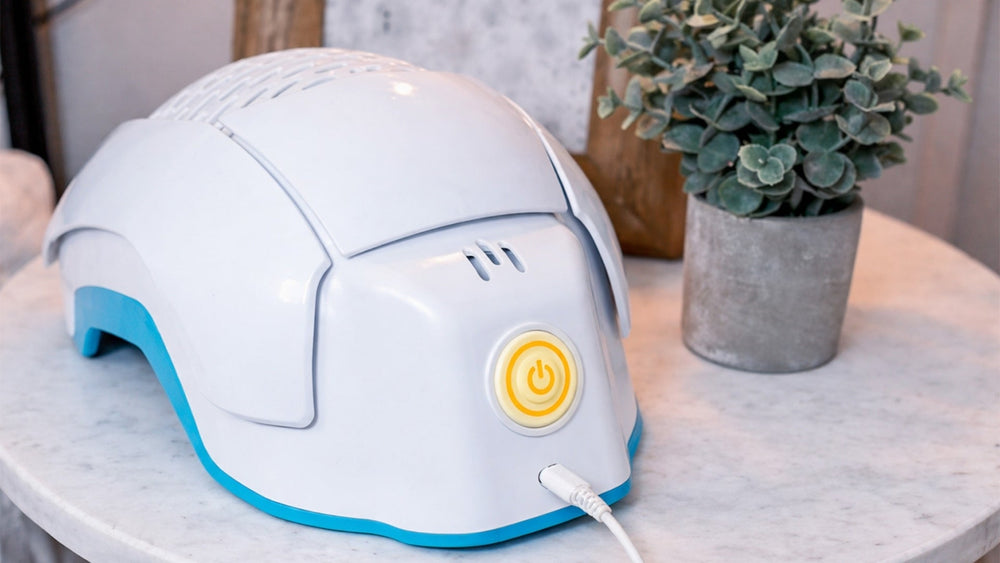
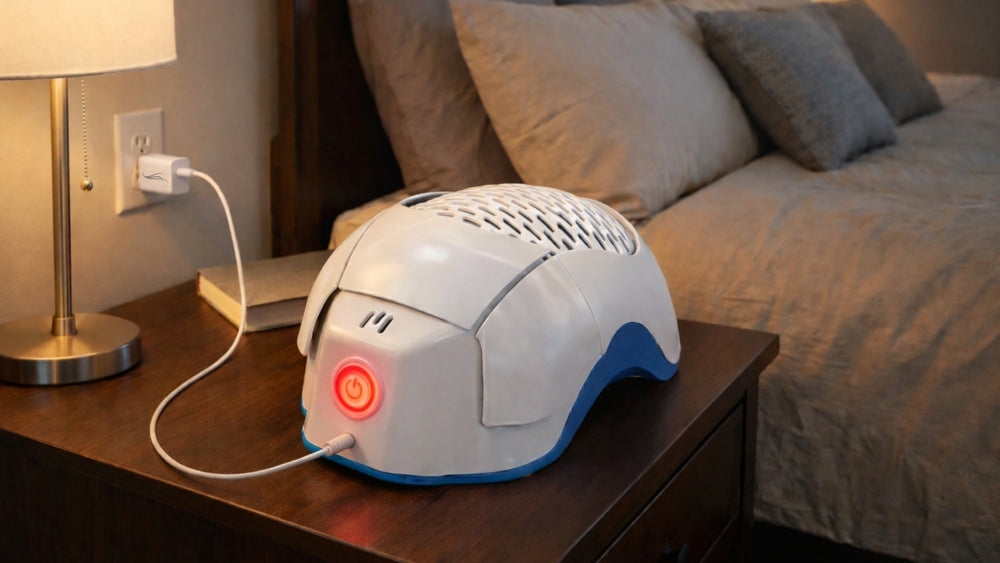
This is where Theradome belongs in the conversation.
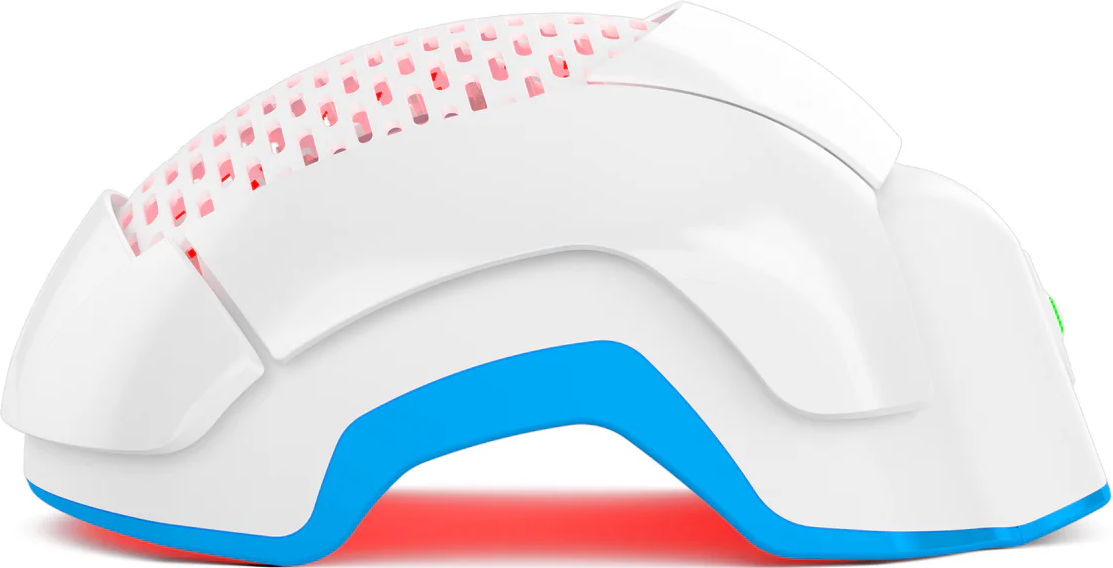
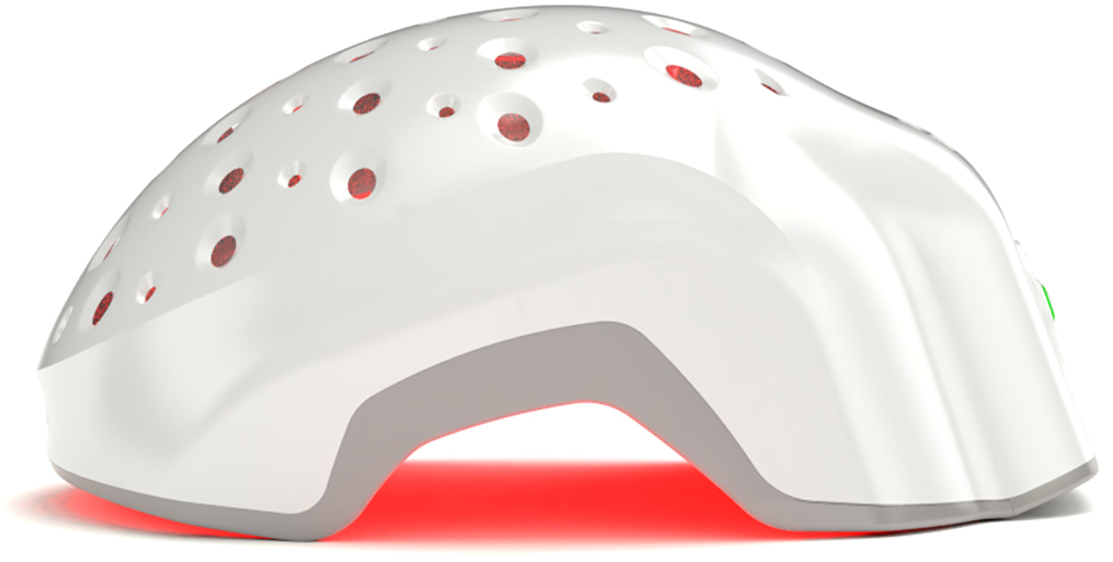
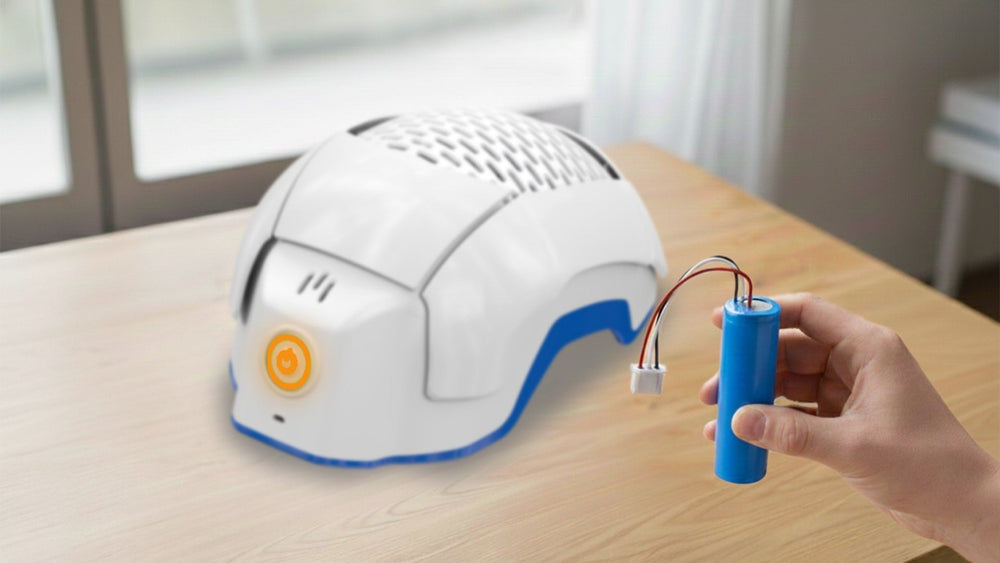
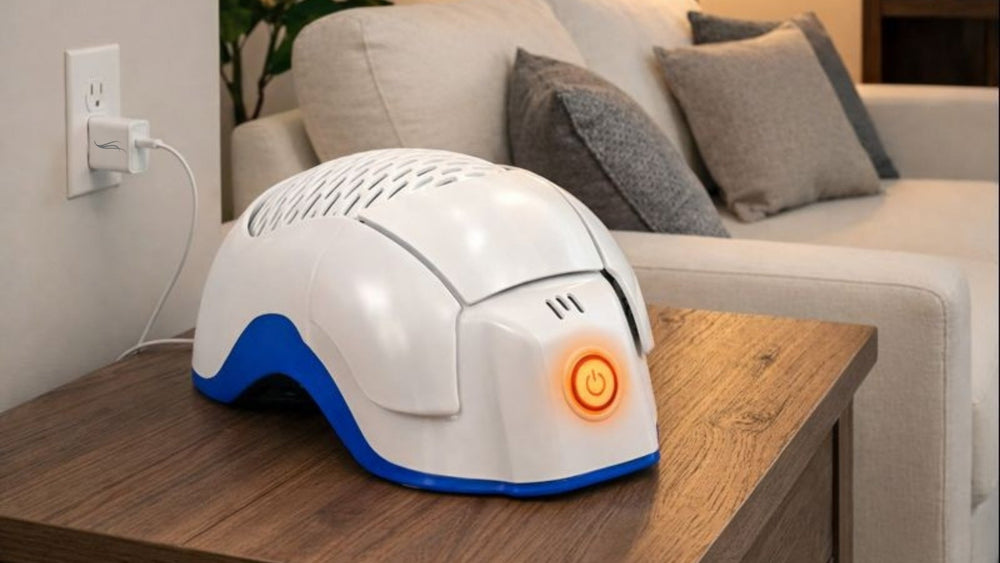
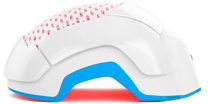
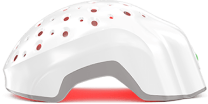
Theradome is an FDA-cleared Laser Phototherapy device intended to treat androgenetic alopecia and promote hair growth in eligible men and women. The FDA clearance document for the Theradome LH40 describes it as an over-the-counter therapeutic device intended to treat androgenetic alopecia and promote hair growth in male and female pattern hair-loss classifications.
Theradome is not a treatment for tinea capitis. It is not a dandruff shampoo. It does not replace antifungal medication, medicated scalp treatments, or a dermatologist’s diagnosis.
But for people whose scalp condition has been handled and who still have pattern thinning concerns, Theradome can be part of a separate hair-growth support plan. Its role is more specific: Laser Phototherapy for androgenetic alopecia.
Treat the scalp condition first. Then support the hair-growth concern that is actually there.
Conclusion
Tinea capitis and seborrheic dermatitis can both cause scalp flakes, itching, and irritation, but they are not the same condition. Tinea capitis is contagious and usually needs oral antifungal treatment because it can involve the hair shaft. Seborrheic dermatitis is not contagious and is usually managed with medicated shampoos, topical antifungals, and flare control.
The biggest warning signs are hair loss, broken hairs, black dots, pain, pus, swelling, swollen lymph nodes, or a child’s scaly bald patch. If those show up, do not keep guessing with dandruff shampoo. Get the scalp checked.
Calm scalp care starts with the right diagnosis.