





No shampoo, by itself, has solid evidence that it can “stop” genetic hair loss. A few medicated shampoos can reduce scalp inflammation, dandruff-related shedding, and irritation, and some studies show modest improvements in shedding or density. But true pattern hair loss (androgenetic alopecia) happens under the skin, and it usually needs treatments that act deeper than a rinse-off cleanser can reach.
(Yeah… I know. Everyone wants the one bottle you can leave in the shower and forget about.)
What People Usually Mean When They Say “Stop Hair Loss”
Most people aren’t actually asking for “zero hairs in the shower.” They’re asking for one of these:
- “Can I stop the widening part or temple creep?” (pattern thinning)
- “Can I stop this sudden shedding that started a few weeks ago?” (often telogen effluvium)
- “Can I stop the breakage that makes my ponytail feel sad?” (hair shaft damage)
- “Can I stop the itch/flakes so I don’t feel like a human snow globe?” (scalp inflammation)
Those are different problems. They behave differently. They respond to different things.
And yes, the drain can look dramatic. But washing doesn’t “cause” hairs to detach. Shampooing usually just reveals hairs that already finished their cycle and were ready to shed.
Seeing hair fall is not the same as losing density.
Why Shampoo Was Never Designed to Treat Hair Loss at the Root
Shampoo is a rinse-off cleanser. That sounds obvious… but it’s the whole story.
-
Contact time is short. Many people rinse in 30–60 seconds.
-
Most actives struggle to reach the target zone where structured hair growth signaling happens.
- The biology of androgenetic alopecia sits deeper than the surface.
So when you see a bottle claiming it will “restore hair growth,” regulators treat that as more than a cosmetic promise. In the U.S., claims about restoring hair growth or treating hair loss generally push a product into drug territory.
That doesn’t mean every bold label is illegal. It does mean you should be cautious with the implied certainty.
Scalp Health Helps… But It Isn’t the Same as Follicle Treatment
A calmer scalp can reduce shedding in certain conditions. It can make hair feel better. It can reduce itching and inflammation.
But… a comfortable scalp is not automatically a reversal of follicle miniaturization.
Both can be true at the same time.
When Shampoo Can Reduce Shedding (And When It Can’t)
This is the part that saves people months of confused effort.

Inflammation-Driven Shedding and Dandruff
If you’ve got dandruff, itch, greasy scale, soreness, or a scalp that feels “angry,” shampoos can genuinely help. Seborrheic dermatitis is common, and antifungal shampoos (including ketoconazole) are well-supported options for reducing rash, itch, and scaling.
Also, dandruff treatment has actual controlled trial history. Ketoconazole 2% has been compared in clinical work against other anti-dandruff agents and shown efficacy for dandruff severity.
If scalp inflammation was amplifying shedding, calming the scalp can reduce that extra fall.
Sudden Stress Shedding (Telogen Effluvium)
Telogen effluvium is diffuse shedding, often triggered by stressors (illness, metabolic changes, medications, hormonal shifts, major life stress). It commonly shows up 2–3 months after the trigger, which is why it feels random and unfair.
Shampoo can support scalp comfort during this period. It usually doesn’t remove the trigger. The core management is identifying and addressing the cause, plus time.
Ingredients in Shampoo With Actual Clinical Evidence
Most shampoo actives have their strongest evidence in scalp conditions such as dandruff, seborrheic dermatitis, and inflammatory scaling. Those conditions can increase visible shedding, itch, irritation, and breakage. Treating them can reduce that noise.
But scalp improvement is not the same as reversing follicle miniaturization in androgenetic alopecia.
Ketoconazole
Ketoconazole is one of the most studied antifungal shampoo ingredients. It is widely recommended in dermatology guidelines for seborrheic dermatitis and dandruff because it reduces Malassezia yeast colonization and associated inflammation.
In men with androgenetic alopecia, small clinical studies have suggested that ketoconazole 2% shampoo may improve hair density and shaft diameter measurements when used consistently over time, particularly when dandruff is also present. These findings are generally considered adjunct-level evidence, not proof that ketoconazole alone treats pattern hair loss.
- It is effective for dandruff and seborrheic dermatitis.
- Reducing scalp inflammation may help minimize inflammation-related shedding.
- It may support other hair-loss treatments, but it is not a standalone solution for genetic thinning.
Irritation can occur in some users, particularly with frequent use.
Piroctone Olamine
Piroctone olamine is another antifungal agent used in anti-dandruff shampoos internationally. Clinical data support its effectiveness in reducing dandruff severity and scalp irritation associated with yeast overgrowth.
There are limited data suggesting potential improvements in hair density or reduced shedding in some contexts, but the evidence base is significantly smaller than for primary hair-loss therapies. At present, it is best characterized as a scalp-condition management ingredient, not a proven hair-regrowth agent.
It may be useful in individuals with mild to moderate dandruff who cannot tolerate ketoconazole.
Zinc Pyrithione
Zinc pyrithione has historically been a common anti-dandruff active due to its antifungal and anti-proliferative properties. It reduces yeast populations and can improve scaling and itch in many individuals.
However, regulatory status varies by region, and it has been restricted or removed from cosmetic products in parts of the world due to safety classification updates.
As with many medicated shampoos, irritation or changes in scalp feel can occur in some users.
Selenium Sulfide
Selenium sulfide is another established antifungal treatment for dandruff and seborrheic dermatitis. It decreases yeast proliferation and slows excessive scalp cell turnover.
It is effective for scaling conditions, though side effects may include irritation, dryness, changes in hair texture, or rare discoloration in some users.
There is no strong evidence that selenium sulfide treats androgenetic alopecia directly. Its benefit is in controlling scalp disease that may otherwise exacerbate shedding or discomfort.
Coal Tar
Coal tar has a long history in dermatology, particularly for scalp psoriasis and severe scaling conditions. It reduces excessive skin cell proliferation and inflammation.
Available dermatologic data have not demonstrated a clear increase in cancer risk when coal tar is used in therapeutic concentrations under medical guidance. Occupational industrial exposure is a separate issue and should not be conflated with regulated dermatologic use.
Coal tar shampoos are generally used for psoriasis and thick scaling rather than hair loss itself.
Sulfur
Sulfur has been used for decades in various dermatologic preparations due to its antimicrobial and keratolytic properties. It may help mild flaking and seborrheic symptoms.
Modern large-scale clinical trials in hair loss are limited. Sulfur is best considered a supportive scalp ingredient rather than a primary hair-growth therapy. As with most topical agents, irritation is possible in sensitive individuals.
Salicylic Acid
Salicylic acid is a keratolytic agent. It helps loosen and remove thick scale and buildup from the scalp. This can improve comfort and may enhance penetration of other topical treatments.
Its role is supportive. It is not a hair-regrowth active. Overuse can cause dryness in some individuals.
Tea Tree Oil
Tea tree oil has antimicrobial activity and small studies suggest it may reduce dandruff severity in some individuals. However, it is a relatively weak antifungal compared with prescription or medicated antifungal agents.
It may be helpful for mild cases of dandruff. It can also cause irritation or contact dermatitis in susceptible individuals, especially at higher concentrations.
Minoxidil in Shampoo Formulations
Minoxidil is an evidence-based treatment for androgenetic alopecia when used as a leave-on topical solution or foam. Its effectiveness depends on adequate scalp exposure time and consistent application.
In a rinse-off shampoo format, contact time is typically very short. Much of the active ingredient is removed during rinsing. For that reason, shampoo formulations containing minoxidil are unlikely to provide the same therapeutic benefit as standard leave-on preparations.
Minoxidil remains best supported in its approved topical leave-on form.
Medicated shampoos are valuable. They treat scalp disease. They reduce yeast overgrowth. They calm inflammation. They make the scalp more hospitable.
But most of them do not alter the deeper follicular signaling pathways involved in androgenetic alopecia.
That distinction prevents misplaced expectations.
And misplaced expectations are where frustration begins.
Why Shampoo Alone Doesn’t Stop Pattern Hair Loss
Androgenetic alopecia is a progressive condition. For many people it’s driven by genetic sensitivity at the follicle level, leading over time to shorter growth phases and smaller caliber hairs.
This is why dermatology treatment discussions focus on therapies with evidence for acting on that deeper process, not just surface cleansing.
In the U.S., only two drugs have FDA-approved indications for androgenetic alopecia treatment: minoxidil and finasteride (with sex-specific indications and considerations).
So if a shampoo is positioned like it replaces proven therapy, that’s… not a serious evidence posture.
Where Shampoo Fits in a Smart Hair-Loss Plan
Shampoo is not useless. It’s just miscast when it’s treated like the whole plan.
Shampoo is like a:
-
Scalp environment support (especially if dandruff, itch, inflammation)
-
Breakage reduction support (conditioning choices, gentler cleansing)
-
Treatment compatibility support (keeping scalp calm so leave-ons are tolerated)
Look, a consistent routine beats a perfect routine you do for nine days.
Also… washing frequency itself is not automatically damaging. There’s published work looking at wash frequency and scalp/hair condition, including data suggesting frequent washing was not associated with objective harm in that dataset, with higher satisfaction at higher wash frequencies.
So no, you don’t need to “train” your scalp into silence by avoiding washing for weeks. If your scalp needs cleansing, cleanse it.
Treatments That Actually Act Where Hair Growth Happens
If your goal is “stop thinning,” you usually need at least one therapy that acts below the surface.
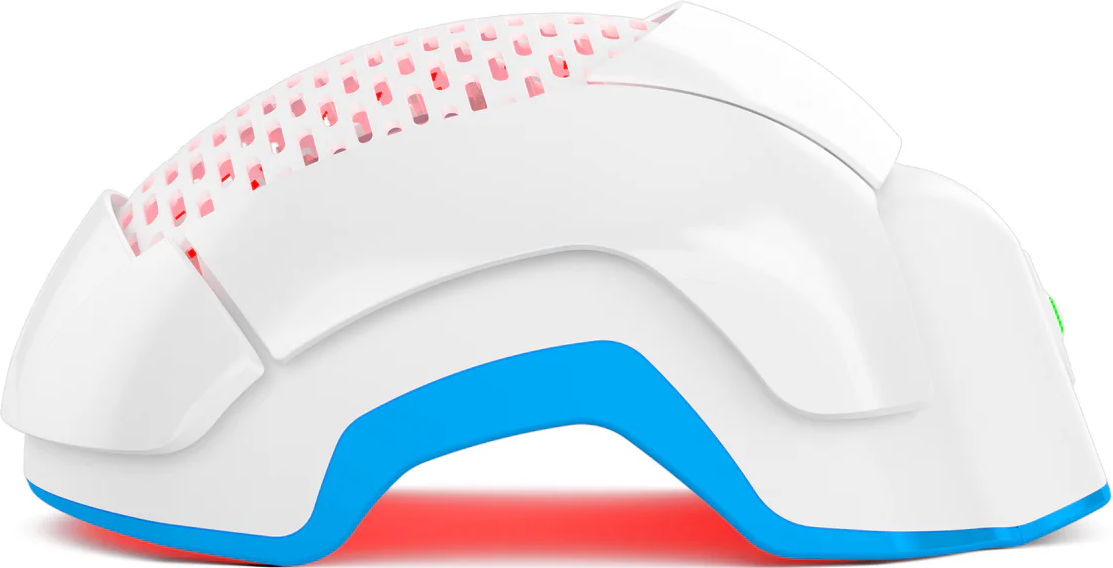
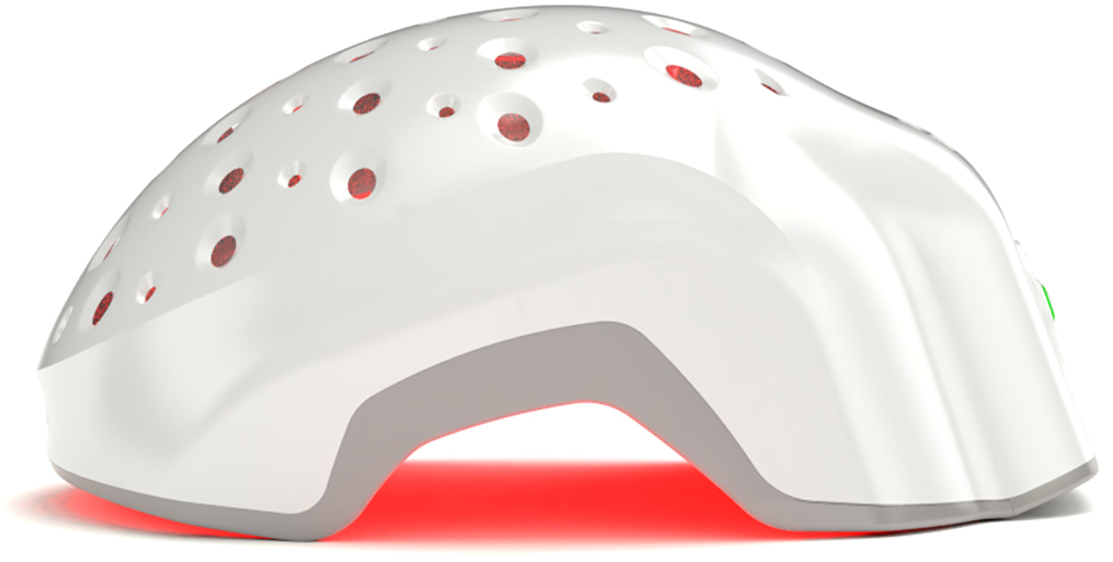
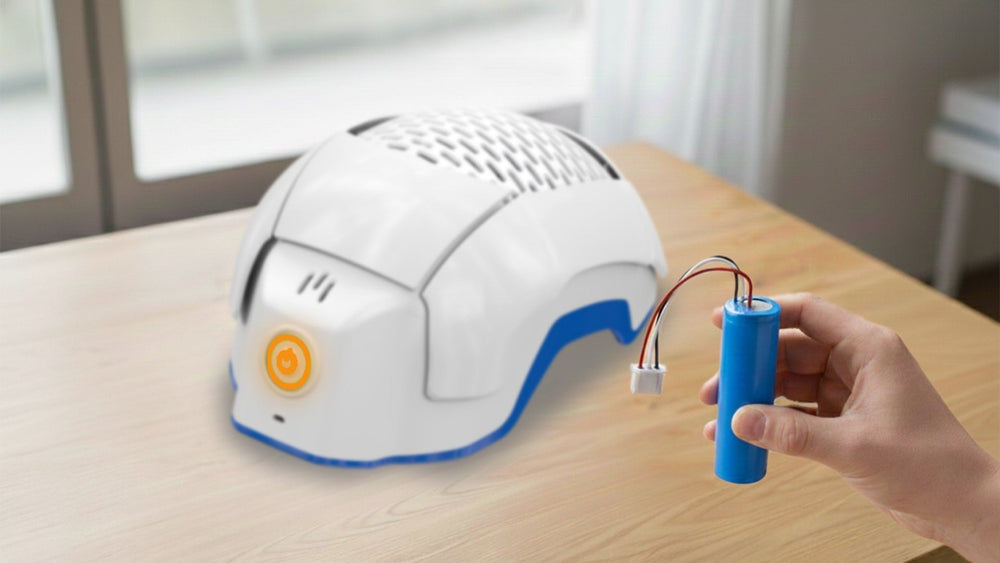
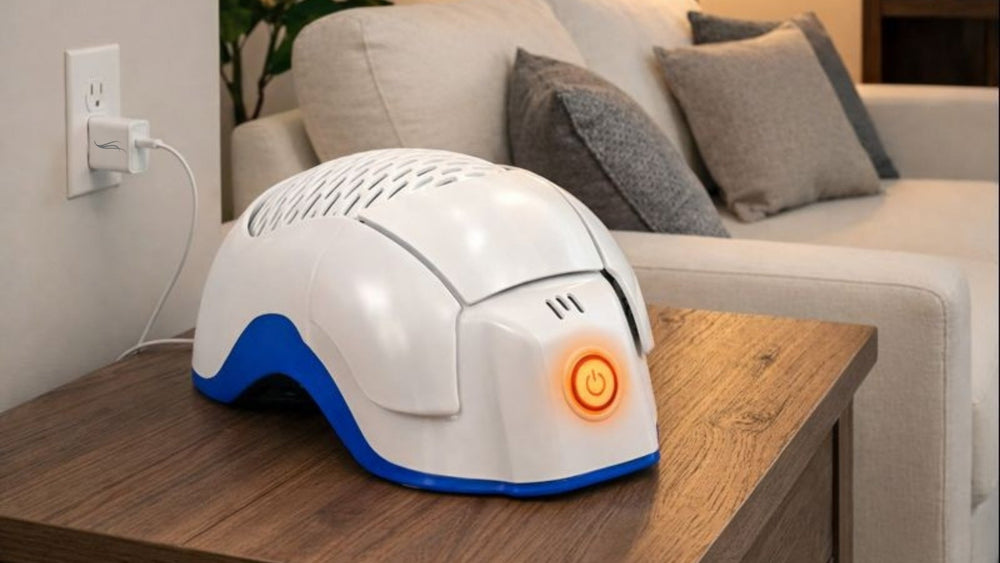
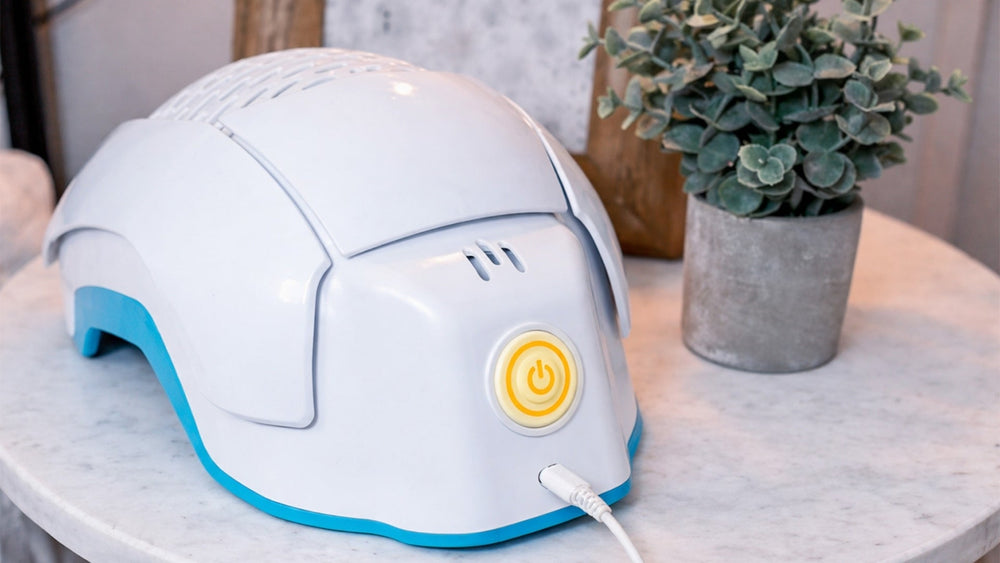
Laser Phototherapy (LPT) and Home-Use Light/Laser Devices
Low-level light/laser therapy has been studied in androgenetic alopecia, including systematic reviews and meta-analyses of randomized trials supporting efficacy signals for some devices.
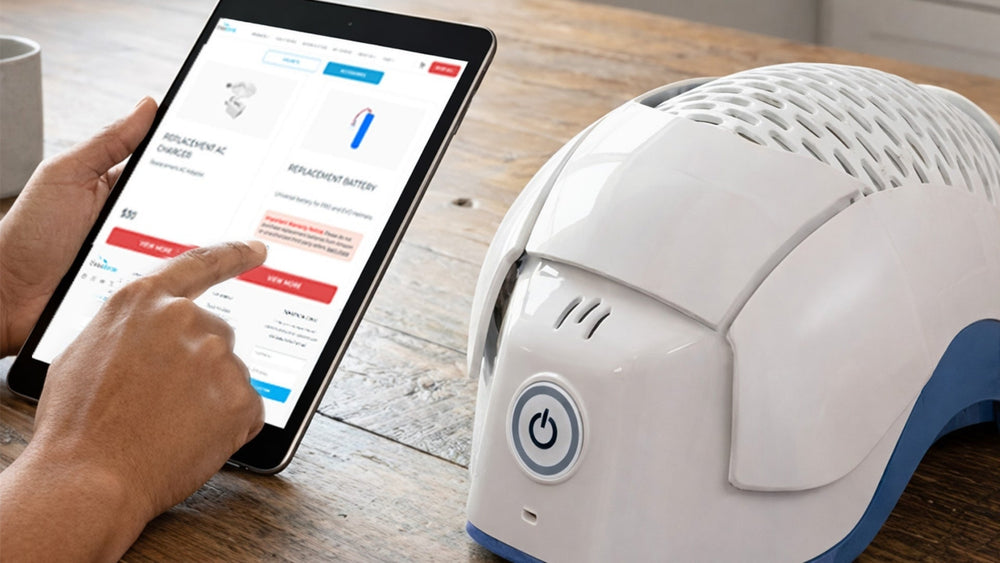
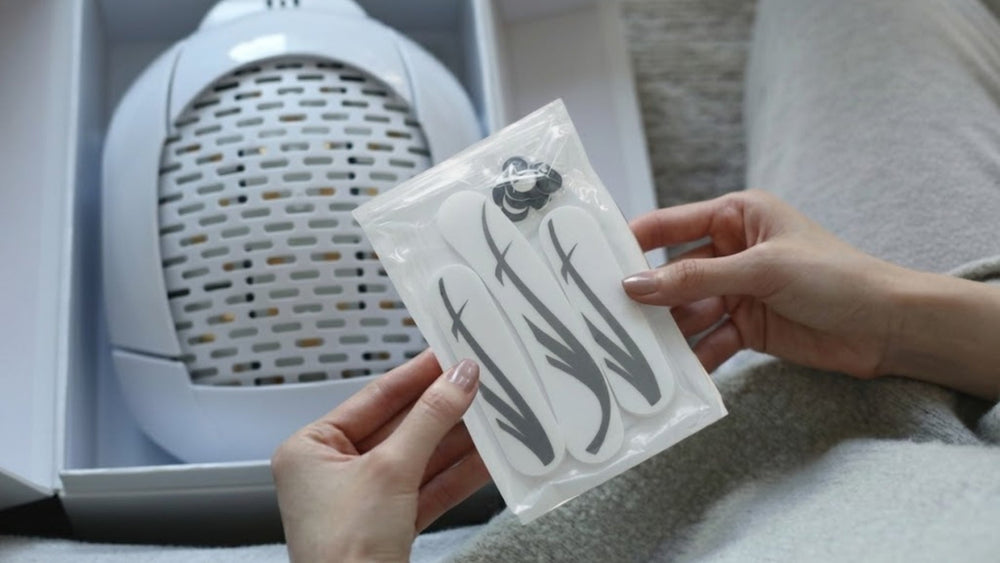
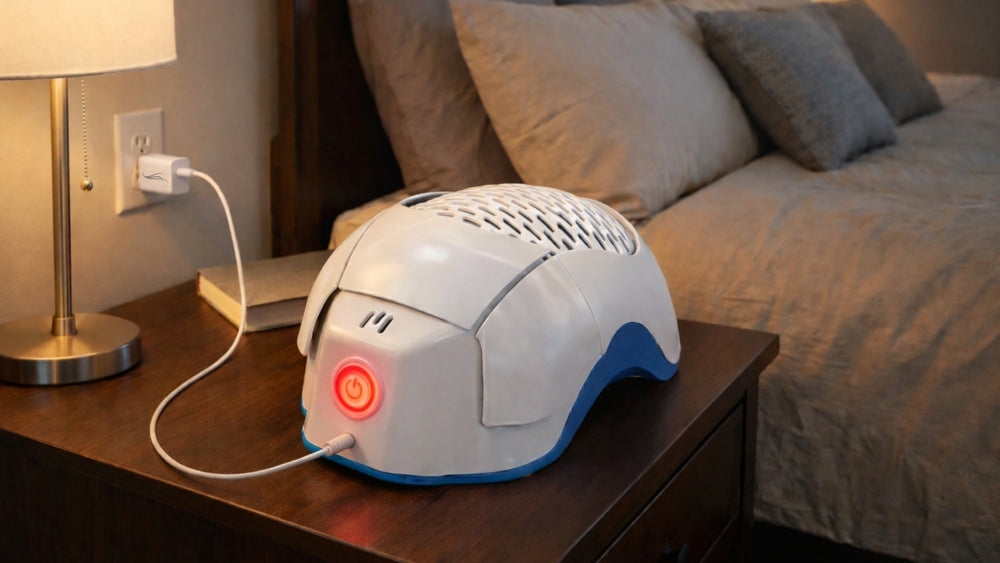
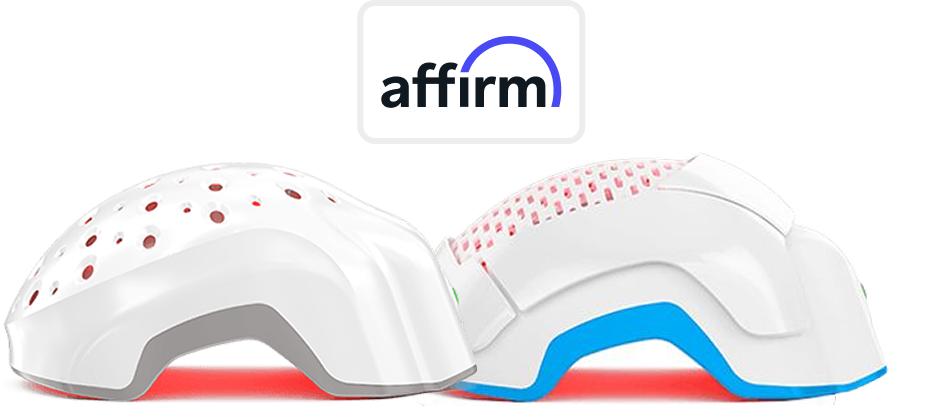
Theradome’s device clearance is documented via FDA 510(k) summaries for the LH80 PRO and related clearances, describing its intended use for androgenetic alopecia and hair growth promotion in specified pattern ranges.
Two quick clarifications, though:
- For devices, it’s FDA-cleared, not “approved.”
- “Laser” doesn’t mean burning beams. Consumer laser pointers are limited in output, and regulatory documents discuss those limits and classifications in the visible range.
Lifestyle and Internal Factors (Support Layer)
If shedding is sudden and diffuse, consider telogen effluvium triggers: illness, metabolic stress, medications, hormonal changes, psychological stress. Addressing the trigger matters more than swapping cleansers.
And if hair care practices are damaging the shaft (tight styles, harsh processing), you can reduce breakage with changes in handling, but that’s a different category than treating follicle miniaturization.
How to Tell Whether a “Hair Loss Shampoo” Is Worth Using
A quick filter that saves money and frustration:
-
Does it name an active with human clinical evidence?
- Ketoconazole, caffeine + adenosine, or other actives studied in controlled designs.
-
Is it positioned as support, not a cure?
- If it reads like it replaces real therapy, be cautious.
-
Is the scalp inflamed or flaky?
- Treat that directly. Antifungal shampoos are standard options in multiple clinical resources.
-
Can you tolerate it consistently?
- Irritation can backfire. If your scalp is reactive, gentler regimens matter.
And one more that people ignore:
Give it enough time to judge. Hair growth cycles are slow. A few weeks tells you comfort. Months tells you trend.
Conclusion
No shampoo has strong evidence that it can stop genetic hair loss on its own. That’s not you failing, and it’s not because you “picked the wrong bottle.” It’s because shampoo is built for cleansing, while androgenetic alopecia is built into follicle biology under the skin.
Still, shampoos aren’t pointless. Medicated options like ketoconazole can calm dandruff-driven inflammation, and newer caffeine + adenosine studies suggest modest improvements for some users. The best role for shampoo is support: keep the scalp comfortable, reduce irritant load, and make it easier to stick with therapies that act deeper.
If thinning is progressive, consider evidence-based options and, if needed, a clinician-guided plan.