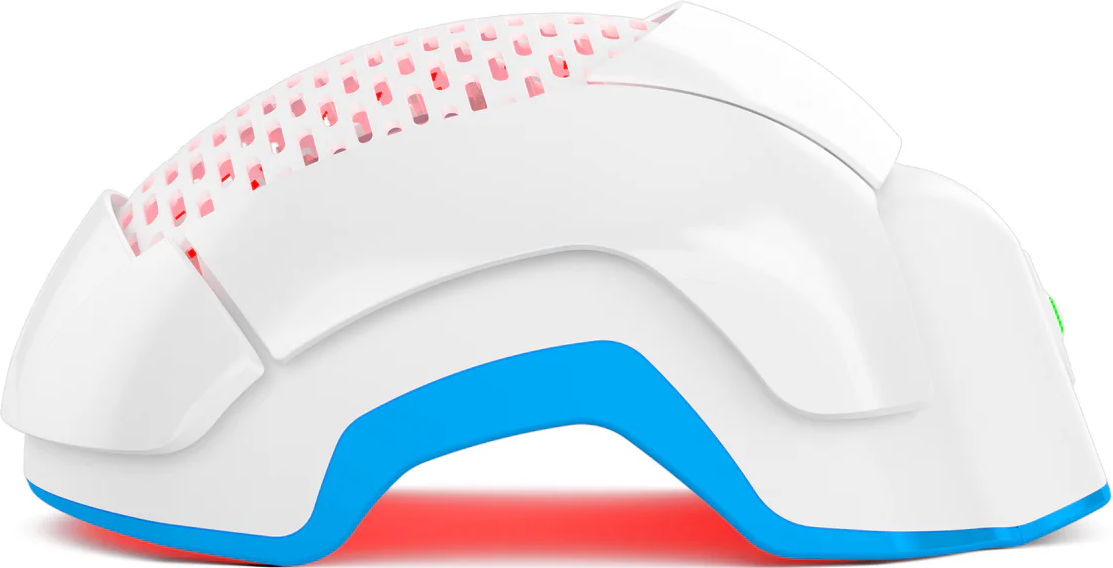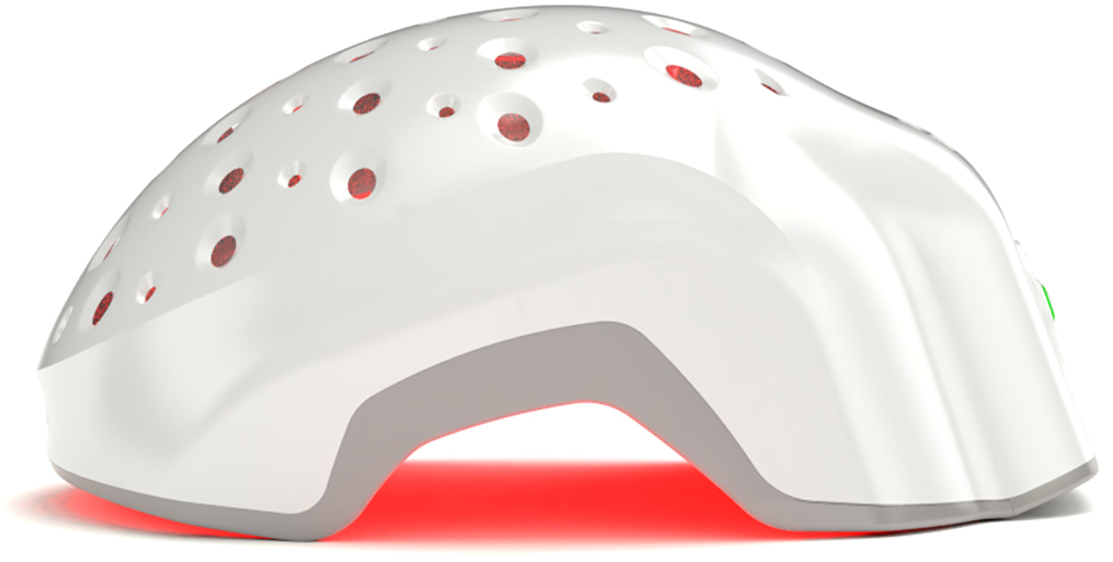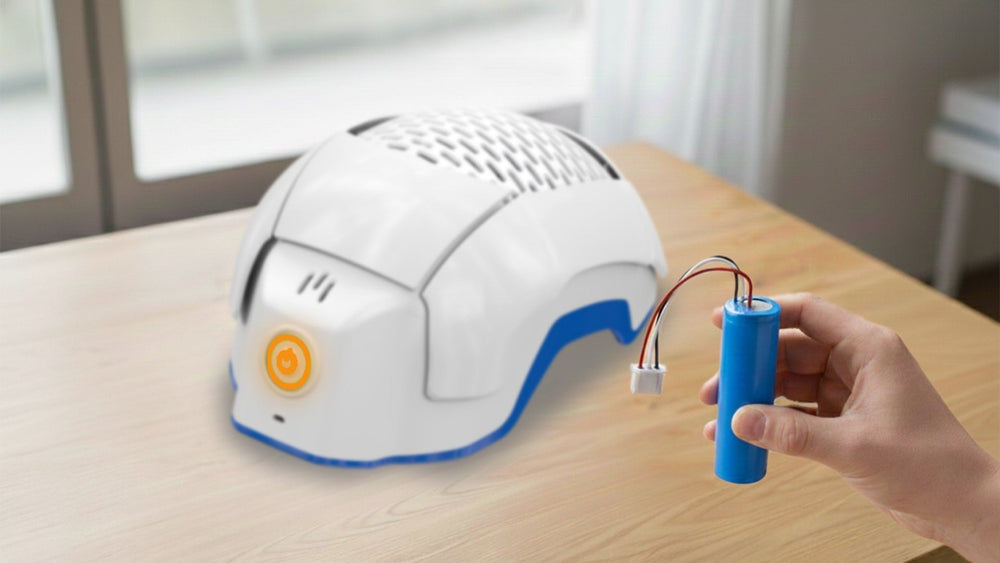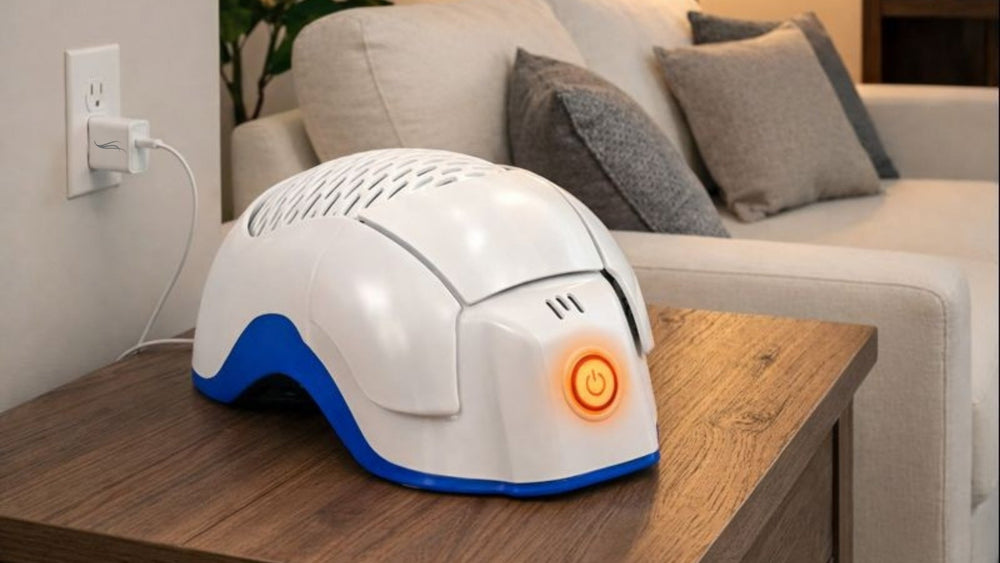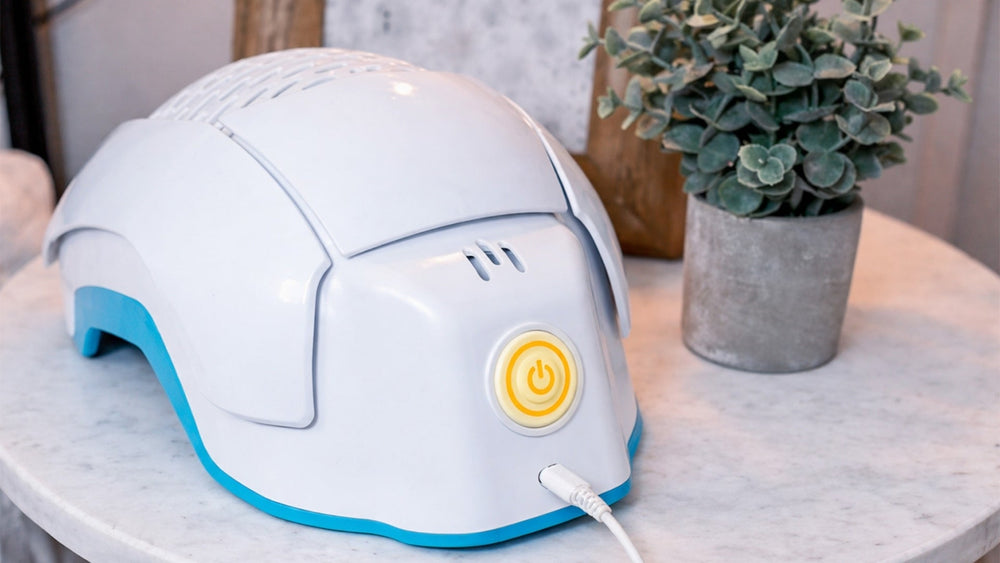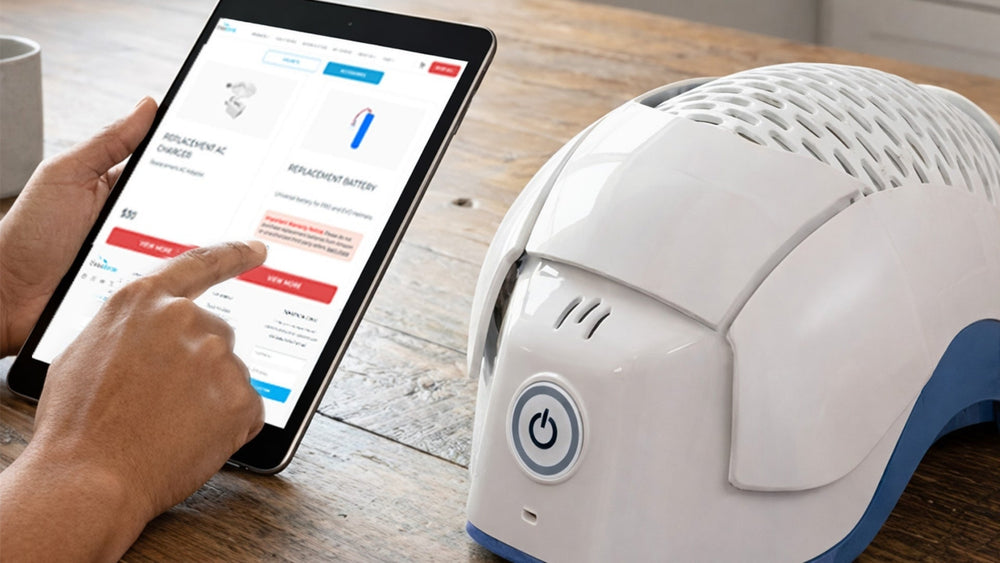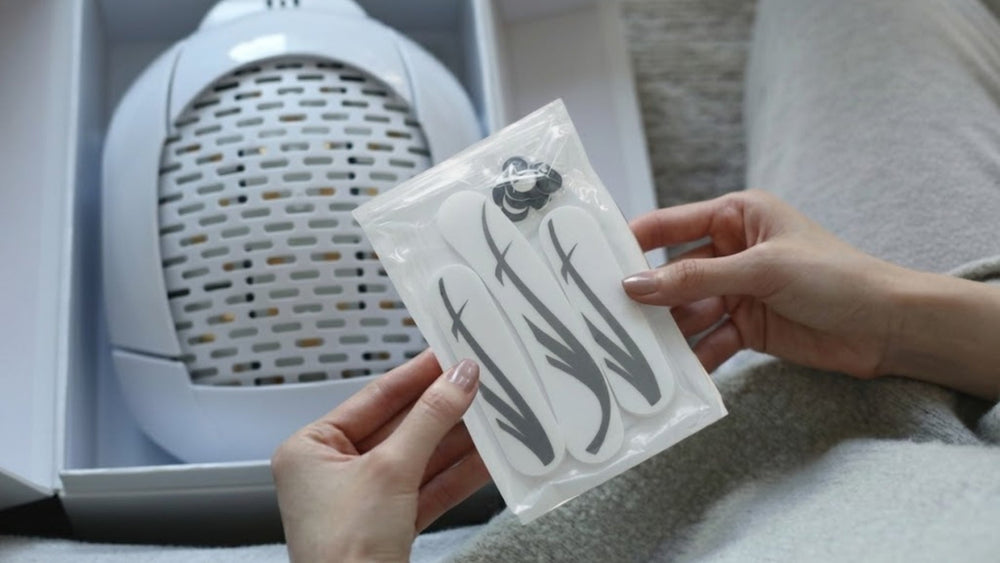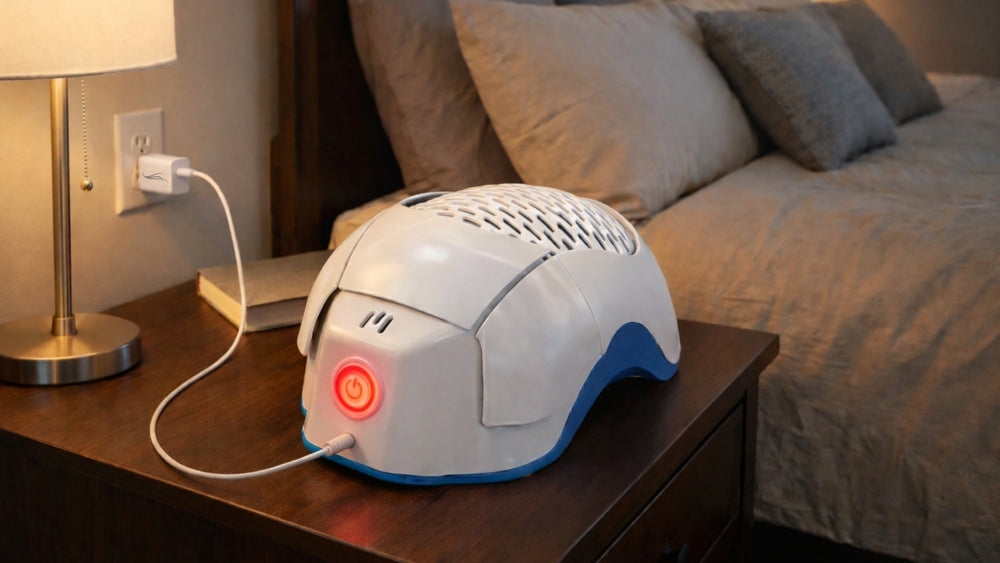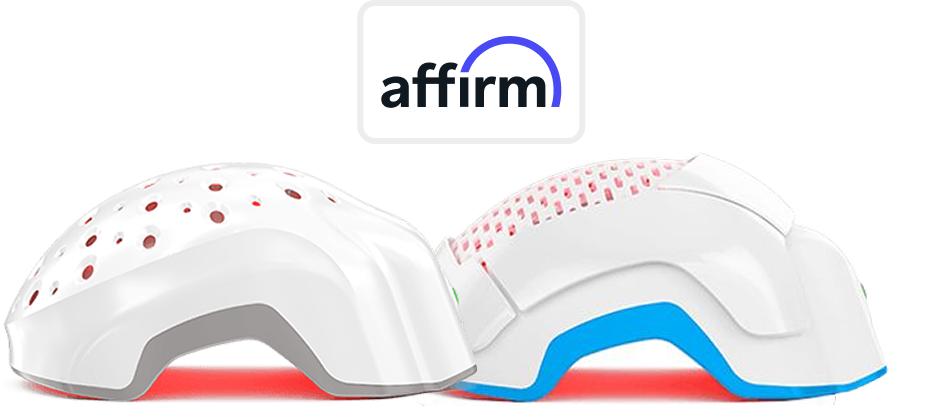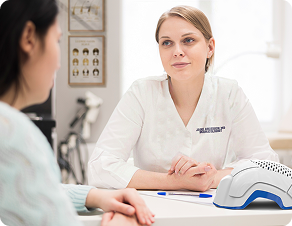






If you are dealing with pattern hair loss and want something that has been tested, regulated, and designed to deliver consistent biological signals to the scalp, a medical grade laser hair growth device is the safer and more evidence-supported option compared with unregulated consumer gadgets.
That’s the core of it.
The rest is context. And details matter here.
What Does “Medical Grade” Really Mean for Hair Growth Devices?
A medical grade laser hair growth device is one that has gone through regulatory review as a medical device, typically via the FDA’s 510(k) clearance pathway. That process requires manufacturers to demonstrate safety and intended performance relative to an already cleared device. It is not a promise of perfection, but it is a line between tested tools and cosmetic gadgets.
Many devices marketed for “scalp wellness” or “hair vitality” never make treatment claims at all. That omission is deliberate. Once a company claims to treat hair loss, regulatory standards apply.
This distinction matters more than most people realize.

Why Hair Loss Devices Are Not All Playing the Same Game
Hair loss is not a single condition. Most clinical laser studies focus on androgenetic alopecia because it follows a predictable biological pattern and measurable outcomes like hair density and shaft diameter.
Devices tested for androgenetic alopecia cannot automatically be assumed to work for scarring alopecias, autoimmune conditions, or acute shedding disorders. That’s why indication language matters. A lot.
When a device is FDA-cleared for pattern hair loss, it signals that the testing matched a real diagnosis, not a vague cosmetic goal.
The Biology behind Laser Phototherapy
Laser phototherapy, often grouped under photobiomodulation, uses low-level red light to influence cellular activity. Not by burning. Not by heating. And not by “feeding” follicles.
The prevailing biological model suggests that light in specific wavelengths interacts with mitochondrial photoacceptors inside cells, influencing cellular respiration and signaling pathways involved in growth cycles. In hair follicles, this may support a shift toward a more active growth phase under the right conditions.
That wording matters.
“May.”
Not guarantees.
Why Wavelength and Dose Are Not Optional Details
Hair follicles sit several millimeters below the scalp surface. Light that scatters too early never reaches them. Light delivered inconsistently never builds a reliable signal.
Clinical devices are calibrated to wavelengths shown to penetrate to follicular depth, and to deliver energy within ranges studied in controlled trials. Underpowered devices often feel pleasant while doing very little.
Dose matters.
Consistency matters more.
Safety First — What “Laser” Really Means Here
Lasers That Treat vs Lasers That Cut
The word “laser” has a branding problem. Most people associate it with surgery or sci-fi scenes. In reality, lasers are simply light sources engineered for specific purposes.
Surgical lasers operate at high power and generate heat. Cold lasers used in home laser phototherapy devices operate at very low power levels and do not cut, burn, or ablate tissue.
Different tools.
Different biology.
Different risks.
Why FDA-Cleared Cold Lasers Are Considered Safe for Home Use
Most home-use laser phototherapy devices fall under low-power visible red lasers, commonly classified within Class 3R limits. These devices emit milliwatt-level output and are designed to avoid thermal injury.
The FDA regulates laser products based on output power and exposure risk, not fear factor. Properly designed cold laser devices do not heat the scalp or damage tissue when used as directed.
Safety, in this context, is intentionally boring.
And that’s a good thing.
What Well-Designed Studies Have Found So Far
Multiple randomized, sham-controlled trials and systematic reviews report statistically significant improvements in hair density and thickness with low-level laser or light therapy devices in people with androgenetic alopecia.
A 2021 systematic review and meta-analysis of FDA-cleared home-use devices found consistent positive outcomes compared with sham treatment, while also noting variability in device parameters and study design.
What Laser Devices Cannot Do
Laser phototherapy does not reverse scarring alopecia. It does not create follicles where none exist. And it does not replace medical diagnosis.
That clarity protects expectations. And trust.
Why Device Design Quietly Determines Results
Full-Scalp Coverage vs Spot Exposure

Androgenetic alopecia affects regions, not isolated dots. Devices that deliver uneven light coverage risk uneven biological signaling.
Clinical studies typically involve consistent exposure across affected scalp areas. That consistency is harder to achieve with handheld or poorly fitted devices.
Coverage is geometry.
Wearability, Consistency, and Human Behavior
A device only works if it is used. Comfort, fit, and ease of use influence adherence far more than advertised specs.
This is where engineering quietly matters. And where many people abandon treatment without realizing why.
How Medical Grade Laser Devices Compare to Other Hair Loss Options
Laser phototherapy is non-pharmacological. That makes it appealing to people who cannot tolerate or prefer to avoid medications.
It is often used alongside other evidence-based options, depending on diagnosis and guidance from a healthcare professional. It is not framed as a replacement for everything else.
Who Tends to Benefit Most from Laser Devices
People with early to moderate androgenetic alopecia, stable shedding patterns, and the patience for consistent use tend to see the most measurable benefit.
Those looking for instant change usually end up disappointed. Hair biology does not rush.
Why FDA Clearance Matters
FDA clearance means a device has been reviewed for safety and intended performance. FDA registration often means only that a company has listed itself with the agency.
What FDA Clearance Does and Does Not Guarantee
Clearance does not guarantee results for everyone. It guarantees that claims are bounded, reviewed, and regulated.
That boundary is what keeps medical devices from becoming folklore.
How to Decide If a Medical Grade Laser Device Is Right for You
Start with diagnosis.
Then expectations.
Then patience.
If hair loss is progressive, patterned, and bothersome enough to commit to long-term care, a medical grade laser device can be a reasonable, low-risk part of a management plan.
Not a miracle.
A method.
Conclusion
There is a quiet relief in choosing something that does not shout.
Medical grade laser hair growth devices like Theradome sit in that calmer space. Regulated. Studied. Boring in the right ways. They do not promise reinvention. They promise consistency, safety, and biological plausibility.
Hair loss is slow. Treatment should respect that pace.
If you value evidence, patience, and tools designed to work with human biology rather than against it, medical grade laser phototherapy earns a place in the conversation. Not as a shortcut. As a steady option.