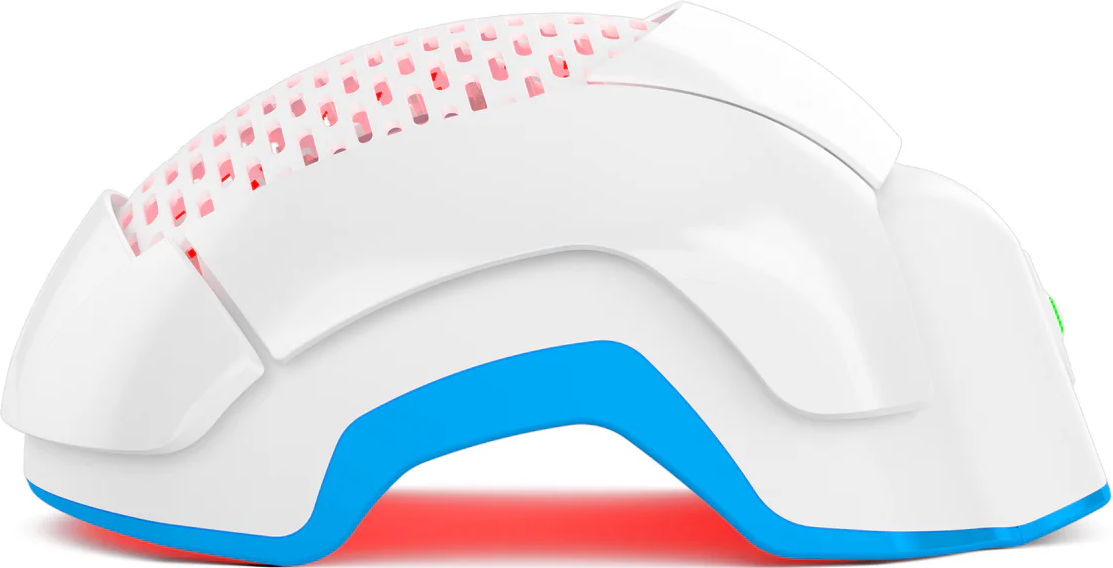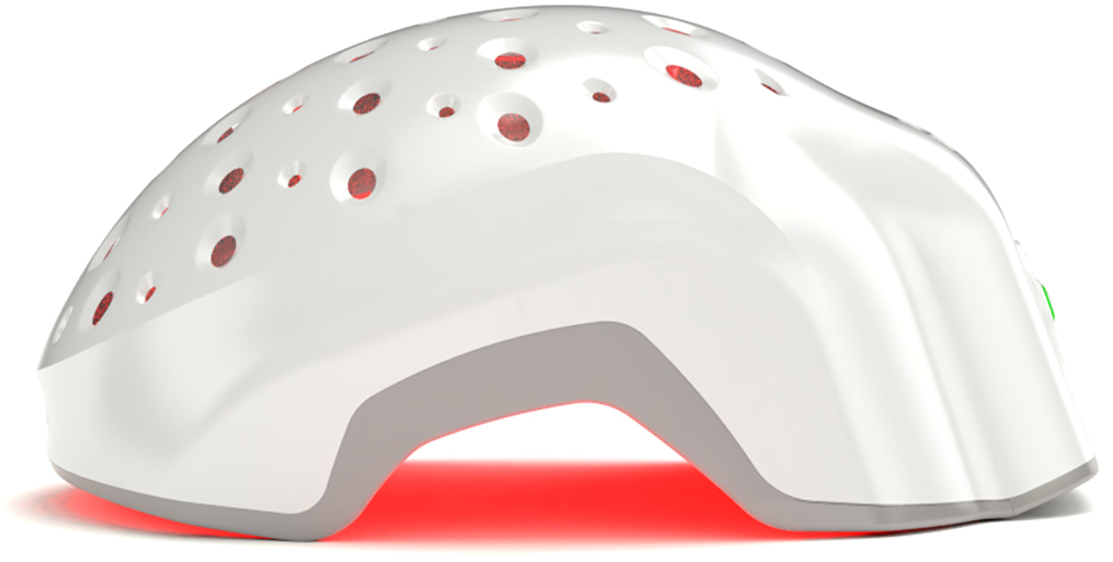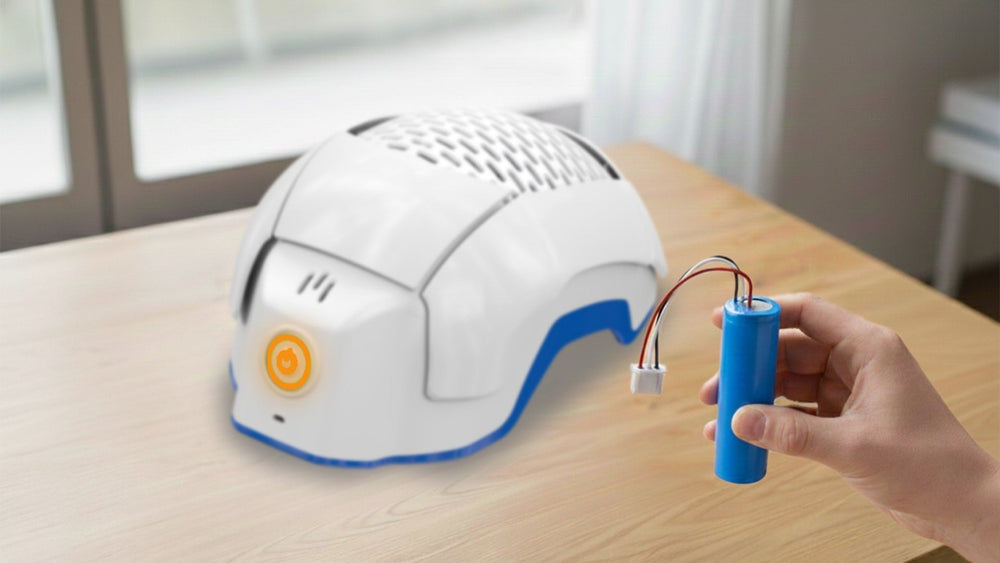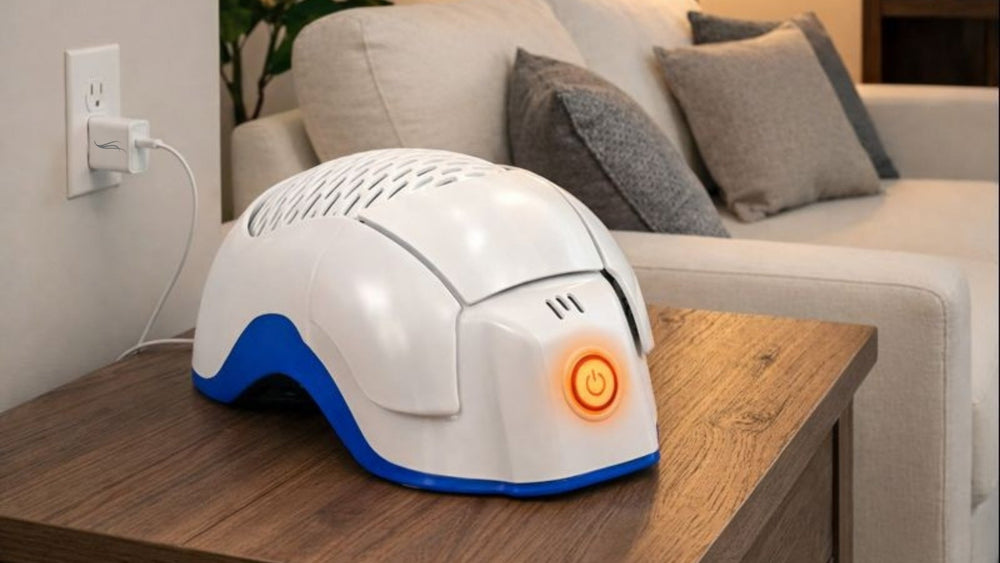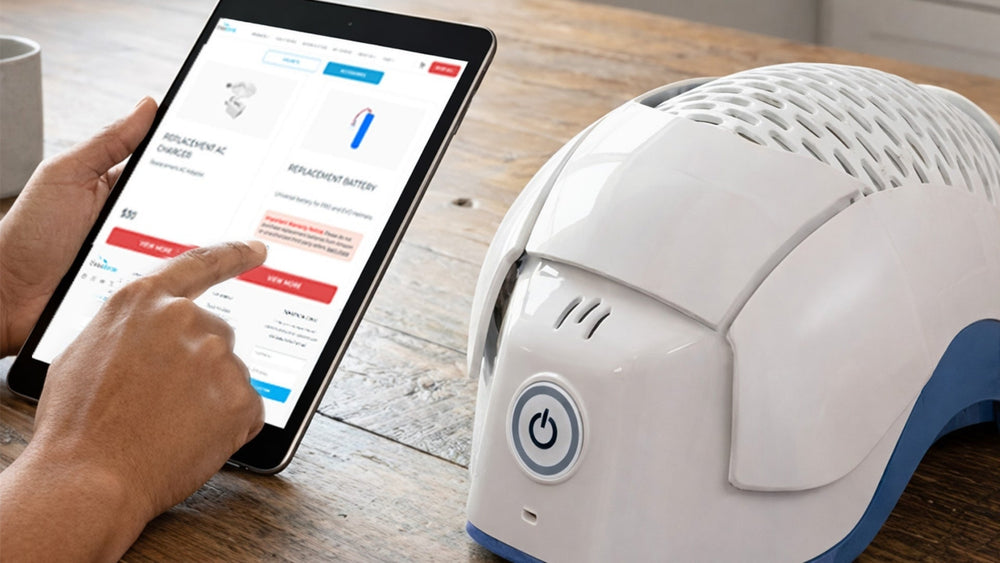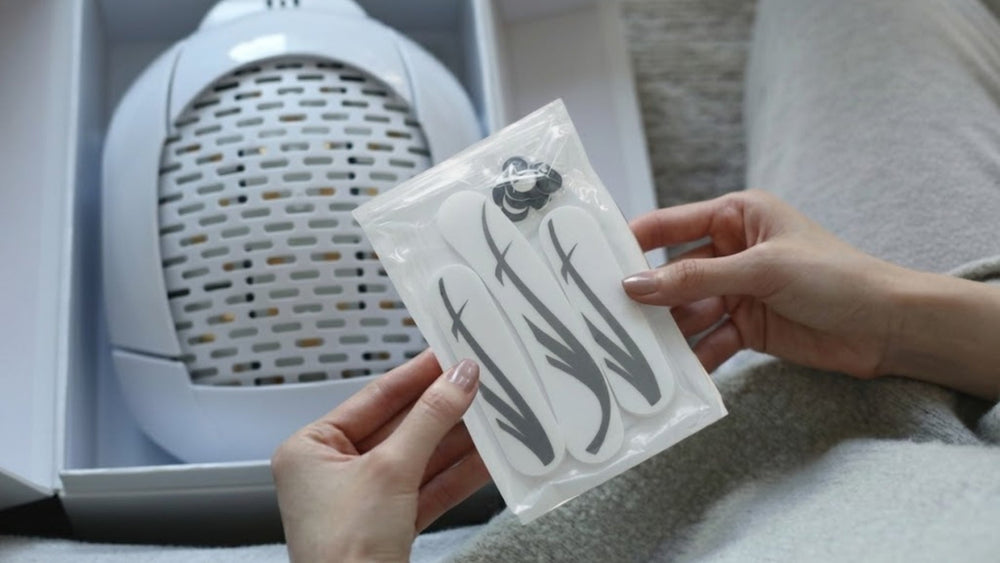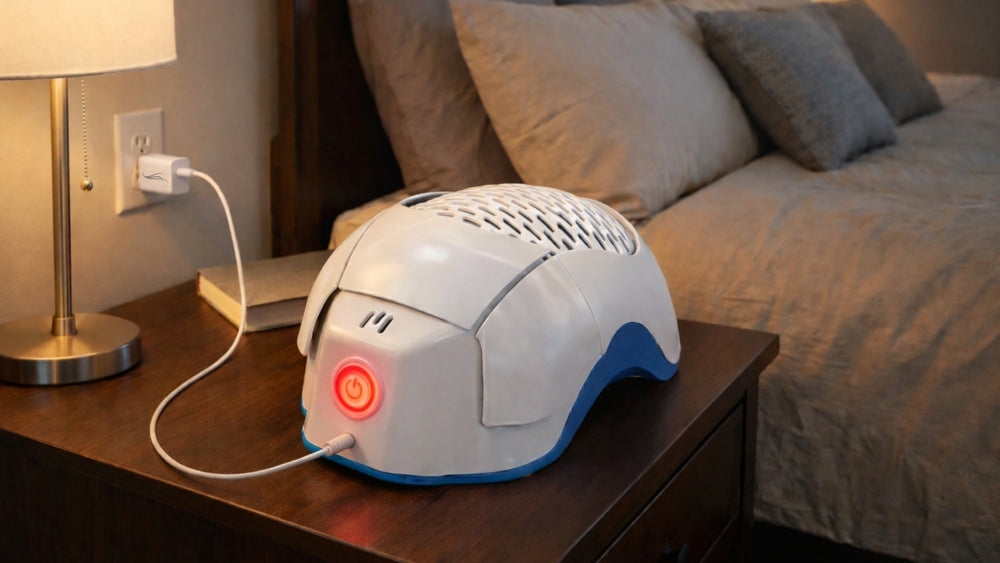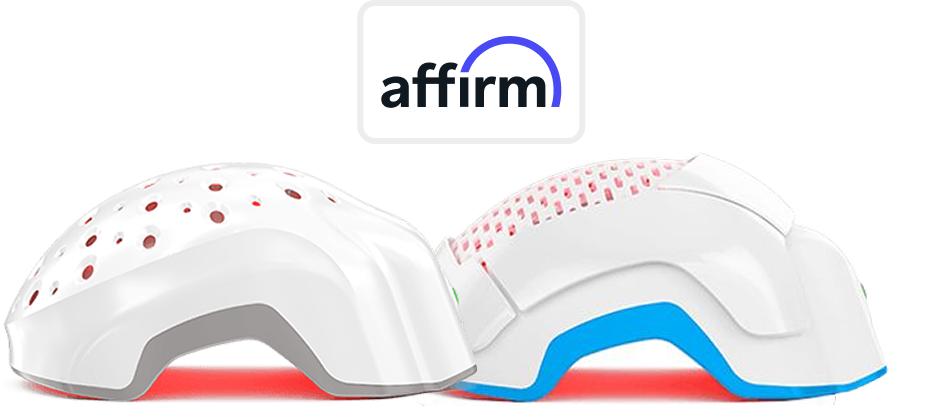








Theradome can pay for itself over time because it’s a one-time, FDA-cleared Laser Phototherapy (LPT) device that treats androgenetic alopecia at the follicle level. In contrast, wigs, extensions, and medications demand recurring costs (and ongoing effort) without delivering permanent follicular change.
The Hidden Costs of Temporary Hair Loss Fixes
Wigs and Hairpieces
These are helpful if you want an immediate visual solution. But the financial and emotional toll is stealthy.
High-end wigs often cost hundreds to thousands of dollars, and they must be replaced or refurbished every few years — all while only concealing, not treating, the root cause.
- According to nonprofit sources like Breastcancer.org, synthetic wigs may run $30 to $500, whereas human-hair wigs often fall between $700 and $3,000+ depending on length, color, and quality.
- Add maintenance: adhesives, cleaning, styling—these carry annual costs.
- Replacement cycles: many wigs begin to lose luster or structural integrity within 1-3 years, even with good care.
- Emotional costs: worry about slippage, feeling unnatural, needing backups — the “what if it fails today?” shadow.
Make no mistake: wigs are camouflage, not therapy.
Hair Extensions
Extensions promise volume, but they come with strings.
Extensions come with recurring salon fees, re-tightening every 6–8 weeks, and risk of traction alopecia from persistent tension.
- Salon application and periodic maintenance fees can total hundreds per session.
- The American Academy of Dermatology (AAD) warns that continuous pulling from tight styles or extensions causes traction alopecia, which may become permanent if unchecked.
- The British Association of Dermatologists likewise emphasizes early reversibility vs permanent damage for chronic tension styles.
So while they might feel glamorous, extensions carry a hidden risk that can worsen thinning.
Medications (Minoxidil & Finasteride)
For many people, these are the first “real” tools clinicians offer. But there’s more beneath the surface.
Minoxidil and finasteride are evidence-based treatments, yes — but you must use them forever to maintain benefits. Stop, and you’ll gradually lose gains. Also, side effects and associated costs must be factored in.
-
Minoxidil (topical): Applied daily or twice daily; results may appear after 4–6 months. Common side effects include scalp irritation or itching.
-
Finasteride (oral, in men): Studies suggest it slows hair loss in 80–90% of users; some experience regrowth. But sexual side effects have been reported, albeit at relatively low rates in large trials.
- The → catch: if you stop either drug, the hair you regained (or maintained) tends to revert over 6–12 months.
- Hidden costs: prescriptions, pharmacy margins, doctor visits, lab monitoring in rare cases, plus the mental burden of daily regimen.
These meds are powerful, but they require lifelong commitment (or near-lifelong).
Wigs, Extensions, Weaves — and What LPT Changes About the Story
Extensions and weaves might seem like an easy confidence boost — fuller hair in one salon visit, right? But here’s the thing most people never talk about: all that added weight and tension has a price tag that goes beyond your wallet.
When extensions are attached using tight braids, glue, or weaving threads, they pull at the follicle’s anchor — the tiny arrector pili muscle that helps your hair stand upright (yes, the same one responsible for goosebumps). Over time, that constant tugging can weaken both the follicle and the surrounding tissue. If it keeps happening, those follicles can actually stop producing hair entirely. It’s a condition called traction alopecia, and once the damage is deep enough, it’s often permanent.
The fix isn’t complicated but it’s crucial: moderation, rest periods, and loose attachment methods. Let your scalp breathe. Choose extension techniques that feel comfortable — never tight or painful.
Now, this is where Laser Phototherapy (LPT) offers something different. Instead of stressing the follicles, it stimulates them. The light energy used in devices like Theradome interacts at a cellular level — coaxing tired follicles back into an active growth phase rather than burdening them. So while wigs, weaves, and extensions can give the illusion of fullness, LPT works on the biological foundation that creates fullness in the first place.
You don’t have to swear off styling — far from it. But integrating safe laser therapy into your care plan means your hair isn’t just appearing healthy… it’s becoming healthy.
The Theradome Advantage: Why That One-Time Device Changes the Equation
Theradome is a FDA-cleared device for androgenetic alopecia (female and male indications) that uses cold LPT to treat hair follicles directly — with no daily pill regimen and minimal side effects.

-
Mechanism: Via photobiomodulation, light energy interacts with mitochondria, displacing nitric oxide (NO) from cytochrome c oxidase, boosting ATP production and activating growth signaling.
-
Safety: It uses Class 3R cold lasers, which emit under ~5 mW per diode and do not heat tissue — no burning, scarring, or systemic exposure.
-
Regulatory path (FDA clearances):
- K122950 (2013) cleared Theradome LH80 PRO for female pattern hair loss (OTC).
- K171775 (2018) added male indication (Norwood IIa–V).
- K180460 (2018) cleared the LH40 device for male use.
-
Longevity & ROI mindset: A device purchase, when amortized over, say, 5–10 years, becomes heavily cost-advantaged versus recurring costs.
(This part often surprises people — the “device as investment” framing.)
Side-by-Side Over 5 Years: Dollars, Value & Treatment
When you compare total costs over five years, Theradome’s one-time cost is generally lower than cumulative expenses from wigs, extensions, or lifelong medications… especially when considering the value of actually treating hair follicles.
Cost comparison table:
|
Option |
Estimated 5-Year Cost¹ |
Treatment Type |
Key Drawbacks |
|
Wigs |
Purchase + 2–3 replacements/maintenance |
Concealment only |
No follicle change; emotional/maintenance burden |
|
Extensions |
Salon install + re-tightening every ~6–8 weeks |
Concealment, some risk |
Traction alopecia potential |
|
Medications |
60 monthly refills + visits |
Follicle therapy |
Ongoing cost; stopping = reversal |
|
Theradome (device) |
One-time purchase |
Follicle therapy (LPT) |
Upfront cost; usage commitment |
These estimates depend on wig quality, dosage, medication pricing, and replacement cycles.
For many users, the cumulative financial burden of temporary fixes or pills exceeds the cost of a durable LPT device — and that’s before you factor in emotional relief, convenience, and safety.
Beyond the Dollars: The Intangible Value
-
Authenticity: Real hair regrowth, not synthetic fibers.
-
Convenience: At-home, consistent treatment rather than salon trips or daily pills.
-
Safety: Cold laser → minimal side effects, no systemic load.
-
Confidence: You’re treating root cause, not hiding it.
Choosing Theradome feels more like an investment in health rather than just cosmetic patchwork. You regain control. You reduce the daily anxiety of whether your wig might slip or a pill may cause side effects.
This benefit is hard to price but often what weighs most in real life.
Conclusion
We all want visible hair tomorrow, but shortcuts cost more than they first appear. Wigs, extensions, and even medications require ongoing expense, effort, and risk. Theradome offers a safer, FDA-cleared method that addresses follicles themselves. Over time (often within a few years), it can quite literally pay for itself.
If you’re ready to move past concealers and commit to real change, consult with a trichologist or dermatologist and explore whether Theradome fits your stage of hair loss.