





Although dandruff and dry scalp look alike as they share one majorly common sign—flakiness, they're in fact quite distinct, and knowing which one you have is essential to getting the right care. Dandruff typically results in large, oily flakes that are white or yellow and caused by yeast infection. A dry scalp produces smaller, dry, and powdery flakes that signal a lack of moisture.
In this guide, you'll find the differences between dry scalp and dandruff, learn how to identify which condition you have, and their causes and treatments so that you can properly address your concerns.
What Are the Differences Between Dandruff and Dry Scalp?
Dandruff happens when the scalp produces too much oil, creating an environment where yeast thrives and thereby causes the shedding of skin cells. A dry scalp, on the other hand, happens when there isn’t enough natural oil to keep the skin hydrated, ultimately leaving you with irritation and flaking.
Causes and Signs of Dandruff
Dandruff is mainly linked to seborrheic dermatitis, a condition where the scalp becomes oily, red, and irritated. This happens when a naturally occurring yeast called Malassezia grows out of balance. Specifically, the excess yeast disrupts the skin’s normal cycle, in turn leading to more cell turnover than usual and showing up as greasy yellow flakes.
Malassezia is always present on the scalp, yet certain things can cause it to multiply more quickly. For instance, hormonal changes, stress, sensitivity to hair care products, and some medical conditions can all contribute to flare-ups.
Common triggers for dandruff:
- Stress and hormonal changes, increasing scalp sebum production
- Hair products buildup, which can irritate the scalp
- Cold and dry weather conditions
- Sensitivity to hair care products like sulfate-containing products
Symptoms of dandruff:
- Large, oily flakes that are white or yellow
- Oily scalp and hair with red and scaly skin
- Persistent itchy scalp
- Redness or irritation in severe cases
Causes and Signs of Dry Scalp
A dry scalp develops when the skin doesn’t make enough natural oils to stay properly hydrated. And so, without that protective moisture, the surface layer of skin dries out, becomes irritated, and peels away in the form of small flakes.
Several external and internal factors can increase the likelihood of a dry skin on scalp, including:
- Cold and dry weather
- Conditions like eczema, contact dermatitis
- Aging, since it naturally reduces oil production
- Over-washing or using hair products with harsh chemicals
- Dehydration in overall body
Symptoms of dry scalp:
- Smaller, dry white flakes
- Tightness or irritation on the scalp
- Dry and brittle hair
- Itchiness without oiliness on scalp
- Dry skin on other body parts
How to Tell if You Have Dandruff or a Dry Scalp
The easiest way to tell if you have dandruff or dry scalp is by looking at the actual flakes. Dandruff flakes are larger, greasy or yellowish, whereas flakes resulting from a dry scalp tend to be finer, whiter, and more powdery.
Both issues can cause itching, but the sensations differ. A dry scalp can feel tight or itchy without visible inflammation, whereas dandruff is more likely if the scalp is oily, the itching is persistent, and the hair appears greasy along with the flaking.
Dry Scalp vs. Dandruff: A Quick Comparison
| Feature | Dry Scalp | Dandruff |
| Root Cause | Lack of moisture / damaged skin barrier | Excess sebum production and overgrowth of Malassezia yeast |
| Flake Appearance | Small, dry, white, and powdery | Larger, oily, yellowish or off-white |
| Feel | Scalp feels tight, itchy, dry and irritated | Scalp is greasy, inflamed, red, scaly, and intensely itchy |
| Other Areas | Dry skin often occurs on the face or body | Usually localized to the scalp |
Dandruff vs. Dry Scalp Treatment
Despite dandruff and dry scalp having similar symptoms, their treatments aren’t interchangeable. Simple changes to your daily routine can improve both conditions, but though dry scalp will resolve with proper care, dandruff is a recurring issue that will likely return over time.
How to Treat Dandruff
Banishing dandruff permanently requires looking just beneath the surface. Those annoying flakes aren't just dry skin. They are usually caused by a disruption in your scalp’s microbiome. So, the most effective treatment option is to focus on balancing scalp oil levels and keeping that fungal growth under control.
Effective strategies to clear dandruff:
- Switch to medicated antifungal shampoos: Look for over-the-counter formulas containing proven active ingredients like pyrithione zinc, selenium sulfide, or ketoconazole. These target the root cause by directly reducing the Malassezia fungus and slowing down the rapid turnover of skin cells. Use anti-dandruff shampoos once or twice a week to keep the dandruff flakes under control.
- Keep your scalp clean and balanced: Regularly washing your hair removes the buildup of oils and dead skin cells that feed fungal overgrowth. Be sure to swap out harsh, stripping cleansers for gentle, sulfate-free options to prevent unnecessary irritation and inflammation.
- Manage your stress levels: High stress triggers a spike in cortisol, a hormone that can send your oil glands into overdrive. Incorporating simple mindfulness habits, like meditation or regular exercise, can dramatically reduce the frequency and severity of scalp flare-ups.
How to Treat Dry Scalp
Treating a dry scalp is all about repairing your skin’s natural moisture barrier and protecting it from dehydration. Unlike dandruff, which is driven by excess oil and fungus, a dry scalp simply lacks water. The goal here is to deeply replenish that hydration without stripping away the precious natural lipids that keep your scalp protected.
Here's how to quench your scalp's thirst and restore long-term comfort:
- Wash with hydrating cleansers and treatments: Swap out harsh, stripping formulas for gentle, sulfate-free shampoos that focus on intense moisture. Advanced treatments infused with hyaluronic acid and niacinamide work wonders by locking in water molecules and balancing the scalp's microbiome to prevent future flaking.
- Target your roots with scalp serums: Incorporating a daily lightweight serum is an excellent way to nourish the skin at a cellular level. Specialized formulas do double duty; they soothe dry irritation while delivering nutrients that reduce shedding and support thicker, denser hair growth right from the follicle.
- Lock in moisture with plant-based oils: When external conditions get harsh, like during dry winter months, your scalp loses moisture to the air rapidly. Applying natural occlusive oils like jojoba oil or coconut oil creates a safe protective layer that seals in hydration and prevents transepidermal water loss.
- Adopt smart washing habits: Over-washing is one of the quickest ways to deplete your scalp's natural sebum. Try extending the time between washes, and always rinse with lukewarm water instead of steaming hot water, which can instantly dry out and irritate the skin.
When to See A Specialist
If your scalp doesn't improve after a few weeks of consistent over-the-counter care, it is best to consult a dermatologist. Persistent issues like intense itching, stubborn redness, or scaly plaques usually signal underlying chronic conditions like scalp psoriasis or seborrheic dermatitis.
A professional evaluation eliminates diagnostic guesswork and stops further scalp irritation. Your doctor can rule out other underlying conditions and then prescribe targeted, clinical-strength topical treatments and medicated shampoos tailored to your specific needs for fast, effective relief.
How are Dandruff and Hair Loss Related?
Dandruff and hair loss are related because of the fungus Malassezia furfur, the fungus that lives on our scalp. There were major clinical studies which found that of the participants who were suffering mild to advanced hair loss, 90% of them carried the Malassezia furfur fungi, and of the participants who were NOT losing any hair, only 9% of them carried the fungus Malassezia furfur, which means people with fungus or dandruff have 10 times more chance of losing their hair!
The reason that anti-dandruff shampoos have been so popular since the 1960s is because half of the world's population is allergic to Malassezia furfur, which causes dandruff and hair loss. The problem with these shampoos, however, is that they have caustic ingredients and this causes more inflammation, as we discover there are more ingredients in shampoos that can make things worse for hair loss sufferers.
Does Dry Scalp Lead to Hair Loss?
Dry scalp itself doesn’t directly lead to hair loss. However, if the dryness becomes severe and isn’t treated, then the constant itching and scratching will put stress on the scalp and weaken hair follicles. This irritation will eventually make strands more prone to breakage and affect the overall strength of your hair.
How to Prevent Hair Loss from Dandruff and a Dry Scalp
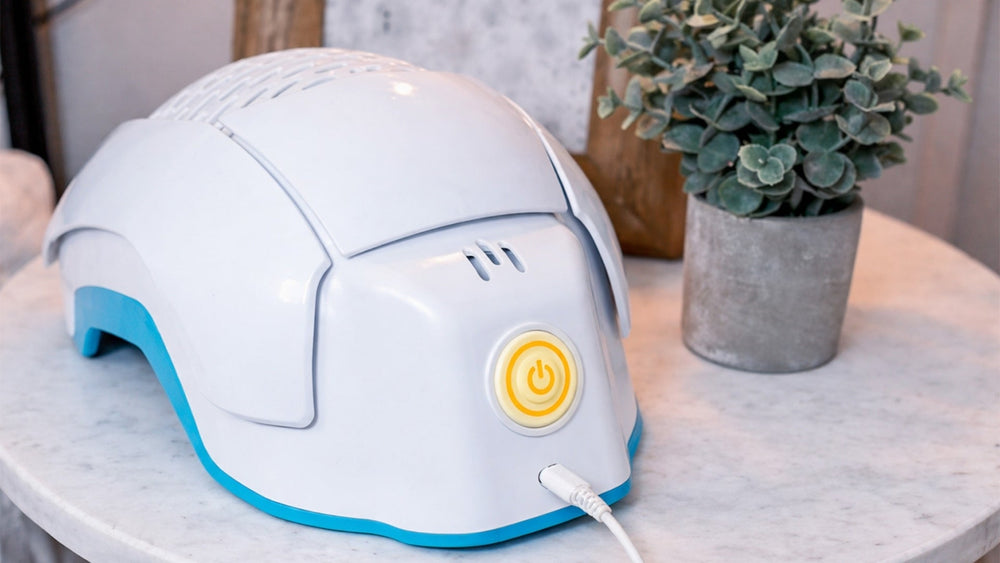
Hair loss caused or worsened by scalp issues like dandruff or dryness can often be managed with the right combination of treatments. Low-level laser therapy (LLLT) is one option.
LLLT is anti-inflammatory, so it improves scalp conditions such as psoriasis, dandruff, and itchy or scaling scalp. By normalizing sebum production in the scalp tissue, it reduces crusting and blockage, even serving as an additional therapy for both before and after hair transplant procedures.
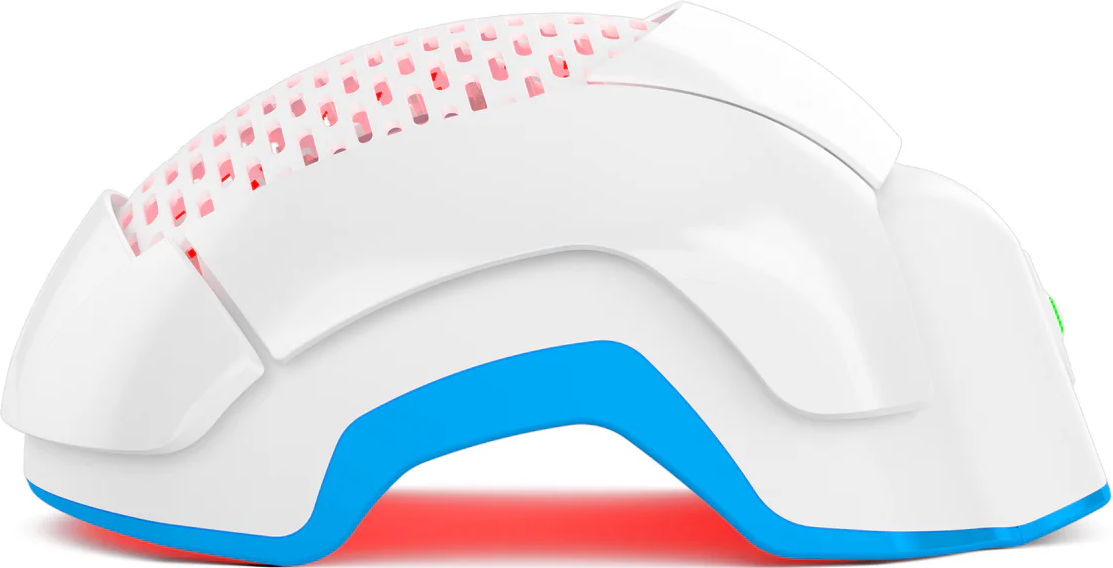
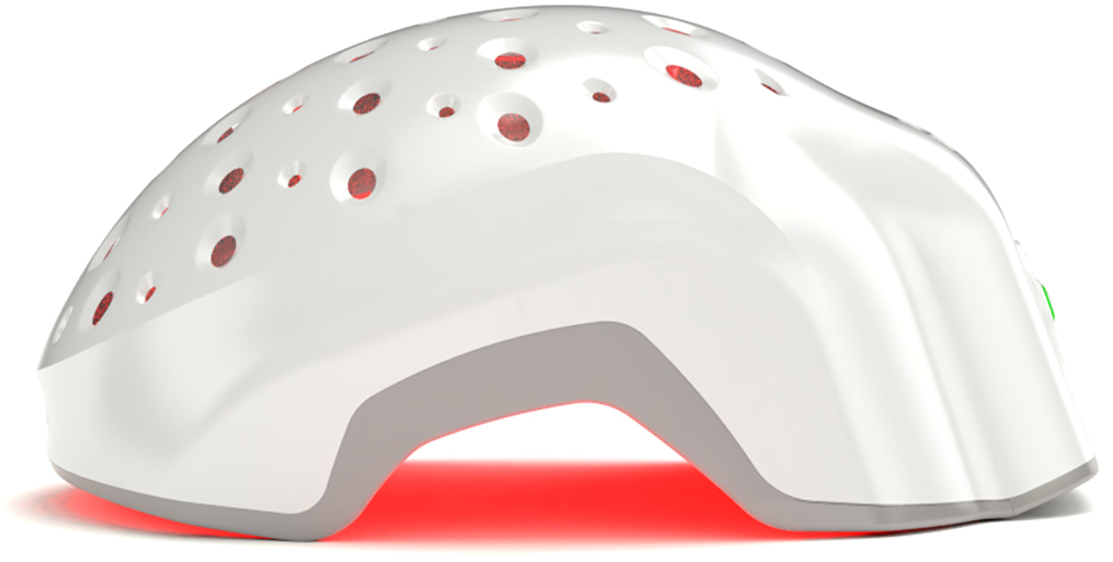
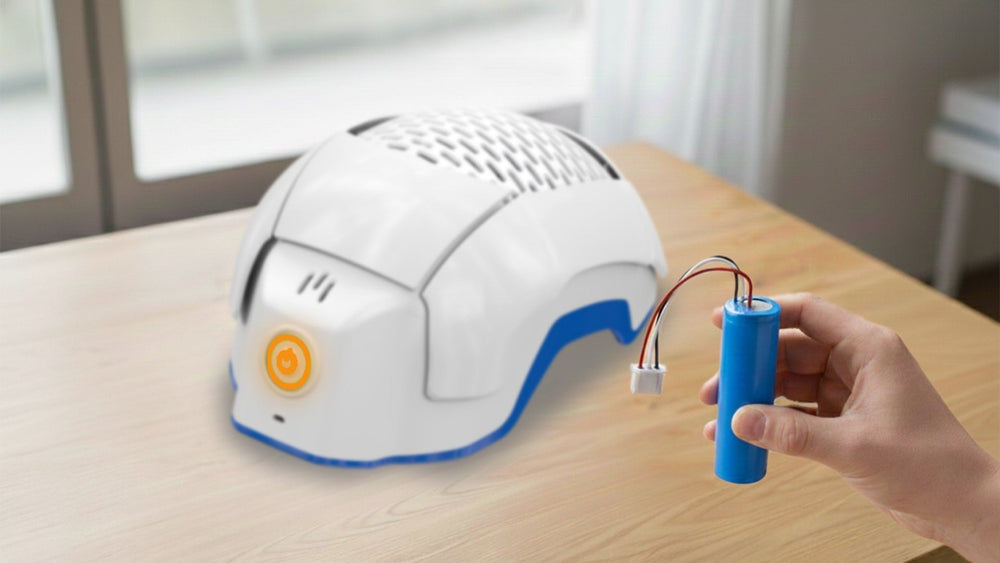
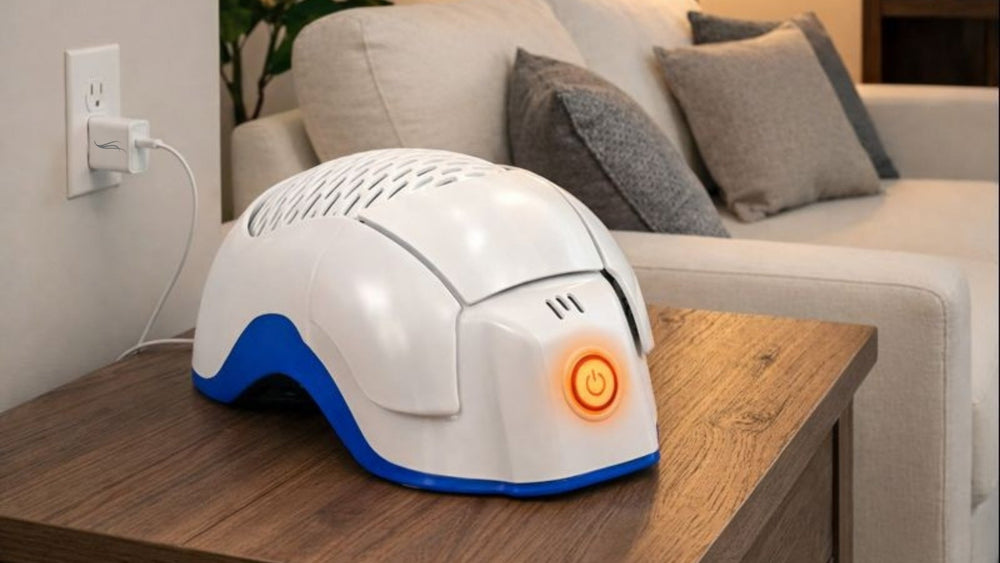
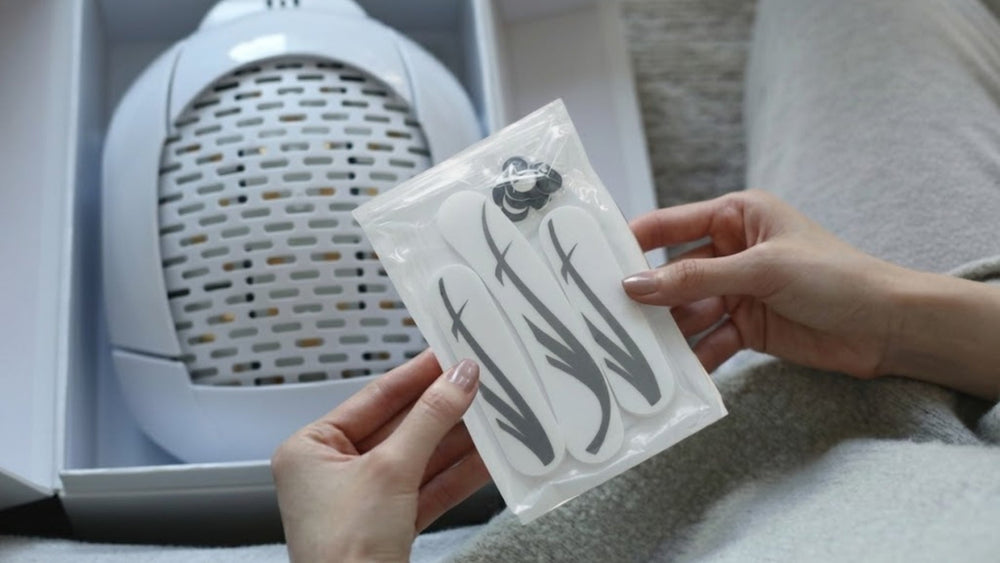
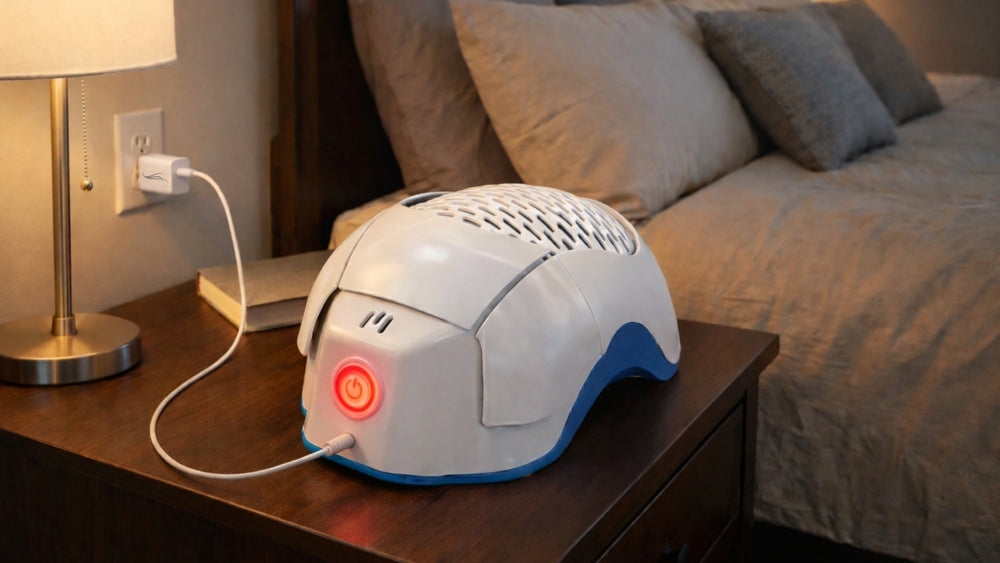
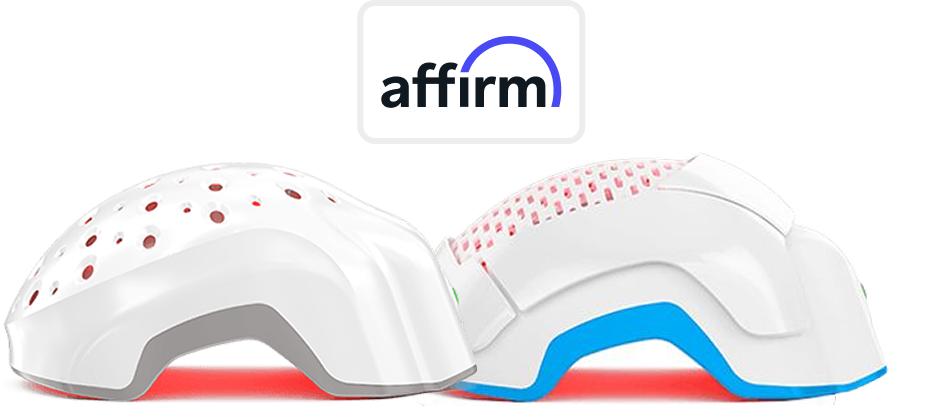
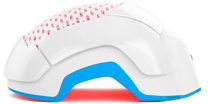
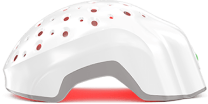
In this way, devices such as the Theradome laser helmet are very effective when paired with scalp care that restores balance and reduces irritation. By creating a healthier environment for the follicles, you give the laser therapy the best chance to support stronger, fuller hair.