







Most pantry remedies and flashy gadgets won’t reliably regrow pattern hair. Evidence supports a few medical treatments (topical minoxidil, oral 5-alpha reductase blockers) and device-level Laser Phototherapy (LPT) has randomized, sham-controlled data and FDA-cleared devices — it’s a modest, slow option, not a miracle.
How we judge hair-loss treatments
Trust randomized, blinded trials, sham or placebo controls for devices, objective endpoints (hair count or density), and at least 6–12 months follow-up. Small pilot studies can hint, but they don’t change practice alone.
Why those items matter
Hair growth is slow. A study that looks at 8 weeks is not useful. You want: randomization, blinding, objective measurement (hair counts per cm²), and adequate sample size. Also watch for industry funding and vague endpoints (like “patient satisfaction” without blinded assessment).
Proven medical options: minoxidil and 5-alpha reductase blockers
Minoxidil
Supported by large RCTs; topical minoxidil increases hair counts and improves appearance, but it needs continuous use.
The 5% topical minoxidil trials in men and women showed clear superiority to placebo and to lower concentrations. One large randomized trial (men) reported about 45% more regrowth with 5% versus 2% at 48 weeks and earlier onset of effect. Another multicenter study showed meaningful improvements in investigator and patient assessments.
Practical points
- Expect months for visible change. Start, and mark photos every 3 months.
- Side effects: scalp irritation, unwanted facial hair in some people (women), and temporary shedding at initiation for some.
- Use continuously. Stop and the gains fade. (Yes, really.)
Finasteride (and dutasteride) — oral anti-androgen options
Oral 5-alpha reductase inhibitors reduce progression and can increase hair count in men; they require monitoring and informed consent about rare side effects.
Large randomized trials show finasteride 1 mg daily slows hair loss and increases hair growth over 1–2 years in men. Dutasteride (a stronger 5-alpha reductase inhibitor) has shown greater effect in some comparisons, but its off-label use and systemic potency require careful clinician oversight.
Practical points and precautions
- Not for use in pregnancy or in women who may become pregnant (teratogenic risk).
- Discuss sexual side effects and mood changes frankly. They are uncommon but important to monitor.
- Baseline and follow-up discussions (and sometimes labs) are recommended.
Concoctions, herbal oils, and kitchen cures — what works in real life?
Mostly cosmetic, with a few exceptions. If you’re nutrient-deficient, fixing that helps. Otherwise, many “kitchen” fixes help texture or shine but not true regrowth in pattern loss.
Biotin — should you take it?
Only if labs show deficiency. Routine megadoses don’t reliably regrow hair and can interfere with lab tests.
True biotin deficiency is rare. The FDA has warned that high biotin can interfere with some blood tests (including troponin), causing inaccurate results and clinical confusion. So, test first if you suspect deficiency.
Don’t take high-dose biotin as a band-aid. If you already take it and need blood tests, tell your clinician.
Rosemary oil — a botanical that deserves a second look
Promising single trials show effects similar to low-strength minoxidil, but evidence is limited and not yet definitive.
A randomized comparative trial (2015) found rosemary oil users had improvements in hair count comparable to 2% minoxidil over 6 months. That’s encouraging, but it was a single center trial with a defined formulation. We need more replication, standardized concentrations, and larger samples.
Practical guidance
If you prefer botanicals and have mild thinning, a standardized rosemary oil preparation could be an adjunct. Expect slow results, patch test first, and don’t skip proven treatments if you have progressive pattern loss.
Onion juice, saw palmetto, castor oil, coconut oil — what the trials say
Small or mixed data. Some treatments can improve hair shaft condition or reduce breakage. None are replacements for evidence-based medical therapy when AGA is the diagnosis. (Use with realistic expectations.)
Headstands, inversion tables, and scalp massage — do they help?
Inversion or “boosting scalp blood flow” is not supported as a treatment for pattern hair loss. Scalp massage shows small, interesting signals for thickness — but it’s not a cure.
A 2016 small, controlled study found that standardized scalp massage could increase hair thickness after months of daily massage and that gene expression in dermal papilla cells changed in lab tests — interesting, but small. So yes, it might help thickness slightly; treat it as a low-risk supportive habit rather than a replacement therapy.
There’s no research supporting headstands or inversion therapy as a hair-growth treatment. Also, inversion techniques can be dangerous for people with high blood pressure, heart disease, vertigo, or pregnancy, and the potential for physical harm (falls, neck injury) makes these methods poor choices.
UV light contraptions — do not do this
Avoid UV devices for hair growth. UV damages DNA, increases scalp risk, and has no convincing hair-regrowth evidence.
Why this is a hard stop
UV radiation causes DNA damage and increases long-term skin disease risk. WHO guidance on UV exposure is explicit about harms from excess UV. Consumer UV gadgets marketed for “hair growth” are unsafe and unjustified.
UV devices marketed for regrowth are based on sellers with no real background in light science, and the only legitimate scalp use of diagnostic UV is detecting fungus with Wood’s lamp — not regrowth.
Bioelectrical and RF gadgets — early, mixed signals
Some radiofrequency and electrical-stimulation devices show early, small studies suggesting benefit, but protocols vary and high-quality RCTs are limited. Treat these as experimental for now.
Recent reviews suggest fractional radiofrequency and microneedling RF may increase hair measures when combined with topical treatments. Small sample sizes and heterogeneity in parameters make general claims risky. More standardized trials are needed before broad recommendations.
Bioelectric “stem cell” devices are scientifically implausible in the way they are marketed. While light (LPT) has shown effects on certain cell types at specific wavelengths, there is no robust research showing that stem cells in hair follicles respond to electrical stimulation in the way some gadgets claim.
Practical guidance
If you consider RF, choose a clinic with published protocols and understand this is adjunctive, often combined with topical therapies.
Laser Phototherapy (LPT): the science-backed device option
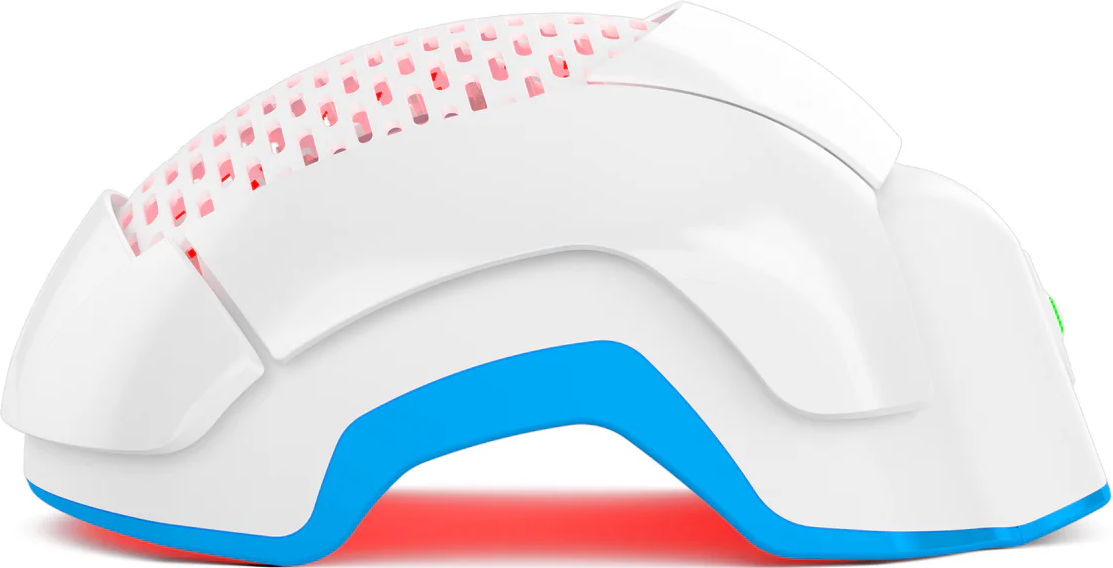
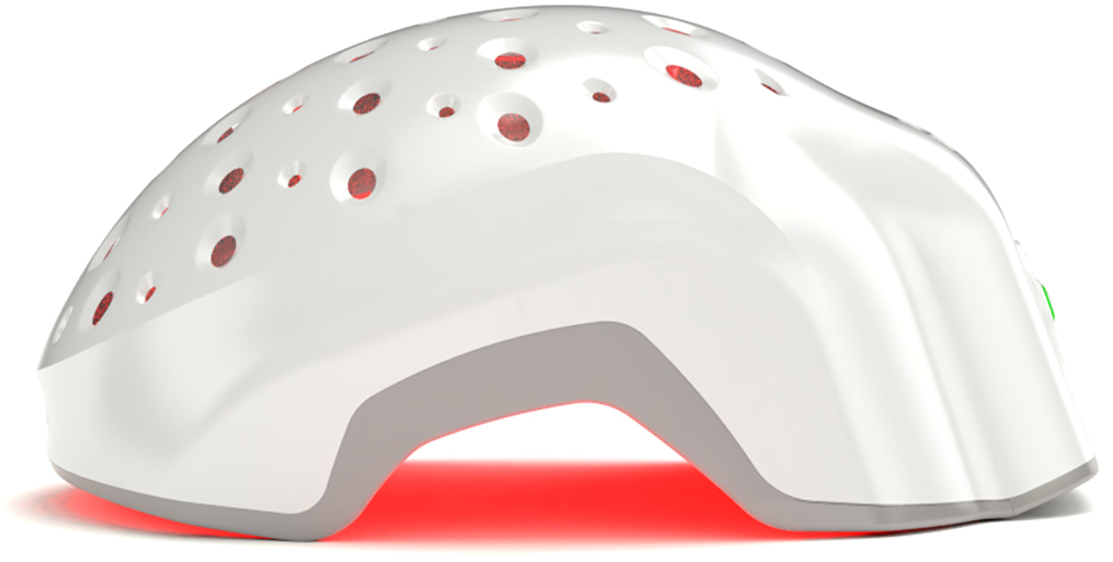
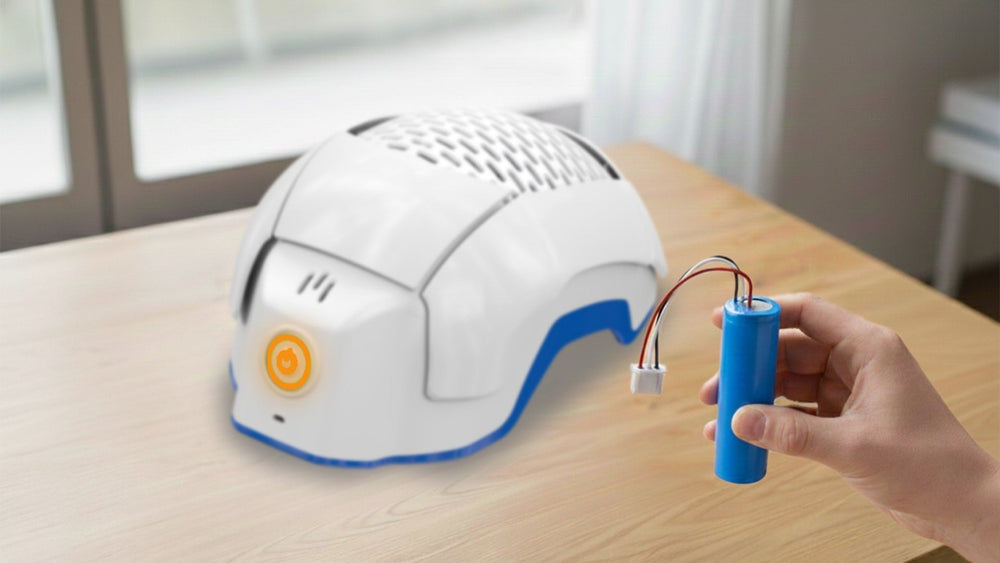
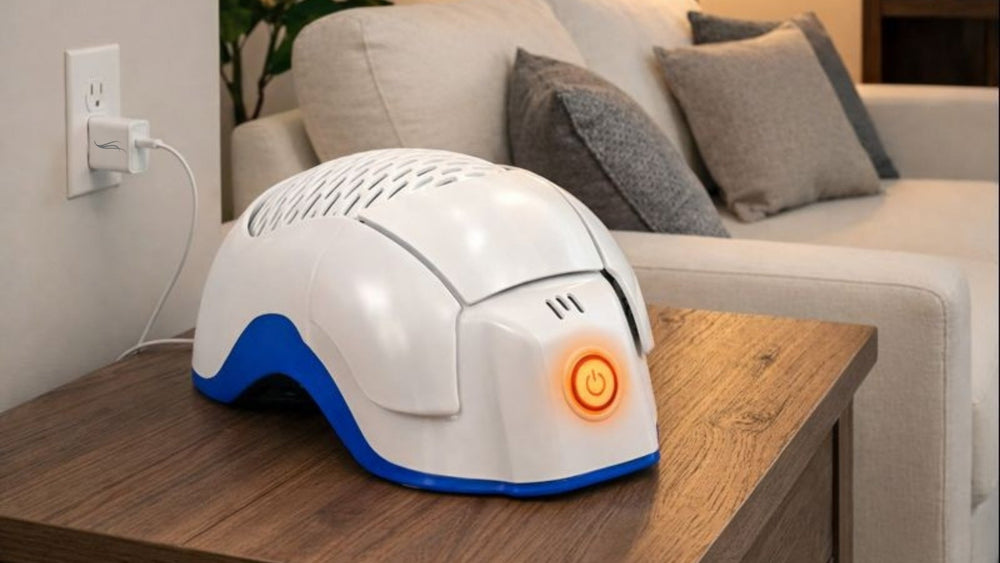
LPT / photobiomodulation has the most consistent device data for pattern hair loss. Multiple RCTs and meta-analyses show modest increases in hair counts; some home devices are FDA-cleared. It’s an option for people seeking a drug-free device adjunct.
How LPT likely works
LPT delivers red or near-infrared light that’s absorbed by cell chromophores (like cytochrome c oxidase), which can boost cellular energy cycles and signaling. That cascade may shift follicles toward active growth in some people.
Systematic reviews and meta-analyses of randomized trials show LPT devices produce significant increases in hair counts. Trial designs differ in wavelength, dose, and device form factor (comb vs helmet vs cap). Read protocols closely — wavelength, energy density, and session frequency matter for outcomes.
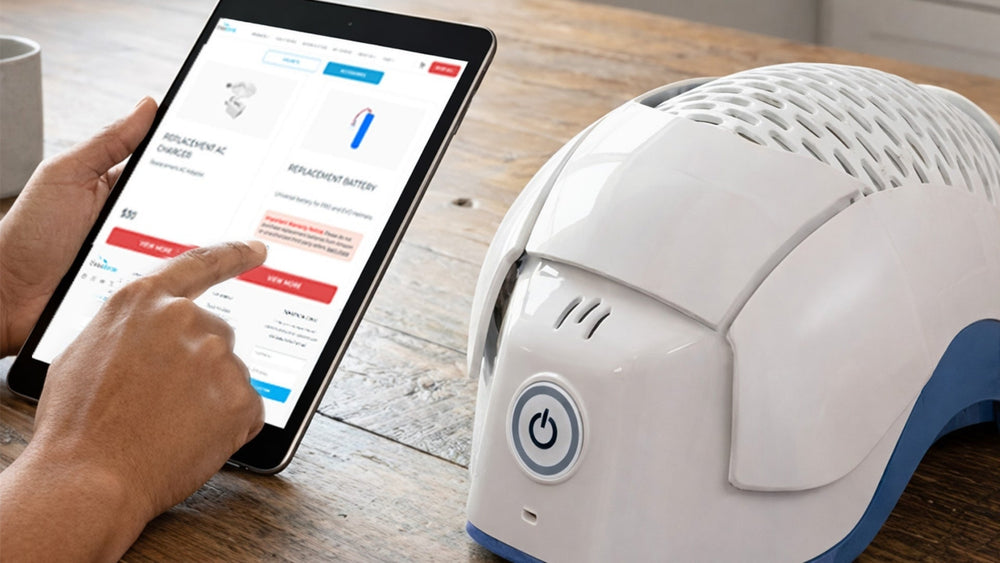
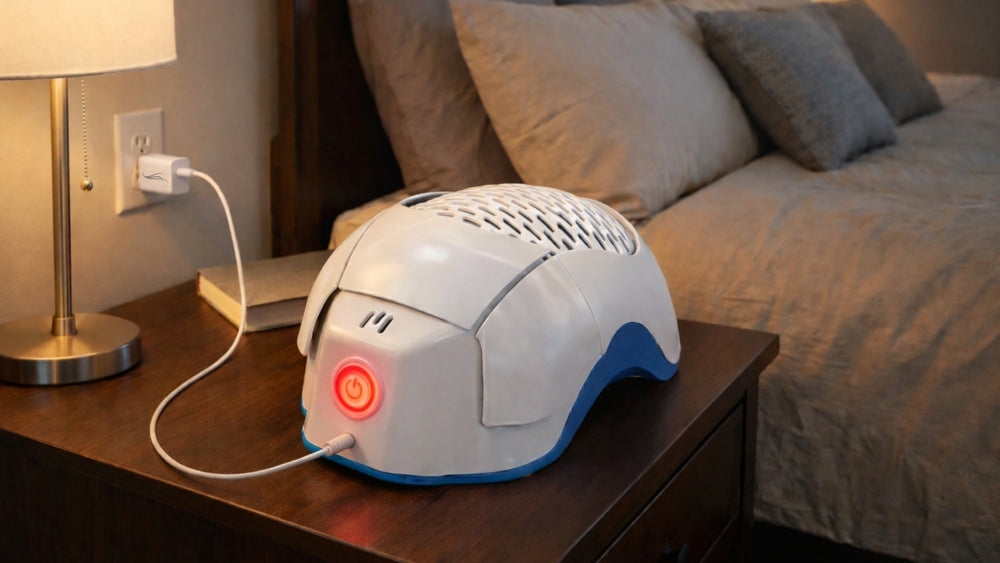
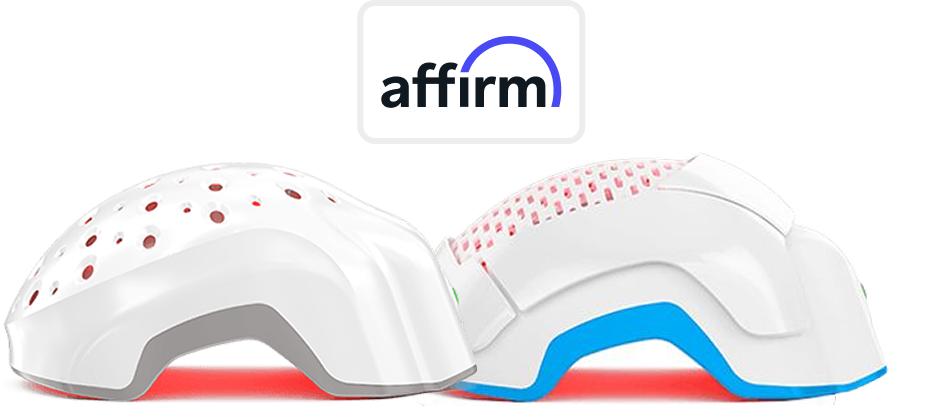
Some LPT helmets are FDA-cleared after 510(k) review. For example, the Theradome Laser Helmet PRO LH80 has a 510(k) record describing intended use for promoting hair growth. Always review device evidence and the specific clearance documents.
Practical protocol
Typical clinical protocols in trials ranged from a few sessions per week to every other day, with treatment durations of several months. Expect 4–6 months before you’ll see measurable differences, and continued maintenance use is commonly reported.
Procedural options: PRP, microneedling, and hair transplant
PRP (platelet-rich plasma)
PRP injections often show improved hair density in trials and meta-analyses, but formulations and session schedules vary widely. Work with a clinic that publishes their protocol.
Systematic reviews and meta-analyses conclude PRP increases hair density and thickness in many studies, though heterogeneity in preparation and dosing limits direct comparisons. Safety appears good when performed properly.
Microneedling
Microneedling, especially when combined with topical minoxidil, has randomized data showing benefit over topical therapy alone.
Practical notes on procedures
PRP and microneedling are clinic procedures. Expect multiple sessions and modest out-of-pocket cost.
Hair transplant is the durable option for donor-suitable patients; it is surgery and requires realistic expectations about donor supply and long-term maintenance.
How to compare options and make a plan (practical checklist)
Match diagnosis to treatment, start with proven meds or LPT for early cases, consider PRP/microneedling as adjuncts, and reserve surgery for established donor suitability. Measure outcomes with photos, hair counts, or dermoscopy every 3–6 months.
Quick decision ladder
- Confirm diagnosis with a clinician.
- For early AGA: LPT ± topical minoxidil or finasteride for men.
- For partial responders or those seeking non-drug options: LPT or PRP as adjuncts.
- For long-term patterning and donor availability: discuss transplant options.
Safety, monitoring, and who should avoid which treatments
Pregnancy, breastfeeding, and some health conditions preclude certain treatments. Always check pregnancy status before prescribing systemic agents. For devices, check for photosensitivity, implanted electrical devices, or scalp skin disease.
Notable safety point — biotin and labs
High-dose biotin can alter some lab tests; tell your clinician if you take supplements. The FDA has issued warnings and guidance about this.
The history of hair “cures” includes vacuum caps, RIFE systems, and other devices sold with flashy marketing but no science.
Conclusion
If you’re seeing pattern thinning, the smart route is: get a diagnosis, start a treatment with proven evidence, and measure objectively. Topical minoxidil and oral 5-alpha reductase inhibitors have the best long-term drug data. LPT is a credible non-drug option with randomized trials and some FDA-cleared devices — expect modest gains and steady maintenance use. PRP and microneedling are promising adjuncts when done with standardized protocols. Avoid UV contraptions and unfounded “quick fix” claims. Be cautious, read the study design, and ask clinics for exact protocols and independent evidence.