







Hair loss and new hair growth. Two phrases often lumped together, as if they’re interchangeable. They’re not. One is about hitting the brakes; the other is about building momentum. And if you don’t slow the loss first, you’re trying to run up an escalator that’s going down twice as fast.
On average, your scalp quietly lets go of about 3,000 hairs a month (around 36,000 a year). Hair growth, meanwhile, creeps along at roughly one centimeter per month. In fact, a single hair can take about four months just to grow back after it sheds. Which means—yes—you could be losing ground faster than you can replace it. That’s where understanding the sequence matters. And that’s where evidence-based interventions like Laser Phototherapy (LPT) stand out.
If you take nothing else from this article, take this: Stopping loss and starting regrowth are different biological battles. Win the first one, and you have a shot at the second. Skip it, and you’re chasing your tail.
Why This Distinction Matters
People often approach hair restoration like it’s a light switch—flip it, and both shedding stops and new hair magically appears. Reality is more stubborn. Follicles follow a rhythm: growth (anagen), transition (catagen), rest and shedding (telogen). When loss accelerates—whether from androgenetic alopecia (AGA), telogen effluvium (TE), or traction-related stress—the follicles are leaving anagen faster than they should.
If you picture your hair count as water in a leaky bucket, stopping hair loss is about plugging the holes first. Trying to “grow” without doing this is like pouring water in while the leaks gush on.
The science is blunt about the order of operations. Halting loss often involves stabilizing hormonal influences (like DHT in AGA), calming inflammation, or removing triggers entirely. Regrowth, on the other hand, depends on nudging follicles back into anagen and coaxing miniaturized hairs toward terminal thickness.
People abandon treatment too soon when they expect to see growth before they’ve even stopped shedding. Patience isn’t just a virtue here—it’s a requirement backed by biology. LPT, for instance, has been shown in trials to help stabilize shedding within weeks for some users, but visible thickening tends to follow months later.
So yes, they’re connected. But no, they’re not the same.
Understanding Hair Loss – What’s Really Happening
The Hair Growth Cycle
Hair isn’t static—it’s constantly in flux. About 85–90% of your scalp hairs are in anagen at any given time, actively growing. This phase can last for years. Then comes catagen, a brief transition where growth halts, and finally telogen, the resting phase when the hair is eventually shed. After shedding, a new hair begins anagen again—unless something disrupts the hair cycle.
In AGA, for example, follicles in androgen-sensitive zones shorten their anagen phase over time, producing progressively finer (vellus-like) hairs. TE works differently: a shock—illness, childbirth, major stress—pushes too many hairs into telogen at once.
Common Causes of Hair Loss
-
Androgenetic alopecia: Genetic predisposition + DHT influence, in both men and women (patterns differ).
-
Telogen effluvium: Triggered shedding that’s usually reversible once the cause is resolved.
-
Traction alopecia: Chronic tension from styles pulling at the root.
-
Central centrifugal cicatricial alopecia (CCCA): Scarring alopecia, which is more common in women of African descent. Early inflammation control is critical.
Why Hair Loss Outpaces Growth
Let’s do the math. If you’re shedding 100 hairs a day (a ballpark figure in AGA or TE) and growing replacements at just 1 cm/month, you’ll see thinning before you see recovery. Multiply that by months or years, and the net loss adds up quickly. In severe AGA, follicle miniaturization compounds the problem—new hairs are thinner and less pigmented, making the scalp more visible.
Many people don’t notice loss until 50% of hair density in a given area is gone. By that point, the urgency to “regrow” often overshadows the need to first stabilize the loss. That’s where targeted interventions—pharmaceuticals, LPT, inflammation control—play their first, crucial role.
Stopping Hair Loss – First, Always
Stopping hair loss isn’t about magically locking every strand in place. It’s about reducing shedding to a normal physiological range and halting further follicle miniaturization. In other words, stabilization. You’ll know it’s working when shedding slows, part lines stop widening, and hair density stops declining in photos or trichoscopic counts.
Evidence-Based Approaches for Halting Loss
-
Medical: For AGA, finasteride in men (and off-label in select postmenopausal women) reduces scalp DHT. Minoxidil, while often branded for regrowth, also helps maintain follicles in anagen.
-
Trigger Management: In TE, identifying and removing the cause—iron deficiency, thyroid imbalance, stress—allows normal cycling to resume within months.
-
Mechanical Protection: Loosening tight hairstyles can halt traction alopecia before scarring sets in.
- Anti-inflammatory Strategy: For scarring alopecias like CCCA, early medical intervention can stop further follicle destruction.
Timelines for Stopping Loss
Timelines vary. TE often settles in 3–6 months post-trigger. Finasteride can take 6–12 months to show visible stabilization in AGA. LPT offers an interesting edge—some users report reduced shedding within weeks, supported by trials showing early stabilization benefits.
The important thread is to stop loss in the first checkpoint, not the finish line. The scalp may feel “quieter” long before it looks fuller. But without that quiet, there’s no fertile ground for regrowth to even begin.
New Hair Growth – A Slower, Different Process
When regrowth finally begins, it doesn’t erupt in some dramatic forest overnight. Often, the earliest signs are vellus hairs—those wispy, colorless strands you have to squint at in the mirror. Over months, these can transition into terminal hairs: thicker, pigmented, more resilient. In clinical trichoscopy, you might see increased hair shaft diameter before you notice any change in the bathroom mirror.
And here’s something most people don’t realize—sometimes “regrowth” is just your existing miniaturized hairs thickening back up, not entirely new follicles sprouting. Still a win, though.
Proven Methods to Stimulate Regrowth
-
Minoxidil: The gold-standard topical. It works by prolonging anagen and increasing follicular size. Studies show early changes around 3–6 months, with more pronounced results after 12 months.
-
LPT: Laser Phototherapy supports regrowth by improving mitochondrial activity and encouraging follicles to re-enter anagen. Clinical trials report density increases at 16–24 weeks.
-
PRP: Platelet-rich plasma delivers growth factors directly to the follicular environment; promising but protocols vary widely, and maintenance sessions are usually necessary.
Why Patience is Essential
A hair grows at about 1 cm per month, so visible thickening takes time. Even if follicular activity restarts today, you may not see the payoff for four to six months—or longer in advanced cases. This lag frustrates many people into quitting just when the biological gears are starting to turn.
Laser Phototherapy (LPT) – Addressing Both Sides
At its core, LPT relies on photobiomodulation—specific wavelengths of red or near-infrared light absorbed by cytochrome c oxidase in the mitochondria. This absorption ramps up cellular ATP production, modulates oxidative stress, and triggers signaling pathways that promote tissue repair and inflammation control. For hair follicles, it’s like flipping the “energy” switch and coaxing them back into growth mode without adding damaging heat.
LPT uses non-ionizing, low-power Class 3R lasers—safe for at-home use when designed and cleared by the FDA.
LPT for Stopping Loss
In several randomized controlled trials, participants using LPT devices demonstrated measurable stabilization of hair density within 12–16 weeks. Reduced shedding is often one of the first reported benefits. In other words, LPT can act as that “plug in the bucket” from earlier—halting loss so the regrowth process has a fighting chance.
LPT for Regrowth
Meta-analyses confirm increases in terminal hair counts over sham treatments by the 16–24 week mark. Users often describe early regrowth as fine, soft strands (vellus) that progressively thicken over continued use.
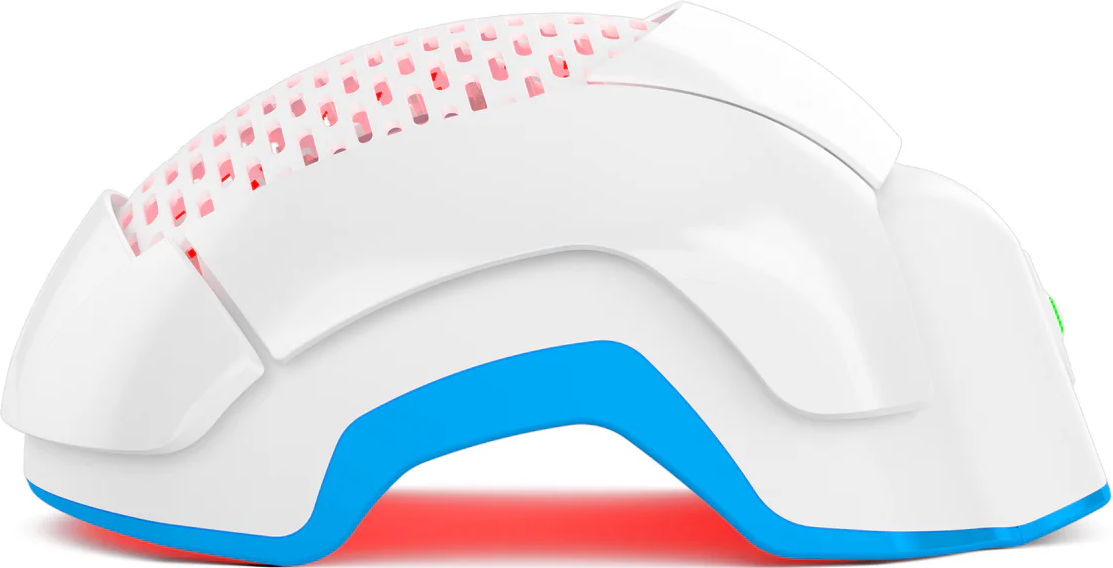
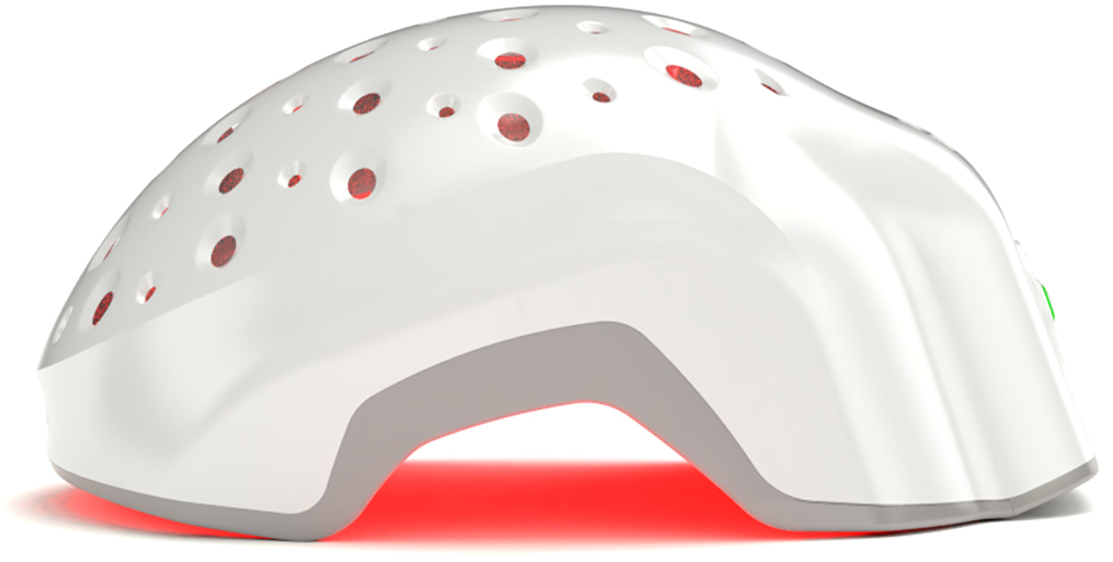
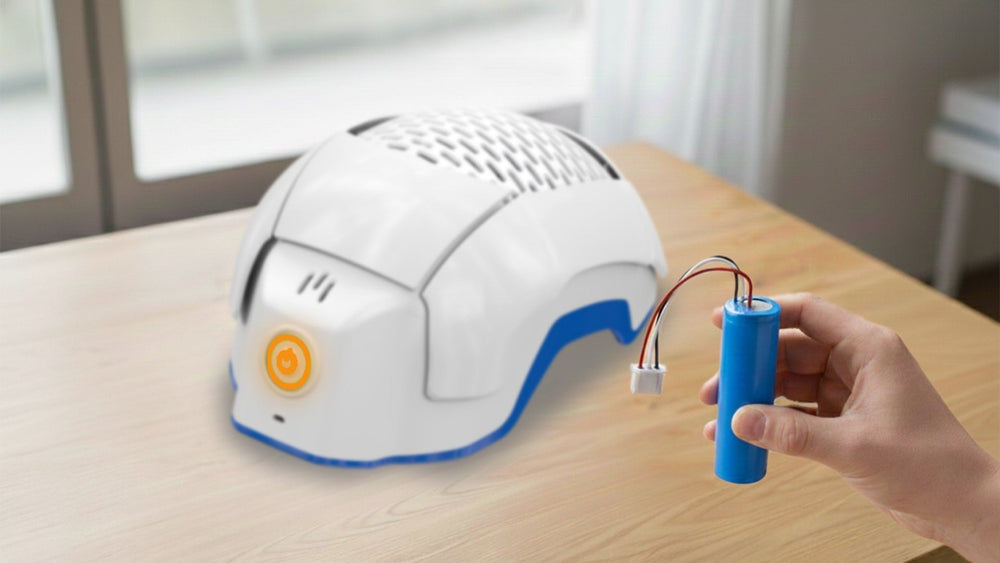
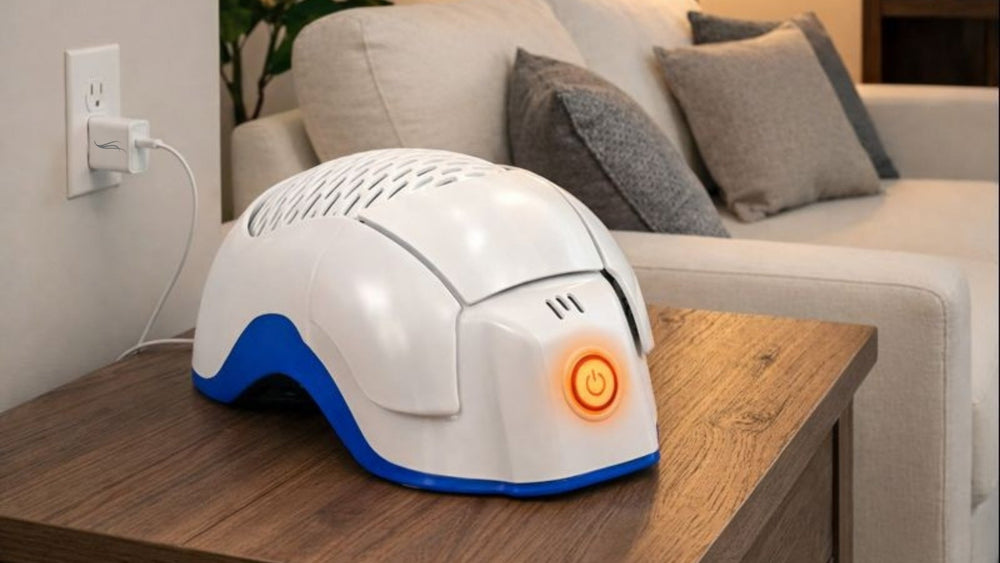
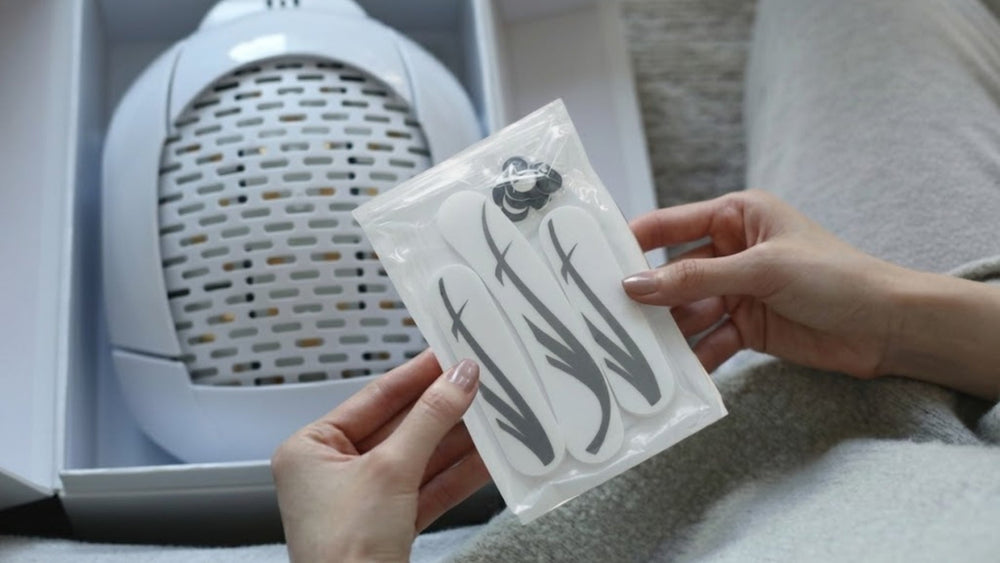
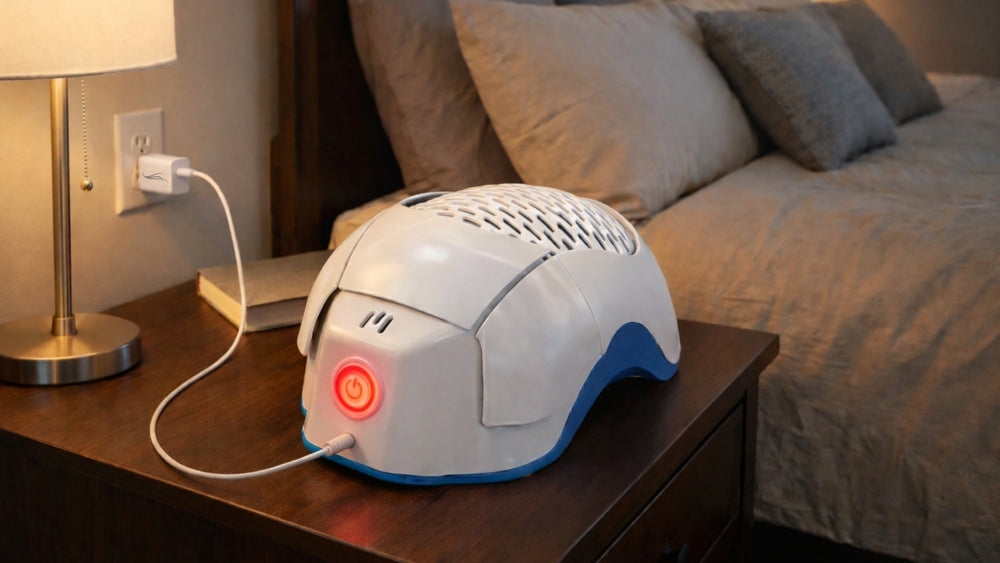
Theradome’s edge isn’t just in being the first FDA-cleared wearable LPT device—it’s in full scalp coverage and delivering the highest energy dose of any at-home LPT unit. That translates into more consistent exposure for every follicle, front to crown. Built for both men and women with androgenetic alopecia, it’s designed to deliver both sides of the equation: loss prevention and stimulation of new growth.
Setting Realistic Expectations
The most common pitfall in hair restoration is expectation mismatch. People start a treatment, expect both shedding to stop and new hair to appear in weeks, and quit when the mirror doesn’t cooperate.
Here’s the sequence—stopping loss first, then growth. For many, this means:
-
Weeks 1–12: Shedding reduction or stabilization.
-
Months 4–6: Early regrowth signs (vellus hairs, improved shaft diameter).
-
Months 9–12: Visible thickening, especially under consistent therapy.
Maintenance is the unglamorous truth: stop the treatment and gains can fade within months. This is true for minoxidil, finasteride, and yes, LPT.
Also, individual variables—age, genetics, duration of loss—shape results. A 28-year-old with mild AGA may respond more dramatically than someone with advanced miniaturization over decades. And that’s not failure; it’s biology.
If you frame success as a marathon, not a sprint, you’ll be far less tempted to jump ship before the real progress shows.
When to Seek Professional Help
Not all hair loss stories can (or should) be tackled solo. There’s a point where guessing costs more than getting expert eyes on your scalp.
If you notice rapid, patchy loss, scalp pain, visible inflammation, or shiny skin where hair used to be—those can be signs of scarring alopecia. These cases demand immediate medical attention; once follicles are replaced with scar tissue, regrowth isn’t possible.
Dermatologists and trichologists also bring diagnostic tools you don’t have at home—like trichoscopy, biopsies, and targeted bloodwork. In suspected telogen effluvium, they can help pinpoint triggers like thyroid imbalance or low ferritin.
And it’s not just about disease. A seasoned clinician can distinguish between androgenetic alopecia, traction alopecia, and temporary shedding. That distinction shapes everything—from your treatment plan to your expectations.
So, if the loss is sudden, severe, or doesn’t fit the “gradual thinning” profile, don’t wait. The earlier the intervention, the more hair you can protect.
Long-Term Hair Health Maintenance
Hair restoration isn’t a “win and walk away” scenario. Once you’ve stopped loss and gained some regrowth, the goal shifts to maintenance.
For LPT users, that means sticking with a regular schedule—even after visible improvement. Clinical trials consistently show that gains can slip if therapy stops. Minoxidil and finasteride share the same maintenance requirement: discontinue, and the clock rewinds within months.
Beyond devices and medication, long-term scalp health matters. Chronic inflammation, poor circulation, or even aggressive styling can chip away at your hard-earned progress. Keep hairstyles low-tension, ensure you’re addressing any underlying skin conditions (seborrheic dermatitis, psoriasis), and protect from excessive UV exposure.
Lifestyle support plays its part: consistent sleep, nutrient-rich diet, and stress management all create a better environment for follicles.
It’s like gardening—once the plants are thriving, you don’t stop watering just because they look good. The same principle applies to your scalp.
Conclusion
Stopping hair loss and starting new hair growth aren’t interchangeable steps. They’re sequential, and the first fuels the second. Skip ahead, and you risk disappointment.
The process is a partnership between biology, technology, and time. First, slow the leak—whether that’s calming overactive hormones, removing triggers, or using proven therapies like Laser Phototherapy to stabilize shedding. Then, foster regrowth: coax follicles back into anagen, thicken miniaturized hairs, and protect them long enough for visible density to return.
Theradome stands as a rare tool that addresses both ends of this journey—first helping halt loss, then encouraging new growth in a safe, at-home, FDA-cleared device. But no matter the tool, the constants remain: patience, consistency, and realistic expectations.
Because in hair restoration, the real victory isn’t just what you grow—it’s what you keep.