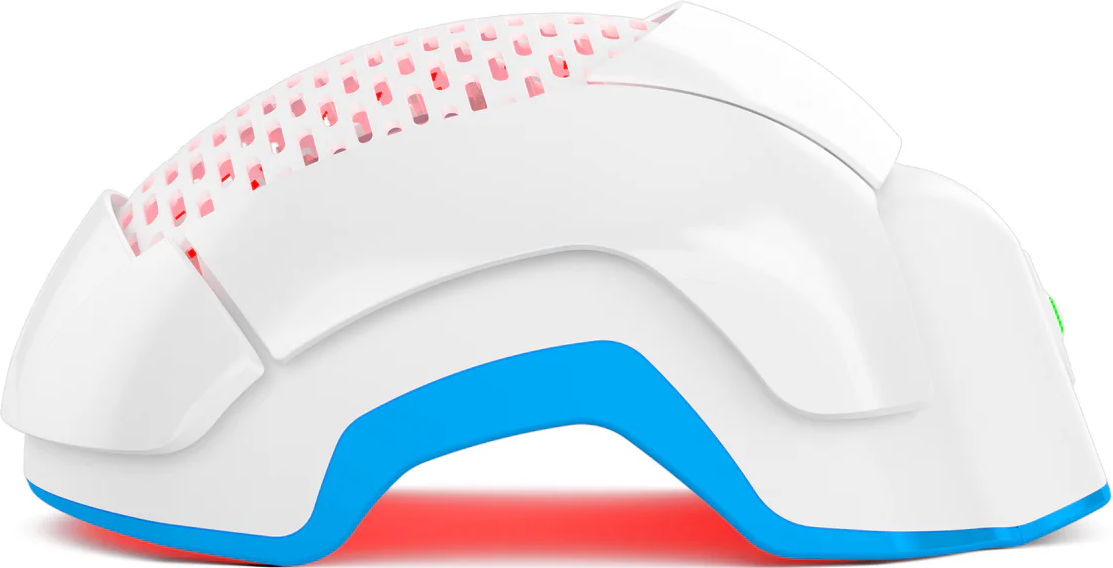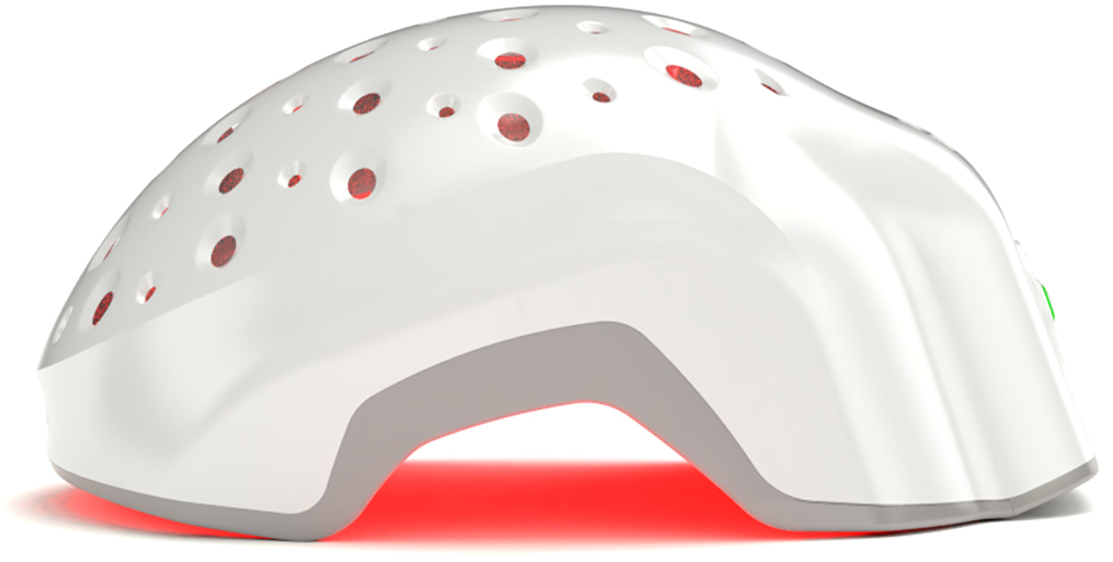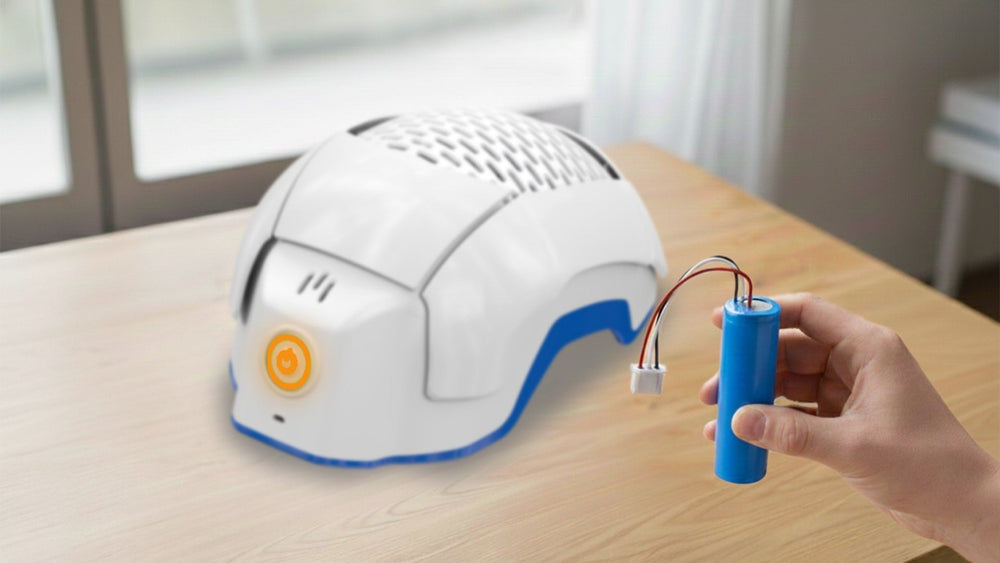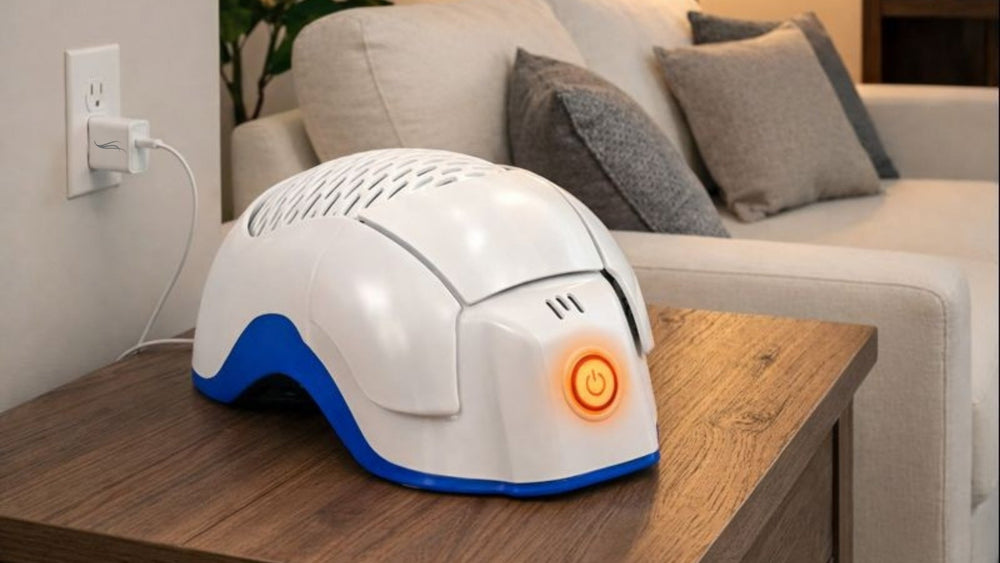








Hair loss (especially androgenetic type) tends to worsen if left untreated, because follicles progressively miniaturize and sometimes die — meaning waiting reduces what can be saved (and regrown). An FDA-cleared for home laser phototherapy device like Theradome can help slow shedding, thicken miniaturized follicles, and preserve hair today rather than later.
Why Waiting Accelerates Hair Loss
Hair grows in cycles (anagen → catagen → telogen). In androgenetic alopecia (AGA), over time follicles shrink (miniaturize), spending less time in growth phase and producing thinner hair. Eventually some follicles become dormant or die. Over time, the number of follicles that can respond to therapy declines.
The “point of no return”
Once follicles scar or atrophy (fibrosis), regrowth becomes exceedingly difficult. Early intervention helps keep them viable. In scarring alopecias (e.g. CCCA, FFA), delay can lead to permanent loss.
The Window of Opportunity: Why “Now” Matters
If you act early (when follicles are still miniaturized but not destroyed), your odds of recovery (or thickening) are much higher. Wait too long, and those follicles may no longer respond.
In practice: therapies work better when hair loss is mild-to-moderate, not in fully bald zones.
Early diagnosis is about measuring it the right way before damage becomes irreversible. Trichologists and dermatologists use several clinical methods to gauge the extent and pattern of hair loss. Some are simple, like the pull test, where a small cluster of hairs is gently tugged to assess active shedding, or the daily hair count, which tracks the number of hairs shed over several days. Others, such as the wash test and trichogram (or phototrichogram), provide a more detailed view by evaluating growth phase ratios and density across marked scalp areas.
More advanced assessments include dermoscopy (essentially a microscopic scalp scan), to visualize follicle inflammation, sebum levels, or miniaturization patterns that define male or female pattern hair loss. In some cases, scalp biopsies are performed to distinguish between scarring and non-scarring alopecias, while bloodwork helps uncover hormonal or nutritional causes. Each of these diagnostic methods serves one critical goal: catching the problem early enough to protect still-viable follicles before miniaturization becomes permanent.
So, while treatments like Laser Phototherapy (LPT) can restore vitality to weakened follicles, no technology can revive a follicle that’s completely gone. That’s why timely evaluation (using these standardized tests) makes the difference between reversible thinning and permanent loss.
How Theradome Helps Halt Progression
Theradome delivers 678 nm coherent laser light (cold, non-burning) to scalp tissue. That light stimulates mitochondrial activity in cells (via cytochrome c oxidase), boosts ATP production, modulates inflammatory signaling, and supports follicle health.
Encouraging growth and reversing miniaturization
Clinical data on helmet and comb devices show that compared to sham, subjects treated with LPT see significant increases in hair density.
One trial compared LPT vs minoxidil and found LPT produced significant gains in density and diameter.
Regulatory & safety credentials
-
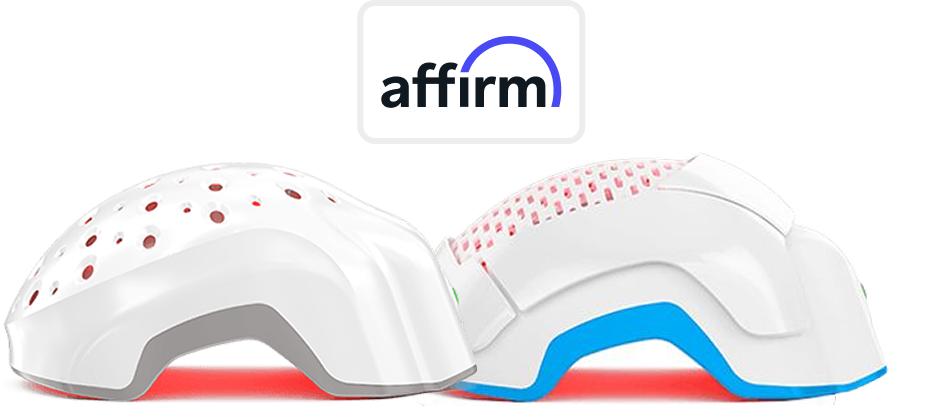
Theradome PRO LH80 is FDA-cleared via 510(k) (K122950).
- Later clearance extended to its EVO model for both men and women.
- As a Class 3R laser device, it is low-power (≤ 5 mW per diode) and considered safe under proper use; non-thermal, non-ionizing.
Waiting vs Acting: What Happens
If you wait:
- More follicles miniaturize or die
- Thinning accelerates
- Later treatments have diminished returns
If you act:
- You preserve more follicles
- You maximize the pool of responsive hair
- Early intervention can yield better long-term outcome
Conclusion
Hair loss waits for no one. While it’s tempting to delay, doing so narrows your options. LPT, especially via a well-designed device like Theradome, offers a safe, evidence-anchored approach to halt and even partially reverse thinning — provided you begin before too much damage is done.
Act today. Preserve your possibilities.