






Most itchy, flaky scalps are harmless, but some scalp problems signal infection, scarring alopecia, or even skin cancer. If you see sudden smooth bald patches, painful boggy lumps, honey-colored crusts, persistent bleeding sores, a rapidly receding hairline at the temples, or a new dark spot that looks “different,” you should get a professional evaluation quickly.
When to Seek Urgent or Same-Week Care
-
Painful, boggy swelling with pus in a child or teen, sometimes with fever or swollen nodes. Possible kerion from tinea capitis. Needs oral antifungal therapy. Early treatment reduces the risk of permanent hair loss.
-
Rapidly expanding smooth bald patches, eyebrow loss, or nail pitting. Suggests alopecia areata. Modern systemic options exist for severe disease.
-
New or changing spot that bleeds, crusts, or looks very different from your other spots, especially on a balding scalp. Check the scalp carefully during self-exams.
If you are immunosuppressed or on chemotherapy and you develop any painful scalp rash or crusting, get seen promptly. Infections progress faster in that setting.
Is It Just Dandruff… Or Seborrheic Dermatitis Acting Up?
Most persistent flakes with itch are seborrheic dermatitis. Antifungal shampoos and short courses of anti-inflammatories are first line, not harsh scrubs or stretching your wash days forever.
What Helps, Actually.
Evidence supports rotating medicated shampoos that target Malassezia yeasts and scale. Ketoconazole 1–2%, ciclopirox 1%, zinc pyrithione, selenium sulfide, salicylic acid, and coal tar all have data. Intermittent mild topical steroids or calcineurin inhibitors calm flares. Many people need on-off maintenance. (Annoying, yes. Effective, also yes.)
A quick method: massage the medicated shampoo into the scalp, not the hair, leave on a few minutes, then rinse. Use a conditioner on lengths if needed. Rotate actives week by week.
If thick, adherent scale refuses to budge, check for psoriasis below.
Flakes with Thick Plaques and Tenderness: Could This Be Scalp Psoriasis?
Yes it could be scalp psoriasis if you see sharply bordered plaques with silvery scale, especially beyond the hairline. First-line therapy is potent topical steroids and vitamin D analogues. Phototherapy helps, yet hair can block UV so clinicians use comb-devices or excimer to reach the scalp.
Why Phototherapy Gets Tricky Up There.
Hair is a very good sunshade. Studies note the practical challenge of getting light to reach skin when strands are in the way, which is why targeted devices or UVB combs are used.
When Topicals Fail.
Systemic therapies, including biologics, are appropriate for extensive disease or scalp-predominant psoriasis that resists topicals. Your dermatologist will align choices with comorbidities and monitoring.
Painful Boggy Lump with Pus in a Child… That Word No One Likes To Hear: Kerion
A kerion is an inflammatory form of tinea capitis. It looks scary, hurts, and can scar if untreated. The fix is oral antifungals. Shampoos reduce spread but do not cure. Early action matters.
Details You Can Use.
Griseofulvin or terbinafine are standard choices, with course length typically 4–8 weeks depending on organism. Some clinicians add a short systemic steroid in severe kerion to reduce inflammation and scarring risk. Screen household contacts and clean hair tools.
“My Hairline is Creeping Back and My Scalp Burns.” Like Scarring Alopecia.
We are not trying to scare you. We are trying to catch it early.
Frontal fibrosing alopecia (FFA) and lichen planopilaris (LPP) are lymphocytic scarring alopecias that can permanently destroy follicles. Stabilization is the goal. Regrowth from scarred follicles is unlikely. Early diagnosis and anti-inflammatory treatment reduce progression. Common tools include potent topical or intralesional corticosteroids, hydroxychloroquine, doxycycline, and other immunomodulators.
Central centrifugal cicatricial alopecia (CCCA), seen more often in Black women, typically starts at the crown and spreads outward. The priority is to halt inflammation. Doctors combine anti-inflammatories with hair-care adjustments. Some regrowth is possible if follicles remain viable, yet scarred areas will not regrow.
If this section felt heavy, that is because it is. The earlier you see a specialist, the better your odds.
Itchy, Acne-Like Bumps and Crusting: Folliculitis or Folliculitis Decalvans?
Simple scalp folliculitis causes itchy pustules that respond to antimicrobial washes and targeted therapy. Folliculitis decalvans is different. It is a neutrophilic scarring alopecia with tufted hairs and recurrent pustules. That one needs a dermatologist.
Why We Care
Folliculitis decalvans can progress without control and leave patches of permanent loss. Management is individualized and may include antibiotics, anti-inflammatories, and procedural options in select refractory cases.
Angry Rash after Hair Dye or a New Shampoo? Allergic Contact Dermatitis
Hair dye reactions are common culprits, especially to para-phenylenediamine (PPD). The diagnostic gold-standard is patch testing. Self-testing at home with dyes is unreliable and can sensitize you further.
What Good Looks Like
If your scalp flares with certain products, request formal patch testing through a contact dermatitis clinic. Standard screening often misses hair-product allergens, so supplemental series are frequently required. Individualized testing identifies the exact chemicals to avoid.
Some newer dye chemistries like ME-PPD appear to lower sensitization risk for hairdressers in exposure studies, though avoidance of your specific allergens remains key.
Smooth Round Bald Patches Overnight… Alopecia Areata
That sudden, smooth, coin-shaped bald spot with little to no scaling is classic alopecia areata. It is autoimmune. It is not scarring. It can relapse. Treatment ranges from local injections to systemics. Three oral JAK inhibitors now have FDA approvals for severe disease by age group.
For severe cases, baricitinib is approved in adults, ritlecitinib in patients 12 years and up, and deuruxolitinib in adults. Decisions balance benefits and monitoring. Expect shared decision-making.
Crawling and Relentless Itch at the Nape or Behind the Ears? Could Be Head Lice.
Lice are common. They do not mean you are “unclean.” Confirm by finding live lice or viable nits close to the scalp. Treat with guideline-supported pediculicides and combing, then repeat as directed. Bedding decontamination is simpler than social media suggests.
For parents. The American Academy of Pediatrics advises evidence-based options and clarifies when school policies make sense. Your pediatrician will steer you through resistance patterns in your area.
Spots, Sores, and Sun: Why the Scalp Needs a Proper Look
The scalp can hide serious skin cancers. Melanomas on the scalp have worse outcomes on average than many other sites, partly because hair hides them and people check less often. Make scalp self-exams a habit. Part through every section if possible.
What to Watch For
A changing mole or new lesion that bleeds, crusts, or heals then bleeds again. If in doubt, get it checked. The AAD’s self-exam advice specifically includes the scalp.
Precancer matters too. Actinic keratoses on sun-exposed scalps can progress to squamous cell carcinoma. Dermatology societies offer multiple effective field and lesion-directed therapies. Your clinician will match choice to severity and tolerance.
Evidence-Based Treatments That Support Scalp Health and Hair Density
We promised to keep this practical. So, two buckets.
1) Treat the Underlying Scalp Disease.
Antifungal shampoos for seborrheic dermatitis. Targeted topicals and phototherapy for psoriasis. Oral antifungals for tinea capitis. Anti-inflammatory regimens for scarring alopecias. Patch testing for allergic contact dermatitis. These are not optional side quests. They are the main event.
2) Support the Follicles You Still Have.
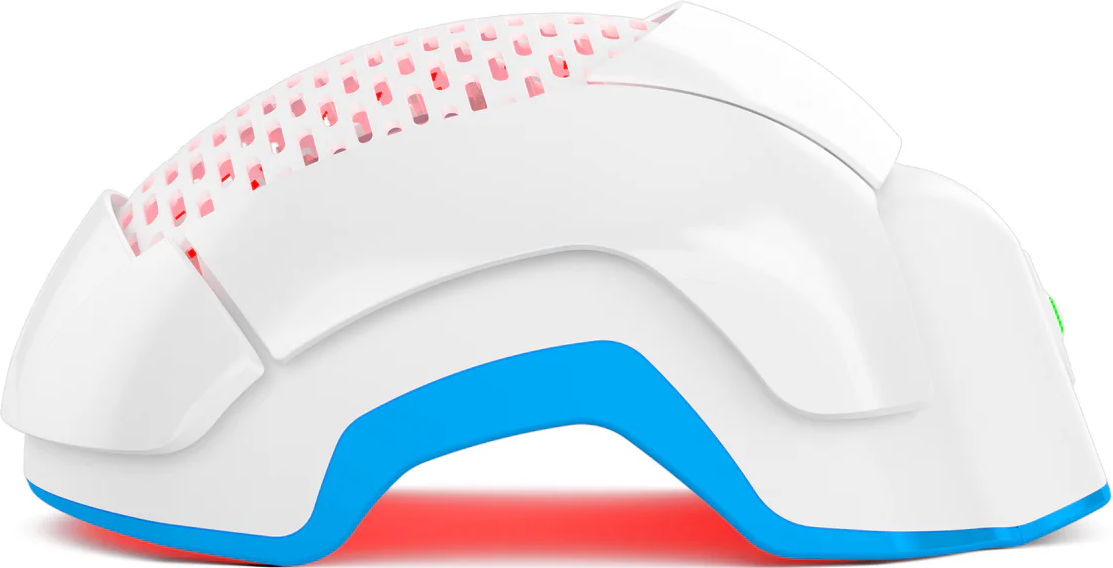
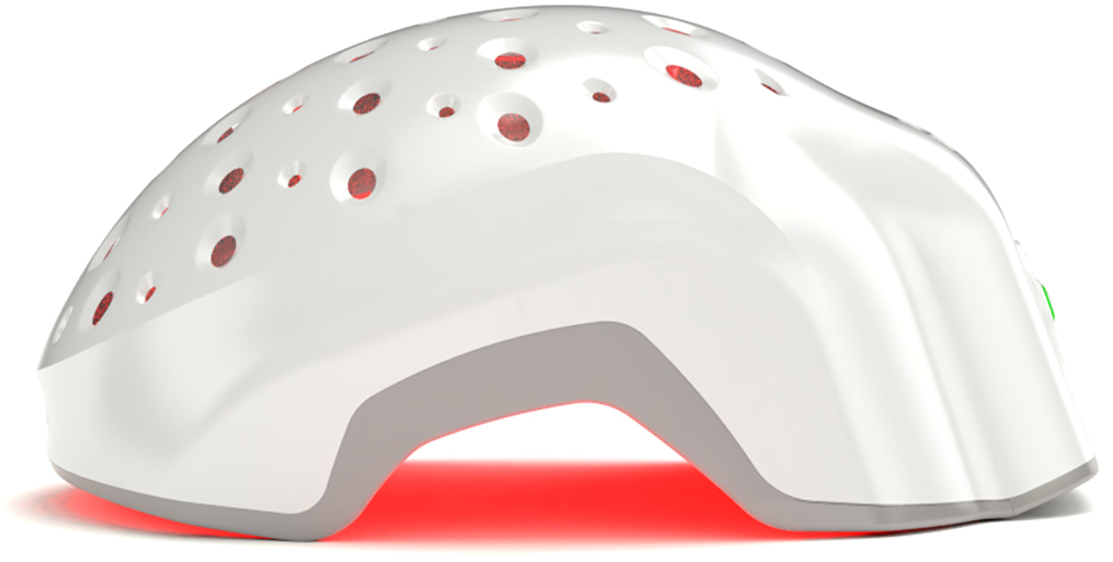
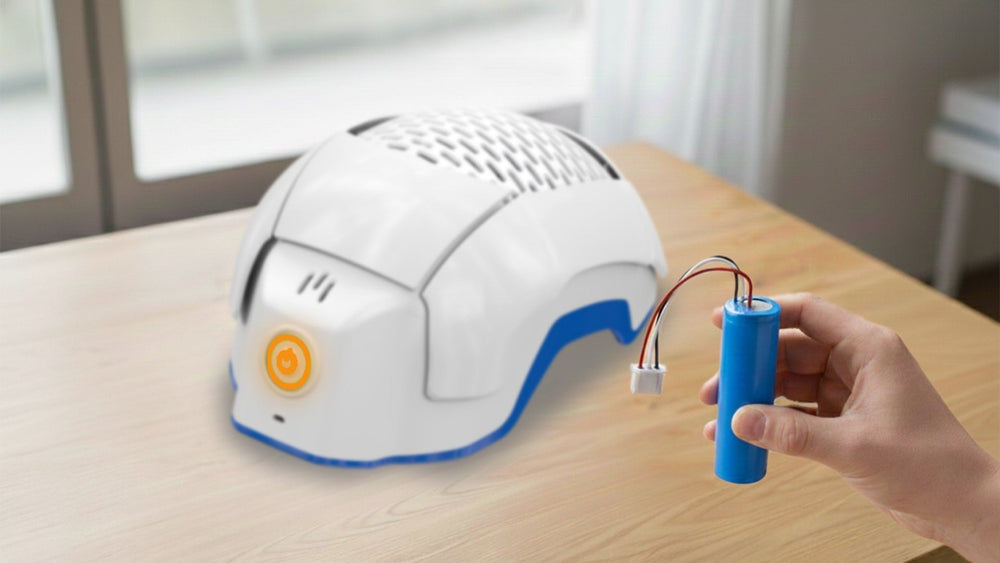
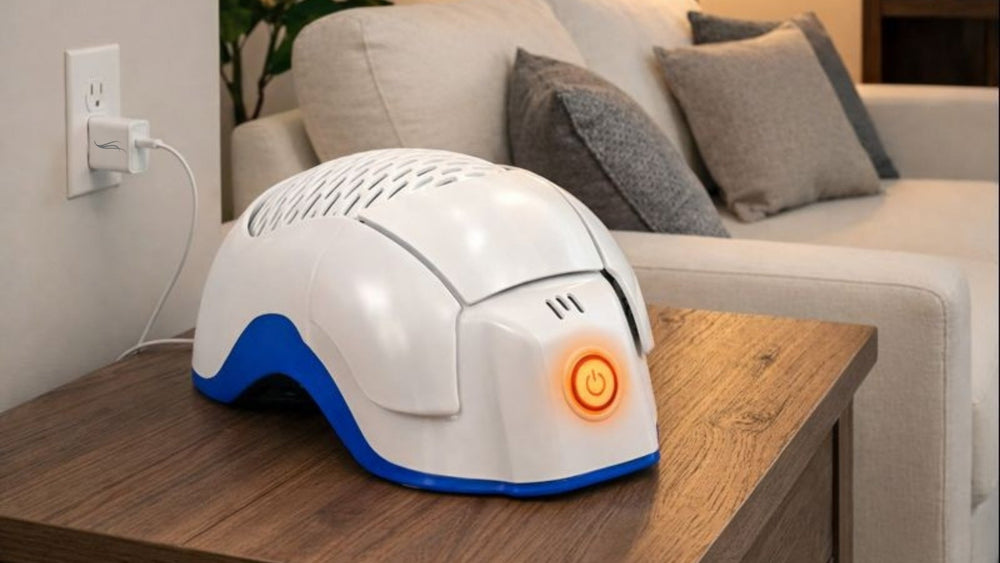
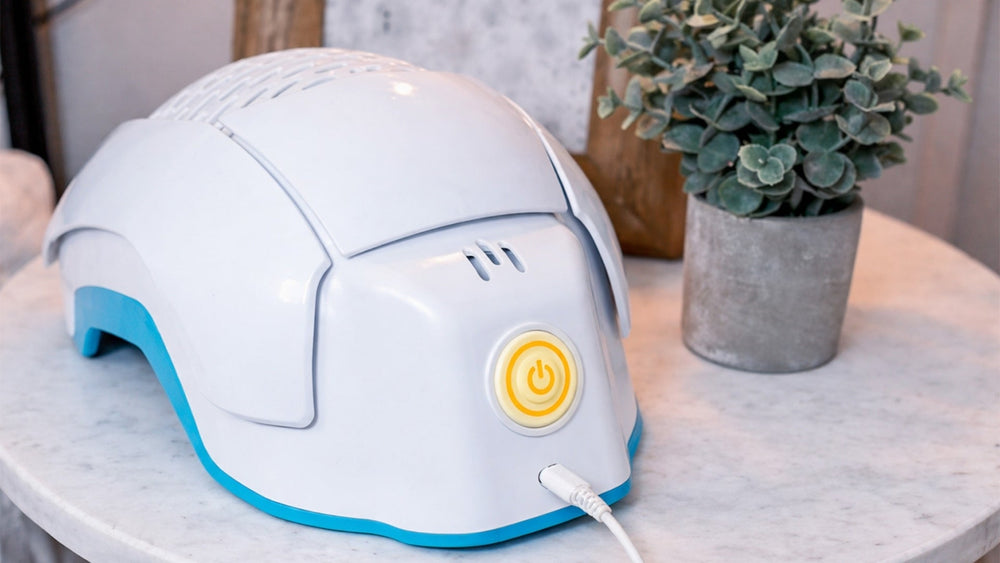
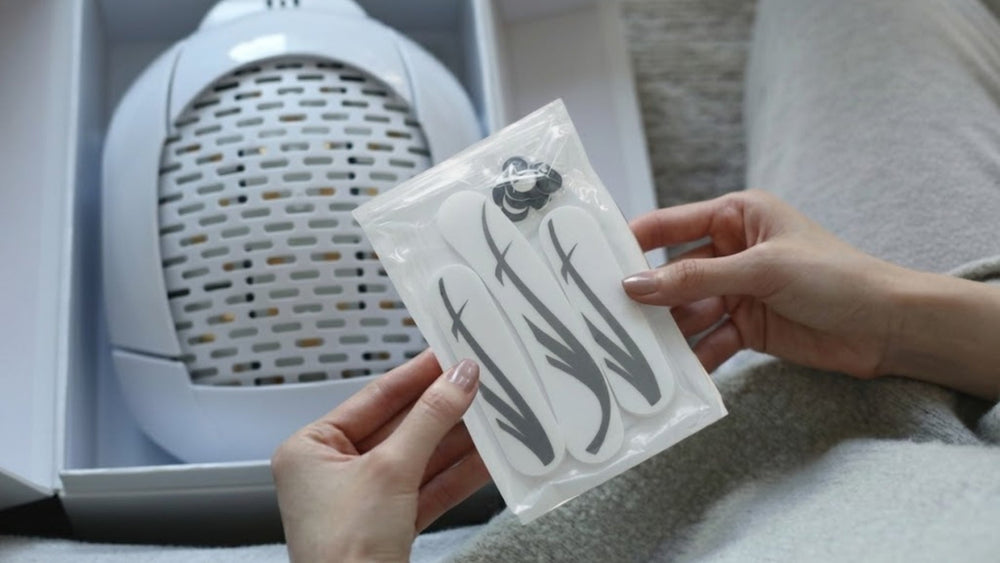
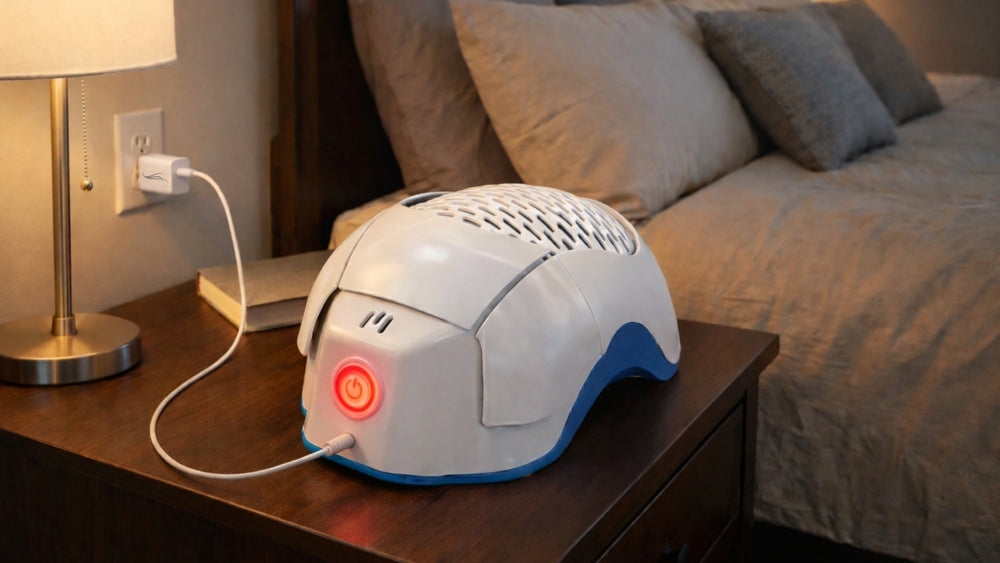
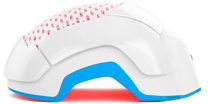
For androgenetic alopecia, laser phototherapy (LPT) is a non-drug, non-invasive option with randomized trials and meta-analyses showing improvements in hair counts and density in men and women. LPT devices for hair growth are FDA-cleared medical devices, not drugs. That clearance is documented through 510(k) summaries for multiple helmets and caps.
A few quick clarifiers, since “laser” can sound scary. In physics, radiation simply means energy traveling as electromagnetic waves, which includes visible light. LPT devices use visible low-power light. Consumer and medical low-power lasers are typically in the Class 3R range, limited to around 5 mW for visible continuous beams, which is considered low risk with normal use. Like “bright pointer” energy, not cutting beams. Follow labeled instructions and do not stare directly into emitters.
If your scalp is inflamed, treat that first. Then layer LPT for pattern hair loss support as appropriate. That sequencing matters. We circle back to this because people often reverse it in real life.
Prevention and Daily Habits That Actually Help
- Wash the scalp regularly. Frequency is personal, but medicated shampoos need contact time on the scalp to work.
- Avoid scratching. It spreads infection and worsens eczema and psoriasis. Easier said than done. Treat the itch driver.
- Sun protect the scalp, especially thinning areas. Hats. Part-line sunscreen sticks. Routine checks during self-exams.
- For dye users with reactions, get patch tested instead of guessing. Precision beats product roulette.
When You Book an Appointment, Bring This
- Timeline of symptoms and photos during flares.
- Full list of hair products and dyes, with ingredient labels if possible.
- Family history of psoriasis, autoimmune disease, or pattern hair loss.
- For children, recent sharing of combs, hats, sports gear.
Conclusion
The scalp is an active, complex landscape that can quietly reveal infections, inflammation, or even early cancers. Many problems are minor, yes, but the ones that aren’t (kerion, scarring alopecia, melanoma) can leave permanent scars on health and confidence if ignored. So, don’t dismiss that persistent itch, sore, or lump as “just dandruff.” Get eyes on it. Treat what’s treatable. Protect what you can protect. And when pattern hair loss is part of the picture, evidence-backed tools like Laser Phototherapy (LPT) can support follicles once the scalp itself is healthy. In short, listen to your scalp. It is often the first one to whisper when something is wrong.