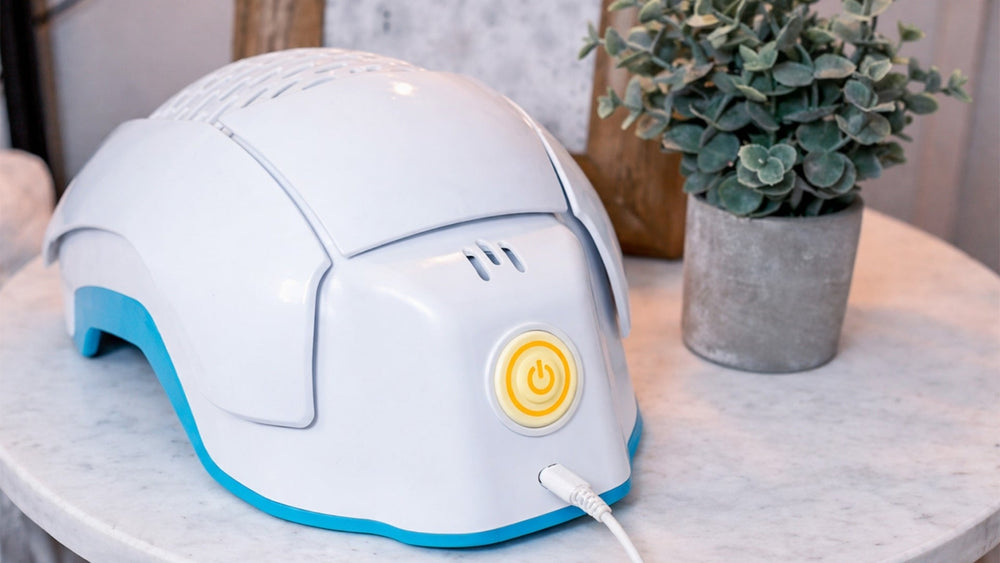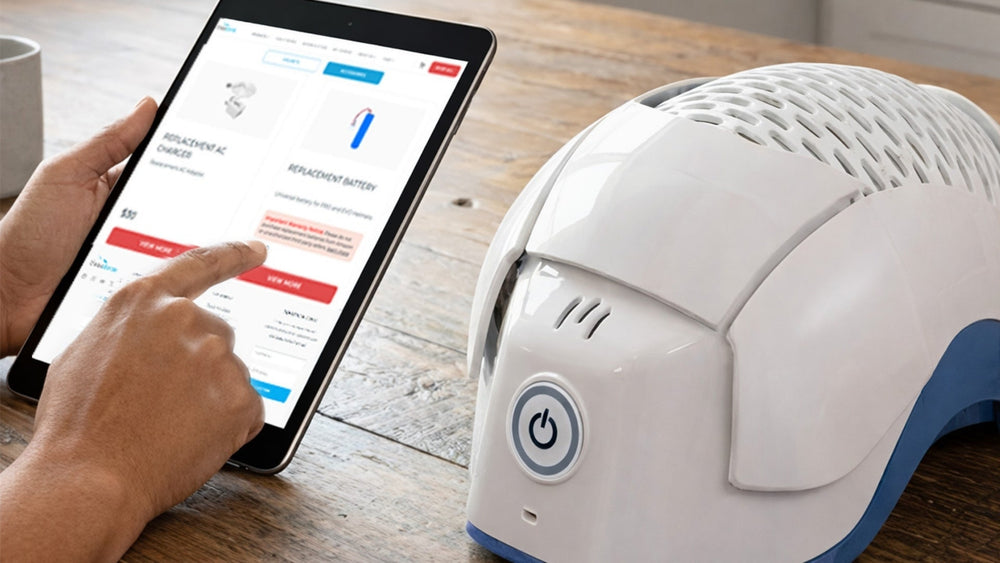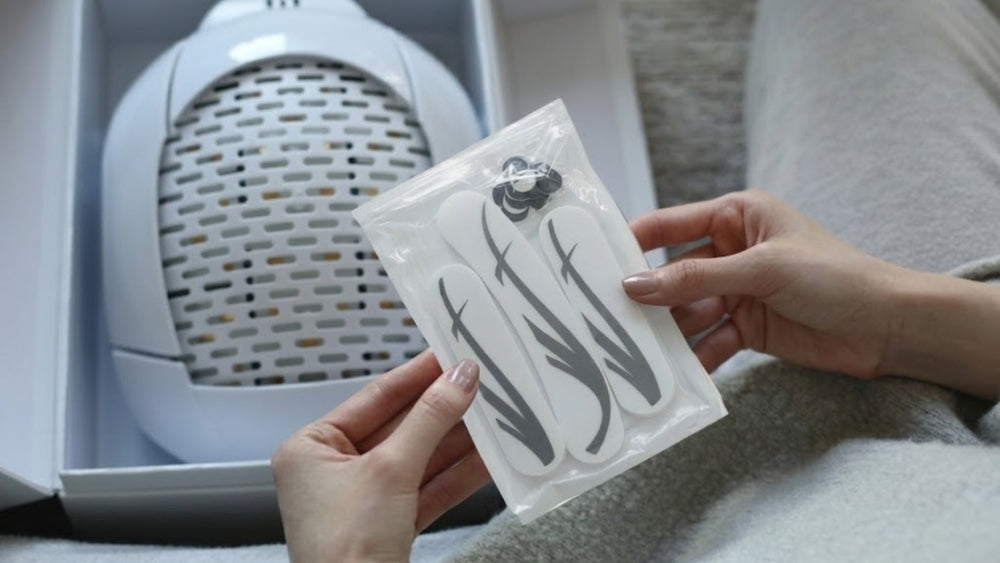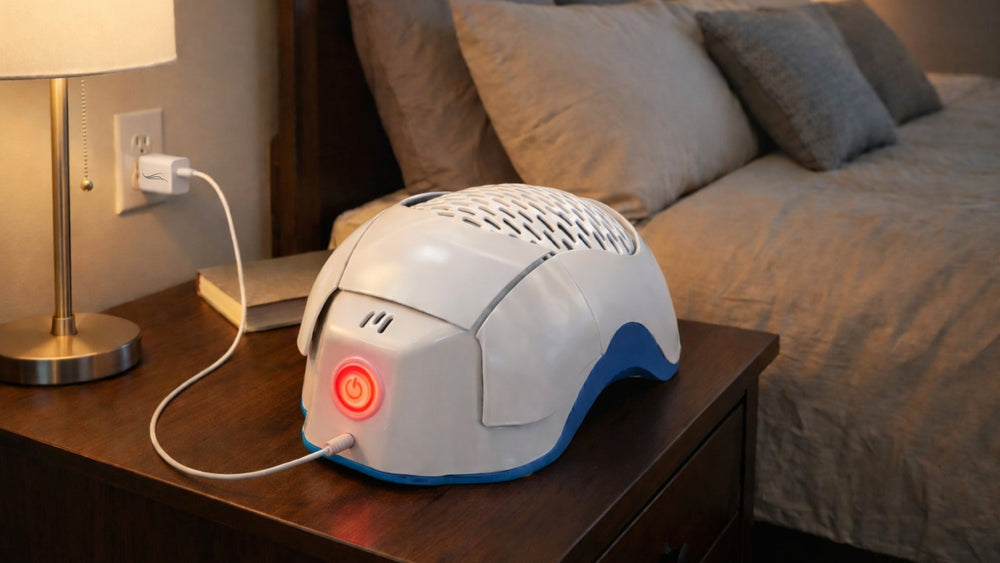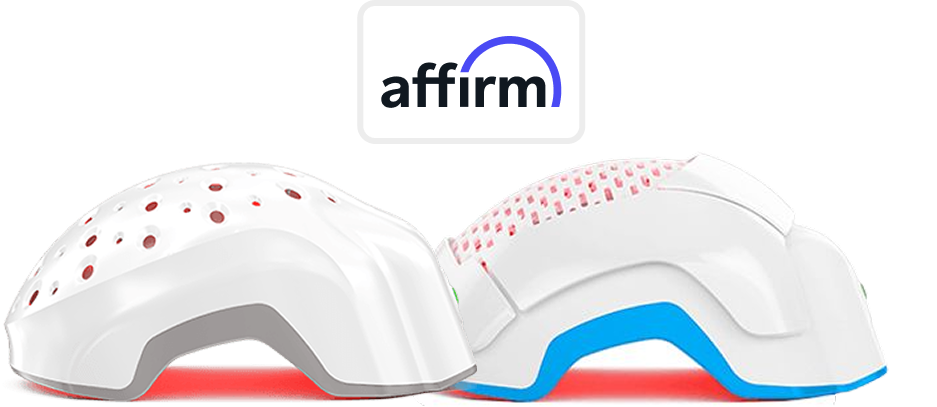






Theradome's hair loss quiz is a free, two-minute online assessment that checks whether Laser Phototherapy (LPT) fits a person's hair loss stage, goals, and routine. People who qualify get a personalized report and a matched Theradome helmet. For clinics, salons, and trichologists, it works as a consultation tool: it gathers the client's history before they sit down, gives both of you the same starting point, and flags who should see a doctor first. It helps you close the right deals, and only those.
Here for your own hair, not a client's?
The quiz is free and takes about two minutes. Take Theradome's hair quiz here. Everything below still applies to you. You're just reading it from the other chair, and you'll see why a quiz that sometimes says "not yet" is working in your favor.
What Is Theradome's Hair Loss Quiz?
Theradome's hair loss quiz is a free online assessment that asks about a person's hair loss stage, goals, and routine, collects a top-of-scalp photo, and tells them whether Laser Phototherapy is likely a good fit. If it is, the quiz recommends a Theradome helmet and produces a personalized report.
Theradome says the quiz was designed by scalp and hair experts. It takes about two minutes and runs in the browser. People can also save their progress by email and finish later, which anyone who has watched a client abandon a 40-field intake form halfway through will appreciate.
When a client qualifies, the results page can unlock two extras. One is eligibility for an upgraded 12-month money-back guarantee on helmets bought directly through Theradome.com (most purchases carry 6 months). The other is a complimentary one-on-one trichology session aimed at pinning down what's actually driving their hair changes.
One part deserves a second read: it is not a diagnosis. The quiz's own disclaimer says it isn't a substitute for professional medical advice, diagnosis, or treatment. For a salon owner or a non-physician trichologist, that line is protection. The quiz sorts and informs. It doesn't name a disease, and nobody using it in a consultation should either. (For the device side of things, see how Theradome works.)
Why Do Hair Loss Consultations Stall Before the Client Says Yes?

Clients rarely stall because they doubt you. They stall because hair loss hits identity, it's confusing, and it has burned them before.
The emotional weight is real, and researchers have measured it. A 2021 systematic review and meta-analysis in JAMA Dermatology, pooling 41 studies and nearly 8,000 patients, found that androgenetic alopecia took a heavier toll on quality of life than other common skin conditions, measured on the standard Dermatology Life Quality Index. (It didn't find a clear link to clinical depression, which is worth knowing too.) The International Society of Hair Restoration Surgery describes women with hair loss reporting lost self-esteem, anxiety, going out less, and, maybe hardest of all, the added sting of other people not taking it seriously.
Men feel it too, though the research reads more mixed. A 2023 systematic review and meta-analysis on men found the impact was mostly moderate, and it warned clinicians not to overstate distress. Fair point. Not every guy with a receding hairline is falling apart. Plenty of them are just quietly checking the bathroom mirror under three different lights.
Then there's the confusion. The American Academy of Dermatology separates hair shedding, which often follows a trigger and settles on its own, from hair loss, where something stops the hair from growing. Some people have both. Normal shedding runs 50 to 100 hairs a day. Most clients can't tell which camp they're in, so every product they buy feels like a coin toss.
On your side of the chair, every consultation starts from zero. You spend the first chunk collecting history, the middle explaining shedding versus thinning, and the end watching someone reach for their bag. "I'll think about it" is where good treatment plans go to take a very long nap.
Structured intake doesn't fix all of that. It does shrink the unknowns before anyone says a price out loud.
What Does the Quiz Check, and Why Does Each Answer Matter?
Theradome's hair loss quiz looks at a person's hair loss stage, goals, and routine, and pairs those answers with a standardized scalp photo. Knowing why each piece matters clinically is what lets you use the results, instead of just reading them out loud.
Below is the ground any good hair loss intake covers, and what each answer tells you.
Pattern, Onset, and Family History
Where the hair is going is one of the loudest clues. In men, pattern hair loss usually shows up at the temples and crown. In women, the frontal hairline tends to hold while the part widens and the top thins, according to StatPearls. Round, smooth patches point somewhere else entirely.
Timing matters just as much. The AAD lists how long hair loss has lasted, and whether it came on quickly, among the first things a dermatologist asks. Slow change over years fits pattern hair loss. A sudden wave of shedding a few months after a rough patch fits telogen effluvium.
Then there's family. Pattern hair loss is genetically predetermined and runs in families, so a client whose dad, mom, or older siblings thinned early is giving you a real clue, not small talk.
Triggers, Shedding, and Scalp Symptoms
Recent life events explain a lot. The AAD links heavy shedding to losing 20 pounds or more, giving birth, serious stress, high fever, surgery, recovering from illness, and stopping birth control pills. After childbirth, shedding often starts around two months, peaks around four, and fullness usually returns within six to nine months. That client needs patience and reassurance, not a helmet next week.
Scalp symptoms change the conversation completely. Burning, itching, tenderness, redness, crusting, or pustules alongside patchy loss can signal scarring alopecia, per Cleveland Clinic. Scarring alopecia destroys follicles for good. That's a referral, today, not a sale.
Current Treatments, Routine, and Skin Type
What a client already uses (minoxidil, prescription medicine, PRP, another device) shapes both the plan and your expectations. Routine matters because results depend on consistency, and the two Theradome helmets ask for different weekly commitments. Skin type matters because Theradome's FDA clearance covers Fitzpatrick skin types I to IV. If a client falls outside that range, say so plainly.
|
What the client reports |
What it often suggests |
Your next move |
|
Gradual thinning at the temples and crown (men) or a widening part (women), with family history |
Pattern hair loss (androgenetic alopecia) |
Confirm with your exam. LPT is worth discussing. |
|
Sudden, all-over shedding two to four months after a trigger |
Telogen effluvium |
Find the trigger, reassure, and reassess in a few months. |
|
Thinning along the hairline or wherever styles pull |
Possible traction alopecia |
Remove the tension first. LPT isn't the fix for traction. |
|
Burning, pustules, shiny patches, or sudden round bald spots |
Possible scarring alopecia or alopecia areata |
Refer to a dermatologist before anything else. |
These reflect general clinical patterns, not the quiz's internal scoring.
Which Quiz Features Actually Help in a Consultation?
The useful ones save you time, keep everyone honest, and give the client something they can check for themselves. Six stand out.
- Built with expert input. Theradome says the assessment was designed by scalp and hair experts. You don't need it to claim lab-grade precision. Its value is structure: the same sensible questions, asked the same way, every single time.
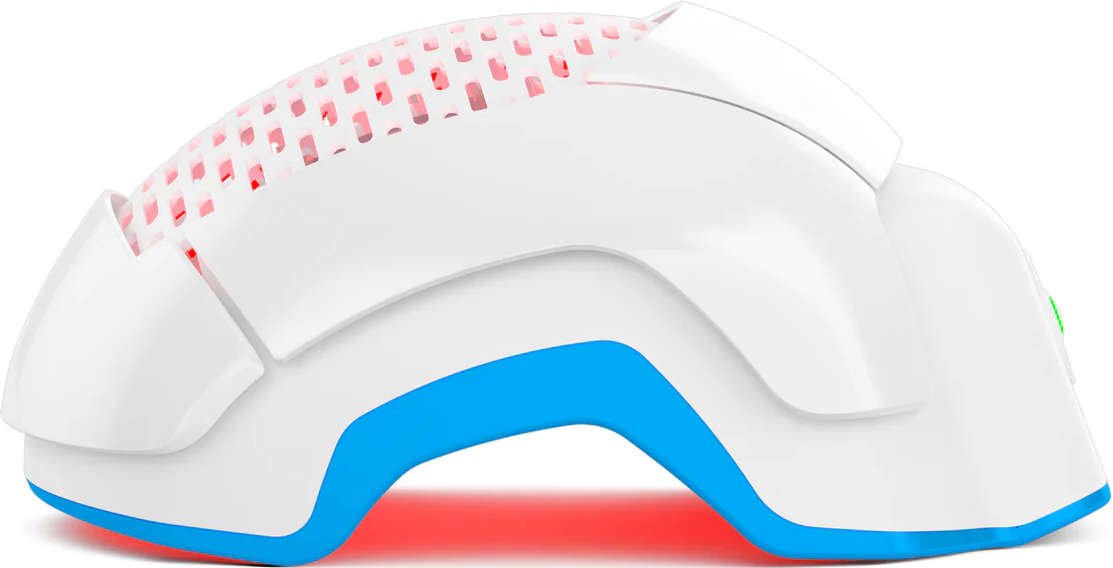
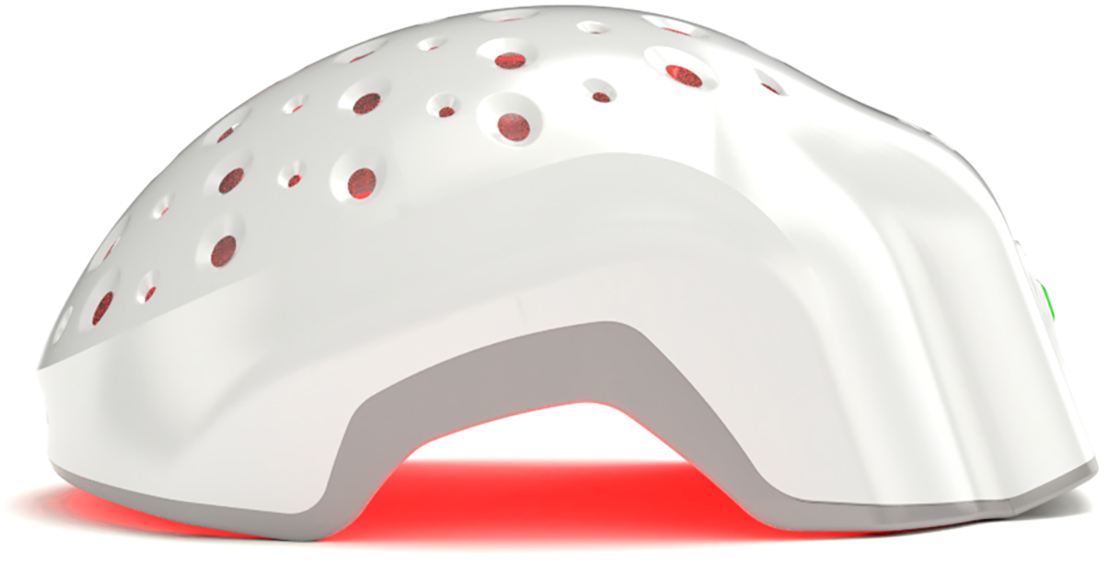
- An instant, matched result. Qualifying clients get a helmet recommendation on the spot. The PRO LH80 is cleared for 20-minute sessions twice a week, the EVO LH40 for four times a week. FDA's summary notes the EVO delivers less per session but the same weekly total, so the match comes down to what a client will realistically keep up. (Compare the helmets.)
- Standardized photo capture. The quiz asks for natural light, no flash, a neutral background, a middle part, the lens at 45 degrees, and roughly 18 inches of distance. That lines up with the AAD's own advice on taking photos for a dermatologist. Your client shows up with a usable baseline instead of a blurry bathroom selfie.
- Built-in screen-outs. Theradome doesn't recommend its helmets for pregnant women, anyone with current or past scalp cancer, women within two to three months of giving birth, or people with advanced hair loss. Its FAQ adds breastfeeding to that list. A tool willing to tell some people "not you" is doing you a favor.
- Perks that lower the client's risk. For helmets bought directly through Theradome.com or its phone line, the standard money-back guarantee runs 6 months, and taking the quiz makes the buyer eligible for an upgrade to 12. The guarantee has four steps: clear "before" photos, matching "after" photos at days 60, 120, and 180, at least 100 treatments on the EVO (four a week) or 52 on the PRO (two a week), and a talk with Theradome's in-house trichologist if results don't show. Refunds come back minus a 25% service fee, return shipping, and any financing interest. Only returns from U.S. addresses qualify, accessories are final sale, and the 12-month offer can't be combined with other discounts or promo codes. Bought from Costco, Amazon, or a reseller such as your clinic? Then that seller's own refund policy applies. Walk clients through all of it up front, and point them to the current policy as the final word, since terms can change. Trust dies fast when the fine print shows up later.
- A clear disclaimer. It keeps the tool on the right side of the line between fit-checking and diagnosing. That protects the client, and it protects you.
How Can Providers Fit Theradome's Hair Loss Quiz Into Their Consultation Workflow?
Use it at three points: before the appointment as intake, during it as a shared reference, and after it as a baseline for tracking progress. Each one saves you time, and each one gives the client a reason to trust what you say next.
Before the Appointment: Send the Link
Send the quiz with the booking confirmation, and tell the client why. Something like "so we spend your appointment on you, not paperwork" works better than "please complete the attached assessment." People fill in forms for humans far more willingly than for systems.
Mention that they can save their progress by email and finish later. Then give them the photo checklist below, because a good photo is half the value. The client walks in having already thought about their pattern, their timing, and their goals, and you walk in already knowing the basics. The first ten minutes stop being an interrogation and start being a conversation.
Copy-and-paste message for clients:
Hi [Name], looking forward to seeing you on [day]. Before then, could you take this two-minute hair quiz? It helps us spend your appointment on you, not on paperwork: https://theradome.com/pages/quiz. Tip: take the scalp photo near a window, no flash.
The 30-second photo checklist:
- Stand near a window in natural daylight. No flash.
- Use a plain, neutral background.
- Part your hair down the middle so the top of your scalp shows.
- Hold the camera at about a 45-degree angle, roughly 18 inches away.
- Clean, dry hair only: no fibers, concealer, or dry shampoo. They can hide or mimic what a trained eye is looking for.
- Check that the photo is sharp before you upload it (under 10 MB).
During a Live or Virtual Consultation
Open the report together, on a tablet in the chair or on a shared screen for virtual visits. Walk through what the client said and what the result suggests. Let them read it with you. It's much easier to believe a recommendation you can see forming than one that appears out of your mouth fully formed.
Then do what no quiz can. Look at the scalp under magnification, do a gentle pull test, check the nails, and ask the follow-up questions. The AAD describes exactly this hands-on process, with blood work or a biopsy when a disease, deficiency, hormone problem, or infection is suspected. Our guides to the hair pull test and ways to diagnose hair loss go deeper.
Set expectations honestly while you're at it. Theradome says most users see less shedding within about a month and new growth around four months, with longer timelines for advanced loss. Published trials measure results at 16 to 26 weeks. And pattern hair loss is a long-term condition. Even the AAD notes that finasteride usually takes about four months to show improvement. A client told "give it six months" upfront stays. A client promised miracles in three weeks leaves angry.
After the Consultation: Follow-Up and Progress Tracking
The quiz report becomes the client's starting line. From there, monthly photos in the same light, from the same angle, with the same part, tell the real tale. The AAD notes that consistent photos help show whether a treatment is working.
If the client bought directly from Theradome.com, the guarantee's photo schedule at days 60, 120, and 180 doubles as a natural check-in routine. Put those dates in your calendar, not just theirs. Theradome's guide on tracking progress has more.
What Should You Say When a Client Hesitates?
Hesitation is normal. Pushing past it usually backfires. These lines tend to land because they take the pressure off:
- "Let's see what the quiz says before either of us gets excited."
- "If it turns out you're not a candidate, I'd rather know that today than after you've spent the money."
- "You don't have to decide now. The report isn't going anywhere, and neither am I."
- "Want me to walk you through the guarantee terms, so you know exactly what you'd be signing up for?"
- When the result says no: "This tells me a helmet isn't your first step. I'd like you to see a dermatologist first, and then we'll talk."
Notice what none of them do: pressure. That's the point.
Who Should Skip the Quiz and See a Doctor First?
Anyone with red-flag scalp symptoms, patchy or scarring-type loss, a history of scalp cancer, a current pregnancy, or a very recent birth should hold off on the quiz and on LPT. Some of them need a dermatologist. Others simply need a few months.
This is also a scope-of-practice point. As Theradome's own guide puts it, a trichologist focuses on hair but isn't a medical doctor. A referral isn't a lost sale. It's the reason clients come back later, and the reason they send their sister.
|
Situation |
What to do |
|
Gradual thinning, a widening part, or a receding hairline, with no scalp symptoms |
Take the quiz now. |
|
Currently pregnant |
Wait. Theradome doesn't recommend LPT during pregnancy. |
|
Gave birth in the last two to three months, or still breastfeeding |
Wait. Postpartum shedding often settles on its own within six to nine months. |
|
Recent crash diet, major illness, high fever, or surgery |
Wait a few months and watch. This is often temporary shedding. |
|
Current or past scalp cancer |
Don't use LPT. Talk to their doctor. |
|
Burning, itching, pustules, crusting, or shiny, smooth patches |
Refer to a dermatologist first. |
|
Sudden round or oval bald patches, or eyebrow and eyelash loss |
Refer first. These patterns need a medical diagnosis. |
|
Central crown thinning in a Black woman, especially with tenderness or breakage |
Refer first to rule out central centrifugal cicatricial alopecia (CCCA). |
|
Under 18 |
Not a candidate. Theradome helmets are cleared for adults 18 and over. |
The FDA clearance covers Fitzpatrick skin types I to IV. If a client's skin is darker than that range, tell them plainly rather than letting them find out later.
How Accurate Can a Two-Minute Quiz Be?
Accurate enough for one narrow job, which is checking whether LPT is a sensible fit. Not accurate enough to name every hair or scalp condition, and it doesn't try to.
That limit is well documented. When a Harvard-led team tested 23 online symptom checkers against standardized patient cases, the results published in the BMJ were humbling. The tools listed the correct diagnosis first only 34% of the time, and gave appropriate triage advice in 57% of cases. That's exactly why no quiz, Theradome's included, should ever be treated as a diagnosis.
Theradome's hair loss quiz sets itself a smaller target on purpose. It asks one question (is LPT a reasonable fit?) instead of "what disease do you have?" It pairs answers with a standardized photo. It routes clients to a trichology session. And in your practice, it has you sitting right there. That layering is where its real usefulness comes from.
Some calls still need hands-on tools. Telling early traction alopecia from pattern thinning, or telogen effluvium from the first stage of alopecia areata, often takes magnification, a pull test, or a lab result. The quiz narrows the field. You finish the job.
Isn't a Brand's Quiz Just a Sales Funnel?
It does lead to a product. It also turns people away, and a pure funnel doesn't do that.
Let's be straight about it, because your clients are already thinking it. Theradome makes helmets, and the quiz can end with a helmet recommendation. But look at what else it does. It screens out pregnancy, recent childbirth, scalp cancer history, and advanced loss. It prints a disclaimer saying it isn't a diagnosis. And its main perk, the longer guarantee, gives buyers more room to walk away, not less.
That's the whole idea behind "close the right deal." A quiz that says yes to everyone is worthless to a professional. One that says "not you, not yet" to some people is the reason the rest believe it when it says yes. Clients can smell a pitch from across the salon. What they rarely get is someone willing to tell them no.
What Happens to Client Data?
Theradome says quiz responses are kept confidential and are never shared or sold, and that uploaded photos are used internally only to evaluate hair loss. Its privacy policy also mentions ad retargeting to past site visitors, and no one under 13 may submit information. Worth knowing too: HIPAA generally covers healthcare providers and insurers, not most consumer websites. None of that is alarming. It's just the sort of thing a good professional tells a client plainly, before they ask.
Where Does Theradome Fit When LPT Is the Right Call?
For clients with androgenetic alopecia inside the cleared range, Laser Phototherapy has solid published evidence behind it, and Theradome has more than a decade of FDA clearances behind its helmets. That's a recommendation you can make with a straight face.
What LPT is thought to do. Low-power laser light is applied to the scalp. A review from Harvard and Massachusetts General Hospital researchers suggests the main mechanism is stimulating stem cells in the hair follicle and shifting follicles into the growth phase.
What the evidence shows. A 2017 meta-analysis in the Journal of the American Academy of Dermatology concluded that minoxidil, finasteride, and low-level laser therapy are effective for men with androgenetic alopecia. A 2019 meta-analysis of 11 double-blind randomized trials found laser therapy significantly increased hair density compared with sham devices, in both men and women, with both comb and helmet designs.
Theradome's own trial. In a 26-week, randomized, double-blind, sham-controlled study across four U.S. centers (NCT02528552), 49 men with pattern hair loss used the helmet twice a week. Total hair count rose by an average of 10.4 hairs in the Theradome group, while the sham group lost an average of 14.0, with no adverse effects reported. Full disclosure: the study was IRB-approved and submitted to the FDA but hasn't been published in a peer-reviewed journal yet. The trial page lays out the details.
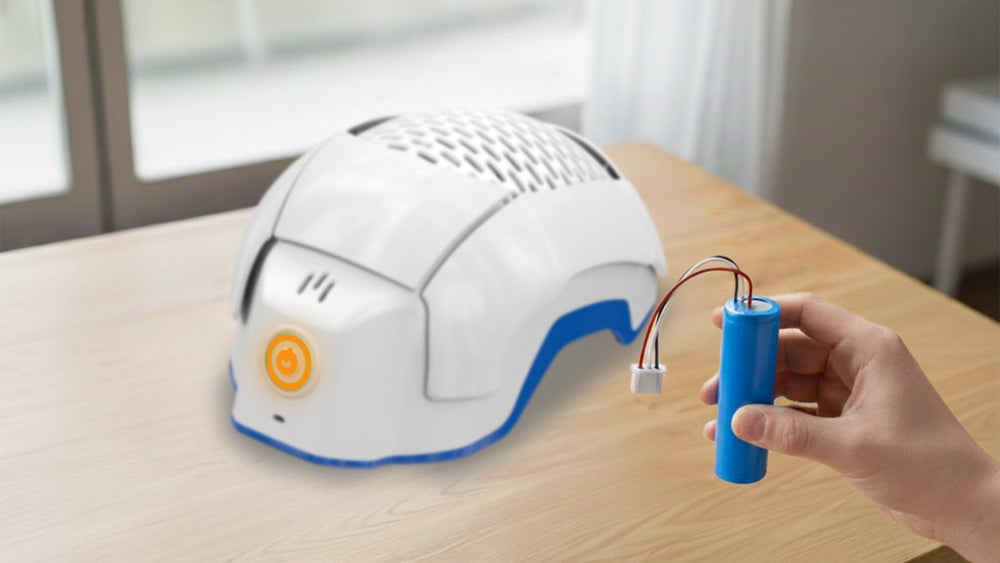
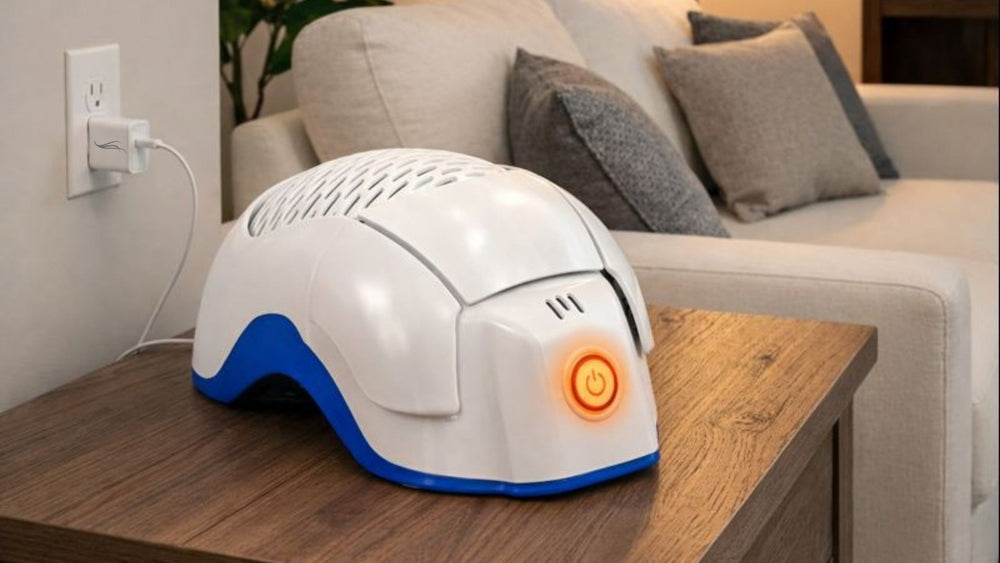
The regulatory record. The FDA first cleared the Theradome LH80 PRO in March 2012. Its current over-the-counter clearance covers androgenetic alopecia in men with Norwood-Hamilton IIa to V patterns and women with Ludwig-Savin I-1 to I-4, II-1, and II-2, all with Fitzpatrick skin types I to IV. It's cordless, hands-free, and covers the whole scalp.
The man behind it. Theradome was invented by Tamim Hamid, Ph.D., a former NASA scientist who spent decades in laser and biomedical engineering. In his book Grow It Back, he's candid that his own hair loss is what started it all, as Kirkus Reviews notes. The book also opens with a plain reminder that it's an educational resource, not a substitute for medical advice. Same spirit as the quiz.
So when the quiz says yes, your exam agrees, and the client's pattern sits inside the cleared range, recommend Theradome because it fits. Browse real before and afters, read our guide on early vs. advanced hair loss, or compare the PRO and EVO.
Which Myths About Hair Loss Quizzes Need to Go?
"A quiz can diagnose me."
No quiz can, and this one says so itself. It checks fit. Diagnosis takes an exam, and sometimes lab work or a biopsy.
"If I qualify, it's guaranteed to work."
Qualifying means your answers match the profile LPT is cleared and tested for. Results still depend on your stage, your consistency, and your biology. That's precisely why the longer guarantee exists.
"Quizzes are only there to sell things."
This one sells, sure. It also screens people out and sends some of them to doctors. A pure sales tool wouldn't bother.
"Using a quiz makes a professional look less expert."
The opposite, usually. It takes the clipboard work off your plate so your time goes to the part only you can do: looking, testing, and judging.
"I'll have to decide on the spot."
The quiz has an "I'll decide later" option. Good professionals have one too.
Conclusion
Theradome's hair loss quiz won't do your job for you, and it shouldn't. What it does is bring real information into the room before trust has to carry the whole conversation.
Used well, it means fewer guesses, honest screen-outs, clearer expectations, and recommendations a client can check for themselves. When the pattern points to androgenetic alopecia inside the cleared range, Laser Phototherapy with Theradome is a recommendation you can stand behind, with published evidence and FDA clearances to back you.
One thing to do this week: add the quiz link to your booking confirmation. Then notice how different your next consultation feels when it starts with answers instead of 41 screenshots. Close the right deals. The rest tend to follow.