





Exfoliating your scalp can help scalp health, especially when flakes, scale, excess oil, or product residue are part of the problem. What it does not have strong evidence to do, on its own, is regrow hair or reverse conditions like androgenetic alopecia.
Why people think scalp exfoliation causes hair growth
This idea is easy to understand, honestly. If the scalp feels coated, itchy, flaky, or just a bit grimy, it is tempting to assume hair is being “blocked” and that one good scrub will somehow set the whole thing right. Clean the scalp... free the follicles... thicker hair next month. Neat little theory.
Real life is a bit less tidy.
Hair grows from living follicles below the skin surface, not from the loose dead skin sitting on top. So exfoliation can absolutely improve the condition of the scalp surface, but that is not the same thing as directly switching hair growth back on. Current evidence based guidance for androgenetic alopecia focuses on therapies such as light based treatment, not scalp scrubs.
One more thing. Scalp care has borrowed a lot from facial skincare lately, which is not all bad. The scalp is skin. But it is also a high follicle, high sebum area with its own quirks, and it behaves differently from a cheek or forehead. That matters more than people think.
What scalp exfoliation actually does
At its most basic, exfoliation means removing dead cells from the outermost layer of skin. On the scalp, that often means loosening scale, flakes, oxidized oil, and product residue that can cling to the surface or collect around follicular openings.
That sounds modest because... well, it is modest.

But modest is not useless. In people with dandruff or seborrheic dermatitis, reducing scale and buildup can improve comfort, appearance, and treatment response. The American Academy of Dermatology lists salicylic acid among the recognized shampoo ingredients used for dandruff care, and also notes that salicylic acid can soften stubborn scale in scalp psoriasis.
A cleaner scalp can also mean less itch, less visible flaking, and fewer moments where you are standing under bathroom lighting doing that very specific “is my scalp angry or am I just tired?” inspection. We have all seen versions of that spiral.
Still, the key distinction stays the same. Exfoliation manages surface condition. It is not the same as treating follicular miniaturization.
Where hair actually comes from
Hair comes from the hair follicle, a mini organ that cycles through phases of growth, regression, rest, and shedding. The growth phase is called anagen. Then comes catagen, a brief transition. Then telogen, the resting phase. Some references also discuss exogen, the shedding phase.
Why that matters for this topic
If you are worried about thinning, widening part lines, shorter finer strands, or a hairline quietly changing its mind about staying where it used to be, the real question is usually not “Do I have dead skin on my scalp?” It is “What is happening to my follicles?”
In androgenetic alopecia, follicles gradually miniaturize. They spend less time in anagen, produce finer hairs, and eventually become less productive. Exfoliation does not correct that underlying biology. Evidence based treatment guidelines for androgenetic alopecia reflect this pretty clearly.
That is why scalp exfoliation can be helpful and still not be the main event.
So... does exfoliating the scalp help hair grow?
The most accurate answer is a little indirectly, sometimes, but not in the way people usually mean.
If buildup, dandruff, seborrheic dermatitis, or thick scale are irritating the scalp, then improving that scalp condition may reduce some shedding and make the environment more favorable for healthy hair retention. There is an older randomized study on antidandruff shampoos showing decreased hair shedding and a higher anagen percentage, while overall hair density stayed unchanged. That is interesting... and useful... but it is not the same as proving that exfoliating the scalp regrows hair.
So yes, scalp condition matters. Reviews have linked unhealthy scalp states, including inflammation and oxidative stress, with poorer hair quality and retention. But the jump from that idea to “scrub your scalp for more growth” is bigger than the data really supports.
In plain language, exfoliation may help remove things that are getting in the way of a comfortable, healthy scalp. It does not have strong evidence as a stand alone hair growth treatment for pattern loss.
What scalp exfoliation can help with
Dandruff and visible flaking
Dandruff shampoos commonly use ingredients such as salicylic acid, ketoconazole, selenium sulfide, zinc pyrithione, sulfur, and coal tar. Those ingredients are not all “exfoliants” in the same way, but together they show that dandruff care is often about reducing scale, yeast related irritation, and inflammation on the scalp surface.
Seborrheic dermatitis
Seborrheic dermatitis often shows up with greasy flakes, itch, and recurrent irritation. Managing scale and using properly chosen medicated shampoos can reduce flare ups. Again, that is scalp care... not a direct regrowth mechanism.
Thick adherent scalp scale
In scalp psoriasis, salicylic acid is used as a keratolytic to soften and remove thick, stubborn scale. That can make other topical treatments work better because they can actually reach the skin more effectively.
Product residue and excess oil
This one is less glamorous, though a little more common. Styling products, dry shampoos, oils, and infrequent cleansing can leave residue behind. That does not automatically equal hair loss, but it can make the scalp feel congested, itchy, or dirty. Gentle exfoliation or simply better cleansing may help. A controlled wash frequency study found that more frequent cleansing improved scalp and hair condition measures without objective evidence of hair damage in that study population.
What scalp exfoliation cannot fix
Exfoliation cannot reverse androgenetic alopecia. It cannot change your genetic sensitivity to androgens. It cannot reliably reactivate follicles that have miniaturized over time. And it should not be framed as a substitute for therapies that actually target follicular biology.
It also does not “detox” the scalp in any serious medical sense. That word gets thrown around far too casually. Most chronic thinning has more to do with hair cycle regulation, inflammation, hormonal signaling, stress related shedding, or a diagnosable scalp disorder than with needing a more heroic scrub.
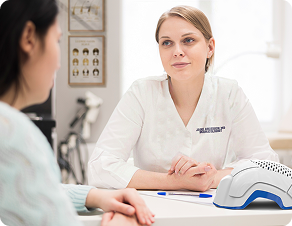
So if you are dealing with a widening part, frontal thinning, miniaturized strands, sudden diffuse shedding, or bald patches, the better question is not “Which scrub?” It is “What is the cause?” A dermatologist is the person trained to sort that out.
Types of scalp exfoliation
Physical exfoliation
Physical exfoliation uses friction. Think scalp scrubs, soft silicone brushes, textured applicators, or manual massage during shampooing. These can loosen visible flakes and residue quickly, which is why they often feel satisfying right away.
The caution is simple. Be gentle. The AAD advises gentle motions when exfoliating skin and warns against exfoliating over cuts, wounds, or irritated skin. That advice is even more important on a scalp that is already inflamed, tender, or scratchy.
Chemical exfoliation
Chemical exfoliation uses ingredients that loosen or dissolve the “glue” helping dead cells cling together. On the scalp, the most relevant ingredient in this conversation is salicylic acid, a keratolytic commonly used in dandruff and psoriasis related care.
You may also see glycolic acid or other alpha hydroxy acids in scalp products. They can remove surface debris, but the evidence base in scalp disease is not as established as it is for salicylic acid in scaling conditions. So if the concern is thick scale, dandruff, or seborrheic dermatitis, salicylic acid is the more defensible ingredient to mention first.
Risks of over exfoliating your scalp
A lot of scalp advice online quietly assumes that if a little is good, more must be better. The scalp disagrees.
Too much exfoliation can irritate skin, weaken barrier function, increase tenderness, worsen dryness, and leave the scalp more reactive. General AAD guidance on exfoliation stresses being gentle and avoiding overuse because exfoliation can dry or damage skin when pushed too far.
And in scalp psoriasis, rubbing, scrubbing, and scratching can worsen the condition. The AAD specifically warns against that. It also notes that scratching an itchy scalp can loosen hair or contribute to hair loss in certain scalp conditions.
So if your scalp feels raw, burns after washing, sheds more after aggressive scrubbing, or suddenly becomes tender... that is not “purging.” That is your cue to stop.
How often should you exfoliate the scalp?
There is no universal schedule supported by strong scalp growth data, which is mildly annoying, yes, but also normal for real medicine.
Oily scalp
If you have an oily scalp, frequent visible buildup, or recurring flaking, a gentle exfoliating product or medicated shampoo may be useful about once weekly, sometimes more often if a dermatologist recommends it and the formulation is designed for that use. Dandruff shampoos, for example, often need regular repeated use.
Dry or sensitive scalp
If your scalp is dry, easily irritated, or reactive, less is usually more. Spacing treatments farther apart and avoiding harsh physical scrubs makes sense. If the scalp stings easily, that is often a sign to simplify, not intensify.
Signs you are overdoing it
Redness. Tenderness. Burning. More itch. More flaking right after treatment. Increased shedding from irritation or scratching. Those are not medals. Those are warnings.
When exfoliation should be avoided or handled carefully
If you have open cuts, broken skin, obvious infection, a very inflamed scalp, or a condition that has not actually been diagnosed, DIY exfoliation is not the smartest place to start. The AAD advises against exfoliating damaged skin, and scalp disorders can mimic each other in ways that are easy to misread at home.
Allergic contact dermatitis of the scalp is a good example. A 2024 review notes it is often mistaken for seborrheic dermatitis and can show up with hair thinning, hair loss, and red lesions. Someone can look at that and assume they need to scrub harder, when really they need diagnosis and allergen avoidance. Wrong move, wrong week.
Same with scalp psoriasis. If the scalp is heavily scaled and inflamed, treatment should be careful, condition specific, and often dermatologist guided. Forceful removal of scale can backfire.
If exfoliation does not stimulate hair, what does?
Now we get to the part people are usually after.
If the real issue is pattern hair loss, you need treatments that target follicular biology, not just scalp surface debris.
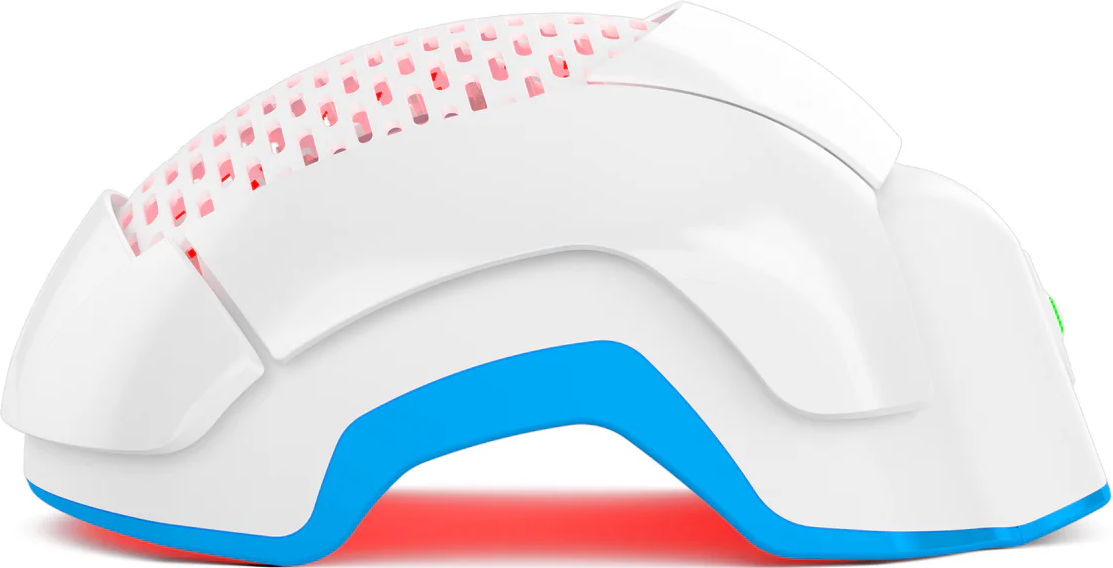
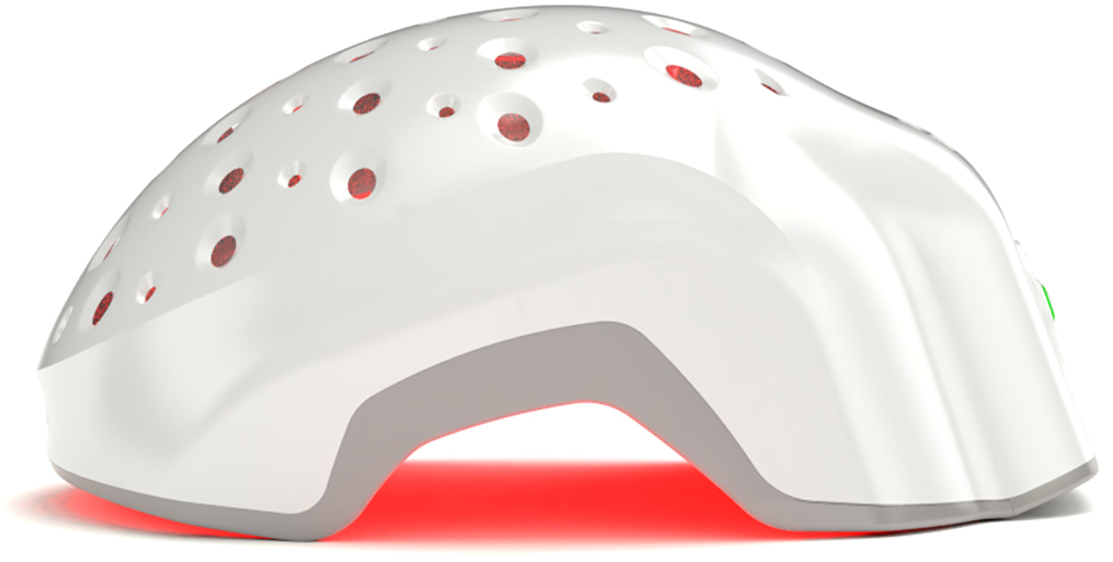
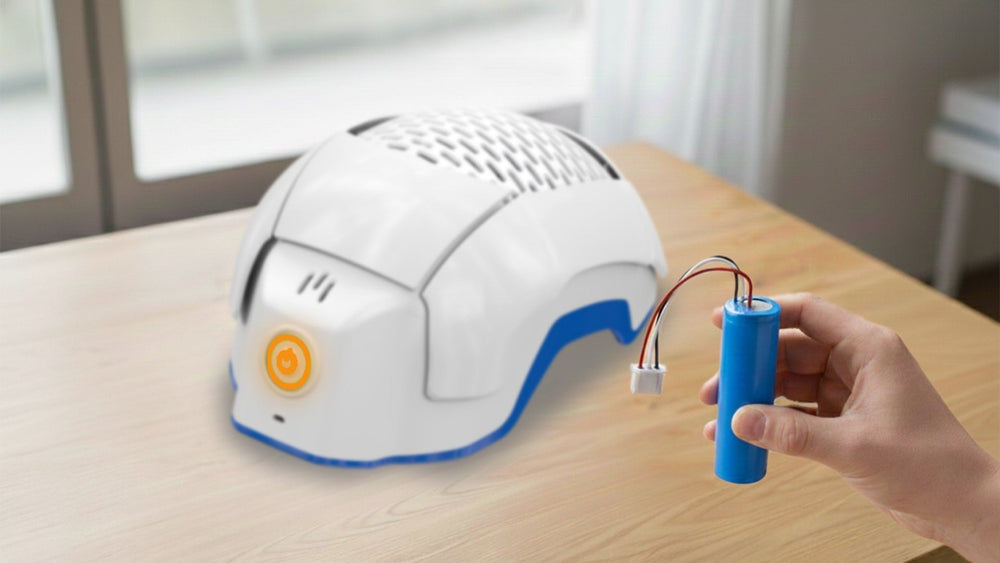
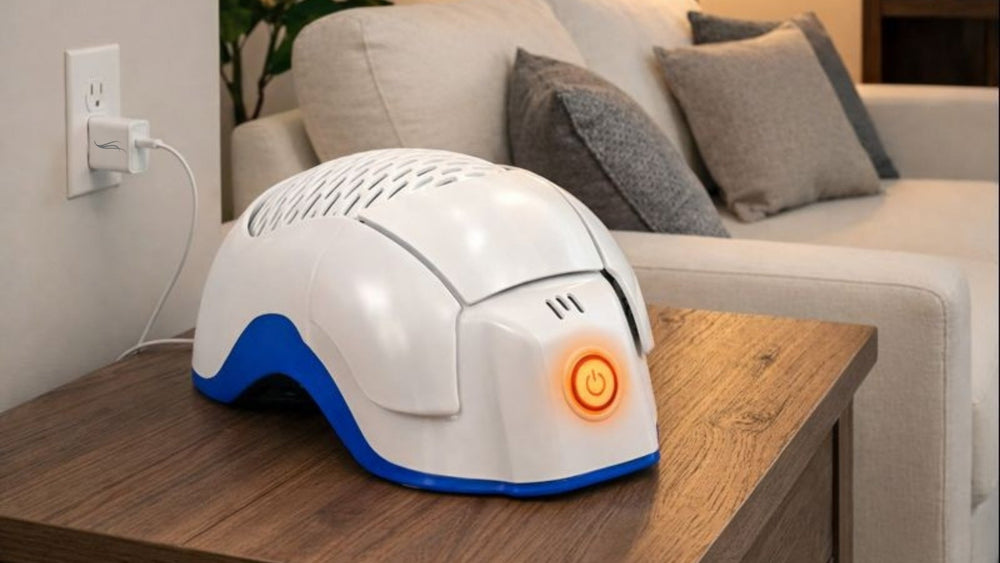
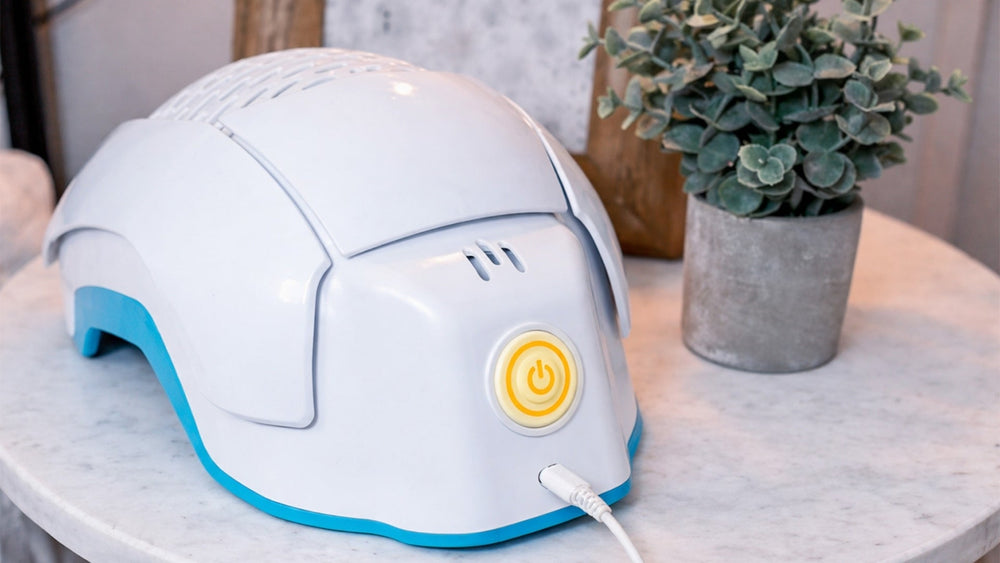
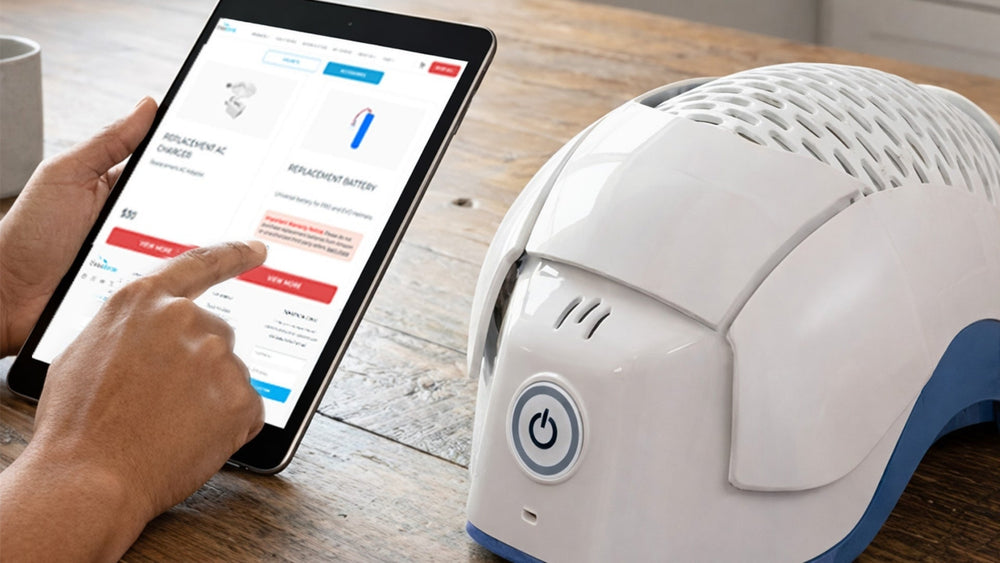
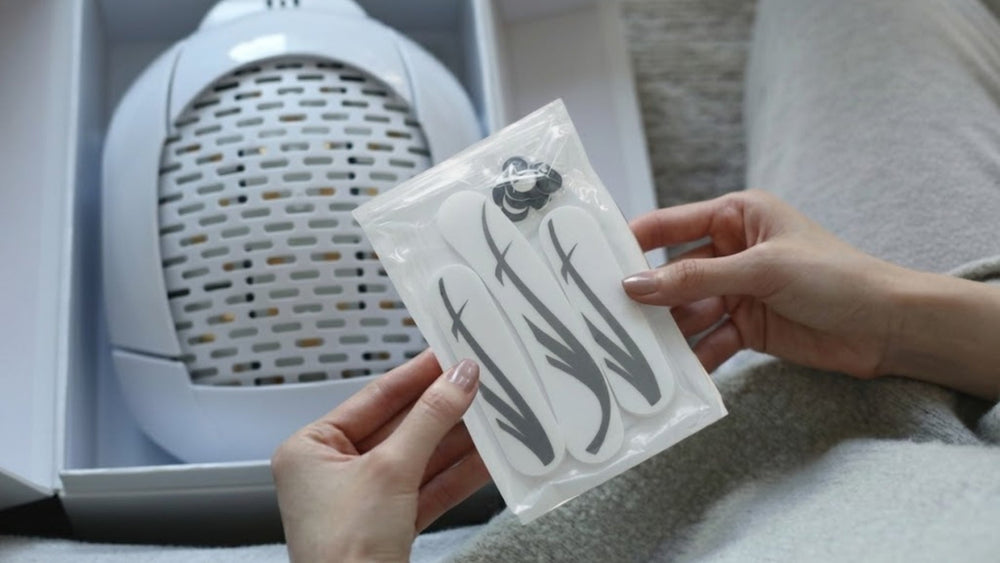
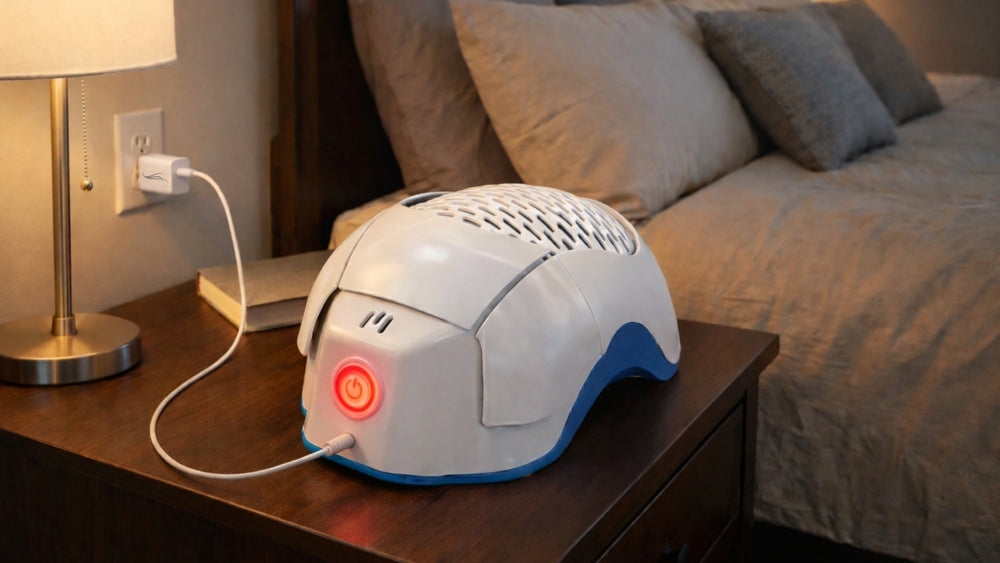
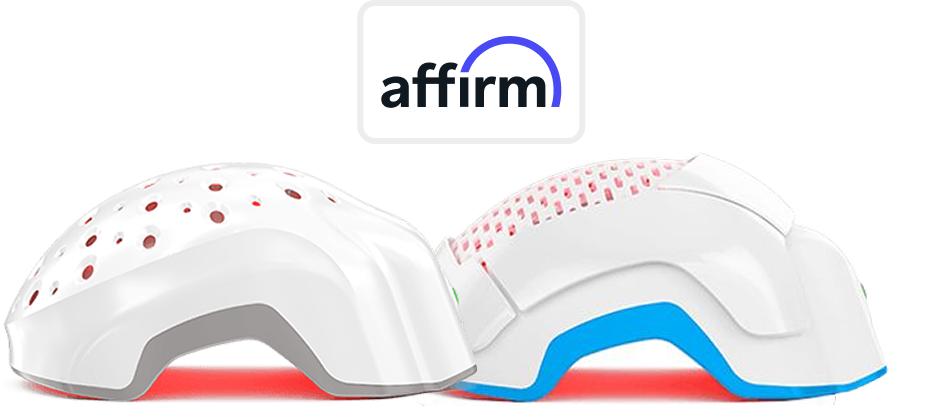
Laser Phototherapy is often discussed in the literature under low level light or laser therapy. Systematic reviews and meta analyses of FDA cleared home use devices have found improvement in hair density compared with sham devices in pattern hair loss.
That difference matters. Exfoliation helps the scalp surface. Laser Phototherapy is aimed at follicles.
Different job entirely.
Why light therapy works differently from scalp exfoliation
Light based hair therapy is typically discussed in terms of photobiomodulation, meaning light influences cellular behavior without the tissue heating associated with destructive lasers. Reviews describe proposed effects on follicular activity, including support for anagen re entry or prolongation and changes in cellular signaling.
For pattern hair loss, that makes more biological sense than assuming surface exfoliation alone will restore growth. One works at the level of follicular cells and hair cycling. The other mainly improves the condition of the scalp surface. Both can belong in a routine... just not as equals.
For readers trying to build a sane routine, this is probably the cleanest way to think about it:
- Exfoliation is scalp maintenance
- Laser Phototherapy is a follicle directed modality with controlled trial support in pattern loss
That older “clean the scalp and the hair will come flooding back” idea starts to look a little flimsy once you put the biology side by side.
Does exfoliating the scalp improve treatment results?
Sometimes, yes, in a supporting role.
If thick scale, dandruff, or surface residue are sitting on the scalp, clearing that away may help topical treatments contact the skin more effectively. Salicylic acid is used this way in scalp psoriasis, where loosening scale can improve penetration of other topicals.
There is also a practical point here. A cleaner scalp may make it easier to use treatments consistently. Less scale. Less residue. Less “why does my scalp feel like a neglected pot plant?” energy.
For Laser Phototherapy, it is reasonable to say a clean scalp is preferable to a heavily coated one. That is a measured, defensible point. What would be too strong is claiming exfoliation itself is the thing making light treatment work. The evidence does not support that leap directly.
Habits that actually support long-term hair health
Scalp hygiene matters. Treating dandruff matters. Managing inflammatory scalp conditions matters. Getting the diagnosis right matters. Those are all more useful than obsessing over whether your scrub has volcanic ash, fruit enzymes, or some other ingredient with suspiciously cinematic marketing copy.
A healthy routine often includes:
- cleansing often enough for your scalp type
- treating dandruff or seborrheic dermatitis if present
- avoiding over scratching
- getting evaluated if loss is sudden, patchy, painful, or progressive
- using evidence supported hair loss therapies when thinning is follicle driven
Nutrition and systemic health matter too, though not every supplement trend deserves your money. Reviews on nutrition and hair loss support checking for true deficiencies when clinically indicated rather than assuming every thinning episode needs a supplement shelf raid.
When to see a dermatologist
See a dermatologist if you have:
- sudden shedding
- patchy bald spots
- scalp pain, tenderness, burning, or signs of infection
- heavy scaling that keeps coming back
- visible thinning that follows a patterned distribution
- itching or rash that does not settle with simple dandruff care
The AAD is blunt about this, and rightly so. Effective hair loss treatment begins with finding the cause. Hair loss is not one diagnosis. It is a symptom with multiple possible explanations.
Common myths about scalp exfoliation
“It unclogs follicles permanently”
Not really. It can remove scale and debris from the scalp surface, but it does not permanently solve the causes of dandruff, seborrheic dermatitis, psoriasis, or genetic hair loss.
“It makes hair grow faster”
There is no strong evidence for that as a stand alone claim. The better supported wording is that it may improve scalp condition, and in some dandruff related contexts that may reduce shedding.
“More scrubbing means better results”
Quite the opposite sometimes. Aggressive rubbing and scratching can worsen inflamed scalp conditions and contribute to breakage or temporary shedding.
Conclusion
Exfoliating the scalp can help with flakes, scale, residue, and general scalp comfort. That matters more than people often realize. But if the question is whether exfoliating the scalp directly causes meaningful hair growth, the honest answer is no... not by itself. The stronger evidence sits with Laser Phototherapy. So yes, keep the scalp clean and calm. Just do not ask a scrub to do a follicle’s job.