







Selenium can matter for hair… but not in the way supplement labels usually suggest. It is an essential trace mineral, and severe deficiency can contribute to hair problems, yet there is no strong evidence that selenium acts like a reliable hair-growth fix for people who already get enough of it. In fact, too much selenium can cause hair loss.
What Is Selenium… And Why Does It Keep Showing Up in Hair Conversations?
Selenium is a trace mineral your body needs in small amounts. It gets built into a group of proteins called selenoproteins, which help with thyroid hormone metabolism, DNA synthesis, reproduction, and protection from oxidative damage. That alone explains why it keeps getting smuggled into hair conversations. Hair follicles are busy little structures. Metabolically active. A bit fussy, honestly. So anything tied to cell protection tends to get attention fast.
And yes, that biological role is real. The leap people make after that is the shaky part. A nutrient being necessary for normal physiology does not automatically mean extra supplementation will coax more hair out of the scalp. We know that sounds obvious when written plainly. Yet supplement marketing has made this feel murkier than it is.
Why Hair Follicles Even Care
Hair follicles cycle through growth, transition, and resting phases. They are influenced by systemic health, hormones, inflammation, oxidative stress, illness, medications, and nutritional status. Selenium comes up because selenoproteins are part of the body’s oxidative defense system, and that gives researchers a biologically plausible reason to ask whether selenium status affects follicle behavior. Plausible, though, is not the same as clinically settled. Not even close.
There is also the thyroid angle. Selenium helps support enzymes involved in thyroid hormone metabolism, and thyroid dysfunction can contribute to hair shedding. So in some people, selenium may matter indirectly through thyroid health rather than acting like some direct “hair vitamin.” That distinction matters… a lot, actually.

Where People Start Getting It Wrong
This is usually where things go sideways.
People hear “selenium is needed for healthy cells” and somehow land on “more selenium should help my hair grow faster.” But the better-supported view is narrower and much less glamorous: selenium helps when a true insufficiency is part of the picture, and too much can push you in the opposite direction. Hair supplements hate that sentence. Biology does not.
Does Selenium Actually Help Hair Growth? The Honest Answer
The honest answer is this: selenium may help hair only when low selenium status is part of the problem. That is a very different claim from “selenium helps hair growth” in the broad, casual, internet way people usually mean it.
A systematic review on micronutrients and androgenetic alopecia found that selenium may be involved in the broader micronutrient picture of pattern hair loss, but that kind of review is not the same as showing selenium supplementation reliably regrows hair in real patients. It is more of a signal than a verdict. A clue, not a crown.
The older reviews are even more restrained. One major review of vitamins and minerals in hair loss concluded that evidence is too limited to recommend routine selenium screening or supplementation for common nonscarring alopecias. Another review on diet and hair loss made a similar point, stressing that supplement use in the absence of a demonstrated deficiency is often poorly supported and occasionally risky.
So… does selenium help hair growth?
Sometimes, in a very specific way. If someone is deficient, correcting that deficiency may help normalize hair changes linked to it. But for the average person staring at a widening part, more scalp showing in bathroom light, or extra strands in the shower drain, selenium is not sitting near the top of the evidence-backed treatment list.
Selenium Deficiency vs Selenium Toxicity
What Happens When Selenium Is Too Low
True selenium deficiency can affect multiple body systems, not just hair. According to the NIH Office of Dietary Supplements, deficiency is uncommon in the United States and Canada, but risk is higher in people living in low-selenium regions, people on kidney dialysis, and people living with HIV. Geography matters here because selenium levels in plant foods depend heavily on soil content. A Brazil nut grown in one place is not always the same little selenium grenade as one grown somewhere else.
When selenium is genuinely low, hair may become more vulnerable to problems tied to impaired cellular protection and systemic imbalance. The selenium-alopecia review notes that selenium imbalance could contribute to oxidative stress, mitochondrial apoptosis, hair-cycle disruption, and telogen effluvium. There are also reports of newborns on selenium-poor parenteral nutrition developing telogen effluvium and pigment changes that improved with adequate supplementation. That is real evidence, but it comes from very particular medical settings, not the usual over-the-counter hair-supplement crowd.
This part needs care. Deficiency-related hair loss is not fake. It is just not the most common explanation for everyday thinning in otherwise well-fed adults. Sometimes the internet talks as if every shed hair is a micronutrient confession. It is not.
What Happens When Selenium Is Too High
This is where the literature gets wonderfully, uncomfortably clear.
Too much selenium can cause selenosis, and hair loss is one of the classic signs. The NIH lists hair loss, brittle nails, garlic breath, metallic taste, nausea, diarrhea, skin rash, fatigue, irritability, and neurologic changes among the recognized signs of excess intake. The 2010 report on acute selenium toxicity linked a mislabeled supplement to a large outbreak in which hair loss was commonly reported.
That means selenium sits in an awkward category for supplement culture. It is essential, yes. But the distance between “enough” and “too much” is not infinite. And once you know that, the casual habit of stacking hair multivitamins, “thyroid support,” immune blends, and Brazil nuts starts to look a bit less innocent.
The Narrow Window
For most adults, the Recommended Dietary Allowance is 55 mcg per day. It rises to 60 mcg during pregnancy and 70 mcg while breastfeeding. The adult Tolerable Upper Intake Level in the U.S. is 400 mcg per day. The NIH also notes that the European Food Safety Authority set a more conservative adult upper limit of 255 mcg per day in 2023 after reviewing adverse effects including alopecia.
That narrowness is the whole point, really. Selenium is not one of those nutrients where casually pushing the dose higher feels harmless. In hair writing, that matters because people are often motivated, impatient, and a little vulnerable. Bad combination.
Can Selenium Deficiency Really Cause Hair Loss?
Yes, it can. But the cleaner way to say it is that selenium deficiency can contribute to hair abnormalities or shedding in certain contexts, rather than acting as a common all-purpose cause of hair loss in the general population.
Diffuse shedding, especially telogen effluvium, can happen after metabolic stress, hormonal shifts, illness, medications, rapid weight loss, or nutritional problems. Selenium deficiency fits into that wider “possible contributor” bucket, not into a neat “this is usually the reason” bucket. Telogen effluvium itself is a reactive shedding pattern, and its trigger list is much broader than any one mineral.
There is another layer here. Selenium is tied to thyroid hormone metabolism, and thyroid dysfunction can itself contribute to hair loss. So in some people, selenium may matter indirectly because thyroid health matters. That still does not turn selenium into a broad hair-growth fix. It just means the body is, annoyingly, interconnected.
Can Too Much Selenium Cause Hair Loss?
Yes.
This is one of the best-established hair-related selenium findings in the literature. Excess intake can lead to selenosis, and hair loss i s a classic feature. It shows up in official NIH guidance and in documented toxicity reports, including supplement-related outbreaks. So if someone is taking selenium “just in case,” or combining several products without checking totals, the risk is not theoretical.
That is the odd little trap, isn’t it? The same nutrient people reach for in hopes of better hair can, in excess, help create the very thing they were trying to avoid.
Should You Take Selenium Supplements for Hair Growth?
Who Might Benefit
Supplementation makes the most sense when there is a documented deficiency, a high-risk clinical setting, or a medical reason to suspect low selenium status. Examples include certain malabsorption states, some restrictive nutritional situations, dialysis, and specific deficiency-prone populations. In those settings, correcting selenium inadequacy can be sensible medicine.
There is also a thyroid-related corner of the conversation. Selenium supplementation has been studied in Hashimoto thyroiditis, with some trials and meta-analyses showing improvements in certain thyroid antibody markers. Still, that is not the same thing as proving selenium is a reliable hair-growth tool. Better thyroid markers and visible scalp regrowth are not interchangeable outcomes. We have to keep those lanes separate or the writing gets slippery.
Who Probably Will Not
If you are an otherwise healthy adult with androgenetic alopecia, diffuse thinning, or vague “my hair just feels worse lately” concerns, selenium is unlikely to be the magic missing piece if your intake is already adequate. Reviews of micronutrients in hair loss do not support routine selenium supplementation for common nonscarring alopecias in the absence of deficiency.
And if a supplement promises thicker, fuller, stronger hair mainly because it contains selenium… well, that claim deserves a raised eyebrow. Maybe two. Especially when the product piles selenium into a multi-ingredient blend, because then you cannot even isolate what is doing what.
Why Supplement Logic Often Fails
Hair loss has a bad habit of looking simple from the outside and being maddeningly layered underneath. Pattern hair loss, telogen effluvium, thyroid disease, iron deficiency, medication-related shedding, autoimmune conditions, scalp inflammation, postpartum shifts… these do not collapse neatly into “take more selenium.”
This is also why people get disappointed. A supplement gives the comforting feeling of action. Swallow capsule. Wait. Hope. But unless the nutrient actually addresses the real limiter, nothing much changes. Or worse, the dose creeps too high. That is not cynicism. It is just the less glamorous side of physiology.
What Are the Best Natural Sources of Selenium?
Most people can meet selenium needs through food. The NIH lists seafood, meat, poultry, eggs, dairy products, grains, and Brazil nuts among the common sources. Plant foods vary more because soil selenium levels vary.
A few practical examples:
- Brazil nuts: very concentrated, but variable. NIH notes that an ounce can contain around 544 mcg, and even a single nut may carry a meaningful amount.
- Seafood and meats: tuna, halibut, sardines, beef, and poultry can provide selenium alongside protein, which matters for hair fiber production overall.
- Eggs, dairy, and grains: usually more moderate sources, which can make it easier to support steady intake without lurching into excess.
Food-first is not always flashy advice. It is still good advice.
If Selenium Is Not the Fix… Then What Is?
This is the part that tends to sting a little, because it asks a more useful question than the one that brought most people here.
If selenium is not low, and you are still thinning, then the problem is often not “my body needs more selenium.” It may be androgenetic alopecia. It may be telogen effluvium after illness, stress, weight change, or hormones. It may be thyroid dysfunction, iron deficiency, inflammation, medication effects, or a scalp condition that has nothing to do with selenium at all. That is why proper evaluation matters. Hair loss is not one condition wearing different wigs.
And that brings us back to something from earlier. Nutrients can support normal biology, but they do not automatically fix a follicle that is miniaturizing, cycling abnormally, or otherwise underperforming for reasons that go beyond nutrient supply. Sometimes support is helpful. Sometimes support is not the same as intervention.
Where Laser Phototherapy (LPT) Fits In
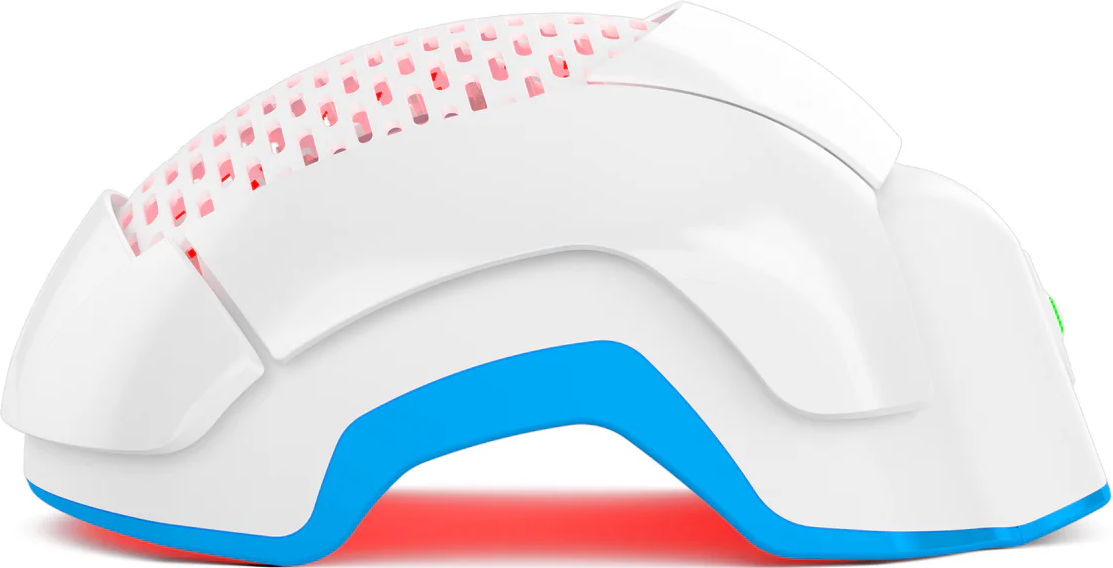
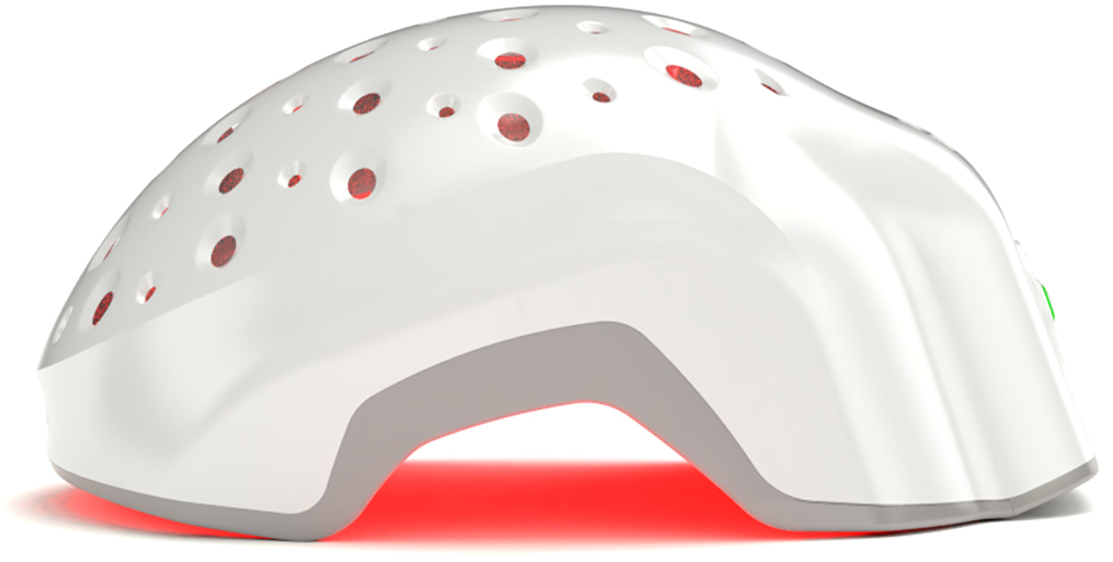
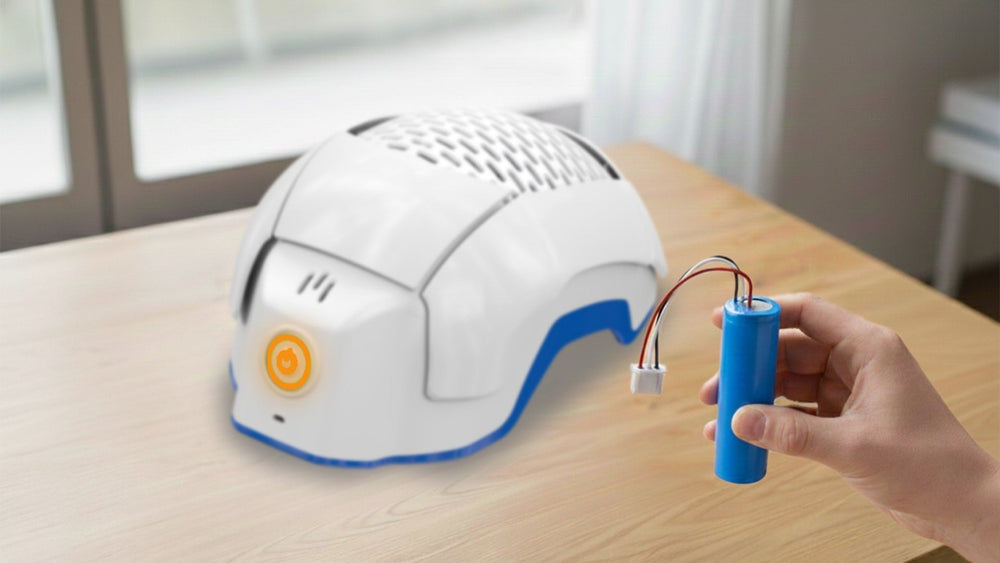
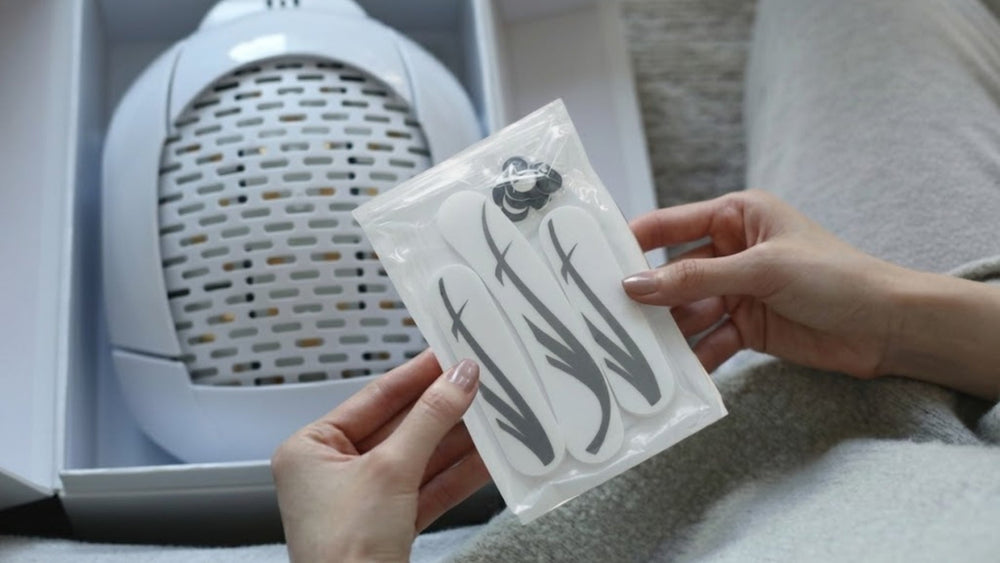
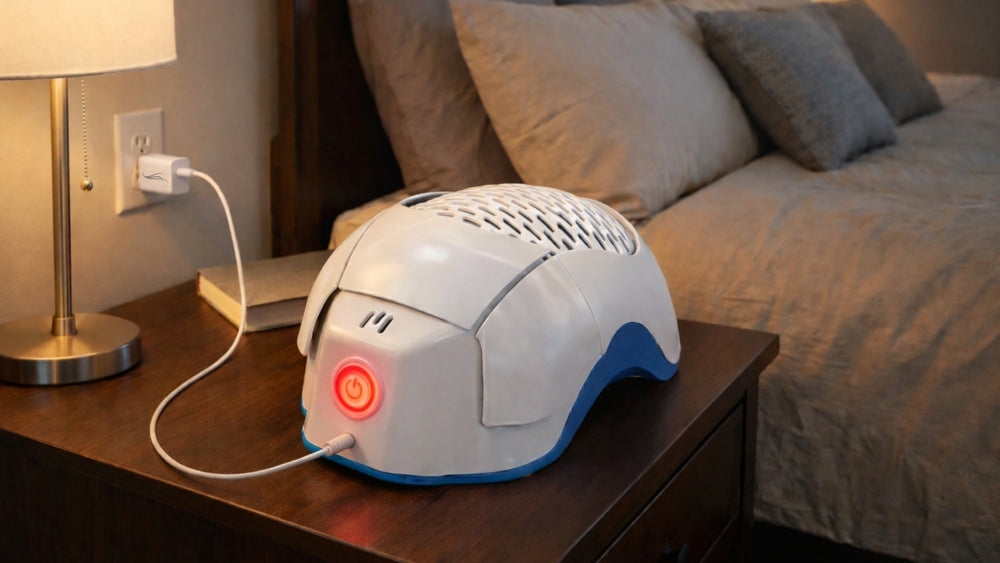
Laser Phototherapy, or LPT, belongs in a different category of conversation because it is not about topping up a mineral. It is a follicle-level approach that uses low-power, non-heating laser light to interact with scalp tissue and hair follicles. The exact cellular pathways are still studied, but light-based stimulation is generally discussed in terms of photobiomodulation, mitochondrial activity, and cellular energy handling rather than vague nutrient correction.
That difference matters. Selenium, when relevant, helps by correcting a nutritional problem. LPT is a direct follicle-facing strategy. Not the same lane. Not really close. And for those with pattern thinning who already eat reasonably well, that distinction may be more useful than another round of supplement roulette.
It is also why many people end up needing both clarity and hierarchy. Food can support the scalp. A deficiency should be corrected. But if the core issue is follicle miniaturization or stubborn thinning, the bigger question is often what acts on the follicle itself. That was the quiet thread running through this whole piece, right from the opening.
So… Is Selenium Worth Thinking About for Hair Growth?
Yes, but with limits.
Selenium deserves a place in the conversation because it is essential, deficiency can matter, and excess can backfire. That is already more nuanced than most hair supplement labels bother to be. But it should not be treated like a default answer for thinning hair, because the current evidence does not support that leap.
If selenium is low, correcting that can help bring the body back toward normal. If selenium is already fine, chasing more of it is unlikely to help and may, in higher amounts, become part of the problem. Sometimes the most useful shift is not “what can I add?” but “what is actually driving this?”
Conclusion
Selenium matters for normal human health, and it can matter for hair when levels are genuinely off. But it is not a reliable stand-alone answer for common hair thinning, and more is definitely not better. In ordinary practice, the strongest selenium-hair message is surprisingly simple: correct deficiency when it is real, avoid unnecessary excess, and do not mistake a trace mineral for a full diagnosis. If your hair is thinning despite decent nutrition, the issue may sit deeper than selenium… sometimes at the follicle itself.