





You know that feeling when your hair just... falls flat? You spend time styling it in the morning, maybe even give yourself a little pep talk in the mirror, and by lunchtime it's plastered to your head like you didn't even try. Frustrating, right?
Learning how to get volume in hair isn’t about doubling your product shelf or flipping your part in desperation. It’s about understanding what’s sabotaging the lift in the first place and yes, sometimes your “hydrating” conditioner is the quiet villain.
Hair volume has more to do with follicle real estate, strand strength, cuticle condition, and some very specific styling habits. The real problem is… most people keep trying to fix it from the outside-in. But if your scalp is off, your strands are overburdened, or your routine is working against gravity, no product's pulling a miracle.
Also, let’s talk about sabotage. From clogged roots to weighty product layers to styling tools that promise lift but fry the bounce right out of your cuticles...many “volumizing tricks” are just repackaged bad habits.
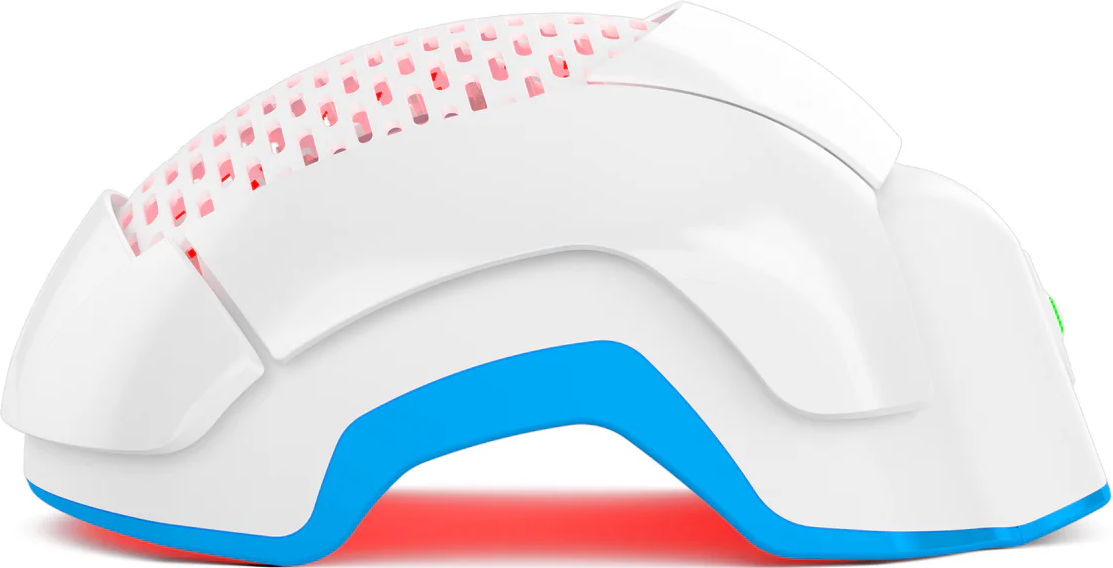
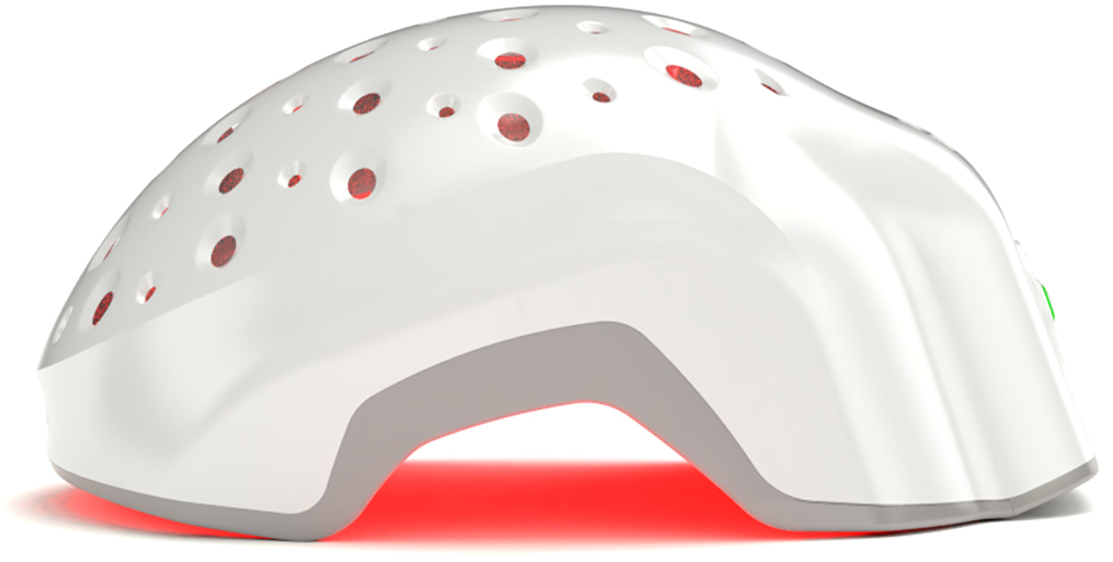
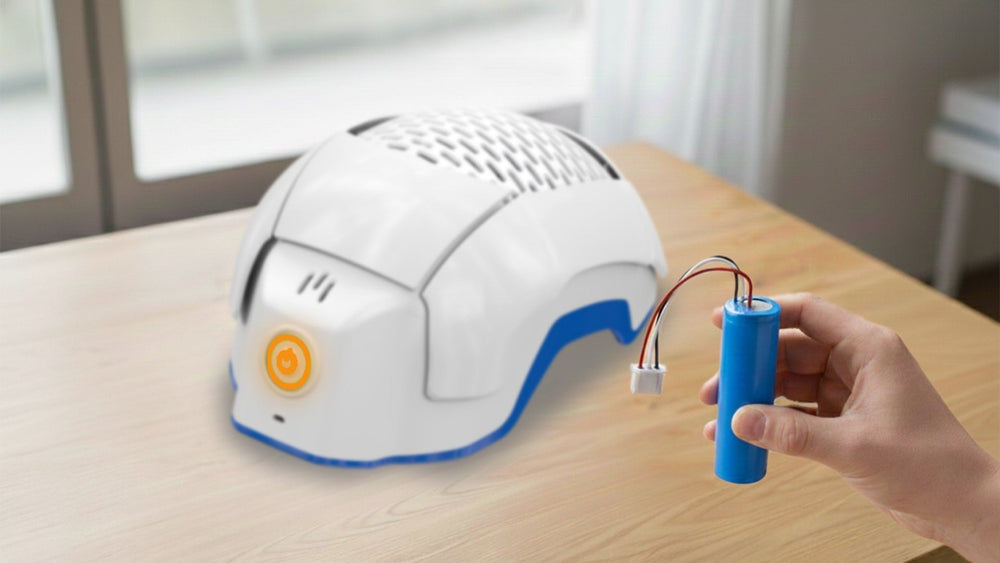
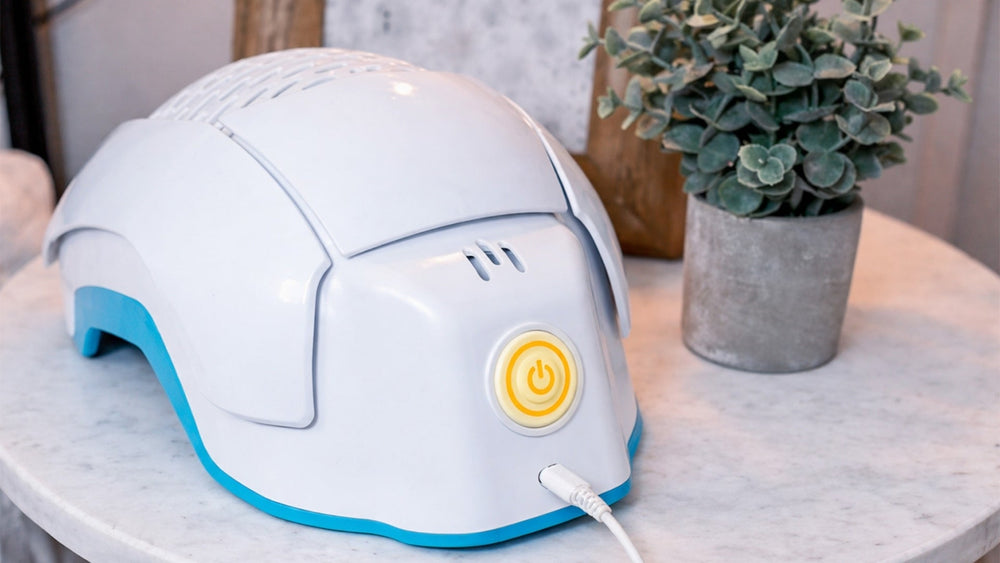
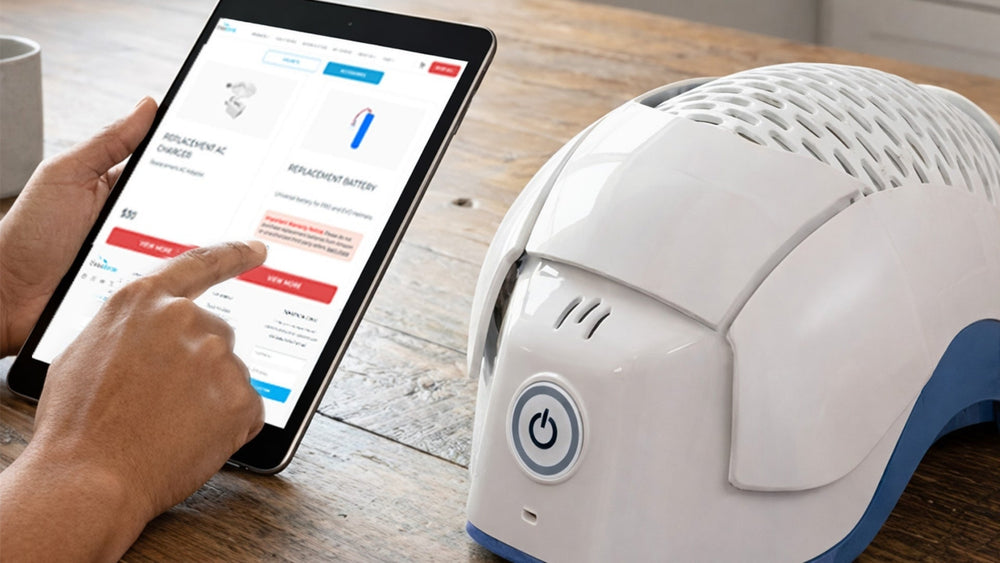
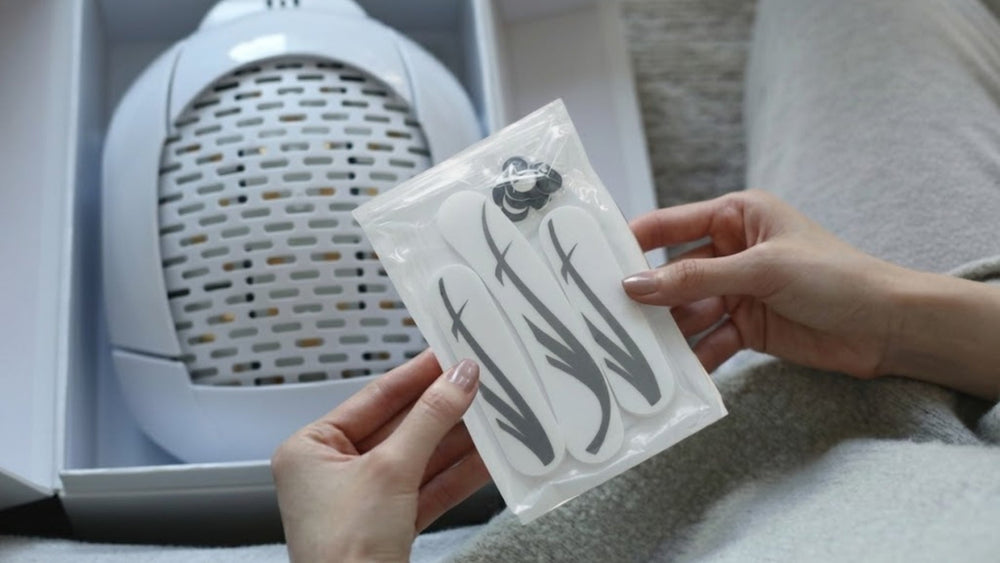
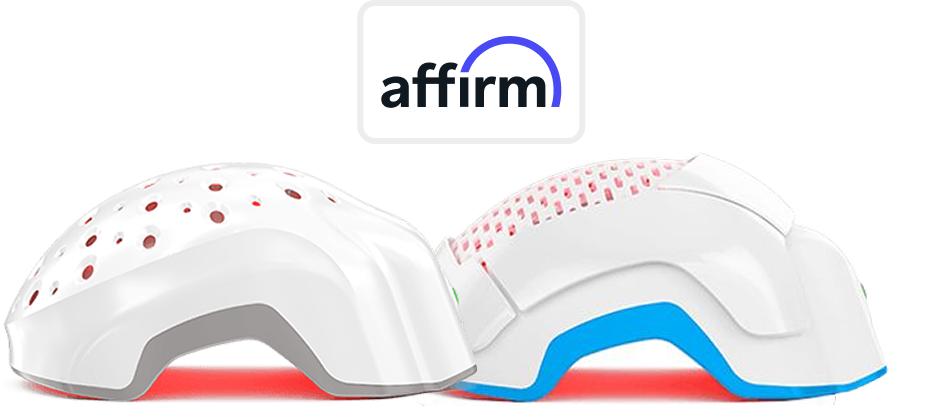
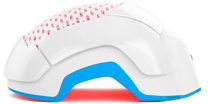
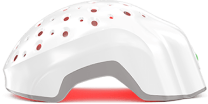
So if you’re done with fluffy promises and want volume that actually holds up, this is where it gets technical, logical, and helpfully unpretty. And if part of your “flatness” is really early thinning, there’s a device-side fix worth knowing about: Theradome, a wearable Laser Phototherapy (LPT) helmet that helps increase hair density at the roots over time, promoting both hair growth and more volume.
Why Does Hair Lose Volume?
-
Gravity and weight: Fine or long hair often lays flat because each strand pulls the next down. Even if you’ve got volume at the scalp, the overall weight drags everything into a limp fall.
-
Product buildup: Product buildup from hair products rich in silicones or waxes can weigh strands down so your best volumizing shampoo hair picks won't stand a chance.
-
Scalp issues: Oil, residues, or even yeast can clog follicles and prevent hair from lifting naturally, making your roots lie flat like they’re pinned.
-
Hair damage & porosity: High-porosity hair battles cuticle damage that makes strands lose bounce and shape retention, volume just slips away. You might also struggle with dry hair, which can further compromise volume.
-
Genetics & texture: Sometimes you’re simply born with finer strands or straight texture that refuses to hold volume. And that’s fine. This guide helps anyway.
Also, if you notice a widening part or thinner ponytail circumference, tools that support follicle output (like Theradome’s helmet) can gradually change the baseline your styling builds on, leading to voluminous hair over time.
How to Get Volume in Hair?
These are real, root-level tactics.
1. Blow-drying upside down
Flip over, tousle lightly at the roots, and point your dryer’s nozzle downward. This airflow direction sets strands upward and increases root volume, giving noticeable bounce instead of a flat, windswept finish.
Use a round ceramic brush for even heat distribution. It helps close the cuticle layer and keeps strands smooth while maintaining lift.
2. Root-lifting products
Use a volumizing shampoo or mousse. Ingredients like panthenol and polymers temporarily increase hair shaft thickness, creating the perception of fuller hair. A lightweight root volumizer spray adds texture that holds shape without stiffness.
Avoid silicone-heavy hair products; they create buildup that weighs roots down.
3. Teasing/backcombing lightly
Backcomb at the crown with a fine-tooth comb, just enough to raise the root without causing tangles. This method gives instant height with little effort.
To protect strand integrity, apply a heat protectant mist before teasing to reduce static and prevent breakage near the cuticle surface.
4. Switching part direction
Changing your part by even half an inch lifts roots that were previously flattened by sleeping or repetitive styling habits. This simple shift redistributes hair weight and revives natural lift at the crown.
It’s one of the quickest, zero-cost ways to restore root bounce and airiness.
5. Locking with hair sprays
Hold is key. Use a lightweight finishing spray to freeze lift and preserve bounce throughout the day. Heavy aerosols can collapse fine strands and undo styling work.
Opt for alcohol-free sprays that maintain flexibility, ideal for fine or thinning hair prone to dryness.
6. Washing regularly
Wash hair every 2–3 days to manage oil and scalp buildup. Overwashing strips sebum and weakens strands, while under-washing allows residue to flatten roots.
A balanced cleansing routine supports follicle function and keeps hair light enough for volume to hold.
7. Trim regularly
Split ends split your look, literally. Fresh ends prevent strands from frizzing out or drooping prematurely, preserving volume.
8. Clarify monthly
Use a mild clarifying wash once a month to clear hard water minerals or product layers that drag volume down.
9. Add Theradome sessions (2–4x weekly)
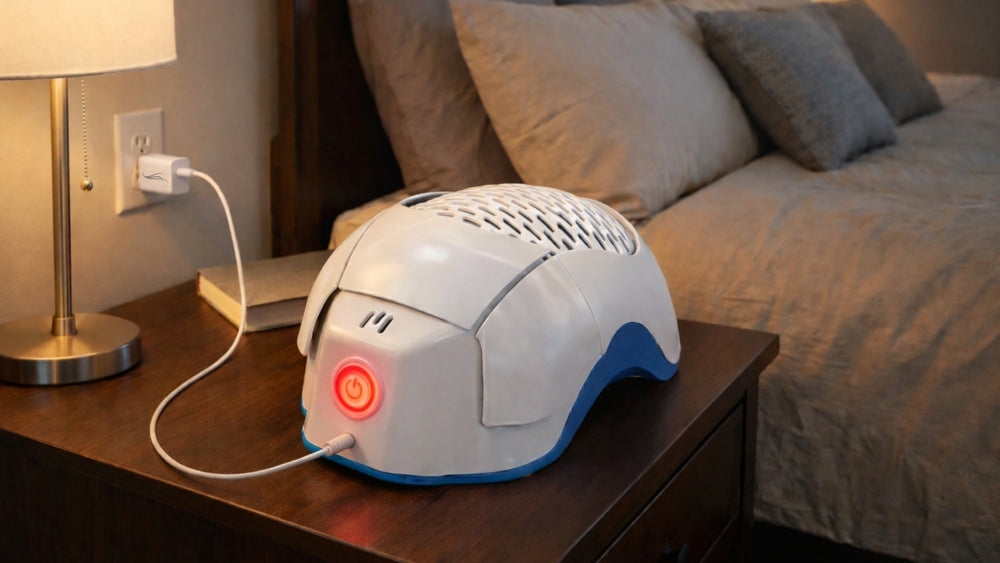
Theradome is an FDA-cleared wearable Laser Phototherapy (LPT) device for androgenetic hair loss. With consistent use, it increases hair counts and helps strands grow thicker in diameter, both of which translate into fuller-looking voluminous hair that styling can actually hold. It’s painless, non-heating, and fits into a normal routine while you watch TV.
What Are the Best Haircuts and Hair Styles That Add Volume?
Certain haircuts do the heavy lifting for you, cutting weight, lifting shape, and sustaining bounce.
-
Layered bob or lob: Shearing long layers takes weight off ends and shifts fullness closer to the scalp.
-
Blunt ends: They make strands look thicker at the base. Think volume without effort.
-
Feathered layers: These add texture and movement, creating natural lift rather than limp strands.
-
Curtain bangs: They break up your hairline and support root lift up front, not just fringe flair.
-
Waves or soft curls: Permanent or heat-styled, these boost width and bounce for medium to long lengths.
- Density-forward styling: With any of these cuts, expect your baseline volume to improve month by month as density builds. The cut then does more with more.
Tools and Techniques to Avoid While Volumizing Hair
-
Heavy styling products: Thick gels and waxes flatten more than define. Less is often more here.
-
Excessive heat or chemical styling: Frequent straightening, chemical treatments, or heat styling damages strand integrity, creating flatness from the inside.
-
Silicone-heavy products: While shiny, heavy silicones coat hair and hold moisture, not volume.
-
Long, single-length styles: Straight, one-length cuts tend to hang heavy unless a voluminous texture is built elsewhere.
- Skipping density care entirely: If volume is collapsing because of actual thinning, styling alone can’t compensate. Adding Theradome’s LPT is a smart baseline correction so your other efforts finally “stick".
Can I Permanently Add Volume and Thickness to My Thinning Hair?
Your hair’s volume horizon is shaped by genetics, texture, and density. While you can't reinvent natural structure, you can support better volume from the root.
Methods to consider:
-
Hair loss treatments: If loss is the culprit, therapies like LPT (laser phototherapy) can promote thicker hair regrowth over time.
-
Healthy diet and supplements: A nutrient-rich diet, rich in protein, iron, feeds follicles from the inside out.
-
Scalp care: Regular scalp massage improves circulation, fuelling follicle productivity, and yes, that helps volume.
-
Perms: A professional perm adds long-lasting body by creating waves and texture that hold. Not for everyone, but effective.
- Theradome for density + volume: Theradome is FDA-cleared for treating androgenetic alopecia in men and women. Over consistent use, it increases hair counts and can thicken hair shaft diameter, two changes that make hair look and feel fuller at the roots, which translates into natural volume. It’s non-drug, non-heating, and designed for at-home routines.
Quick Notes on Expectations:
- Volume from density isn’t overnight. Most users assess changes over months as more follicles produce terminal hairs.
- Keep “device + routine” married. A lighter cut, clarifying cadence, and root-lifts will amplify what Theradome builds at the follicle level.
Conclusion
Building hair volume isn’t about one big product or trick. It’s about weaving together the right cut, products, styling habits, and root care. Use a volumizing shampoo hair regimen, techniques like blow-drying upside down for volume and teasing roots, and invest in regular trims and scalp clearing.
If thinning’s weighing you down, laser phototherapy adds a scientific boost. Specifically, Theradome’s wearable LPT can help increase hair density and improve the look of volume when used consistently, turning “temporary lift” into something more reliable. Consistent scalp care and proper styling deliver sustainable volume. So next time you dish out root-lifting spray for volume, do it on hair that was worth the effort to begin with. And give your follicles a nudge with Theradome while you’re at it.