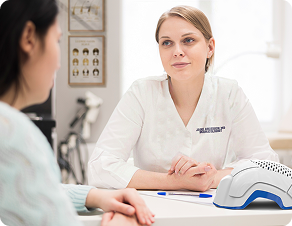








Female hair loss—especially female pattern hair loss (FPHL)—is common. Many women are turning to Laser Phototherapy (LPT) because it is non-drug, relatively safe, usable at home, and backed by growing clinical evidence showing improvements in hair density over months.
What Is Female Hair Loss?
Female pattern hair loss (FPHL), sometimes called female androgenetic alopecia, is the most common kind of hair thinning in women. It’s characterized by progressive miniaturization of hair follicles—thick hairs gradually become fine, shorter, and less pigmented.
Epidemiologically, nearly 40% of women show signs by age 50; by older ages, the rate may be even higher. FPHL is different from male pattern baldness: women tend not to lose the frontal hairline but rather show diffuse thinning, especially at the crown and widening in part lines.
Other Causes of Hair Loss in Women
Beyond FPHL, other mechanisms often contribute (or mimic) hair shedding:
- Telogen Effluvium (stress, illness, hormonal shift)
-
Postpartum shedding
- Medical conditions: thyroid disorders, anemia, autoimmune disease, polycystic ovary syndrome (PCOS)
- Medications and nutritional deficiencies
- Traction alopecia (tight styling)
It’s essential to distinguish FPHL from these for correct management; misdiagnosis is common.
Emotional & Social Impact
Thinning hair can carry a heavy psychological toll: lowered self-esteem, social withdrawal, even quiet panic about appearance. For many women, the mirror becomes a daily reminder of something they can’t quite control. They describe feeling self-conscious, frustrated, sometimes jealous of those who seem untouched by it.
The truth is, hair loss tends to shake women harder than men. It touches identity: femininity, youth, the idea of vitality itself. Any sign of thinning can feel like premature aging, and that association alone amplifies the anxiety. Women, far more than men, will almost always try to do something about it.
Nearly every woman who notices shedding seeks help, while only a small fraction of men take action… perhaps because men can, at least culturally, opt for a shaved look that’s widely accepted. Women, however, rarely have that freedom, and the available solutions haven’t historically catered to them as generously.
This disparity (social, emotional, and aesthetic) explains why the experience can feel so isolating. For some, it’s not merely a cosmetic concern but a personal crisis. That’s one reason discreet, at-home options such as Laser Phototherapy have become so appealing. They allow women to act privately, to regain a sense of agency without amplifying their vulnerability.
Why Laser Phototherapy Appeals to Women
Laser Phototherapy (LPT) is a form of low-level laser therapy (LLLT), but we use the term LPT to emphasize the photobiostimulation nature (not heat). These are cold lasers, typically in the 630–680 nm red spectrum, delivering low optical power to the scalp.
Unlike surgical lasers, LPT doesn’t burn or ablate tissue. Instead, the light energy (photons) interacts with cellular chromophores (e.g. in mitochondria) to enhance ATP production, reduce oxidative stress, modulate growth factors, and improve microcirculation in the scalp.
Mechanism of Action — How LPT Works
- Mitochondrial activation & ATP boost → supports follicle metabolism
- Improved microcirculation / nutrient delivery → better follicle environment
- Anti-inflammatory modulation → reduces stress around follicles
- Prolonging anagen phase (active growth)
These effects combine (in theory) to slow miniaturization and help follicles recover.
Why Women Prefer LPT
- It’s non-systemic—no systemic side effects (unlike some medications)
- Hands-free, wearable devices allow multitasking & privacy
- Ease & consistency fit into daily life
- Works broadly across diffuse thinning zones, ideal for female scalp patterns
Comparing LPT with Other Treatments
Minoxidil — Strengths & Constraints
Minoxidil (topical) remains a first-line FDA-approved treatment for female hair loss. It helps by vasodilation and possibly K⁺ channel modulation.
However, its downsides:
- Requires daily or twice-daily application
- Possible irritation, itching, undesired facial hair
- Variable non-response rates; many women stop due to inconvenience
PRP (Platelet-Rich Plasma) — Promise & Pitfalls
PRP involves injecting platelet-rich plasma to release growth factors. Some studies show density improvement, but evidence is inconsistent due to protocol variation (platelet concentration, injection depth) and small sample sizes.
Hair Transplantation — When It’s Justified
Surgical transplant is an option for those with stable hair loss and sufficient donor sites. But it's invasive, costly, and not always ideal for diffuse patterns common in women.
Where LPT Fits In
Because of its strong safety profile and encouraging efficacy, LPT often serves as an adjunct or alternative—especially for women seeking non-pharmacologic options. Some data suggests synergy when LPT is combined with minoxidil vs either alone.
Theradome: Leading the Way in Female Hair Recovery
-
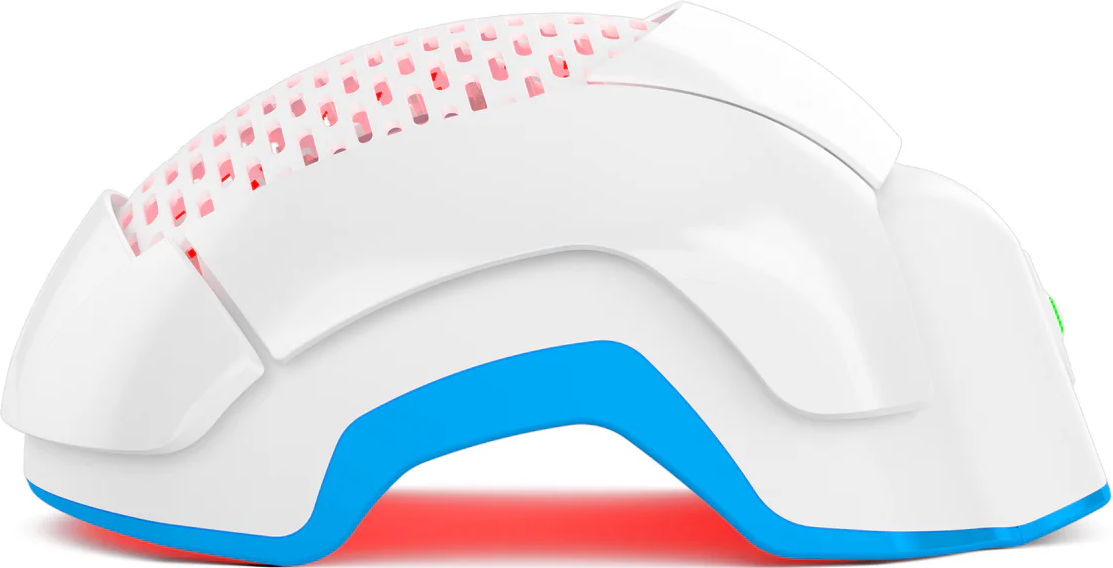
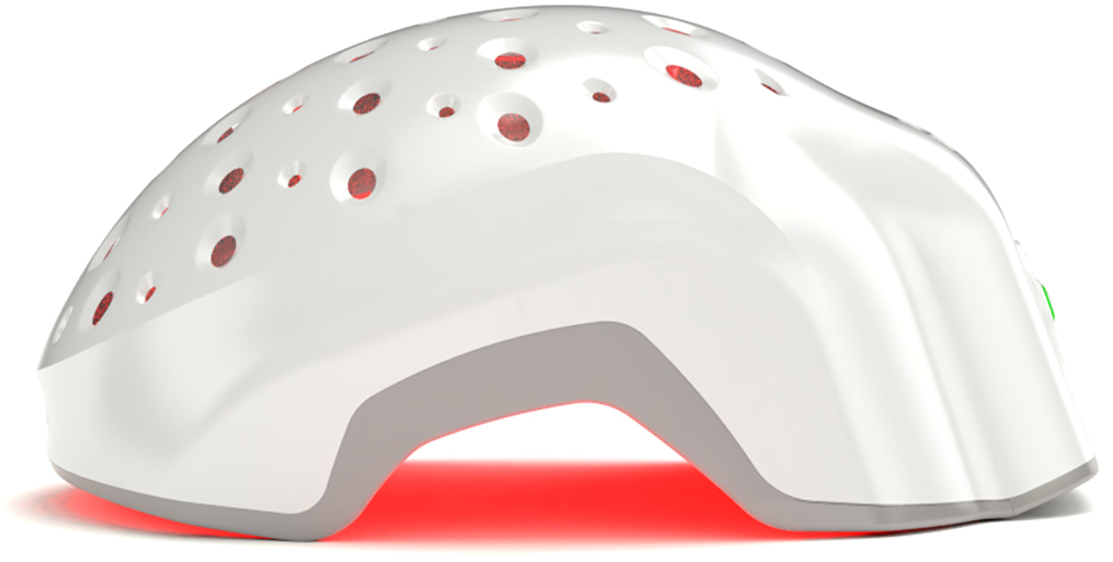
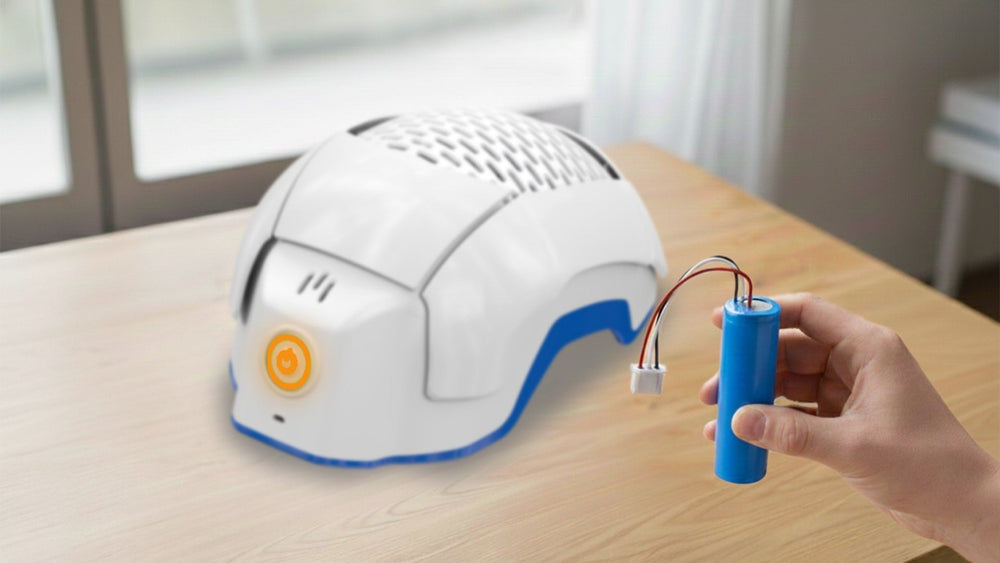
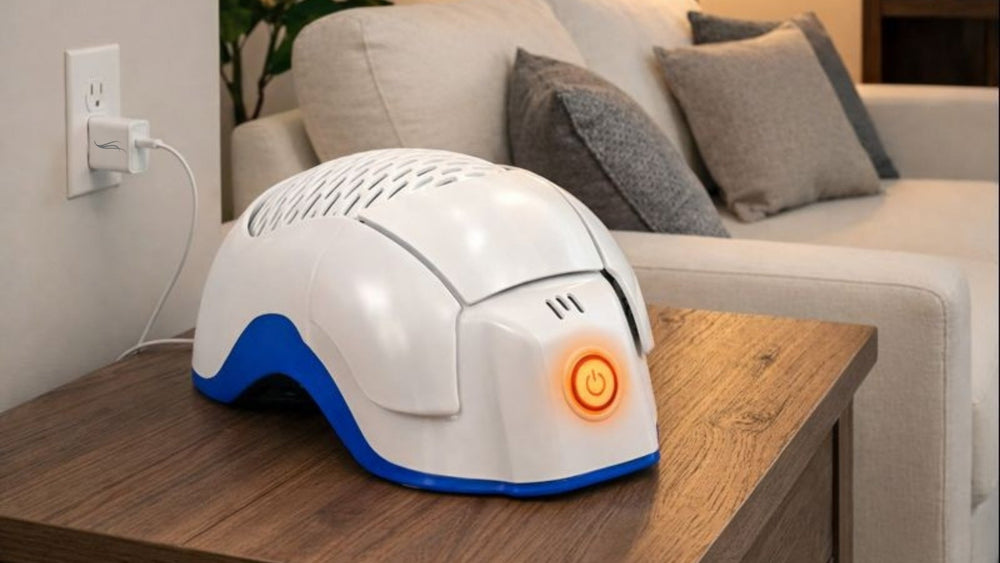
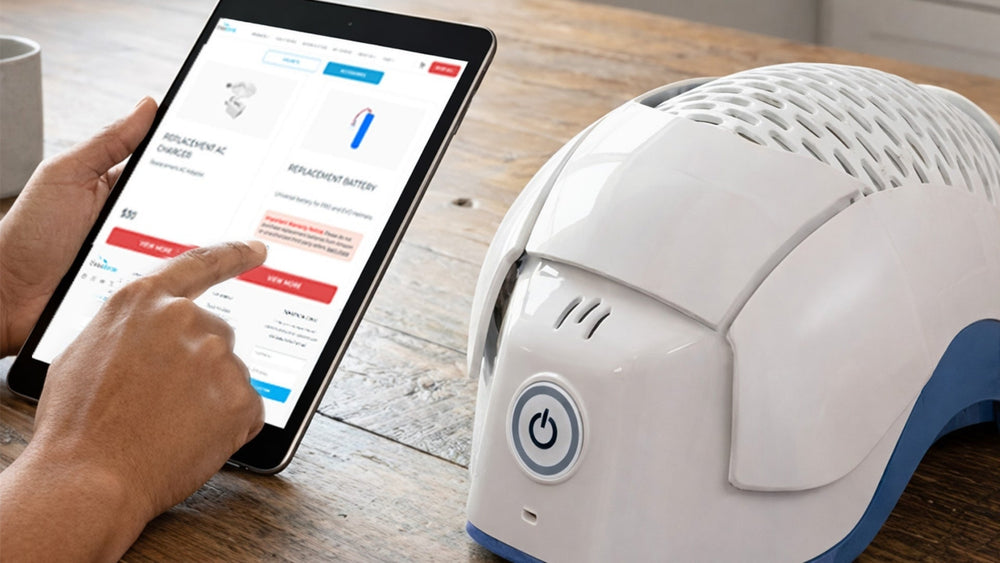
Theradome introduced a wearable, full-coverage helmet design and was among the first to receive FDA 510(k) clearance.
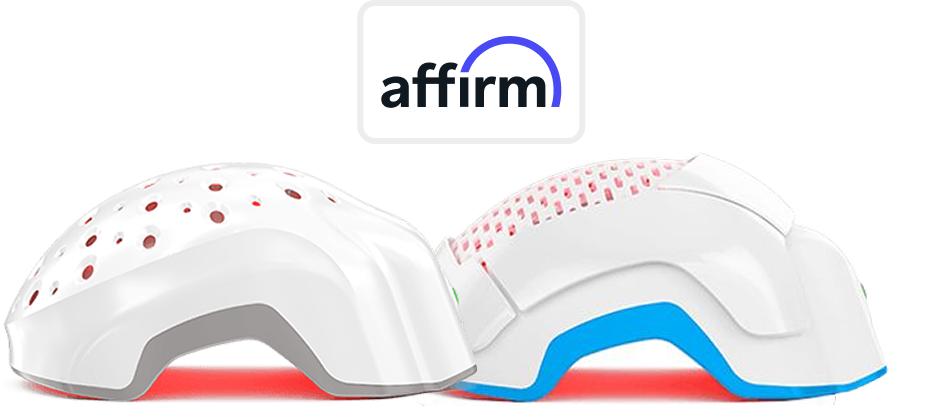
- The LH80 PRO device uses 80 proprietary VL680 lasers and is classified as Class 3R, cleared for safety & efficacy in treating androgenetic alopecia in females (Ludwig class I-II)
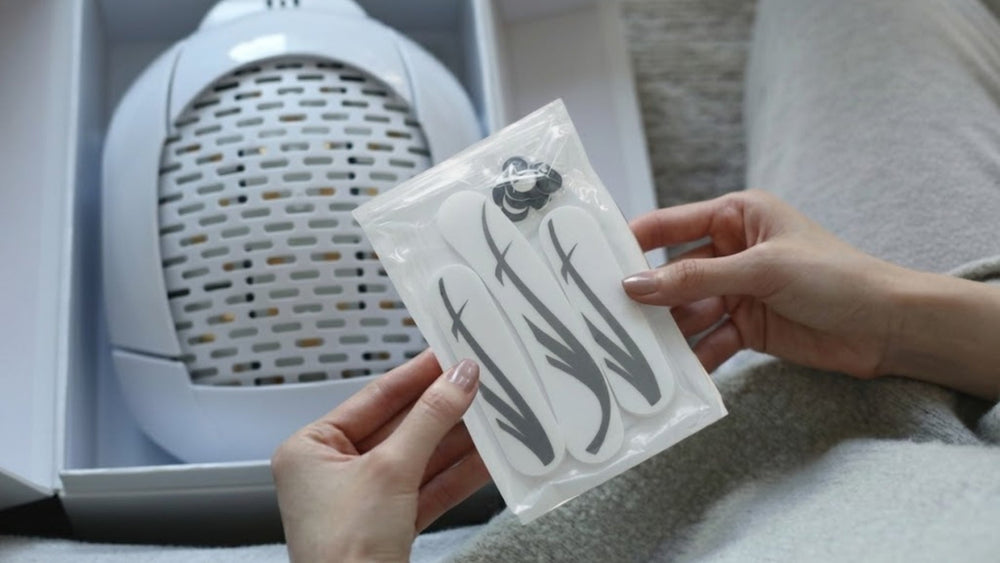
- The LH40 EVO is a lighter, 40-diode version with adjusted protocol (4x/week) and the same Class 3R laser standard.
- Safety system: Theradome requires proper helmet fit to activate; laser emission widens and weakens an inch away from diodes; designed not to ignite burns even if misused.
Credibility and Clinical Standing
- The LH80 PRO clearance operates under FDA 510(k) substantial equivalence, with testing across regulatory safety standards (IEC 60601, IEC 60825).
- Theradome devices are marketed globally, backed by clinician adoption, and often cited in hair-loss device comparisons.
Ease of Use & Compliance
- Hands-free helmet design
- Treatment durations ~20 minutes per session
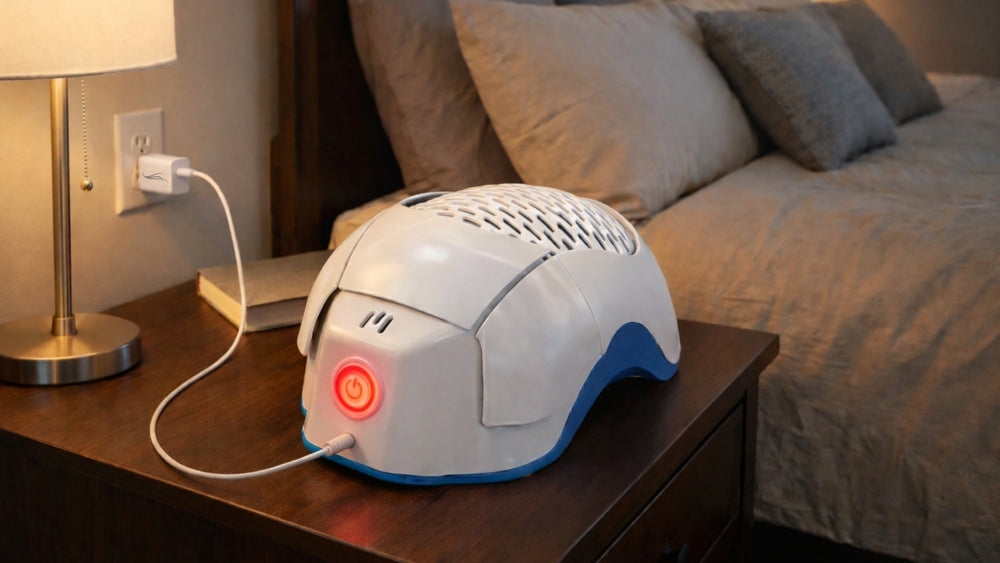
- Protocols designed so a woman can wear it while relaxing, reading, etc.
- Because compliance greatly affects outcomes, ease is non-trivial.
Practical Guide for Women Considering LPT
- Most clinical trials run 16–26 weeks; in that window, density improvements are measurable.
- Many users report initial reduction in shedding in month 1–2; new hair growth becomes evident from month 3 onward.
- Results plateau; maintenance use needed to sustain gains.
How to Use LPT Safely
- Understand laser classification: Class 3R devices operate under a visible light range (< 5 mW per diode) and are substantially safer, though prudent precautions remain.
- Never stare directly into laser beams; no ocular exposure.
- Contraindications: active cancer on scalp, pregnant women (cautious use), open wounds.
- Follow the manufacturer’s instructions, ensure proper helmet fit, avoid skin irradiation beyond recommended.
Combining with Other Therapies
- Minoxidil + LPT: Studies show combination may outperform monotherapy.
- Scalp care essentials: gentle shampoos, avoiding traction, optimizing nutrition and stress.
- Monitoring: Use photos, scalp imaging, and periodic check-ins with dermatologist/trichologist.
Conclusion
Hair thinning doesn’t have to be a helpless journey. Many women are choosing Laser Phototherapy because it offers a non-drug, non-invasive, clinically supported option to stimulate regrowth. While results take months and commitment matters, the safety profile and flexibility are compelling.
Theradome leads the field with wearable, FDA-cleared, Class 3R laser helmets engineered specifically for female scalp patterns. If you're ready to explore LPT, consult with a dermatologist/trichologist, review your health status (thyroid, hormones), and use photos/trichoscopy as benchmarks.