







For years, the go-to solutions for hair loss have been pharmaceutical. More specifically minoxidil and finasteride. Both have clinical backing, but they also come with side effects, daily use requirements, and mixed long-term results.
It’s therefore fair to ask whether laser therapy alone can deliver visible hair regrowth, all without drugs, side effects, or prescriptions. In this article, we’ll look into what the science and real-world cases have to say on the matter.
Why Does Laser Therapy Face Skepticism?
Low-level laser therapy (LLLT), or laser phototherapy, is one of the most researched, yet most misunderstood, methods of hair restoration. Namely, it tends to face skepticism owing to a lack of widespread acceptance compared to pharmaceutical treatments.
Although, despite that, numerous clinical trials have been conducted on both male and female patients diagnosed with androgenetic alopecia and alopecia areata. And, the evidence points to a consistent pattern of success:
- 35-39% average increase in hair count after a few months of treatment
-
Improved hair thickness and a shift from fine, vellus hairs to stronger, terminal hairs
- More follicles entering the anagen (growth) phase
- Noticeably better texture and density
- No reported side effects
In short, the scalp’s cellular engines, i.e., the hair follicles, respond remarkably well to the light energy LLLT delivers. But how does that stack up against traditional, drug-based options?
How Does Laser Therapy Compare to Pharmaceuticals?
There are currently only three FDA-cleared solutions for hair loss: minoxidil, finasteride, and low-level laser therapy. Each takes a different approach to regrowth, and so consequently, the differences in safety, convenience, and long-term outcomes are significant.
Minoxidil vs. LLLT
Minoxidil prolongs the growth phase of the hair cycle. Clinical studies show about a 13% average hair count increase over baseline in one year with a 2% solution. Many users report satisfaction, albeit side effects like scalp irritation, dryness, and itching are common.
Yet, perhaps most importantly, minoxidil has other limitations like the fact:
- It regrows hair on the crown, not the hairline or temples
- It requires daily, lifelong use, and stopping leads to immediate shedding and loss of any regrown hair
- The topical form is messy and inconvenient, and the oral form has risks like fluid retention and cardiovascular issues.
LLLT takes a different route in that It stimulates hair growth at the cellular level by activating mitochondria inside follicle cells to produce more ATP (energy). This process:
- Prolongs the growth phase
- Encourages dormant follicles to re-enter it
- Prevents premature shedding
As we mentioned earlier, in clinical trials, LLLT users experienced an average 35-39% hair count increase. Yet, the crux is that this was just over 26 weeks, with no reported side effects.
Moreover, unlike minoxidil, laser therapy addresses all scalp areas, including the hairline, and doesn’t require daily application. A few 20-minute sessions per week is enough to produce visible improvements, and once results are achieved, only maintenance is needed.
Finasteride vs. LLLT
Finasteride blocks the enzyme that converts testosterone into dihydrotestosterone (DHT), which is the hormone linked to pattern baldness. Clinical studies show around a 10% average hair count increase over one year with 1 mg doses.
However, it too implies considerable drawbacks such as:
- Loss of libido, erectile dysfunction, fertility issues
- It can’t be used by women who are pregnant or are trying to become pregnant due to potential birth defects
- Stopping the medication will reverse gains
Whereas, LLLT offers benefits to both men and women, without hormonal interference, because instead of blocking DHT, laser therapy focuses on restoring the health of hair cells and countering DHT’s damaging effects at the follicular level.
So, by enhancing cellular metabolism as opposed to altering hormone levels, laser therapy provides a natural, side-effect-free approach (one which works for both genders safely).
Case Study: How LLLT Helped Overcome Menopausal Hair Loss
Diane had started to accept her thinning hair as an inevitable part of aging, in particular, menopause. Being reluctant to rely on drugs or chemical treatments, she assumed little could be done, but that changed when she read about low-level laser therapy.
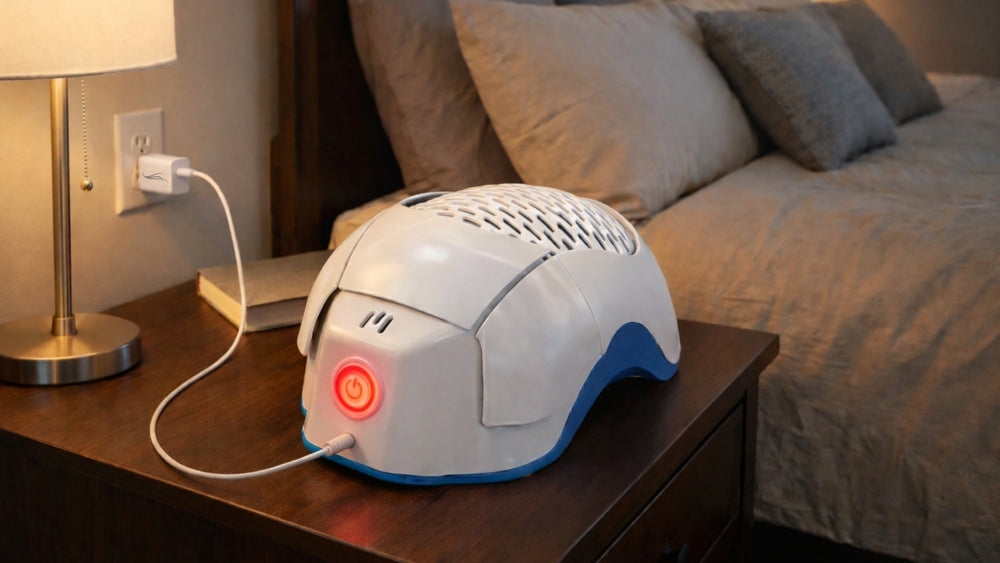
Fascinated by the idea of using something as natural as light to rejuvenate her scalp, she purchased an FDA-cleared laser helmet and incorporated it into her daily routine, wearing it while tending her rooftop garden for instance.
As time went by, her hair stylist noticed something remarkable, new growth along areas that had previously been sparse. For Diane, it wasn’t just hair regrowth. It was her confidence restored.
The Cost of Laser Therapy Compared to Pharmaceuticals
Minoxidil seems affordable upfront at around $10 per month, or $1,200 over ten years, but requires indefinite use. Finasteride costs about $25 per month, or $3,000 over a decade, with ongoing dependency and side effects to manage.
In comparison, an FDA-cleared LLLT helmet averages under $1,000. Once purchased, it doesn’t require refills, prescriptions, or daily use. Over ten years, that’s savings of over $2,000, not to mention the benefit of a drug-free regimen.
Is Hair Regrowth Possible With Just Laser Therapy?
As we’ve illustrated throughout, the evidence is clear that low-level laser therapy is not a gimmick, but rather it’s a scientifically supported, FDA-cleared technology that stimulates real biological change.
While doubt remains in some corners of the medical community, dozens of controlled clinical studies have shown consistent regrowth outcomes which are comparable to (and in many ways better than) pharmaceutical options, without the dependency or risks.
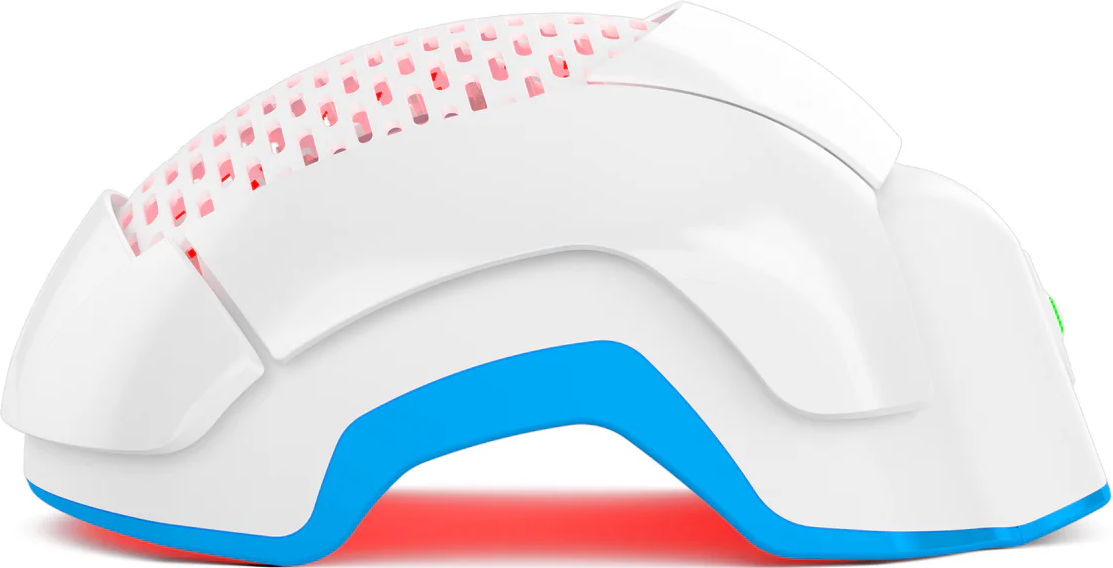
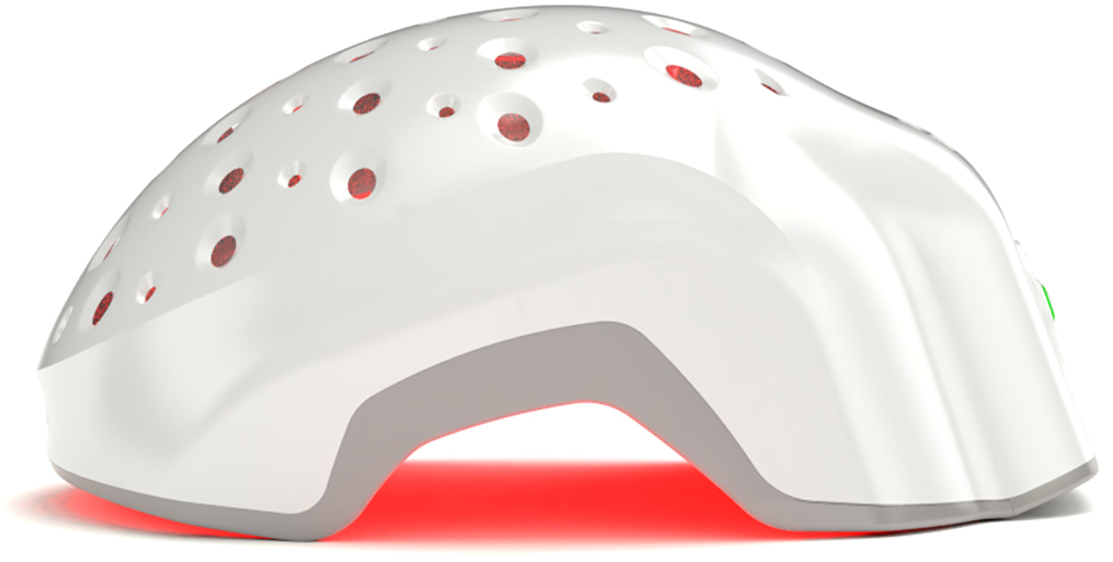
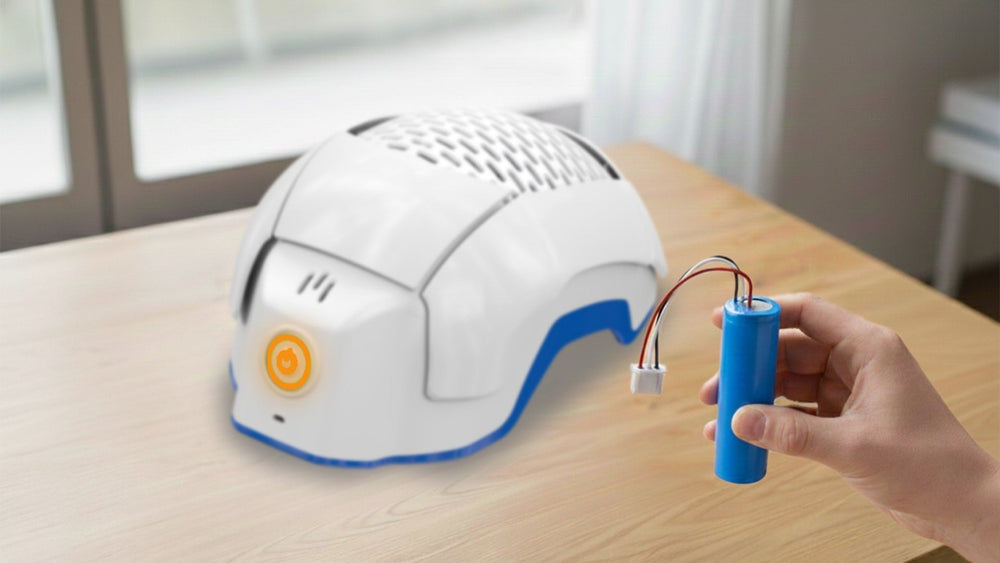
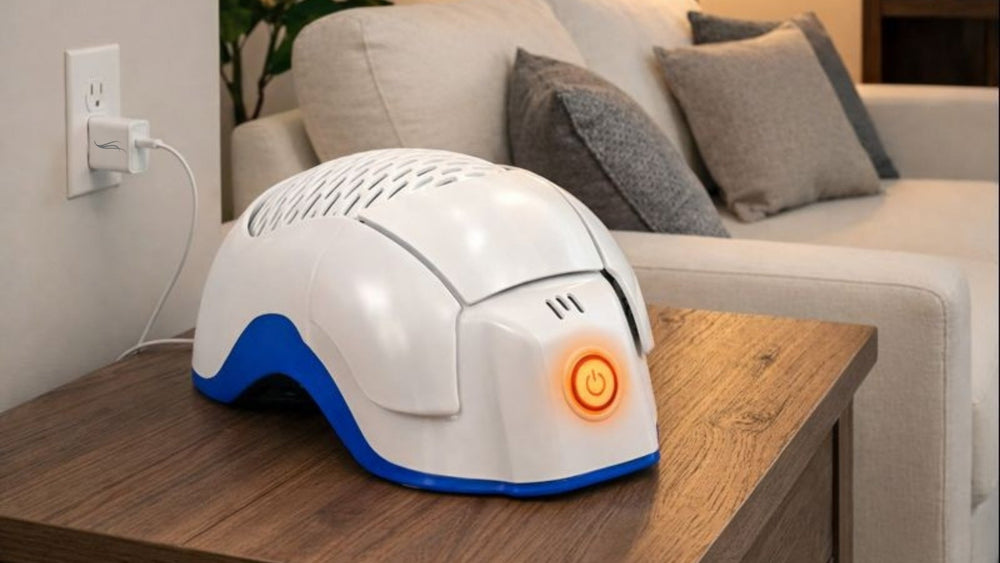
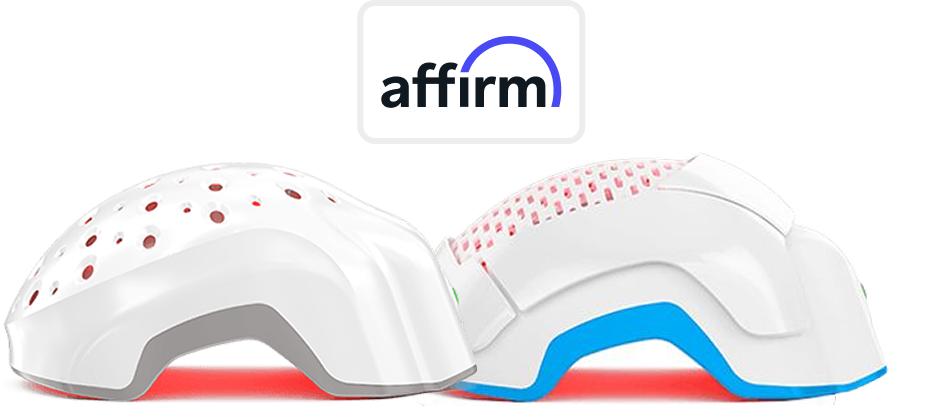
If your goal is to restore thicker, healthier hair without relying on drugs, then LLLT offers a safe, convenient, and proven alternative. Devices like the Theradome PRO LH80 and EVO LH40 give you these results through stimulating follicle energy production, reducing inflammation, and reawakening dormant growth cycles.
When it comes to regrowth, it’s not about taking more pills or applying more formulas, it’s about helping your hair’s natural systems work the way they’re meant to.