







You’ll have heard people swear by low-level laser therapy (LLLT) on one hand, and people who claim it doesn’t do a thing on the other. The truth is that LLLT doesn’t work the same for everyone. Just like how some people respond better to certain medications, your biology determines how effective it is.
In this article, we’ll take a look at the genetic, hormonal, and scalp condition factors which influence why LLLT works for some and not others.
Why Doesn’t Low-Level Laser Therapy Work for Some People?
According to estimates, we lose about 50 to 100 hairs every day, but that’s just an average. Some people shed more, some less, and the same individuality applies to hair regrowth in that the success of low-level laser therapy is dependent upon:
- The cause and stage of hair loss
- Genetics
- Hormones
- Scalp condition
How Do Genetics Influence How Well Low-Level Laser Therapy Works?
It’s virtually common knowledge that genetics determine how hair grows and sheds. Specifically, if your parents have thinning hair, your odds of facing the same issue are higher. Research suggests that men whose fathers lost hair are up to six times more likely to develop the same condition.
Concerning genetic hair loss, men will experience receding hairlines and thinning at the crown, while women will see diffuse hair loss along the part line. These are the characteristics of androgenetic alopecia, which makes up over 90% of all hair loss cases and affects up to 50% of all men and women.
Despite the father’s genes representing the main role, the maternal side may also matter because the mitochondria (which power cell metabolism and thereby hair follicle energy production) are inherited exclusively from the mother.
Some researchers are looking at whether mitochondrial dysfunction could contribute to androgenetic alopecia. If proven, it would mean your maternal line influences how your follicles respond to low-level laser therapy, since it directly targets mitochondria.
How Do Hormones Affect Low-Level Laser Therapy Results?
Hormones affect nearly every system in your body, including your scalp. As such, when hormone levels shift, your hair cycle shifts with them. This is primarily down to dihydrotestosterone (DHT), a derivative of testosterone and a notorious culprit in hair loss.
DHT attaches to receptors in hair follicles and gradually shrinks them over time, leading to thinner, weaker hair and, eventually, follicle dormancy. Even though men produce more DHT, women aren’t immune, even small amounts cause thinning.
Low-level laser therapy fits into these instances not by blocking hormones like DHT, but rather improving the follicle’s resistance to it through cellular energy (ATP) production. In other words, while DHT tries to choke the follicle, LLLT helps it fight back by increasing metabolism, reducing inflammation, and restarting the growth cycle.
That being said, even the best laser hair regrowth device will have limited results if DHT activity is extremely high, or if hair loss has progressed to the point where follicles aren’t viable anymore.
Can Stress, Illness, or Surgery Get in the Way of Low-Level Laser Therapy?
Major illness, surgery, and stressful events can cause telogen effluvium, a condition which pushes resting hairs to fall out prematurely, as marked by sudden shedding.
It affects up to 50% of scalp hair at once and will become noticeable two to four months after the trigger. Although hair will usually grow back within six to nine months, chronic stress or hormonal disruption cause prolonged thinning.
Given that telogen effluvium is a temporary imbalance, low-level laser therapy speeds recovery by reactivating hair follicles and promoting regrowth once the body returns to normal. However, as you might guess, if stress or hormonal disruption is ongoing then LLLT alone won’t be enough.
Does Scalp Health Determine the Effectiveness of Low-Level Laser Therapy?
Scalp conditions like dandruff, dermatitis, or fungal overgrowth significantly influence treatment results due to how it’s difficult for lasers to penetrate through buildup, inflammation, and infection.
The principal factor is a yeast called Malassezia furfur, the same organism responsible for dandruff and seborrheic dermatitis. It feeds on scalp oils and releases waste products which increase normal cell turnover, in turn leading to itchiness, flaking, and inflammation.
Interestingly, sensitivity to this fungus appears to be genetically determined (much like hair loss itself), meaning some people’s immune systems overreact to it, while others won’t have any issues at all.
Regardless, for those who are genetically prone to dandruff or inflammation, addressing scalp health first will therefore improve how well low-level laser therapy works.
When is the Best Time to Start Low-Level Laser Therapy?
One of the strongest predictors of low-level laser therapy success is how early treatment begins. In particular, LLLT is most effective when follicles are still alive but dormant, not when they’ve already miniaturized or scarred. Those who are in the early to moderate stages of thinning generally see the best outcomes within 4 to 6 months of continued use.
If hair loss has been long-standing and follicles are no longer viable, LLLT will maintain existing hair, but full regrowth becomes less likely.
How Can You Improve Low-Level Laser Therapy Results?
As we’ve illustrated, the crux of seeing results from low-level laser therapy lies in understanding your own biology, so:
- If your hair loss is hormonal, combine LLLT with medical solutions to balance DHT levels
- If you have scalp inflammation, treat dandruff or dermatitis before starting sessions
- If your loss stems from stress or illness, focus on recovery and overall wellness beforehand
Alongside these strategies, consistency matters above all since studies show that regular use (20 minutes per session, a few times a week) delivers the most visible improvements.
The Key to Making Low-Level Laser Therapy Work for You
Ultimately, low-level laser therapy works by recharging your scalp’s cellular powerhouses, but its success depends on your unique mix of genetics, hormones, and health.
It’s for this reason why some people see thicker hair within months, and others need more time and help to achieve the same outcome.
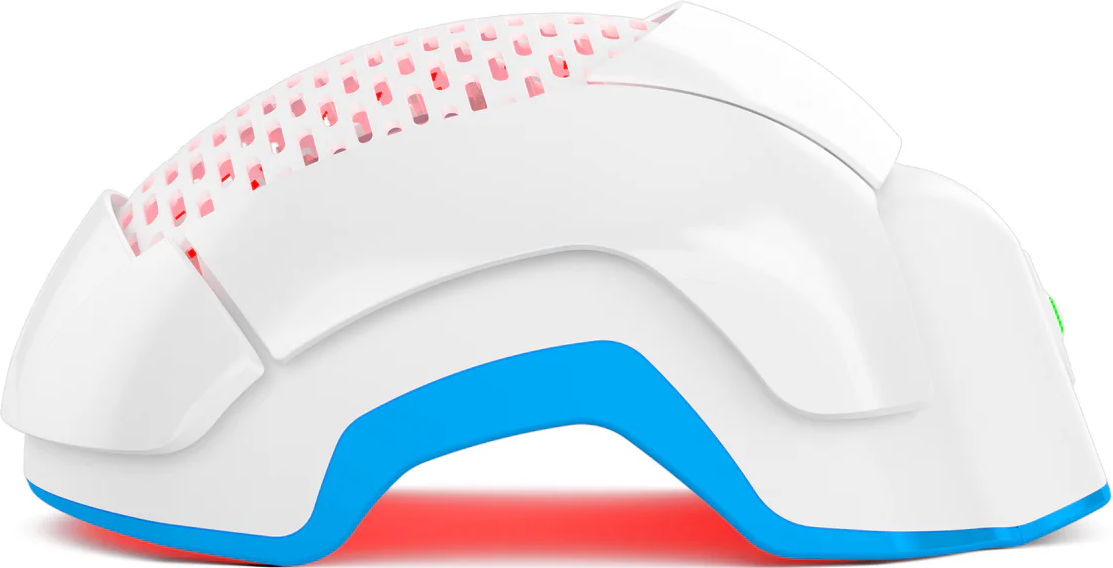
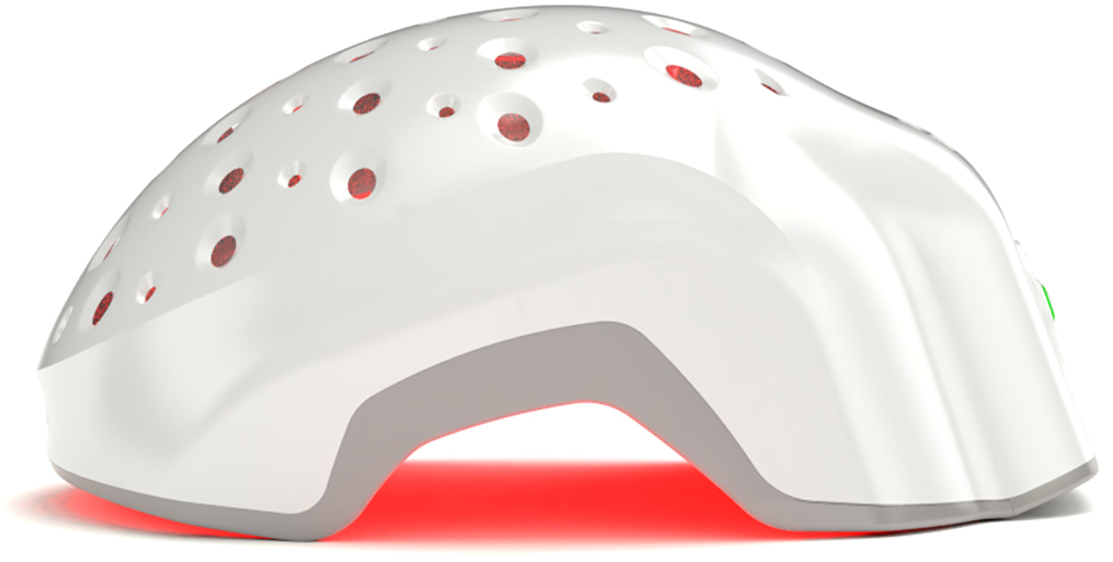
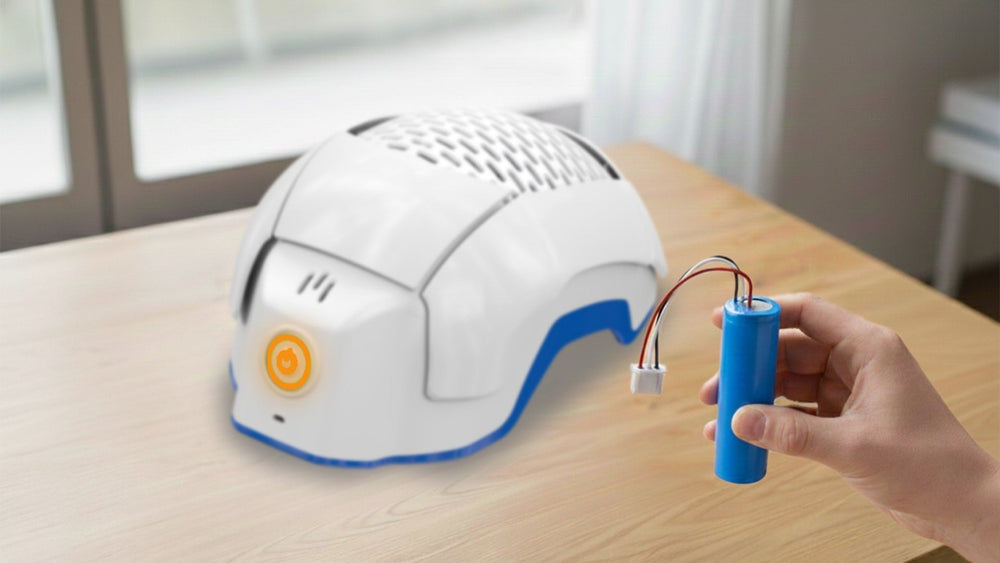
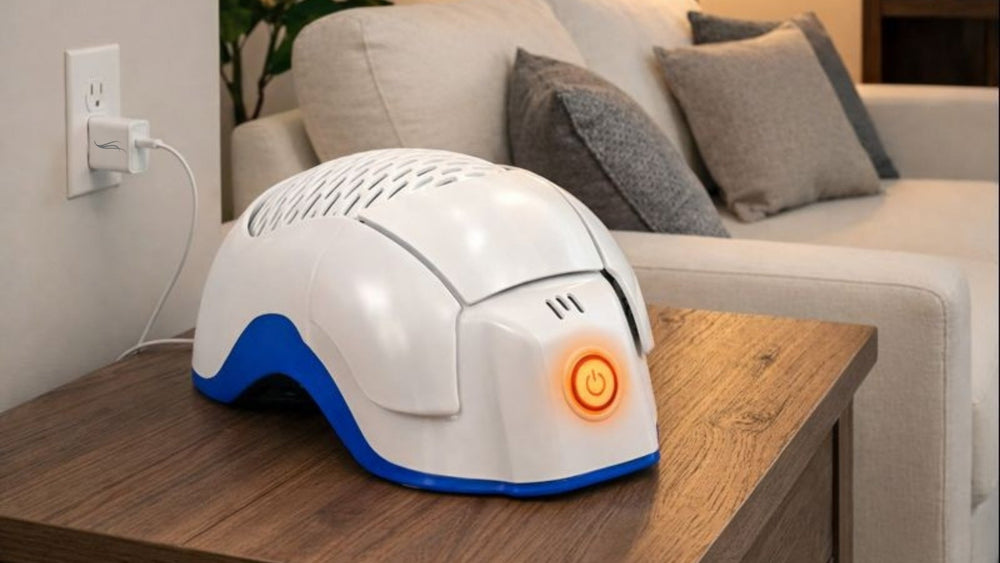
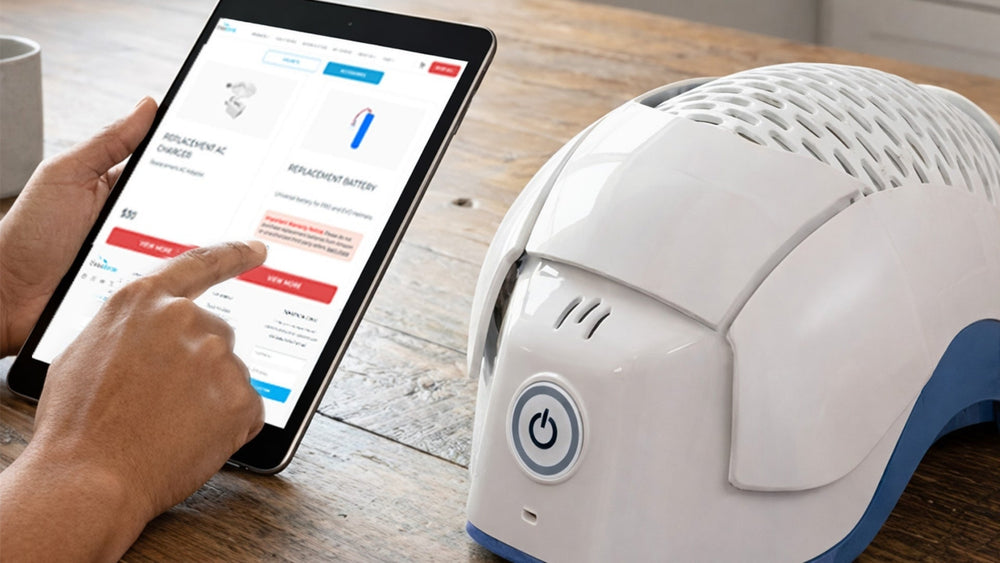
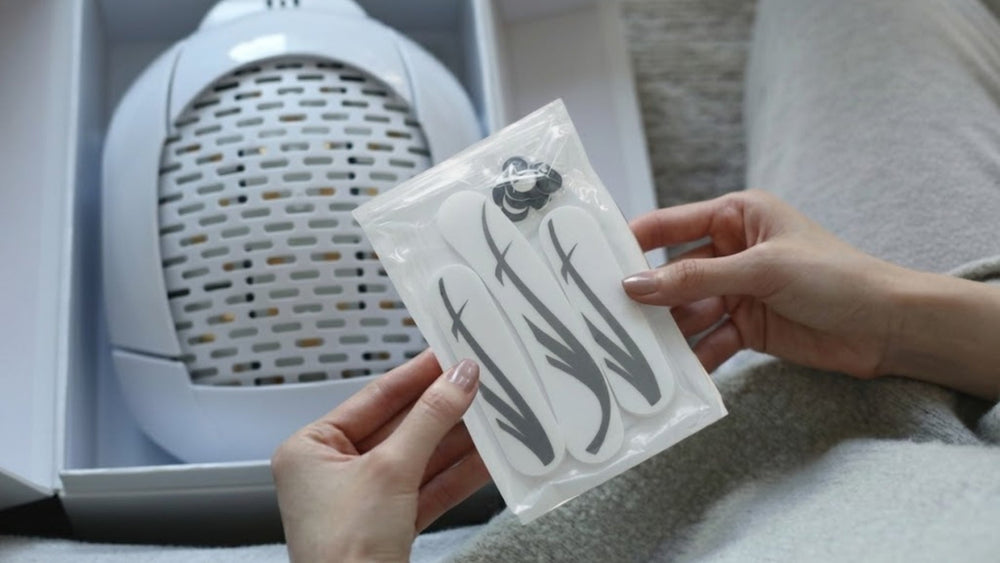
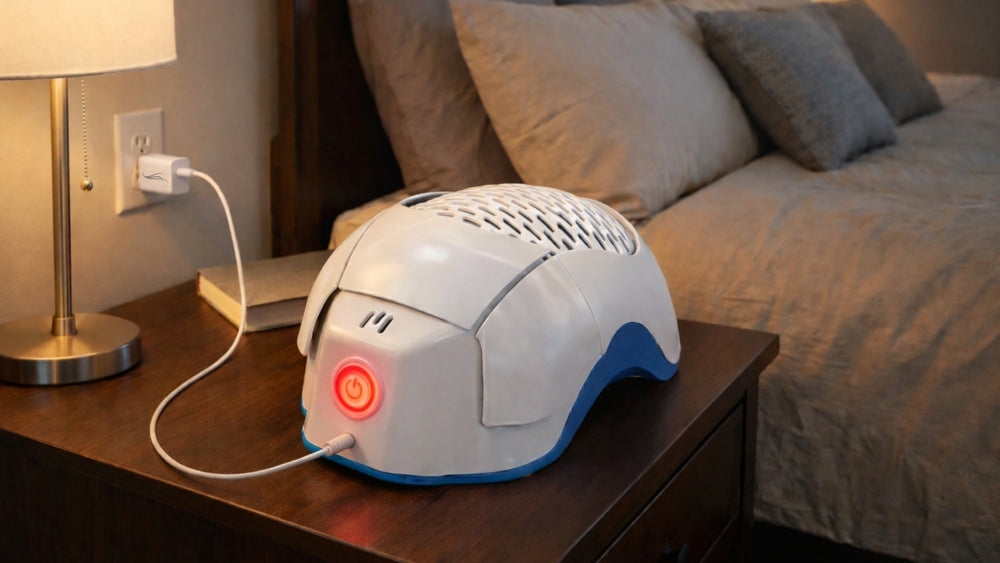
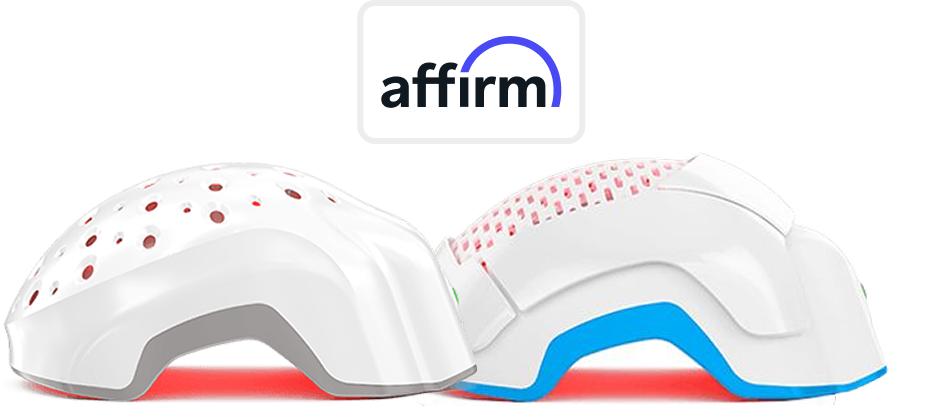
Devices like the Theradome PRO LH80 and EVO LH40 make that process easier by delivering consistent, medical-grade LLLT which supports healthy follicle function.