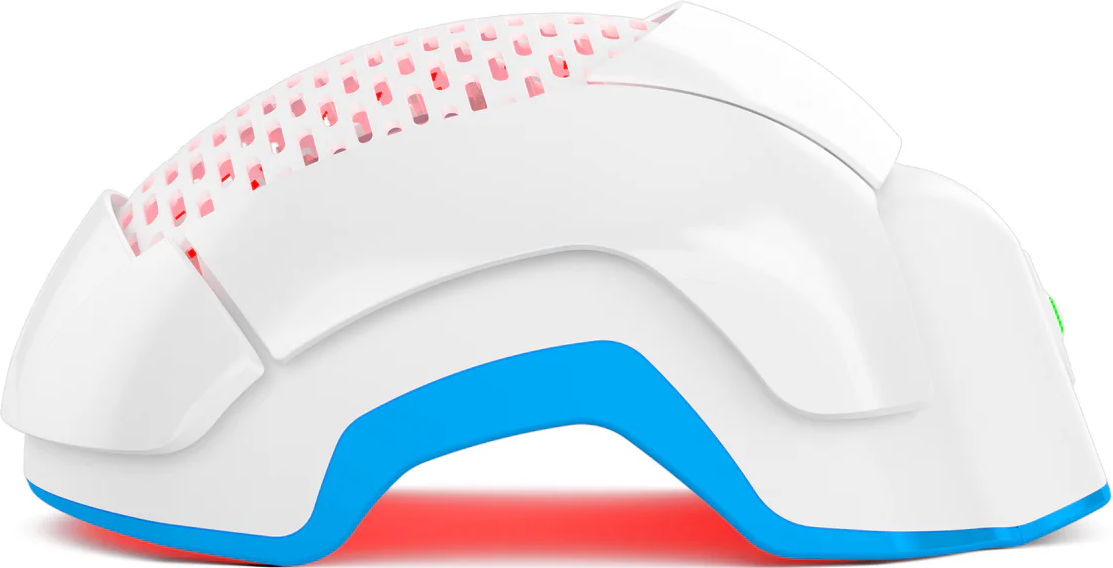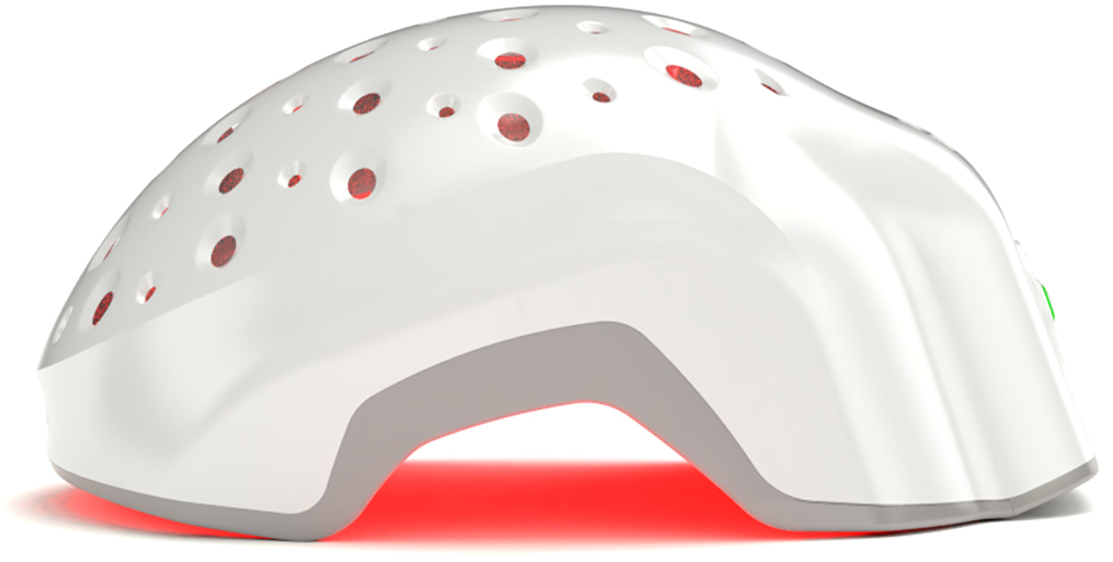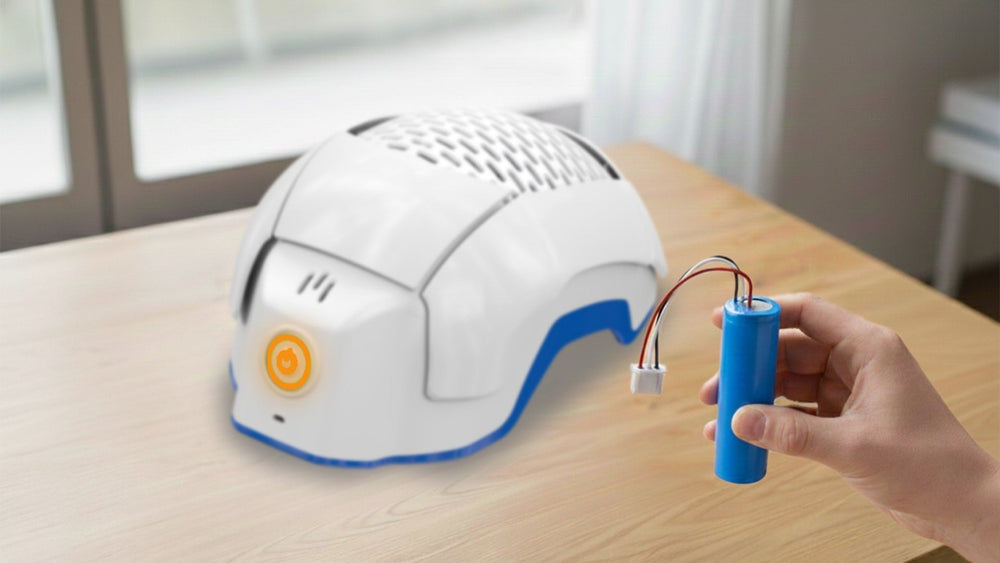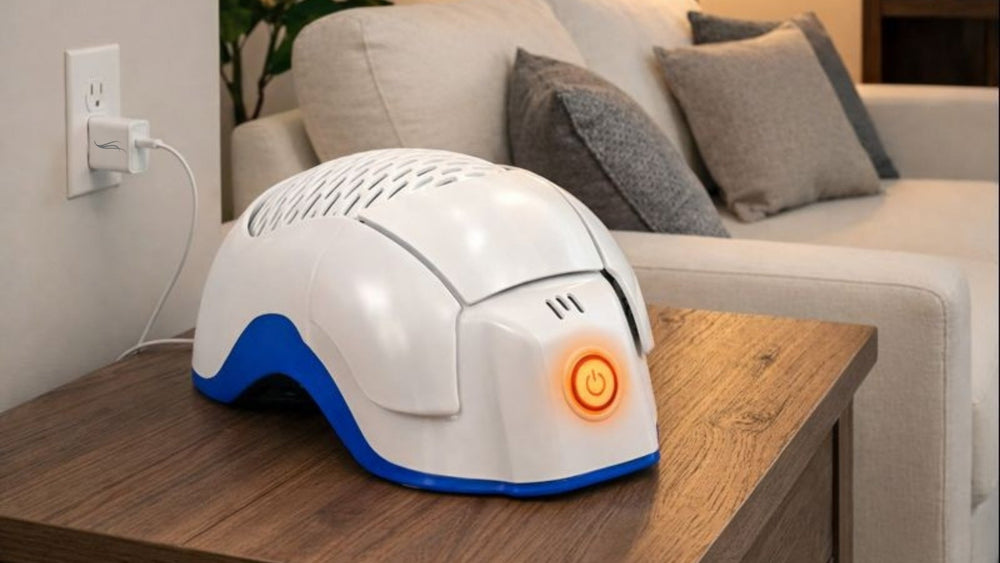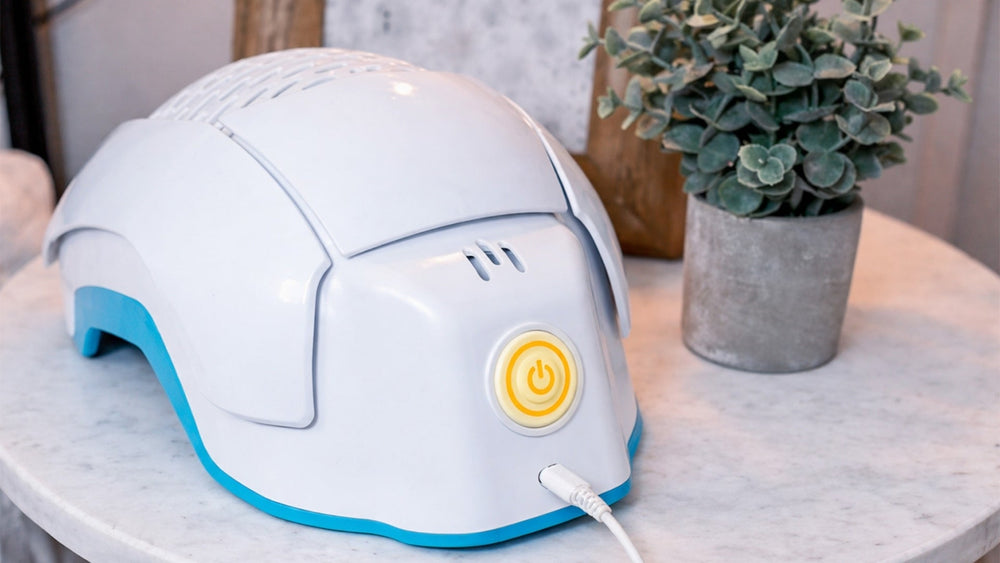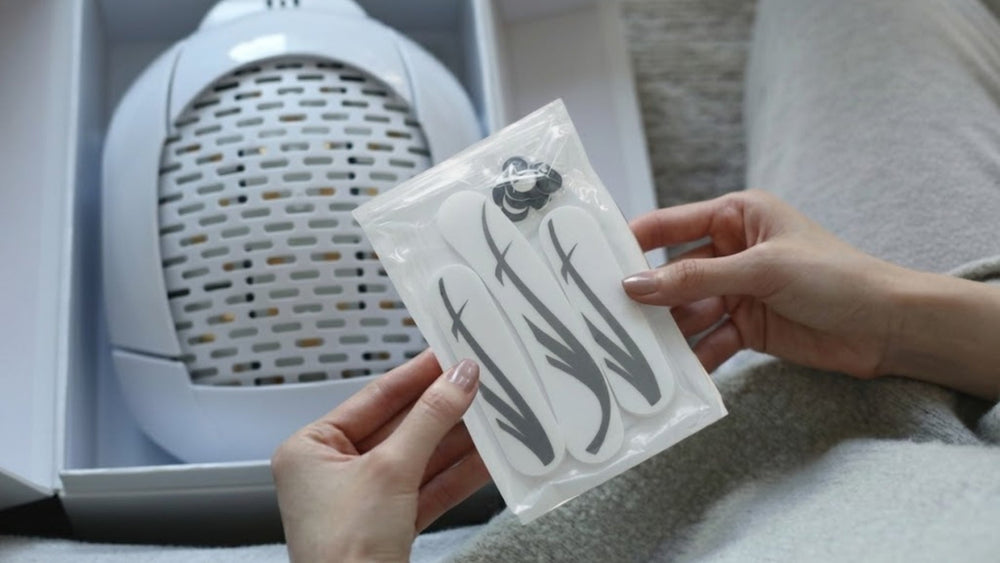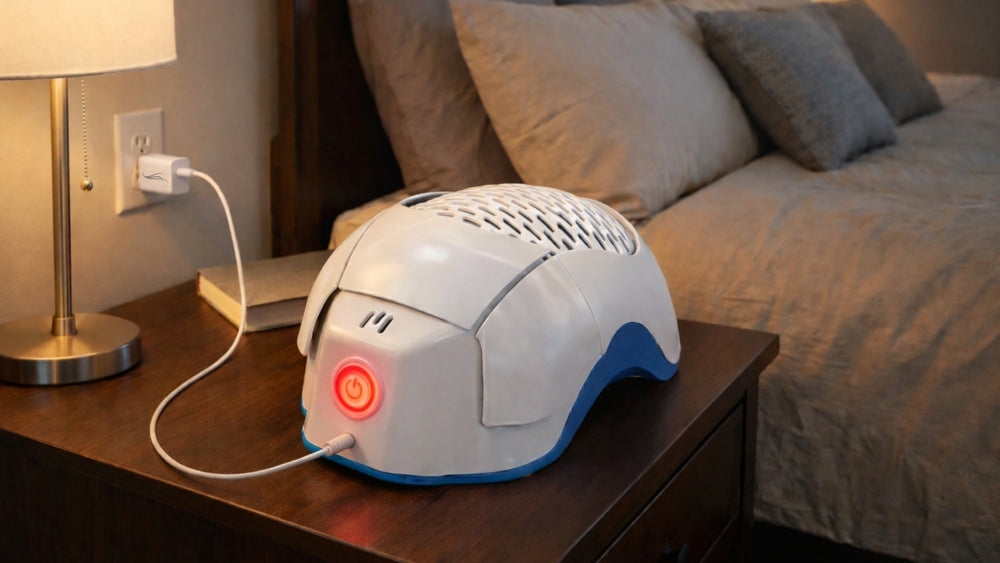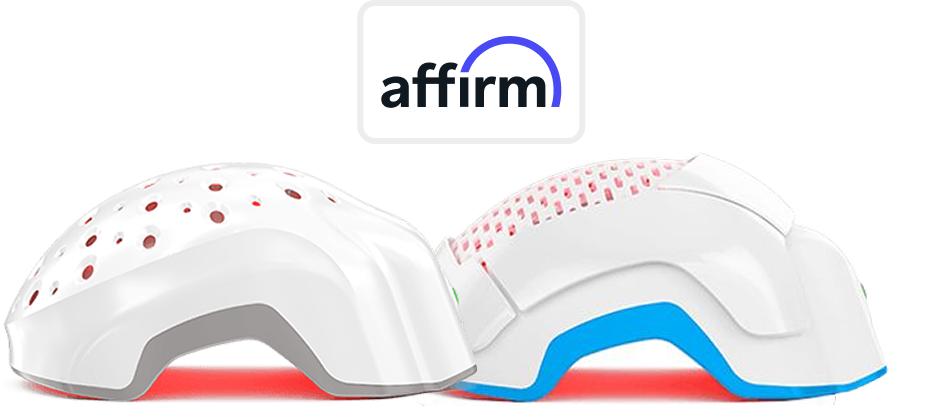






Laser Phototherapy harnesses cold, low-power red light tuned to wavelengths that stimulate the scalp. The light is absorbed by mitochondrial chromophores like cytochrome c oxidase, nudging follicles to produce more ATP, improving cellular energy and prolonging the anagen (growth) phase of hair.
Unlike surgical lasers that cut or cauterize, LPT uses Class 3R cold lasers, producing no heat, no tissue burn, and no downtime. It’s closer to “sunbathing for your cells” than to anything out of Star Wars.
Is Theradome FDA-Cleared for Hair Loss?
Yes. Theradome was the first wearable helmet device to receive FDA clearance (via the 510(k) pathway) for treating androgenetic alopecia in both men and women.
Theradome is FDA-cleared, meaning it demonstrated substantial equivalence to a predicate device in terms of safety and intended use.
What Do Clinical Studies Show?
Multiple randomized, sham-controlled trials and a systematic review confirm that LPT devices significantly increase hair density and thickness in people with androgenetic alopecia.
-
Meta-analysis (11 RCTs): FDA-cleared LPT devices led to statistically significant gains in hair counts vs sham.
-
Seminal multicenter RCT: Jimenez and colleagues (2014) showed increased terminal hair counts in both sexes after 24 weeks of helmet-based LPT.
-
AAD guidance: notes LLLT as a recognized non-drug option for hereditary hair loss.
So yes, evidence is real. Results aren’t instant—but they’re not placebo either.
Is It Safe to Use Lasers at Home?
Yes—absolutely.
Consumer LPT devices like Theradome use Class 3R cold lasers, which are fundamentally different from the high-energy surgical or industrial lasers people often imagine. These “cool” lasers produce no heat, no tissue burn, and emit under 5 milliwatts of optical power—thousands of times weaker than even a basic household light bulb.
To put that in perspective:
a 100-watt incandescent bulb gives off about 20,000 times more light energy than the entire Theradome helmet. In other words—if a flashlight can’t burn you, neither can a Class 3R laser.
But let’s be honest. The word laser still makes some people uneasy. Pop culture didn’t help. We’ve all seen Star Wars beams slicing through starships or Resident Evil scenes where lasers turn corridors into danger zones. In reality, LPT devices are closer to the red pointers used in classrooms than to any science-fiction weapon.
Tamim explains it best: for decades, laser pointers have sat harmlessly in lecture halls and boardrooms. In fact, the FDA classifies these as the same cold-laser category used in LPT. When people panic—“Be careful, you’ll blind someone with that!”—they’re reacting to the word, not the physics.
Let’s debunk that with facts.
Back in 1998, European headlines warned that mischievous teens were shining red laser pointers into drivers’ eyes, supposedly reducing vision by 20%. Yet medical reviews found that such consumer-grade lasers were far too weak to cause real retinal injury—especially at distance. The blink reflex (a built-in defense that shuts your eyelids within one-tenth of a second) prevents meaningful exposure. The only side effect those experiments produced? Dry eyes—from not blinking.
Even when green pointers appeared (brighter, longer-range, still consumer-grade), the main hazard wasn’t blindness but distraction. Pilots complained of glare, not eye damage. That’s why regulators prohibit aiming any laser at aircraft—not because it’s dangerous light, but because it’s dangerous distraction.
So, when we talk about Theradome, we’re talking about a device safer than the laser pointer in your desk drawer.
The FDA’s Class 3R safety designation means exactly this: under normal use, these lasers cannot cause harm. They generate no perceptible heat and have been widely used in medical photobiostimulation for more than two decades with virtually no severe adverse events.
Consequently, the classic four laser-related risks(burns, scarring, pain, and infection) are non-issues here. Cold lasers can’t cut or cauterize. They stimulate. Think of them as a safe, energy-rich light bath for your scalp, designed to wake up dormant follicles without damaging the skin around them.
So yes, lasers (when you’re using the right kind) are safe. Safer, perhaps, than the myths ever let on.
Real Stories: From Frustration to Confidence
Angela’s Turning Point
The Challenge: Angela described losing her hair as losing a part of herself—first after grief, then the daily reminder in the mirror. She tried quick fixes, even the supplement stacks everyone online raved about, but nothing changed.
The Solution: She was skeptical about “lasers” until she learned that Theradome was FDA-cleared and mentioned by dermatologists in real guidelines. She liked that it was hands-free and could be used while reading or cooking. That daily ritual, oddly enough, became calming.
The Results: By month 4, she noticed fewer strands circling the shower drain. At month 6, photos showed new density at her crown. More than hair, though, she said it gave her back a quiet sense of normal.
Jenny’s Research-Driven Decision
The Challenge: Jenny had tried everything: shampoos promising miracles, oils her friends swore by. Zero results. She dug into research and realized most “miracle” treatments lacked peer-reviewed evidence.
The Solution: After finding meta-analyses on LPT, she decided on Theradome. At first, she thought, what if this is just another gadget? But the FDA clearance tipped her decision.
The Results: Three months in, she noticed less shedding on her pillow. By six months, her ponytail felt thicker. “I can walk into meetings without worrying everyone is staring at my scalp,” she told us. Confidence restored, brick by brick.
Melba’s Steady Journey Under a Trichologist’s Eye
The Challenge: Melba’s thinning hair terrified her. She was afraid she’d waited too long. She sought out a trichologist to make sure she wasn’t missing an underlying cause.
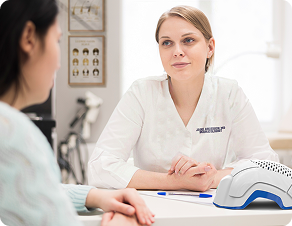
The Solution: With professional oversight, she added Theradome to her care plan. Her clinician explained that LPT requires patience (weeks, not days) and reassured her it was compatible with her other treatments.
The Results: Six months later, her trichologist’s dermoscopy showed increased miniaturized hairs returning to terminal thickness. That visual evidence mattered. “It wasn’t just in my head,” she said. “It was in the microscope too.”
Practical Guidance
Setting Expectations and Tracking Progress
- Use consistent lighting + angles for progress photos.
- Expect subtle shifts first: less shedding, then visible thickening.
- Re-evaluate at 6 months, not 6 days.
When Should You Talk to a Dermatologist or Trichologist?
Before starting any device, a professional should rule out causes like thyroid disease or scarring alopecia. Trichologists can also track results objectively with scalp imaging.
Conclusion
Hair loss often begins as frustration. For Angela, Jenny, and Melba, frustration gave way to quiet confidence—with time, patience, and a device backed by both personal stories and scientific evidence.
If you’re standing at that same crossroads, consider this: science doesn’t promise miracles, but it does offer tools. Theradome is one such tool. And sometimes, that’s all you need to take the first step back to yourself.