
what is the best red light wavelength for hair growth
By Tamim Hamid Last Updated on 12/23/2025

What Is the Best Red Light Wavelength For Hair Growth?

Key Takeaways

  • The therapeutic red window is ~630–680 nm for hair regrowth. Evidence clusters at ~650–655 nm and ~675–680 nm.
  • 680 nm matches the oxidized CCO absorption band and has emerging support, including dual-wavelength work where 680 nm + 780/880 nm pairs outperformed single-red in animal models.
  • Dose, fluence, coverage, and routine often matter more than chasing a single “magic nm.” PMC
  • LPT devices are FDA-cleared (510[k]) for hair growth indications in AGA.

Clinical evidence supports a red window from ~650 to 680 nm for androgenetic alopecia, with two active clusters: ~650–655 nm and a newer upper-red cluster around ~675–680 nm. Theradome is tuned to 680 nm, which aligns with the oxidized cytochrome-c-oxidase absorption band in the 600–680 nm range and is reinforced by emerging data — including dual-wavelength experiments showing 680 nm-containing pairs outperform single-red settings in preclinical models. Real-world outcomes still depend heavily on dose, uniform coverage, and adherence.

What Does “Red Light Wavelength” Mean In Hair Growth?

Wavelength is just the distance between peaks in a light wave, measured in nanometers (nm). Red light lives in the visible spectrum roughly 620–750 nm, and near-infrared sits above that. Both are forms of electromagnetic radiation in the physics sense, which simply means energy traveling as waves. That word can sound ominous. It isn’t, here.

The “Optical Window” and Why It Matters

Biological tissue has an optical window roughly 600–1100 nm where light transmits more efficiently. Within this window, red and near-infrared (NIR) can reach living targets like hair follicles, depending on power, exposure time, and local anatomy. Several mechanistic reviews describe chromophore absorption in this band and the downstream signaling it triggers.

Why Red Light Works for Hair Growth While UV and Other Lights Don’t

It’s tempting to imagine that “light is light” and any color might fuel follicles. That’s not how scalp biology works. Ultraviolet (UV) light, for instance, carries plenty of energy but is absorbed so superficially that it never reaches the follicle zone. It mostly bombards the outer skin layers and can even damage them with overexposure.

Red light, on the other hand, sits in a sweet spot of the spectrum. In physics, this band (roughly 620–750 nm) sits inside what researchers call the “optical window” of tissue, where light penetrates more efficiently. At around 650–680 nm, photons reach 8–10 mm into the scalp — right where hair follicles live and cycle. Blue or green light barely makes it half a millimeter deep.

A simple test illustrates this: shine a blue, green, or yellow laser pointer across your fingertip. You won’t see much. But try a red pointer — it visibly travels through. That’s the same principle at work in laser phototherapy (LPT) devices: the red wavelengths can slip past the skin’s surface barriers and bathe the follicle’s mitochondria, while other colors simply fizzle out before they get there.

Near-infrared (NIR) light extends the story. With wavelengths from about 780–1100 nm, NIR can travel deeper still, sometimes up to 20–100 mm in soft tissue. That’s useful in some medical settings, but for hair growth, the follicles aren’t buried that far down. In fact, past ~680 nm much of the energy is increasingly absorbed by red blood cells, meaning the light isn’t as available to the follicle microenvironment. That’s why visible red, not invisible infrared or superficial UV, has dominated the clinical trials.

Light’s effect follows what’s called the Arndt-Schulz law. Too little energy does nothing. Too much can overwhelm cells or even suppress activity. The curve is biphasic — meaning there’s a “just right” middle dose that stimulates follicles back into anagen. UV, blue, or green wavelengths can’t safely deliver that sweet spot because they don’t penetrate deeply enough. Red light does.

UV and non-red light are not clinically validated for hair regrowth. The evidence remains squarely anchored in red wavelengths, especially ~650–655 nm, with a growing but smaller body of data around ~675–680 nm and occasional dual-wavelength (red + NIR) combinations.

How Does Red Light Stimulate Hair Growth?

Hair cycles through anagen (growth), catagen (transition), and telogen (rest). In androgenetic alopecia, follicles miniaturize and spend less time in anagen. Helping follicles re-enter and sustain anagen is the game.

Photobiostimulation

Laser phototherapy (often called LLLT in the literature) exposes scalp tissue to specific light doses that can be absorbed by chromophores like cytochrome c oxidase in mitochondria. This can increase ATP, modulate nitric oxide, and fine-tune reactive oxygen species signaling. The result is a metabolic nudge that supports cycling back into anagen and improving hair fiber output. That is the leading hypothesis, and it’s supported by multiple reviews.

Anti-inflammatory and Microenvironment Effects

Beyond mitochondria, photobiomodulation can dampen inflammation and influence local circulation. These changes likely support follicle homeostasis. Dermatology overviews continue to refine these details, but the gist persists across the evidence base.

Which Red Light Wavelengths Work Best For Hair Regrowth?

Most human RCTs to date sit in visible red. More recently, investigators have explored the upper-red band ~675–680 nm, which maps to oxidized cytochrome-c-oxidase absorption and offers a biologically coherent target for follicular photobiomodulation. 

Why 680 nm is the Sweet Spot

Mechanistic papers place oxidized CCO absorption in the 600–680 nm band, making 680 nm a rational peak-edge choice. In a 2025 preclinical study, dual-wavelength combinations that included 680 nm (680+780 and 680+880) produced greater hair regrowth than a single red wavelength in mice, suggesting synergy at the upper red boundary. Early human data at ~675 nm also report improvements in AGA. So, 680 nm sits at a mechanistically strong spot, with emerging supportive evidence alongside the earlier 650–655 nm clinical tradition.

Dual Wavelengths May Add Up

A recent preclinical study tested 680 nm paired with 780 nm or 880 nm and observed superior regrowth versus single-red conditions, consistent with the idea that upper-red + NIR can recruit complementary effects. Human replication is still limited.

Do LEDs Work As Well As Lasers?

Evidence supports photobiomodulation with both laser diodes and LEDs, but many hair RCTs used lasers. A 2021 systematic review of FDA-cleared devices concluded LPT is potentially effective for pattern hair loss, while calling for more standardized dose reporting and longer follow-up. Another meta-analysis advises evaluating emitters (laser vs LED) and dose rather than obsessing over device shapes. So, device design and dosing matter a lot.

Depth Matters, but Follicles are not Deep Brain Targets

Yes, NIR can sometimes travel deeper in tissue. The scalp, though, is a shallower target than the brain. The wavelengths with the best hair RCT track record remain ~650–655 nm, aligning with practical follicle depth. Theory is useful. Trials are better.

What Do Clinical Studies And Reviews Say?

Recent quantitative syntheses generally agree: LPT beats sham for hair density in AGA over ~12–26 weeks. A 2021 meta-analysis of FDA-cleared home-use devices found significant improvements and recommended more standardized protocols. A 2024 Dermatologic Surgery review also affirms efficacy with an eye toward refining parameters.

Landmark randomized trials

Timelines, Sexes, Durability

Most trials report visible improvements starting around 12 weeks, with clearer density gains by 24–26 weeks. Effects are seen in men and women with pattern hair loss. Long-term maintenance beyond controlled trial windows is less well documented and likely requires ongoing use.

Dose Versus Wavelength — Which Matters More?

Irradiance (power per area), fluence (energy per area), session length, and frequency shape outcomes. PBM often follows a biphasic dose response where too little or too much underperforms. Practical tip that meta-analyses echo: a reasonable weekly total with steady adherence tends to beat marathon or chaotic schedules.

Coverage Counts

Devices that cover the entire scalp can reduce dosing gaps from hair parting or operator technique. Several RCTs note distributed coverage as a design strength. In other words, don’t only chase nanometers. Chase complete, repeatable delivery.

How Safe Is Red Light For Hair Growth?

Home hair-growth devices use low-power visible lasers. In the U.S., laser devices are regulated, and hazard classes communicate risk. Class 3R visible lasers are limited to 5 mW per beam and are considered low risk with restricted beam viewing. They are not heat therapy, and they are not surgical cutting tools. Avoid looking directly into any beam. Follow the manual.

Adverse Events in Trials

Across RCTs and reviews, serious adverse events are rare. Reported events include temporary shedding and mild scalp pruritus, which typically resolve. Safety still means common sense: keep beams off eyes, do not exceed instructed times, and review photosensitive conditions with your clinician.

“Radiation” Is a Physics Word

The R in LASER is “radiation” because physics uses the term for energy as waves, including safe visible light. That is not the same concept as ionizing radiation from X-rays. Context matters.

Can LPT Be Combined With Other Treatments?

Minoxidil + LPT

Combination therapy often outperforms monotherapy. Recent analyses report higher satisfaction and density with LPT + topical minoxidil compared with minoxidil alone, with no increase in adverse events. If you tolerate minoxidil, pairing is reasonable to discuss with your dermatologist.

Finasteride for Men, Tailored Plans for Women

Pharmacologic therapy remains important. Meta-analyses consistently find finasteride and minoxidil effective for AGA. LPT can complement them, not replace them. Individualize with your clinician.

Scalp Health Basics

Address inflammation, dermatologic conditions, and hair-care habits. LPT isn’t magic if the baseline environment is hostile. Evidence reviews in dermatology emphasize a multimodal plan for best odds.

Practical Expectations And Timeline

In RCTs, 12 weeks is a common threshold for first visible changes in density and miniaturization pattern. More robust differences tend to show by 24–26 weeks with continued use. Patience helps. Consistency helps more.
Who Benefits Most

Folks with early to moderate AGA generally see the most change. Advanced miniaturization limits recoverable follicles. Set expectations accordingly and consider combined therapy sooner rather than later.

Maintenance

Hair biology cycles. Gains fade if all therapy stops. Most regimens plan for maintenance use after initial response. Discuss a taper, but plan to keep going.

How to Choose A Trustworthy Device?

Devices are FDA-cleared through the 510(k) pathway, which is different from drug approval. Review 510(k) summaries for intended use and wavelengths. For example, one low-level laser comb was cleared with 635 and 655 nm modules, each beam at low power. This is how the agency records parameters and equivalence.

Specs That Matter in Practice

Look for transparent specs on wavelength, number of diodes, irradiance/fluence, and session timing. Full scalp coverage helps reduce dosing gaps. Verify indications match your pattern hair loss classification in the filing.

Questions for Your Clinician

  • Is my pattern and stage of hair loss appropriate for LPT now
  • What’s a sensible plan for LPT + minoxidil or other therapies
  • How should we monitor density and miniaturization changes over 6 months

Why Theradome Is the Trustworthy Option

If you’ve read this far, you already know that not all “laser caps” are the same. The difference often lies in design discipline; how precisely each device delivers red light at the right wavelength, dose, and coverage. That’s where Theradome earns its reputation.

First-Ever FDA-Cleared Wearable LPT Device

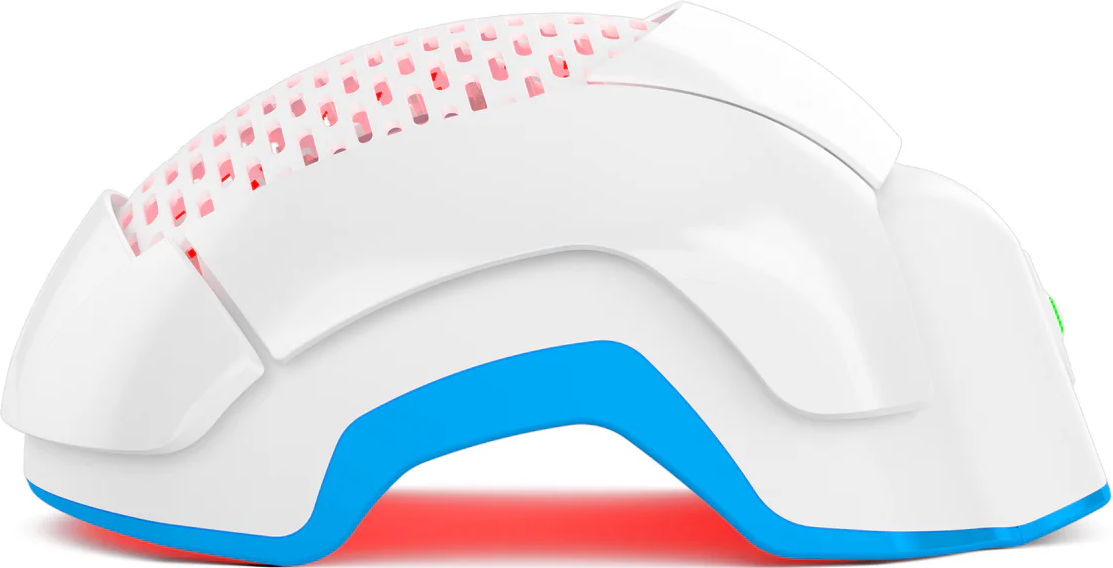
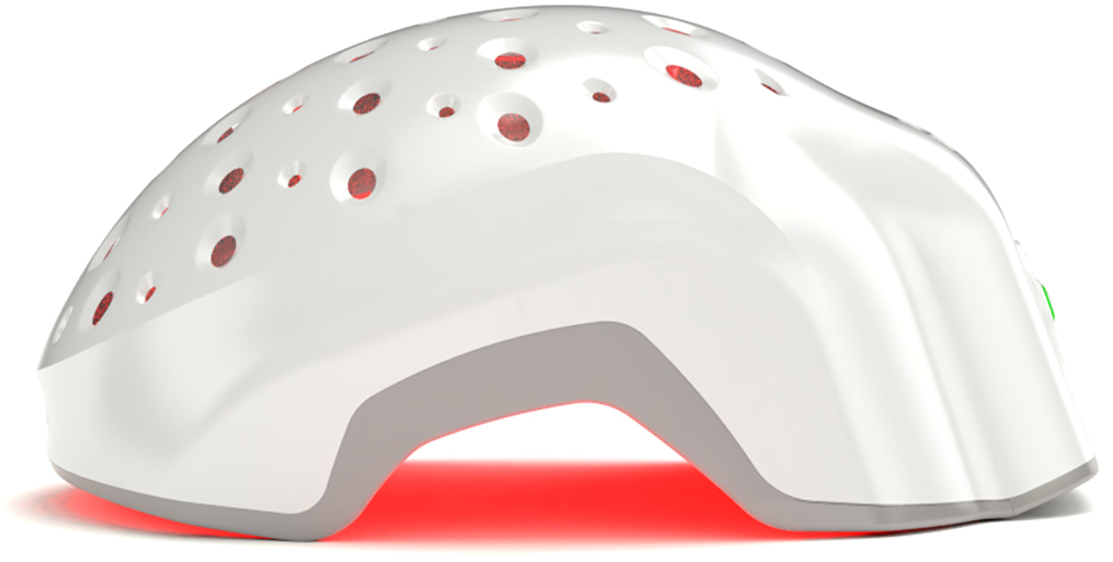
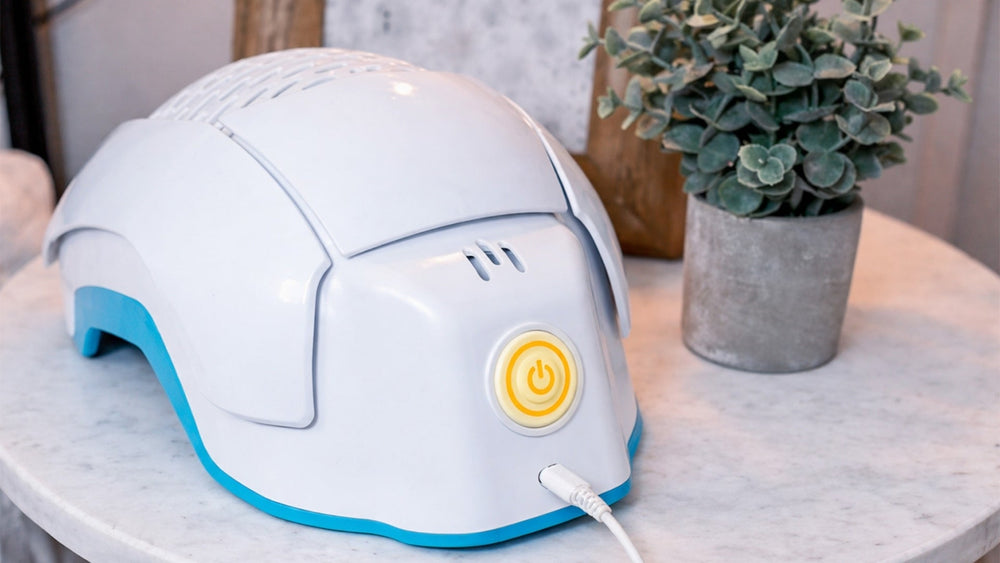
Theradome was the first FDA-cleared, wearable medical-grade laser phototherapy (LPT) device developed specifically for androgenetic alopecia in both men and women.

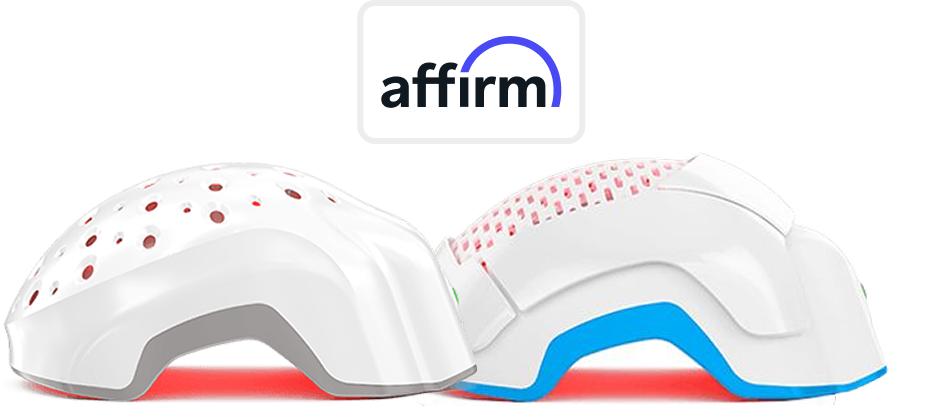
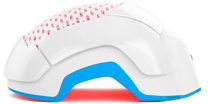
Unlike generic LED helmets, it employs 80 proprietary, 680 nm cold-laser diodes — the same evidence-anchored wavelength repeatedly validated in clinical trials for pattern hair loss. Each diode emits within the narrow therapeutic window proven to trigger photobiostimulation without heat or tissue stress.

Science-Driven Power and Coverage

The device’s optical design ensures uniform scalp illumination, reducing the “hot-spot” and shadowing issues common with low-density arrays. Its total optical output delivers the highest energy dose per session among FDA-cleared at-home LPT systems while remaining well below Class 3R safety thresholds.

In other words — safe, but potent enough to reach the follicle depth where regeneration happens.

Engineered for Real-World Compliance

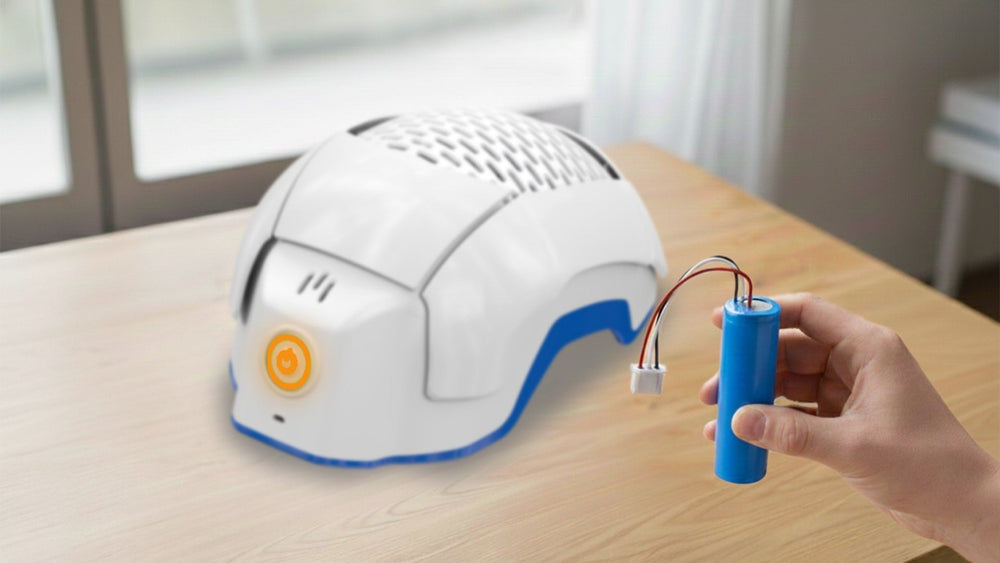
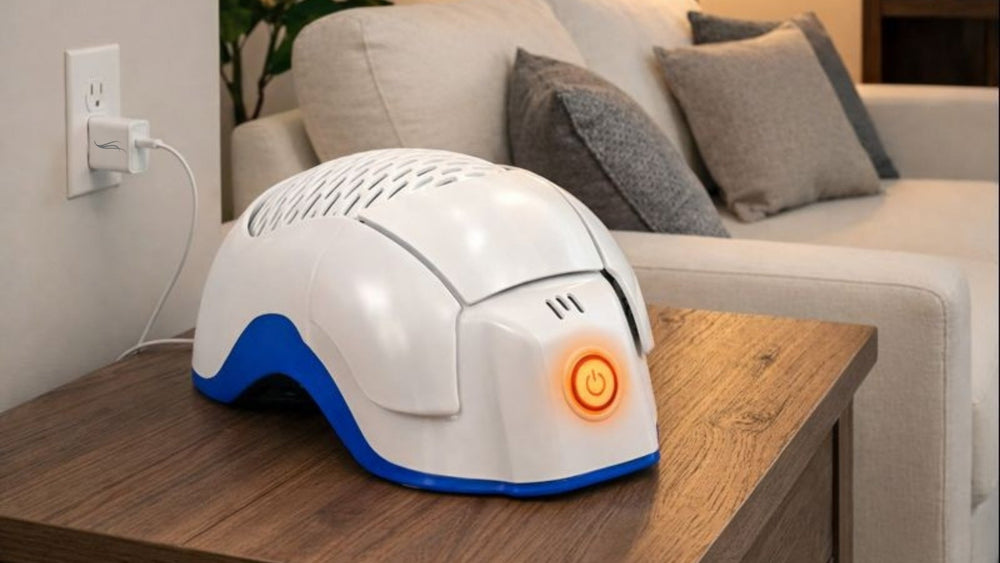
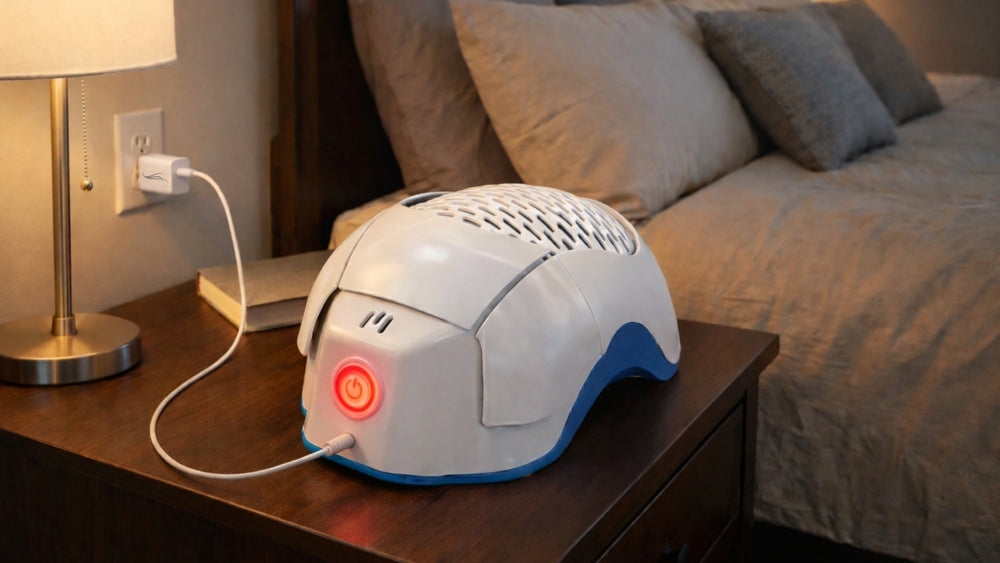
A device only works if people actually use it. Theradome’s cordless, wearable format was engineered for consistent adherence, the single biggest predictor of hair-growth success in long-term LPT studies. Automatic session timing, even light distribution, and comfort-fit design all reduce human error — the hidden variable in many home-use outcomes.

Validated, Not Imitated

Theradome’s early clinical prototypes laid the groundwork for today’s global LPT standards. Its FDA clearance preceded and influenced subsequent devices, and the company continues to invest in peer-reviewed collaborations on dose optimization and combination therapy (for instance, LPT + topical minoxidil trials).

Transparent Science and Safety

Every Theradome device lists its exact wavelength, power, and class on the product label — no hidden specs, no vague marketing terms. All models operate with non-ionizing visible light, meaning no burns, no UV exposure, and no heat damage. The lasers are “cold” by definition, producing under 5 mW per beam; about 20 000 times less optical power than a 100-W household bulb.

When dermatologists and trichologists recommend Theradome, they do so because the brand’s foundation is scientific precision, not hype. It remains the first, original, patented, FDA-cleared full-coverage LPT helmet, tuned to the evidence-centered red-light range around 680 nm that decades of research now endorse.

Conclusion

So, aim for a clinically anchored red. The evidence-heavy sweet spot today is ~650–655 nm. If your clinician thinks a dual-wavelength option fits your pattern and routine, reasonable minds can try it. Pair LPT with minoxidil where appropriate, keep sessions steady, and expect a 12–26 week horizon for visible changes. The device should be FDA-cleared, list its wavelengths, and provide full-scalp coverage. Bring your questions, your timeline, and your goals. Then commit to the plan.

Frequently Asked Questions

  • Not in any consistent, clinically documented way in AGA studies. LPT influences cycling and density more than pigment.

Tamim Hamid

Tamim Hamid

Inventor and CEO of Theradome

Sayyid Tamim Hamid, Ph.D, is the inventor of the world’s first FDA-cleared, wearable phototherapy device to prevent hair loss and thicken and regrow hair. Tamim, a former biomedical engineer at NASA and the inventor of Theradome, brings with him more than 38 years of expertise in product development, laser technology, and biomedical science. Tamim used his laser knowledge, fine-tuned at NASA, and combined it with his driving passion for helping others pursue a lifelong mission in hair loss and restoration. He is now one of the world’s leading experts.

TDBLG351