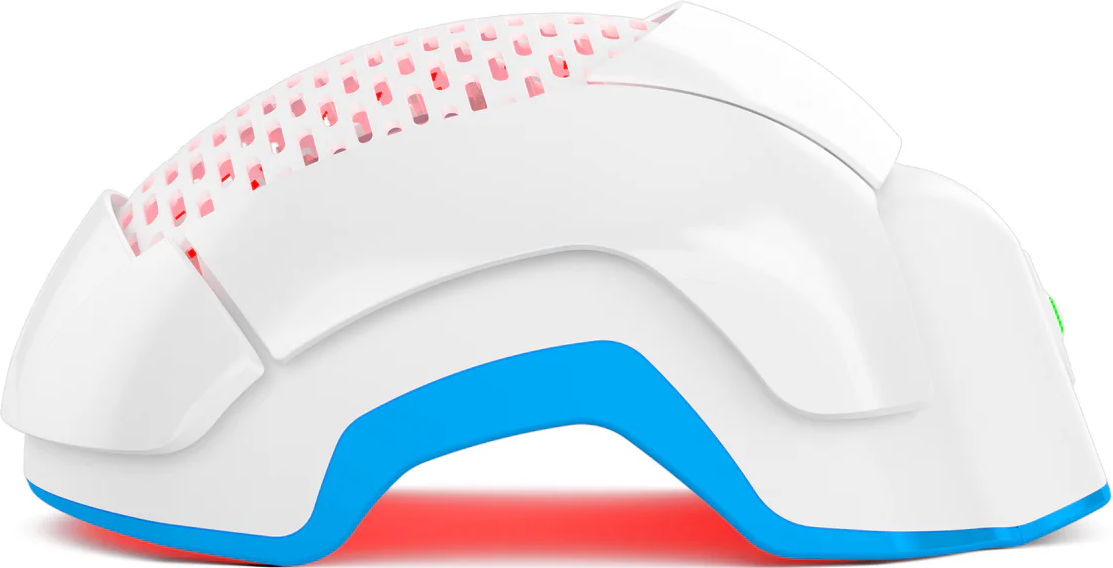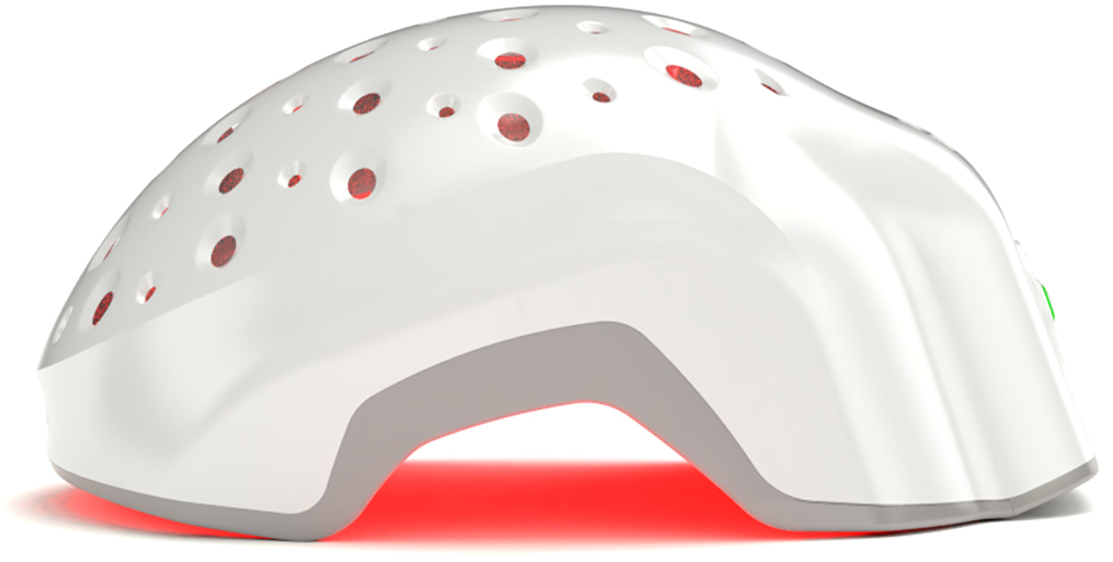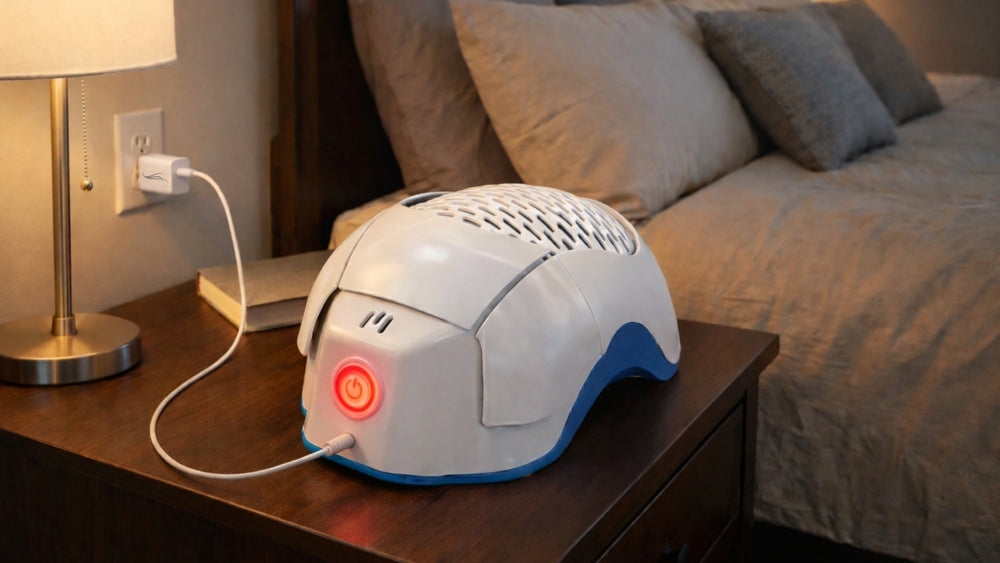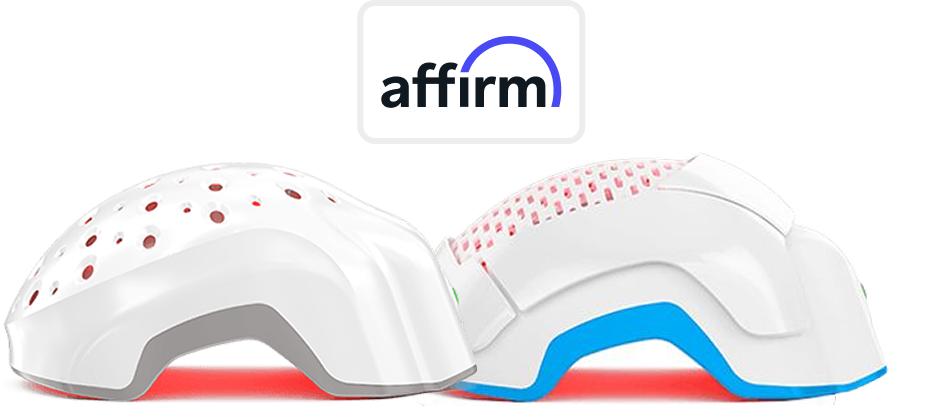








At its core, LPT delivers photons that interact with chromophores (notably cytochrome c oxidase) in mitochondria. This triggers ATP production, nitric oxide release, and downstream signaling that can promote anagen entry, increase cell proliferation, and reduce oxidative stress.
Because of a biphasic dose response (i.e. too little or too much light can reduce effect), correct dosing matters.
The Role of Trichologists in Hair Loss Treatment
Trichologists specialize in the science of hair and scalp. They often complement dermatology—they focus more on diagnosis, scalp imaging, lab tests (iron, thyroid, hormones), and integrating physical, topical, and device-based strategies.
They are uniquely positioned to adopt LPT as part of a multimodal plan, not as a stand-alone gimmick.
Why Trichologists Use LPT
-
Efficacy backed by trials: Many studies show LPT has a measurable, positive effect. PMC
-
Safety: It is low-risk and non-invasive.
-
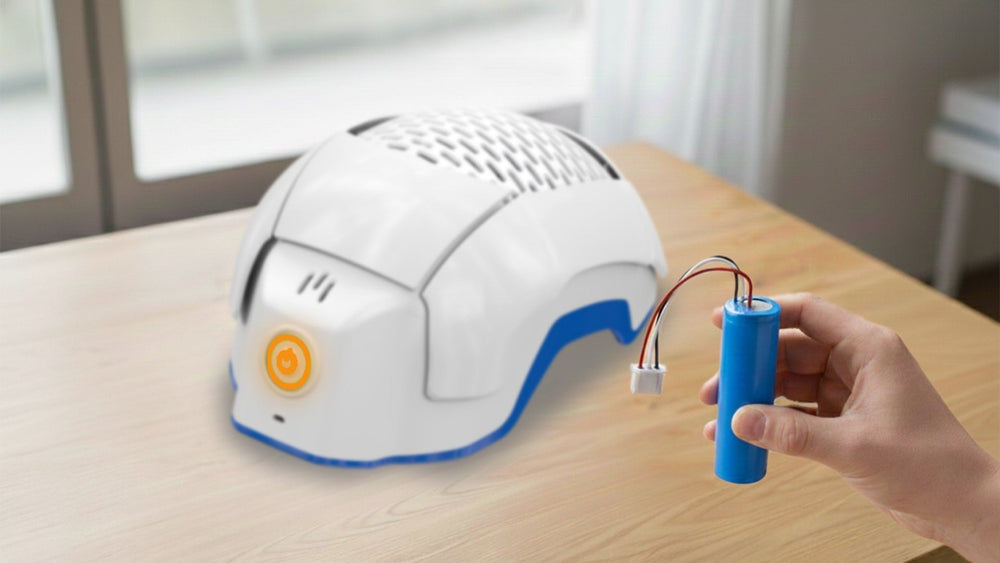
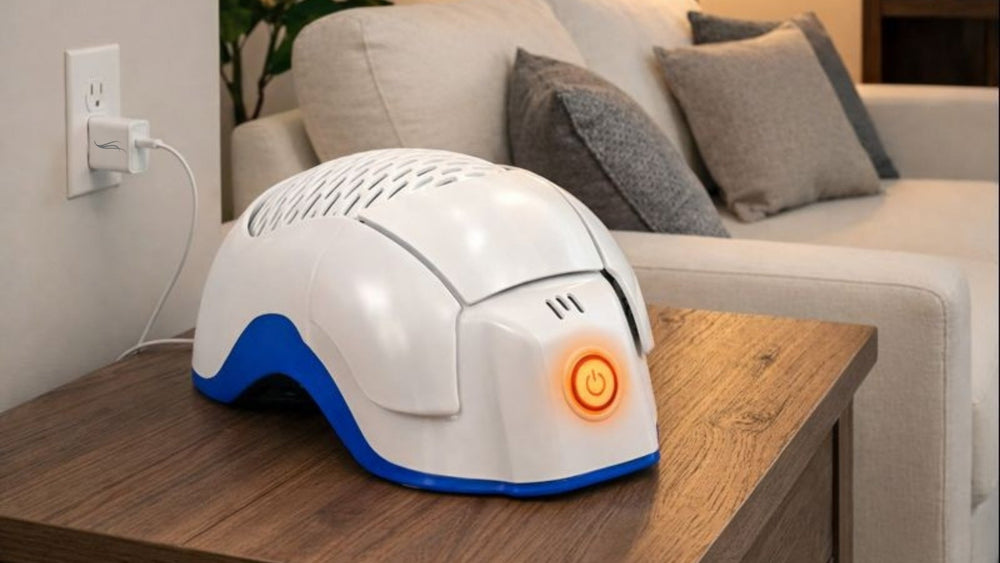
Patient compliance: Wearable devices (helmet/ cap) ease at-home use.
-
Adjunct potential: Works alongside minoxidil, PRP, microneedling, etc.
-
Diagnostic oversight: A trichologist ensures correct patient selection and monitors progress (via scalp imaging/trichoscopy).
Clinical Evidence for LPT in Hair Loss
What the Research Shows for Androgenetic Alopecia
- A meta-analysis pooled randomized, sham-controlled trials and found a significant increase in hair density (standardized mean difference ~1.27) for LPT-treated vs sham.
- Several RCTs:
- Suchonwanit's 24-week helmet trial showed significant increases in hair count and diameter with minimal adverse effects.
- Jimenez / multi-center trials: 3×/week use for 26 weeks leading to greater terminal hair counts vs sham.
- Recent 2024 study: LLLT vs 5% minoxidil over 6 months, showing significant improvements in density and global photos.
- Suchonwanit's 24-week helmet trial showed significant increases in hair count and diameter with minimal adverse effects.
- Reviews (e.g. Aickara 2019) affirm that most clinical studies in pattern hair loss show benefit.
- A 2024 review of therapies confirms LPT significantly increases terminal hair density and regrowth rates.
Safety & Side Effects in Trials
- Across trials, side effects are mild and transient: scalp tingling, slight redness, dryness, itching.
- No serious adverse events consistently reported.
- Eye exposure is a theoretical risk; direct exposure should be avoided.
- Because LPT is non-thermal, risks like burns or scarring are extremely unlikely in proper use.
- Always screen for photosensitivity, skin lesions, or pregnancy zones.
How Trichologists Integrate LPT into Protocols
In-Clinic vs At-Home Devices
- In-clinic devices allow controlled settings, but at-home devices (caps/helmets) are key to adherence.
- Trichologists often begin with in-office sessions, then transition patients to validated home devices.
Typical Trichologist-Prescribed Protocols
-
Frequency: 3×/week or “every other day” schedules are common in trials.
-
Session duration: 15–25 minutes per use.
-
Total period: 16–26 weeks before assessing response.
-
Maintenance: Once gains are stabilized, reduce frequency (e.g., 2×/week).
-
Tracking: baseline vs interim photography, hair counts, and scalp imaging (trichoscopy).
Why Theradome Aligns with Protocol Goals
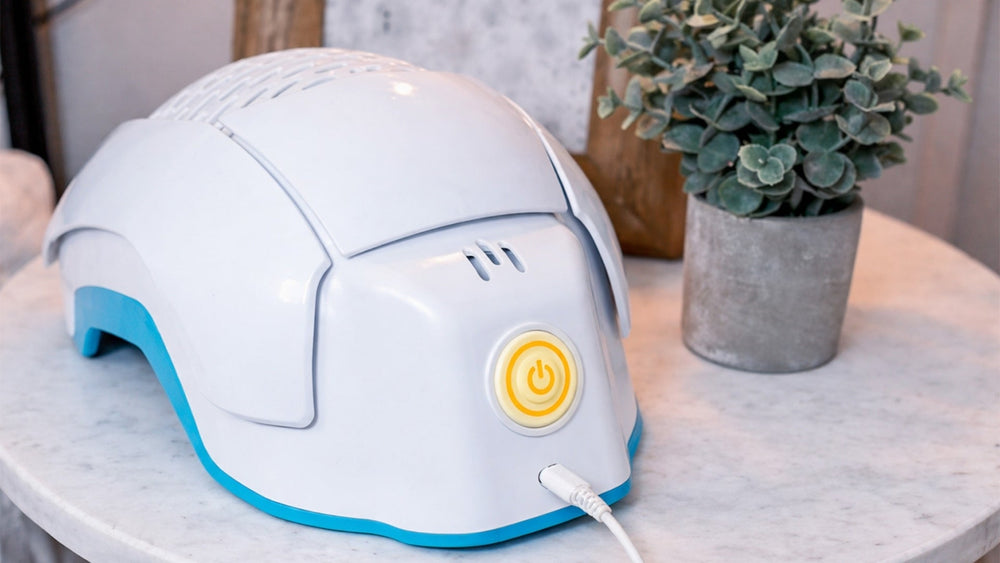
- FDA-cleared device, matching standards of validated home-use equipment (510(k) pathway).
- Uses full scalp coverage and energy dosing consistent with trial devices.
- Comfortable design encourages long-term usage (compliance advantage).
- History of early prototypes and clinical validation supports trust.
The Multimodal Trichology Approach
Diagnosis First
- Rule out mimickers: telogen effluvium, nutritional deficiencies, thyroid issues, androgen excess.
- LPT should be part of a tailored plan, not a universal “fix all.”
Combining LPT with Other Interventions
-
Minoxidil: Some trials show additive benefit (combination > either alone).
-
Comparative study: Combining LPT + 5% minoxidil yielded better improvement than either alone.
-
PRP, microneedling: Often complementary in trichologist protocols.
-
Nutrition and lifestyle: Ensure protein, iron, vitamin D, stress control.
-
Adjunct treatments: Low-dose oral minoxidil, anti-androgens as needed; LPT does not replace them in moderate to severe cases.
Monitoring & Adjusting
- Use baseline vs periodic imaging (e.g., every 12 weeks).
- If no response by week 26, reevaluate device, dose, adherence, diagnosis.
- Consider adding or swapping adjunct therapies, but always under trichologist supervision.
Conclusion
Trichologists wield LPT not as a cure-all but as a scientifically grounded, low-risk adjunct in hair loss protocols. When matched with the right patient, device, and adjunct therapies, LPT can yield real improvements in density and hair health.
If you’re exploring it, consult a board-trusted trichologist, use FDA-cleared device like Theradome, and give it at least 16–26 weeks.
Remember: no magic bullet exists. Progress comes from diagnosis, consistency, and intelligent layering of modalities.