





Peppermint oil may have some hair-growth potential in lab and animal research, but there is no strong human clinical evidence showing that it reliably regrows hair or treats pattern hair loss. What it can do, more plausibly, is create a strong cooling sensation on the scalp and, in some cases, help with scalp comfort or itch, which is not the same thing as reversing follicle miniaturization.
A lot of “natural hair growth” advice survives on vibes, tingles, and hopeful before-and-afters shot under kinder bathroom lighting. Peppermint oil sits right in that messy middle. It sounds clean. It feels active. It has one genuinely interesting paper behind it. And then… things get thinner, evidence-wise, pretty fast.
That is the real question here, really. Not whether peppermint oil feels useful. But whether it has enough behind it to deserve a serious place in a hair-growth plan.
What is peppermint oil, biologically?
Peppermint oil comes from Mentha piperita, and its main active compound is usually menthol. Menthol is what gives peppermint that familiar cold, almost icy sensation on skin and mucosal surfaces. In research terms, menthol activates TRPM8, which is one of the main receptors involved in sensing cool temperatures.
Why it feels like it’s doing something
That cooling effect matters psychologically more than people realize. If a scalp product tingles, cools, or makes you feel “something happening,” your brain is very willing to file that under effective. We all do this a bit. But menthol activating a sensory receptor is not, by itself, proof that damaged or miniaturizing follicles are recovering.
And that distinction, tiny as it sounds, is where a lot of bad hair advice sneaks in.
What does the research actually say?
The paper that made peppermint oil a recurring guest in hair-growth conversations is a 2014 study published in Toxicological Research. The researchers used C57BL/6 mice, split them into four groups, and applied saline, jojoba oil, 3% minoxidil, or 3% peppermint oil topically for four weeks.
The 2014 study breakdown
In that mouse model, the peppermint oil group showed earlier visible hair growth and increases in dermal thickness, follicle number, and follicle depth. The study also reported higher alkaline phosphatase activity and IGF-1 expression, which are both associated with active growth-phase biology in hair follicles.
The part that gets repeated online, usually with a bit too much enthusiasm, is that peppermint oil even outperformed 3% minoxidil on some markers in those mice. That line is technically rooted in the paper. It is also wildly easy to overread. Mouse skin is not a human scalp. Mouse follicle cycling is not human follicle cycling. And a four-week animal experiment is not the same thing as a properly designed human alopecia trial.
Key findings from the animal study
- Hair growth appeared earlier in the peppermint oil group than in saline, jojoba oil, or 3% minoxidil groups.
- Dermal thickness increased, which the authors interpreted as part of a growth-supportive follicular environment.
- Follicle number and follicle depth increased, both of which suggest stronger anagen activity in that animal model.
- IGF-1 expression and alkaline phosphatase activity rose, which are biologic signals linked with follicle growth processes.
The part most people misunderstand
Promising animal data is not nothing. We should not pretend it is meaningless. But it is still preclinical. Reviews published much later still note that peppermint oil lacks solid human evidence for androgenetic alopecia, and some specifically say there are no human studies adequately evaluating peppermint oil alone for hair growth.
So yes, the mouse paper is worth mentioning. No, it is not enough to crown peppermint oil a proven regrowth treatment.
Can peppermint oil regrow hair in humans?

At this point, there is no robust human clinical trial evidence showing that peppermint oil reliably regrows hair in people with pattern hair loss. That is the plain answer. Not the fun answer, maybe. But still the honest one.
Human hair follicles cycle through anagen, catagen, and telogen, and those cycles stretch across months to years on the scalp. In contrast, mouse models are much tidier and more synchronized, which makes them useful for early biological signals but less reliable as a straight-line forecast of what a human thinning scalp will do.
Why mouse data does not cleanly carry over
Pattern hair loss, especially androgenetic alopecia, involves progressive follicle miniaturization driven by genetics and androgen sensitivity. The 2014 peppermint oil study was not a human trial, and it was not a model of long-term DHT-driven miniaturization in the way people dealing with male or female pattern loss actually experience it.
A treatment can look biologically lively in a lab and still fail to move the needle in real people with real pattern hair loss.
How does peppermint oil work for hair growth?
Based on the preclinical literature, peppermint oil may influence hair biology through changes associated with anagen induction, IGF-1 expression, and alkaline phosphatase activity. Those are respectable mechanistic clues. They suggest follicle-level activity, not just a cosmetic surface effect.
What the mechanism likely is, and what it is not
What we do not have is evidence that peppermint oil addresses DHT, which is one of the key drivers in androgenetic alopecia. So even if peppermint oil can create a more favorable local environment in some settings, that is not the same thing as interrupting the main machinery behind common pattern thinning.
This is where a lot of “natural remedy” advice gets a bit slippery. It swaps possible supportive effect for root-cause treatment, and those are not interchangeable.
Why does peppermint oil tingle on the scalp?
Because menthol activates TRPM8, the receptor most strongly associated with sensing cold. That cooling signal can also overlap with counterirritant effects and sensory changes that make the scalp feel stimulated.
Why that sensation can fool people
A product that feels dramatic gets extra credit in the mind. Fairly human, really. A serum that does nothing you can feel seems weak. An oil that makes your scalp go “oh…” gets remembered. But sensory feedback is not a biopsy, not a dermoscopy result, not a density count. It is just sensory feedback.
And that loops us back to the earlier point. Peppermint oil may feel vigorous before it proves anything clinically.
What are the real benefits of peppermint oil for hair?
Peppermint oil may be more plausible as a scalp-supportive ingredient than as a standalone regrowth treatment. Menthol has recognized sensory effects, peppermint oil has documented antimicrobial and antifungal activity in broader literature, and some topical menthol research supports itch relief.
So if someone says peppermint oil makes their scalp feel calmer, less itchy, or just cleaner somehow, that is not ridiculous. It may help with comfort, and comfort counts. It just should not be confused with proven reversal of hair-loss pathology.
What peppermint oil cannot do for hair loss
Peppermint oil is not an established treatment for androgenetic alopecia. It has not earned that status in guidelines, not in the way laser phototherapy, topical minoxidil, finasteride, or other evidence-backed options have.
Where its limits show up
If your hair loss is driven by progressive follicle miniaturization, hormonal sensitivity, or a diagnosed scalp disorder, peppermint oil is unlikely to be enough on its own. It may sit at the edges of a routine. It is not, based on current evidence, the center of one.
That can sound unromantic. Fine. But hair biology is occasionally rude like that.
How to use peppermint oil for hair growth
If someone still wants to try peppermint oil, the safest, most defensible way to frame it is as a cautious add-on, not a miracle in a bottle and not something to slap onto the scalp neat because a stranger online looked confident. Essential oils are concentrated. Skin can be dramatic about that.
Dilution
Peppermint oil should be diluted in a carrier oil before topical use. There is no hair-growth-specific, clinically validated dilution standard for the scalp, but irritation risk is well recognized with essential oils and with menthol-containing products at higher concentrations.
A cautious approach is sensible. Small area first. Patch test first. Then reassess.
Application
Because there is no strong human efficacy data, there is also no evidence-based scalp protocol you can pretend is settled. People commonly mix diluted peppermint oil into a carrier and apply it for short contact periods, but that is usage tradition, not hard clinical consensus.
What to expect
Realistically? Maybe a cooling scalp feel. Maybe less itch for some people. Maybe no meaningful change in density at all. That is closer to the current evidence than promising visible regrowth on a neat timeline.
Is peppermint oil safe for the scalp?
Usually not terrible when diluted and used carefully. Still, “natural” does not mean nonreactive. Topical peppermint oil can cause skin rash and irritation, and essential oils as a group are well known triggers of allergic or irritant contact dermatitis.
Who should be cautious
People with sensitive skin, eczema-prone skin, active scalp inflammation, or a history of reacting to fragrance components should be more careful. Peppermint oil should also not be applied to the face of infants or young children because menthol inhalation can cause serious adverse effects.
There are also published reports of allergic contact reactions to peppermint oil itself. Rare does not mean imaginary.
What is actually FDA-cleared or FDA-approved for hair growth?
Up to now, the list is surprisingly short. In the U.S., there are really only three FDA-recognized treatment categories for pattern hair loss: minoxidil, finasteride, and laser phototherapy (LPT). The first two are drugs, so they are FDA-approved. LPT is a device category, so qualifying devices are FDA-cleared.
That distinction sounds technical. It is. It also matters. Topical minoxidil has FDA approval for androgenetic alopecia, including nonprescription products for men and women. Finasteride 1 mg is FDA-approved for male pattern hair loss, though not for women, and FDA has also stated there is currently no FDA-approved topical finasteride formulation.
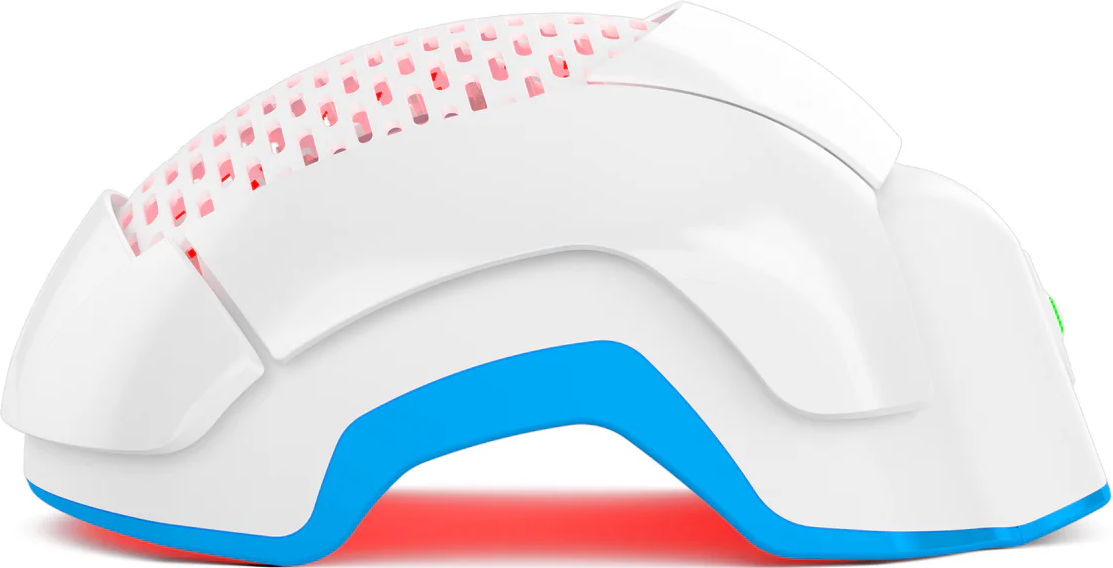
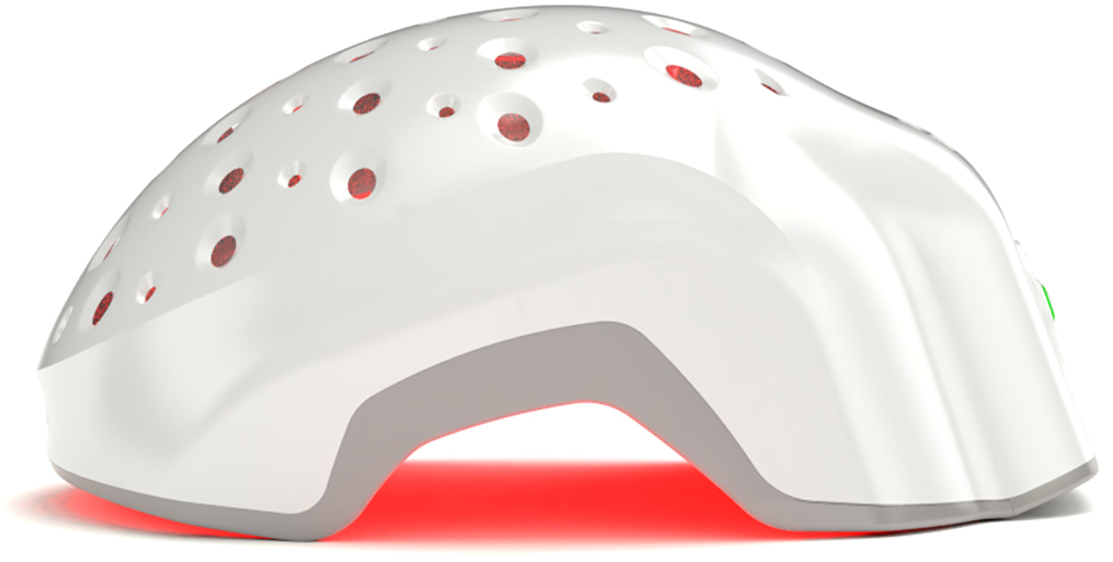
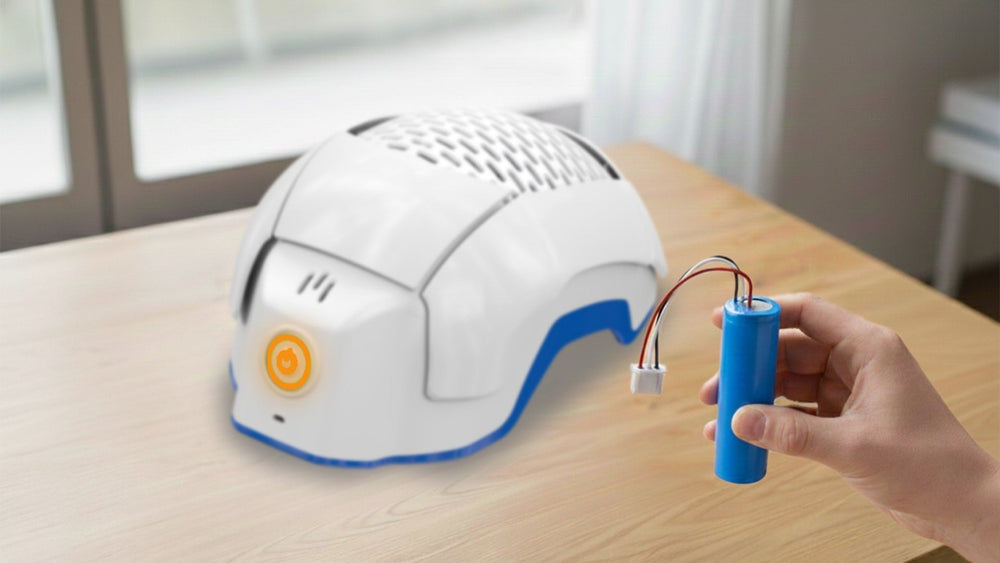
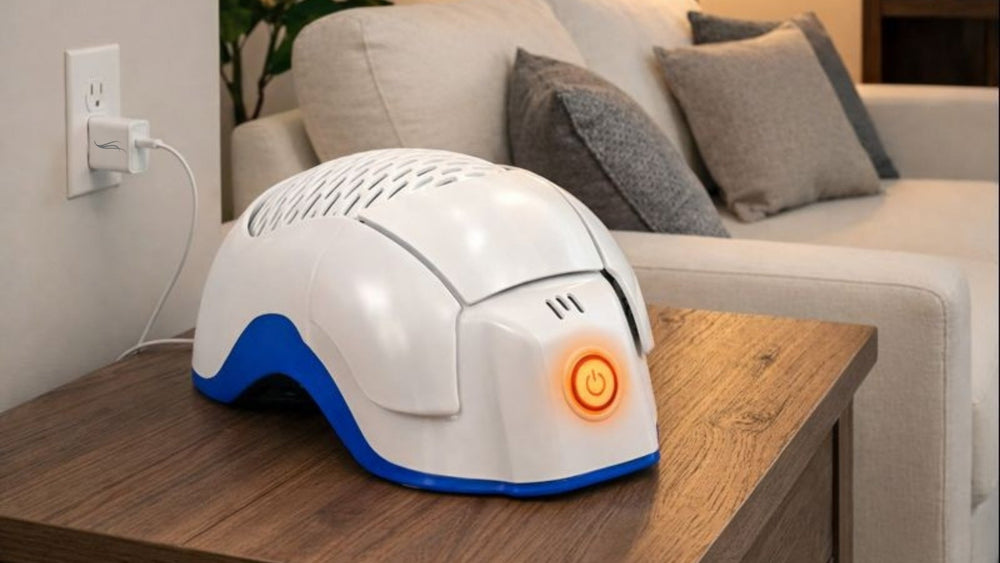
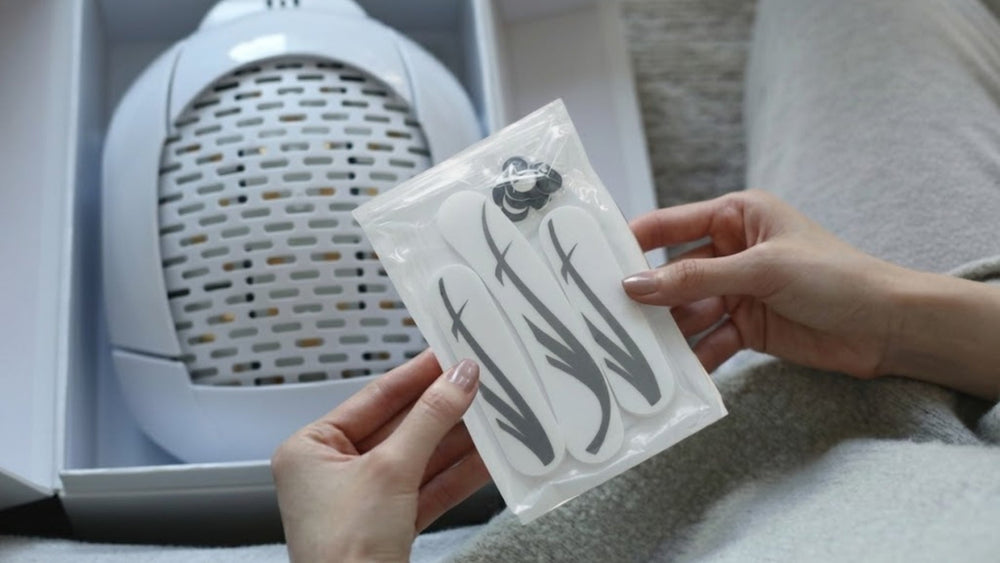
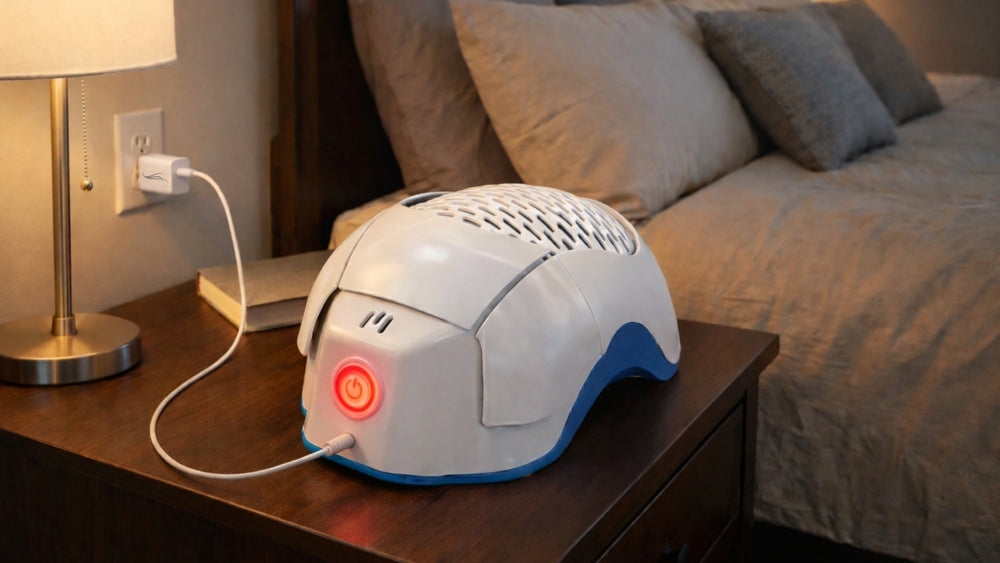
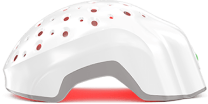
Then there is laser phototherapy. A number of low-level laser combs, caps, helmets, and hood-style devices have been cleared through FDA’s 510(k) process to promote hair growth or treat androgenetic alopecia in appropriately defined groups of men and women. That does not mean every shiny gadget online belongs in that club. Not even close. It means the device category exists, and specific cleared devices sit in it.
Almost everything else people throw at hair loss lives outside those three categories. Some of it may be interesting. Some of it may be supportive. Some of it may be mostly wishful thinking wearing a clean label. But as of now, if we are talking about treatments with actual FDA regulatory recognition for pattern hair loss, the list is still short.
What actually causes most hair loss?
Most clinically relevant hair loss is not just “your scalp needs a wake-up call.” Pattern hair loss involves follicle miniaturization, altered cycling, and, depending on the type, genetic and androgen-related drivers.
If the actual problem is miniaturization over time, then a treatment has to do more than make the scalp feel brisk and minty. It needs to alter the biology that is pushing follicles toward thinner, shorter, weaker hair production. That is why evidence-backed therapies and proper diagnosis matter so much.
People do not reach for peppermint oil because they are foolish. They reach for it because hair loss can feel weirdly intimate, a bit embarrassing, and expensive to address properly. A bottle of oil feels manageable.
When should you seek help for hair loss?
If you have sudden shedding, patchy loss, visible scalp inflammation, scaling, pain, or progressive thinning that is clearly worsening, it is worth seeing a dermatologist or qualified hair-loss clinician. Accurate treatment starts with an accurate diagnosis, and different alopecias can look deceptively similar early on.
And yes… that can save time, money, and months of trying things that were never aimed at the right problem in the first place.
Conclusion
Peppermint oil for hair growth is interesting, but the current evidence does not support treating it as a proven regrowth therapy for human pattern hair loss. The strongest paper behind it is a mouse study, and later reviews still describe the human evidence as limited or missing. If you enjoy it as a diluted scalp-supportive add-on, fair enough. Just keep your expectations tethered to the data, not the tingle. For actual thinning, especially androgenetic alopecia, diagnosis and evidence-based treatment work better than a dramatic sensation on the scalp.