







Bioidentical hormone therapy for hair loss can help some people when shedding or thinning is tied to a broader hormonal issue, especially the menopause transition. But it is not a proven stand-alone treatment for patterned hair loss, and the research directly linking bioidentical hormones to reliable hair regrowth is still limited.
How Hormones Influence Hair Growth
Hair follicles are tiny, active structures with a timetable. They cycle through growth, transition, rest, and shedding. When that timing shifts, hair can look thinner, fall more than usual, or slowly lose density over months that feel... oddly personal. Hormones are part of that timing system, which is why endocrine changes can leave a visible mark on the scalp.
Hair cycle fundamentals
The hair cycle has three headline phases: anagen for growth, catagen for transition, and telogen for resting before shedding. Hair loss does not always mean follicles are “dead.” Often, it means the cycle has been nudged off balance, either abruptly, as in shedding disorders, or gradually, as in patterned thinning.
Hormones involved in hair biology
Androgens, especially dihydrotestosterone, are central in androgenetic alopecia because they can shrink susceptible scalp follicles over time. Estrogens also matter, and menopause-related reviews note that both androgens and estrogens are involved in regulating the hair cycle, with fewer anagen hairs are seen after menopause. Thyroid hormones matter too, which is one reason thyroid disease can show up as shedding or altered hair quality.
Why hormonal changes can trigger thinning
Perimenopause and menopause are common examples. Falling estrogen changes the hormonal environment around the follicle, and some women notice reduced density, a wider part, or texture changes around that time. PCOS can also be relevant because androgen imbalance may contribute to scalp thinning. Even postpartum shedding is linked to a sudden estrogen drop, though the literature is a bit messier than the neat internet version makes it seem.
One more thing.
Not every woman with thinning hair has a hormone problem. That assumption gets tossed around far too casually.
What Is Bioidentical Hormone Therapy?
People hear “bioidentical” and often think “natural,” “gentler,” or “more in tune with the body.” That is understandable. It is also a place where a lot of marketing has done a brisk, irritatingly effective job of outrunning nuance.

What “bioidentical” actually means
According to the Endocrine Society, bioidentical hormones are hormones that are identical to the hormones women make in their bodies. They may come from plant sources first, but they are altered in a lab to match human hormones. So yes, “bioidentical” refers to molecular structure. It does not automatically tell you anything useful about quality, regulation, or whether a product is medically preferable.
FDA-approved vs compounded bioidentical hormones
This distinction matters... a lot. There are pharmaceutical, FDA-approved bioidentical hormone products, and there are custom-compounded products. Major medical groups warn that compounded bioidentical hormone therapy is often promoted as safer or more effective than approved hormone therapy without good evidence. They also raise concerns about purity, dose consistency, and safety labeling.
When doctors prescribe hormone therapy
Mainstream menopause guidance supports hormone therapy for bothersome vasomotor symptoms, genitourinary symptoms of menopause, and bone protection in selected patients. It is not primarily prescribed as a hair-loss treatment. That may sound like a technical distinction, but it changes the whole conversation. A treatment can be appropriate for menopause symptoms and still not be a proven fix for scalp hair.
And honestly, that is where some of the confusion starts. Someone begins hormone therapy for hot flashes, sleep disruption, or vaginal symptoms, and then their hair seems a little steadier, and suddenly the internet decides hormones “regrow hair.” Medicine is rarely that tidy.
Can Bioidentical Hormone Therapy Improve Hair Loss?
Sometimes, maybe. Reliably, as a primary hair treatment? The evidence is not strong enough to say that.
What the research currently shows
Direct research on bioidentical hormone therapy for hair loss is thin. A small 2023 pilot study in postmenopausal Japanese women with female pattern hair loss reported improvement in some hair parameters with estradiol replacement therapy, including frontal hairline appearance. Interesting, yes. Practice-changing, no. Reviews of menopause and hair repeatedly say further research is needed to clarify the therapeutic role of hormone therapy for hair disorders.
More broadly, the 2022 North American Menopause Society position statement and the 2024 WHI review both support menopausal hormone therapy in selected women for symptom relief, while making no claim that it is an established hair-regrowth treatment. That absence matters. If hormone therapy were clearly effective for patterned thinning, major guidance would say so. It does not.
Why some patients notice hair improvement
A woman in perimenopause or menopause may notice hair shedding worsen as estrogen falls. If systemic hormone therapy improves the underlying menopausal picture, hair may sometimes look less volatile too. Not because the follicle has suddenly become young and cheerful again... more because part of the hormonal strain has eased. Menopause-related reviews support that hormones affect the hair cycle, and postpartum guidance from dermatologists shows how shifts in estrogen can influence shedding.
There is also the practical reality that hair does not live in a vacuum. Sleep, stress perception, systemic symptoms, and overall endocrine stability can change when a patient finally feels more regulated. That does not mean hormone therapy directly rebuilds miniaturized follicles. It just means biology is annoyingly interconnected.
Why hormone therapy does not fix all hair loss
Patterned hair loss, including female pattern hair loss, is usually more than “low estrogen.” Genetic susceptibility, androgen sensitivity, and follicular miniaturization are big parts of the picture.
So, will bioidentical hormones help hair loss?
For some people with a real hormone-driven component, possibly. For established androgenetic thinning, they are usually not the whole answer. Often not even the main one.
Who Might Benefit from Hormone-Based Treatment for Hair Loss?
This is the section where we resist the urge to lump every woman with shedding into one giant hormonal bucket. Tempting. Wrong.
Menopause-related hair thinning
Women in perimenopause or menopause who have hair thinning plus clear menopausal symptoms may be the group most likely to notice indirect hair benefits from hormone therapy. Reviews on menopause and hair note that hormonal change during this phase can reduce anagen hairs and alter density. Still, even here, the literature stops short of saying hormone therapy is a dependable stand-alone scalp treatment.
Hormonal conditions affecting hair
PCOS can contribute to scalp thinning through androgen-related pathways. Thyroid disease can also be relevant, since thyroid hormones influence growth and metabolism in hair follicles, and thyroid dysfunction is linked with several hair disorders. These are situations where evaluation matters because “hormones” is not one diagnosis. It is a category. A very unruly one.
When hormones are not the main cause
Stress shedding, nutrient issues, medication effects, postpartum changes, and straightforward androgenetic alopecia can all sit behind hair loss. Sometimes more than one thing is happening at once. The AAD is explicit about that. So if someone starts chasing bioidentical hormones without a real workup, they may spend months treating the wrong problem with admirable commitment and terrible efficiency.
Potential Risks and Limitations of Bioidentical Hormone Therapy
This part is less glamorous. It is also where responsible health writing earns its keep.
Hormone therapy risks
Menopausal hormone therapy is not a cosmetic casual try-it-and-see experiment. The 2022 NAMS statement says benefits and risks depend on age, timing, route, duration, dose, and whether a progestogen is used. For women older than 60, or more than 10 years past menopause onset, the benefit-risk ratio is less favorable because of greater absolute risks, including coronary heart disease, stroke, venous thromboembolism, and dementia. The 2024 WHI review also states that menopausal hormone therapy should not be used to prevent cardiovascular disease or other chronic diseases.
Breast risk is also nuanced, not one-size-fits-all. A 2023 WHI-context review reported that estrogen therapy alone, in women with prior hysterectomy, decreased breast cancer incidence and mortality, whereas estrogen plus progestin increased breast cancer incidence over long follow-up. So anyone talking about hormone therapy as if it carries one neat universal risk profile is flattening a very complicated clinical area.
Why hormone levels must be carefully balanced
Hair follicles respond to the hormonal environment, but they do not read marketing copy. If a regimen shifts the balance in an unhelpful direction, especially in someone susceptible to androgenetic alopecia, it may fail to improve hair and could even worsen things indirectly. That is one reason broad, breezy claims about “hormone balancing for hair” make trichologists twitch.
Why self-treatment is risky
Compounded bioidentical hormone therapy is especially tricky because major endocrine and menopause groups say there is no good evidence it is safer or more effective than FDA-approved products, and they raise concerns about content, purity, and labeling. If hormone therapy is appropriate, it should be managed by a clinician who knows the patient’s menopause status, risk profile, and underlying hair diagnosis.
That is basic respect for endocrine medicine.
Hair Treatments That Directly Support Follicle Activity
This is where the article needs to be plain. If the main diagnosis is patterned hair loss, treatments that act directly on follicles usually deserve serious attention.
Laser Phototherapy and follicle stimulation
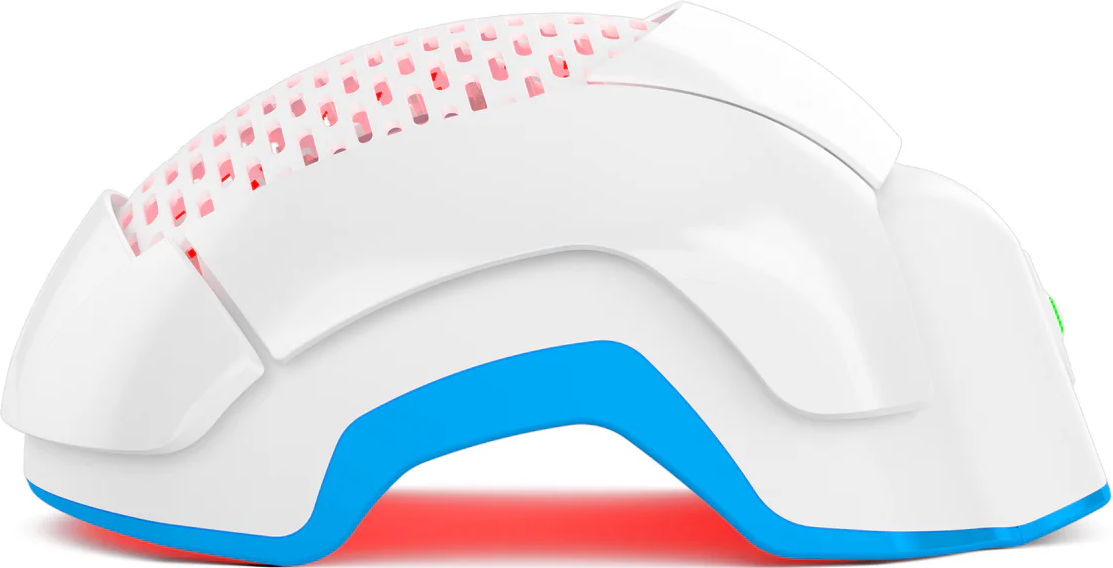
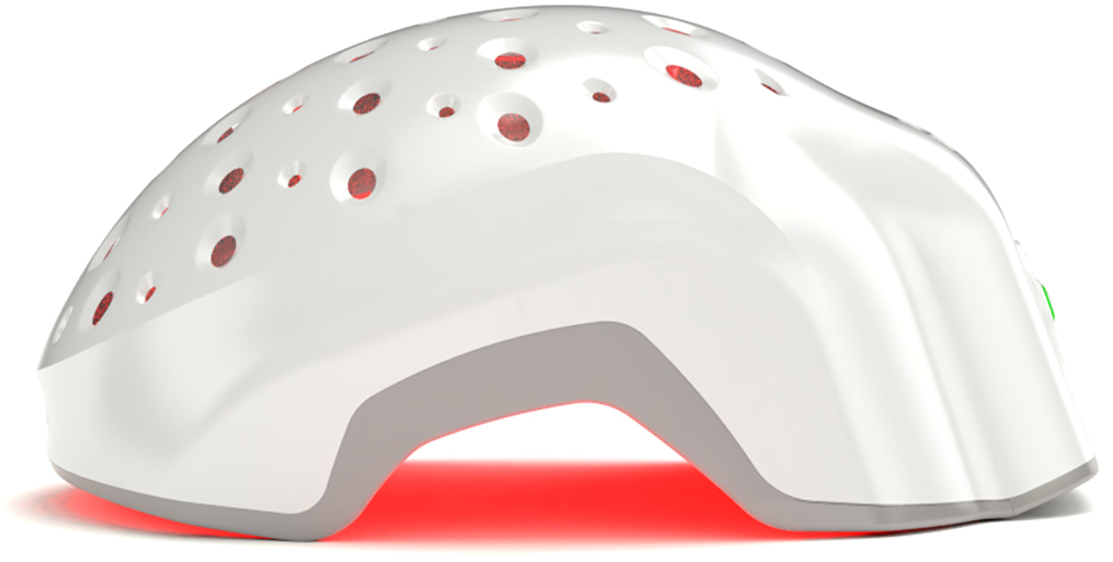
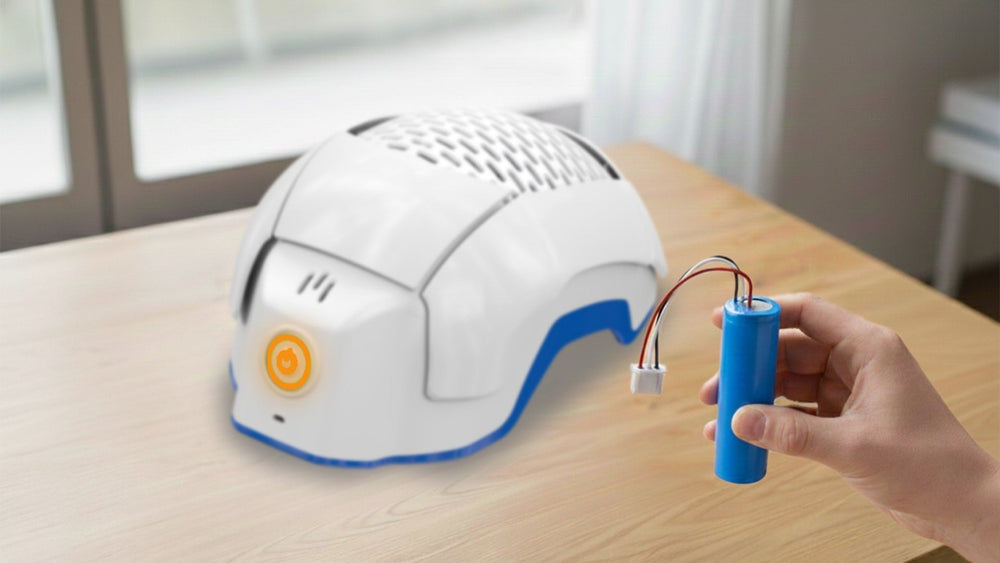
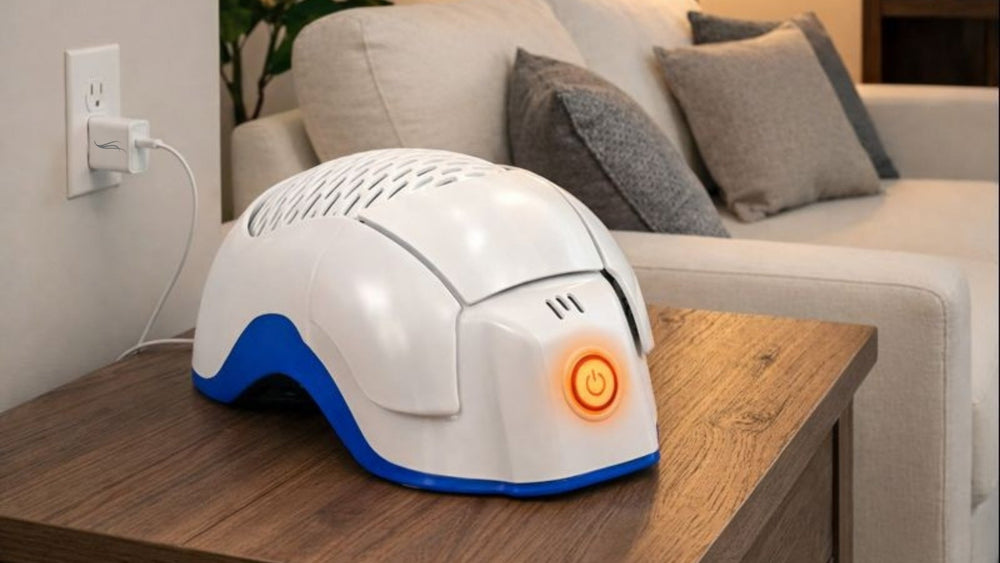
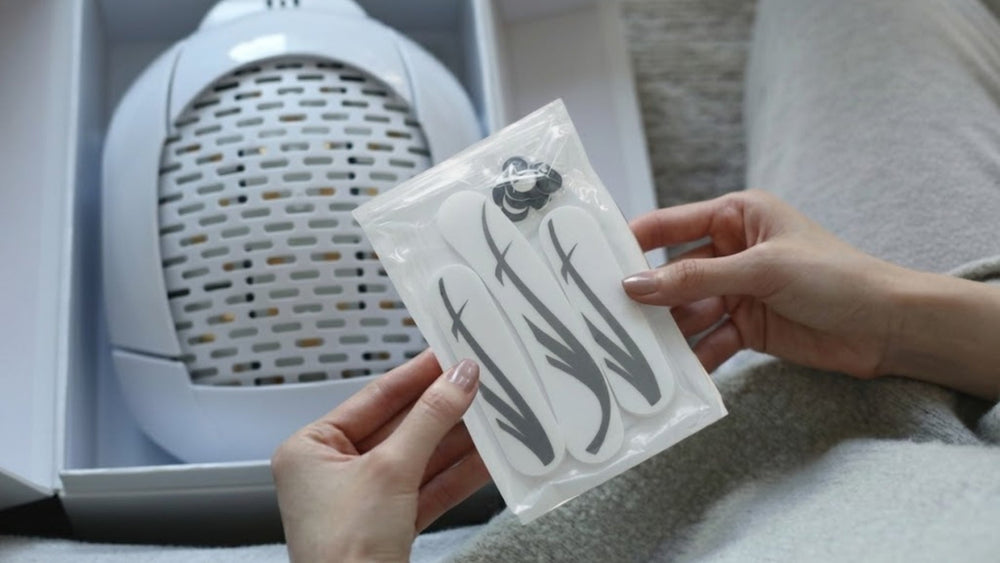
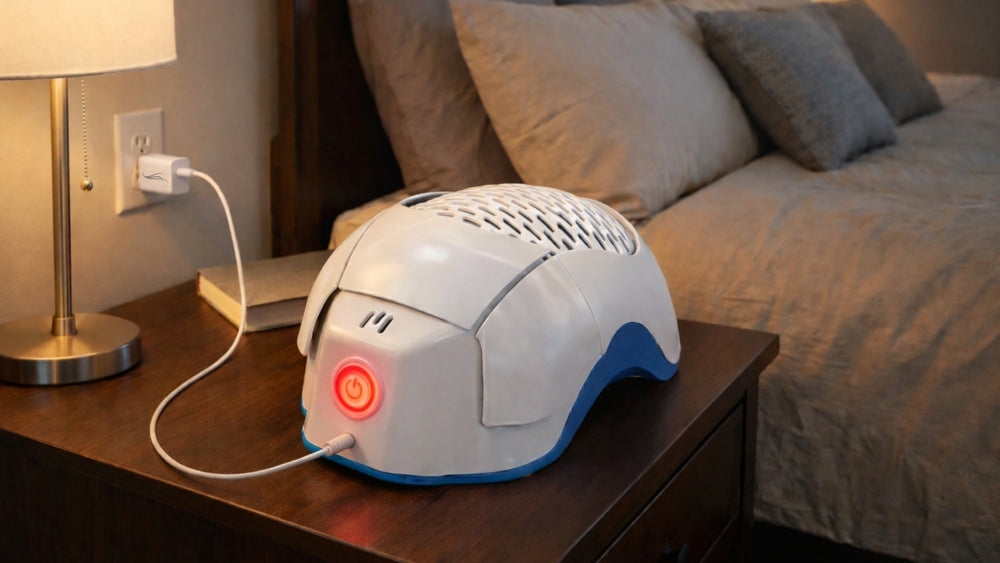
Laser Phototherapy, often discussed in the literature under low-level light or low-level laser therapy, works differently from hormone therapy. It does not try to reset the endocrine system. It acts more directly on the follicle. Reviews report that low-level light therapy may stimulate anagen re-entry, prolong anagen duration, and increase proliferation in active anagen follicles. Another meta-analysis looking at FDA-approved home-use devices found improved hair density in both male and female pattern hair loss.
And this matters for readers who came in hoping hormones alone would handle everything. Sometimes the better strategy is not “internal only” or “external only.” It is a clean diagnosis plus the right combination of tools. If hormones are part of your picture, address them. If follicles need direct support, address that too. Different levers. Same scalp.
Why combining approaches often makes more sense
The AAD notes that if menopause is contributing to hair loss, dermatologists may recommend laser treatment. That tells us something practical. Even when hormones are relevant, clinicians often still use follicle-focused treatment rather than assuming hormone therapy alone will do the job.
Which, if we are honest, is a relief. It means the answer is usually more grounded than “just fix your hormones and your hair will sort itself out.”
How Doctors Diagnose Hormonal Hair Loss
Scalp and hair examination
A proper workup usually starts with history, scalp examination, and a look at the hair pattern itself. The AAD notes that dermatologists may test hair fragility and shedding and can often narrow the cause once they gather enough clinical information.
Hormone testing and endocrine evaluation
If a dermatologist suspects disease, vitamin deficiency, hormone imbalance, or infection, blood tests or sometimes scalp biopsy may be needed. In female pattern hair loss, the androgen excess committee report says assessment of possible androgen excess is mandatory, while thyroid hormones and some other labs may be recommended depending on the case.
When to see a dermatologist vs endocrinologist
If the problem is mainly scalp-hair diagnosis, a board-certified dermatologist is often the best first stop. If there are strong menopause symptoms, menstrual irregularity, signs of androgen excess, or thyroid concerns, endocrinology or gynecology may need to be part of the plan too. This is one of those “both, maybe” situations.
Practical Steps If You Suspect Hormonal Hair Loss
First, do not self-diagnose from three late-night tabs and one very persuasive wellness ad.
Track the pattern. Is it diffuse shedding, a widening part, temple thinning, postpartum loss, or something patchy and abrupt? Timing matters. So do symptoms beyond hair, such as hot flashes, cycle changes, acne, hirsutism, fatigue, or thyroid symptoms.
Then get assessed properly. Because more than one cause can coexist, your plan may involve endocrine treatment, follicle-directed therapy, or both. And if you are in menopause and your dermatologist thinks hair loss is part of that phase, treatments like laser therapy may still belong in the conversation even when hormone therapy is on the table.
Small note, but an important one.
Hair is emotional. That makes people vulnerable to oversimplified answers. Try not to hand your scalp over to oversimplified answers.
Conclusion
Bioidentical hormone therapy for hair loss sits in a gray area, not a miracle category. It may help some people indirectly when thinning is tied to menopause or another endocrine shift, but current evidence does not support presenting it as a proven, first-line treatment for patterned hair loss. In many cases, the better route is a proper diagnosis, then a treatment plan matched to the biology involved. Sometimes that includes hormone therapy. Often it also includes therapies that act directly on follicles, such as laser phototherapy. Start with the cause. Then choose the tool that actually fits it.