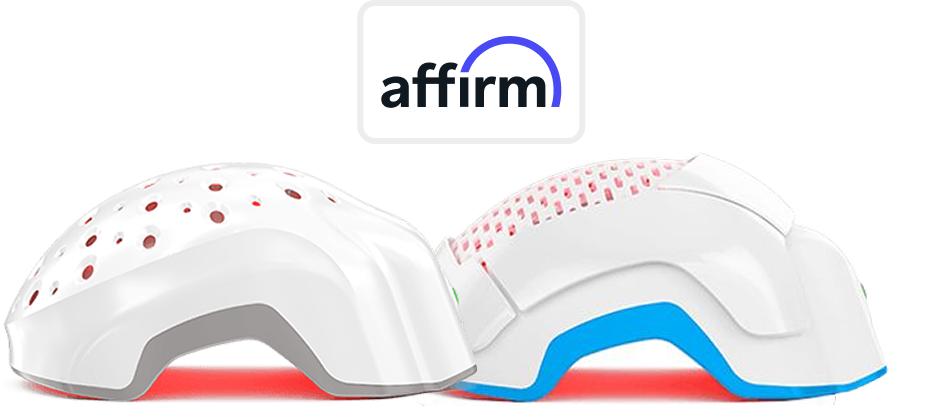







Hair restoration momentum usually fails for one boring reason, not a mysterious one… the biology needs repeated “inputs,” and the human brain needs repeated “reasons.” A system that locks in consistent device use + coaching + visual proof is what keeps most people going long enough to actually see meaningful change.
Pillar 1: Consistent Device Use
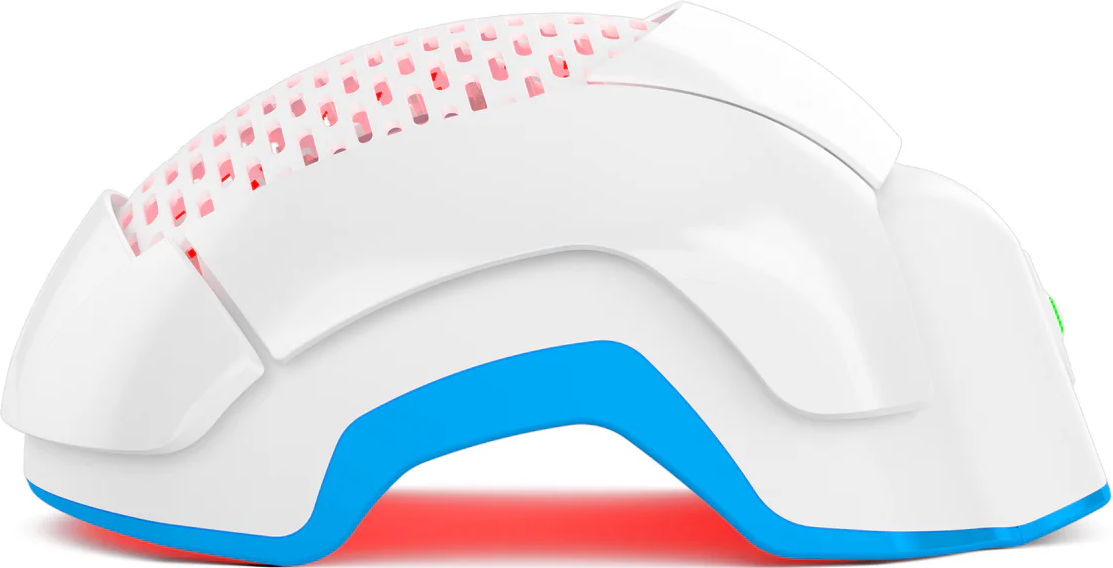
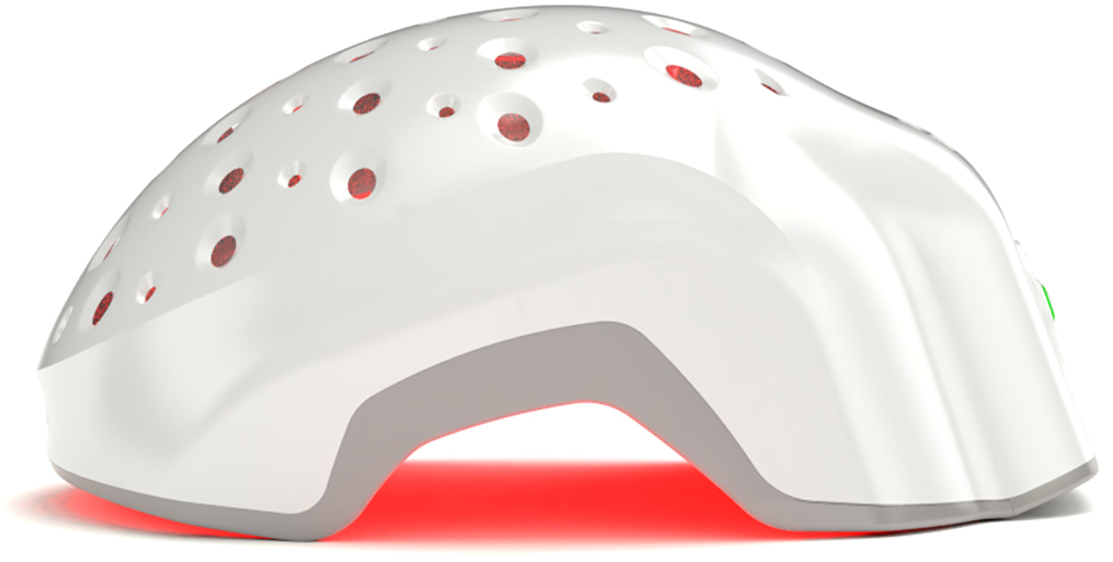
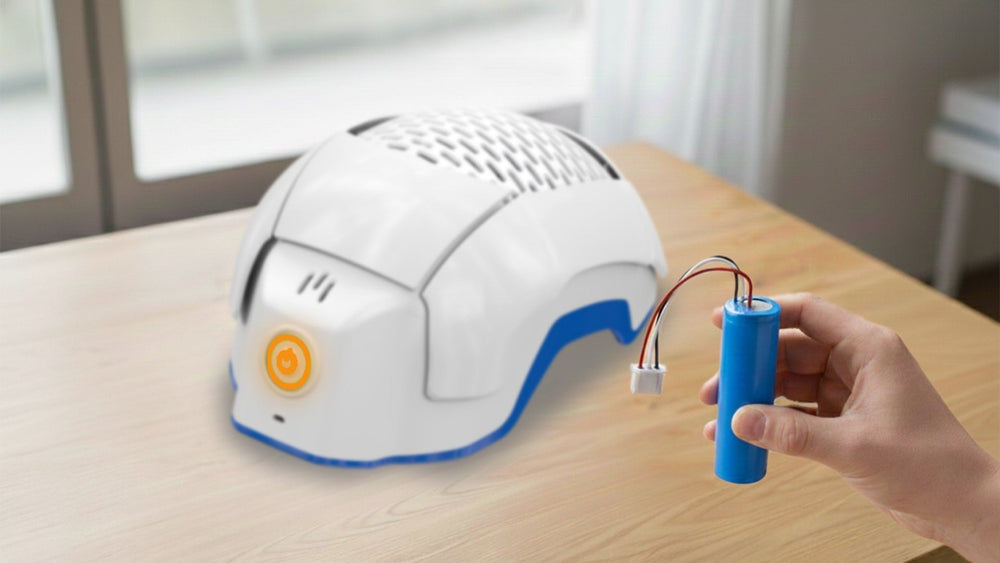
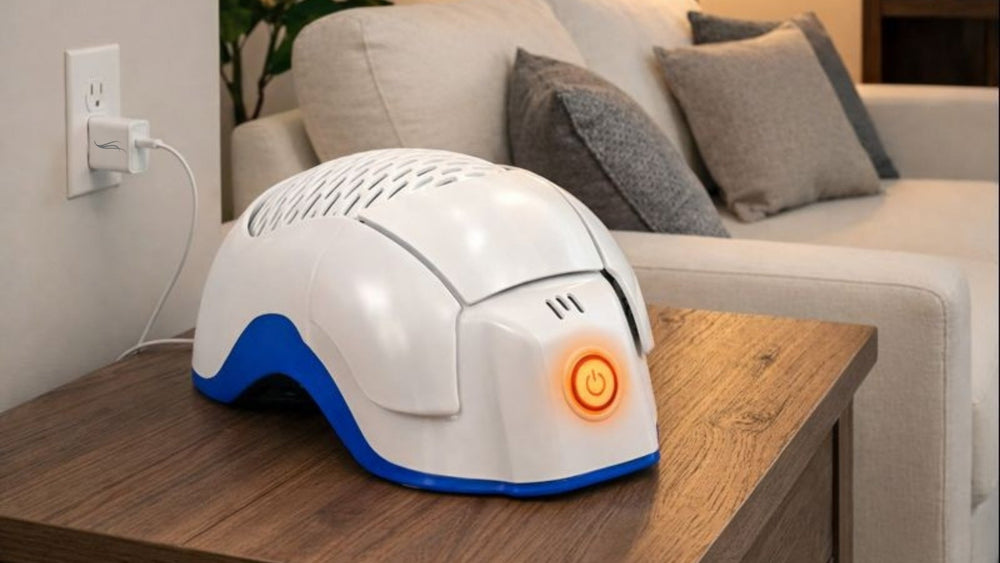
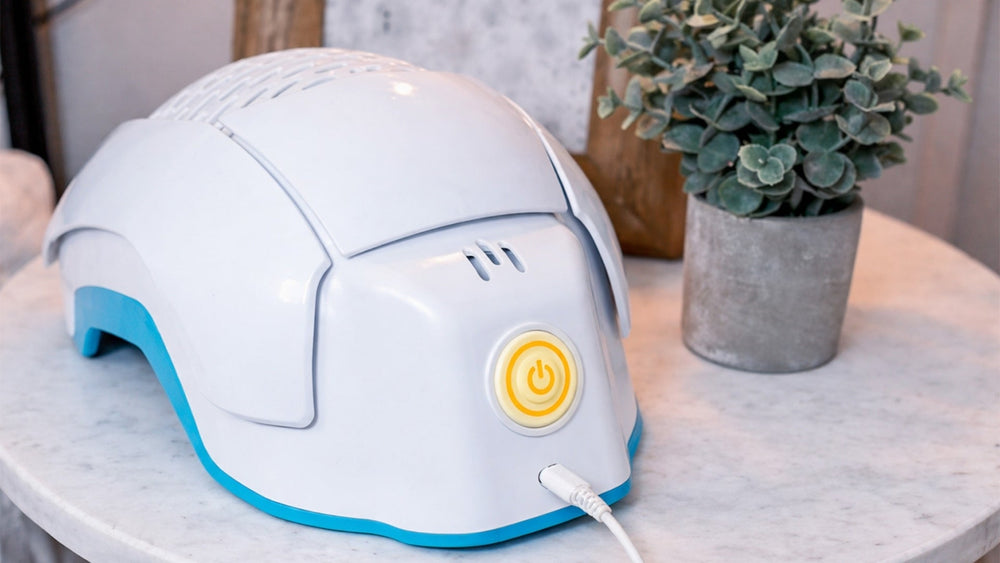
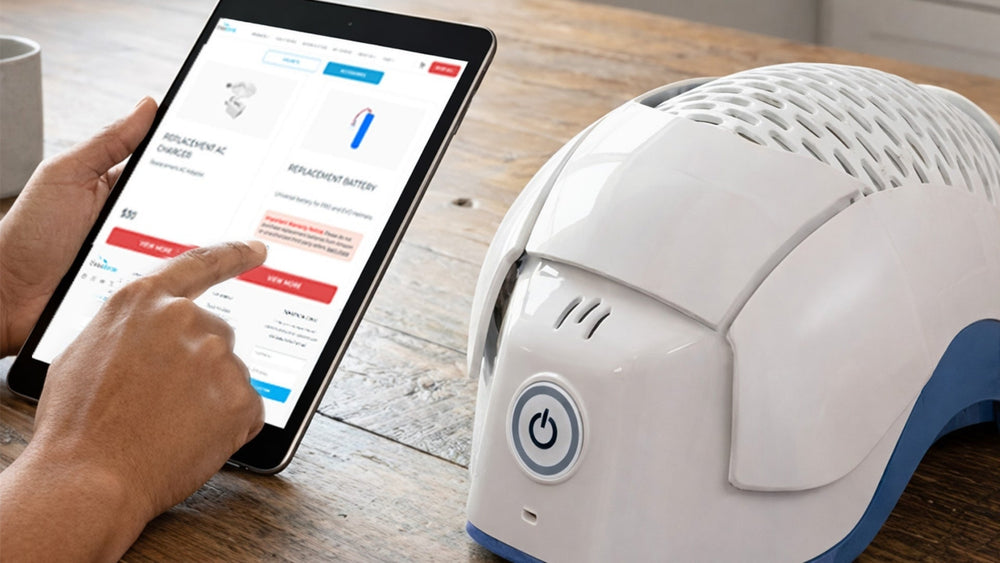
Laser phototherapy technology, when it’s delivered as a regulated medical device and used as directed, is built around something unsexy: cumulative dosing. The point isn’t one heroic session. It’s repeated sessions that keep nudging follicle biology in the same direction long enough to matter.
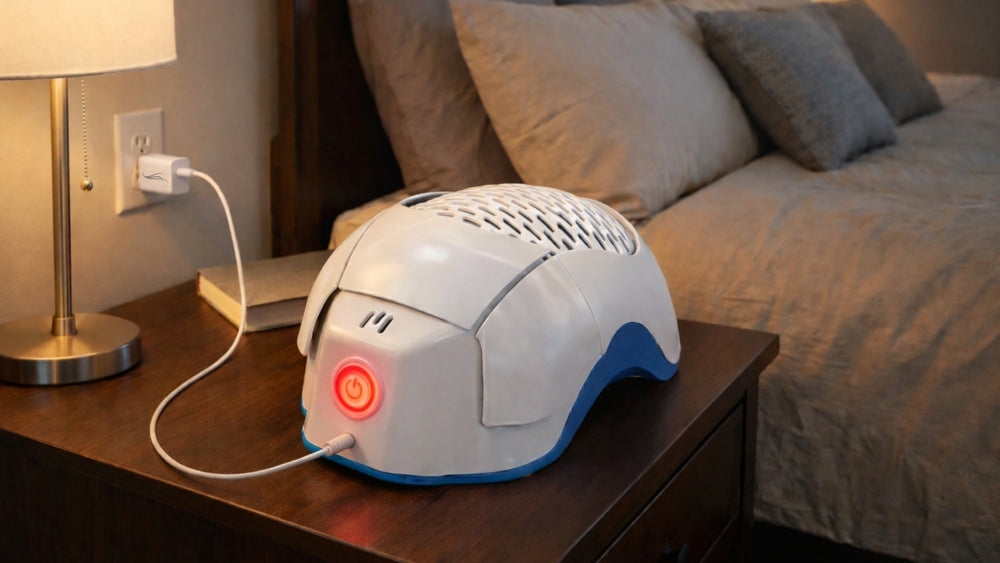
Missed sessions don’t usually create instant disaster. But they can quietly flatten the curve by turning a structured stimulus into random noise (and hair biology is not sentimental about “random”). Most people don’t fail because they chose the “wrong” tool. They fail because they couldn’t keep a predictable cadence long enough to see the delayed payoff.
If you’re comparing devices, look for real regulatory documentation and indications. Theradome’s clearances are documented in FDA 510(k) summaries (including indications and use conditions).
Pillar 2: Coaching and Verbal Reinforcement (The Human Element)
The biological piece is slow. The human brain is impatient. That mismatch is where most routines die.
Clinical guidance helps because it keeps expectations tied to biology instead of marketing timelines. Even with well-studied interventions like topical minoxidil, results can take months and ongoing use is typically required to maintain gains.
And for pattern hair loss specifically, that “maintenance” part isn’t a scare tactic, it’s just how chronic androgen-driven miniaturization behaves. The condition tends to progress without ongoing management, which is why long-term plans show more durable benefit than short “bursts.”
The Use-Log Check-in

A use log sounds childish until you realize what it really does: it turns “I think I’m doing it” into “I know what happened.”
That matters because adherence drops for predictable reasons: irritation, busy weeks, discouragement, confusion about timing, travel, and the classic one… “I missed a few days, so I might as well stop.” Tracking makes those failure points visible early, while they’re still fixable.
It also creates a clean conversation with your clinician or coach. Not a vague emotional recap. Actual data. (Not glamorous, but neither is starting over every six weeks.)
“Human Time” vs. “Advertising Time”
Hair biology does not run on ad pacing.
If minoxidil works for someone, the American Academy of Dermatology notes it can take 6–12 months to see results, and it must be used as directed. That is human time.
Device routines and photobiomodulation-style interventions also tend to be studied over multi-month timelines, with gradual changes measured in hair counts, density, thickness, or photographic assessment, not overnight mirror wins.
So coaching is partly emotional, sure, but it’s also intellectual honesty. You’re being told the truth early so you don’t panic later.
But honesty tends to increase compliance. People can tolerate slow when they believe it’s normal slow.
Pillar 3: Visual Proof
There’s a specific psychological trap that shows up in hair work: gradual improvement is hard to perceive in real time.
You see your hair every day. Your brain normalizes it. The mirror becomes unreliable, especially when lighting, styling, humidity, and sleep all mess with perception. Standardized visual proof is what cuts through that noise.
And yes, this is still “clinical,” not vanity. Photographic assessment is a common tool in hair studies and clinical monitoring precisely because subjective perception is messy.
The Standardization Protocol
Make progress photos boring on purpose:
- Same angle
- Same lighting source
- Same distance
- Same parting / styling approach
- Same day of the month (or same interval, like every 4 weeks)
This is not about creating flattering photos. It’s about creating comparable photos.
If you want to go one level deeper, you can pair photos with clinician-style notes: shedding level, scalp symptoms (itch, scale), and any routine changes. When you later wonder “was that shed normal,” you’ll have context.
Seeing is Believing
When people quit, it’s often during the “I don’t see anything” phase, not because nothing is happening.
A review of low-level laser/light therapy literature discusses controlled trials and measured outcomes, which is exactly why consistent documentation matters. You’re trying to detect changes that are real but incremental.
So in moments of doubt, you don’t argue with yourself. You look at your own baseline.
That’s a different kind of persuasion.
The Reward Feedback Loop
Behaviorally, visual proof acts like a reinforcement signal. You see something moving, so you keep doing the thing. That’s not mystical, it’s basic habit learning.
And if nothing is moving after an appropriate timeline, visual proof also helps you do the grown-up thing: reassess with a clinician, adjust the plan, rule out other causes, and stop wasting time.
So it protects you in both directions. Nice.
Why One Missing Side Collapses the Triangle
This is where people get annoyed, because they want one lever.
They want the “right” device to replace routine. They want a shampoo to replace diagnosis. They want motivation to replace measurement. Most of the time, it doesn’t work like that.
Here’s the interdependence:
- Consistent use without coaching can turn into panic quitting when results are slower than expected.
- Coaching without consistent use turns into reassurance with no biological input.
- Consistent use + coaching without visual proof often still collapses because the person feels like nothing is changing.
The “Wobble Effect”
The wobble is that moment where you start negotiating with yourself.
“I’ll skip today.”
“I’ll double up later.”
“Maybe this just isn’t for me.”
Sometimes you can coach your way through it. Sometimes you can discipline your way through it. But the most reliable stabilizer is evidence you can see, paired with a routine you can repeat.
And yes, some people are dealing with deeper issues than compliance: inflammatory scalp disease, medication effects, sudden telogen effluvium, nutritional deficiency, autoimmune patterns. That’s why diagnosis matters when the pattern isn’t classic.
Maintaining Momentum
A practical milestone many clinicians use is that multi-month window where early changes become easier to measure, and adherence becomes more automatic if the system is working.
So the goal isn’t “try a laser helmet” or “start a routine.”
The goal is: build a small, realistic system you can keep long enough to evaluate honestly.
One more compliance reality check: even well-known treatments lose ground when stopped. Discontinuation of topical minoxidil, for example, is associated with loss of gained hair over subsequent months, and long-term commitment is a known barrier to adherence.
That’s not meant to scare you. It’s meant to stop you from treating chronic conditions like short experiments.
Conclusion
Hair restoration is rarely a single “thing.” It’s a pattern you repeat.
The Compliance Triangle works because it respects two truths at once: biology responds to consistent inputs, and humans stick with routines when they feel supported and can see progress. If you want a real shot at month six and beyond, build the system first, then let the laser do its job.